
What the Cabin Symbolizes in Alaskan Bush People’s Narrative
Exploring Themes of Family and Survival
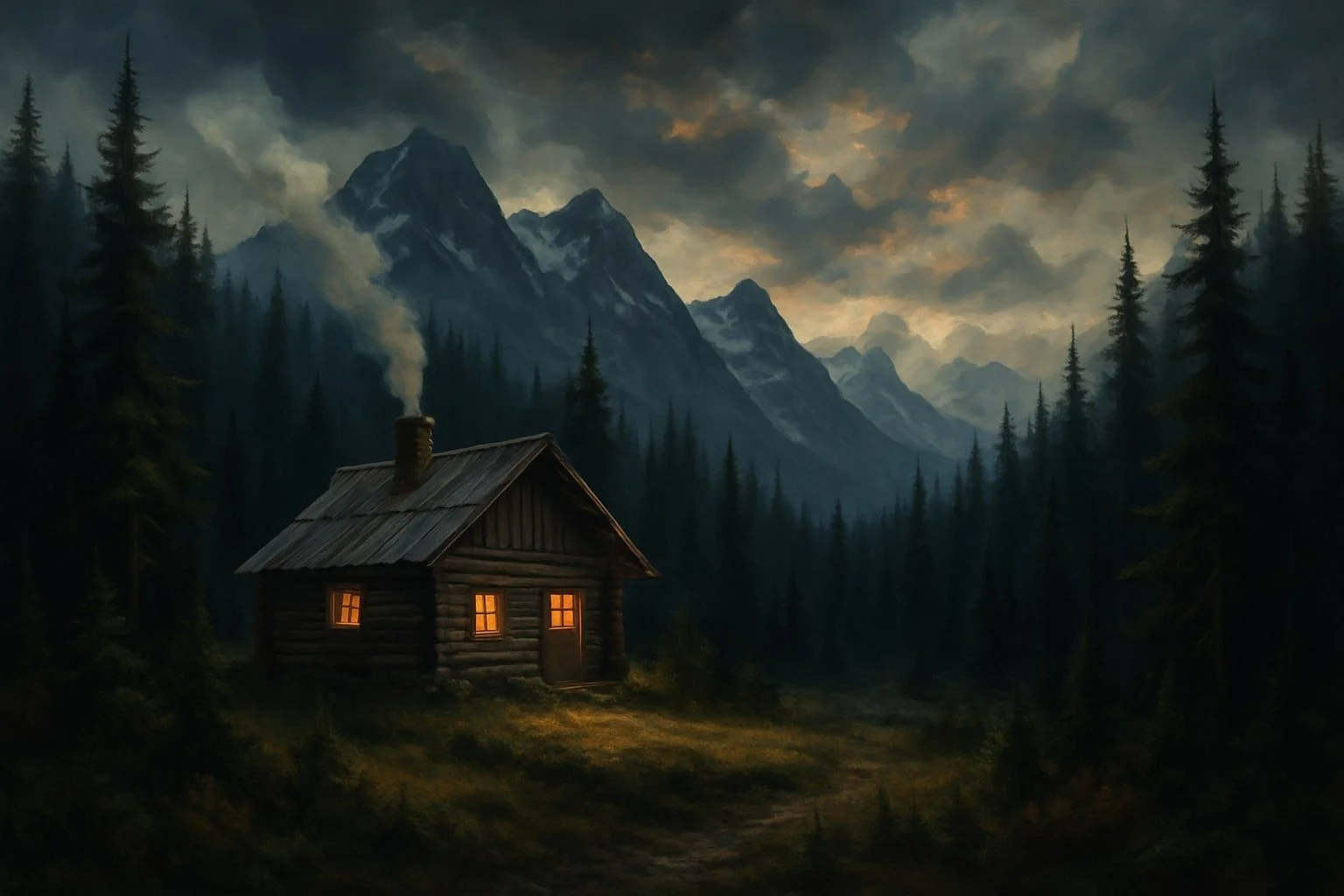
The cabin in Alaskan Bush People’s narrative represents more than a shelter; it serves as a symbol of the family’s pursuit of self-reliance and their connection to the Alaskan wilderness. Built in challenging conditions and remote landscapes, the cabin stands as a testament to the Browns’ desire to carve out a life on their own terms. Its construction and maintenance reveal how isolation, survival, and independence shape their daily existence.
The show often highlights the cabin as a focal point for both hardships and achievements, reflecting the family’s evolving relationship with nature and each other. Viewers see the cabin not just as a physical structure, but as a metaphor for resilience and adaptation in the face of adversity. This emphasis on the symbolic role of the cabin adds depth to the Alaskan Bush People narrative, inviting audiences to consider what home means in an unpredictable environment.
The Central Role of the Cabin in Alaskan Bush People’s Story
The cabin in Alaskan Bush People functions as more than just shelter; it is the narrative’s linchpin, intertwining the Brown family’s values, lifestyle, and challenges. Its construction and daily use reveal recurring themes crucial to understanding the family’s journey and the reality TV show’s portrayal of life off the grid.
Symbol of Family Bonds
For the Brown family, the cabin stands as a physical and emotional anchor. Building the cabin is often a collective effort that must involve every family member, from children to adults. This process highlights interdependence and shared purpose.
The structure is also where milestones, celebrations, and hardships unfold. Gatherings in the cabin show the family’s closeness, reinforcing Alaskan Bush People’s focus on unity in adversity. Conflicts and resolutions often take place within its walls, showing how daily life and relationships evolve.
Living together in the cabin under modest conditions requires cooperation. The space is limited, forcing the Brown family to compromise and negotiate their needs—reinforcing their resilience and the narrative emphasis on self-sufficiency.
Representation of Off-Grid Life
The cabin is a constant reminder of the Brown family’s off-the-grid lifestyle. Located in remote wilderness, it lacks many conveniences of modern housing. This setting reflects the show’s emphasis on living with minimal reliance on outside systems.
Alaskan Bush People uses the cabin to showcase the logistical realities of off-grid life. Issues like heating with wood stoves, managing limited water resources, and handling food storage underscore everyday challenges. These details ground the family’s lifestyle in visible, relatable terms.
By living away from urban centers, the family’s routines—cooking, cleaning, repairing—are shaped by isolation. Scenes set in the cabin repeatedly highlight how the Browns must adapt and make do without access to electricity or easy supply lines, reinforcing the narrative’s authenticity.
Showcase of Survival Skills
The cabin’s construction and ongoing maintenance provide a stage for the Brown family’s survival skills. Building the cabin from raw materials, often sourced themselves, demonstrates practical know-how and adaptability.
Tasks like reinforcing the roof, winterizing walls, or improvising furniture become regular proof of self-sufficiency. These moments are central to the reality TV show’s appeal, offering concrete examples of resilience in a harsh environment.
Tool use, problem-solving, and teamwork are on display whenever repairs or upgrades are needed. Viewers are shown not just the finished results, but the process—underscoring the importance of hands-on skills and resourcefulness in daily life off the grid.
Authenticity and the Cabin: On-Screen Versus Reality
The presentation of the cabin in Alaskan Bush People raises important questions about authenticity in reality TV. The way producers construct the narrative and the way fans respond both influence the perception of what is real and what is manufactured for entertainment.
Producers’ Role in Cabin Portrayal
Producers play an active role in shaping how the Brown family’s cabin appears on-screen. They make editorial decisions on what footage is included, how scenes are sequenced, and which moments are emphasized. This editing can enhance drama, highlight struggle, or underscore the family’s resourcefulness.
Reality TV production values often require guidance on set design and staging. Sometimes, certain aspects of the cabin are curated or altered to fit storytelling needs. For example, producers may request specific construction tasks to be repeated or filmed from multiple angles to capture dramatic moments for Discovery Channel audiences.
These practices contribute to the ongoing debate about authenticity in the series. While some elements of the cabin are genuine, others are adapted or exaggerated to maintain entertainment value and consistent narrative flow.
Fan Reactions and Perceptions
Fans frequently discuss and analyze the authenticity of the cabin featured on Alaskan Bush People. Many viewers use social media and online forums to compare on-screen events with publicly available information, such as satellite images and local news reports.
A recurring topic is whether the cabin is truly hand-built by the family or relies on outside help and assistance. Some fans feel misled if they believe significant off-camera support is used, while others accept staged scenes as a normal aspect of reality TV production.
Lists of common fan concerns include:
Use of professional contractors
Timeline inconsistencies
Repetition of dramatic events
Fan perception often fluctuates depending on evidence of producer intervention versus the family’s genuine efforts. These reactions demonstrate the complexity surrounding the show's balance of reality and entertainment.
Building the Cabin: Challenges and Achievements
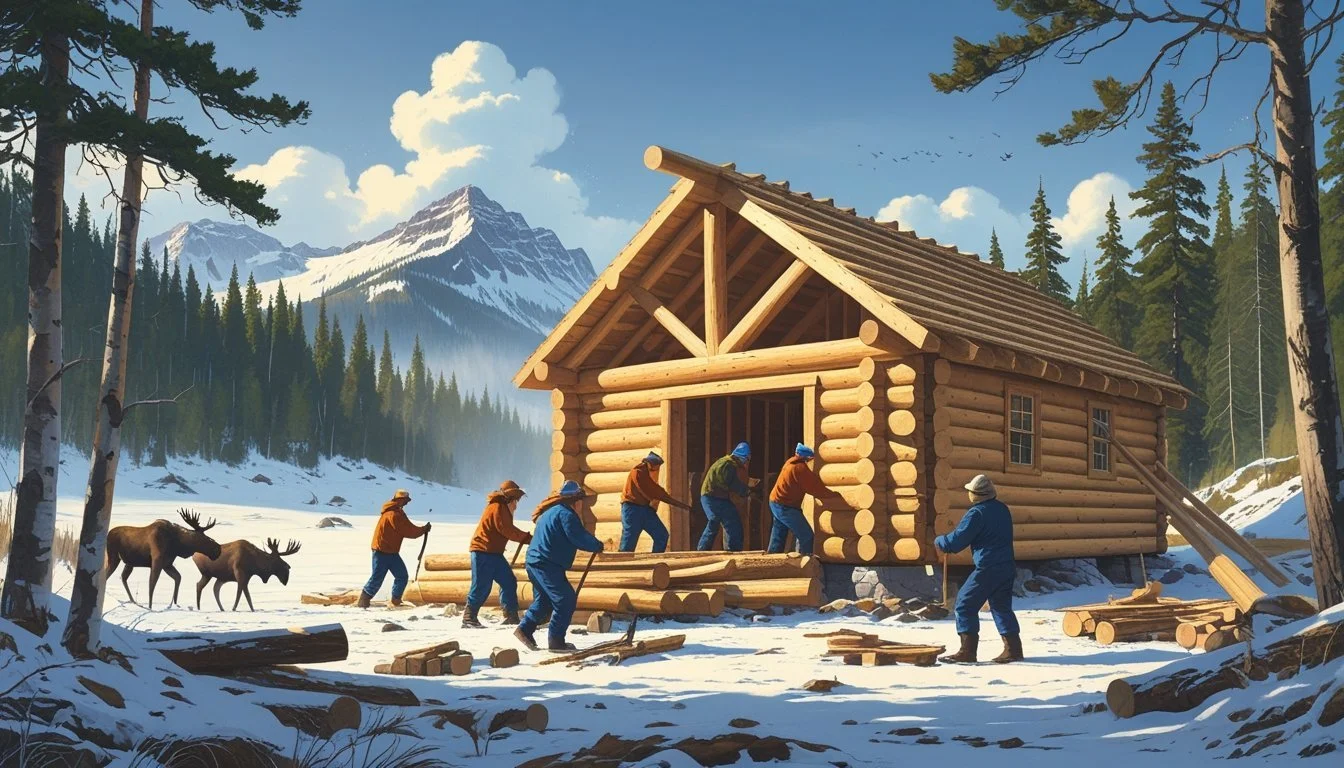
Constructing a cabin in remote Alaska requires adaptability, resourcefulness, and practical knowledge. The process reflects both individual competence in survival skills and the importance of group cooperation in overcoming natural obstacles.
Wilderness Survival Skills Required
Surviving in the Alaskan wilderness demands mastery of essential off-grid skills. Building a cabin starts with selecting the right site—elevated to avoid flooding, and near a water source but far enough to ensure safety. Weather conditions, including cold temperatures and snowfall, influence every step.
Cutting, notching, and stacking logs require proficiency with axes, saws, and other hand tools. The Brown family’s ability to craft tools and use available resources reduces their dependence on outside supplies. Knowledge of insulation, ventilation, and firewood storage ensures the cabin remains suitable for year-round living.
Skills such as hunting, foraging, and fishing are integral to maintaining self-sufficiency during construction. Each practical decision—from log selection to roof angle—demonstrates the survival mindset necessary for long-term wilderness living.
Collaborative Family Effort
The cabin’s creation in Alaskan Bush People involves every family member, highlighting the importance of teamwork. The Browns distribute tasks according to strengths—one hauls logs, another shapes timbers, others gather materials or prepare food.
Creating a shared routine helps maintain pace and morale, even in harsh weather. Open communication and coordination reduce mistakes and foster resilience. Children are often taught hands-on skills, reinforcing the family’s self-reliance.
The table below summarizes roles during construction:
Family Member Contribution Parents Planning, heavy labor Older children Carpentry, hauling logs Younger children Gathering, support tasks
This collaborative effort makes the cabin a symbol of both survival and family unity in the Alaskan wilderness.
The Cabin as a Symbol of Isolation and Self-Reliance
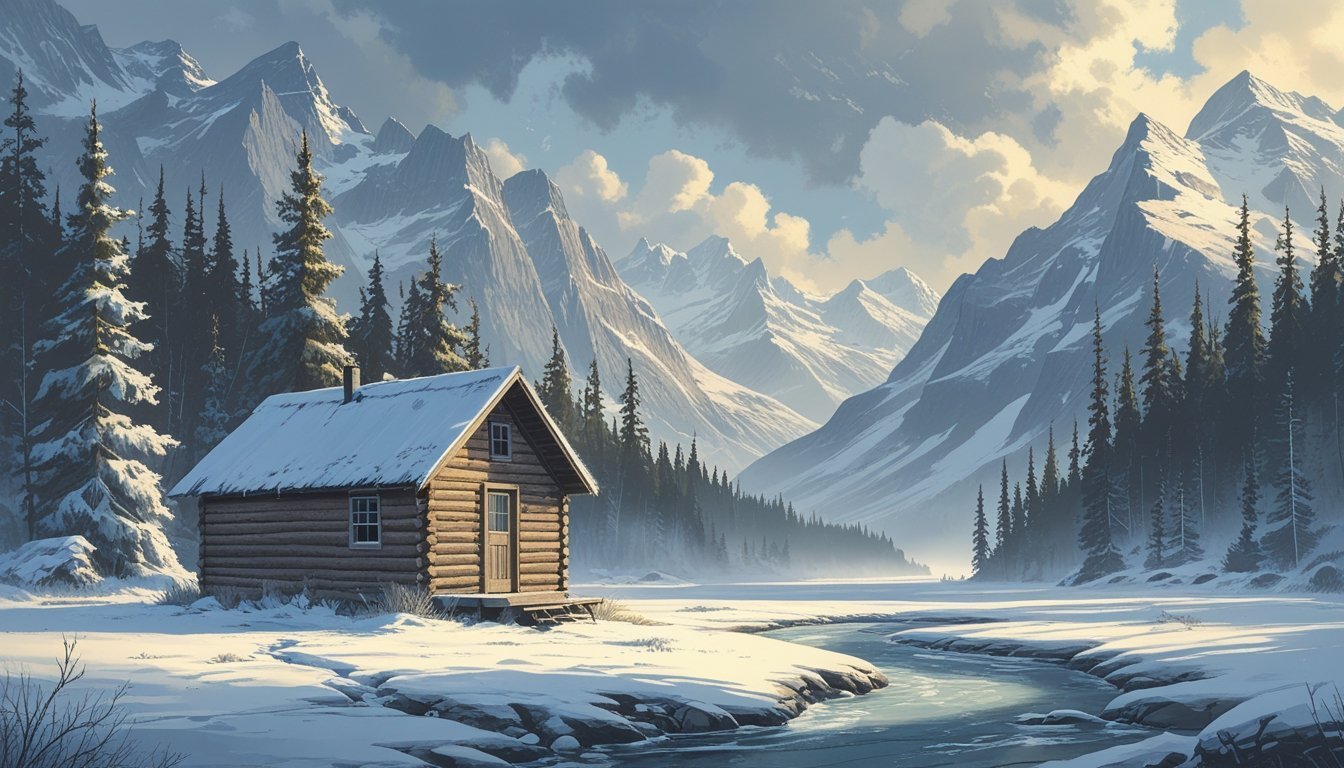
The cabin in Alaskan Bush People serves as a powerful representation of both seclusion from society and the ability to thrive without outside support. Its presence underscores the realities of living in harsh, remote environments and making lifestyle choices very different from conventional American life.
Living in Remote Areas
In Alaska, cabins are often found far from urban centers or even rural towns. This distance limits immediate access to services, creating unique challenges for anyone choosing to inhabit such a structure.
Isolation is not abstract here—it is a daily experience. Residents adapt to unpredictable weather, limited communication, and occasional supply shortages.
Key realities associated with cabin living:
Travel: Reaching the cabin may involve snowmobiles, boats, or hiking, especially in winter.
Self-sufficiency: Families must store food, chop wood, haul water, and repair structures themselves.
Solitude: Interactions with people outside the household can be infrequent for weeks or months.
The isolation of the cabin is both a physical reality and a psychological challenge, fostering deep self-reliance but also testing emotional endurance.
Embodying Unconventional Lifestyle Choices
Choosing to live in a remote Alaskan cabin is a conscious decision to diverge from mainstream lifestyles. The family depicted on the show demonstrates firsthand what it means to embrace unconventional values.
Unlike typical suburban living, their daily tasks revolve around survival. Children learn skills like foraging, hunting, and building from a young age.
Key aspects of their unconventional approach:
Minimal reliance on modern conveniences such as electricity, plumbing, or processed foods.
Adaptation: Clothing, shelter, and tools are adapted for maximum utility in Alaska’s climate.
Group dynamics: The family structure is often more interdependent, sharing responsibility for essential duties.
The cabin stands as both a symbol and an environment framing a life marked by independence, ingenuity, and resistance to cultural norms found elsewhere.
The Influence of Setting: Alaska Versus California
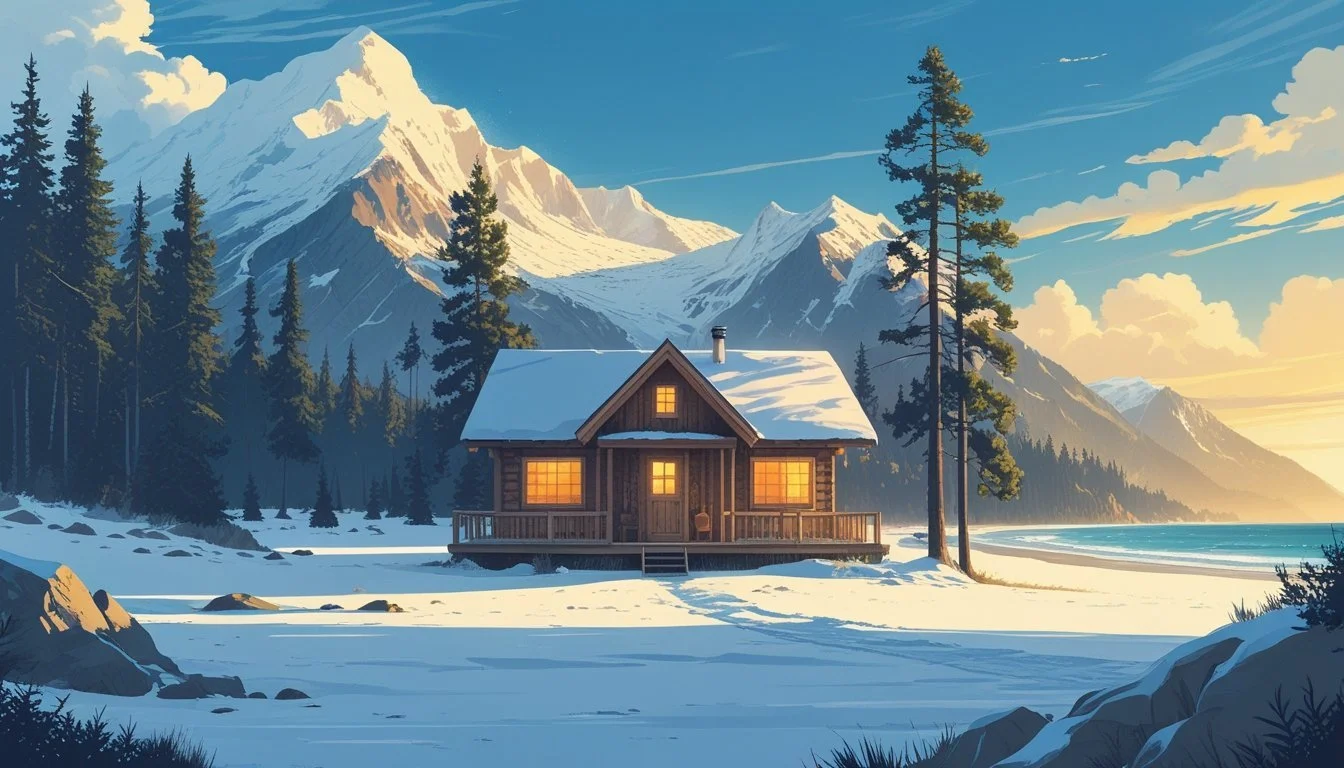
Alaskan Bush People transitioned its narrative and setting between the remote wilderness of Alaska and the relative accessibility of Washington and, at times, California. These changes have influenced the way the cabin is presented and perceived, impacting authenticity and the portrayal of rural adventure.
Filming Locations and Their Impact
The series initially filmed in Alaska, providing a backdrop of isolation and genuine wilderness that shaped much of the show's early identity. Dense forests, harsh weather, and distance from civilization defined the environment and played a significant role in daily survival.
As the series progressed, production moved to Washington and sporadically California, altering the authenticity of the setting. Washington shares some rugged features with Alaska, but lacks the extreme remoteness. California, when featured, diverges even further from the bush narrative, with more accessible resources and modern comforts.
The cabin, featured in these locations, retains symbolic value but its meaning subtly shifts. In Alaska, it served as a true outpost of survival. Elsewhere, the cabin becomes more a set piece than a necessity, affecting viewer perceptions about the family's self-reliance and the show's authenticity.
Environmental Challenges and Adaptations
Alaska’s environment is unforgiving, with extreme cold, limited daylight in winter, and frequent storms. The Brown family’s cabin required constant maintenance, insulation, and creative problem-solving just to endure basic conditions. Sourcing water, firewood, and food in this region involved significant risk and skill.
When production shifted to Washington and California, the environmental stakes changed. Winters are milder and supply lines are shorter, making everyday life less precarious. Adaptations shifted from survival tactics to managing rural comfort, and the challenges reflected more logistical adjustments than existential threats.
The contrast between Alaska’s harsh wilderness and the more temperate climates elsewhere influences both the narrative tension and the symbolic meaning of the cabin. The setting affects not only what is required to live but also what the space itself represents within the show.
Narrative Evolution: Real-Life Events Affecting the Cabin
The Alaskan Bush People’s cabin stands as more than just a structure; it represents a focal point for the family’s shifting circumstances, both challenging and transformative. Key personal and legal events have shaped the cabin’s meaning and place within the family story.
Ami Brown’s Cancer Battle
Ami Brown’s diagnosis with advanced lung cancer in 2017 posed one of the toughest periods for the Brown family. The cabin, once a symbol of rugged self-sufficiency, became a shelter during crisis and uncertainty. Medical demands forced the family to leave Alaska and relocate closer to treatment, temporarily leaving behind their home in the wild.
During Ami’s treatment and recovery, the cabin’s absence underscored its significance as a core part of their identity. The eventual return to homestead life, after Ami’s remission, cast the cabin as a symbol of hope and perseverance. For viewers, the physical cabin embodied the family’s fight against adversity and their commitment to reunion.
Legal Troubles and Public Scrutiny
In 2014, Billy Brown and several family members, including Bam Bam, faced charges tied to theft and unsworn falsification, related to false Alaska residency claims for dividend checks. These legal issues sparked national attention and scrutinized the authenticity of the Browns’ bush lifestyle. The controversies put public and legal pressure on the family, temporarily undermining their image.
The legal battles impacted the cabin’s narrative role. It shifted from a straightforward icon of honest living to a structure surrounded by questions about truth and representation. Despite these challenges, the family continued to feature their cabin as a central location, now layered with the weight of scrutiny and resilience.
Family Changes After Billy Brown
Billy Brown’s death in 2021 marked a major turning point. As the family's patriarch, he was closely associated with building and maintaining the cabin as a symbol of the family dream. His passing affected both the daily function and emotional presence of the cabin in the show’s narrative.
The rest of the Brown family faced the task of redefining their place and purpose. The cabin changed from a project led by Billy to a home maintained through collective effort. Its continued presence acted as a reminder of his legacy and demonstrated the family's determination to adapt and persevere amid loss.
The Cabin’s Enduring Legacy in Reality Television
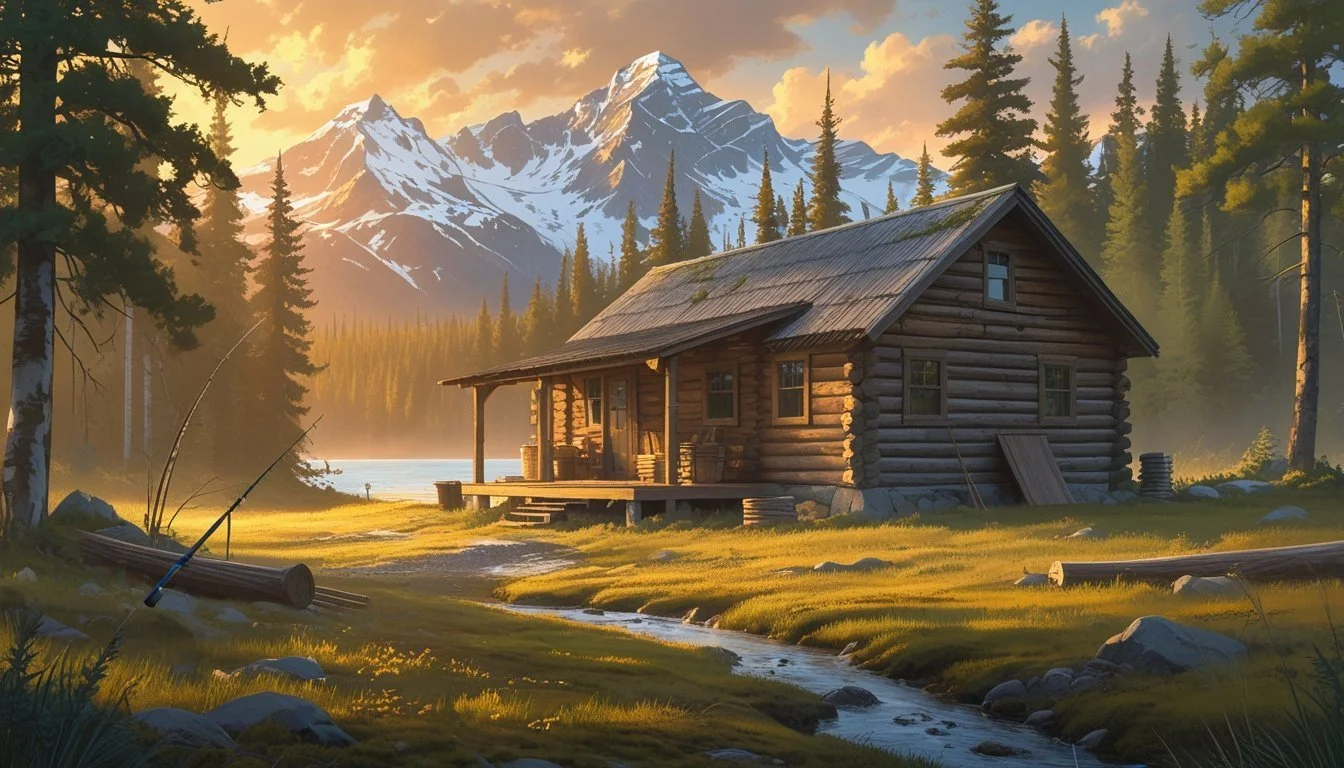
The cabin in Alaskan Bush People quickly became one of the most recognizable icons in reality television, representing themes beyond just shelter or survival. Its symbolic role has influenced both the viewing public and narratives across similar shows.
Impact on Fans and Pop Culture
The cabin serves as a touchstone for viewers, grounding the Browns’ story in a space that feels authentic and relatable. Many fans see the cabin as more than a house—it is a place where family ties are tested, decisions are made, and challenges are faced.
Online forums, social media groups, and discussion pages often highlight the cabin as a central image. Memes, artwork, and merchandise frequently feature its silhouette or interior. The cabin’s presence has also shaped expectations for other wilderness-based shows, with viewers comparing the Browns’ home to cabins on series like The Last Alaskans.
Reality television critics and industry observers note the cabin’s central role in marketing the show. Its rustic appearance and integration with Alaskan nature have become shorthand for rugged survival and self-sufficiency in entertainment.
Inspiration for Sustainable Living
For some viewers, the cabin represents the possibility of off-grid living and environmental stewardship. Many fans look to the Browns’ construction methods and lifestyle choices as a form of inspiration, sparking interest in sustainable building, simple living, and alternative energy.
Discussion boards and blogs devoted to homesteading or eco-friendly living often reference techniques seen in the show, such as the use of reclaimed wood and resourceful heating. The cabin’s reliance on natural materials and minimal technology resonates with those who aspire to lower-impact lifestyles.
While the show has faced criticism for its authenticity, the cabin remains an influential example for audiences interested in sustainable choices. It has contributed to an ongoing discussion about what it really means to live simply and responsibly within nature.
