
How Innovation Shapes Survival and Storytelling
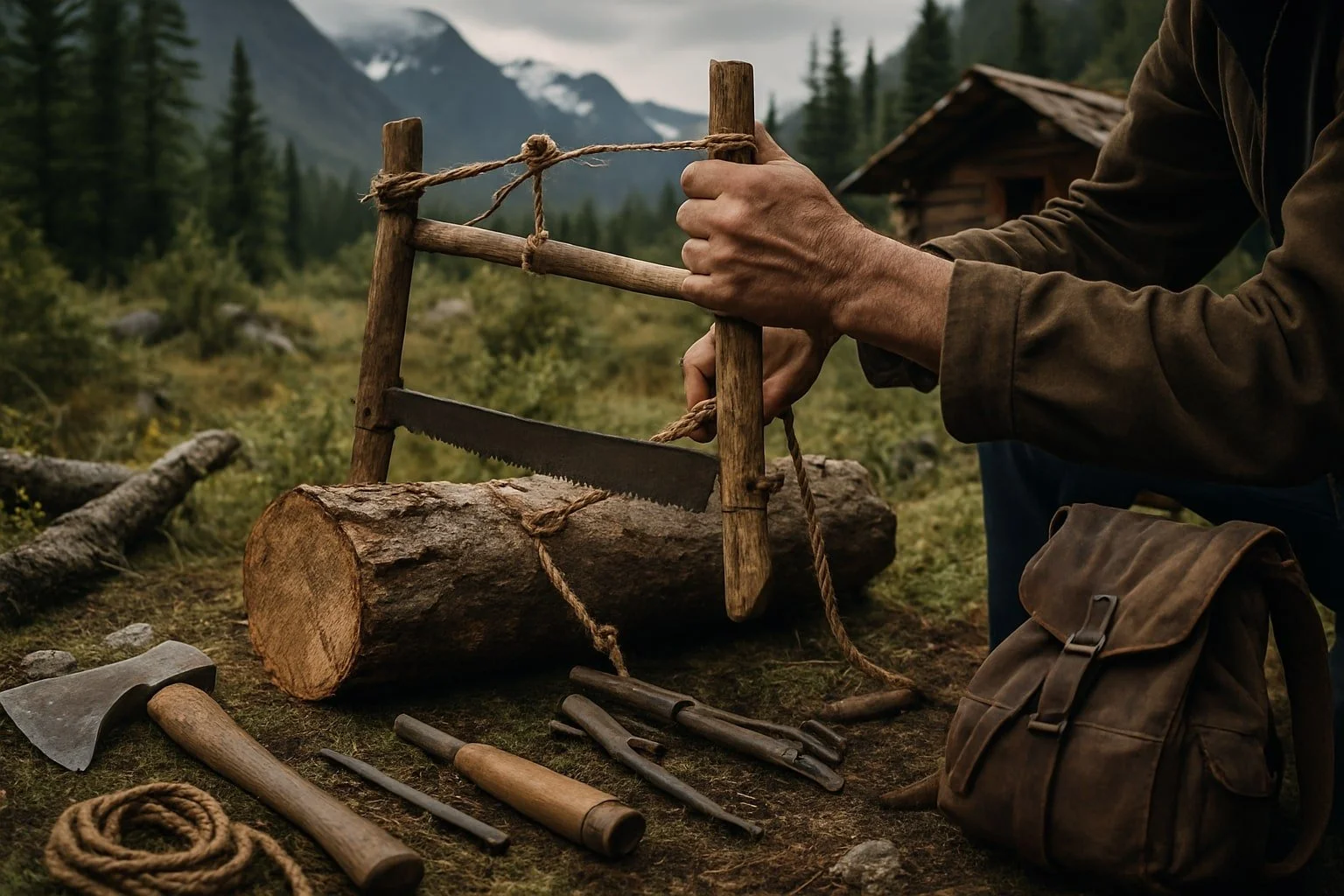
Tools and inventions are central to the drama in Alaskan Bush People, shaping both the daily survival and the unique storylines that keep viewers engaged. The Brown family’s resourcefulness in crafting practical solutions and unusual contraptions reflects the challenges of life in remote Alaska, where necessity often drives creativity.
Each episode often places the family's inventions at the heart of conflict and cooperation, whether they are building systems for running water or developing homemade gadgets. The process of designing, testing, and adapting their creations sparks tension, teamwork, and unexpected moments that highlight both the struggles and ingenuity of bush living.
These inventive efforts go beyond mere survival, becoming key elements of the show’s narrative. The audience is drawn in by the unpredictable results of homemade innovations and the very human drama that unfolds when plans succeed—or fail—in the Alaskan wilderness.
Foundational Impact of Tools and Inventions
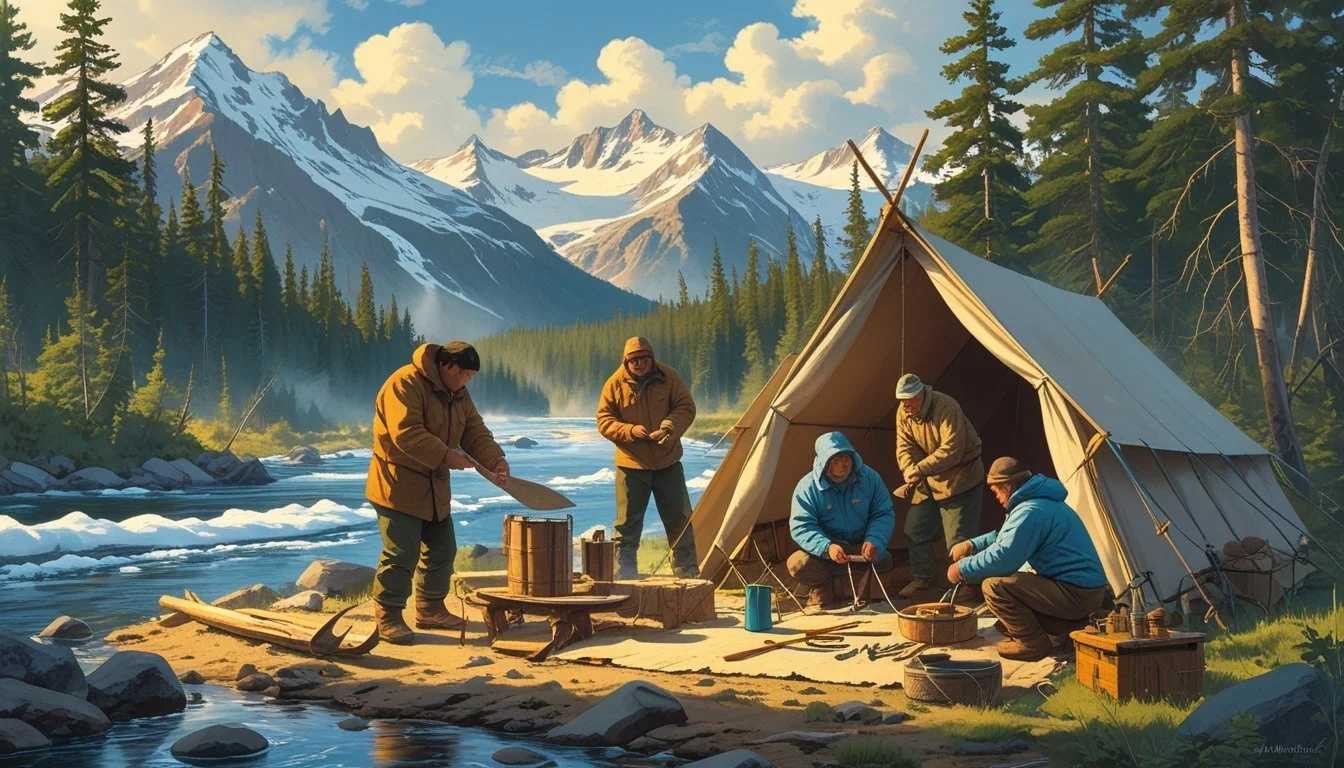
Tools and inventions have long shaped both daily survival and the unique culture of Alaska. The use and adaptation of technology in this environment reflect wider trends in innovation, resilience, and resourcefulness.
Historical Innovations in Alaska
Alaskan Indigenous groups, such as the Yupik and Inuit, developed specialized inventions suited to extreme climates. Snow goggles made from wood were created by the Yupik people in the 1890s to protect eyes from sun glare reflected off the snow. This simple yet effective discovery shows early adaptation using available materials.
Traditional hunting and fishing tools, including the umiak (a skin boat) and bone or ivory harpoons, were essential for navigating icy waters and securing food. These technologies were refined over generations through careful observation and trial. Each tool was a response to specific challenges and demonstrated deep environmental understanding.
Anthropological research highlights how these inventions not only addressed practical needs but also shaped community structure and culture. The legacy of these innovations remains visible in contemporary Alaskan life.
Influence on Modern Survival Strategies
Modern survival in Alaska often combines traditional technologies with contemporary innovations. Families, including those shown on Alaskan Bush People, regularly adapt both old and new tools to meet their needs. For example, solar power units are now used alongside wood-burning stoves, reflecting technological integration.
The show frequently highlights inventive problem-solving. Noah Brown, a notable figure, creates makeshift devices and customized solutions using scavenged materials. This blend of ingenuity and adaptation mirrors the historical innovations developed by Alaska’s Indigenous peoples.
A table of modern and traditional technologies shows this dynamic:
Technology Traditional Example Modern Example Energy Wood-burning stove Solar panels Transportation Umiak, dog sled Snowmobile, ATV Vision Protection Wooden snow goggles Modern sunglasses
Exploring these methods demonstrates how survival in Alaska continues to require creative application of both ancient and recent technological innovations.
Technology and Science in Daily Life
Technology and science impact daily routines in remote environments through innovations in resource management, adaptation, and continuous improvement. In Alaska’s challenging conditions, practical uses of inventions make survival more efficient and sustainable.
Traditional Versus Modern Techniques
The Alaskan Bush People blend traditional survival skills with modern science and technology. For instance, they continue to use knowledge of hunting, fishing, and shelter-building passed down through generations. At the same time, they adopt inventions like solar panels, water filtration systems, and communication devices.
Table: Examples of Traditional vs. Modern Tools
Activity Traditional Tool Modern Tool Water Gathering Creek buckets UV filtration pumps Heating Wood stoves Propane heaters Communication Hand signals, smoke Satellite phones
This combination enables them to address essential needs while optimizing their use of available natural resources. The balance between the old and the new increases their chances of self-sufficiency and safety.
Adaptation to Challenging Environments
Surviving in Alaska’s extreme weather and remote terrain demands continual adaptation. Science-driven approaches, such as weather monitoring systems and efficient building materials, help families prepare for unpredictable conditions. For example, insulated shelters and weather-resistant clothing increase comfort and reduce risk from exposure.
Managing access to water and food supplies requires technical solutions. Solar-powered refrigeration allows them to preserve food for longer. They employ ATV vehicles and snowmobiles, which are better suited to rough land than traditional sleds.
List: Key Technologies Used for Adaptation
Solar panels for electricity
GPS and radio for navigation and safety
Wind turbines for supplemental energy
Scientific tools combined with resourcefulness make daily life more manageable even when living far from urban centers.
Role of Research and Development
Research and development play a significant role in delivering suitable technologies to remote regions. Organizations like the National Science Foundation and regional innovation programs contribute by funding projects aimed at enhancing rural living standards. Improvements in energy efficiency, waste management, and water purification result from these efforts.
Local testing and adaptation of new devices ensure tools meet the specific conditions of Alaskan wilderness. Community feedback helps direct R&D toward pressing issues such as reliable communication and sustainable energy solutions.
Example: A regional innovation program might partner with residents to prototype off-grid electricity systems using both wind and solar. Continuous experimentation and refinement drive progress, making modern science directly relevant to bush life.
Hunting, Gathering, and Agriculture
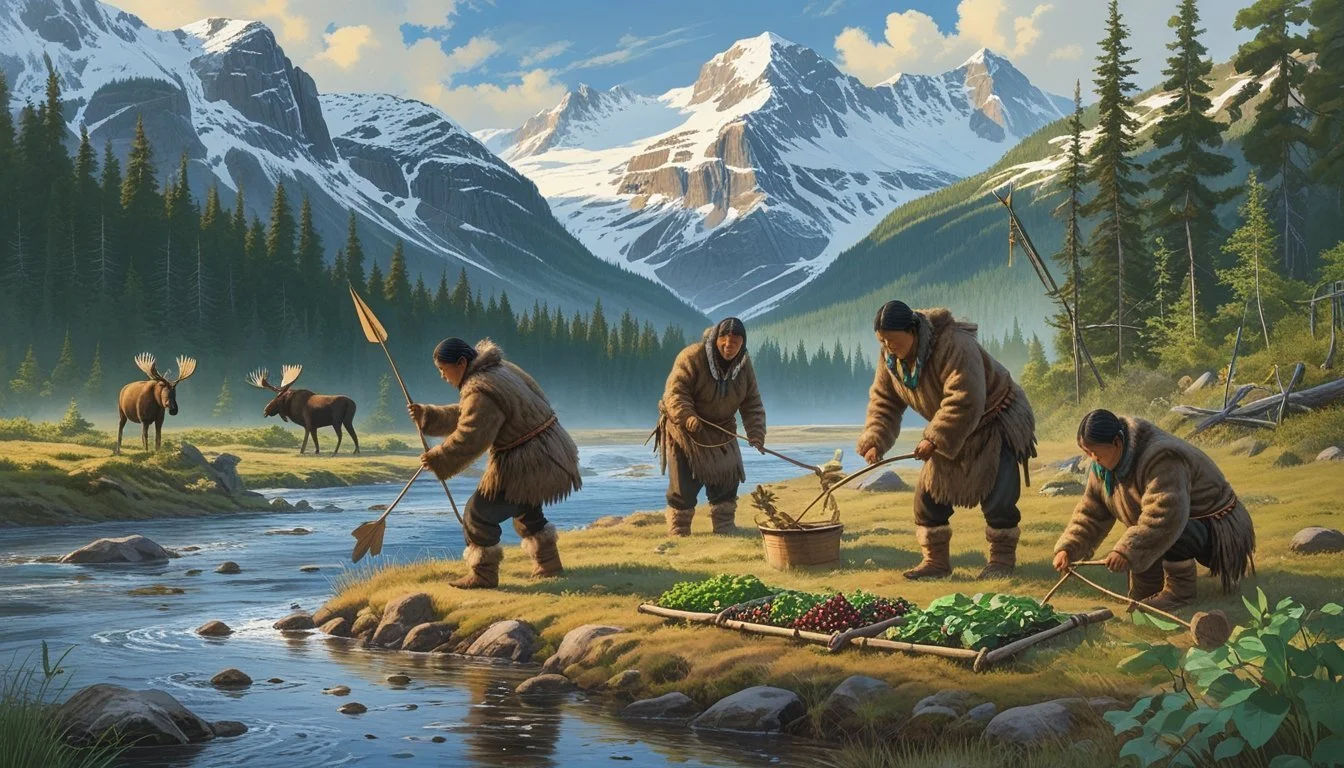
Adaptation in the Alaskan wilderness revolves around effective use of simple and reliable technology. Daily life centers on acquiring enough food while managing resources to ensure survival year-round.
Tools and Strategies for Survival
Tools are at the core of hunting and gathering among Alaskan bush communities. Common implements include rifles, bows, fishing nets, and knives, each chosen for suitability in harsh environments. Moose and caribou are primary targets, while wolves present both competition and threats to livestock and food sources.
Strategies are adapted to the terrain and seasons. Teams often coordinate drives or set up blinds near animal trails. Preservation methods such as smoking or drying meat are vital, allowing them to store large quantities for winter when fresh resources are scarce. The ability to repair or improvise tools is essential, given the remote conditions.
Managing Food Resources
Managing food stores demands close attention to conservation. Meat from hunting is rationed and combined with plants, berries, and, when possible, small-scale agriculture like garden plots to supplement the diet. Gathering local edible plants and developing ways to keep them fresh or preserved extend supplies well beyond harvest periods.
Families monitor consumption to prevent shortages during lean months. Conservation methods include rotating hunting grounds to avoid depleting local game populations. Organized storage, including caches dug into the ground or above snow, protects food from animals and spoilage, ensuring communities remain self-sufficient even through long Alaskan winters.
Transportation and Communication Advances
In the Alaskan bush, technological change has directly affected how people move, share information, and remain interconnected. The evolution of transportation and communication tools has dramatically altered the daily lives and social structures of remote communities.
Overcoming Geographic Isolation
The remoteness of bush communities has always made transportation a challenge. Before modern vehicles, dog sleds were essential for delivering both mail and supplies, often taking weeks to reach isolated families. When airplanes entered the scene, they shortened delivery times and sparked a technological leap for even the most isolated residents.
Motor vehicles, snow machines, and boats further changed mobility options. These modes allowed year-round access between settlements and improved access to medical assistance and goods. Bush pilots became vital figures, with their planes often serving as literal lifelines for emergencies and important deliveries.
This increased mobility facilitated the transfer of technologies between regions. Communities that had once relied solely on local resources could now implement tools and methods seen elsewhere, bringing gradual change to everything from construction techniques to daily routines.
Impact on Community Connectivity
Advances in communication have paralleled improvements in transportation. While early settlers depended on mail delivered by sled or plane, radio communication became a game-changer, allowing families to stay updated on weather, events, and emergencies.
Over time, satellite phones and limited internet access helped bridge the information gap even further. These technologies enabled bush residents to connect with outside communities, access education, and receive news more promptly.
Improved connectivity affected language as well. Exposure to a broader range of speech—from radio broadcasts to online communities—has influenced local dialects and facilitated the learning of new languages or technical terminology. This interconnectedness has made information sharing and collaboration easier between remote families and the outside world.
Social, Psychological, and Educational Aspects

The use of tools and inventions in the Alaskan bush impacts more than just physical survival. These elements shape how knowledge is shared, group bonds are formed, and psychological resilience is developed.
Mentorship and Skills Transmission
Mentorship is central to life in isolation, as skills are most often passed from older to younger family members. Learning to build shelters, handle tools, and maintain equipment typically happens through guided practice and observation rather than formal instruction.
Skills transmission is highly contextual. Youth watch adults repair structures or fashion implements, then repeat these actions under supervision. Mistakes are corrected in real-time, reinforcing both knowledge and confidence. This process creates a living memoir, where personal histories and family traditions become tightly woven with practical skills.
Educational experiences are informal but frequent. Training may take the form of storytelling, demonstrations, or cooperative projects. Each approach builds self-reliance and adaptability, while mentorship fosters a sense of responsibility to the group.
Influence on Group Dynamics
Invention and tool use affect more than productivity; they contribute directly to group cohesion and stress management. Successful collaborations on complex projects, like building shelters from logs and moss, can strengthen trust and create a shared sense of achievement.
Psychologically, the process demands cooperation and communication. When problems arise, members negotiate roles and share expertise, which helps manage conflict and reduces anxiety.
Education through collective tasks encourages problem-solving behaviors and supports interdependence. It shapes not just how individuals perceive challenges, but how they respond together, reinforcing both emotional bonds and survival capacity.
Health, Medicine, and Environmental Challenges
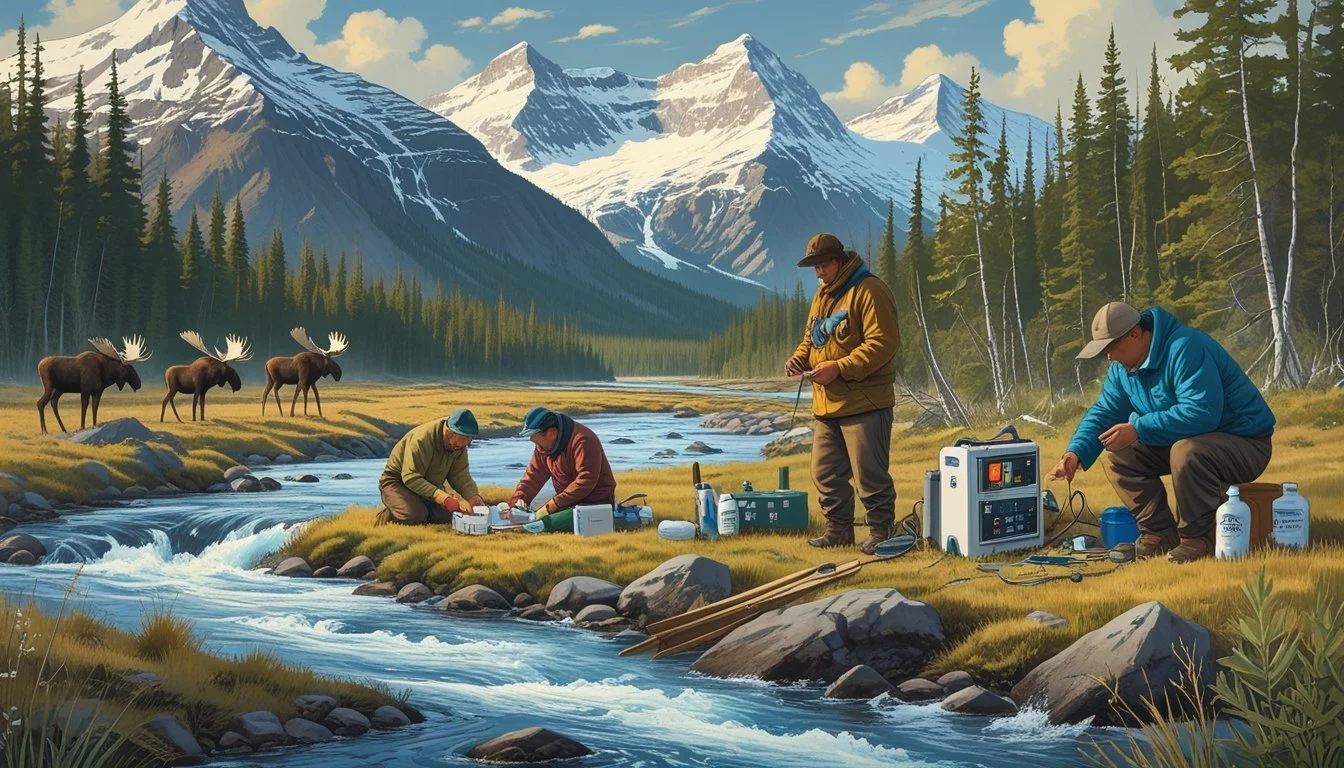
Health concerns and environmental pressures have shaped daily survival for Alaskan Bush People. Their reliance on self-made tools and adaptive inventions directly impacts disease management and conservation efforts.
Medical Innovations and Disease Management
Living in remote Alaskan locations, families face limited access to modern health care. They often adapt tools for emergency medical use, such as sterilizing blades to treat wounds and using traditional herbal remedies to address minor infections.
Improvised first aid becomes necessary during injuries from hunting or trapping. Proper sanitation practices, like boiling water and using simple filtration devices, help reduce waterborne diseases. These preventive measures slow the spread of infection, especially when professional medical intervention is far away.
Table: Common Health Challenges and Inventive Solutions
Challenge Tool/Technique Infection Boiling and antiseptic treatment Injury Sterile bandages & improvised splints Water safety Sand and charcoal filtration
Seasonal changes can also raise health risks, such as hypothermia or frostbite. The community often modifies clothing and shelter using inventive layering systems to improve insulation. This ongoing adaptation demonstrates the importance of innovation for medical self-reliance.
Conservation of Ecosystems
Alaskan Bush People use tools that affect their natural resources and local ecosystems. Methods such as selective harvesting and traditional conservation techniques help preserve fish and animal populations.
Hunting, fishing, and gathering technologies are often adapted to minimize waste and avoid overexploitation. For example, families maintain sustainable trapping routes to monitor wildlife health and reduce the risk of resource depletion.
List: Key Conservation Practices
Seasonal hunting limits
Manual fish traps to prevent bycatch
Preserving vegetation for future growth
Human activity also introduces environmental challenges, including pollution and habitat disruption. Simple inventions, like composting systems or non-motorized boats, reduce ecological impact. By combining traditional knowledge with practical tools, these communities address conservation challenges while maintaining their way of life.
Economic and Governmental Implications
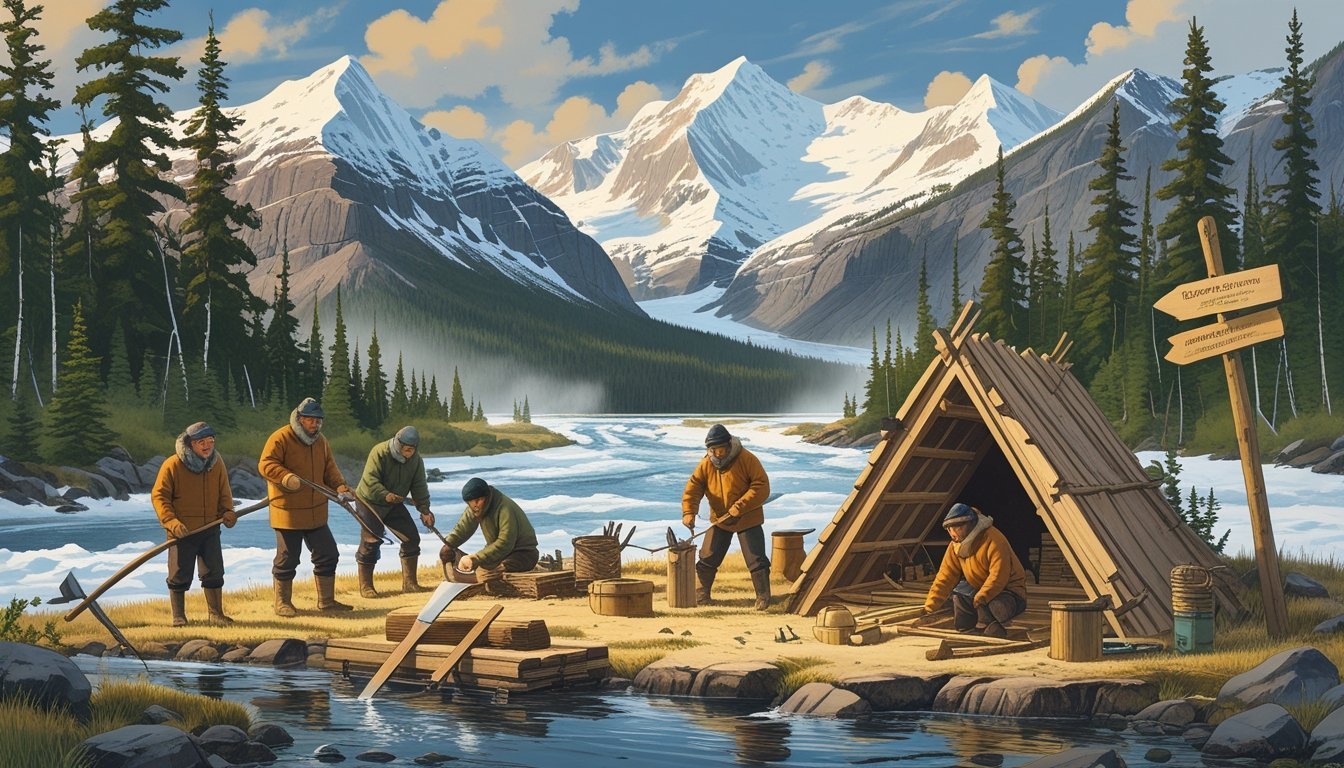
Tools and inventions used in the Alaskan bush have measurable impacts on the local economy and employment, while also shaping the way government entities address national security concerns in remote regions.
Resource Management and Employment
Development and use of tools such as ulus, chainsaws, and custom water systems increase the efficiency of resource management for Alaskan bush communities. These innovations reduce time and labor for essential tasks such as hunting, fishing, and building, which directly affects economic productivity.
Employment opportunities expand as advanced tools allow more sustainable harvesting of natural resources—timber, fish, and game—potentially supporting both family-based and small-scale commercial activities. When Alaskan companies license or develop new technologies, this further drives job creation and enables communities to offer higher-quality and lower-cost goods and services.
Improved infrastructure and tools also encourage skills training and retention, helping Alaskan residents maintain local jobs rather than seeking seasonal work elsewhere. The use of technology strengthens the economic resilience of these remote populations.
Government and National Security Concerns
The government has a vested interest in regulating the use of certain inventions and tools, especially those affecting the management of public lands and resources. Enforcement of permits, quotas, and environmental guidelines is necessary to avoid overexploitation and to ensure fair access.
Technology adoption in remote areas can raise national security concerns, especially in border or coastal regions, where monitoring can be challenging. Surveillance equipment and communication devices, if misused, may pose risks, while also providing necessary emergency connectivity.
Government agencies, including the Alaska Department of Fish and Game and federal authorities, coordinate with communities to balance technological advancement with sustainable practices and security needs. Collaboration supports both economic growth and the protection of natural and strategic resources.
Competitive Innovations and Broader Impacts
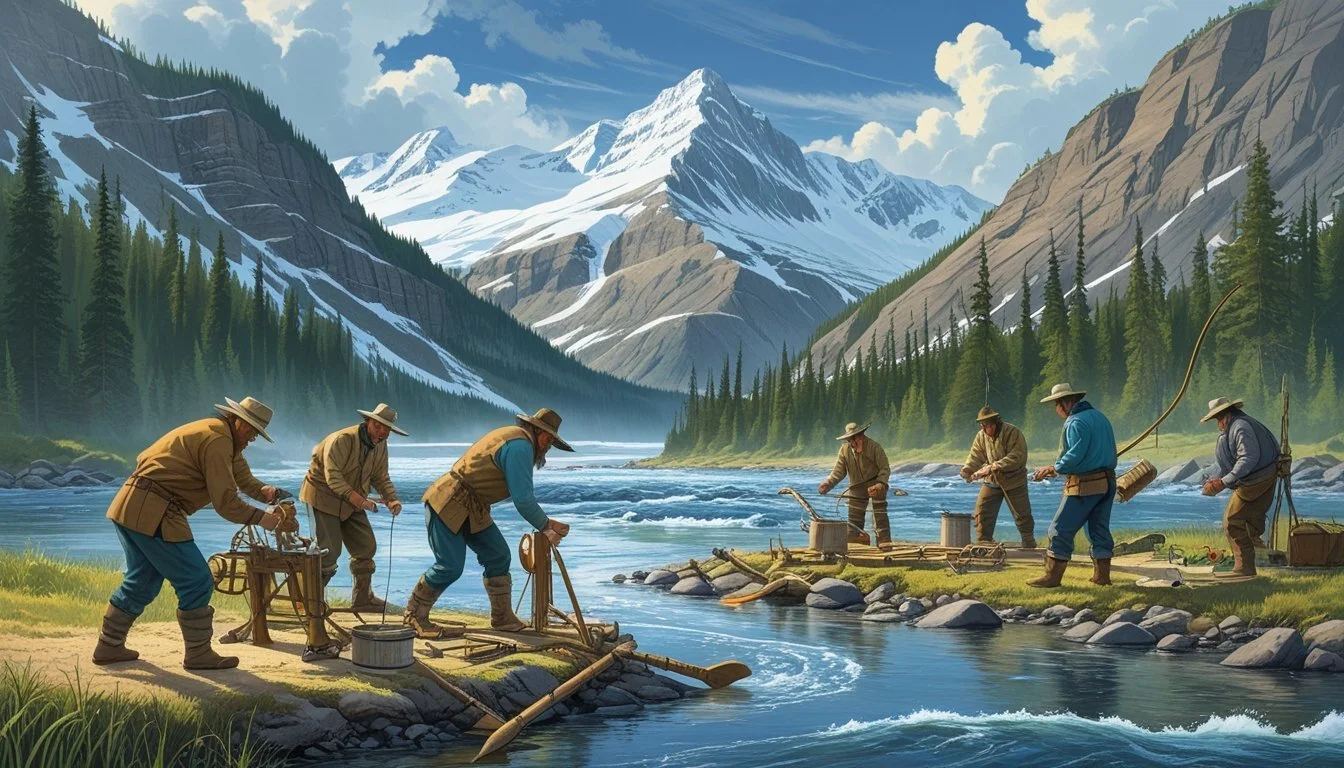
Innovative tools and inventions have directly shaped dynamics among Alaskan Bush communities. These competitive advancements influence not only survival but also the balance of power and daily interactions.
Influence of Warfare and Military Strategies
Historically, the adoption of advanced tools—such as improved traps, bows, and defensive barriers—enhanced the military strategy of many Alaskan groups. These inventions altered warfare by making territory defense and resource protection more effective.
Conflict over resources like fishing spots or hunting grounds often drove technological competition. Groups that invested in better fortifications or weapons could expand their sphere of influence and deter rivals. Success in these areas often shifted local power structures and, at times, led to territorial conquest.
Key Impacts:
Emphasis on protective barriers and weapon innovation.
Technological advances influenced settlement patterns.
Strategic use of inventions helped secure vital resources.
Technology Competition in Isolated Regions
Isolation in Alaska's wilderness fuels unique patterns of technology competition. Families and clans frequently adapt inventions to address specific environmental threats, from severe weather to predatory wildlife.
Examples of innovation:
Custom-built sleds designed to outpace competitors in hunting runs.
Homemade radios and communication devices to maintain a strategic advantage over rival groups.
Modifications to basic tools to serve multiple purposes in survival scenarios.
Innovation in this isolated sphere often spreads through observation and imitation, prompting a continuous cycle of adaptation. As each group refines its approach, technological differences reinforce cultural identity and group cohesion.
Global Perspectives and Cross-Regional Connections
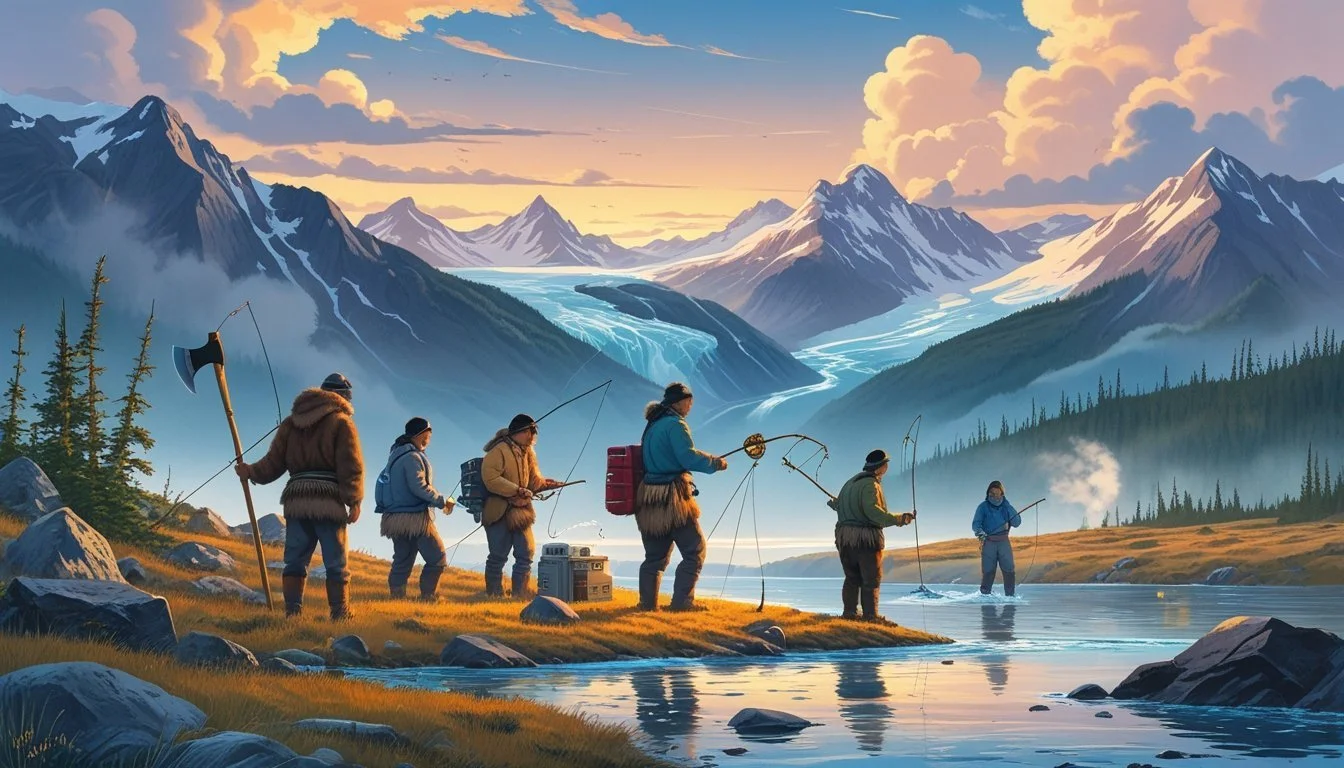
Examining Alaskan Bush People’s use of tools and inventions through a global lens offers insight into how isolation shapes innovation. Key connections can be found in parallel strategies and projects across East Africa, Kenya, and Puerto Rico, each with unique adaptations and influences.
Comparisons with East Africa and Kenya
Rural communities in East Africa, including Kenya, often face similar environmental challenges to the Alaskan bush—unpredictable weather, difficult transport, and limited commercial infrastructure. Like the Alaskan family, many East African families rely on handmade tools and community-shared equipment to perform essential tasks.
Innovations such as improved water collection systems or low-tech agricultural devices highlight grassroots approaches to problem-solving. In Kenya, for instance, architecture often uses locally sourced materials—mud, timber, and thatch—as does the Alaskan bush, showing an emphasis on sustainability and resourcefulness.
A comparison table:
Region Key Tools/Inventions Influencing Factors Alaska Hand-forged axes, DIY rafts Isolation, climate, tradition East Africa Water filters, fuel-efficient stoves Resource scarcity, local knowledge Kenya Mud houses, communal wells Community needs, material access
Links to Puerto Rico and International Programs
Puerto Rico, especially in remote or storm-affected regions, demonstrates how global connections can shape survival tools and everyday inventions. Programs like NOLS (National Outdoor Leadership School) bring together insights from Alaska to Caribbean islands, teaching wilderness skills and promoting adaptable technology.
Restaurants and other local businesses in Puerto Rico have adapted off-grid kitchen technology—such as solar ovens or rainwater systems—that share clear similarities with Alaskan bush improvisations. International humanitarian projects often foster collaboration between regions with shared challenges, allowing ideas from architecture or agriculture in Alaska and Puerto Rico to flow across borders.
Initiatives led by global nonprofits and technical schools enable communities to swap techniques, from building hurricane-proof shelters to designing efficient stoves using locally available materials. These shared solutions underline the emerging ties between remote regions and highlight how necessity drives inventive connections worldwide.
