
What Makes Alaskan Bush People a Survival Story About Love
Exploring Family Bonds and Resilience

Alaskan Bush People stands out as a survival story about love because it follows the Brown family’s journey through harsh wilderness, highlighting how their deep family bonds and relationships help them face relentless challenges. Set against remote landscapes, the show doesn’t just showcase survival skills—it reveals how trust, cooperation, and emotional support are crucial for making it through each obstacle.
Viewers see more than outdoor adventures; they witness romance, loyalty, and the struggles of maintaining connection amidst adversity. The family’s experiences remind audiences that thriving in the wild is as much about resilience in relationships as it is about braving the elements.
Overview of Alaskan Bush People
Alaskan Bush People is a reality TV series on Discovery Channel that documents the lives of the Brown family. The show explores their daily survival in remote locations and their commitment to maintaining close family bonds, often referred to collectively as the "Wolf Pack."
The Premise of Alaskan Bush People
The premise centers on the Brown family attempting to build a self-sufficient life away from modern society. Filmed initially in several regions of Alaska, including near Copper Center and Hoonah, the series later shifted to areas in Washington State.
The family takes on challenges commonly found in wilderness survival, such as hunting for food, constructing homes from scratch, and braving harsh weather. These situations unfold in a docudrama style, blending moments of real hardship with personal stories.
The Discovery Channel features their ability to rely on teamwork, showing their collective adaptations in the face of isolation. The show has drawn attention for blending authentic wilderness survival with moments focused on the family dynamic, contributing to its unique position in reality TV.
Meet the Brown Family
The Brown family—Billy, Ami, and their seven children—refer to themselves as the "Wolf Pack." Each member contributes specific skills to the group's survival. For instance, sons Matt and Bam Bam handle much of the building and manual labor, while daughters Bird and Rain help with daily tasks and animal care.
Family relationships are at the core of the series, and viewers see both cooperation and conflict as the family faces challenges. The Browns often emphasize a belief in self-reliance while supporting one another.
Since its 2014 debut, the show has chronicled changes within the family, including health challenges and moves between locations. Their identity as a close-knit, resourceful unit remains central to how Alaskan Bush People presents life away from mainstream society.
Defining Survival in the Alaskan Wilderness
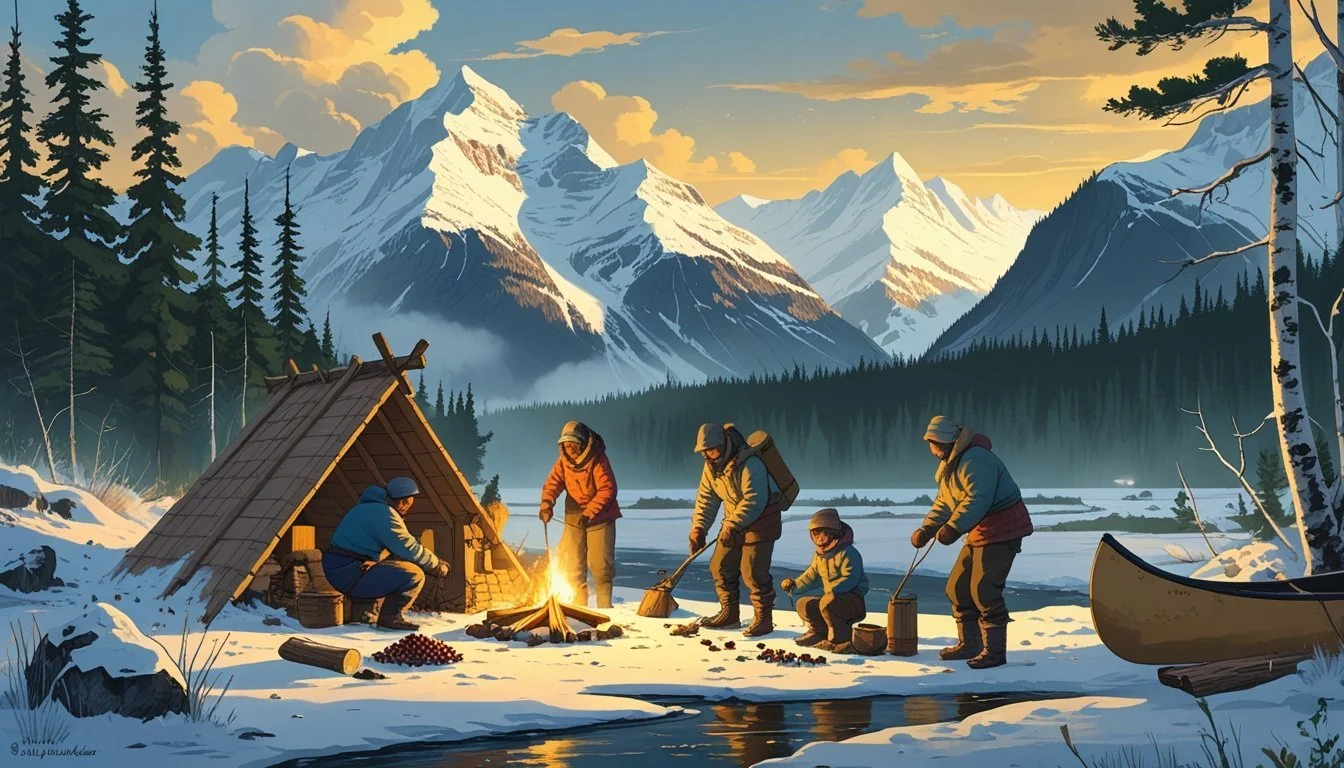
The harsh conditions of remote Alaska demand daily resourcefulness and grit. From battling extreme weather to building shelters, every task becomes a measure of a family’s adaptability and commitment.
Daily Challenges Faced by the Brown Family
Living in the Alaskan bush comes with unavoidable hardships such as unpredictable weather, limited resources, and geographic isolation. The Brown family, featured in "Alaskan Bush People," copes with heavy rains, snow, and freezing temperatures across extended periods. Hoonah, Alaska, is known for its damp climate, making tasks like fire starting and staying dry ongoing challenges.
The family must secure food by fishing, hunting, and foraging. Access to supplies can be delayed by weeks, so careful planning is crucial. Medical emergencies require self-reliance, as the nearest help may be hours or days away.
Social isolation is another recurring reality. With no nearby neighbors, the family depends on strong internal bonds and teamwork. Each member’s role is critical for communal survival.
Mastering Survival Skills
Success in the Alaskan wilderness requires proficiency in a range of skills. The Brown family demonstrates essential practices, including building weather-proof cabins, maintaining reliable food and water sources, and making clothing suitable for extreme cold.
Common survival skills include:
Fishing and trapping in rivers and forests
Building and insulating shelters
Fire making, even in wet conditions
Navigating dense woods and unfamiliar terrain
Preserving food without refrigeration
They also construct tools and equipment from available resources. These methods combine traditional bushcraft with creative problem solving, reflecting both necessity and learned expertise.
Physical and mental endurance is essential. Surviving months of darkness or isolation pushes each person to develop resilience and practical know-how.
Living in Remote Alaska
Remote Alaska, especially areas surrounding Hoonah, is marked by dense forests, rugged terrain, and difficult access. The Brown family’s life is shaped by their separation from towns and roads, which makes transportation of goods a significant challenge.
The landscape offers limited opportunities for agriculture. Most fresh produce and basic supplies are imported, so families supplement by harvesting local plants and fishing coastal waters. This approach requires constant vigilance due to changing weather conditions and wildlife threats.
Communication with the outside world is minimal. The family relies primarily on radio or infrequent trips into town. Daily life is defined by immediate reliance on nature and each other rather than modern conveniences.
Table: Major Survival Skills Needed in Remote Alaska
Skill Area Purpose Shelter Building Stay warm and dry in extreme weather Food Procurement Reliable sources from hunting/fishing Fire Starting Cooking, warmth, drying clothes Tool Making Create/repair equipment from raw material Navigation Move safely through vast landscapes
The Brown Family’s Unique Love Story
Love within the Brown family is presented through daily acts of support and determination, not just words. Their story is deeply influenced by the harsh conditions of the Alaskan wilderness and the constant need to rely on one another.
Billy and Ami Brown’s Enduring Relationship
Billy and Ami Brown’s marriage stood as the emotional foundation of Alaskan Bush People. Their relationship began when Billy was in his 20s and Ami was a teenager, and they chose an unconventional life away from society.
They faced serious hardships. Ami’s battle with cancer tested their strength, yet Billy consistently remained by Ami’s side during her treatments. Even after Billy’s passing in 2021, Ami’s continued presence highlights how their bond endures beyond hardship.
Key moments, such as moving their entire family into the Alaskan wilderness, reflect their commitment to building a life together. Their love was rooted not in grandeur, but in persistence and shared sacrifice.
Family Bonds as a Love Story
The Brown family’s connection is central to the show’s appeal. Living far from modern comforts, every member depends on one another for survival, creating a form of love based on mutual responsibility.
Their children—Matt, Bam, Bear, Gabe, Noah, Bird, and Rain—each contribute to the family. Shared work, whether building homes or gathering food, lets affection be shown through collective effort rather than grand gestures.
Alaskan Bush People highlights how family love is not just emotional but practical. The Browns’ resilience, especially during crises like Ami’s illness or external challenges, reveals a loyalty that defines their survival and unity.
How Survival Strengthens Family Ties
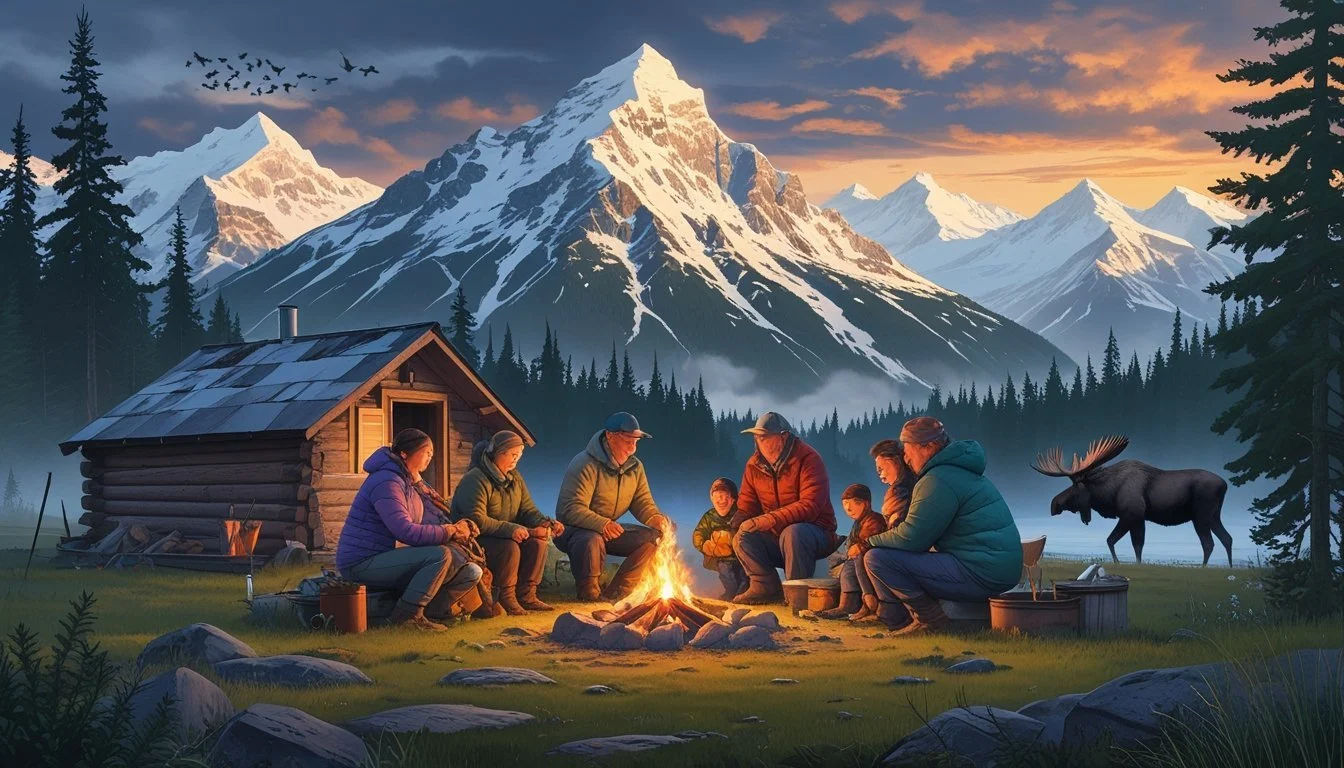
Survival in the Alaskan wilderness is a test of every family member’s resilience and ability to depend on one another. The Brown family’s experience reveals that tackling basic needs together, from food to shelter, can turn challenges into bonding moments.
Teamwork in the Wilderness
Living off the grid in Alaska demands precise coordination. The Brown family has learned to divide tasks based on strengths—one member may hunt, while another gathers firewood. This clear distribution prevents confusion and increases the chances of meeting daily needs.
Decision-making rarely happens in isolation. Every voice, from the youngest to oldest, counts during planning sessions for building shelters or foraging. These open discussions allow knowledge to be shared and foster mutual respect.
Mistakes in the wild can have severe consequences. Trust in each other’s judgment is essential, and this reliance becomes second nature through constant collaboration. Over time, teamwork becomes as instinctive as survival itself, underscoring the value of unity.
Shared Sacrifices and Family Project
Survival isn’t just about individual endurance; it’s built on collective sacrifice. Members of the Brown family often forgo personal comfort for the group’s benefit—such as staying up late to finish a shelter or sharing the last bit of food during lean times.
The act of building or maintaining their home in the wilderness stands as a central family project. This ongoing effort draws every member into a common purpose. Each improvement, whether small repairs or major construction, requires input and labor from everyone.
To illustrate, the completion of a new cabin is more than practical. It symbolizes their joint struggle, perseverance, and the love binding them together. These shared efforts continually reinforce connections, forging deeper trust born from facing hardship side by side.
Personal Struggles and Triumphs
The Brown family’s off-grid life is shaped not just by wilderness hardship but also by challenges like illness and addiction. Family members have contended with serious health problems and patterns from their past, pushing through with a mix of resilience and support.
Confronting Illness and Rehab
Ami Brown’s diagnosis with advanced lung cancer marked a pivotal moment for the family. The diagnosis forced them to leave their Alaskan home and relocate to be closer to medical care. The experience was emotionally and physically taxing, with Ami facing rounds of chemotherapy and periods of uncertainty.
During her treatment, the family leaned on one another for strength. Her illness also brought attention to the emotional toll on her children and husband, showing how adversity can unify or strain a close-knit group. Support from fans and their community helped provide encouragement as Ami underwent treatment and rehab, with her eventual remission seen as a triumph for the entire family.
Overcoming Alcoholism and the Past
The Brown family has also faced personal battles, such as struggles with alcoholism. Billy Brown openly discussed issues with his past, emphasizing the consequences that alcohol abuse brought into his life and relationships. Addressing these struggles, he sought help and focused on accountability.
Family members have publicly supported each other's recovery efforts, sometimes addressing the need for rehab and intervention. This willingness to confront past mistakes, combined with efforts to rebuild trust, has been central to their progression. By talking about these issues openly, the Browns highlighted the long-term impact of addiction and the importance of commitment to change.
Key Members and Their Journeys
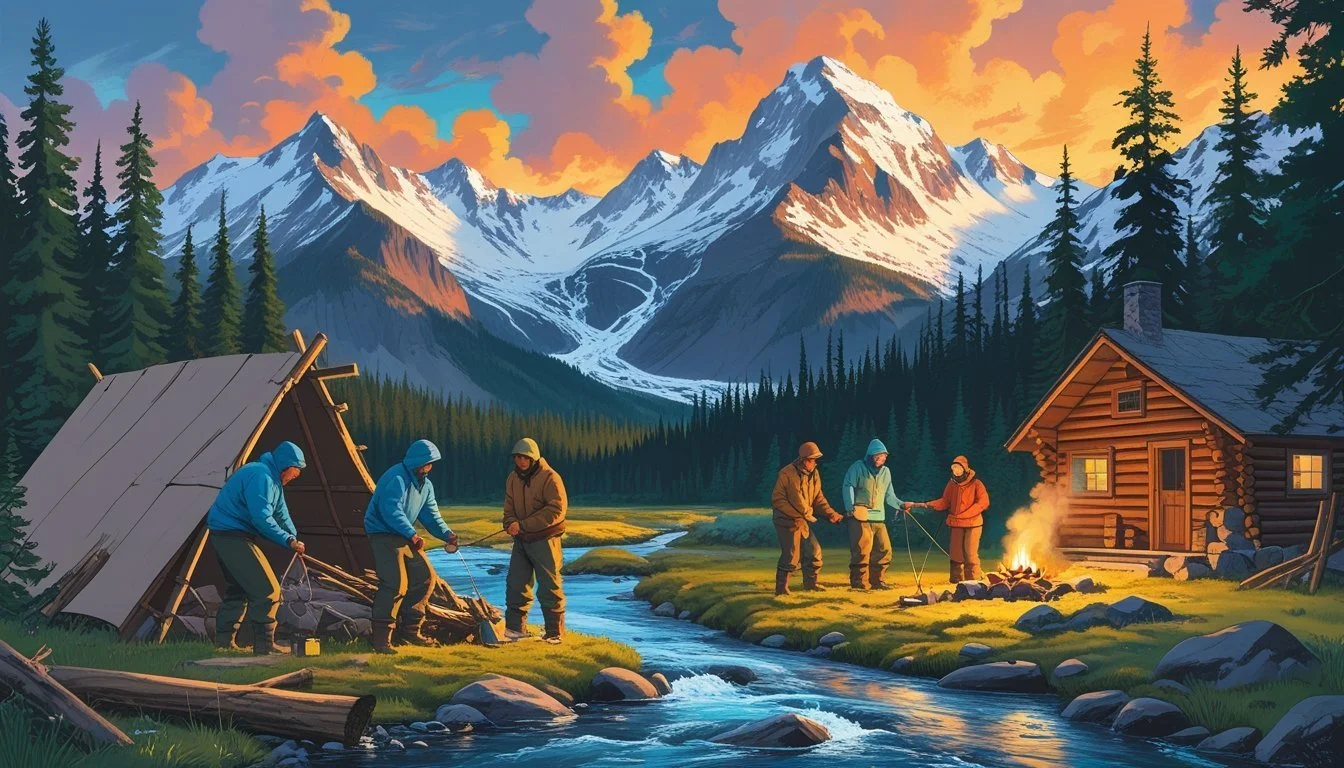
Each member of the Brown family and their close circle brings unique skills and perspectives that shape daily survival and family dynamics. Through innovation, determination, and newfound roles, these individuals demonstrate how love and resilience intersect in harsh wilderness.
Noah Brown’s Innovations
Noah Brown is recognized for his inventive approach to bush living. He often engineers custom solutions using limited resources, such as homemade battery packs, improvised water systems, and rustic communication devices. These creations address practical needs and ease the burden on his family.
His drive to improve living conditions highlights his concern for the wellbeing of the Wolf Pack. He works diligently to provide comfort, especially for his wife and child. This devotion strengthens family ties and ensures they can withstand environmental and emotional challenges.
Noah’s problem-solving skills contribute directly to the family’s survival and foster a sense of shared purpose. His willingness to adapt and experiment sets an example for other members, building unity rooted in cooperation and care.
Bam Bam Brown’s Perspectives
Bam Bam Brown, whose real name is Joshua Brown, offers a composed and reflective viewpoint on bush life. He often acts as the group’s organizer, coordinating daily tasks and logistics. Bam Bam values structure and seeks harmony within the family, even during disagreements.
He regularly supports his siblings and parents, aiming to resolve conflicts and maintain open communication. His loyalty to the Wolf Pack is evident in moments where he puts group needs above personal wants. Bam Bam’s balanced nature helps the family navigate emotional strain and decision-making.
He also embraces both tradition and change, blending old survival skills with new ideas. This approach reassures loved ones and provides a steady foundation in unpredictable circumstances.
Raiven Adams’ Role in the Wolf Pack
Raiven Adams became part of the Wolf Pack as Bear Brown’s partner and the mother of their child. Her entry into the family brought new perspectives on adaptation, responsibility, and support in rural settings. Raiven’s commitment is visible in her care for her son and her efforts to integrate with the Browns.
She faces the challenges of wilderness living—rugged conditions, privacy concerns, and family pressures—while contributing respectfully to shared goals. Raiven often emphasizes emotional wellbeing alongside basic survival.
Her resilience and patience set an example for those adjusting to bush life. By embracing both the trials and rewards of joining the Wolf Pack, Raiven solidifies her place as a supportive presence in the family’s ongoing journey.
Notable Locations and Story Arcs
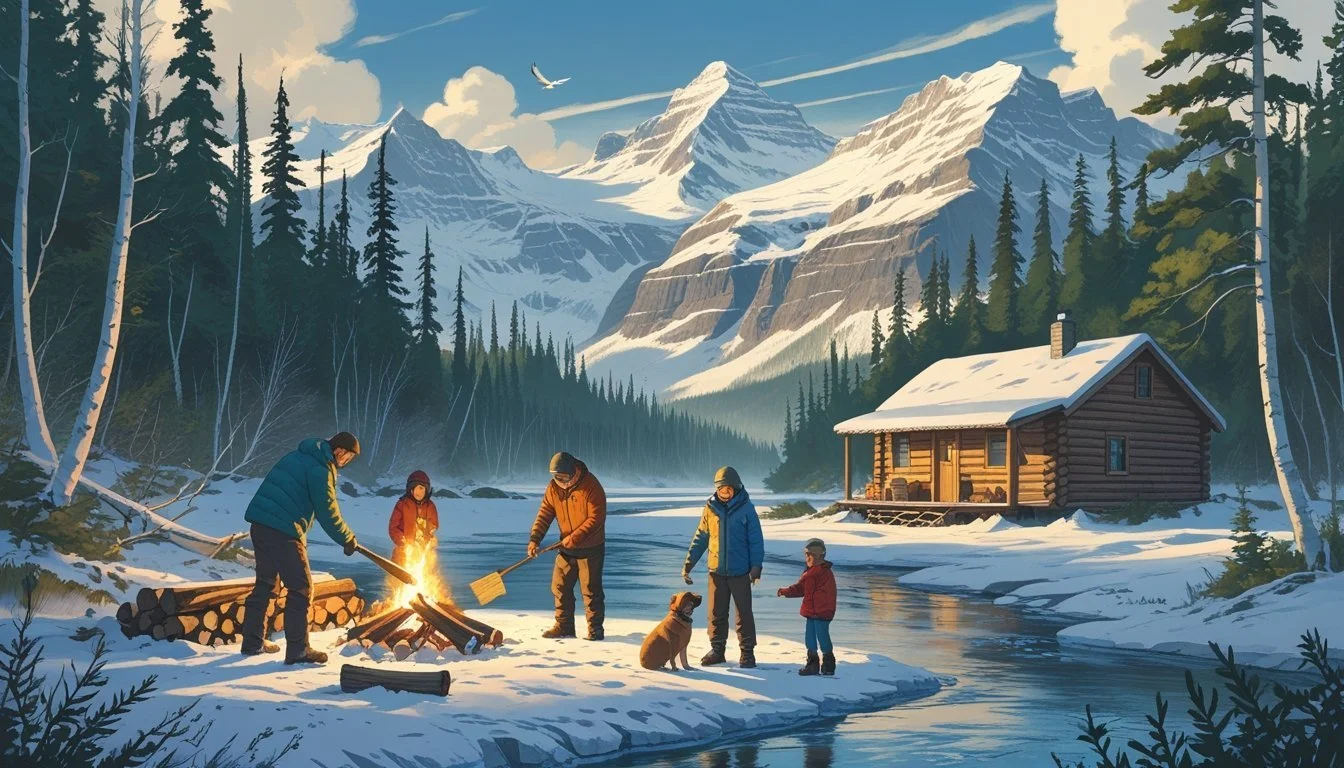
Migration, adaptation, and the settings in which the Brown family moves are vital in shaping the story’s human dimension. The risks and changes they face at each location frame their survivalist values and reveal how their familial bonds are tested and strengthened.
One Wave at a Time and Hoonah, Alaska
"One Wave at a Time" marks a significant chapter in Alaskan Bush People, highlighting the family’s efforts to rebuild after facing overwhelming challenges. Returning to Hoonah, Alaska, the Browns invest in starting over—physically and emotionally—after setbacks like losing their home and dealing with harsh Alaskan winters.
Hoonah, a remote fishing community, is central to this arc. The family learns to work together under pressure, build shelters, and hunt and gather essentials in unforgiving weather. The setting also renews their connection to the land, reinforcing traditional bush living skills.
Key moments in Hoonah include:
Construction of the "Browntown" homestead
Learning local fishing techniques
Re-establishing relationships with the local community
These events not only test the family’s survival abilities but also reveal how they lean on each other for encouragement and support.
Life in Texas and Its Impact
The Browns’ move to Texas brings a different set of challenges, shaped strongly by climate, culture, and uncertainty about their future. Unlike Alaska, Texas exposes the family to warm temperatures, a new pace of life, and health care resources not available in the bush.
Texas stands out as the location where Ami Brown sought cancer treatment. The family’s temporary urban experience led to adjustments not just in lifestyle but in emotional dynamics, as they faced Ami’s illness together and transitioned away from the only way of life most of them had known.
The Texan chapter focuses on:
Navigating health systems
Facing uncertainty about returning to Alaska
Maintaining unity outside their comfort zone
Their time in Texas highlights adaptability and the essential role of family unity in the face of unfamiliar challenges. It also laid the groundwork for subsequent decisions about where and how to rebuild as a family.
Controversies and Challenges
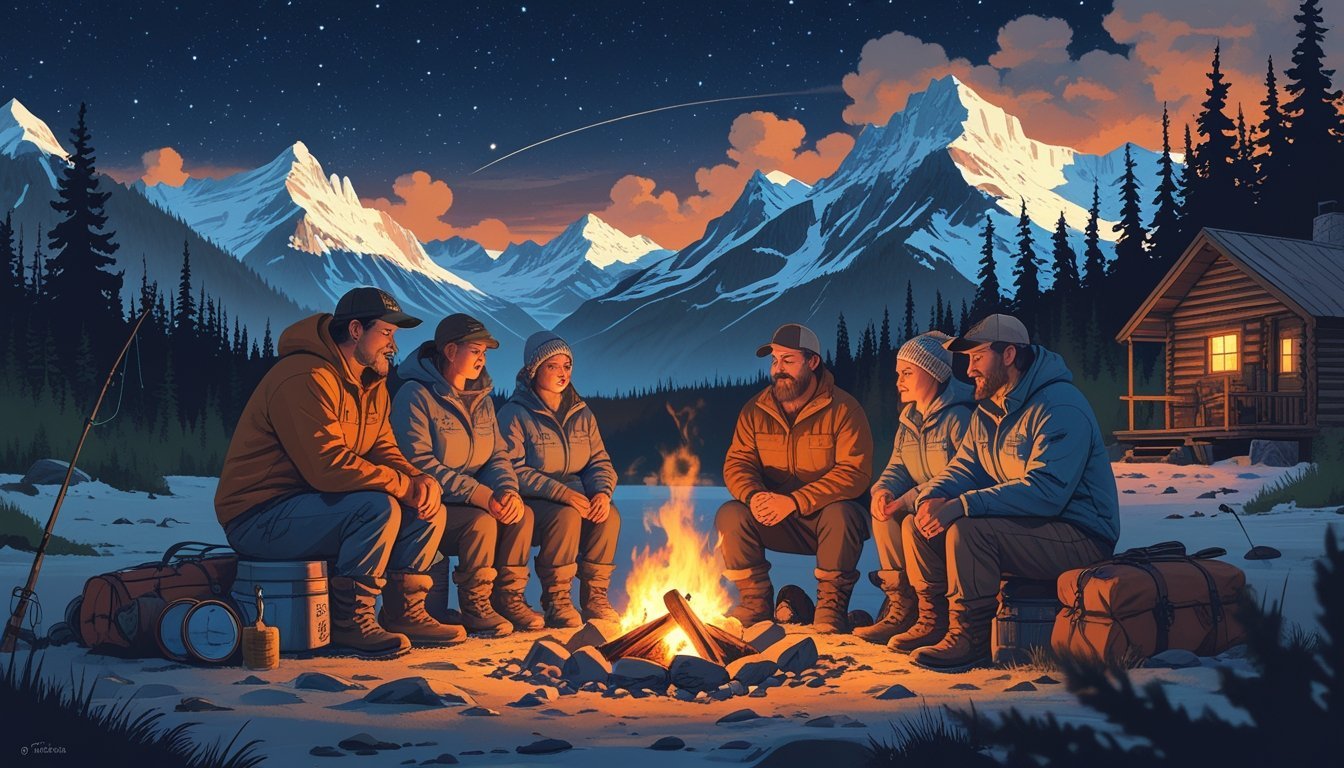
Alaskan Bush People has drawn attention for more than its depiction of life in the Alaskan wilderness. The show has faced serious allegations and intense scrutiny, leading many to question its authenticity and the actions of the Brown family.
Theft Allegations and Legal Issues
The Brown family—central to Alaskan Bush People—has been involved in multiple legal battles. Most notably, some members faced charges for theft and fraud related to state benefits, alleging they lied about living full-time in Alaska to claim funds. In 2016, Billy and Joshua Brown pleaded guilty and were ordered to repay thousands of dollars.
The legal cases raised questions about how much time the Browns actually spent in the wilderness, challenging the “off-the-grid” narrative. These issues brought significant public and media attention, impacting the show’s reputation and viewers’ trust.
Fraud allegations also tarnished the image of reality TV as a genuine depiction of survival and hardship. While the Browns completed their sentences, the situation continues to influence how audiences perceive the authenticity of their story.
Media Scrutiny of the Show
Media outlets and critics have consistently questioned the realism of Alaskan Bush People. Reports from locals and interviews with former cast or crew members have claimed that elements of the show—like the family’s isolation and survival skills—are exaggerated or scripted.
Debate surrounds the extent of the Browns’ self-sufficiency. Rumors often circulate about nearby accommodations for cast members and staged wilderness scenes, further fueling skepticism.
Fans and observers have pointed out inconsistencies, such as the apparent convenience of supplies or technology, which seem to contradict the show’s premise. This scrutiny has led viewers to be more critical of other reality TV programs, highlighting the blurred line between entertainment and reality.
Legacy and Influence of Alaskan Bush People
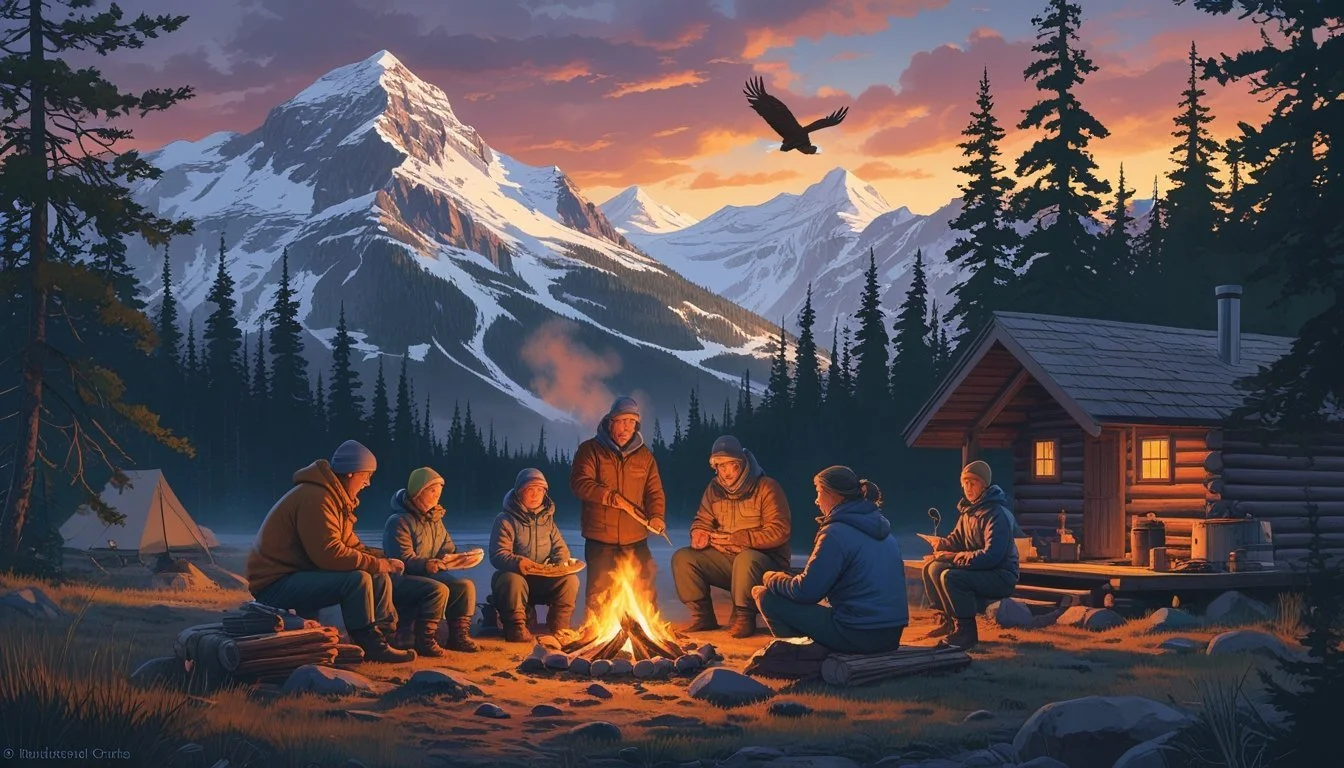
Alaskan Bush People has contributed to cultural conversations about wilderness living and the dynamics of family bonds under pressure. Its influence extends beyond entertainment, shaping trends in both reality television and practical discussions on survival and relationships.
Impact on Reality TV
The Discovery Channel’s Alaskan Bush People introduced a new landscape for docudrama-style reality series. The show follows the Brown family as they navigate daily life in the remote Alaskan wilderness, with authentic elements of survival and adaptation.
Unlike typical competition-based survival shows, it emphasizes long-term lifestyle and resourcefulness. This approach prompted other producers to focus on nuanced human experiences rather than just physical challenges.
Its popularity led to increased interest in related genres, including documentaries and series that highlight family dynamics in extreme environments. Viewer engagement contributed directly to higher demand for wilderness survival books and themed programming, as reported by publishing industry trends.
Lessons on Love and Survival
Relationships among the Brown family members demonstrate how cooperation, trust, and emotional support are essential in challenging conditions. The show illustrates that survival is not solely about technical skills but also about maintaining connections and shared purpose.
Key moments often revolve around teamwork in building shelters, gathering food, and coping with setbacks, reinforcing the idea that love and mutual care are as vital as tangible survival tactics.
Through setbacks and achievements, viewers witness the intertwining of practical survival with enduring affection. The series frames love as a driving force that sustains individuals, offering a perspective where survival is deeply linked to emotional resilience and unity.
