
How Alaskan Bush People Handles the Tension Between Old and New in Their Evolving Lifestyle

Alaskan Bush People navigates the ongoing tension between traditional wilderness living and the pressures of modern society by showcasing how the Brown family adapts while maintaining core aspects of their lifestyle. The show spotlights their efforts to live off the grid in Alaska’s rugged environment, while also dealing with issues that arise from interaction with nearby communities and the outside world. Their choices often lead to skepticism from locals, raising questions about authenticity and the portrayal of rural Alaskan life.
At the same time, family dynamics reflect the larger struggle between holding onto old ways and embracing new opportunities. The Browns’ journey includes both cooperation and conflict, as seen in public disagreements and moments of adaptation following significant changes, such as the loss of their patriarch, Billy Brown. This complex balance between old and new keeps viewers interested in how they move forward, highlighting a family at the crossroads of tradition and change.
The Foundation Of Alaskan Bush People
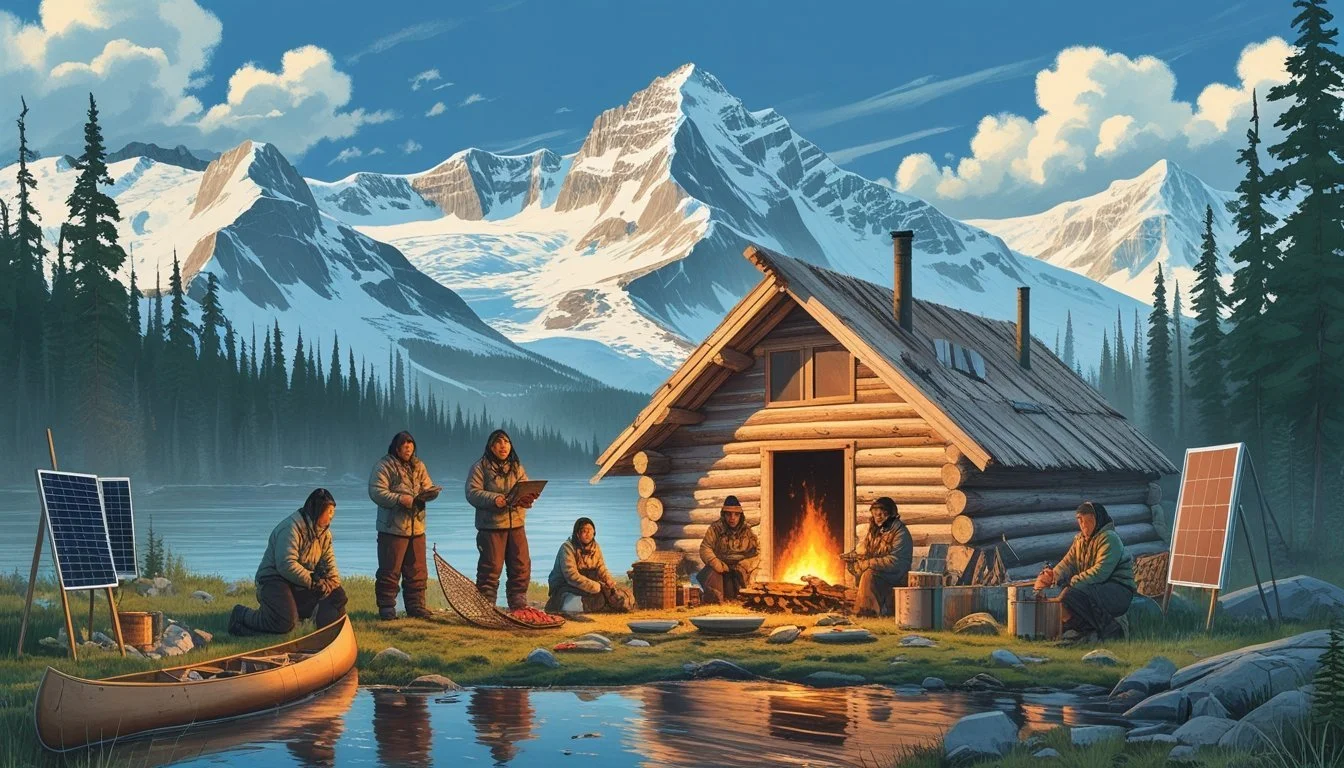
The show’s roots, guiding philosophy, and internal family dynamics set the stage for its approach to both daily life and ongoing challenges. Its foundation reveals how closely held beliefs and established roles shaped the unique way the Browns operated in remote Alaska.
Origins And Early Life
The Brown family’s story begins far from the mainstream. Billy Brown, his wife Ami, and their children settled in Alaska with the goal of forging an independent lifestyle.
They chose remote areas and at times lived near or within small indigenous or “Eskimo village” communities, though usually at a distance. Much of their daily life centered around basic survival — hunting, fishing, and building their own shelters. This background established a sense of resourcefulness and deep connection to the harsh landscape.
Key points:
Largely isolated, especially early on
Frequent movement around Alaska
Intermittent interaction with nearby villages and locals
The family’s early life built the skills and mindset needed to persist in their chosen environment.
Billy Brown's Vision
Billy Brown was the central figure and patriarch of the family. His vision was clear: raise his family as a self-reliant unit, away from modern society’s influences.
This pursuit meant emphasizing traditional lifestyles — including foraging, homesteading, and minimal reliance on outside help. Billy’s approach also meant instilling a fierce loyalty within the family. He established rules and routines to ensure unity and resilience, believing that their greatest strength was in their collective effort and mutual support.
Billy Brown’s guiding beliefs:
Self-sufficiency is essential
The family works together above all else
Living off the land is preferable to modern conveniences
Billy’s vision shaped every major decision and interaction the family faced.
Family Structure And Roles
The family’s structure was highly organized, dictated by needs and talents. Billy, as patriarch, directed most decisions, while Ami provided stability and care for the children.
Children took on distinct responsibilities early: some focused on constructing shelters, others excelled at navigation or hunting. Older siblings often taught and supervised younger ones. Sons and daughters shared duties, showing flexibility rather than rigid gender roles.
A typical breakdown:
Family Member Area of Focus Billy Leadership, strategy Ami Caregiving, guidance Matt & Bam Building, problem-solving Bear, Gabe Hunting, security Noah, Snowbird, Rain Specialized skills, support roles
Roles could shift as needs changed, reinforcing the group’s adaptability. The structure encouraged responsibility and trust, key to the family’s survival in the challenging environment.
Embracing Tradition: Old Ways In The Modern Age
Alaskan Bush People blend established survival techniques with selective adaptation of modern conveniences. The family faces daily challenges that test both their commitment to tradition and their willingness to innovate.
Subsistence Hunting And Gathering
The Brown family relies on subsistence hunting and gathering to secure food. They hunt game such as deer, moose, and birds, often using firearms for efficiency and safety. Trapping and fishing supplement their protein sources, reflecting a traditional reliance on local wildlife.
Gathering is also vital, with berries, roots, and wild plants foraged seasonally. Members learn to recognize edible plants and avoid harmful ones, knowledge typically passed down from older generations. These efforts reduce dependence on store-bought goods and impart valuable skills related to resourcefulness and resilience.
Limitations from weather and regulations, including hunting seasons and firearm restrictions, shape their routines. Despite these challenges, the Browns maintain a strong connection to the land through hands-on experience and practical application of time-tested methods.
Living Off The Grid
Living off the grid is central to the family’s identity. They generate their own electricity, often using a combination of solar panels and generators. Water is drawn from streams or collected as rain, requiring filtration and occasional manual hauling.
Building their own shelters and maintaining wood stoves for heat keeps family members closely involved in all aspects of daily life. Tasks like splitting firewood, hauling supplies, and routine repairs demand cooperation and persistence.
The choice to exclude most utilities means the Browns plan carefully for each season. Food preservation—using smoking, drying, and freezing techniques—is essential during colder months. Their lifestyle reflects both self-reliance and a deliberate resistance to full integration into modern infrastructure.
Respect For Elders
Respect for elders is a core value within the family. Older members serve as mentors, sharing knowledge from years of living in harsh wilderness conditions. Skills related to hunting, gathering, tool use, and safe firearm handling are passed down directly through demonstration and repeated practice.
Family decisions often involve guidance from the parents or senior figures. Their input is especially important in critical moments, such as when determining the timing of hunts or responding to environmental hazards.
This tradition of deference preserves collective memory and strengthens community bonds. Younger members gain practical experience and a sense of continuity, reinforcing the importance of learning from those who have mastered survival in Alaska’s unforgiving climate.
Introducing The New: Modern Influences And Challenges
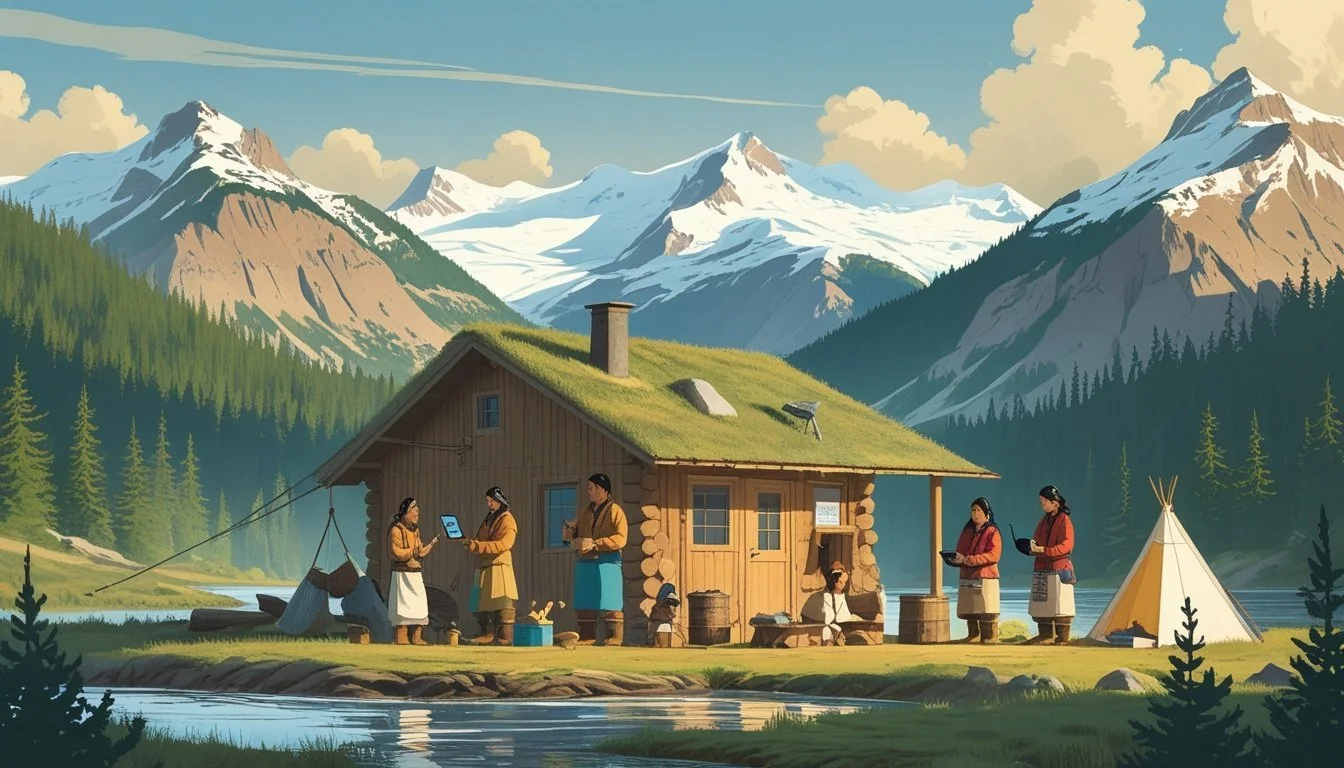
The Brown family’s way of life has faced increasing challenges from modern developments. Social media, financial concerns, and relocation brought significant changes to how they interact with both nature and society.
Adapting To Technology
As the show grew in popularity, the Brown family adapted to new technologies, despite their image as wilderness dwellers. Several members began using Instagram and other social media platforms to share updates, promote the show, and interact with fans.
This online presence increased their visibility, making them more accessible but also exposing them to outside opinions and scrutiny. Technology filtered into their daily lives, from modern boats and tools to communication devices, leading to a careful balance between tradition and convenience.
Financial Pressures And Media Exposure
The Discovery Channel’s payments brought changes, allowing the family to access paid goods and services formerly out of reach in remote Alaska. These profits helped with repairs, supplies, and travel but also created debates among viewers about authenticity.
With media exposure, there came increased public interest and criticism. Some viewers speculated on the family’s finances and questioned if the survival portrayed was as raw as claimed. This attention added a layer of pressure not present before the cameras arrived, pushing the Browns to respond to both public demand and personal needs.
Transition To Washington
The family’s move from Alaska to Washington represented one of the most significant shifts. Changing locations meant adapting to a less isolated environment with closer proximity to permanent villages and more developed infrastructure.
Washington’s rules and climate required new approaches to land use, building codes, and resource management. The Browns faced legal, social, and environmental challenges, from securing water rights to managing interactions with neighbors. This transition highlighted the family’s efforts to maintain their independent lifestyle while navigating new modern realities.
Internal Family Tensions And Conflict Resolution
Tension within the Brown family arises from a mixture of personal struggles and generational divides. The way these issues are approached shapes both their private relationships and their public image.
Matt Brown's Struggles And Substance Abuse
Matt Brown, the eldest son, has openly battled substance abuse. His issues with alcohol led to multiple stints in rehab, temporarily distancing him from his family and the show. These periods brought significant strain, testing both Matt’s relationships with relatives and their ability to support him.
The family addressed the situation by encouraging Matt to seek help and then giving him space to focus on recovery. At times, communication broke down, but efforts to rebuild trust remained evident. Sobriety has been a major goal for Matt, with his public statements highlighting the ongoing nature of recovery.
Viewers have observed family members, including Bear Brown, discuss the impact of Matt’s choices. This transparency provided a deeper look at how internal conflict is handled and the challenges of balancing support with accountability.
Generational Differences
Differences between the parents and their adult children have created other points of tension. Billy and Ami Brown raised their children with rigid, traditional values in a uniquely remote setting, while the younger Browns have, over time, developed their own ideas about lifestyle and independence.
As the children grew, clashes over choices—such as pursuing life outside Alaska or challenging family norms—became more visible. These disagreements were managed through direct conversation, intense discussions, and sometimes quiet compromise.
Generational contrast is further complicated by new relationships and parenthood among the siblings. Adapting traditional beliefs to fit new realities forms a recurring point of negotiation, often visible in episodes that focus on decision-making and daily life.
Legal And Social Pressures From The Outside World
The Brown family’s unconventional lifestyle often brings them into conflict with legal requirements and prevailing social expectations. Their public presence and off-grid living have led to several high-profile legal cases and direct interaction with authorities.
Lawsuits And Allegations
Legal troubles for the Browns have included accusations of fraud and contentious lawsuits over finances. In 2016, Billy Brown and his son Joshua faced legal action after pleading guilty to defrauding the Alaskan government of around $20,000 by falsely claiming residency for governmental benefits. This created negative publicity and placed their authenticity under scrutiny.
Discovery Channel was involved in a $500,000 legal dispute relating to the late Billy Brown’s estate, which heightened public attention. Such lawsuits have surfaced periodically, often connected to the family’s financial activities and the authenticity of their claims about living exclusively off the grid. Taxation issues have also been reported, further complicating their reputation.
Encounters With Law Enforcement
Authorities have paid close attention to the Brown family due to suspected irregularities in their living situation and publicized conduct. The district attorney’s office pursued charges when discrepancies in their residency claims came to light, resulting in probation and restitution agreements for Billy and Joshua Brown.
Interactions with police departments have occasionally escalated to formal investigations. Law enforcement scrutiny intensified debates about whether the Browns’ on-screen portrayal aligned with their real-life activities. In some cases, such tensions between actual law and show narrative contributed to increased regulatory attention and criticism from viewers. The combined legal and social pressures played a part in Discovery Channel canceling the series after 14 seasons.
Balancing Self-Sufficiency With Modern Amenities
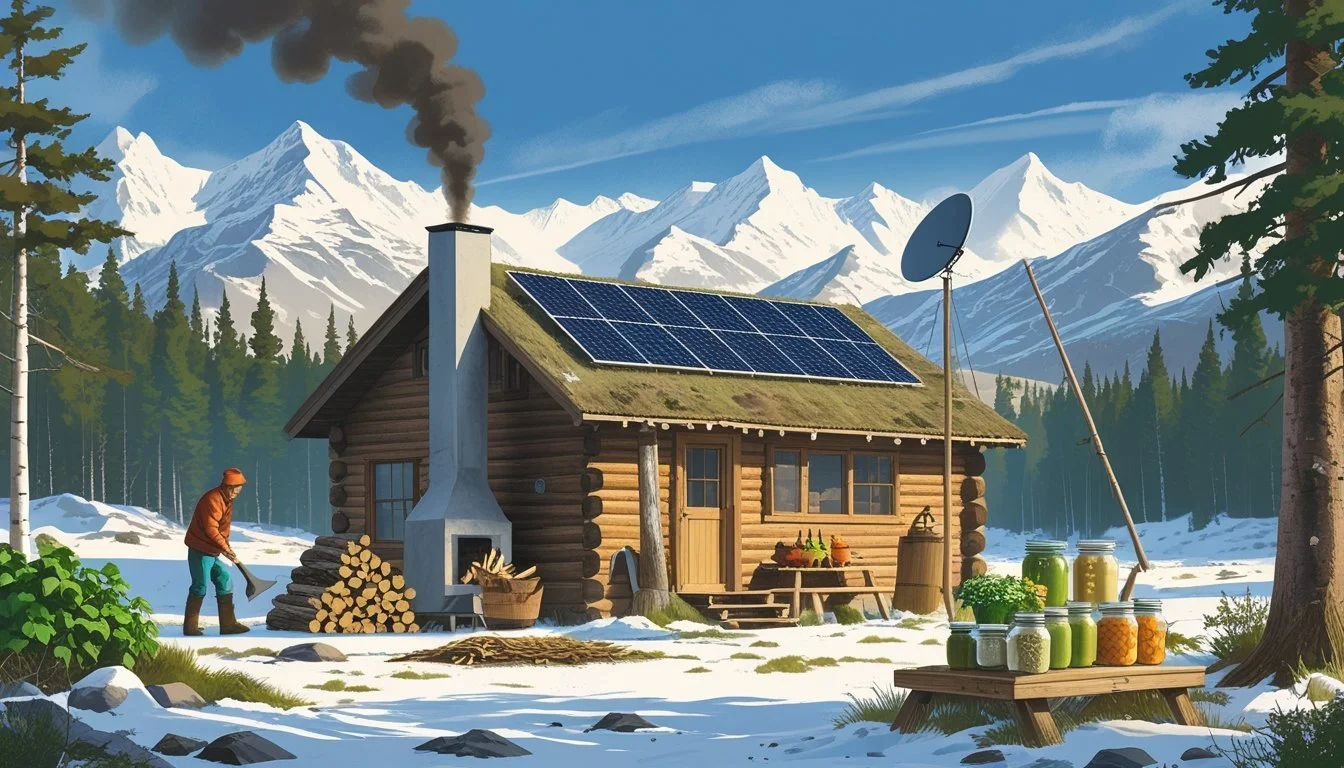
The Brown family must constantly choose between traditional bush lifestyle and the convenience of modern solutions. Their experience highlights ongoing adaptations to new tools, supplies, and contacts beyond their homestead.
Remote Living In Changing Environments
Living remotely in Alaska, particularly outside established subdivisions or near Fairbanks and the Copper River, the family relies heavily on self-sufficiency. Their routines include hunting, fishing, and foraging, supplemented by hand-built structures and primitive tools.
However, the extreme climate and isolation can push them to incorporate modern amenities for practicality. Examples include using generators, chainsaws, and some solar panels to meet basic needs. These selective choices allow the family to maintain independence while managing safety and health.
They avoid full utilities—there is no regular electricity or piped water—yet certain technologies are blended into daily life. This enables them to focus on survival essentials without fully abandoning strategies that ensure long-term comfort.
Interacting With Nearby Communities
Although the Browns prioritize living off-grid, interaction with nearby communities is a practical necessity, especially for supplies and medical care. Trips to towns like Fairbanks or exchanges along the Copper River provide vital goods such as fuel, hardware, and, at times, modern food items.
Contact with others also brings opportunities for advice, mechanical repair, or emergency support. The family often barters or sells goods, maintaining a lifeline to local trade networks without integrating into suburban or park subdivisions.
These interactions reveal a pragmatic, flexible approach. They value the lessons of bush life but recognize that careful, limited engagement with modern infrastructure and neighbors helps sustain their chosen lifestyle.
Impact Of Fame And Public Scrutiny
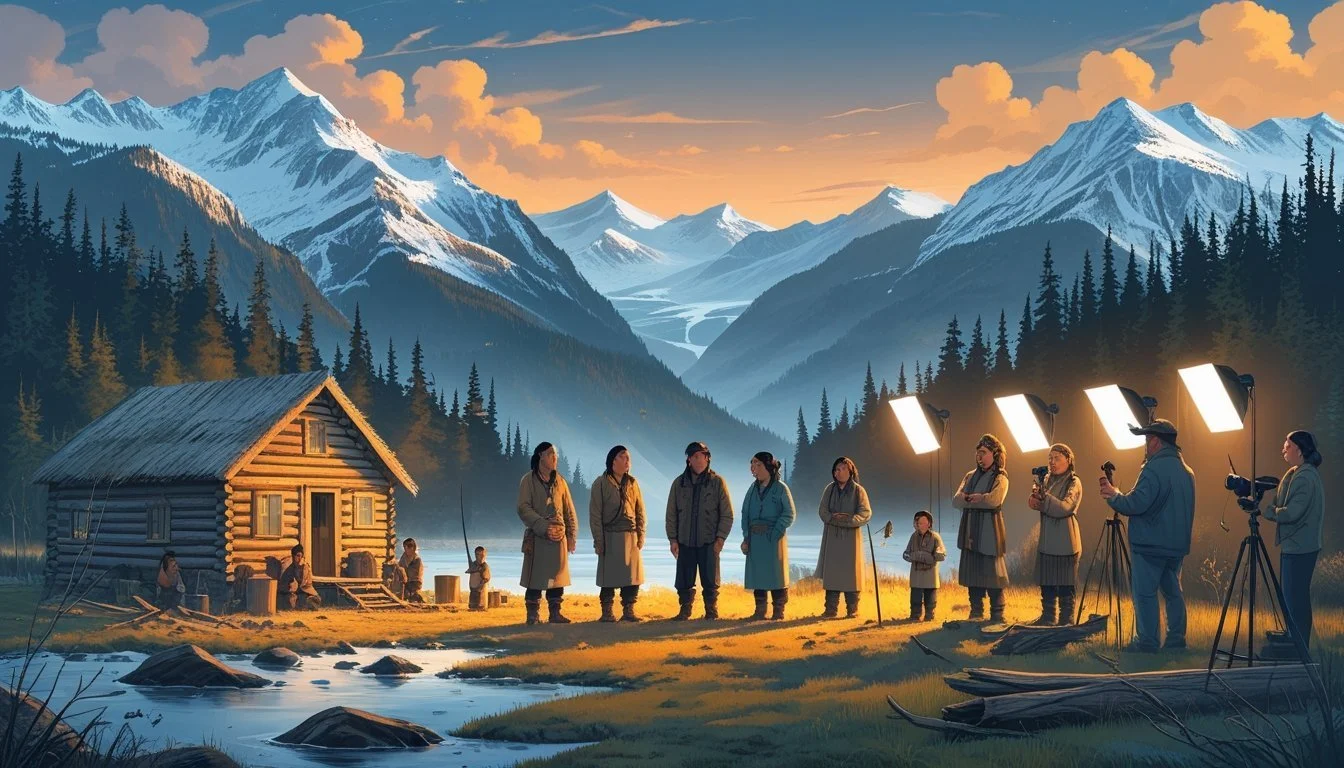
Fame transformed the daily lives of the Brown family, introducing intense media attention and persistent scrutiny. As the show gained traction, private moments became public, and online speculation grew.
Becoming Reality Stars
The Brown family’s rise to reality star status followed the success of Alaskan Bush People on the Discovery Channel. Initially living in the remote Alaskan wilderness, the family shifted from an isolated lifestyle to national prominence almost overnight.
Filming often required trips to Los Angeles and close collaboration with producers, bringing new routines and expectations. The move exposed the Browns to a broader audience, who watched their personal journeys unfold on-screen and often commented online.
Table: Key Changes After Stardom
Before Fame After Fame Isolated lifestyle Media interviews, public life Minimal technology Social media engagement Privacy Cameras and online attention
Family roles evolved, with children like Rain Brown growing up under a spotlight. As public figures, each member had to adapt to interviews, appearances, and the unique challenges of reality TV.
Handling Rumors And Public Perception
With fame came persistent rumors and questions about the authenticity of the show. Episodes sparked debates about what scenes were staged versus genuinely lived, especially as filming locations sometimes shifted away from Alaska.
Social media heightened this scrutiny. Fans and critics speculated about cast dynamics, production choices, and even the Browns’ off-camera lives. Personal tragedies and milestones, including difficult family events, were dissected in online forums.
List: Main Sources of Public Scrutiny
Allegations of staged moments
Relocation between Alaska and other states
Personal relationships and social media posts
Efforts to address these rumors were often met with mixed responses. The family’s attempts to clarify their reality—through interviews or personal statements—sometimes reduced confusion but often led to even more speculation.
Conclusion: Navigating The Tension Between Old And New
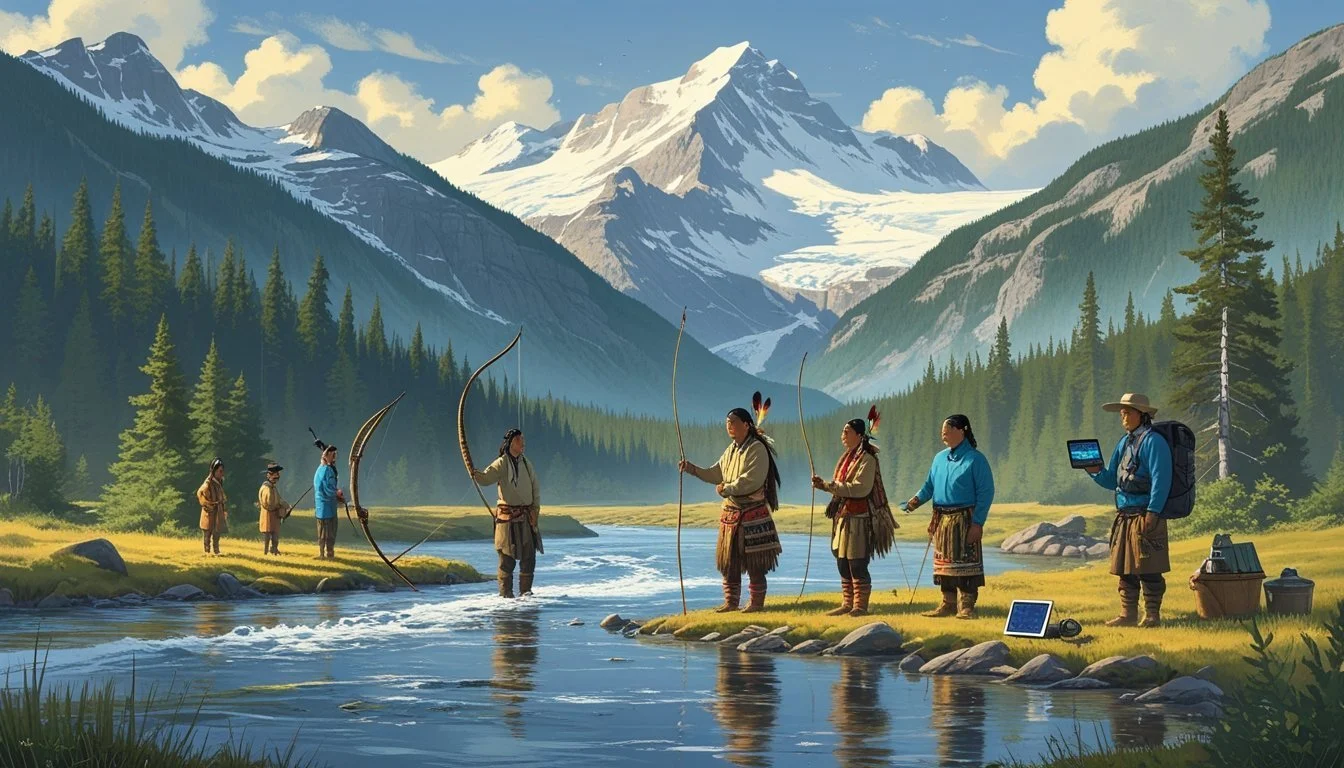
Change is an ongoing theme for the Alaskan Bush People. The family faces choices between maintaining older traditions and adapting to new realities.
Daily life in Alaska’s remote wilderness, including in areas near the Bering Sea, poses real challenges. Mosquitoes and unpredictable weather require practical solutions, sometimes blending old techniques with new technology.
Modern equipment and medical care—especially during health crises such as a seizure—play a vital role. These situations often highlight how new methods can save lives, even as the family values their established ways.
List of strategies the family uses to balance both sides:
Using traditional survival skills for food and shelter
Adopting modern tools when efficiency is critical
Relying on newer medical solutions during emergencies
At times, local tensions arise over authenticity and cooperation. The Browns’ willingness to work with local Alaskans and consider regional customs demonstrates that navigating old and new is rarely a simple choice.
Adapting is not about abandoning the past, but instead finding ways where both values can coexist. For the Alaskan Bush People, this balance is ongoing, shaped by family needs and the realities of their environment.
