
How Alaskan Bush People Keeps Its Family Drama Grounded in Survival While Navigating Harsh Wilderness Challenges

Alaskan Bush People keeps its family drama grounded in survival by consistently tying every personal conflict, tension, and triumph to the daily struggle of living off the grid. Unlike many reality shows where drama can seem forced or disconnected from real stakes, the Brown family’s disputes and challenges always play out against the backdrop of harsh weather, scarce resources, and the need to work together in order to thrive.
Viewers see the Brown family navigate both internal disagreements and external threats, making each emotional moment more immediate and relatable. With every episode, survival is not just a setting—it is the foundation that shapes their relationships, tests their resilience, and amplifies the authenticity of their story.
The Root of Realism: Survival in Alaska
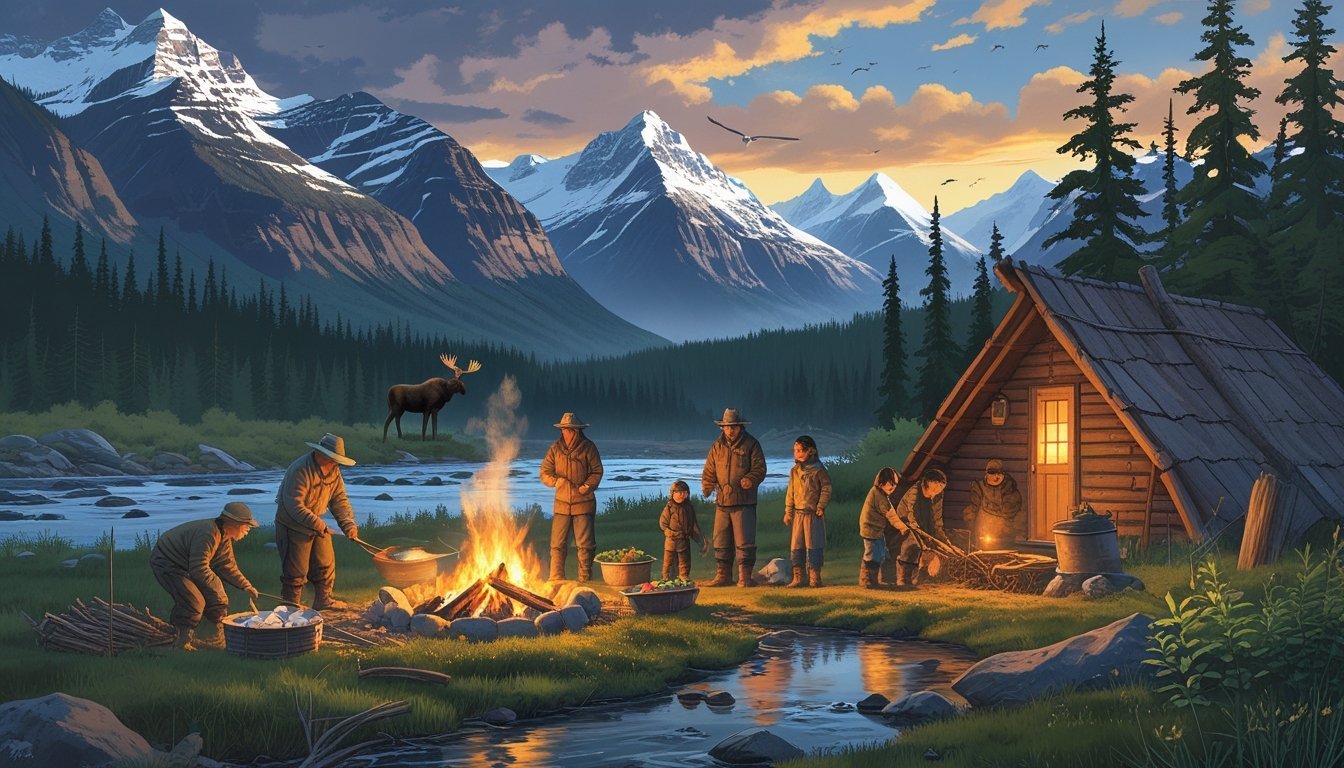
Alaskan Bush People centers its story on the challenges of survival in Alaska’s remote wilderness. The show portrays the family’s attempts to adapt to harsh conditions and manage the practical realities of living away from modern society.
Life Off the Grid
The Brown family’s way of life is defined by isolation from traditional infrastructure. They construct shelters with limited materials and generate electricity through solar panels or improvised generators.
Essentials such as running water and central heating are absent, so they rely on nearby streams, wood-burning stoves, and carefully rationed resources.
Hunting, fishing, and foraging are vital to their daily food supply. The family often spends long days gathering firewood or maintaining basic amenities.
Their self-reliant approach requires constant maintenance and hands-on problem-solving.
Resource scarcity is a daily concern. Basic supplies must be either created from the land or transported at great effort and expense, emphasizing the need for adaptability and resilience.
Enduring the Alaskan Tundra
Alaska’s landscape is unpredictable and demanding. Severe winters bring subzero temperatures, powerful winds, and heavy snowfall, all of which pose real threats to health and safety.
The terrain can be rugged, with dense forests and wide stretches of tundra that challenge both movement and shelter-building.
The unpredictable climate forces the family to prepare for sudden weather changes. They build shelters with heavy insulation and stockpile supplies to survive extended storms.
Travel often requires special equipment like snow machines or sturdy boats, as roads are limited or nonexistent.
Wildlife is both a resource and a hazard. Bears, wolves, and moose can appear unexpectedly, requiring constant vigilance and secure storage of food.
These elements add genuine risk to everyday activities and reinforce the seriousness of surviving in this environment.
Daily Challenges of the Bush
Survival in Alaska revolves around routine challenges that would be unfamiliar to most.
Food supplies must be managed meticulously, with hunting and fishing providing the main protein sources.
Fishing through thick ice, setting game traps, and preserving meat are standard activities.
Medical emergencies can escalate due to distance from hospitals or clinics.
Minor injuries or illnesses require on-the-spot solutions, often without professional help.
Even communication with the outside world is limited.
Weather can disrupt satellite phones or radios, leaving the family temporarily cut off in emergencies.
Everyday life is a balance of practical decision-making and constant adaptation, underlining the true realities of bush survival.
The Heart of Alaskan Bush People: The Brown Family
The Brown family drives the core of the show, blending genuine relationships with the challenges of wilderness life. Centered on Billy and Ami Brown, and their seven children, viewers see both interpersonal tension and support shaped by survival.
Family Dynamics and Relationships
The Brown family consists of seven siblings and their parents, each bringing distinct personalities and roles. Their interactions often revolve around the daily challenges of living off the grid, working together to maintain their home and provide for basic needs.
Despite the hardships, there are clear expressions of loyalty and occasional conflicts. These conflicts, usually over responsibilities or the direction of family projects, offer insight into how each member adapts to group dynamics.
Sibling bonds are tested by the unpredictability of the wild, but shared adversity frequently leads to reconciliation. Key family events—such as moving, health scares, or milestones—serve to strengthen their relationships, highlighting the resilience required to live as a unit under such conditions.
The Role of Patriarch Billy Brown
Billy Brown, the patriarch, was both the leader and the principal architect of the family's lifestyle. His vision for self-sufficiency and independence shaped the course of their lives and the direction of the show. He offered guidance in skills like hunting, shelter-building, and crisis management.
Billy's authoritative presence set expectations, demanding hard work and unity from his children. He also encouraged personal growth, allowing them to learn from mistakes.
When disagreements arose, Billy acted as mediator, balancing discipline with empathy. His influence was foundational, as he instilled the values of perseverance, self-reliance, and resourcefulness that define the Brown family's approach to survival.
Ami Brown's Influence
Ami Brown, as the matriarch, played an essential, steadying role. She managed the internal needs of the household, from meal preparation to health care, often adapting to challenges with creativity and calm.
Her support was emotional as well as practical. Ami guided her children through personal struggles and celebrated their achievements. Family members often sought her advice, especially during difficult times, such as health scares or family disputes.
Ami's nurturing approach and quiet strength earned the trust and respect of her family. She was instrumental in maintaining cohesion, balancing Billy's drive with compassion and stability. Her influence continues to guide the family even during uncertain times.
Personal Struggles and Triumphs
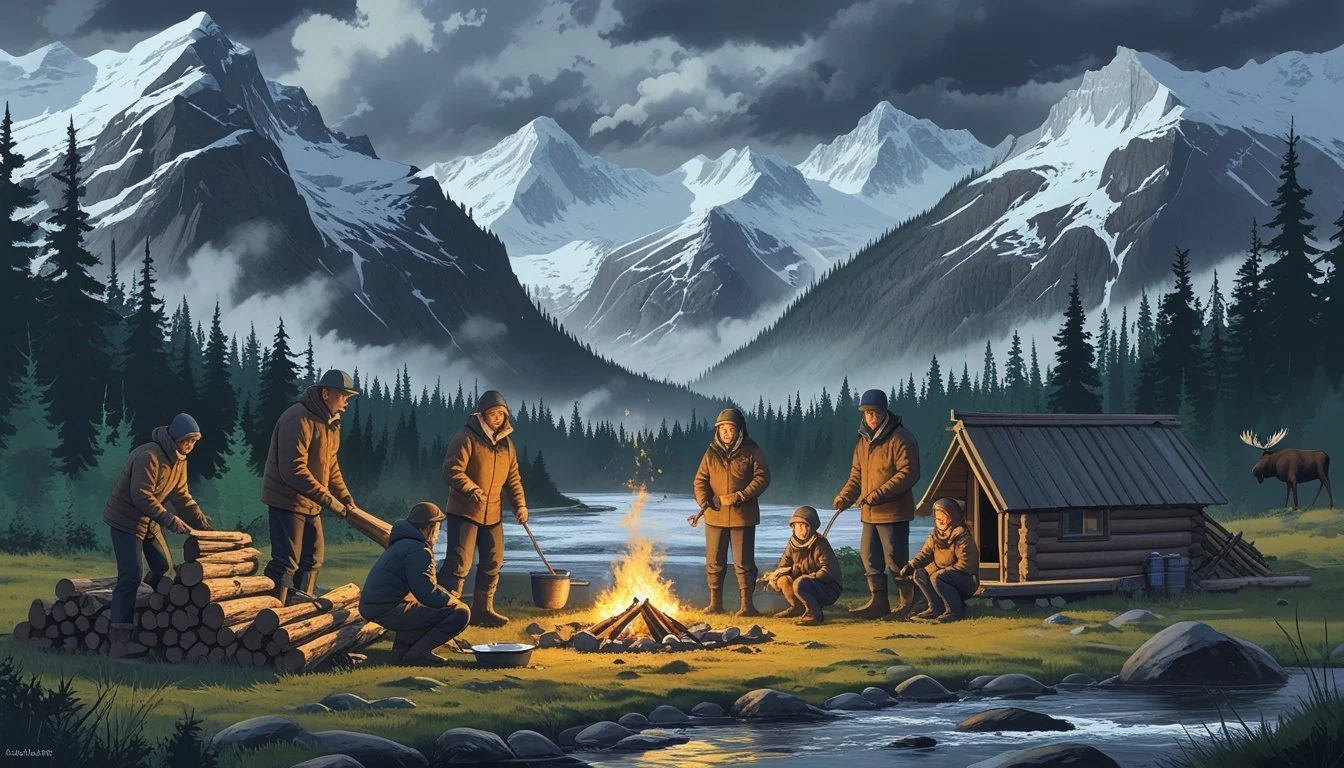
The Brown family's reality is shaped by hardship and resilience. Their experiences highlight the balance between personal health crises, individual growth, and an ongoing drive to endure harsh conditions in the Alaskan wilderness.
Ami Brown's Battle With Lung Cancer
Ami Brown's diagnosis with advanced lung cancer in 2017 shifted the focus of the show from survival challenges to raising awareness about health in remote areas. She faced Stage III cancer, which forced the entire family to relocate temporarily so she could receive specialized treatment at a hospital.
Ami underwent several months of chemotherapy and radiation. The struggle impacted not only her health but also the family's emotional stability. Viewers witnessed the Browns adapting to uncertainty as they coped with her prognosis.
Despite the gravity of her illness, Ami’s determination to keep her family together stood out. After significant treatment, she reached remission—a hopeful outcome for both her and the viewers following her journey.
Key Details:
Year Diagnosis Treatment Location Outcome 2017 Stage III Cancer Hospital in Lower 48 Remission
Snowbird Brown and Her Journey
Snowbird Brown, the eldest daughter, faced unique personal challenges while growing up largely isolated from modern conveniences. Her role often centered on supporting family dynamics and helping manage homestead responsibilities.
Known for her strong bond with the natural world, Snowbird grew into an adept hunter and forager. She has become an anchor for younger siblings while balancing her own emotional wellbeing. Snowbird’s journey highlights the pressures of maturing under constant scrutiny, both from cameras and within the tight-knit family unit.
Her quiet, steady presence contributed to the Browns’ ability to work through loss and adapt to new environments after Ami’s health scare. She serves as a practical and nurturing figure, helping keep routines steady even during upheaval.
Bear Brown: Survivalist Spirit
Bear Brown is recognized for his energetic, adventurous nature. He often takes the lead in dangerous survival tasks, from building remote shelters to sourcing food in extreme weather. Bear’s approach blends raw enthusiasm with learned bushcraft, shaping the family’s adaptability in unpredictable situations.
He has faced his own personal upheavals, including times of emotional struggle and disagreements with family members. Bear’s resilience is rooted in his commitment to living off the land and his determination to provide for those around him.
Bear’s persona, shaped by wilderness challenges, has made him both a symbol of the show’s rugged ethos and a source of motivation for the family. His persistence in the face of adversity underscores the Browns’ collective ability to survive and grow together.
Survival Versus Drama: Balancing Entertainment and Reality
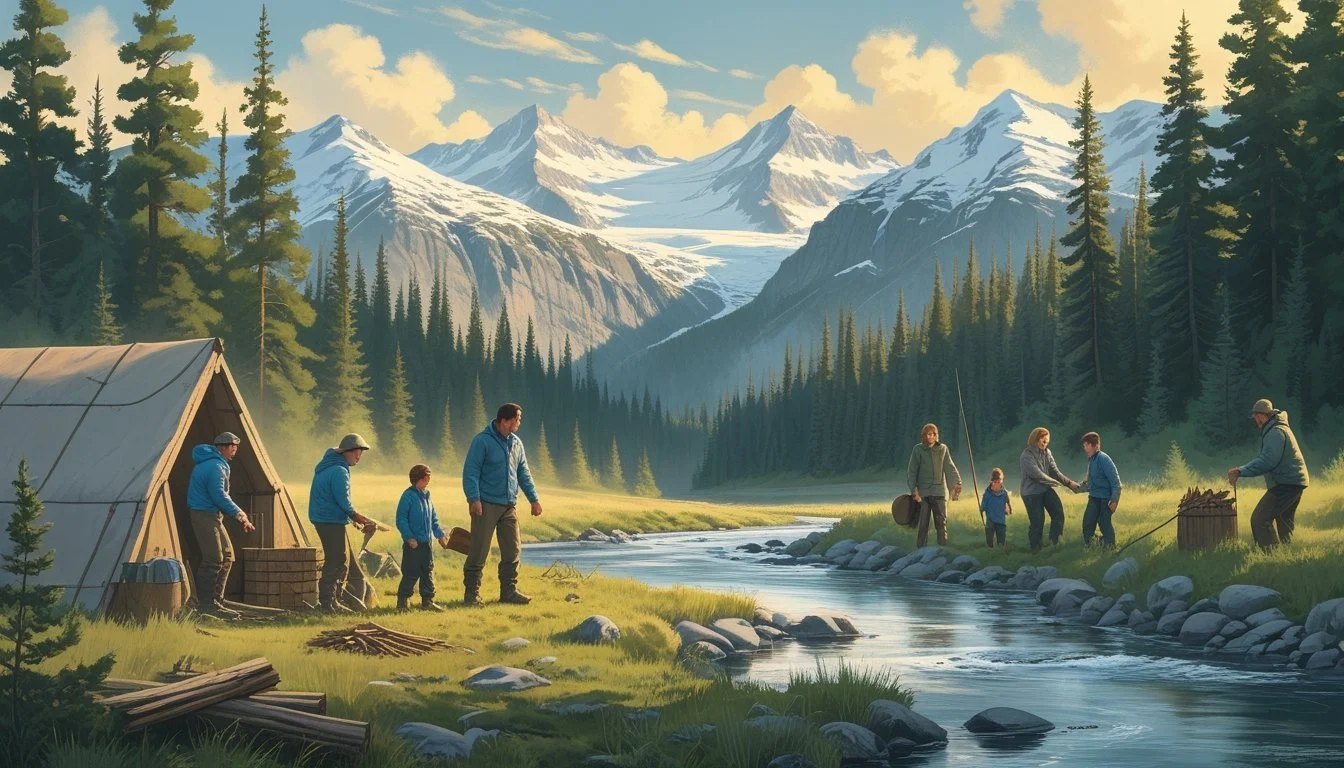
The Browns’ daily routines revolve around survival, but family conflicts and personal struggles often intersect with the challenges of living off the land. Viewers are drawn to the contrast between dramatic moments and the constant need to secure food, shelter, and safety in a remote environment.
Navigating Real Family Challenges
Family disagreements and miscommunications happen frequently, but survival needs force them to work together. Decisions about building shelters or splitting resources can lead to real conflict. The harsh climate and isolation magnify small issues, making cooperation necessary.
The Browns’ lifestyle means arguments can’t drag on; immediate problems, such as firewood shortages or health issues, must be solved quickly. This necessity grounds the family’s drama in reality. Survival takes priority, influencing how disputes are resolved and how responsibilities are shared.
Impact of Isolation and Living Alone
Living far from society brings a unique kind of pressure. Without access to modern conveniences, each member must rely on their own skills and the group’s collective effort. Times of isolation—whether due to the weather or personal choice—test resilience.
Being alone in the wild can lead to loneliness or stress, but it also encourages self-reliance. When separated, members of the family must handle critical tasks like gathering water or keeping predators away. This enforced independence is central to their survival, and it shapes the way drama unfolds when they eventually reconnect.
Finding Food: Hunting and Fishing
Obtaining food is a daily challenge and leaves little room for staged drama. The family’s survival depends on successful hunting and fishing, which takes planning and coordination. Mistakes can mean missed meals or added hardship.
They use a variety of methods—setting fish traps, tracking game, and foraging for edible plants. Success or failure in these tasks often becomes a storyline, but the real risks and resourcefulness behind these efforts are genuine. The environment of the Alaskan bush demands constant adaptation to secure enough food for everyone.
The Influence of Media and the Discovery Channel
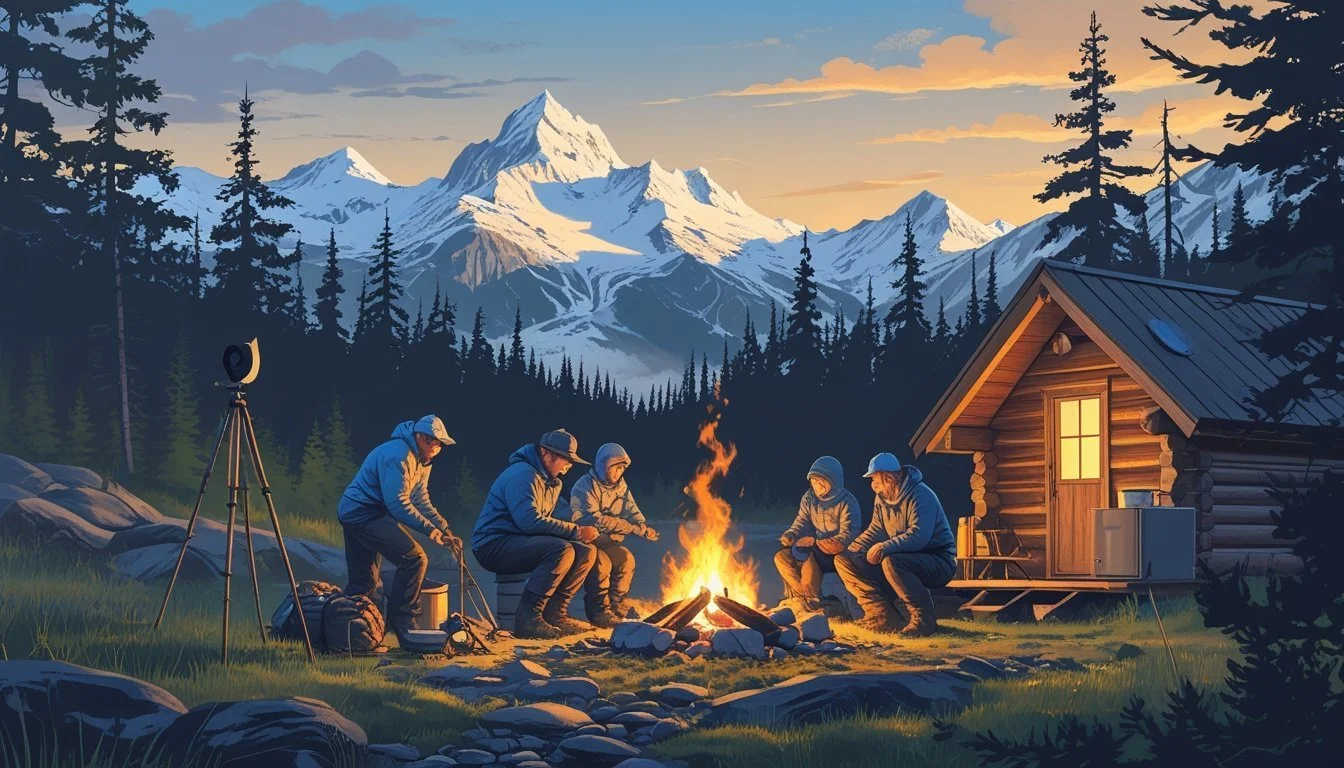
The Discovery Channel plays a central role in shaping how audiences view Alaskan Bush People. Media exposure, fan engagement, and critical reception all influence how the family’s survival and drama are portrayed.
Shaping the Reality Show Narrative
Discovery Channel controls how the Brown family’s story is presented to viewers. Through editing and production choices, the network emphasizes themes of survival, resilience, and family bonds.
This approach selects scenes that highlight challenges such as harsh weather and remote living. At the same time, it ensures dramatic moments remain grounded in practical, day-to-day realities rather than manufactured conflict.
By focusing on authentic struggles—building shelters, securing food, or dealing with illness—the reality show narrative avoids straying into fantasy. Consistency in this approach helped the series maintain credibility with its core audience, especially in the early seasons.
Social Media Interaction With Fans
Interaction between the show, its cast, and fans on social media platforms shapes public perception and engagement. Cast members regularly share updates, behind-the-scenes content, and personal reflections on platforms like Instagram and Twitter.
These channels provide fans opportunities to ask questions, share feedback, and participate in discussions using show-related hashtags. Rapid communication allows the Discovery Channel and the Brown family to address rumors or clarify off-screen events promptly.
Direct social media engagement builds community, supports viewer loyalty, and lets producers gauge audience interest in storylines, especially ahead of new seasons or rumored season 15 developments.
The Show’s Reception Across Seasons
Alaskan Bush People aired for 14 seasons from 2014 to 2022, attracting millions of viewers but also sparking debate over its authenticity. The reception shifted over time; initial enthusiasm about the family’s survival skills turned to skepticism as some viewers questioned staged moments and editing choices.
Ratings data and fan forums reflect changing attitudes, with certain seasons drawing criticism for perceived dramatization. Despite controversies and lawsuits mentioned in later years, the show maintained a core fan base who valued its focus on self-reliance.
The uncertainty about a season 15 demonstrates how network decisions, fan interest, and ongoing media coverage all shape the reality show’s future on Discovery Channel.
Family Growth: Relationships, Dating, and Marriage
The Brown family’s approach to relationships is shaped by their remote lifestyle and practical needs. Each stage—from dating to marriage—reflects how survival in the Alaskan wilderness impacts emotional bonds and family decisions.
Evolving Family Structures
Family structure among the Browns is closely connected to their lifestyle’s demands. Members often take on flexible roles, shifting responsibilities as situations require. Siblings work together for shared survival, which builds strong interdependence but can also create friction.
The parents, Billy and Ami Brown, set the tone with a long-term partnership rooted in teamwork. As children have become adults, some have chosen to remain close, helping with daily tasks, while others seek more independence. Living conditions and routines impact how relationships evolve and how members support one another.
Changes like marriages and moves create new family groupings. These shifts demonstrate how the family continues to adapt, balancing tradition and individual needs.
High-Profile Relationships and Dating
Dating in the Brown family brings unique challenges due to their isolated environment. Potential partners must understand and adapt to an off-grid way of living, which limits the pool of suitable matches. This reality shapes relationship expectations and dating patterns.
Some family members have shared their dating experiences openly, giving viewers a look at both the challenges and the personal growth involved. The public has seen instances where the process of introducing new partners brought both excitement and tension to the family dynamic.
High-profile relationships often become topics of discussion, especially when they test the boundaries of the family’s established lifestyle. Managing privacy and compatibility has been a continual concern.
Marriage Milestones
Marriage is a significant step for Brown family members, signaling both personal and collective change. Each marriage brings new dynamics, as partners adjust to life among the Browns and adapt to the demands of wilderness survival.
Recent years have included notable weddings, such as Noah and Rhain’s marriage, which brought new energy and required adjustments for everyone. Marriages often highlight different values, including cooperation, resilience, and mutual support, strengthening the group’s ties.
Milestones like weddings typically involve the entire family, blending celebration with practical preparations. These events provide insight into how balancing individual relationships with family cohesion remains central to their way of life.
