

Alaskan Bush People illustrates how the idea of home extends beyond a physical structure, focusing instead on family unity, perseverance, and shared goals. The Brown family’s journey in the remote wilderness shows that home is built through daily efforts, whether they are facing harsh weather, constructing shelters, or adapting to new challenges.
Viewers see the Browns work together to overcome setbacks and support each other, reinforcing the importance of belonging and connection over comfort or tradition. Their experiences shed light on how unique values and social norms can shape the meaning of home in environments far removed from mainstream society.
Through their struggles and accomplishments, the Brown family invites audiences to rethink what defines a true home. The show suggests that resilience, cooperation, and commitment are at the heart of feeling at home, no matter the circumstances.
Exploring Home in Alaskan Bush People
For the Brown family, home is inseparable from their identity, rooted in both their relationships and their surroundings. Their life in Alaska centers on daily survival, meaningful connections, and a profound respect for the wilderness.
Defining Home in Remote Alaska
In the context of Alaskan Bush People, home often means more than a house or physical shelter. For the Browns, their home is shaped by the demands and opportunities of bush living. They construct cabins or temporary structures using materials from the land itself, relying on ingenuity and teamwork.
The isolation of rural Alaska requires adaptability. Severe weather, scarce resources, and distance from cities make conventional homes impractical. As a result, the Browns’ definition of home shifts with seasons and necessity.
Their lifestyle shows that in the Alaskan wilderness, home becomes any place where the family can gather, work, and find safety. It reflects the realities of remote living: self-sufficiency, resilience, and resourcefulness.
Family Bonds and Emotional Roots
Family unity is central to how the Browns view home. Each member contributes to household tasks, building and maintaining shelters, gathering food, and making decisions as a group.
The family’s emotional foundation is rooted in a strong sense of loyalty. According to the show, survival in the bush hinges on trust and cooperation, making familial bonds essential.
Home for the Browns is not about possessions or walls, but about the relationships that sustain them through hardships. Emotional security and a feeling of belonging are prioritized above material comfort, defining home as wherever the family remains together.
Connection to Nature and Place
Connection to nature forms a core part of the Browns’ experience of home. Living deep in the wilderness, they interact daily with Alaska’s forests, mountains, and wildlife.
Traditional skills—such as fishing, hunting, and foraging—are vital aspects of their daily routine. This reliance on the land fosters respect for nature and a sense of stewardship.
By making the remote Alaskan landscape an extension of their living space, the Browns demonstrate that home is not confined to four walls. The environment shapes their routines and values, embedding the concept of home within the rhythms of rural Alaskan life.
Family Dynamics and Unity
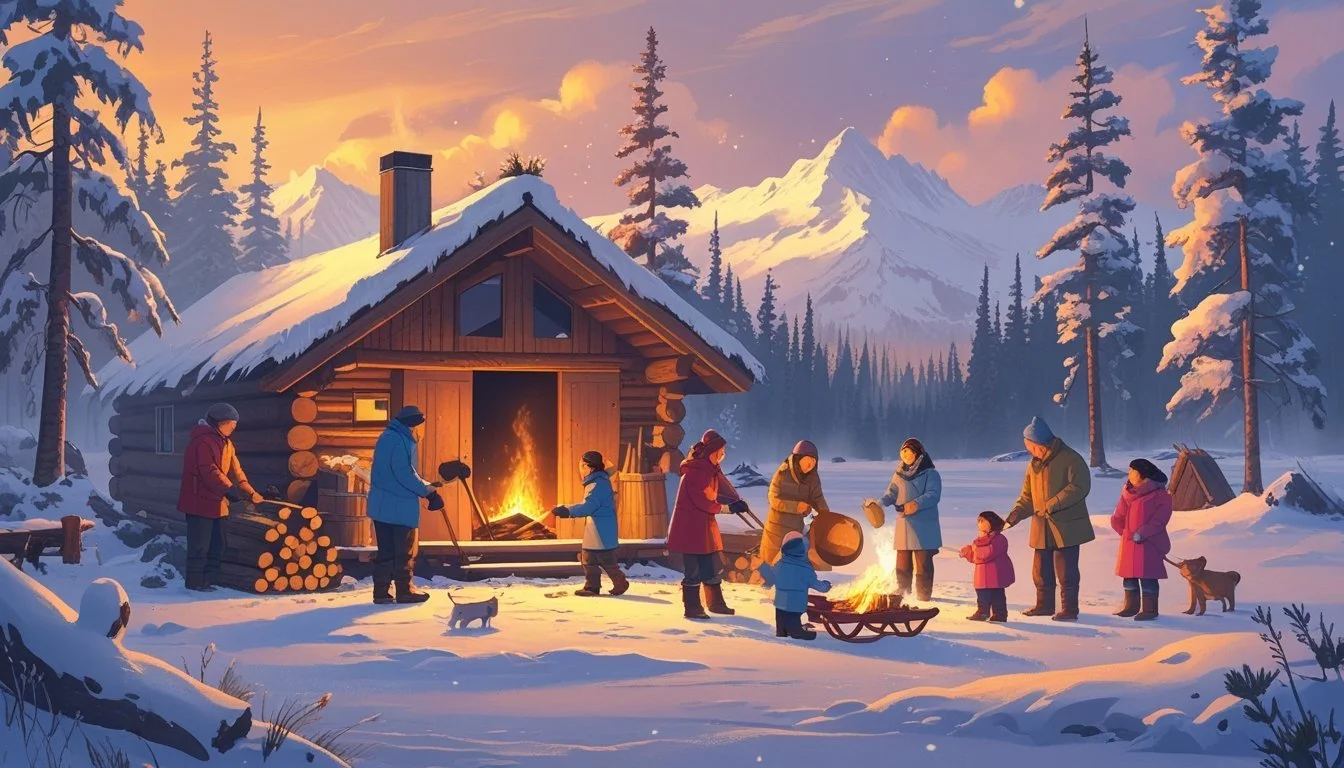
Living in remote environments tests even the closest families. The Brown family, featured on Alaskan Bush People, demonstrates how shared challenges and clear roles within the household strengthen unity and adaptability. Their approach highlights the importance of responsibility, cooperation, and unwavering support in shaping the meaning of home.
Adapting to Isolation
Isolation defines much of the Brown family's experience in Alaska. Cut off from conventional communities and modern conveniences, they rely heavily on each other for daily survival. Each member must contribute to essential tasks, such as gathering food, maintaining shelter, and ensuring safety.
This dependency on collective effort strengthens their resilience. The Browns show that adapting to seclusion is less about enduring loneliness and more about forging tighter bonds through shared goals and constant communication.
Their adjustment to solitude is not simply physical but emotional. Adapting to isolation means turning to family for morale, comfort, and problem-solving, which becomes the foundation of their concept of home.
Roles Within the Brown Family
Roles in the Brown household are clearly defined, reflecting functional family dynamics. Billy Brown, the late patriarch, was both provider and decision-maker, guiding daily routines and major choices. Ami Brown, as the matriarch, managed family cohesion and nurtured emotional well-being.
Individual children, like Bear Brown, took on tasks suited to their strengths, from hunting and building to problem-solving in emergencies. Delineation of duties creates structure, ensuring efficiency and reducing conflict. This clarity allows each member to develop skills and self-sufficiency while contributing to the group's needs.
Ami’s ability to keep the family grounded during challenges emphasizes the value of maternal leadership. Cooperation and respect for these roles underpin the Browns' enduring unity.
Maintaining Family Bonds
Maintaining family bonds is central to how the Browns define home. They prioritize rituals—shared meals, group discussions, and regular work projects that involve everyone. These activities provide stability and reinforce individual worth within the family.
When facing setbacks, whether harsh weather or illness, the Browns demonstrate mutual support. They value open communication and resolve conflicts directly, preserving trust and solidarity even under pressure.
Family ties are upheld by both tradition and adaptability. The Browns' perseverance through hardship showcases the centrality of strong family bonds in creating not just a living space, but a true sense of home.
Survival and Self-Sufficiency in the Wilderness
Living off the grid in remote areas requires a unique combination of self-reliance, practical survival skills, and the ability to thrive with limited supplies. The Alaskan Bush People show how adaptation and determination define everyday life in the wilderness.
Off-Grid Living Essentials
Surviving off the grid in Alaska starts with securing the basic necessities: shelter, water, food, and energy. The Brown family builds and maintains cabins from local timber, showing how to adapt construction techniques to harsh climates. They use wood stoves for both heating and cooking.
For water, reliable sources like streams or rainfall catchment systems are vital. Power often comes from solar panels, generators, or other renewable sources when possible. Waste management involves composting toilets and environmentally conscious disposal practices.
Daily routines revolve around maintaining these systems to ensure self-sufficiency. Without easy access to stores, pre-planning is essential, especially before winter. The family also cultivates gardens and hunts, making them less dependent on outside resources.
Wilderness Survival Skills
In the Alaskan wilderness, survival is a constant priority. Navigation, fire-starting, shelter-building, and first aid are not skills for emergencies alone—they are part of daily routines. The Browns demonstrate how knowledge of the land is crucial, learning to identify edible plants, track game, and avoid hazards.
Key Survival Skills:
Building temporary shelters in case of severe weather
Finding safe drinking water in remote areas
Using navigation tools to avoid getting lost
Starting fires in wet or windy conditions
Self-reliance means each family member contributes, from trapping small animals to maintaining trails. Adaptation to seasonal changes—especially harsh winters—requires continuously updating skills and learning from nature's cycles.
Resourcefulness With Limited Supplies
Resourcefulness defines life off the grid. The Browns reuse materials from old structures, salvage parts for repairs, and barter when needed. They practice creative problem-solving, such as fashioning tools from scrap metal or repairing machines with whatever is available.
Limited access to stores means prioritizing needs and making do with less. Skills like sewing, canning, and basic mechanics prevent unnecessary trips to town. The family also swaps goods with nearby homesteaders, making the most of available resources.
A typical supply table might include:
Item Source Use Timber Local Forests Building, heating Water Streams/Rain Drinking, cleaning Wild game/fish Hunting/Fishing Food Solar Power Solar Panels Electricity Scrap Metal Salvaging Repairs, tools
Traditional Skills and Sustainable Practices

Alaskan Bush People rely on time-tested methods that allow them to meet their daily needs while respecting the environment. These practices foster a direct connection to the land and emphasize sustainability in day-to-day living.
Hunting and Gathering
Hunting and gathering in Alaska demands both skill and precision. Wildlife such as moose, caribou, and waterfowl provide a major source of meat, hides, and other vital materials. Hunters plan their actions based on seasonal patterns, animal movements, and local knowledge passed down through generations.
Tracking, marksmanship, and safe handling of firearms or bows are crucial. Gathering includes foraging for wild berries, edible plants, and roots, with families often working together to identify and harvest resources efficiently. Every hunt or foraging trip requires careful preparation to avoid overharvesting and to ensure resources remain available in the future.
Sustainable practices:
Following local regulations and quotas
Respecting animal populations and habitats
Taking only what is necessary
Fishing and Foraging
Fishing is fundamental to life in remote Alaskan villages. Families use tools such as dipnets, fishwheels, gillnets, and traditional spears to catch salmon, trout, and other fish.
Foraging often occurs alongside fishing. Individuals collect seaweed, wild greens, mushrooms, and berries. Knowledge of safe gathering locations and seasonal cycles helps maximize the nutritional value and minimize ecological disturbance.
Commonly fished species:
Species Method Use Salmon Gillnet, Dipnet Food, preservation Trout Hook & line Immediate consumption Char Fishwheel Shared among families
Food Preservation Techniques
Preserving food is essential for surviving harsh winters. Traditional Alaskan methods include drying, smoking, fermenting, and salting.
Fish and game are often cut into strips, then hung in smokehouses or air-dried racks to prevent spoilage. Red salmon, for example, is preserved by drying over weeks, turning it into a nutrient-rich staple. Berries and greens may be stored by canning or freezing, if available.
Families frequently work together, passing on these skills and ensuring food security. Reliable preservation extends the harvest’s benefits throughout the year, supporting both nutritional needs and cultural customs.
Building Browntown: The Physical Home
Browntown was constructed by the Brown family as a self-sufficient homestead on Chichagof Island, Alaska. Life there demanded resourcefulness, a practical approach to daily needs, and steady adaptation to severe weather and isolation.
Homesteading in Harsh Environments
The family’s approach to homesteading in Browntown highlighted the challenges of settling in Alaska’s remote wilderness. Each structure, including cabins and storage areas, was built using local timber and salvaged materials when possible. Construction was done by hand, emphasizing skills like carpentry, using basic tools, and relying on teamwork.
Daily routines revolved around gathering firewood, hunting, and preserving food for the winter. The Browns needed to plan months in advance to ensure survival during snowstorms and freezing temperatures. Their efforts to build and improve Browntown provided a real-world example of frontier resilience and adaptability.
The family had to maintain clear boundaries with wildlife, which included reinforcing structures and storing food securely. The reality of Alaskan isolation meant constant maintenance to keep their home safe and functional throughout the year.
Renewable Energy and Water Conservation
Electricity in Browntown came primarily from renewable energy. The family installed solar panels to power essential appliances and lighting, reducing their need for fuel and minimizing environmental impact. The use of solar was supplemented by batteries to store energy for use on cloudy days.
Water conservation was a daily concern. They collected and filtered rainwater, and constructed simple plumbing systems from locally available resources. Baths and laundry required strict rationing to avoid running out of water during dry spells or when snow made collection difficult.
The Browns also used composting toilets to manage waste without septic systems. This method helped protect local streams and minimized their ecological footprint. Their practices offer a blueprint for off-grid living in demanding conditions.
Coping With Extreme Weather
Extreme weather in Alaska required constant preparation and vigilance. Browntown faced long winters, heavy snowfall, and high winds. The Browns reinforced roofs, insulated walls, and modified cabin designs to prevent damage from freezing and moisture.
A checklist of preparations included:
Stockpiling firewood
Securing food supplies
Weatherproofing shelters
Wind-driven storms occasionally damaged buildings, forcing the family to make urgent repairs. Their adaptability became essential in dealing with sudden blizzards, rapid snowmelt, and fluctuating river levels.
Temperatures could drop rapidly. Staying warm depended on wood stoves and layered clothing, while preventing frostbite was a daily reality. The physical demands of coping with such extremes shaped every aspect of homesteading life at Browntown.
Community, Social Norms, and Indigenous Influences
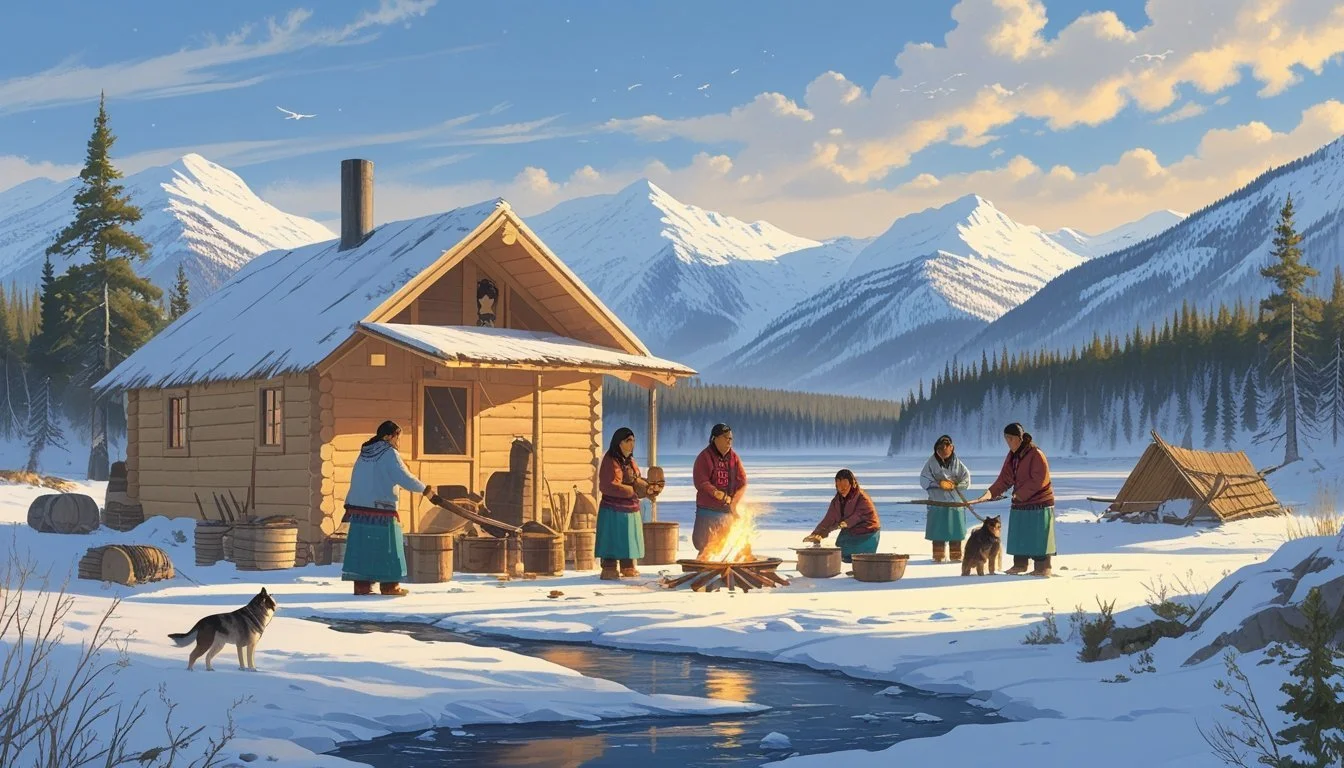
Life in rural Alaska demands adaptability, collaboration, and a respect for unique local knowledge. The values and customs common in isolated communities, along with longstanding Indigenous traditions, inform how the Alaskan Bush People define family, home, and social responsibility.
Navigating Rural Alaskan Social Structure
The Browns live in a region where each member must fulfill critical roles for the group’s survival. Tasks such as hunting, fishing, and constructing shelters are shared responsibilities, emphasizing practical skills and cooperation.
Rural Alaskan communities often value self-sufficiency and resourcefulness above all else. Social interactions focus on mutual aid rather than competition. People rely on each other for food, transport, and safety, especially in harsh weather.
There is a strong sense of communal living similar to the historical use of structures like the igloo or the barabara among Indigenous peoples. Homes are not just residences but bases for collective effort. Social norms in these areas often prioritize the welfare of the whole group and discourage behaviors that would threaten group harmony or survival.
Incorporating Indigenous Wisdom
Indigenous culture is woven into Alaskan daily life through practices and beliefs passed down for generations. The Inupiaq and other Alaska Native peoples offer rich examples of resilience, stewardship, and interdependence.
Traditional knowledge—often called Indigenous wisdom—guides interactions with the land and resources. For instance, respecting the migration cycles of animals or using every part of a harvested animal minimizes waste.
Customs such as potlatches—ceremonial gatherings for feasting and sharing resources—demonstrate values of generosity and reciprocity. Indigenous wisdom frames home not just as shelter, but as a living connection to family, ancestors, and the environment.
Interactions With Local Traditions
The Brown family engages with local customs, blending their own routines with those established in Alaskan culture. They sometimes adopt Native survival techniques, such as using materials and tools adapted to extreme weather.
Learning from neighbors—including Indigenous families—brings broader perspectives into their daily life. Shared activities, like fish camps or communal hunts, foster a sense of unity among diverse residents.
Observing and sometimes participating in community celebrations and practical exchanges allows for valuable cross-cultural understanding. This interaction helps reinforce the meaning of home as rooted not just in physical space, but in shared experiences and responsibilities.
Facing Challenges: Health, Loss, and Resilience
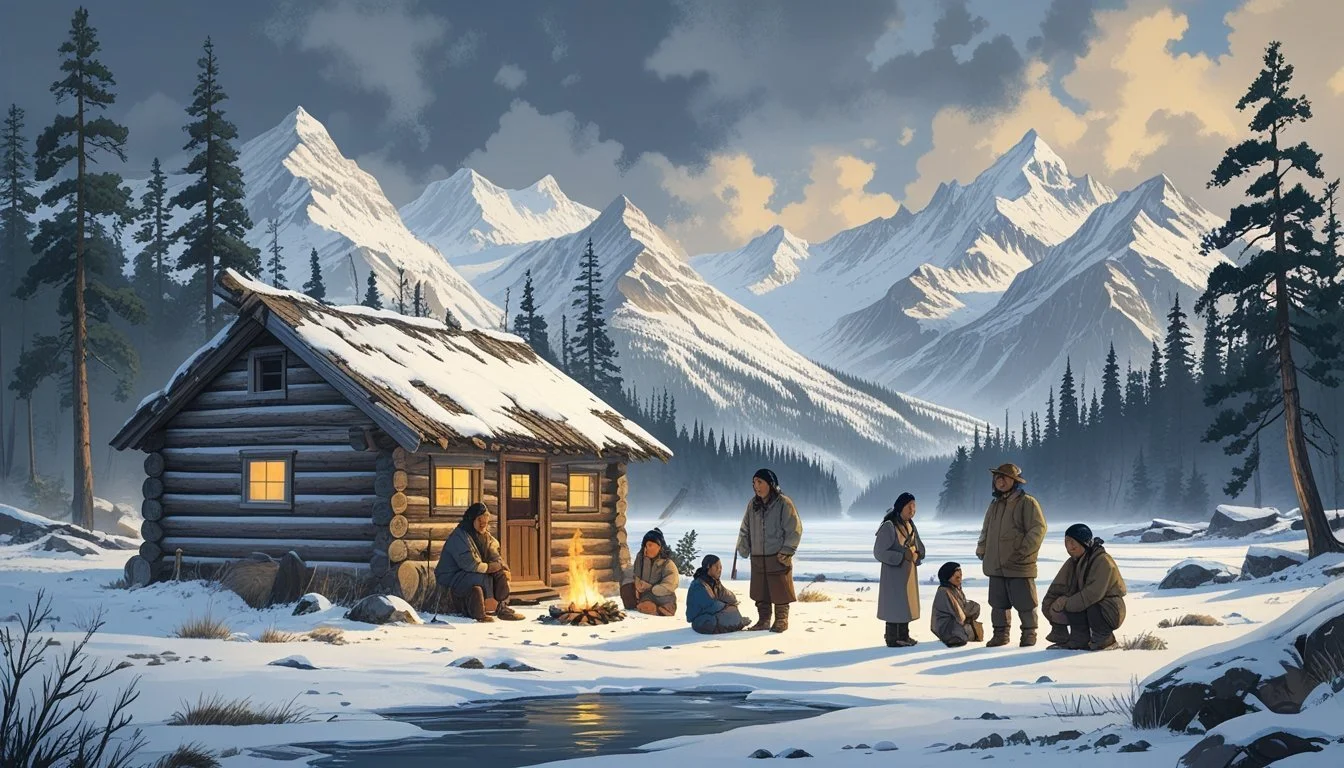
Alaskan Bush People has documented how difficult circumstances can test a family’s unity and sense of home. The Brown family’s experiences provide insight into the realities of managing health crises, coping with personal loss, and maintaining mental well-being in the remote Alaskan wilderness.
Ami Brown’s Health Struggles
Ami Brown’s battle with advanced lung cancer became one of the most defining challenges for the family. Diagnosed in 2017, her treatment required leaving their remote homestead for medical care in California. This shift disrupted daily life and isolated the family from their chosen way of living.
The family’s routines changed significantly during Ami’s illness. Members had to adapt to new roles, splitting time between caring for Ami and managing household chores. Medical expenses and emotional stress weighed heavily on everyone.
Despite the hardships, Ami’s resilience was evident. Her diagnosis and subsequent recovery became a central storyline that highlighted the importance of mutual support and adaptability when a loved one faces a life-threatening illness.
Dealing With Loss and Grief
The death of Billy Brown in 2021 was a profound loss for the Brown family. Billy was not just the family patriarch but also the central figure guiding their values and daily decisions. His passing brought significant changes to the way the family functioned.
Family members responded to grief in individual ways. Some focused on work and homestead maintenance, while others leaned on each other for emotional support. Their openness about sorrow and remembrance was visible in their conversations and commemorations on the show.
Sharing their grieving process offered viewers a candid look at how a family copes with losing a loved one in an environment that demands both physical and emotional resilience. These moments underscored the central role of home as a source of comfort even after great loss.
Psychological Effects of Bush Living
Living in the Alaskan wilderness can have distinct psychological impacts. The remote setting, lack of modern conveniences, and constant environmental stressors create a unique mental landscape for the family.
The Browns have faced emergencies, extreme weather, and uncertainty, which require constant problem-solving and emotional stability. Over time, these pressures can foster resilience, but they can also lead to stress, anxiety, or feelings of isolation.
Viewer attachment to the Brown family is partly driven by witnessing their real psychological struggles and triumphs. Their ability to adapt and maintain bonds despite overwhelming hardship demonstrates how shared experience in a challenging setting reinforces the meaning of home.
How the Discovery Channel Shapes Perceptions of Home

Television series like Alaskan Bush People use reality TV to present a version of home that is influenced by both entertainment values and cultural assumptions. The Discovery Channel’s format plays a critical role in shaping how viewers understand concepts of authenticity, family life, and the potential economic effects through tourism.
Reality TV and Authenticity
Reality television often claims to provide an unfiltered look into the everyday lives of its subjects. The Discovery Channel positions Alaskan Bush People as a genuine portrayal of wilderness living, suggesting that home can be defined by survival skills and resourcefulness.
However, critics have questioned the extent to which these portrayals are authentic or staged for dramatic effect. Careful production and editing sometimes blur the line between reality and entertainment, which can shape audiences’ beliefs about what life in remote Alaska is really like.
Key Factors:
Balancing scripted moments with real challenges
Creating narratives that emphasize family unity and problem-solving
Selectively highlighting hardships and triumphs
The presentation on screen often reflects a mix of truth and television craft. This influences how viewers imagine the concept of home for families living off the grid.
Representation in the Television Series
The series showcases the Brown family adapting to the wild and creating their own version of home. This representation focuses on the importance of close-knit relationships, self-sufficiency, and the ability to meet basic needs in the face of adversity.
Scenes commonly feature daily life, construction of shelters, and interactions with nature. The focus on these activities reflects traditional, rural values that may not represent the broader diversity of homes in Alaska.
Key Elements Represented:
Building and maintaining shelter
Reliance on family and group cohesion
Adapting to harsh environments
While these themes attract viewers interested in a rugged lifestyle, they may oversimplify or overlook other ways Alaskans experience home.
Tourism and Opportunity
The popularity of Alaskan Bush People has impacted tourism by sparking interest in the Alaskan wilderness. Viewers sometimes seek out travel opportunities to experience the remote lifestyle depicted on the show.
Tour operators and local communities have noted increased interest in the areas featured in the series. This publicity can drive economic opportunity, but it can also lead to misconceptions about what life in Alaska truly entails.
Tourism Effects:
Increase in wilderness adventure packages
More visitors seeking “authentic” Alaskan experiences
Potential strain on remote communities if expectations clash with reality
By shaping perceptions through curated storytelling, the Discovery Channel’s programming can indirectly influence tourism trends and the types of opportunities local residents pursue.
Harmony With Nature and Sustainable Living
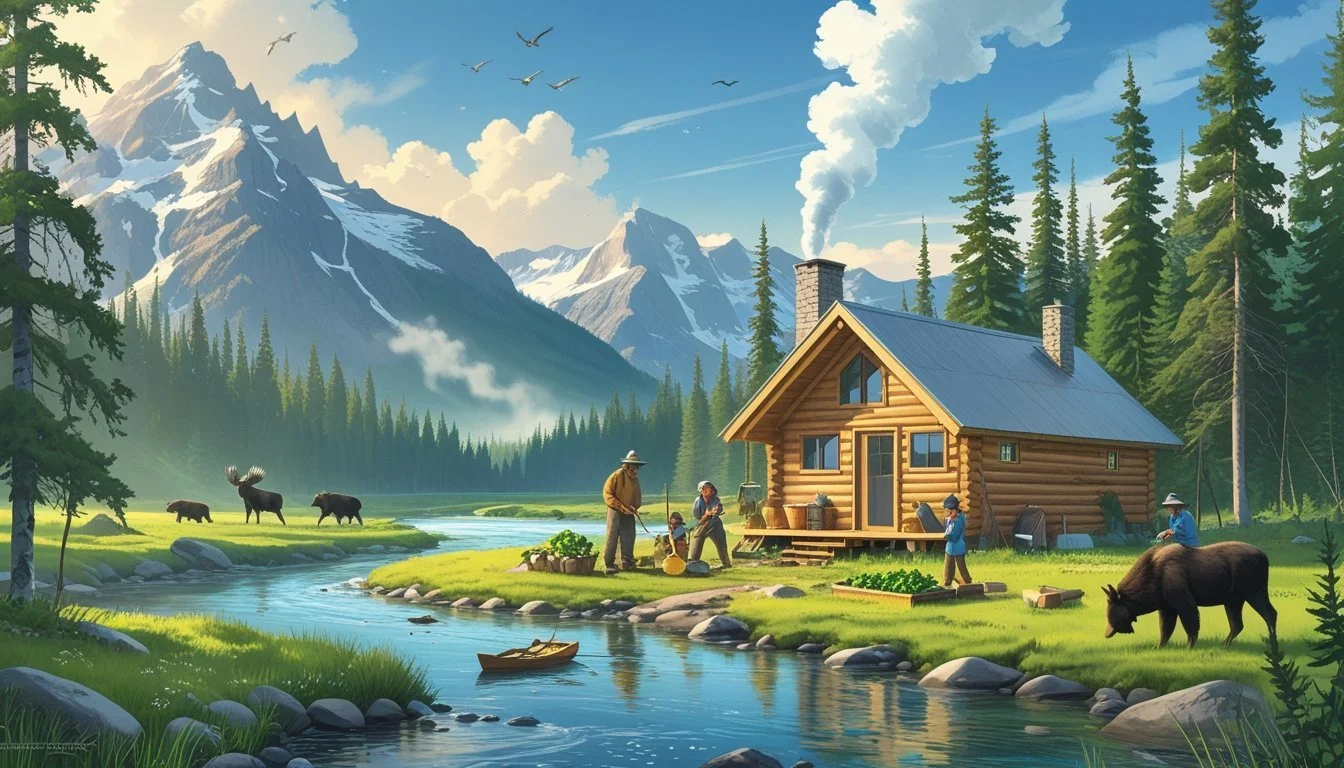
Sustainable living in Alaska is built on observing natural cycles, interacting closely with wildlife, and developing practical skills for reading signs in the environment. These practices allow families to make the most of the land’s resources while maintaining simplicity and respecting their surroundings.
Respect for Nature and the Ecosystem
The Alaskan Bush People show a strong commitment to respecting the land they inhabit. They rely on wood-burning stoves for heat and follow strict gathering and hunting guidelines designed to prevent overuse of resources.
Each member participates in conservation efforts such as rotating hunting grounds and leaving parts of the forest untouched. They use everything they harvest, whether it’s fish, game, or plants, to minimize waste.
Living off-grid means growing food, composting, and harnessing solar or wind energy. These choices reduce their environmental impact and create a daily reminder of their dependence on the ecosystem.
Wildlife Encounters and Natural Beauty
Daily life in remote Alaska brings frequent encounters with wildlife. The family often documents bears, moose, and eagles passing near their home. Observing these animals provides not only food and resources but also teaches ongoing lessons about respect and caution.
Alaska’s natural beauty is present in every season. Snow-covered forests, crystal-clear rivers, and wide mountain vistas create breathtaking backdrops for daily work and family gatherings. Their appreciation for this landscape is evident in how they build homes using local timber and celebrate seasonal changes.
Experiences with wildlife foster vigilance and humility. The family adapts their routines to coexist safely with animals, using protective measures such as storing food securely and building strong fences.
Weather Prediction and Adaptation
Accurate weather prediction is a cornerstone of survival and planning. The family studies cloud formations, wind direction, and changes in animal behavior to anticipate storms or cold snaps.
Without modern conveniences, they rely on traditional knowledge and first-hand observation. For example, watching birds migrate or fish behavior can signal changes in weather conditions.
Adaptation involves both physical preparations—such as reinforcing cabins and stockpiling supplies—and mental flexibility. They make quick decisions, shift routines, and use their knowledge of the environment to avoid unnecessary risks. This ability to forecast and adjust is crucial for sustaining life and simplicity in Alaska’s unpredictable climate.
Conclusion
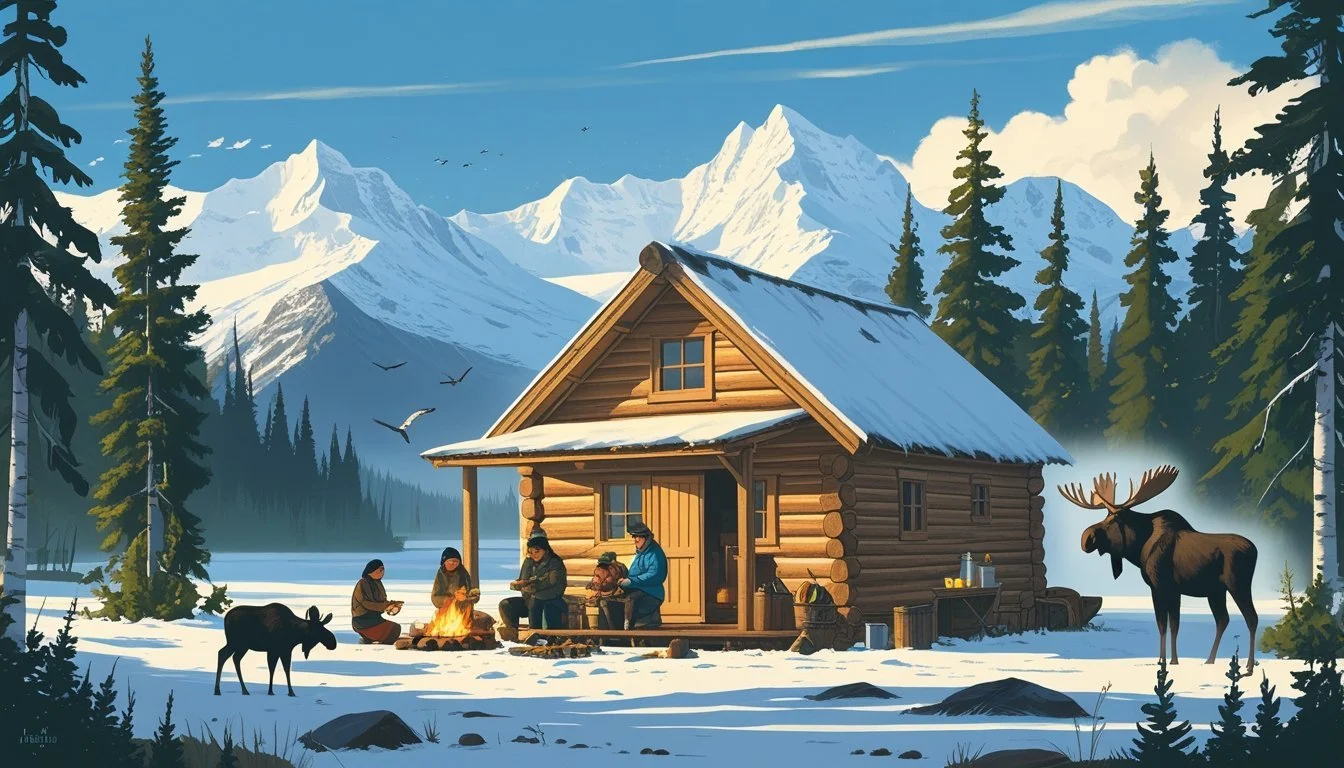
The Alaskan Bush People series consistently highlights the idea that home is not about location, but the connections and daily efforts shared by the Brown family. Home is shown as a product of adaptation, collaboration, and enduring commitment to each other through changing and often harsh environments.
Through practical activities—such as building shelters, sourcing food, and solving problems together—the show gives real examples of how home is formed by action as much as by intention. These moments help clarify that home can exist wherever people work toward common survival and mutual support.
Key themes reinforced by the series include:
Adaptation: The family adjusts to new land and changing circumstances.
Resourcefulness: Using available materials and skills, they create comfort and stability.
Cooperation: Success often depends on shared responsibility and effective teamwork.
By focusing on these values, Alaskan Bush People demonstrates that home is fundamentally built on relationships, resilience, and the willingness to confront challenges together.
