
What Alaskan Bush People Doesn’t Show About Bush Education
Hidden Realities and Challenges
The Discovery Channel’s Alaskan Bush People follows the Brown family’s efforts to survive far from mainstream society, but the series rarely details how children in such remote locations actually get their education. While viewers see snippets of children completing schoolwork on camera, the reality is that most bush families, including the Browns, rely on homeschooling as their primary method of learning. This aspect is touched on briefly in interviews and online discussions but is never fully explored during the episodes themselves.
Life in Alaska’s bush means traditional schooling is usually not an option, as communities are often disconnected from roads, ferries, and local infrastructure. The show often focuses on daily survival but leaves out the practical challenges of combining education with the demands of remote living.
There’s much more to bush education than what makes it to television, and understanding this side of life reveals a more accurate picture of how children in remote Alaska learn and adapt. This exploration sheds light on the strategies, struggles, and flexibility required to educate children in one of America’s most isolated regions.
The Reality Versus The Show: Education Off-Camera
Alaskan Bush People highlights off-grid living and the challenges faced by the Brown family, but rarely covers the details of bush education. Many aspects of how the Brown children actually learned and how education works in remote conditions are left out or only briefly shown.
Gaps in On-Screen Learning Portrayals
The show tends to focus on survival skills, construction projects, and day-to-day struggles, with education framed mainly as learning from experience. Academic subjects such as reading, writing, arithmetic, and science are seldom addressed directly on camera.
Scenes of the Brown children handling tools or participating in hunting and gathering tasks may give the impression that outdoor education completely replaces formal schooling. However, viewers do not see lesson plans, structured study times, or specific teaching methods, leaving a substantial gap in the portrayal of actual homeschooling.
By focusing primarily on "hands-on" learning for television, the series often omits the challenges and complexities parents face when providing a broader education off the grid. The demands of creating a curriculum, teaching multiple age groups, and tracking educational progress in a remote environment are not mentioned.
Realities of Bush Childhood Learning
In real-life off-grid settings, children's education involves more than just outdoor tasks. Legal requirements in Alaska and elsewhere require families to ensure children receive instruction in core subjects, regardless of location.
Bush children often have to balance responsibilities like chopping wood or maintaining equipment with completing assignments in language arts and math. Many families use correspondence courses, textbooks, and online resources when available, depending on internet access and mail reliability.
Isolation presents unique social challenges. While the Brown children sometimes interact with neighbors or community members, most of their learning socialization happens within the family unit. Opportunities for structured group learning or extracurricular activities are rare, making resourcefulness and adaptability key skills.
Homeschooling Behind the Scenes
While Alaskan Bush People occasionally references homeschooling, the day-to-day process is mostly off-camera. According to interviews and public records, Ami and Billy Brown homeschooled their children, complying with Alaska’s homeschool laws which allow parents flexibility but require certain records and progress assessments.
The Brown family likely used a combination of traditional and practical lessons, integrating academic basics with lessons rooted in their off-grid lifestyle. Worksheets, books, and state-recommended materials would have played a role alongside life skills education.
Homeschooling in the wild brings additional hurdles—limited electricity, changing locations, and unpredictable schedules all impact learning routines. Maintaining consistency and meeting educational benchmarks depend on strong parental involvement and proactive planning in these conditions.
Methods of Bush Education Employed by the Brown Family
The Brown family’s approach to education centers on practical application, direct experience, and using the Alaskan wilderness as a foundational element of learning. Their methods combine survival skills with academic and life knowledge taught in context, not just from books.
Hands-On Learning and Life Skills
The Browns prioritize hands-on experiences over traditional classroom lessons. Children learn through participating in daily chores such as hunting, fishing, building shelters, and maintaining equipment.
This approach ensures every lesson has a clear purpose related to survival and self-reliance. Tasks are not hypothetical—they are essential to the family’s well-being. By involving everyone regardless of age, skills are passed down directly from parent to child.
Core Life Skills Taught:
Cooking meals over open fires
Repairing tools and machinery
Chopping wood and managing heat sources
Children observe, ask questions, and are given responsibilities early. The emphasis is not only on knowing how to perform tasks but understanding why they matter in a wilderness context.
Outdoor Learning and Wilderness Skills
Outdoor learning is integrated into every part of the Browns’ educational process. The Alaskan environment provides lessons in navigation, weather prediction, and reading animal behavior. These experiences foster a sense of respect and understanding for nature.
Specific survival skills are taught outside, often during real-life situations. Examples include identifying edible plants, tracking wildlife, and constructing shelters from local materials. The Browns model how to adapt these skills to different seasons and changing weather conditions.
Academic subjects are embedded in these activities. Math is learned by measuring distances and estimating resources. Science comes alive through observing ecosystems and understanding the impact of weather on daily life.
Problem-Solving and Resourcefulness
Problem-solving is a daily necessity for the Brown family. Their remote lifestyle means there is seldom outside help, so they must devise solutions using what they have on hand. Children witness frequent improvisation—such as creating tools from spare parts or making repairs without access to stores.
Resourcefulness is cultivated through trial, error, and discussion rather than formal instruction. Parents encourage critical thinking by asking children to suggest their own solutions to challenges around the homestead.
Examples include:
Repairing machinery with limited supplies
Creating alternative energy sources
Finding creative uses for salvaged materials
This emphasis on adaptability prepares each family member to face unanticipated difficulties and improves their ability to function independently in the wilderness.
What is Left Out: Academic Gaps and Challenges
Education in the Alaskan wilderness comes with unique hurdles that seldom make it to the screen. Limited access to resources, social opportunities, and structured learning can significantly impact a child’s academic and personal growth.
Access to Formal Education in the Alaskan Wilderness
Attending a local school in remote regions, such as Hoonah, Alaska, is often not an option for many bush families due to long travel distances and harsh weather. Rural households may need to rely on homeschooling or correspondence courses.
Key challenges:
Lack of certified teachers
Fewer extracurriculars or specialized courses
Inconsistent internet or mail service
Parents often serve as teachers, but not all are equipped with the necessary qualifications, especially for subjects like advanced math or science. As a result, educational experiences vary widely, and many children miss out on a consistent, standardized curriculum.
Impact of Isolation on Social Skills
Children raised away from towns like Hoonah have limited chances to interact with peers outside their family. This isolation can affect the development of social skills, such as teamwork, conflict resolution, and adaptability to different personalities.
According to educators in rural Alaska, group activities and team-based learning are far less frequent. Many bush children primarily socialize with siblings or adults, reducing opportunities for diverse social experiences.
Potential effects include:
Difficulty adapting to group settings
Challenges communicating with individuals from different backgrounds
Less exposure to cultural and social norms present in larger communities
Lack of Modern Educational Resources
Modern conveniences that support learning, such as high-speed internet, science labs, and updated libraries, are limited or absent in much of the Alaskan wilderness. This restricts access to current information, digital learning platforms, and interactive educational content.
Examples of missing resources:
Resource Type Typical Availability in Wilderness High-speed internet Rare Updated textbooks Infrequent Science labs Largely unavailable Extracurricular clubs Very limited
Students may struggle to keep up with developments in technology and science. This technological gap can make it harder for them to transition to urban schools or colleges later on, as their exposure to digital tools is often insufficient.
Cultural Knowledge and Traditional Learning in the Bush
Many aspects of bush education in Alaska go far beyond survival skills or living off-grid. Community practices, longstanding indigenous knowledge, and nature’s lessons help shape both educational methods and daily life.
Traditional Ecological Knowledge
Traditional Ecological Knowledge (TEK) is a foundation of bush education in many Alaskan communities. TEK includes observations and skills built up over generations, such as reading animal behavior, tracking seasonal changes, or finding safe water sources. These skills are often taught directly in nature, with elders guiding younger generations through hands-on activities.
Learning is practical and constant. Children and adults alike watch how the environment shifts through weather, subtle changes in plants, or animal migrations. This observation helps them identify safe foods, recognize environmental hazards, and sustain local resources. The methods emphasize learning by doing rather than memorizing abstract concepts.
Indigenous Knowledge and Environmental Stewardship
Indigenous knowledge is central to environmental stewardship in bush communities. Alaska Native cultures apply their understanding of the land and its cycles to maintain balance and support local ecosystems. These practices might include sustainable hunting, fishing, or foraging methods that prevent overuse.
Respect for natural resources is not just a value but an active process. Community members may participate in shared decisions about when and how to gather resources, often taught through detailed observation, group discussion, and involvement in cultural events. This stewardship shapes not only survival but also long-term community health.
Key elements:
Practicing sustainability
Applying traditional seasonal calendars
Teaching responsibility for shared resources
Storytelling as Education
Storytelling is a primary educational tool in many Alaskan bush families and Native cultures. Stories encode detailed traditional knowledge about animal behavior, geography, weather signs, and history. Elders use narrative to communicate lessons about respect, caution, or cooperation.
Stories are often repeated in various contexts—during work, travel, or gathering—with listeners encouraged to ask questions or offer their own interpretations. This approach helps listeners understand complex ideas without direct instruction. Through storytelling, knowledge is remembered and passed on, keeping cultural practices alive and relevant.
Family Bonds and Social Dynamics in Off-Grid Education
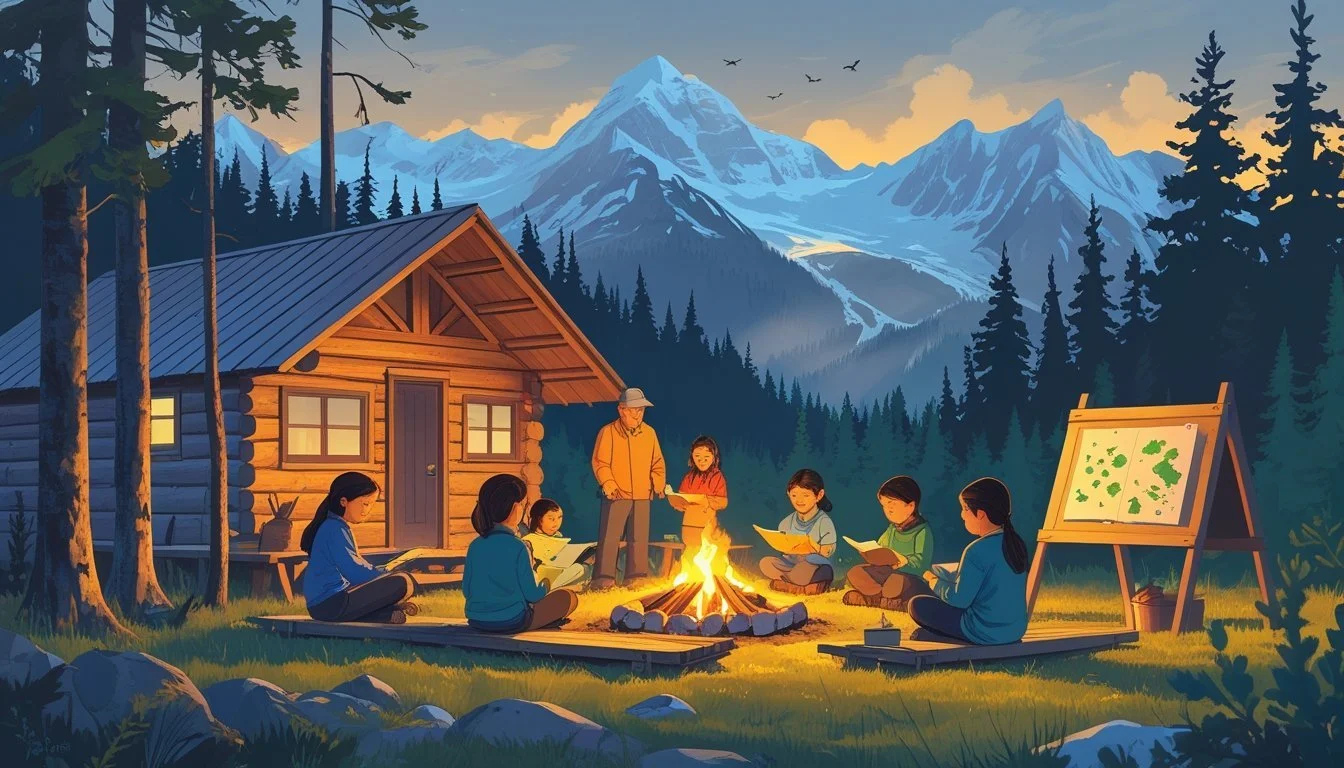
Off-grid education in families like the Browns involves more than schooling; it is shaped by daily collaboration, mutual support, and unique family roles. Practical skills and survival lessons take place alongside traditional academics, fostering deep ties and self-reliance.
Collaboration and Teamwork
Life in Browntown required every family member to contribute, as survival depended on group effort. Chores, building projects, and food gathering were shared, making teamwork a constant necessity rather than an occasional activity.
Younger Brown siblings learned from older ones, passing down skills and knowledge informally. This peer-led learning highlighted the value of clear communication and trust. Group activities reinforced cooperation—whether splitting firewood or navigating river crossings, everyone had a stake in the outcome.
Shared challenges created tight bonds. The family’s "one wave at a time" mindset meant facing obstacles together and celebrating successes as a unit. This nurtured resilience, patience, and respect for individual strengths.
Parental Guidance and Family Roles
Billy and Ami Brown took an active role in shaping their children’s education and personal growth. Lessons went beyond textbooks, as parents tailored instruction to each child’s personality and interests while providing strong moral guidance.
Roles shifted as the children matured. Older siblings stepped into mentorship positions, helping parents teach self-reliance and responsible behavior. This dynamic encouraged independence but kept the family tightly connected through shared responsibility.
Decision-making often involved input from all family members, creating an inclusive environment. By emphasizing both individual strengths and collective well-being, the Browns cultivated a sense of responsibility and unity not often found in conventional educational settings.
Unique Challenges: Adversity and Resilience
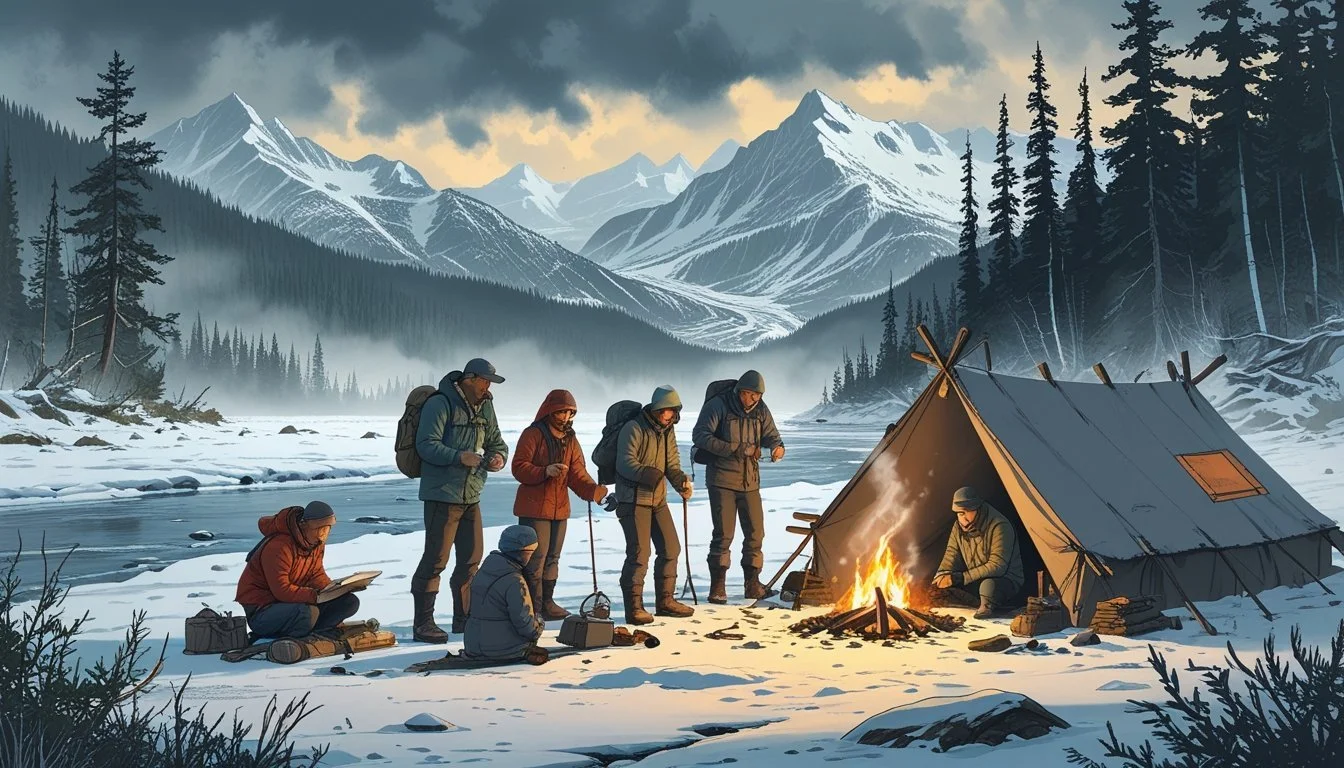
Living and learning in the Alaskan bush demands both resilience and adaptability. The Brown family, as depicted on Alaskan Bush People, faces distinct pressures, from environmental threats to personal and legal setbacks.
Adapting to Hardships in Bush Education
The bush setting often means access to formal education is limited. Children may rely on sporadic lessons, using outdated or improvised materials. Learning occurs primarily through practical tasks like hunting, building shelter, and foraging, which help develop problem-solving skills but rarely include traditional academics.
Isolation in these remote areas can also mean limited peer interaction and extracurricular opportunities. Severe weather and scarce technology often disrupt learning routines. It's common for educational priorities to shift toward immediate survival needs instead of structured lessons.
Resilience Through Overcoming Health and Legal Issues
Members of the Brown family have faced serious health challenges, including a lung cancer diagnosis and extended stays in rehab. These events can interrupt daily life and education, requiring family members to adapt roles and routines to support recovery while withholding some lessons from younger members for emotional protection.
Legal issues have also played a significant role, including incidents of unsworn falsification, theft accusations, and jail time. The family has faced substance abuse and allegations of domestic violence, which bring instability. Navigating these adversities tests the resilience of both adults and children, influencing their education and personal growth in ways not fully shown on television.
The Role of the Discovery Channel and Reality TV Affecting Education Portrayals
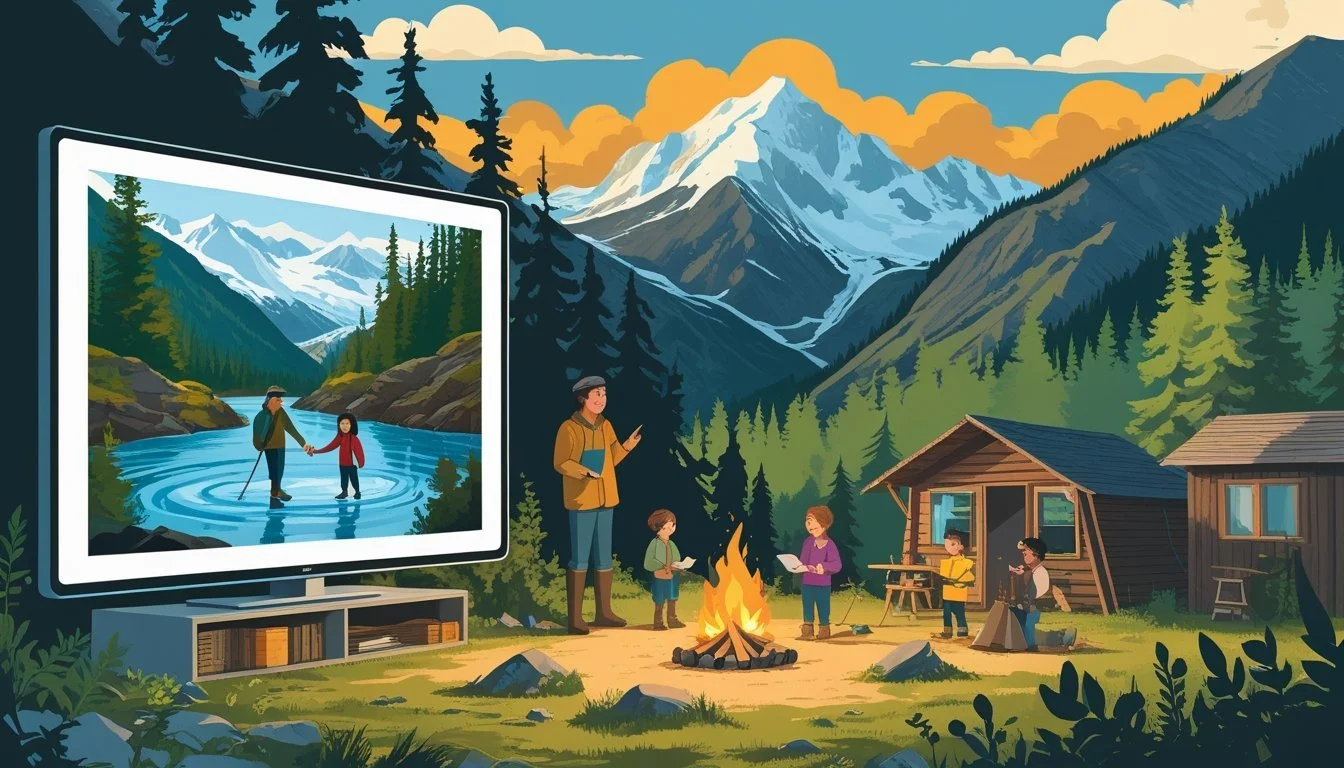
Discovery Channel, as the producer of Alaskan Bush People, has a significant influence on how bush education is portrayed. The format of reality TV and pressures related to entertainment value can result in selective storytelling.
Balancing Authenticity and Entertainment
The Discovery Channel faces the challenge of balancing authenticity with the demands of reality TV. While the show presents the Brown family's lifestyle as off-grid and unique, producers have prioritized dramatic arcs and audience engagement. This often means that the realities of bush education—such as day-to-day lessons, teaching challenges, and gaps—may be condensed, overlooked, or stylized.
Producers have the editorial authority to include or exclude educational details. For instance, aspects like homeschooling logistics or material resources are rarely explored in depth. The family's net worth, increased by television exposure, may allow for more educational materials or occasional outside help, but this is not usually disclosed.
These choices shape the viewer's understanding, sometimes sacrificing nuance in favor of maintaining the show's narrative. As a result, the series often depicts an idealized version of bush upbringing, downplaying or omitting hardships.
Impacts on Public Perceptions of Bush Childhood Learning
The way education is portrayed on reality TV like Alaskan Bush People directly influences public perceptions of childhood learning in remote environments. Audiences may develop the impression that homeschooling in the bush is self-sufficient, straightforward, or universally effective.
Alaskan Bush People rarely highlights the potential drawbacks of informal education, such as limited socialization, resource scarcity, or curriculum gaps. Important context—such as the legal requirements for homeschooling in Alaska or challenges faced by other bush families—is generally absent from the broadcast.
This streamlined depiction can shape assumptions about real bush families. It may contribute to underestimating the complexity, adaptability, and individual circumstances involved in bush education. When viewers lack a full picture, misconceptions about the practicality and outcomes of this lifestyle are likely to persist.
Individual Brown Family Members’ Educational Experiences
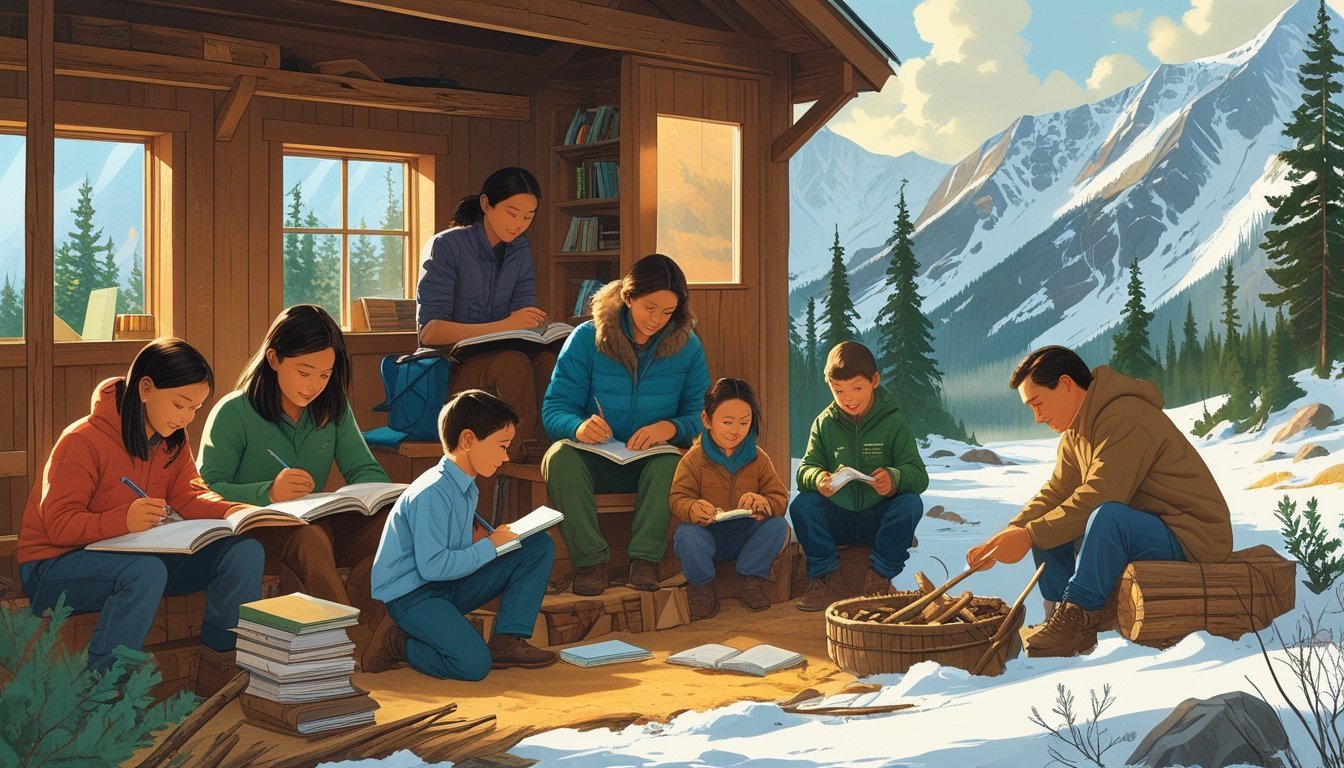
Each member of the Brown family engaged with education differently, shaped by their parents’ values and unique life in the wilderness. Their approaches combined practical skills, homeschooling, and self-guided learning.
Billy Brown’s Philosophy on Learning
Billy Brown emphasized the value of learning through real-world experiences. He believed that academic knowledge was secondary to practical survival skills. For Billy, teaching his children how to build, hunt, and problem-solve in Alaska’s tough conditions took priority over traditional schooling.
He often designed daily activities as lessons. For example, constructing a shelter became a study in geometry and teamwork. Billy encouraged critical thinking by challenging his children to adapt to unpredictable situations, rather than merely memorizing facts. His perspective framed the family’s unconventional educational journey.
Ami Brown’s Influence and Role
Ami Brown played a pivotal role in establishing a more structured learning environment for her children. She combined elements of homeschooling with guidance tailored to each child’s needs. Ami often selected reading materials, planned lessons, and reinforced consistent study habits.
She focused on basic literacy, mathematics, and practical science, ensuring the children developed foundational skills. Ami’s approach was more organized compared to Billy’s spontaneous lessons. Her nurturing style supported emotional growth, as well as intellectual development, often helping to resolve conflicts that arose during group learning projects.
Adventures of the Brown Siblings
The Brown siblings—Matt, Bam, Bear, Gabe, Noah, Snowbird, and Rain—each navigated their education in unique ways. Many of their lessons unfolded outdoors and centered around survival, resourcefulness, and teamwork. Tasks such as fishing, foraging, and repairing equipment became shared educational experiences.
Noah Brown gravitated toward engineering and inventing, frequently building devices for their remote lifestyle. Rain and Snowbird learned skills in animal care and wilderness navigation, with Rain sharing parts of her personal journey on social media. The siblings learned from both their parents’ instruction and from each other, adjusting their education as they grew and faced new bush challenges.
Bush Education in Broader Context
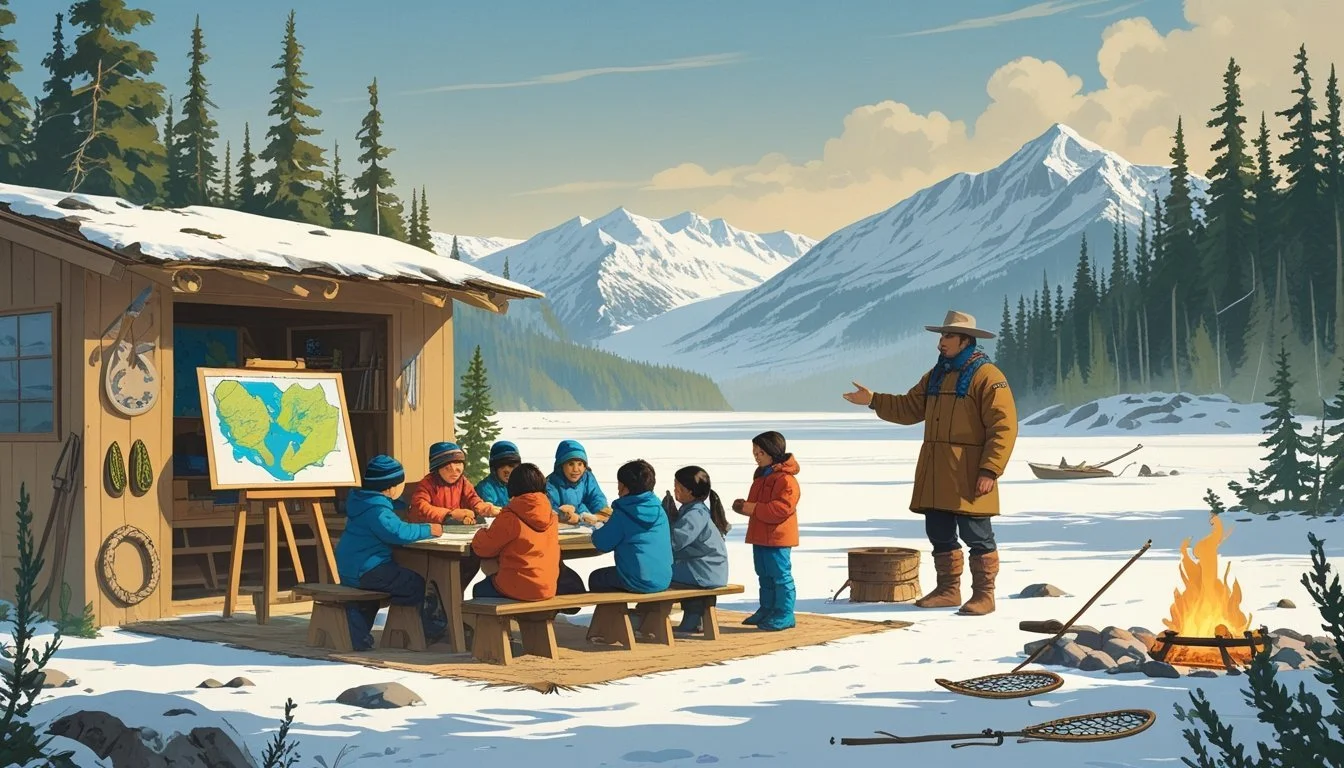
Bush education in Alaska operates under unusual conditions, often shaped by remoteness, self-sufficiency, and the need to adapt traditional schooling to wilderness realities. Educational methods vary, and the integration of community resources can make a significant difference.
Comparisons to Other Off-Grid Learning Approaches
Alaskan bush education shares traits with other off-grid or remote learning environments, including homeschooling, online courses, and multi-age classrooms.
In the bush, families like the Browns blend formal coursework with hands-on skills such as foraging, basic mechanics, and navigation. Unlike most rural homeschooling, these students rely heavily on nature as a teaching tool, turning daily challenges—like food gathering or shelter building—into science, math, and problem-solving lessons.
Some bush schools utilize distance education supported by satellite internet when available. Others depend on traveling teachers or regional school hubs. The Molly Hootch Act established public high schools in many villages, creating small, flexible learning communities. The typical class size can be as few as 5-10 students, covering multiple grade levels in a single room.
Local Community and Icy Strait Lodge Connections
Strong community ties shape educational experiences in the bush. Local knowledge and skills are often interwoven with academic instruction, with elders and skilled workers contributing as informal educators.
Icy Strait Lodge, while known primarily as a hospitality business near Hoonah, also serves as a regional gathering point. Families, teachers, and students sometimes use the lodge for events, meetings, or access to resources not available in isolated homes. The lodge's proximity to wildlife and the water offers students unique educational opportunities, such as fishing demonstrations or environmental workshops.
Community learning often takes the form of apprenticeship, storytelling, and practical demonstrations. Collaborations between bush schools and community businesses like Icy Strait Lodge help bridge the gap between formal education and survival skills, providing students a broader perspective and vital real-world experience.
