
The Brown Family’s Bush Philosophy as Told in Alaskan Bush People
Core Values and Wilderness Wisdom

The Brown family’s bush philosophy centers on self-reliance, adaptability, and learning directly from the challenges nature presents. Featured on "Alaskan Bush People" since 2014, the Browns have built their lives around practical survival skills while maintaining a close family bond deep in the remote wild.
Viewers see them navigate daily life off-grid, where nature acts as both teacher and test. This unique lifestyle raises questions about modern living, values, and what it means to be truly resourceful. The Browns’ approach continues to spark curiosity and debate among those drawn to stories of resilience and unconventional paths.
Overview of the Brown Family
The Brown family became widely recognized through the reality series "Alaskan Bush People," documenting their efforts to create a self-sustaining life in remote locations. Their dynamic centers on close familial relationships, collective resilience, and adaptation through various hardships.
Key Members and Family Bonds
The Brown family was founded by Billy Brown and his wife, Ami Brown. Together, they raised seven children: Matt, Bam Bam (Joshua), Bear, Gabe, Noah, Snowbird (Amora Jean), and Rain. Each member contributed unique skills and personalities to the family unit.
Billy, as the patriarch, often led with a combination of strong will and practical knowledge. Ami, the matriarch, played a central nurturing role and maintained the household's emotional stability. Their children grew up learning survival and bushcraft skills from a young age. The siblings often worked together on building projects and managing daily survival tasks.
Family unity became a defining characteristic, especially when the Browns faced adversity in the wilderness. The group emphasized trust and mutual support, with each member having responsibilities that matched their strengths. Despite internal disagreements or individual ambitions, their collective identity as a family stood firm throughout the years featured on the show.
Family Overview Table
Name Role Notable Traits/Contributions Billy Brown Patriarch Leadership, survival knowledge Ami Brown Matriarch Nurturing, emotional guidance Matt Brown Eldest son Ingenuity, facing personal trials Bam Bam Brown Second son Practicality, reliability Bear Brown Adventurer Energetic, wilderness skills Gabe Brown Builder Strength, commitment Noah Brown Inventor Creativity, problem-solving Snowbird Daughter Resourceful, animal care Rain Brown Youngest Optimistic, emotionally supportive
Notable Challenges and Health Struggles
The Browns have faced a series of challenges, both external and internal, that tested their resilience. One of the most significant was Ami Brown's cancer diagnosis, which profoundly affected the family’s daily life and led to temporary relocations for medical treatment.
Billy Brown, the family’s patriarch, struggled with health complications in his later years, ultimately leading to his passing in February 2021. His death marked a turning point that impacted the family's dynamic and way of life.
Certain family members have also sought help for personal issues. Matt Brown, in particular, faced well-publicized struggles with addiction, leading to periods of absence as he focused on recovery. Despite these difficulties, the family's approach emphasized adapting, supporting each other, and persisting through uncertainty.
Health and logistical hardships, including living in harsh climates and dealing with limited access to resources, reinforced the Brown family’s reliance on unity and problem-solving. Their journey highlighted how vulnerability and collective effort often go hand in hand.
Origins of the Bush Philosophy
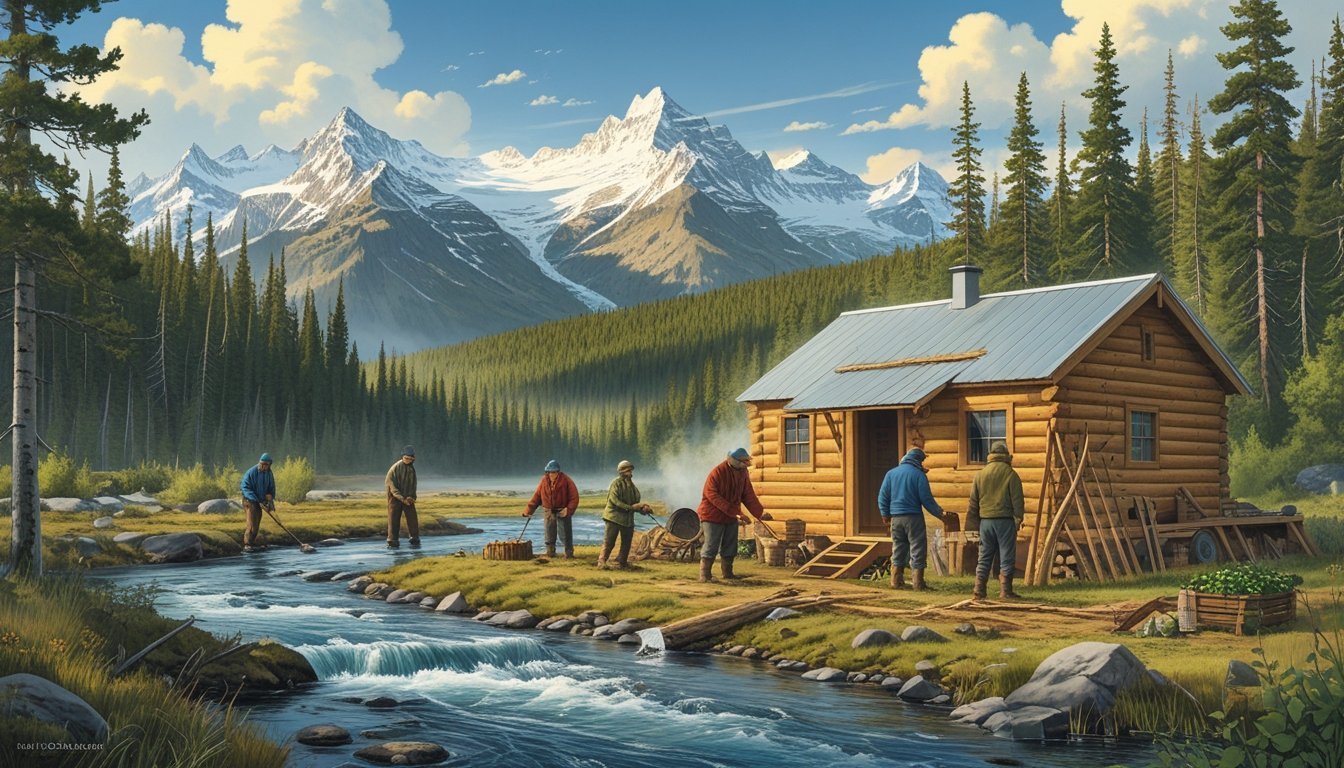
The Brown family's philosophy centers on strong core values shaped by early experiences and a deep relationship with the Alaskan wilderness. Their approach stresses resilience, resourcefulness, and a unique connection to nature.
Early Influences and Core Values
Billy Brown and Ami Brown began raising their children far from urban comforts, believing that self-sufficiency built strength. Early on, the family faced challenges such as harsh winters, limited supplies, and isolation from society.
These conditions required adaptability and teamwork. Each family member played a distinct role:
Resource gathering: hunting, fishing, and foraging
Construction: building cabins, shelters, and maintaining basic infrastructure
Problem-solving: adapting to changing weather or nature’s unpredictability
Their values emphasize loyalty and trust. The Browns believe that family unity is key to overcoming the wilderness’s demands. They express a commitment to honesty, mutual support, and sharing hardship equally.
Connection to Nature
Survival in the Alaskan wilderness is not only physical, but also spiritual for the Browns. They describe nature as both a provider and a teacher, shaping daily routines and life lessons alike.
Their routines involve respecting natural cycles, such as animal migrations and seasons. The Browns prioritize environmental awareness, alert to changes in the land, weather, or wildlife.
Interaction with nature is deliberate. For example, they harvest food responsibly and avoid waste. Living without many modern conveniences, the family maintains a close observational relationship with their surroundings, drawing strength and calm from the land.
This connection to the wild fosters resilience, helping the family adapt to adversity and uncertainty. The wilderness is central to their worldview, influencing their choices, beliefs, and sense of belonging.
Living Off the Grid

The Brown family’s approach to off-grid living centers on combining practical survival knowledge with a commitment to self-reliance. Their daily routines and problem-solving skills highlight the challenges and rewards of life far from conventional society.
Off-Grid Lifestyle Essentials
Living away from public utilities, the Browns construct their own shelters, gather water from nearby sources, and rely on wood stoves for heat. They use solar panels or generators to provide limited electricity for essential tasks. Food comes mostly from hunting, fishing, and foraging rather than grocery stores.
Every family member plays a role in daily survival, carrying out chores such as chopping wood, maintaining tools, and caring for animals. Isolation from urban centers means they must manage basic medical issues themselves and prioritize preventative safety measures.
A typical day involves a series of coordinated tasks designed to keep the homestead functional. The dependency on natural resources shapes both their routines and worldview, fostering a direct connection to their environment.
Resourcefulness and Adaptability
The unpredictable nature of the wilderness requires constant adaptation. The Browns have become skilled at repurposing materials, turning discarded items or natural resources into useful tools, structures, or clothing. Duct tape, tarps, and salvaged wood feature heavily in many of their DIY solutions.
When weather or equipment failures disrupt plans, the family quickly pivots, using ingenuity to address new challenges. They frequently devise unconventional solutions, emphasizing creativity over reliance on store-bought goods.
Problem-solving is woven into their daily life. They must assess risks, troubleshoot emergencies, and anticipate future needs without outside help. This constant practice sharpens their adaptability and reinforces a mindset of resilience and practical problem solving.
Survival Skills in the Alaskan Bush
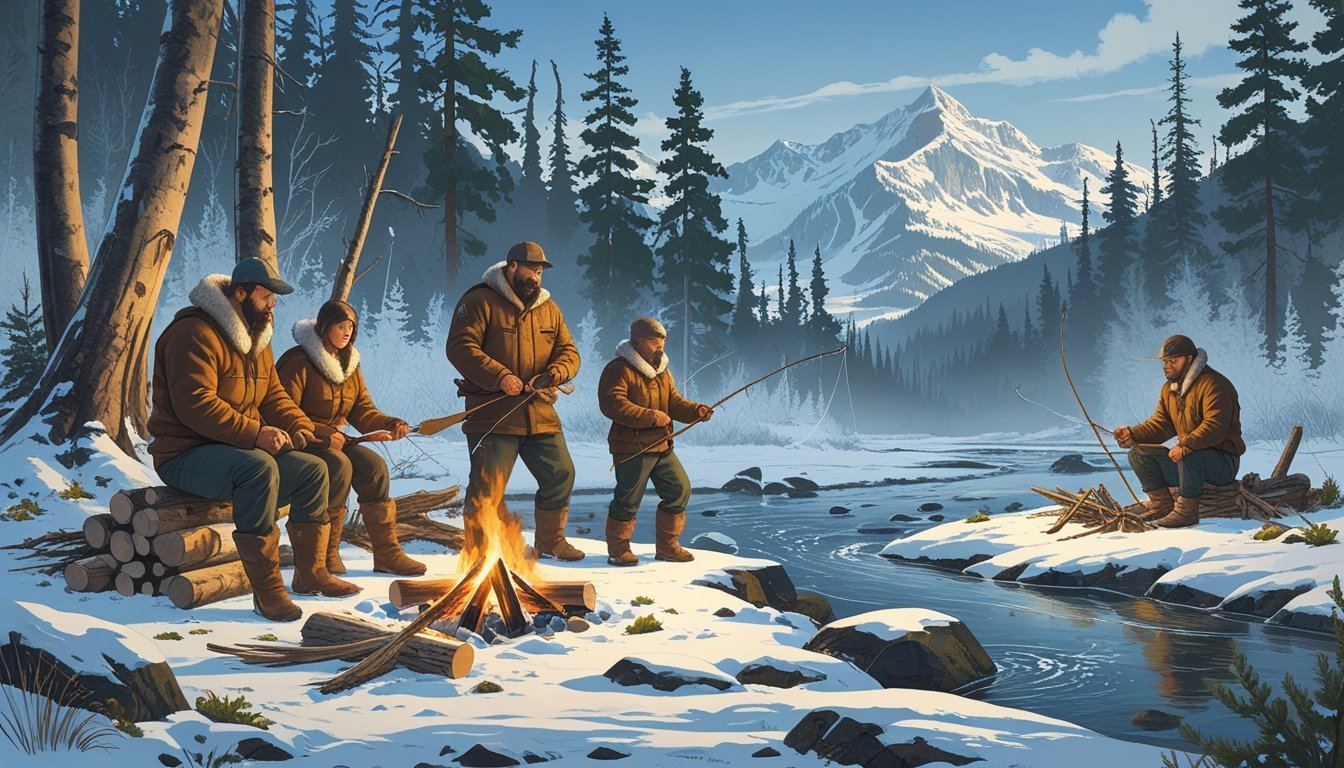
The Brown family demonstrates practical survival skills developed through years of living in the Alaskan wilderness. Their routines emphasize a direct connection to nature and leverage both traditional knowledge and resourcefulness to meet daily needs.
Hunting and Fishing
Hunting and fishing are critical for sustenance in remote areas. The Browns use a combination of traditional skills and learned techniques to gather food, favoring rifles and fishing gear to secure meat and fish. They track local wildlife, such as deer and moose, timing their hunts for the best seasons and respecting local regulations.
Fishing is a frequent activity, especially for salmon, which provides protein and can be preserved for winter. The family crafts makeshift rods or nets when necessary and sets lines in rivers or nearby lakes.
They often process their catches themselves, smoking or drying meat and fish to extend their supplies. This approach minimizes waste and teaches their children essential skills for living off the land year-round.
Foraging and Gardening
Foraging acts as a supplement to the family’s diet, providing wild greens, berries, and roots throughout the seasons. The Browns rely on traditional knowledge and identification guides to safely select edible plants and avoid those that are toxic.
Gardening is also part of their self-sufficiency strategy. The family creates small, resilient plots tailored to the short Alaskan growing season, focusing on hardy crops like potatoes, carrots, and cabbage.
They often use handmade tools and compost to enrich the soil. By combining foraging with gardening, the Browns ensure a steadier food supply and pass on vital knowledge about resource management in a wilderness environment.
Facing Extreme Conditions
Alaskan Bush People documents the Brown family's efforts to survive and adapt in the remote Alaskan wilderness. Their lifestyle demands practical skills, mental toughness, and the ability to respond quickly to unpredictable situations.
Harsh Weather and Wilderness Living
The Browns live in a region known for extreme weather. Temperatures frequently drop below freezing, with snow and icy winds a regular part of daily life. These conditions make routine tasks—such as gathering food, chopping wood, and maintaining shelter—much more challenging.
Adapting to harsh weather is a necessity. The family often spends days bracing cabins, stocking up on essentials, and wearing layered clothing made for subzero temperatures. Sudden storms can threaten the stability of their homes and demand immediate action.
Wilderness living shapes their routines and mindset. Each family member contributes to building and repairing structures, creating efficient systems for warmth, food preservation, and water sourcing. The environment constantly tests their problem-solving skills and adaptability.
Wildlife Encounters
Encounters with wildlife are a daily reality for the Browns. Bears, wolves, and moose are common in the Alaskan bush. The family secures food storage and camps to prevent dangerous interactions, using a mix of caution and practical deterrents.
Mental toughness plays a key role in handling stressful wildlife incidents. The Browns maintain watchful routines, teach younger members how to identify animal tracks, and keep survival equipment nearby at all times. When confronted by animals, they rely on established safety plans to avoid harm.
These encounters reinforce the importance of respect for the wilderness and highlight the ongoing risks of bush life. Documented incidents on the show provide a firsthand look at how preparation and knowledge can be the difference between conflict and safe coexistence.
Family Unity and Leadership

Leadership and family unity were fundamental values for the Brown family on Alaskan Bush People. The roles taken by Ami and Billy Brown shaped daily life, while their efforts to nurture strong family bonds proved essential in the wilderness.
Ami and Billy Brown’s Leadership Roles
Billy Brown took on the primary leadership role in the family, guiding both short-term decisions and long-term goals. His practical skills—such as building shelters and hunting for food—were combined with a strong belief in independence from modern society.
Ami Brown supported this leadership through emotional stability and organization. She was responsible for much of the children’s upbringing and maintaining the family’s routines. Both parents emphasized a philosophy of strength through unity, expecting each member to contribute according to their abilities.
Leadership in the Brown family was not authoritarian. Decisions were often discussed openly, with Billy’s guidance steering the outcome while Ami encouraged respectful communication. This team-oriented approach created a foundation for resilience during hardships, like harsh weather or personal loss.
Nurturing Family Bonds
Nurturing family bonds was prioritized above material comforts and conventional lifestyles. The Browns spent extensive time together, whether working on community projects or resolving disagreements, treating family as their most reliable resource.
Ami fostered closeness through shared meals, storytelling, and encouragement. Simple rituals, like evening gatherings by the fire, reinforced trust among siblings and parents. The family used group problem-solving to teach younger members the values of cooperation and empathy.
Direct communication was encouraged, with parents stepping in to mediate conflicts when necessary. Celebrations of achievements—no matter how small—helped motivate individuals and strengthen emotional ties. Their collective identity and support system gave the Browns stability amid an unpredictable environment.
Adaptation and Resilience
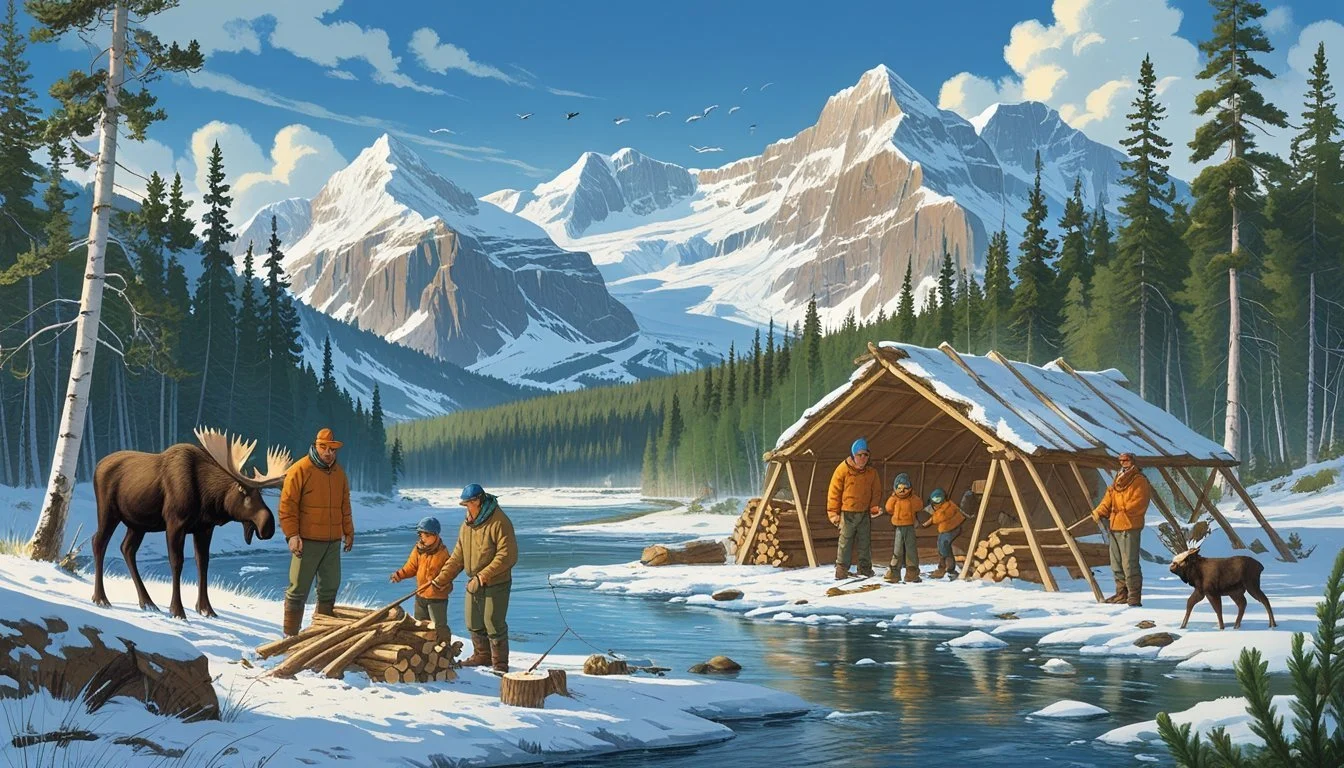
The Brown family continuously demonstrates the ability to adapt and recover when faced with difficulties in the Alaskan wilderness. Their daily routines and decisions reflect a focus on practical problem-solving and a willingness to embrace change as part of their lifestyle.
Problem-Solving Strategies
Adapting to the challenges of the wilderness, the Browns use resourcefulness and teamwork to address immediate problems. When a shelter needs repair, each family member takes on specific roles, from gathering materials to problem analysis and construction.
The family’s approach to food shortages includes hunting, fishing, and foraging, often testing new methods or changing tactics as conditions shift. They rely on experience and learning from mistakes to refine these techniques, emphasizing practical knowledge over rigid plans.
Injury or equipment breakdowns are met with improvised solutions. For instance, if a tool breaks mid-project, they might repurpose spare parts or modify existing equipment to ensure progress is not stalled. The Browns favor hands-on experimentation and open communication for group problem-solving.
Key Aspects:
Assigning roles based on individual strengths
Regular debriefs and re-evaluation of outcomes
Using available natural resources creatively
Dealing with Change
Life in a remote environment brings constant unpredictability, from weather shifts to health issues. The Browns have faced severe storms, relocation due to fire, and family health crises; each event tests their resilience.
Instead of resisting change, the family maintains routines that provide structure while allowing for flexible adaptation. Relocating their homestead, for example, required the Browns to quickly learn about new terrain, develop new shelter strategies, and adapt their foraging habits.
They foster emotional resilience by leaning on family bonds and open discussion of setbacks. Health challenges—such as Ami Brown’s cancer battle—demonstrate an ability to accept new realities and mobilize both emotional and practical support.
Ways They Adapt:
Adjusting to new locations or limited resources
Shifting tasks and priorities when emergencies occur
Supporting each other through uncertainty with honesty and encouragement
Sustainable and Self-Sufficient Living

The Brown family’s daily life is shaped by their commitment to survival and reducing dependence on outside resources. Their routines are built on the practical use of what they have, protecting their environment, and sustaining themselves for the long term.
Practicing Conservation
Living off-grid, the Browns prioritize conservation as a necessity rather than a choice. Water is rationed and reused, with the family often dependent on rain collection and nearby streams. Electricity comes from solar panels or generators, and frugal energy usage is a daily habit.
Food sources are secured through hunting, fishing, and gathering wild plants. Every usable part of an animal is used, from meat to hides, minimizing waste. The family also crafts tools and repairs equipment to extend the life of their possessions.
The Browns avoid overharvesting resources around them, showing respect for natural cycles. Trees are selectively cut for firewood or shelter, and foraging is careful, ensuring that plants can regenerate for future seasons. This approach to conservation directly supports their self-sufficiency and helps preserve their remote home.
Building Browntown
Browntown is the physical and symbolic center of the Browns’ self-sufficient lifestyle. Each family member participates in building and maintaining the homestead, from constructing log cabins to digging root cellars for food storage. Structures are built using local timber and recycled materials gathered from the forest.
The layout of Browntown is designed for efficiency. Buildings are close together to conserve energy and resources. The family maintains gardens for vegetables and herbs, supplementing their wild foraging and hunted food.
Daily chores include chopping wood, hauling water, and repairing essential systems. Work is shared among everyone, reinforcing a cooperative approach to survival. The result is a closely knit community that relies on resourcefulness and teamwork rather than outside help.
Storytelling and Legacy
The Brown family’s commitment to life in the wilderness is deeply connected to how they share their experiences and preserve their philosophy. Through daily routines, verbal storytelling, and written accounts, they make their heritage part of each generation’s upbringing.
Passing Down Traditions
Traditions in the Brown family revolve around hands-on activities and oral storytelling. Parents regularly teach children survival skills, such as building shelters, fishing, and foraging, through guided participation rather than formal lessons. These skills are not just practical—they reflect the family’s respect for their environment.
Key methods used include:
Interactive skill-building
Group storytelling at campfires
Seasonal rituals linked to subsistence living
Verbal stories and personal anecdotes convey the values behind each tradition, fostering a sense of continuity. The “bush code”—a set of unwritten rules about honesty, resilience, and cooperation—is consistently reinforced. Children learn not only technique but also the ethical framework that the Browns believe the wilderness demands.
Documenting the Family Memoir
The Browns’ journey has also been shaped by written and visual documentation. Billy Brown’s memoir, One Wave at a Time, is a central example. In this book, he recounts the family’s history, the challenges of bush living, and the principles that guide their decisions.
The television series Alaskan Bush People serves as a dynamic record. Episodes document family milestones, hardships, and celebrations, helping to cement their legacy. This public storytelling makes their traditional knowledge available to a wider audience beyond the wilderness.
Written records, personal journals, and televised episodes all work together to preserve the family's legacy. They act as both archive and inspiration, ensuring future Browns and viewers understand the depth of the family’s philosophy.
Alaskan Bush People on Reality Television
The television series Alaskan Bush People brought the Brown family's self-sufficient lifestyle to a wide audience through carefully crafted reality TV. The show’s unique blend of survivalism and family dynamics shaped how viewers perceived both the Browns and similar reality programs.
Discovery Channel’s Portrayal
Alaskan Bush People first aired on Discovery Channel in 2014. The network emphasized the Brown family’s ability to live off the grid, spotlighting their efforts to survive in remote Alaskan—and later, Washington—wilderness.
Discovery often highlighted the family's hardships and resourcefulness. Storylines focused on building shelters, foraging, and raising livestock, which reinforced the Browns’ image as self-reliant and unconventional.
Editing and production choices contributed to a dramatic and sometimes idealized view of bush living. Narration and camerawork painted the family as rugged outsiders, sometimes glossing over modern assistance or staging certain survival situations.
Impact on Reality TV Series
The show influenced future survival-themed reality television, prompting networks to seek similarly unique and remote family stories. Its popularity helped validate a trend of focusing on “real-life” self-sufficiency, pushing the reality genre into new territory.
In ratings, Alaskan Bush People consistently drew strong numbers for Discovery Channel, proving there was audience interest for long-running, family-centered survival shows. This success encouraged the creation of comparable series, such as Mountain Men and Homestead Rescue.
Critics and fans debated the authenticity of certain scenes, raising broader questions about truth versus entertainment in reality television. Despite controversy, the show maintained a dedicated audience, suggesting that dramatized “real” stories have staying power in the genre.
Behind-the-Scenes Insights
The production revealed that remote living television often involves a significant amount of planning. The Brown family sometimes received logistical support, including supplies and equipment, to ensure both safety and continuity for filming.
Some members of the cast and crew have shared that producers occasionally suggested or recreated scenarios for clarity or drama. Legal records and media coverage confirmed that at least a portion of the show’s events did not occur exactly as depicted.
The Browns relocated from Alaska to Washington during the series, in part due to legal and health-related challenges. This move and off-camera events shaped both the family’s dynamic and the narrative direction chosen by the producers.
Adapting to New Environments
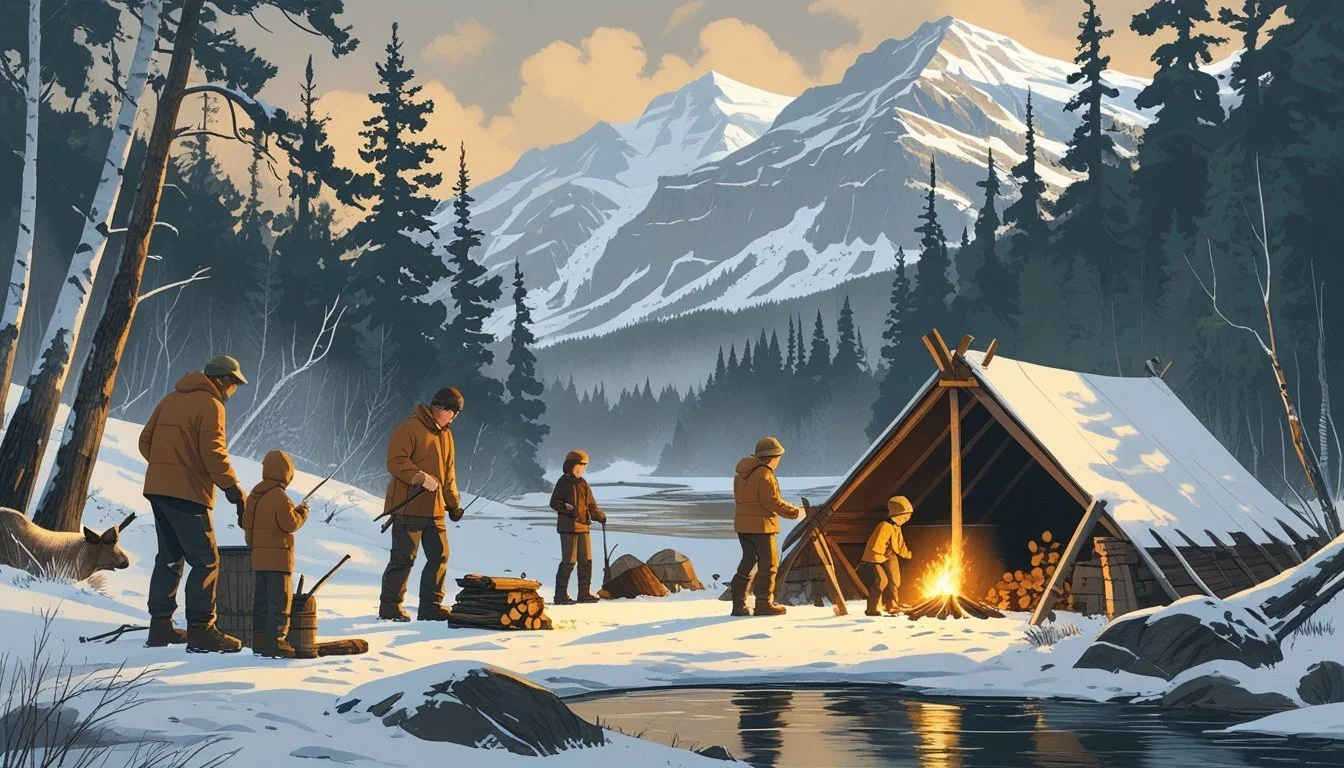
The Brown family’s life was shaped by major relocations. Each move required adaptability and resulted in significant changes to their daily routines, community ties, and relationship with nature.
Transition to Washington State
After Ami Brown’s successful cancer treatment, the family relocated from Alaska to Washington State. This move was driven by medical needs and practical considerations, rather than personal preference.
Settling in Okanogan County, they had to adapt to a milder but still challenging climate. The environment in Washington presented new obstacles—different wildlife, vegetation, and regulations. The Brown family used a mix of traditional bush skills and new strategies to build their homestead.
Key adaptations included:
Constructing new shelters suitable for year-round living.
Learning local foraging and farming methods.
Complying with state laws regarding land use and homesteading.
This transition showed the family’s willingness to embrace change while maintaining their off-grid philosophy.
Life in Hoonah
Before moving to Washington, the Browns lived near Hoonah, Alaska. Life in this remote area required a deep understanding of harsh weather, isolation, and the need for self-reliance.
Their daily activities included hunting, fishing, and gathering, often highlighted on “Alaskan Bush People.” Building and maintaining their own shelters and tools was a necessity.
The family’s adaptability was evident in their ability to thrive in severe winters and limited sunlight. Interaction with Hoonah’s community was minimal, emphasizing independence and close familial bonds.
Essential skills developed here—such as resourcefulness and problem-solving—formed the basis of their bush philosophy and shaped their approach to new challenges in future settings.
Overcoming Personal Struggles
Members of the Brown family have faced significant personal hardships, with several public challenges testing their mental toughness and unity. Their experiences show how support systems and decisive action can shape an individual’s response to adversity.
The Role of Rehab
Substance abuse has affected the Brown family directly. One of the most noted cases is Bear Brown’s stint in rehab, which highlighted both the struggle and the determination required to address addiction.
Rehab was approached as a necessary and important step, not as a source of shame. The family understood that seeking help signifies strength and a commitment to improvement. Acceptance of treatment options, such as professional counseling and structured environments, was key.
The process demanded not just medical intervention but also honesty with themselves and each other. Open communication about setbacks was encouraged. This approach promoted accountability and transparency within the family.
Mental toughness was developed over time. Family members supported the individual in rehab but also set clear expectations for healthy behavior after release.
Maintaining Family Bonds
Staying connected during difficult times was essential for the Browns. They made deliberate efforts to keep family bonds strong, even when separated by personal struggles or physical distances due to treatment.
Regular visits, phone calls, and written messages helped maintain a sense of unity. Family members offered emotional support using practical means, such as sharing meals together and openly discussing issues—their tradition of direct and honest conversation played a big role in resolving conflicts.
A shared belief in forgiveness and starting anew allowed the family to move beyond resentments. The Browns emphasized teamwork, often setting collective goals to help everyone stay engaged and motivated.
Communication tables and scheduled check-ins were sometimes used to make sure everyone had a voice. These habits helped the family adapt and remain close, no matter the challenges.
