
The Brown Family's Most Shocking Build Projects in Alaskan Bush People
Unforgettable Creations and Survival Innovations

The Brown family’s most shocking build projects in Alaskan Bush People displayed remarkable ingenuity and self-reliance, often pushing the limits of off-grid living in the wilderness. Over the years, viewers saw the Browns transform raw, untamed land into a collection of resourceful structures using natural materials and practical designs.
From hand-built cabins to inventive barns and unique shelters, each project revealed their determination to survive in harsh conditions with limited resources. Whether constructing their homestead “Browntown” or tackling new shelters after relocating, the family’s creations captured fans’ attention for both their ambition and their necessity.
These build projects have become memorable highlights of the show, showcasing not just the Browns’ survival skills, but also their creativity and teamwork as a family living in isolation.
Overview of the Brown Family’s Building Legacy
The Brown family became well known for their inventive approach to shelter and survival, drawing widespread attention on the Discovery Channel. Their build projects ranged from rudimentary log cabins to creative off-grid solutions, rooted in their commitment to self-sufficiency.
Rise to Fame on Alaskan Bush People
The reality show "Alaskan Bush People" aired from 2014 to 2022 and quickly gained a following for its depiction of the Brown family’s unconventional life deep in the wilderness. Viewers watched as Billy and Ami Brown, along with their children, showcased practical skills in construction and survival while adapting to rigid conditions.
One of the most iconic projects was the creation of "Browntown," a hand-built compound reflecting their determination to thrive far from modern conveniences. These builds emphasized teamwork, resourcefulness, and adaptability, all under the lens of reality TV.
Each episode often featured the challenges the Browns faced—limited resources, harsh weather, and remote locations—forcing them to think creatively. Their unique building methods, frequently explained or demonstrated on the show, became a central draw for audiences interested in off-grid ingenuity.
Off-Grid Lifestyle and Philosophy
Self-sufficiency was not just a necessity but a guiding philosophy for the Brown family. Their builds favored materials found in their immediate environment—logs, salvaged metal, and even repurposed containers—to create shelters, water systems, and food storage solutions.
The family’s approach focused on sustainability and minimal reliance on outside infrastructure. They often constructed their own furniture, built smokehouses for preserving meat, and developed water filtration systems to ensure their independence.
Lists of their most notable builds often include essentials such as:
Log cabins heated with wood stoves
Smokehouses for food preservation
Rainwater catchment and filtration setups
Animal pens and outbuildings
Their methods demonstrated how a reality show could highlight off-grid building techniques, inspiring viewers interested in alternative, self-reliant living. The Brown family’s legacy remains a reference point for discussions on rural survival and the practicalities of life without modern amenities.
Iconic Structures in Alaska
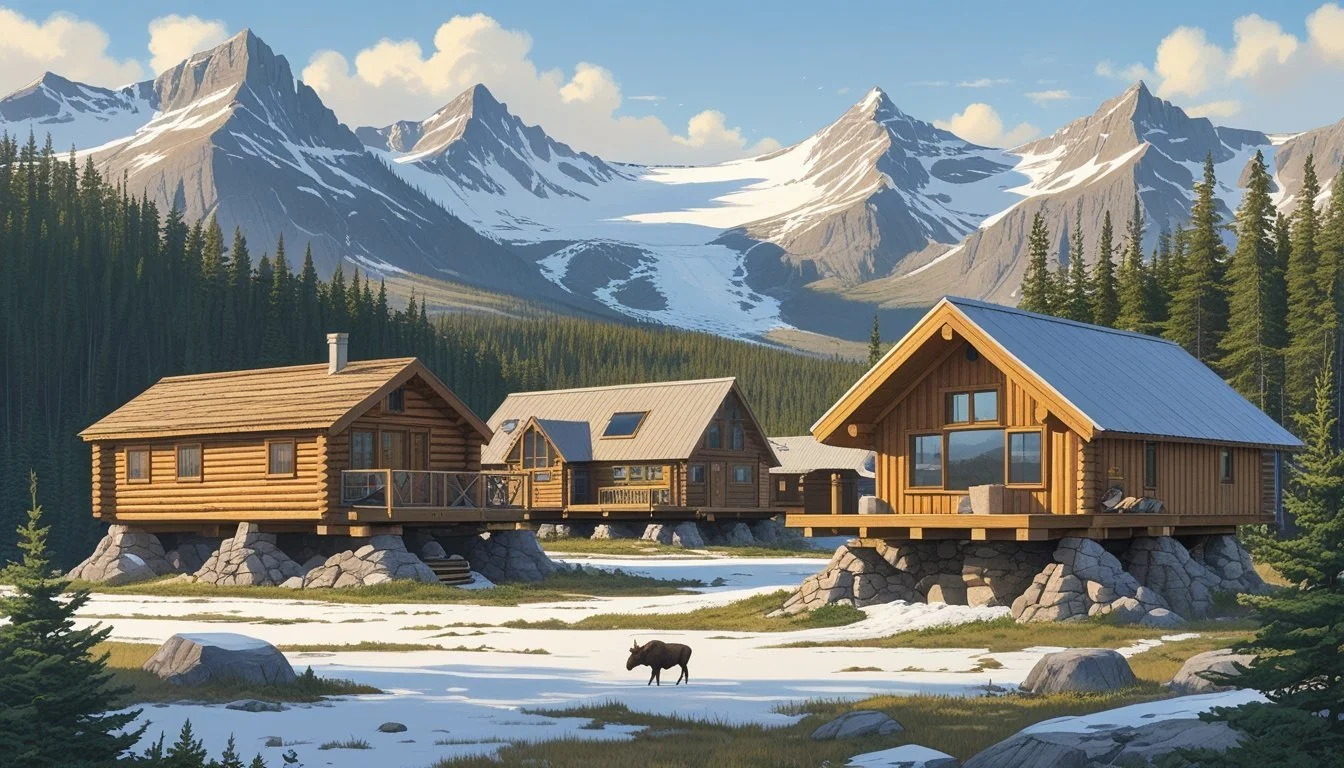
The Brown family tackled demanding build projects in Alaska, transforming challenging wilderness into workable homesteads and shelters. Their structures reflect ingenuity and adaptability, often built with limited resources and under extreme weather conditions.
Original Browntown Homestead
The original Browntown was a defining project for the Brown family, serving as their base in remote Alaska. Constructed entirely off the grid, this homestead featured hand-built log cabins, a communal kitchen area, and storage sheds for supplies.
The family used local timber and improvised tools, relying on teamwork from Billy, Ami, and all the Brown siblings. Each structure had a dedicated purpose, whether it was a sleeping cabin or a woodshed to protect firewood from Alaska’s brutal winters.
Their first homestead not only protected them from harsh elements but symbolized their self-sufficiency. The challenges of building Browntown—from hauling logs in snow to roofing during storms—highlighted their commitment to wilderness living.
Log Cabins and Shelter Builds
Throughout their time in Alaska, the Browns constructed several log cabins and emergency shelters. These structures were essential for survival, given the unpredictable weather and isolation of their off-the-grid lifestyle.
Each cabin was custom-built, using traditional notching and stacking techniques suited for the Alaskan climate. They focused on insulation and airtight sealing, understanding that even a small draft could be dangerous when temperatures dropped far below freezing.
Shelter builds often became family projects, with older siblings like Bam Bam and Gabe leading construction and younger members handling interior tasks. The cabins not only served as protection but also as a testament to their resourcefulness under pressure.
Innovative Survival Constructions
The Brown family’s builds went beyond standard homes and cabins. They engineered inventive survival structures like smokehouses for meat preservation, makeshift greenhouses for short-season crops, and even hand-pumped water delivery systems.
Desperate for reliable resources, they repurposed scavenged materials from abandoned sites or washed-up debris. These innovations allowed them to stretch supplies and solve urgent problems, such as building an elevated cache to keep food away from wildlife.
Examples include a homemade raft for river crossings and custom storage bins for hunting gear. Each project showcased their adaptability and ability to thrive off the land, even when faced with Alaska’s relentless challenges.
Dramatic Relocations and New Beginnings
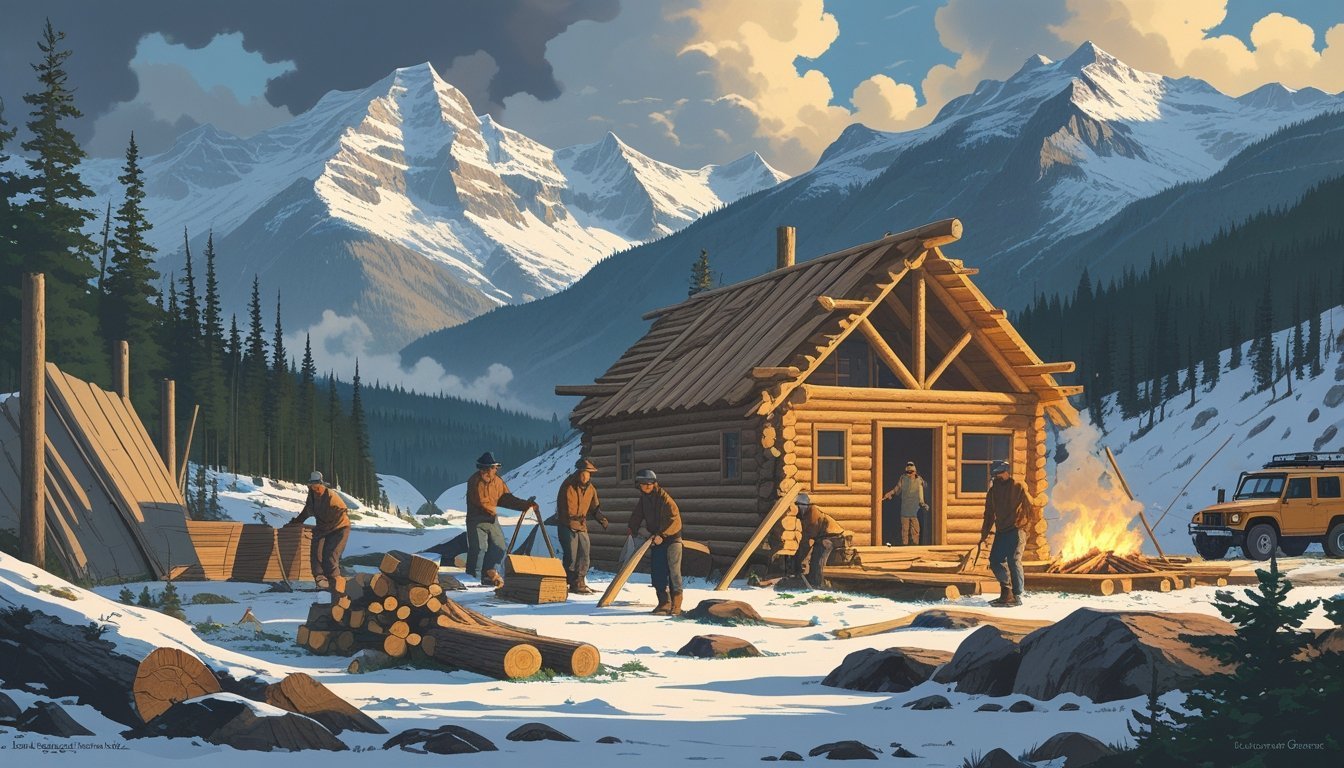
The Brown family's build projects often reflected their need to survive after major moves. Their shift from Alaska to Washington State, triggered in part by environmental challenges, required both physical relocation and inventive adjustments in how they constructed and lived.
Transition from Alaska to Washington State
After spending years building their homestead in remote Alaska, the Browns were forced to relocate due to health issues and increasingly harsh conditions. Ami Brown’s cancer diagnosis made access to medical care a critical concern. Additionally, severe flooding and unpredictable Alaskan weather made living off the grid nearly impossible.
The family chose Washington State for its proximity to necessary healthcare and a more stable climate. They faced the challenge of starting over with different land, materials, and regional conditions. Each major build, from shelters to tool sheds, had to be designed with the area’s unique weather patterns in mind. They brought lessons from Alaska but quickly realized that Washington offered new resources—and new risks.
Key Points:
Flooding in Alaska destroyed some original structures
Medical needs dictated a more accessible location
Resource changes required new building strategies
Adaptations for Changing Environments
In Washington, the Browns adapted their building styles to suit a more temperate environment. Structures shifted from heavy log cabins—great for Alaskan winters—to lighter, weather-resistant buildings better suited for the Pacific Northwest. They experimented with new foundations and drainage systems to prevent flooding, a problem they had already faced in Alaska.
The family also took advantage of Washington’s forests and milder seasons. Projects like animal pens, water systems, and gardens had to be redesigned for the new soil type and climate. Innovations included rainwater collection and protective fencing for livestock, addressing local predators and water management challenges. Every adaptation highlighted the family’s ability to rebuild while learning from the difficulties of their dramatic relocation.
Groundbreaking Build Challenges
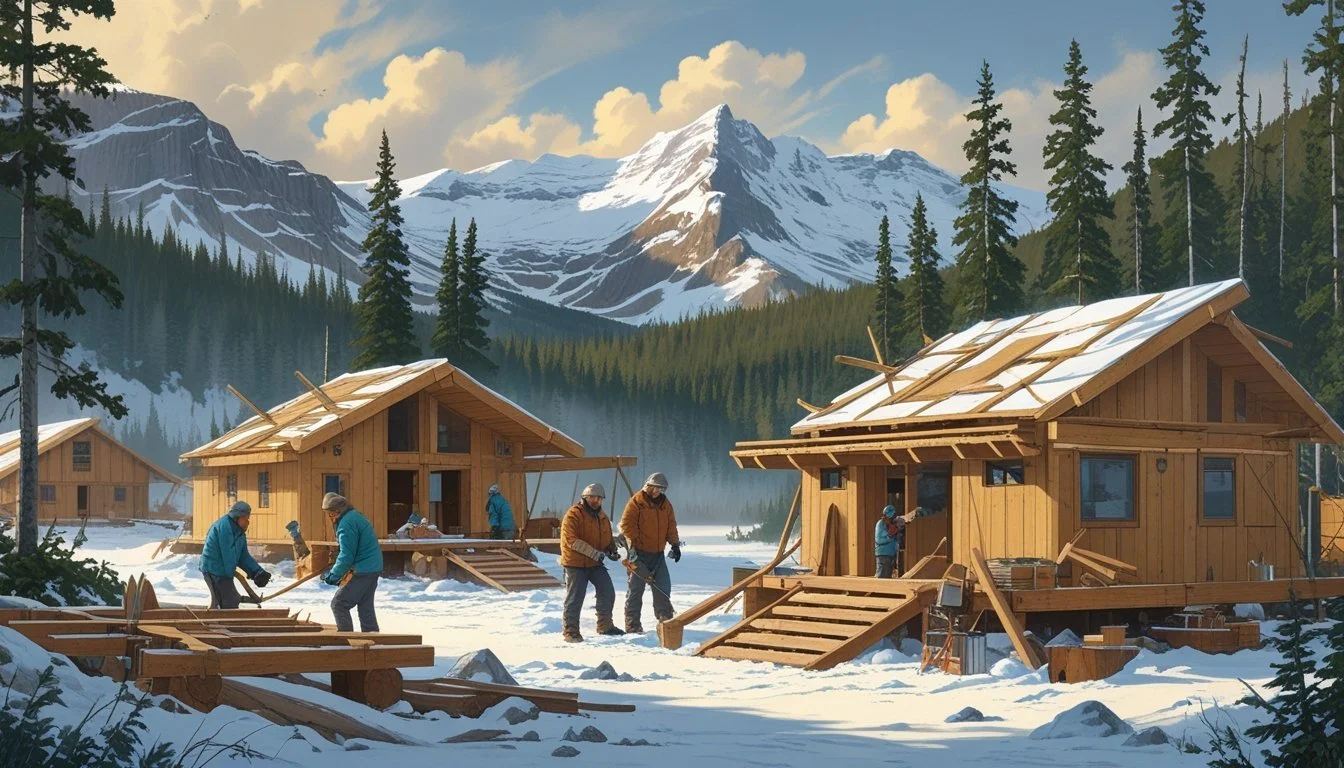
The Brown family repeatedly faced severe threats to their homestead, including unpredictable natural disasters and supply shortages. Their ongoing commitment to self-sufficiency meant improvising under pressure and adapting their strategies in real time.
Overcoming Natural Disasters
Flooding emerged as a major obstacle for the Browns as they tried to establish their home first in Alaska and later in Washington State. Melting snow and record rainfall created dangerous conditions, threatening newly built structures and access to vital resources.
On multiple occasions, the family needed to reinforce foundations and divert water from their homestead. For instance, in Washington, extensive flooding forced them to halt construction projects and focus on damage control. This often meant building makeshift barriers, shoring up weak points, and prioritizing repairs over new builds.
Dealing with these disasters showed their capacity to respond quickly to changing environments. The family’s adaptability was essential for both short-term fixes and the long-term survival of Brown Town. Their ability to recover from setbacks became a central part of their strategy for living off the grid.
Dealing With Limited Resources
Operating in remote wilderness meant that the Browns rarely had easy access to building materials and tools. Relying on what was immediately available, they often used felled trees, scavenged metal, and leftover supplies from older projects.
Resource constraints pushed the family to embrace creative problem-solving. They constructed shelters, animal pens, and even basic plumbing without outside help. Lists of improvisations included:
Using tarps and driftwood for temporary roofs
Repurposing abandoned vehicles for shelter parts
Crafting tools from scrap metal
This approach to construction sometimes resulted in lengthy delays and required careful rationing of supplies. Every build project demanded planning and the ability to pivot when essential materials ran out, strengthening their self-reliant ethos. The necessity to work with limited resources shaped the distinctive appearance and functionality of each homestead structure.
Personal Struggles Impacting Building Projects

Ongoing family health struggles and personal issues often shaped the pace and results of the Brown family's ambitious build projects. These challenges sometimes forced sudden adaptations, delays, and hard decisions at key construction moments.
Health Struggles Within the Family
Ami Brown's diagnosis with advanced lung cancer had a major impact on the family's ability to undertake complex projects. During her illness, she required intensive care and treatment, which led to long periods where the family paused or slowed work to prioritize her health and support.
Billy Brown also faced serious health issues, including hospitalizations and emergency visits to the ICU. His limited physical ability during these periods affected his hands-on involvement and leadership during large projects.
To adjust, family members divided responsibilities and adapted plans. Some builds were scaled back or approached in stages, and their schedules were often dictated by medical needs rather than construction goals. Their resilience is evident in how they worked around these health setbacks.
Mental Health and Substance Abuse Issues
Matt Brown, one of the eldest siblings, faced well-documented struggles with substance abuse and mental health challenges. His time away from the family, including stays in rehabilitation facilities, directly affected both the size of the available workforce and morale during major builds.
Bam Bam Brown and others had to take on additional roles in Matt’s absence, reorganizing how the family worked together on construction projects. When issues surfaced, tensions sometimes rose among siblings, making collaboration more difficult.
The family openly discussed these struggles with viewers, highlighting the real impact of addiction and emotional health challenges on the practicalities of survival and building in a remote setting. Being transparent about these issues put a human face on the complexities involved in their projects.
Legal and Social Challenges
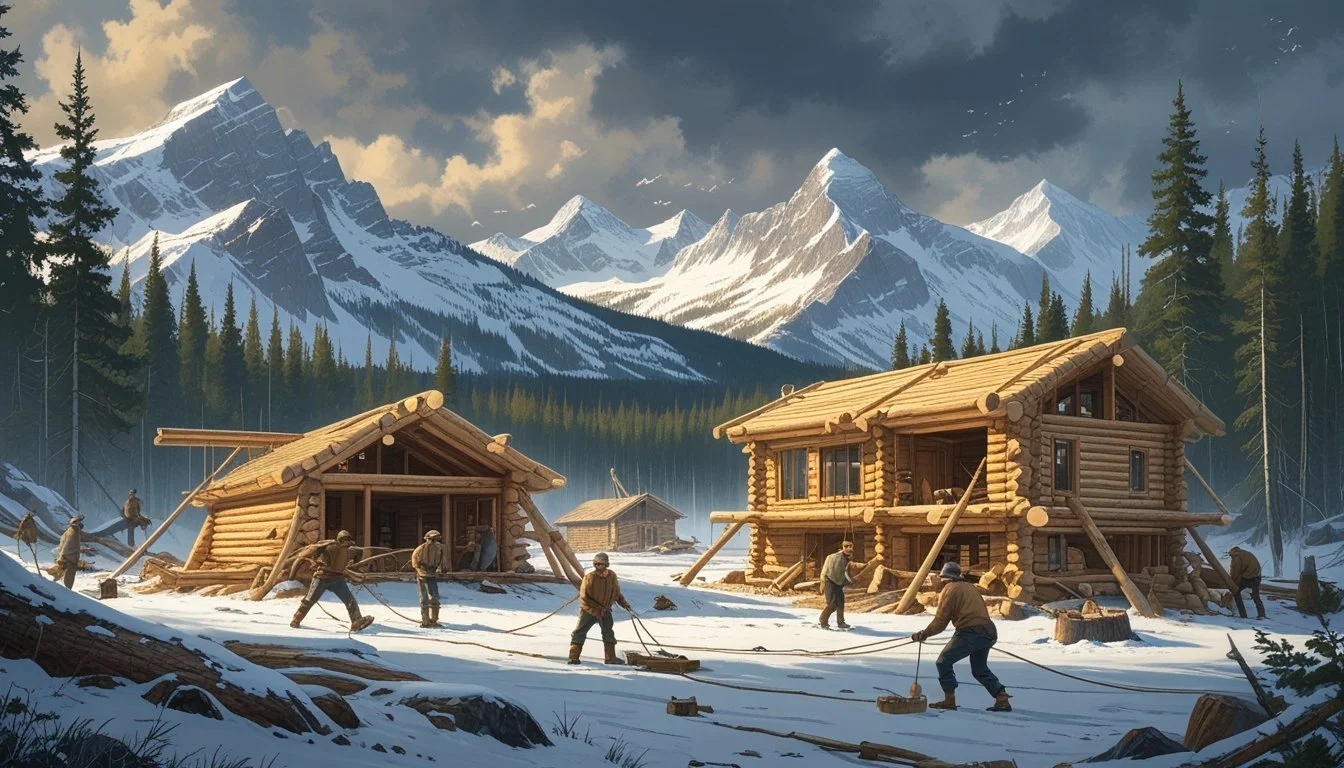
The Brown family has encountered a series of legal disputes and security incidents that have influenced both their public image and daily lives. These issues range from court proceedings involving state fraud allegations to significant security risks around their property.
Legal Troubles and Lawsuits
The Browns have faced multiple legal challenges during and after their time filming Alaskan Bush People. State officials charged family members with theft and fraud related to residency claims and state benefits. Billy, Ami, and several children were accused of lying about their actual residence to receive Alaska’s Permanent Fund Dividend.
A table of key legal events:
Year Event Outcome 2014 Fraud Charges Fines, probation, and brief jail time 2016 Legal Settlement Completion of community service
These legal battles became public, impacting the family’s reputation. Scrutiny from fans and regulatory agencies followed, and court appearances were widely covered by local and national media.
Burglary and Security Concerns
Several incidents of burglary and trespassing have been reported on the Browns’ rural properties. Break-ins resulted in thefts of equipment and family possessions. Security became a serious concern, prompting increased protective measures such as installing surveillance cameras and securing the boundaries of their homesteads.
These incidents forced the family to rethink how they interact with the public and maintain their privacy. Law enforcement reports confirmed that isolated locations did not shield them from crime. The Browns responded by limiting access to their land and working with authorities during investigations.
Individual Brown Sibling Projects
Each Brown sibling has approached construction on "Alaskan Bush People" differently, reflecting their practical needs and personal creative interests. Their efforts show a mix of survival skills, family priorities, and technical inventiveness in challenging environments.
Noah Brown’s Custom Innovations
Noah Brown is notable for his inventive approach to building projects. He often designs and constructs useful devices from limited resources, prioritizing efficiency and comfort for the family. One of Noah’s signature styles includes combining common bush materials with salvaged parts to create systems like water filtration units and off-grid energy solutions.
He has also worked on custom cabins and specialized rooms, tailored for family members’ unique needs. Noah’s technical handiness frequently provides solutions that improve daily life, whether it’s an upgrade to the water supply or temperature control inside living spaces. Common features of his projects include:
Solar-powered gadgets
Improvised plumbing systems
Safety features for harsh weather
His builds stand out for their practical value, showing a blend of engineering and resourcefulness that sets a standard among the siblings.
Bear Brown’s Survival Structures
Bear Brown is recognized for constructing rugged shelters that suit a survivalist lifestyle. His focus is usually on simplicity, durability, and fast assembly, prioritizing basic protection over comfort. Bear’s style is influenced by his love for adventure and outdoor living.
He often uses natural materials such as branches, bark, and stone, sourcing most of his supplies from the immediate wilderness. His shelters range from emergency lean-tos and quick windbreaks to more permanent hunting blinds. Bear’s builds are designed with the intention of maximizing shelter with minimal tools and time, reflecting his focus on readiness for unpredictable weather and wildlife.
Features commonly found in Bear’s structures include:
Elevated sleeping platforms
Weatherproof coverings
Efficient fire pits or wood stoves
Bear’s approach offers a practical guide for wilderness survival, emphasizing adaptability and resilience.
Gabe Brown’s Family-Oriented Constructions
Gabe Brown consistently aims to build with his family’s comfort and cohesion in mind. His projects often center around providing safe, functional spaces for group activities and daily routines, especially after the Browns’ move to Washington state.
He has helped erect multipurpose cabins, gathering areas, and play spaces that accommodate children and adults alike. Gabe places strong emphasis on insulation and general sturdiness, taking care to safeguard against cold and wet conditions. Gabe’s work highlights collaboration with his siblings, frequently involving Snowbird Brown and Rain Brown in shared tasks.
Key aspects of Gabe’s family builds include:
Spacious floorplans for gatherings
Child-friendly features
Sturdy construction for seasonal changes
His projects reflect a steady focus on the family unit’s well-being, creating welcoming environments that adjust to their evolving needs.
Behind the Scenes: Media and Social Influence
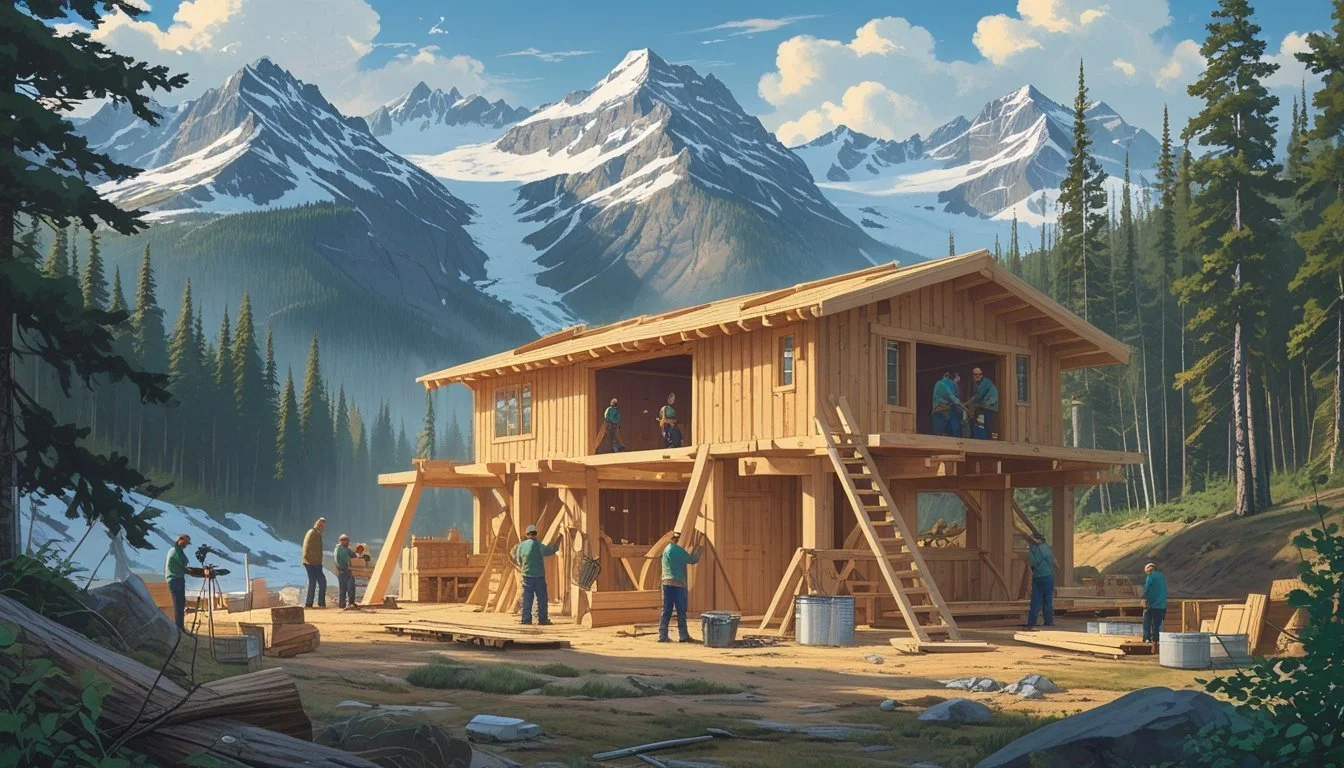
Production decisions and viewer engagement have significantly shaped how the Brown family's projects are depicted on TV. Both the work of Discovery Channel's team and responses across social media platforms have influenced how these builds are perceived and discussed.
Role of Discovery Channel and Production Crew
Discovery Channel, as the network behind Alaskan Bush People, has played a central role in determining which projects make it to air and how they are framed. The production team, led by figures like Josiah Lorton, carefully plans scenes to emphasize challenges, resourcefulness, and dramatic outcomes.
Crew members often provide behind-the-scenes support, including technical guidance and off-camera assistance, which sometimes sparks debate about the authenticity of builds. The show has faced scrutiny for editing choices that create suspense or amplify apparent dangers.
The channel’s need for engaging content can lead to selective storytelling. Not every build—or its difficulties—is shown in full, and real construction timelines are often condensed. This scripting and editing shape how viewers interpret the Brown family's capabilities and the reality of off-grid building.
Social Media and Public Response
Social media acts as a double-edged sword for Alaskan Bush People. On platforms like Facebook, Instagram, and Twitter, fans and critics quickly share opinions and dissect scenes, including the Brown family's most ambitious build projects.
Audience discussions highlight both admiration and skepticism. Posts and comments often probe for evidence of set-ups or external help, especially when a build seems implausibly complex or rapid.
Internet forums and fan pages host debates about authenticity, sometimes referencing interviews or leaked information about crew involvement. These conversations have a real-time impact, occasionally prompting Discovery to address controversies or clarify misleading portrayals.
Social networks also function as amplifiers for the show, fueling interest in specific episodes and construction feats through memes, reviews, and viral clips. This digital engagement keeps the Brown family’s projects in the public eye and influences ongoing narratives both on and off screen.
