
From Alaska to the Lower 48
How Alaskan Bush People Adapted to Life Outside the Wilderness

The Brown family's shift from remote Alaska to the Lower 48 marks a major turning point in the story of Alaskan Bush People. Originally known for their rugged off-grid lifestyle in Hoonah, Alaska, the Browns fascinated viewers with their efforts to build a life away from modern society. Their journey has recently taken them out of Alaska and into Washington State, leading to new challenges and a different way of living.
This transition has raised questions about authenticity, adaptation, and the reasons behind leaving behind "Browntown." Many fans remain curious about how the move has impacted the family's dynamic and the show's direction. The shift offers a unique chance to see how the Browns adjust to new realities while trying to maintain elements of their original lifestyle.
From Alaska to the Lower 48: An Overview of the Brown Family’s Journey
The Brown family’s shift from remote Alaska to life in the Lower 48 marks a major change in both environment and lifestyle. Their journey was shaped by their roots in the Alaskan wilderness, the reasons that drove them to leave, and the complex realities of adapting to a new region.
Life in the Alaskan Bush
The Brown family became known for their rugged lifestyle in the remote wilds of Alaska. Living primarily on Chichagof Island, near Hoonah, they built “Browntown” from scratch, facing isolation and harsh weather.
They hunted, fished, and foraged for food, relying on teamwork for survival. Their home had no modern utilities, underscoring their dedication to a self-sufficient existence.
Daily routines involved securing firewood, repairing shelters, and making do with what was available. The family's story highlighted the challenges and rewards of living away from society’s comforts.
Why the Brown Family Left Alaska
Leaving Alaska was a decision shaped by both personal and practical reasons. A key factor was the declining health of Billy Brown, the family patriarch, who required medical care not available in remote Hoonah.
Legal and financial pressures also played a role. The increasing demands of filming “Alaskan Bush People” made it difficult to maintain their isolated lifestyle.
The family eventually relocated to Washington state, seeking better access to medical facilities and improved living conditions. This move marked the end of their time in the Alaskan bush, but not their commitment to a close-knit, unconventional life.
Transition Challenges and Adaptation
Relocating from the wilderness to the Lower 48 brought many adjustments. The family faced challenges including adapting to modern amenities and integrating into a very different community.
They had to learn new skills to navigate city life and manage greater public attention. Some members expressed difficulty letting go of the routines that defined their time in Alaska.
Despite these changes, the Browns continued to draw on their bush experience, finding ways to maintain self-sufficiency and their unique identity. The transition tested their resilience but also broadened their perspective beyond the remote mountains of Alaska.
Daily Life Off the Grid in Alaska
Off-grid living in Alaska requires self-reliance, practical knowledge, and adaption to a remote environment. Every aspect of daily life demands hands-on approaches for survival, food, and shelter.
Survival Skills and Knowledge
Successful off-grid living in Alaska relies on a broad set of skills. This includes fire-building, hunting game, preserving food, and first aid. The climate requires understanding cold-weather safety, such as hypothermia prevention and layering clothes for warmth.
Navigation skills are crucial since GPS signals can be unreliable. Residents often depend on compasses and landmarks. Knowing how to use hand tools for woodcutting or repairs is essential, given limited access to supplies. Tool maintenance, water filtration, and emergency preparedness are everyday routines.
Animals pose risks, so learning bear safety and proper food storage is necessary. With limited medical access, treating minor injuries or illness at home is part of daily life. Problem-solving skills and adaptability are not optional—they are survival traits in the Alaskan bush.
Living Off the Land
The Brown family, like others in remote Alaska, must hunt, fish, and forage to sustain themselves. They catch salmon and game such as moose or deer for meat. Fishing provides not just fresh food but stockpiles for the colder seasons.
Edible plants, roots, and berries are foraged when in season. A simple garden of root vegetables like potatoes or carrots supplements their diet. Preservation is crucial. Families smoke fish and meat, can produce, and dry herbs.
Work is seasonal, with most food gathering and storing happening in the summer and fall months. In winter, they rely on their stores and ice fishing. Efficient use of available resources is a daily necessity, minimizing waste and ensuring essentials year-round.
Building Browntown
Browntown refers to the family homestead built from scratch without modern conveniences. Constructing cabins, sheds, and basic infrastructure is a hands-on task using locally sourced timber and salvaged materials.
Each family member contributes, from framing walls to collecting firewood. They assemble rainwater catchment systems and create off-grid energy setups, usually with generators or solar panels. Plumbing and electricity are limited or improvised.
Protection from extreme weather is a top priority. Insulation, sturdy roofing, and thick walls help maintain livable conditions. Layouts are practical, with spaces for tool storage, food preservation, and animal shelter. Maintenance is constant, ensuring Browntown remains functional and secure through the harshest conditions.
Major Health Events and Their Impact on the Move
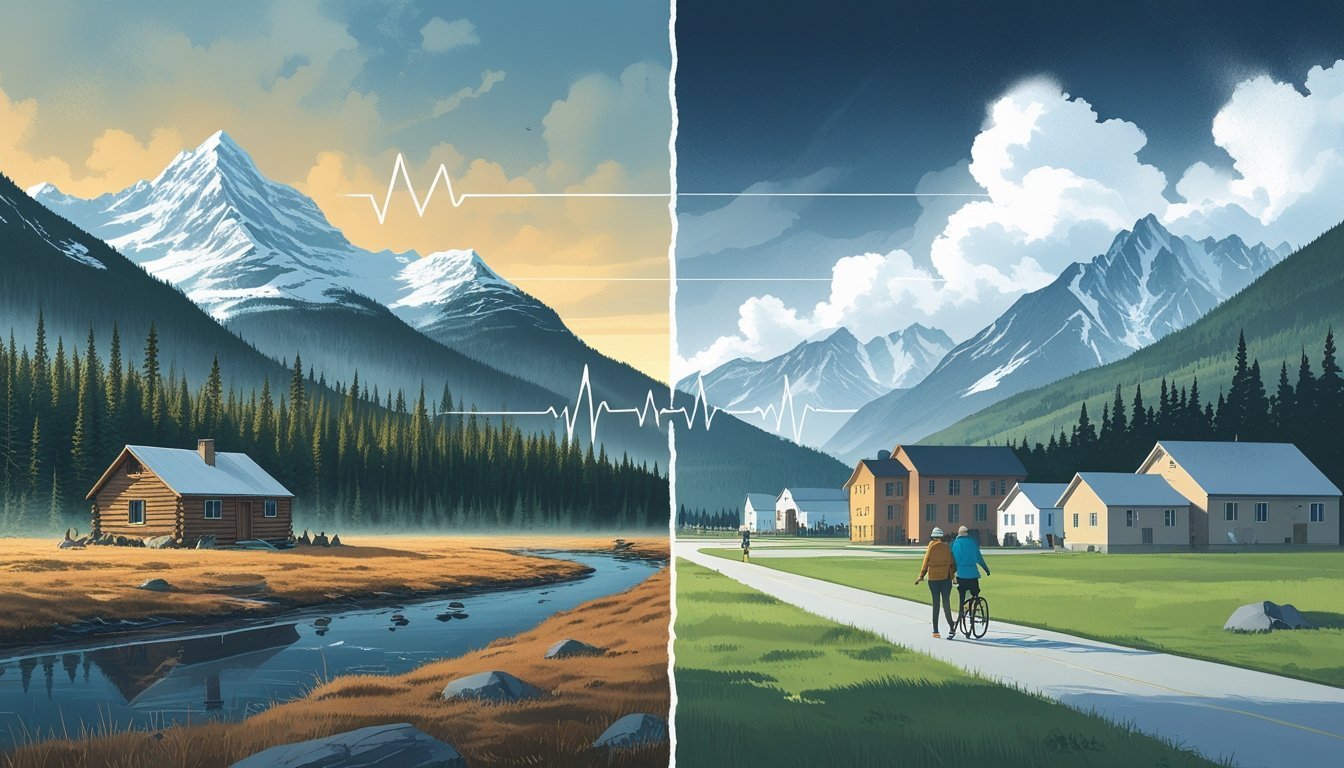
Billy Brown’s declining health, marked by a severe lung cancer diagnosis and subsequent medical emergencies, was a central force behind the Alaskan Bush People family’s departure from rural Alaska. This section reviews how specific health crises, especially those related to cancer and seizures, influenced their relocation and the difficult choices they faced for care.
Billy Brown’s Lung Cancer Diagnosis
Billy Brown received a diagnosis of advanced lung cancer, which became a major turning point for the family. The lack of specialized health care in rural Alaska limited his treatment options and made continued residence in the Alaskan bush risky for his well-being.
Frequent symptoms included fatigue, breathing difficulties, and frequent hospital visits. Isolated living often hindered rapid access to emergency care, creating anxiety among family members. The diagnosis also led to medical analysis that highlighted the risks of remaining far from comprehensive health facilities.
The family had to consider reliable access to oncologists and hospitals. Given the seriousness of his illness, moving out of a remote region was not only recommended but necessary to support Billy’s treatment and quality of life.
Seizure and Medical Crises
In addition to cancer, Billy Brown suffered seizures and other medical crises that required urgent care. Seizures pose immediate threats that demand quick medical intervention, which was difficult to achieve in the Alaskan bush due to geographic isolation.
Family members sometimes had to organize rapid airlifts or emergency trips to the nearest hospital. Emergency services in rural Alaska are limited, and delays can be life-threatening, especially with chronic conditions that can cause sudden downturns.
These repeated incidents added to the mounting pressure for the family to move closer to more reliable medical resources. The unpredictability of major medical events made staying in such a remote area untenable for someone with Billy’s needs.
Exploring Cancer Treatments and Options
Moving to the Lower 48 opened up access to more advanced cancer treatments for Billy Brown. Larger cities provide a wider range of oncologists, treatment centers, and support services unavailable in Alaska’s rural communities.
The family could now consider options such as chemotherapy, radiation, clinical trials, and specialized palliative care. Comprehensive care coordination became possible in ways not feasible in the bush, improving monitoring and response to complications from the disease or its treatments.
Access to support groups, better diagnostics, and multidisciplinary care teams represented a significant shift in the quality and scope of care for Billy. This move was driven by the urgent medical needs created by his cancer diagnosis and other recurring health emergencies.
Navigating Family Dynamics and Legacy
Adjusting to life outside Alaska has reshaped the Brown family's relationships and individual roles. Balancing tradition and change has shaped their legacy, testing both unity and adaptability.
The Wolf Pack: Bonds and Challenges
The Brown siblings, often referred to as the "Wolf Pack," have maintained a close-knit bond despite major relocations. Years of relying on each other in Alaska taught them unique survival skills and strong interdependence. These ties were tested as circumstances forced the family into new environments and pursuits.
Separation and independent projects have increased as the children grow older, but family gatherings remain important. Communication styles and personal ambitions sometimes clash, especially as each member explores new careers and lifestyles. Still, shared experiences from the Alaskan wilderness continue to influence their approach to challenges and problem-solving.
Moving to the Lower 48 brought new social settings and pressures. The Wolf Pack must continually renegotiate relationships both with each other and the outside world. Despite these adjustments, loyalty to the family unit and respect for their origins remain at the heart of their interactions.
Bear Brown’s Role in the Family
Bear Brown stands out for his energetic personality and dedication to the family’s wilderness values. His approach mixes resilience with a strong commitment to supporting siblings and parents. Bear is actively involved in decision-making, especially regarding outdoor skills and family traditions.
Over time, Bear has become a bridge between the older and younger siblings, often mediating disputes or encouraging collaboration. He remains vocal about preserving the family’s way of life, even as they adapt to mainstream society. His public persona and engagement with fans also bring attention and, occasionally, pressure on the family dynamic.
Bear’s focus on adventure and physical activity shapes his leadership. He is quick to volunteer for demanding tasks and rallies the group during difficulties. While challenges remain, Bear continues to play a central role in maintaining the spirit of the Wolf Pack.
Legacy After the Move
Leaving Alaska marked a turning point for the Brown family’s legacy. The move required adapting old traditions to new surroundings, prompting questions about what it means to be "Alaskan Bush People" outside the bush. Members have pursued new professions and educational opportunities, broadening the family’s collective identity.
Media appearances and business ventures have extended their influence but also complicated their narrative. The Browns strive to honor their origins while embracing change, preserving some aspects of their rural lifestyle even in suburban or urban environments.
Family legacy is now shaped by a balance between heritage and adaptation. The children’s involvement in independent projects signals evolution, while ongoing storytelling, both in-person and through media, keeps their unique experiences alive for a wider audience.
The Alaskan Bush People: Reality TV and Public Perception
"Alaskan Bush People" became known for its blend of family dynamics, survival challenges, and claims of authenticity. Its portrayal of life in remote Alaska attracted discussion about what is real and what is enhanced for television.
Scripted vs. Authentic Moments
Many viewers have questioned the authenticity of "Alaskan Bush People." While the show promotes itself as a documentary-style look at the Brown family's off-the-grid lifestyle, reports and analyses suggest that several scenes are pre-planned or edited for dramatic effect.
Certain interactions, events, and dialogue appear scripted, raising skepticism about how much is genuine. The show's production has sparked debates about the line between reality and entertainment, with some arguing that its portrayal of daily life is exaggerated.
Despite this, the show features unscripted hardships, such as unpredictable weather and real family tensions. The mix of staged and authentic moments leaves audiences divided about what portions of the show reflect actual events.
Seasons and Notable Episodes
"Alaskan Bush People" has aired multiple seasons, each bringing new challenges for the family. The first few seasons focused on their attempts to build a homestead in the Alaskan wilderness.
Key episodes include the family's struggle to construct Browntown, hunt for food, and adapt to harsh climates. Later seasons documented their move from Alaska to the Lower 48, reflecting both necessity and changing circumstances within the family.
Notable episodes also cover significant family milestones—such as health battles, births, and the death of patriarch Billy Brown. These episodes attracted high viewership and often shaped public discussions about the series' direction.
The Show’s Influence on Alaskan Representation
The series has influenced how audiences outside Alaska imagine life in the state. Its portrayal leans heavily on themes of independence, isolation, and wilderness survival, shaping perceptions about what is typical for Alaskan residents.
Some Alaskans and critics argue the show overemphasizes hardship and overlooks the realities of modern life in Alaska. Others appreciate its ability to spotlight the state's landscapes and challenges.
"Alaskan Bush People" has become a reference for other Alaska-based reality programs, contributing to a growing trend of TV shows set in the region. The show's depiction continues to affect expectations and conversations about Alaska in popular culture.
Settling in the Lower 48: New Beginnings
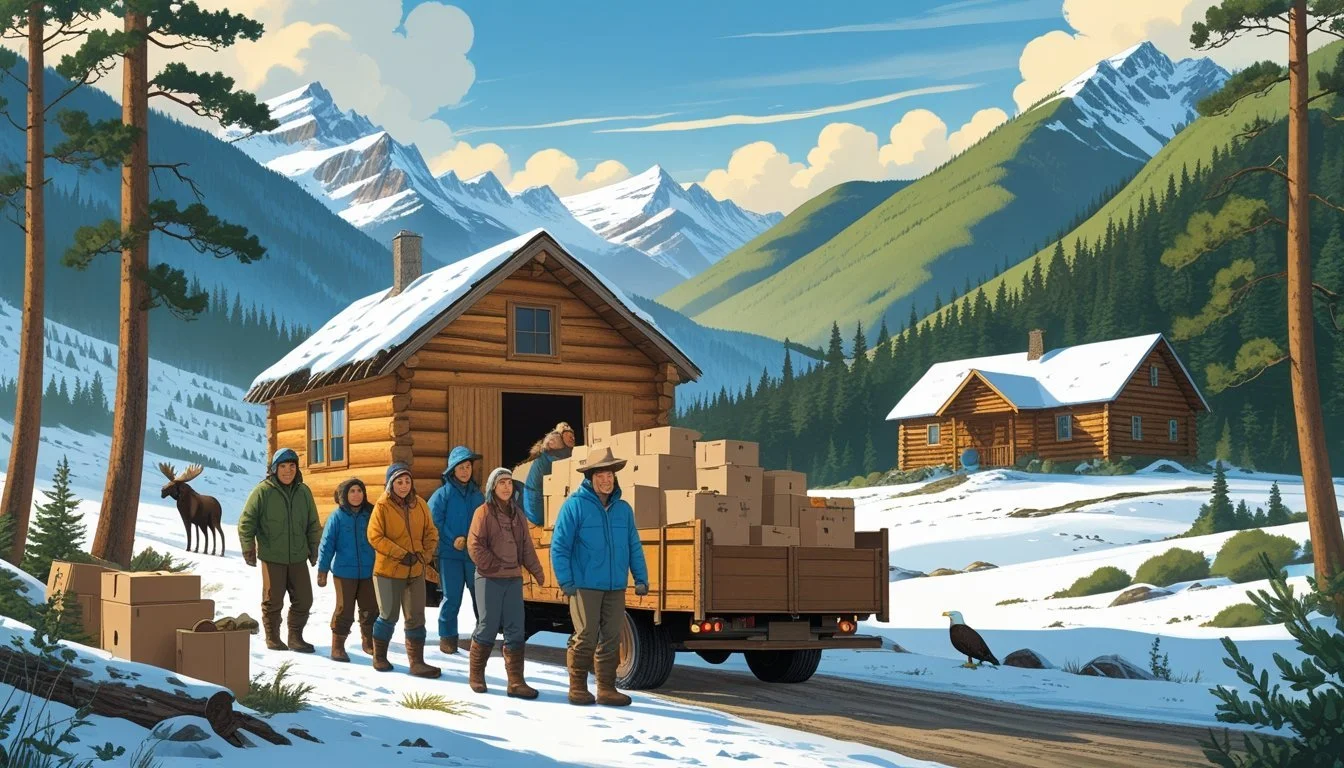
Leaving Alaska meant more than a change of scenery for the Brown family. They faced dramatic lifestyle adjustments, learned to apply their survival knowledge in unfamiliar settings, and encountered both opportunities and obstacles they had not anticipated.
Adapting Survival Skills to a New Environment
Transitioning from the remote Alaskan bush to the varied landscapes of the Lower 48 pushed the Browns to modify their practical skills. In Alaska, cold weather shelter-building, ice fishing, and wildlife tracking shaped their daily routines.
In areas like Washington or Oregon, milder climates and more accessible resources required different techniques. The family adapted by learning new foraging habits and updating their tool usage for less harsh conditions. Rural communities provided more local supply options, changing their approach to self-sufficiency.
They also encountered established regulations regarding hunting, land use, and water rights. Skills in negotiation and community engagement became as vital as wilderness survival. Adaptability and openness led them to blend their bush knowledge with local traditions.
Opportunities and Challenges After Alaska
The move brought both significant opportunities and unique challenges. Access to better health services and modern amenities improved their quality of life and opened doors to new routines. The family could access education, medical care, and business ventures not possible in their bush homestead.
Yet, the crowded landscapes and higher cost of living created pressures. Finding land where they could maintain their privacy and way of life proved difficult. Regulations and property boundaries meant they could not rely solely on roaming, hunting, and gathering as before.
Cultural adjustments were ongoing. Integrating into established communities required patience, as locals were sometimes curious or skeptical about their background. Daily life involved balancing independence with the rules and structures of the Lower 48.
Future Outlook for the Brown Family
The Browns’ future in the Lower 48 is shaped by new possibilities and the unpredictability of change. They continue exploring ways to blend their distinct Alaskan upbringing with life in a more populated and regulated region.
Entrepreneurial ventures, media projects, and local collaborations have emerged as ways for them to sustain themselves. Their story remains rooted in adventure and adapting to changing conditions.
Maintaining a sense of identity is important for the family. They strive to share their experiences while evolving their skills and knowledge for long-term stability and growth.
