
Can Alaskan Bush People Survive Without Billy at the Helm
Exploring the Family’s Future

The Brown family of Alaskan Bush People has faced major changes since the passing of Billy Brown, their patriarch and the driving force behind their remote lifestyle. While his absence created a significant gap, the family has continued to adapt and move forward in the Alaskan wilderness. Their journey raises questions about whether the Browns can maintain their unique way of life without Billy’s guidance and leadership.
Fans have watched the family experience both setbacks and moments of resilience on screen. Each member must now take greater responsibility, adjust to a transformed family dynamic, and carry on Billy’s vision in their own way. The future of Alaskan Bush People will depend on the Browns’ ability to pull together and navigate life without the person who guided them through so many past challenges.
The Legacy of Billy Brown
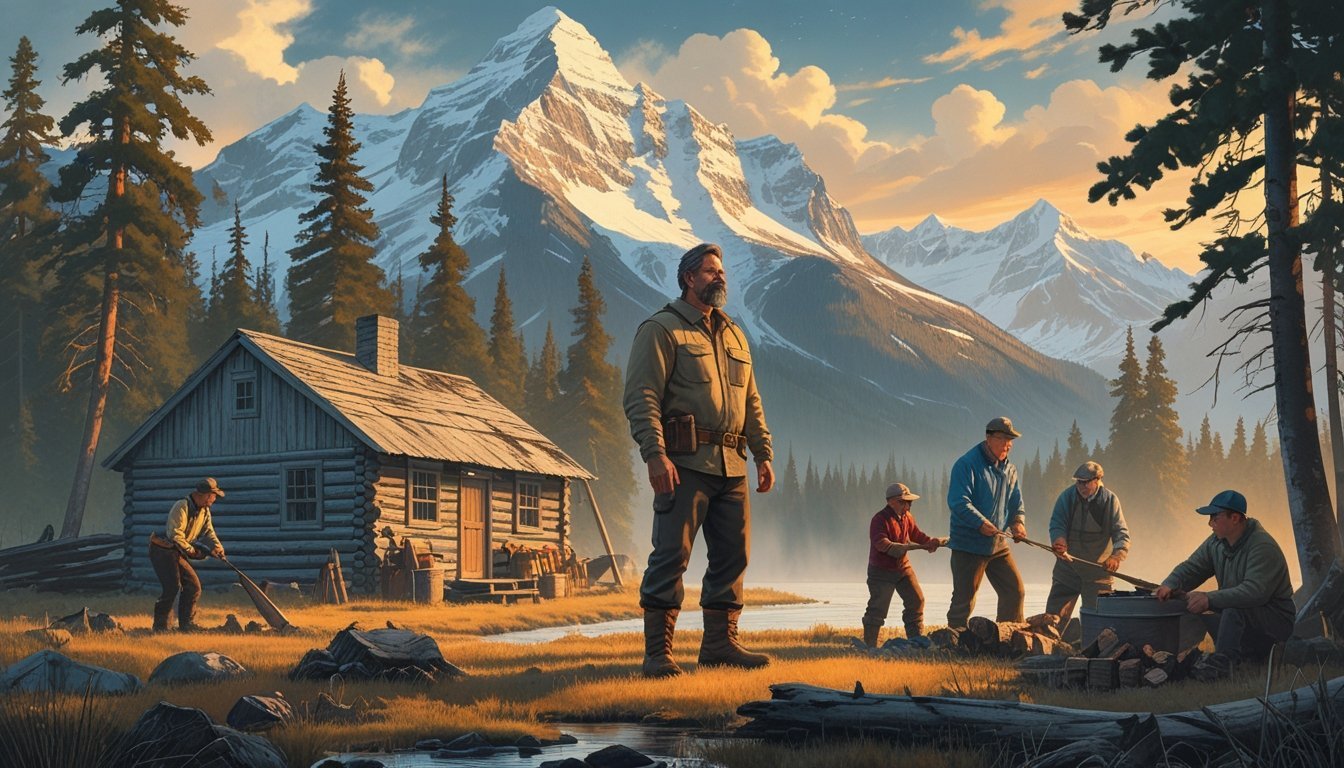
Billy Brown’s profound influence shaped both his family and the series “Alaskan Bush People.” He was pivotal to the group’s survival, guiding key decisions, and setting the cultural tone rooted in resilience and faith.
Billy’s Role in the Family and Show
Billy Brown served as the patriarch and central figure of the Brown family, leading them through daily life in the wilderness. His presence provided a stabilizing guide, especially as he navigated both unpredictable natural challenges and interpersonal dynamics.
He stood out for his charismatic leadership, often using storytelling and practical wisdom to unite the family. The show highlighted his ability to foster a sense of community amid isolation, giving the series its unique character.
The Brown family’s Christian faith was a notable part of life, influencing values, routines, and how they processed hardship. Billy’s open approach to faith helped ground his children in shared beliefs and shaped their capacity to support one another under pressure.
Leadership Style and Decision Making
Billy’s leadership blended firm decision making with an adaptable, inclusive approach. He consistently prioritized family unity and survival, evaluating each challenge as a learning opportunity. Difficult calls—such as relocating the homestead or handling emergencies—were made through open discussions, but he maintained final authority.
His style was built on practical experience, gained from decades of living off-grid. He encouraged all members to contribute, teaching by example and ensuring skills were passed down. This approach allowed the Browns to respond to crises as a team, increasing their self-reliance and adaptability.
A hallmark of his leadership was balancing autonomy for his children with clear expectations. Billy instilled trust, but he set strict boundaries in critical matters tied to safety and well-being. This approach allowed his children to mature while maintaining family cohesion.
Impact on the Homestead
Billy’s hands-on approach directly shaped the development and sustainability of the Brown family’s homestead. He was the primary problem solver, driving projects like building shelters, securing food supplies, and implementing energy solutions. This practical involvement set standards for hard work and resourcefulness.
Key responsibilities—such as constructing cabins, managing equipment, and ensuring protection against wildlife—often fell to Billy. His forward planning and readiness for adversity enabled the family to endure harsh Alaskan winters and periods of scarcity.
His influence also extended to teaching his children self-sufficiency. Skills ranging from hunting to mechanical repair were passed down, creating continuity and reducing dependence on outsiders. Even after his passing, the structures and habits he established remain central to how the family navigates survival.
Challenges Facing the Alaskan Bush People After Billy

The Brown family has had to adjust to life after the passing of Billy Brown in 2021, facing immediate and long-term difficulties as they try to maintain their lifestyle. Leadership, emotional health, and daily survival have all been tested in his absence.
Emotional and Psychological Effects
Billy Brown's death left a clear emotional gap within the family. Each member, including Ami and the children, has processed his loss differently, with some taking time away from the public spotlight to grieve.
Loss of a patriarch often creates uncertainty and increased stress. Several of the Browns have opened up about missing their father's guidance. Social media posts from Bam Bam and others have referenced their continuing grief and the challenge of keeping Billy's memory alive.
Consulting doctors and seeking therapy or counseling have become more important. These steps help manage stress and depression, especially in an isolated environment without immediate access to outside support. Rain, for example, has publicly discussed her own mental health battles.
Adapting to a New Leadership Structure
With Billy gone, decisions on the ranch and in the wilderness now fall to Ami and the adult children. Ami has taken on a primary leadership role at North Star Ranch, relying on help from her sons and daughters to keep daily operations running.
Decision-making has shifted to more collaborative methods. The family sometimes disagrees on priorities, leading to conflicts that would previously have been mediated by Billy. This new dynamic can slow down responses to challenges or emergencies.
Managers and advisers working with the Browns have played a bigger role in recent years, helping coordinate logistics, finances, and public relations. Their involvement ensures the family remains organized as they adapt to this ongoing change in leadership.
Resource Management and Survival Skills
Resource management has become more complex since Billy's passing. He previously directed food storage, shelter construction, and hunting protocols, drawing from years of experience in the Alaskan wilderness.
Now, each member must rely more on their individual survival skills. Tasks such as firewood gathering, water sourcing, and maintenance are divided among the siblings, who have varying levels of expertise and confidence.
The family also faces modern logistical challenges. Medical needs, requiring access to doctors or urgent care, sometimes strain their remote lifestyle. Resource shortages or miscalculations can be costly, especially without Billy's steady oversight to anticipate and solve these issues. The Browns must blend traditional bushcraft with outside assistance to survive and thrive.
Roles and Responsibilities of Family Members
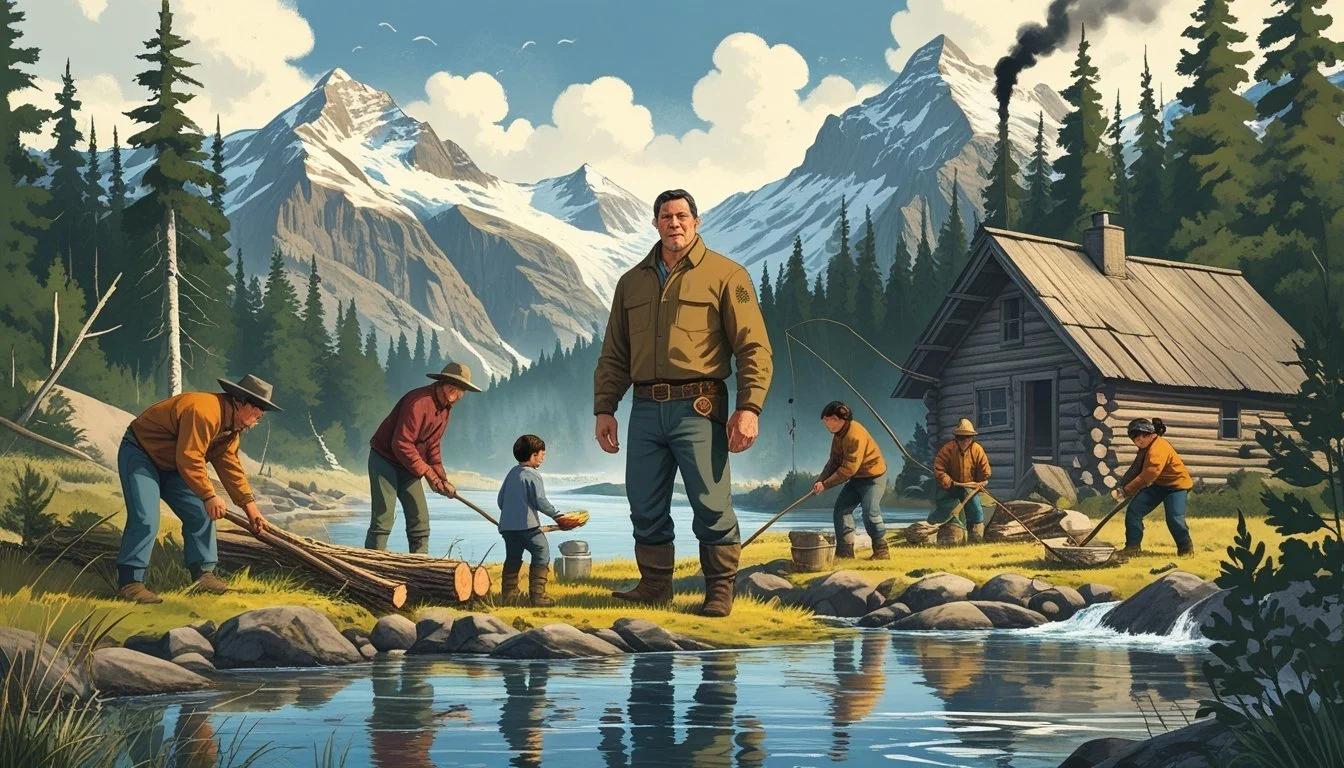
With Billy’s absence, daily survival now depends on clear task division, practical building and repair abilities, and effective food procurement. Every member’s individual strengths are crucial to keeping the family’s off-grid lifestyle sustainable.
Division of Labor Post-Billy
Billy traditionally served as leader and planner, but the Brown siblings and Ami now allocate responsibilities through collaboration. Each person now takes initiative over specific chores and decisions.
Tasks often fall as follows:
Matt and Bam Bam: Heavy tasks like firewood chopping, shelter upkeep, and tool maintenance
Ami and the sisters: Cooking, plant foraging (like for blackberries), and identifying edible plants
Noah and Gabe: Technical repairs, water system maintenance, supporting construction efforts
This division creates accountability and ensures no area is neglected. With more independence, family members adjust roles according to skill, season, and demand.
Skills in Carpentry, Construction, and Logging
Carpentry and construction skills are central to the family’s self-sufficiency. The Browns build and repair their own cabins, animal shelters, and outhouses.
Sons such as Bam Bam and Gabe have learned essential skills like log selection, foundation setting, and wood treatment. Tool proficiency includes:
Chainsaws
Axes
Saws
Hammers
Logging is a recurring duty, providing necessary lumber for building and fuel. The ability to process timber has grown more distributed, with younger siblings taking on a greater share.
Projects often require teamwork and adaptation due to severe weather or resource shortages. Construction quality impacts overall comfort and winter readiness.
Hunting, Fishing, and Foraging Strategies
Access to protein is vital. The Browns rely heavily on hunting elk and deer, setting fish traps in local streams, and ice fishing when required.
Foraging, led primarily by Ami and the daughters, targets seasonal edible plants and berries—especially blackberries. They use local knowledge for:
Identifying safe mushrooms and roots
Locating berry patches
Collecting medicinal herbs
Hunting and fishing require coordination for gear management, tracking, and processing game. The family’s adaptability in these areas maintains reliable food stocks, especially during harsh months.
Surviving in the Pacific Northwest Without Billy
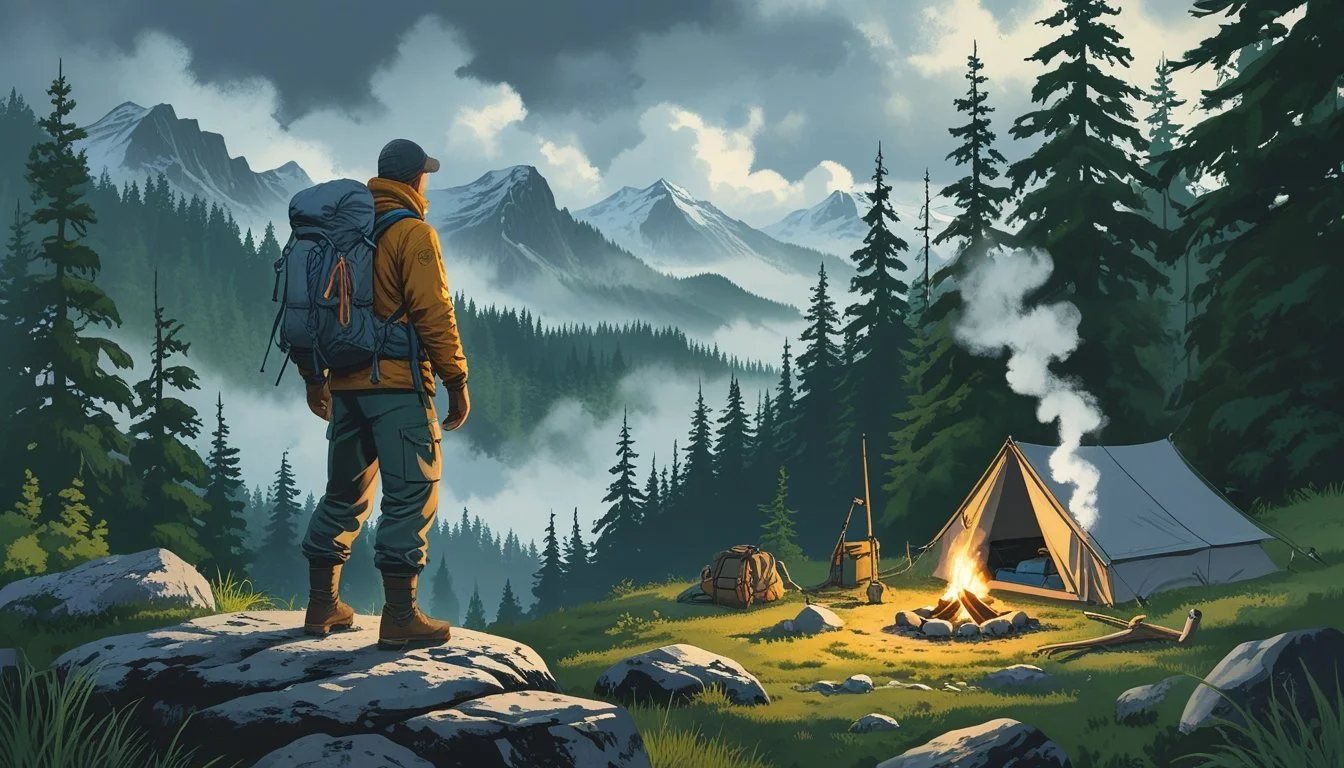
After relocating from Alaska to Washington, the Brown family's environment, daily challenges, and support systems changed significantly. The shift away from Billy as head of the family made adaptation to local factors and new ways to connect with community support crucial for their continued survival.
Geographic and Climate Considerations
The Pacific Northwest, particularly Washington, features a milder climate compared to Alaska’s harsh winters and extreme cold. Temperatures are generally more moderate, with winters rarely reaching lows seen in rural Alaska. This change lessens certain survival risks but introduces new challenges such as frequent rain, dampness, and seasonal flooding.
Dense forests cover much of the region, making navigation and building more feasible but also requiring different bushcraft skills. Proximity to the coast means the family might encounter wildlife such as deer, bears, and even orcas offshore, though orcas do not pose a direct threat. Adapting their hunting and gathering practices to these new conditions is necessary for day-to-day life.
The land’s higher moisture content allows for more diverse agriculture and gardening. However, storing food and maintaining equipment requires fresh strategies to handle the persistent humidity and mold risk, distinct from the drier conditions in Alaska.
Local Resources and Community Support
Washington and the broader Pacific Northwest provide greater access to local resources that were often out of reach in remote Alaskan locations. Hardware stores, agricultural suppliers, and health services are more readily available, making it easier to address urgent needs or replace essential tools.
Community ties become more accessible outside of the deep isolation experienced in Alaska. The Browns can participate in local markets, trading goods and learning from neighbors about regional practices like mushroom foraging or coastal fishing. They may find mentors in homesteading or farming to guide them through unique regional challenges.
Local organizations and government agencies offer guidance on fire safety, wildlife management, and disaster preparedness. This structured support helps make up for the absence of Billy’s leadership, giving the family new pathways to develop independence while staying connected to the surrounding community.
Community and External Relationships
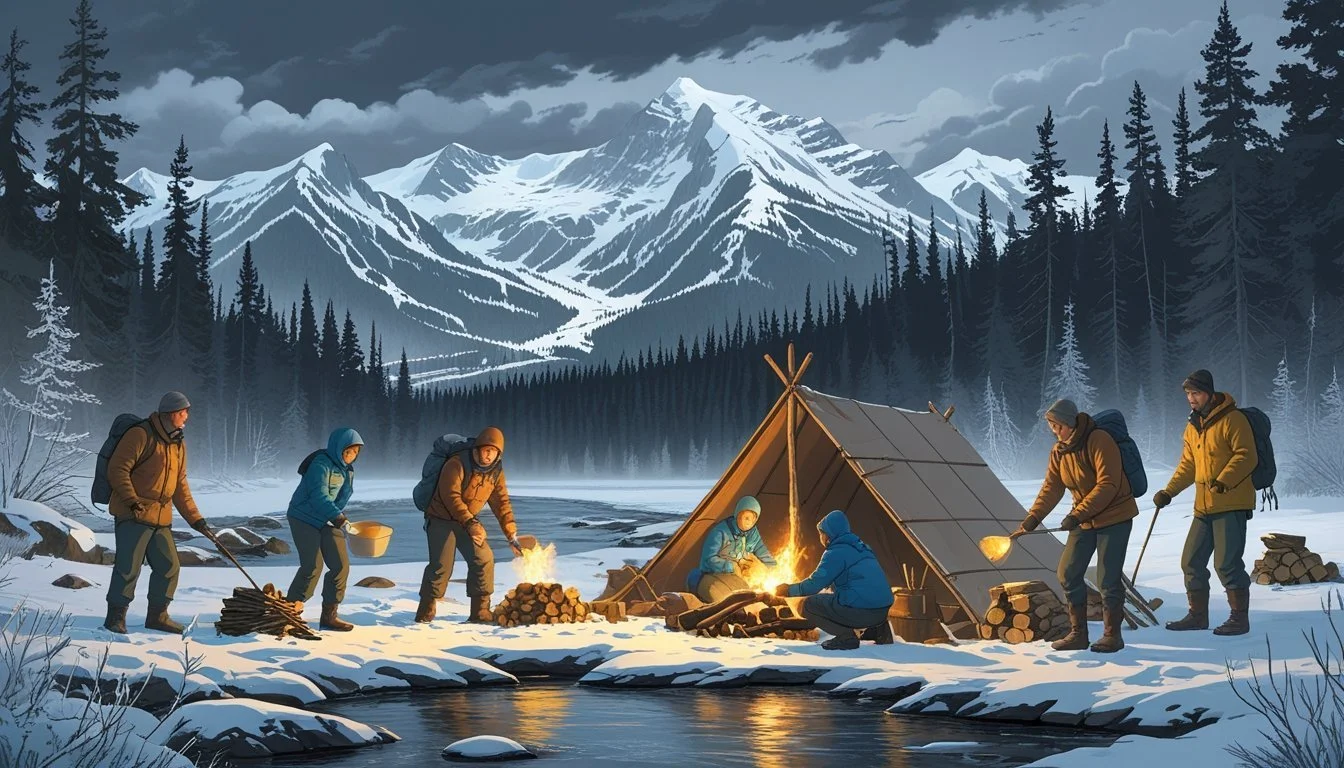
The Brown family's survival has long depended not just on self-reliance, but also on how they connect with the people, institutions, and authorities around them. These relationships sometimes provide vital support and, at times, present challenges that shape their off-grid existence.
Connections with Neighboring States
The Brown family has occasionally looked beyond Alaska for resources, contact, and aid, especially as their notoriety grew. States like Idaho, Oregon, and Montana share similar rugged environments and lifestyles, making these regions relevant for trade, travel, or occasional community events.
For example, Lewiston, Idaho, is a frequent supply stop for Alaskan and northern residents due to its accessible location and established transportation links. Montanans are known to share hunting and fishing insights, and Oregon’s public markets offer an alternate source for equipment and non-perishables when local supplies run low.
Maintaining these interstate ties helps supplement what the harsh Alaskan wilderness cannot always provide on its own, from medical care to basic goods. These connections extend the family’s network and options for both daily survival and long-term stability.
Involvement with Local Organizations
Although largely self-sufficient, the Browns have interacted with local institutions both out of necessity and curiosity. They sometimes use the local public library for information on wilderness skills, regulations, or weather forecasting. Public libraries and community centers also provide literacy resources for younger family members and allow them to stay informed about regional events.
Community engagement is limited but can involve donations to local causes or participation in town gatherings during special events. Partnerships with local suppliers for tools and food items are key to staying equipped.
Occasional involvement with organizations such as fire departments or volunteer groups occurs during emergencies, highlighting the importance of social infrastructure even for those who live off the grid.
Interactions with Authorities
The family’s unconventional lifestyle means regular contact with authorities, particularly the U.S. Forest Service and local police. Compliance with land use regulations, hunting licenses, and environmental guidelines is required, and interactions typically revolve around these issues.
In the past, some legal challenges have involved state wildlife officers and local police officers, especially concerning residency claims and subsistence hunting practices. The Browns must remain aware of rules that differ across county lines or state borders, such as in Montana or Oregon, to avoid penalties.
Having a cooperative—or at least transparent—relationship with these authorities is essential. It allows them to address disputes and maintain the right to remain on certain lands, while still preserving the self-sufficient way of life they seek.
Adaptation and Innovation in Bush Living
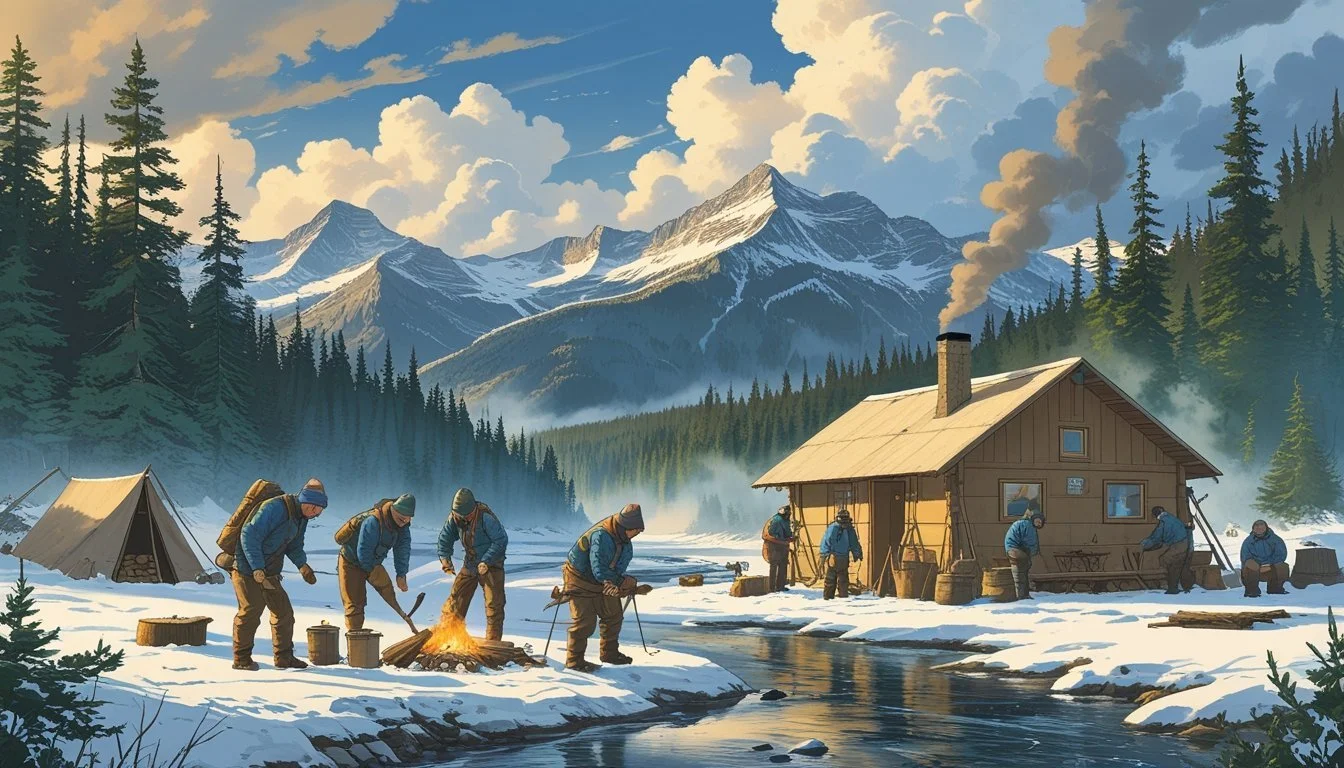
In the wake of Billy’s absence, the Brown family’s success in the remote Alaskan wilderness relies heavily on their capacity for adaptation. Daily life demands a blend of resourcefulness, communication, and willingness to embrace both old and new solutions.
Creative Problem-Solving and Humor
The Browns frequently face unpredictable situations, from harsh weather to unexpected shortages. Their ability to improvise practical solutions, such as repurposing spare wood into tools or fixing machinery with limited supplies, highlights a culture of hands-on innovation.
Humor remains essential for group morale during setbacks. Jokes and light-hearted banter ease tension when plans go awry. Laughter bonds the family, turning mistakes into learning experiences rather than sources of conflict. Maintaining this positive outlook helps them navigate the pressure of isolation and the unpredictability of bush life.
Over time, this strategy has cemented their resilience. Problems become opportunities for creativity, and shared humor helps ensure that challenges do not overwhelm the group dynamic.
Technology Use and Modern Tools
While tradition plays a significant role, modern technology increasingly shapes their survival strategies. The family integrates tools such as weather apps, GPS devices, and solar-powered equipment to supplement their bushcraft skills.
Smartphones and apps provide updated forecasts and navigation, protecting them from sudden climate changes and supporting safer travel. Portable generators and battery packs extend the usefulness of electronic devices, even when off-grid.
The Browns blend these tools with manual labor, not to replace but to reinforce their independence. Thoughtful adoption of technology, chosen for durability and reliability, allows them to tackle new challenges while still relying on the practical knowledge Billy instilled in them.
Cultural and Spiritual Influences on Survival
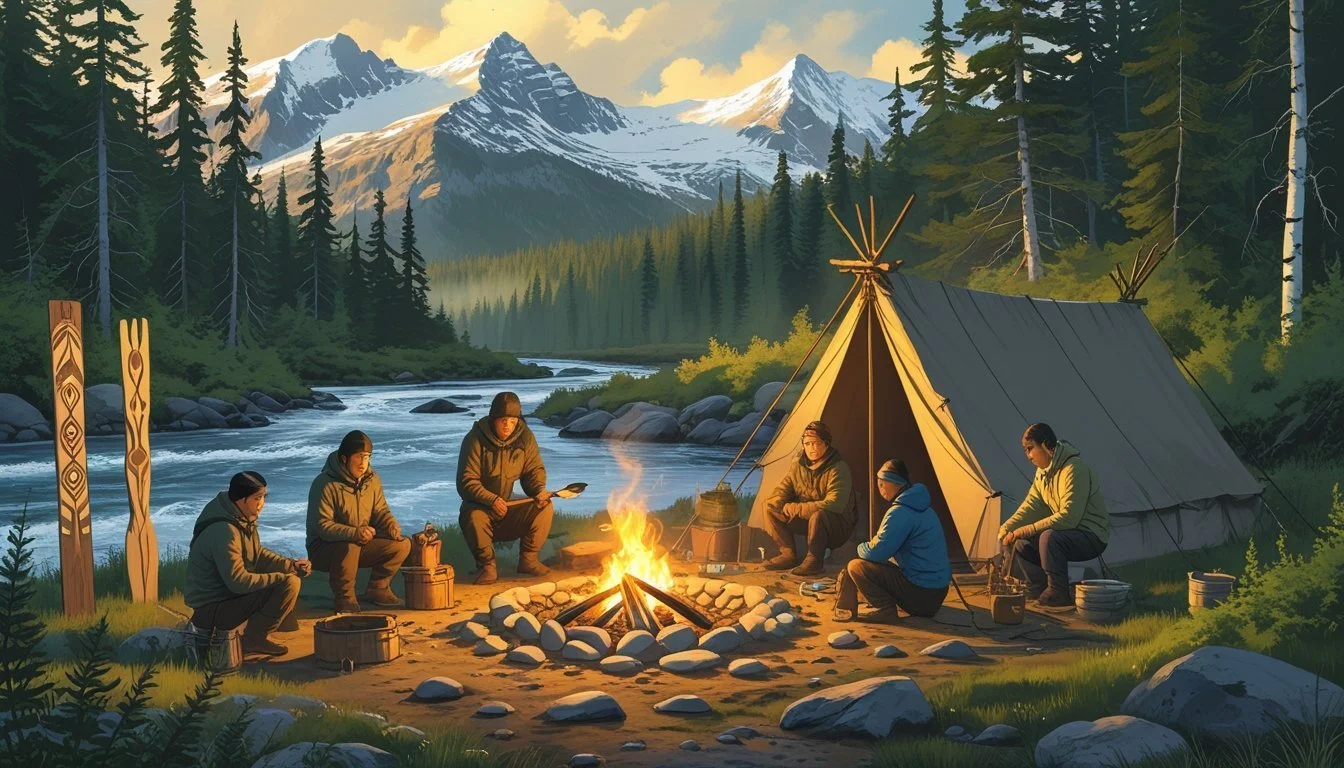
The Brown family's approach to survival in Alaska combines practical adaptation with deep-rooted beliefs. Their resilience is often shaped by personal faith, traditions, and the influence of community values.
Faith and Resilience
Faith has played a persistent role in the Brown family's ability to face isolation and hardship. The family often references Christianity, including influences from various denominations like Roman Catholic and Nazarene, as a source of comfort and guidance.
Spiritual rituals, such as prayer before meals and group reflection, are common in their daily routine. These practices help maintain a sense of unity and hope, especially after the loss of Billy. The belief in a higher power provides motivation and resilience during unpredictable challenges in the wilderness.
Hope, trust, and acceptance associated with faith support their emotional well-being. Even without Billy, these spiritual elements continue to serve as steady anchors for the family facing both external and internal challenges.
Role of Different Traditions
The Brown family's survival methods reflect a blend of traditional and adapted cultural practices. Although they are not Amish, aspects of their lifestyle—like living off-grid and minimizing modern technology—bear similarities to Amish values of self-reliance and simplicity.
Some family members have drawn from Christian and Nazarene backgrounds, which emphasize community, humility, and stewardship of the land. These values often overlap with Indigenous perspectives that stress respect for nature and interconnectedness.
Table: Influences on the Brown Family's Survival Practices
Tradition Key Values Example in Practice Roman Catholic Faith, service, ritual Prayers and religious icons Nazarene Community, humility, simplicity Shared chores, reflection Christian (general) Hope, perseverance, unity Family unity in hardship Traditional/Indigenous Respect for nature, humility Sustainable hunting/fishing
By drawing from diverse traditions, the family maintains a dynamic framework to adapt and survive in the Alaskan wilderness, even after the patriarch's passing.
Economic Strategies and Sustainability
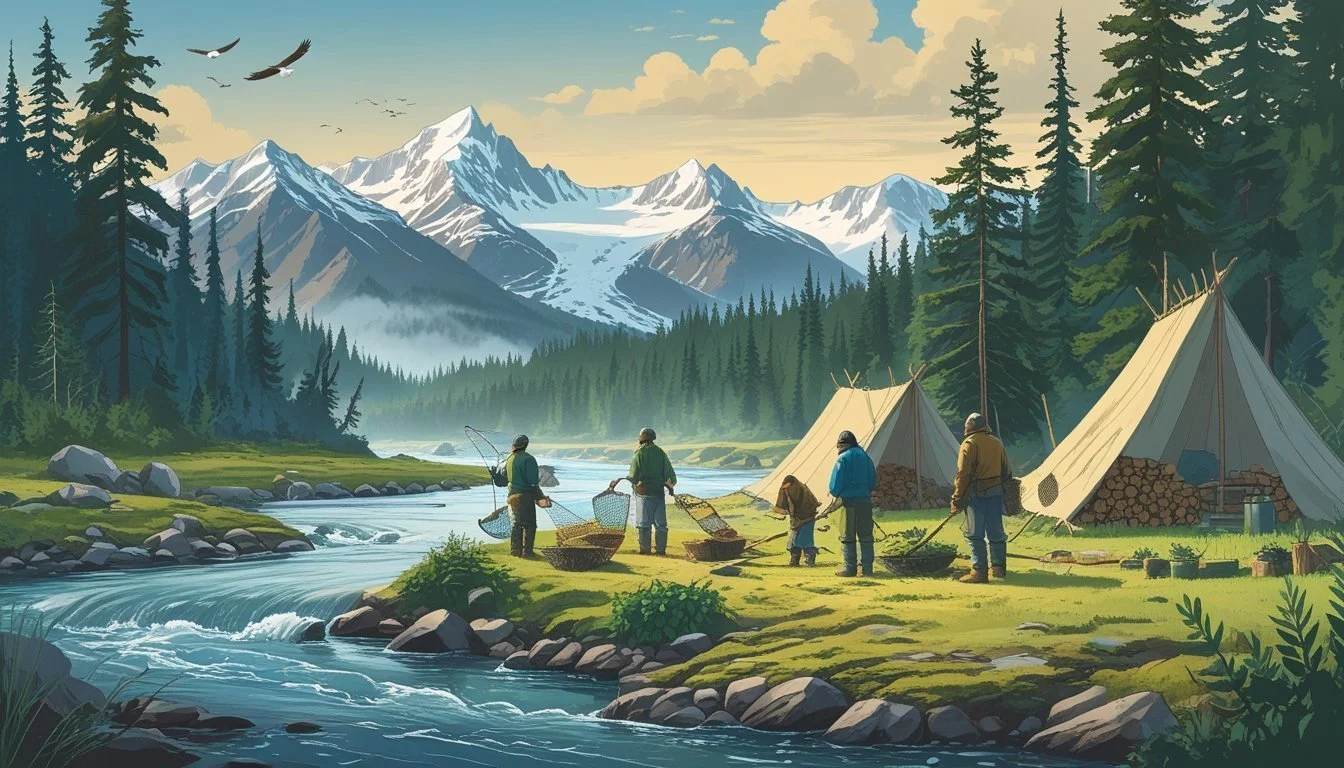
Alaskan Bush People have developed a blend of hands-on businesses and land management practices. Their income and sustainability depend on a combination of resourceful activities and adapting to life in a remote environment.
Brewing, Farming, and Other Enterprises
The family has experimented with small-scale brewing, taking advantage of Alaska’s unique regulations that allow for certain personal uses. While not a large-scale operation, it represents one way they diversify income and utilize available natural resources.
Farming serves as a cornerstone for food production. The Browns grow vegetables and fruits suited for harsh climates, including potatoes, carrots, and greens. This reduces dependence on external supplies.
Other ventures have included crafts, carpentry, and guiding services for tourists. Several family members sell goods or document experiences, further supporting their off-grid lifestyle. These activities, combined with hunting and fishing, build a mixed economic base that is essential for long-term survival.
Fencing and Land Management
Fences are necessary for both protecting crops and controlling animals. The Browns construct their own fences using timber and reclaimed materials, adapting designs to handle wildlife such as bears and moose.
Proper fencing prevents loss of livestock and crops, which are both critical for sustainability. Attention to durability and placement ensures maintenance requirements remain low, especially during severe weather.
Land management extends beyond fencing. The family develops infrastructure such as cabins and storage sheds, often building by hand. Responsible resource use and rotating grazing areas protect the landscape from overuse, showing a practical approach to living off-grid in Alaska.
Influence of the Brown Family Beyond the Bush
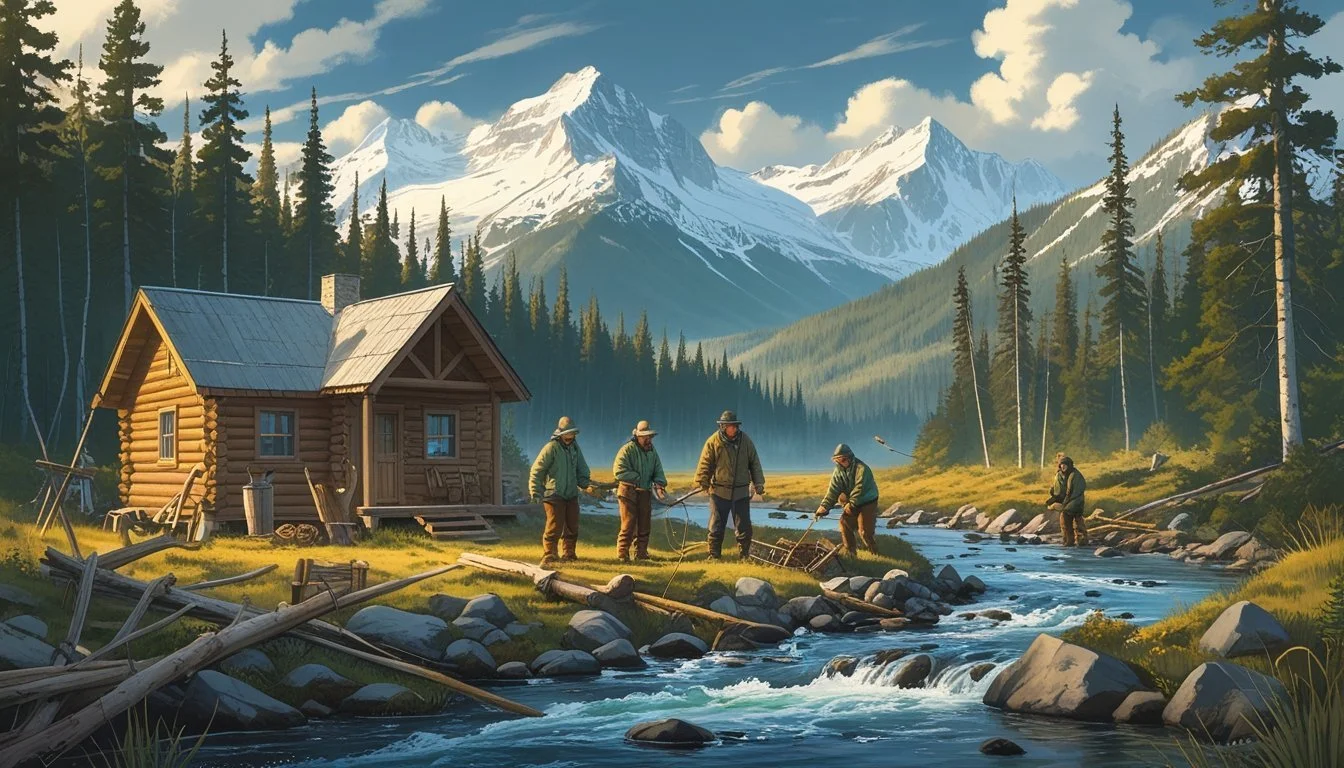
The Brown family’s reach extends far beyond their homestead, shaping perceptions and interactions in their community and across media. Their activities influence local economies and have prompted engagement from public figures.
Public Image and Media
The Brown family's portrayal on “Alaskan Bush People” introduced millions to off-grid, subsistence living. Their show has consistently ranked among Discovery Channel’s top reality programs, drawing significant attention to their lifestyle and choices.
This spotlight has led to debates regarding the authenticity of their bush credentials and family backstory. Questions raised by both viewers and forums extend from their Alaskan residency to the veracity of on-air events. Despite scrutiny, the Browns have maintained a loyal following.
Media coverage often contrasts romantic images of frontier endurance with reports about legal issues or time spent outside Alaska. This push and pull shapes not just fan perception, but also the broader cultural narrative around rural and isolated living in America.
Engagement with Politicians and Public Figures
The Brown family’s television presence has led to periodic interaction with local and state officials. When filming in Washington near the Grand Coulee Dam, permits and regulatory compliance required direct correspondence with agencies and community leaders.
Political figures in Alaska and Washington have occasionally referenced the Browns in discussions about rural development or resource use. Public statements from government officials, though rare, tend to focus on the family’s impact on tourism and their representation of rural residents.
While no major political endorsements have been linked to the family, interactions with local community organizers and regional advocacy groups have occurred, especially in the context of filming locations and public events.
Impact on the Local Economy
“Alaskan Bush People” attracts visitors to filming areas such as Omak, the vicinity of the Grand Coulee Dam, and smaller communities like Peck. Tourists sometimes seek out these areas hoping to glimpse the Bush lifestyle or meet cast members.
Businesses near filming locations report increased demand for lodging, dining, and guided tours during production seasons. Some local entrepreneurs have incorporated the show’s fame into their offerings, creating themed souvenirs and experiences.
The Browns' spending on supplies and services during film shoots boosts revenue for local vendors. However, the show’s impact on long-term employment or economic stability in these regions remains modest, as most benefits are seasonal or tied directly to filming.
