
The Psychological Toll of Bush Living in Alaskan Bush People
Understanding the Mental Health Challenges of Remote Life
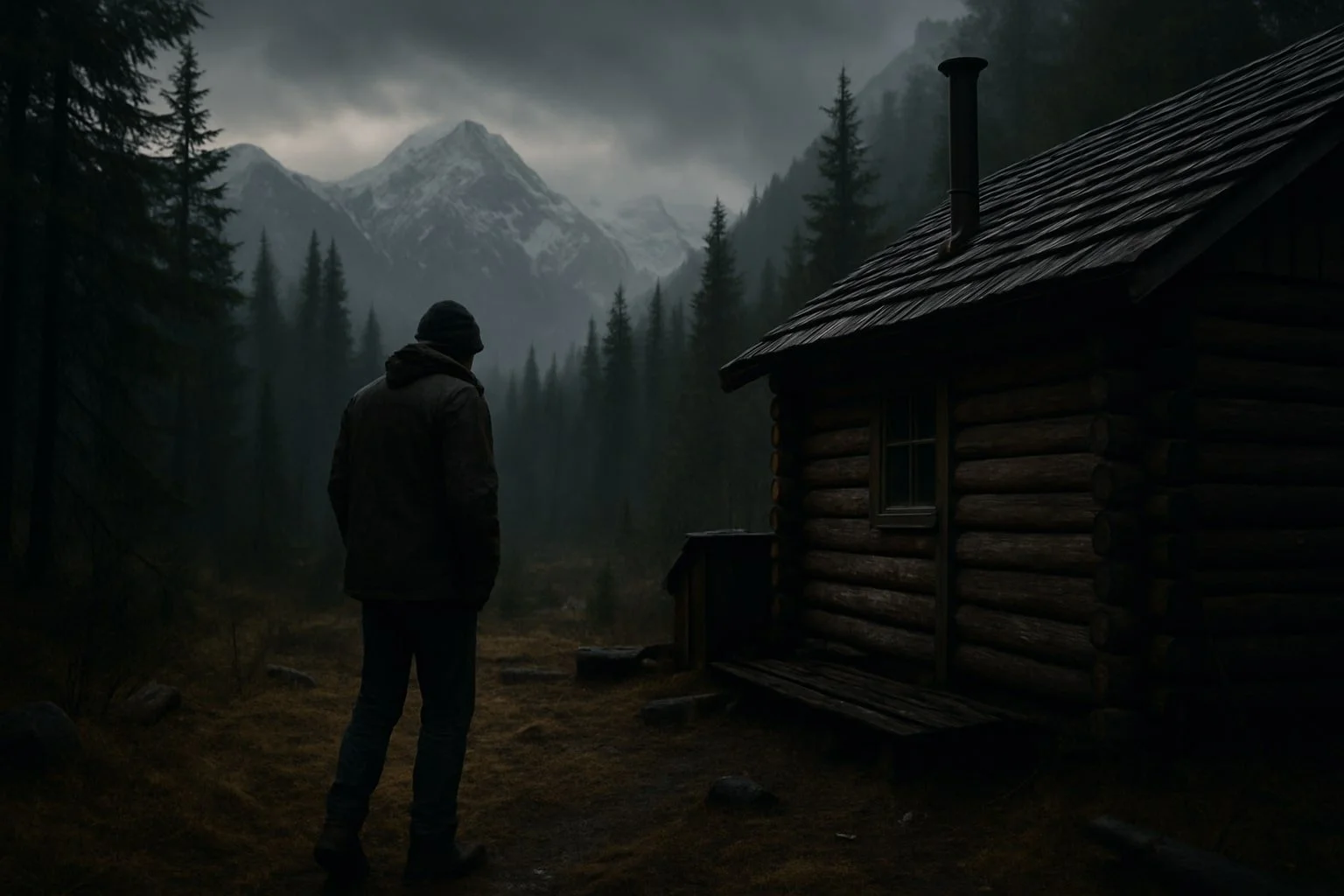
Life in the Alaskan wilderness, as portrayed in Alaskan Bush People, can have a significant psychological impact on those who embrace its isolation and challenges. Residents in remote areas like those depicted on the show experience higher rates of mental health conditions such as depression, anxiety, and post-traumatic stress disorder.
The emotional toll of bush living is seen not just in statistics, but in the daily struggles portrayed by the Brown family. The lack of access to traditional support systems, ongoing uncertainty, and harsh living conditions contribute to a landscape where mental health is a daily concern.
Exploring the psychological challenges faced by the Alaskan Bush People reveals the true cost of remote living, shining a light on issues often left unspoken behind the dramatic wilderness lifestyle.
Understanding Bush Life in Alaskan Bush People
Daily life for the Alaskan Bush People is shaped by the demanding conditions of remote Alaska. Survival requires significant effort and resilience as the family contends with environmental hazards, self-sufficiency, and profound isolation.
The Reality of Wilderness Living
Alaska’s bush is marked by extreme weather, inaccessible terrain, and minimal infrastructure. The Brown family, as shown on the Discovery Channel, contends with snow, rain, and freezing temperatures that can last for months.
Living so far from modern amenities means that basic needs such as warmth, shelter, and food require constant attention. The family builds and repairs their own homes, often with limited tools or supplies.
Emergencies, whether medical or environmental, pose serious risks due to the long distances from help. Adapting to this environment requires both practical skills and mental toughness.
Living Off the Land and the Grid
Alaskan Bush People depicts a lifestyle centered on off-the-grid survival. The Browns hunt, fish, and gather wild plants for food, relying on seasonal cycles and knowledge of the land.
They generate electricity through small-scale solutions like solar panels and generators. Water is often collected from streams or wells and purified by hand.
Their reliance on handcrafted solutions and manual labor extends to transportation, heating, and food storage. Lists of daily tasks usually include:
Chopping wood
Mending clothing
Checking traps
Maintaining equipment
This level of independence is physically exhausting and mentally demanding, as survival depends on their own resourcefulness.
Isolation in Remote Areas
Geographical isolation is one of the most challenging aspects of bush living for the Brown family. Distances between bush settlements can be vast, with harsh weather making travel difficult or impossible during winter.
Social contact is minimal, largely limited to immediate family. The Browns experience stretches of time without face-to-face contact with outsiders, which can impact mental health and emotional well-being.
Loneliness and the absence of support services are common struggles for those living in Alaska’s wilderness. Connection to the outside world is often maintained only through sporadic trips into town or via radio and limited internet access.
The Brown Family’s Unique Challenges
The Brown family’s life in the wilderness introduced many psychological hurdles. Living on North Star Ranch required ongoing adaptation, with personal and family pressures frequently intensified by their isolated environment.
Family Dynamics and Authenticity
The “Wolf Pack” label for the Browns highlights their reliance on each other, but close-knit living strained relationships. Billy Brown, as the patriarch, enforced his vision of bush living, shaping strict family roles and routines that sometimes clashed with individual needs.
Authenticity became a recurring topic for both viewers and the Browns themselves as filming continued. Public scrutiny questioned how much of their daily life was genuine versus dramatized for television. This outside attention weighed heavily, often challenging the family’s sense of identity and unity.
Ami Brown’s health struggles further complicated dynamics, as support roles shifted and tested family cohesion. Disagreements, particularly between siblings like Matt and Bear, would sometimes escalate, reflecting the unique interpersonal stress of their secluded lifestyle.
Individual Struggles of Family Members
Different family members faced specific psychological challenges. Matt Brown, for example, publicly struggled with substance abuse, which led to his temporary separation from the group and highlighted the difficulty of managing personal issues away from typical support systems.
Rain Brown, the youngest, was candid about her experiences with depression and anxiety after the death of her father, Billy Brown. Her openness brought mental health awareness to the show’s audience and helped dispel stigmas related to emotional difficulties in unconventional settings.
Ami Brown’s cancer diagnosis introduced long-term uncertainty that deeply affected each member. Noah, Bear, Gabe, and Snowbird all responded in their ways: some shouldering extra duties, others seeking refuge in creative projects or personal relationships. Isolation, intense workloads, and shifting family responsibilities contributed to emotional exhaustion among siblings.
Adapting to North Star Ranch
The move from Alaska to North Star Ranch in Washington represented a significant transition. Environmental changes meant the Browns faced new survival challenges, which required acquiring new skills and adapting traditional routines.
This shift forced the family to process grief both for what they left behind and for the loss of Billy Brown, who was central to their identity. Each member had to redefine their role within the family and the context of North Star Ranch’s demands.
Logistical hurdles—such as building infrastructure, sourcing food, and dealing with regulatory constraints—created continuous, low-level stress. Adapting to new community expectations and legal pressures also affected the Browns’ outlook and mental well-being.
Family Member Key Psychological Challenge Billy Brown Responsibility as patriarch Ami Brown Coping with cancer, health fears Matt Brown Substance issues, isolation Bear Brown Relationship tensions Gabe Brown Increased responsibilities Noah Brown Adapting to fatherhood Snowbird Brown Emotional burden, solitude Rain Brown Depression, anxiety, loss
Mental Health Implications of Remote Living
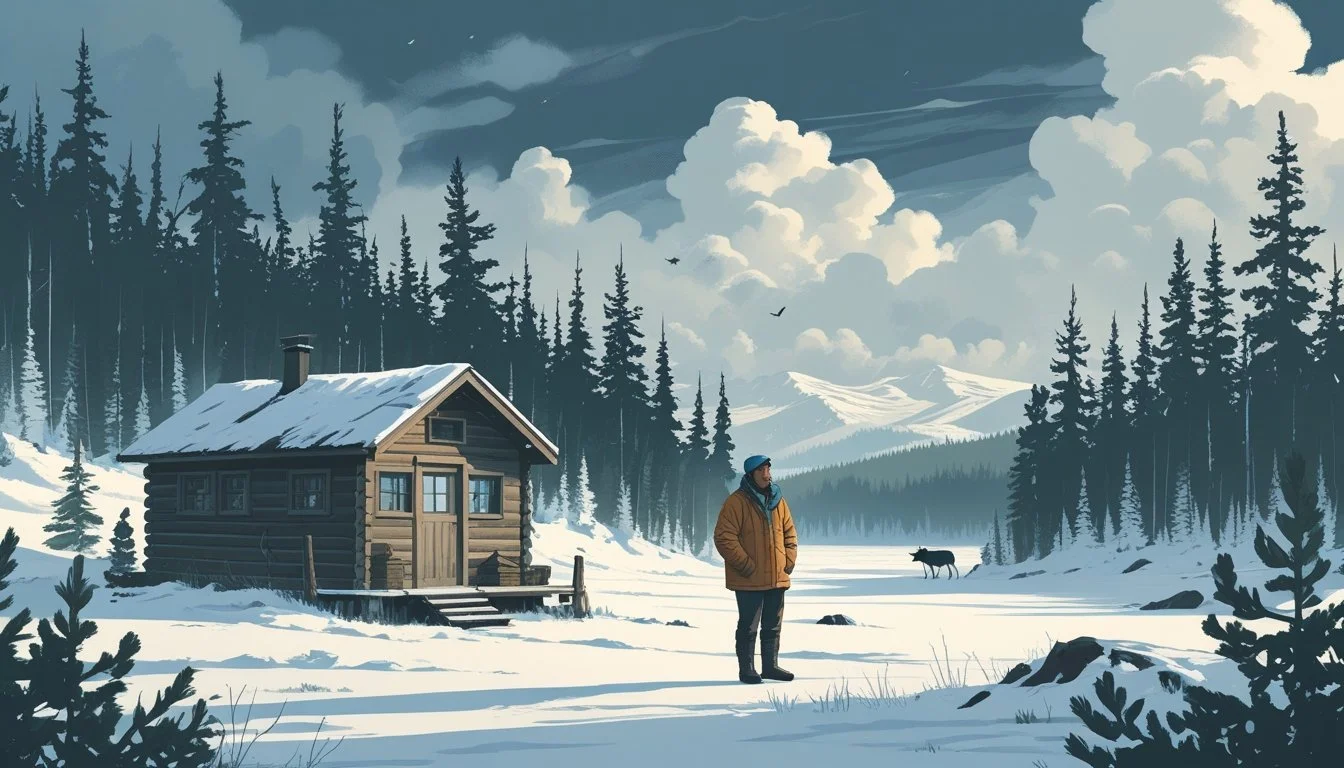
Living in remote Alaskan wilderness poses significant mental health challenges for individuals, especially due to limited social contact and extreme environmental conditions. The effects of these factors are not only psychological but can also contribute to physical health struggles over time.
Isolation and Social Connections
Residents in remote areas such as those depicted in Alaskan Bush People often experience profound isolation. Physical distance from wider communities and family members can result in fewer opportunities for social interaction. This isolation may increase feelings of loneliness, leading to emotional distress and reduced well-being.
Social connections play a crucial role in supporting mental health. Without regular contact with friends, peers, or professionals, individuals might find it difficult to cope with daily stresses. Studies show that limited social support is linked to increased risk of anxiety and depression.
To combat isolation, many try to form close bonds within their small communities or family units. However, if relationships are strained or support systems are inadequate, the risk of mental health problems can rise. Maintaining these connections is vital for both psychological and physical health, helping buffer against the effects of chronic loneliness.
Depression and Seasonal Affective Disorder
The remote Alaskan environment, with its long winters and limited sunlight, increases vulnerability to depression and seasonal affective disorder (SAD). Reduced daylight hours can disrupt circadian rhythms, affecting sleep patterns and energy levels.
SAD is a form of depression that is directly linked to seasonal changes. Symptoms may include persistent sadness, fatigue, and difficulty concentrating. For bush residents, these symptoms are often compounded by the lack of access to mental health resources and healthcare providers.
Depression in such settings can also result from repeated exposure to stress, physical hardship, and limited recreational outlets. Addressing these challenges may involve the use of light therapy lamps, scheduled routines, and efforts to remain socially engaged within the household. Seeking help is difficult in isolated areas, so preventative strategies are especially important.
Health Issues and Coping Strategies
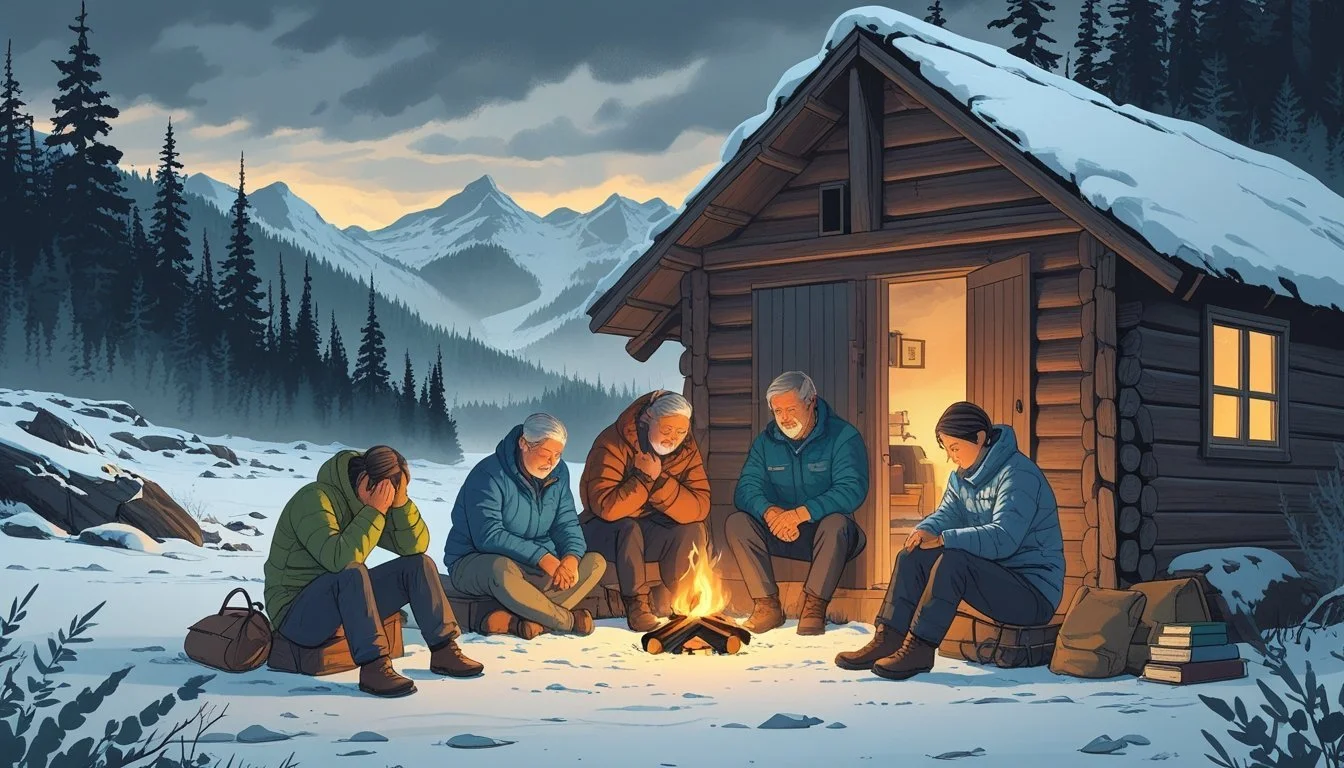
Bush living in Alaska often leads to serious health concerns, including addiction and chronic medical issues. Residents face unique challenges that require targeted coping methods and support systems.
Substance Abuse and Rehab
Isolation, harsh living conditions, and limited healthcare access contribute to a higher risk of substance abuse among people living in the Alaskan wilderness. Alcohol and prescription drug misuse are especially common, as individuals turn to substances to cope with stress and loneliness.
Rehabilitation options in rural Alaska are often limited:
Challenge Impact on Residents Limited clinics Delays in treatment; reduced support Stigma around seeking help Fewer people pursue rehab services Harsh climate Restricted travel to rehab facilities
Coping strategies include local peer support groups, telehealth counseling, and family involvement. Community-based programs offer culturally sensitive approaches for Alaska Native populations, who are at higher risk for substance misuse.
Lung Cancer and Physical Health Challenges
Harsh environmental factors, such as exposure to smoke from wood stoves and outdoor fires, can increase the risk of lung diseases, including lung cancer. Smoking rates remain high in many rural communities, further raising health risks.
Physical health in the Alaskan Bush is challenged by remote locations, which make early diagnosis and consistent treatment difficult. Residents often must travel long distances for medical care.
Key physical health issues seen in these areas include:
Respiratory illnesses (lung cancer, chronic bronchitis)
Injuries from daily survival activities
Consequences of untreated chronic diseases
Supporting physical health requires mobile clinics, public health education, and regular screenings when possible. Family support and self-management are essential due to the limited availability of professional healthcare services.
Impact of Wildlife and Environmental Hazards
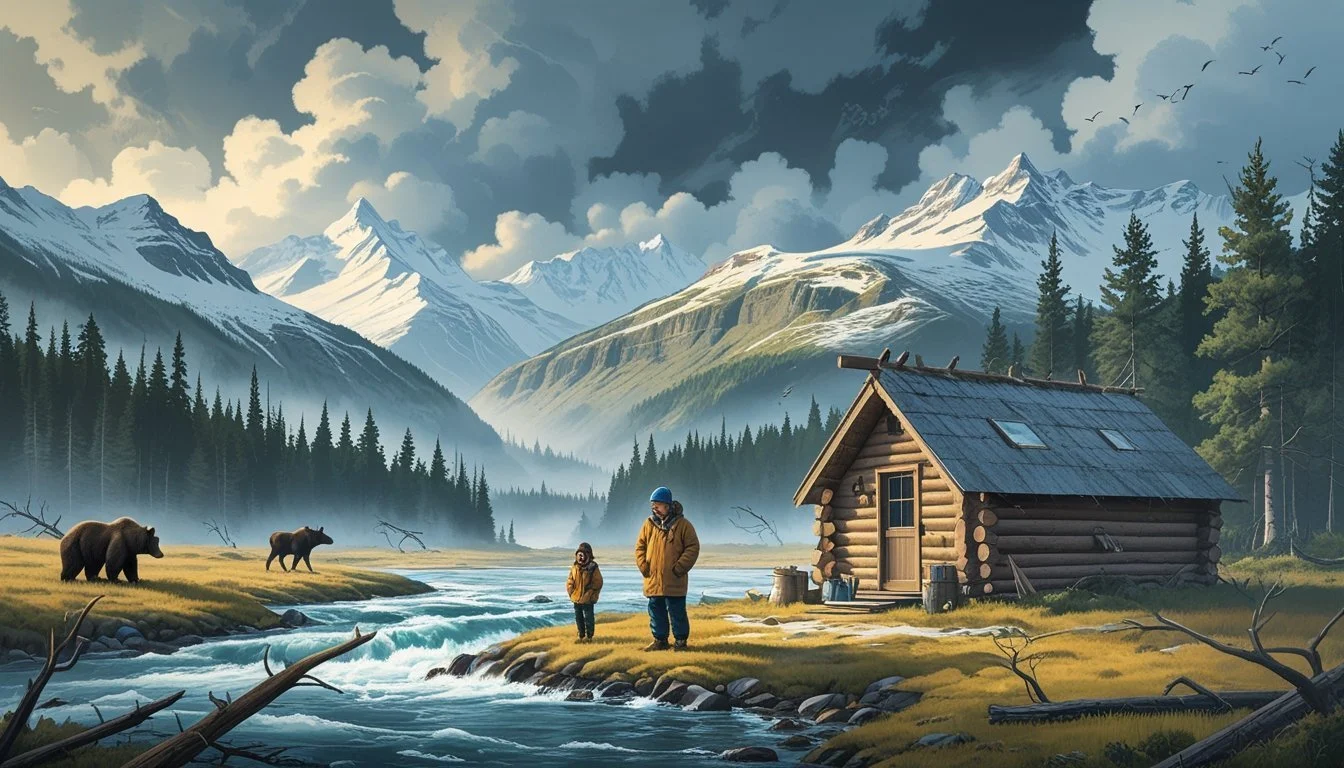
Bush living in Alaska brings residents face-to-face with unpredictable wildlife and unforgiving natural conditions. Both threats require constant vigilance and can have lasting psychological impacts, especially when daily routines and safety are affected.
Wildlife Encounters
In the Alaskan wilderness, animal encounters are a frequent reality. Bears, wolves, and moose pose risks not only to personal safety but also to livestock and property. Families must adapt their behavior, such as storing food securely and avoiding certain areas during specific seasons.
Repeated exposure to wildlife threats leads to heightened anxiety and a persistent sense of alertness. Fear of surprise encounters can disrupt sleep and alter usual routines. Teaching children about animal safety becomes essential, adding stress for parents who must balance caution with normal development.
Wilderness living also means witnessing predatory behavior or injuries to animals. These events can leave emotional scars, foster feelings of helplessness, or cause sadness, especially when personal animals are involved. Over time, people may develop a cautious or wary mindset that shapes their relationship with the environment.
Surviving Harsh Weather Conditions
Alaskan weather is unpredictable, with extreme cold, strong winds, and heavy snowfall. Preparing for blizzards or rapid temperature drops is a constant part of life. Homes require insulation and regular maintenance to withstand the elements.
Extended storms and isolation can lead to feelings of cabin fever or frustration. Limited sunlight during winter months may contribute to Seasonal Affective Disorder (SAD), which includes symptoms like low mood, fatigue, and social withdrawal. These mental health effects can be compounded by limited access to professional support.
Daily activities, such as gathering food or maintaining property, become physically and mentally demanding. The pressure to remain prepared can lead to chronic stress. When facing long bouts of severe weather, community bonds become vital support but can be strained under continuous hardship.
Technology, Social Media, and Public Scrutiny
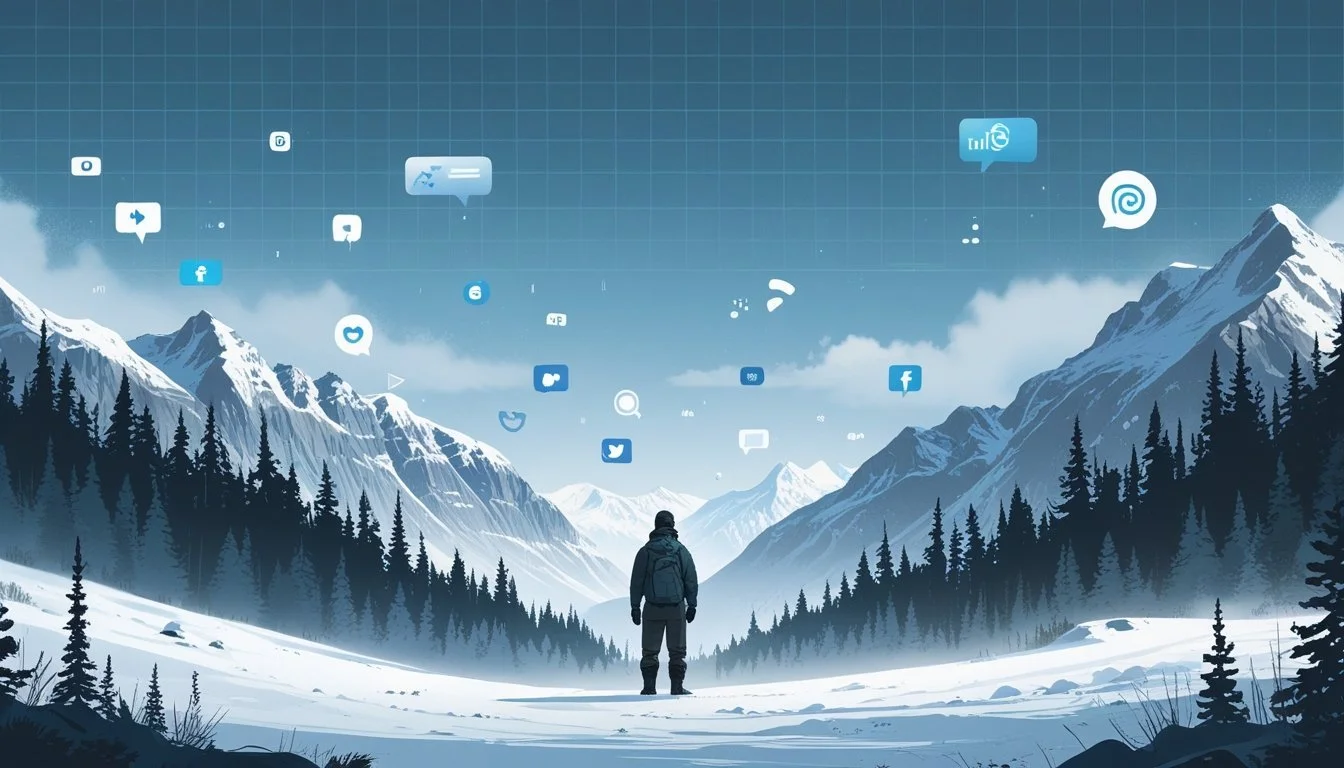
The presence of technology and social media has altered the personal and public experiences of those living in bush settings for television. Reality show participants, especially in series like "Alaskan Bush People," face unique psychological challenges as a result.
Navigating Social Media Exposure
The Brown family uses platforms such as Instagram and Facebook to communicate with viewers and manage their public image.
Benefits of Social Media:
Direct engagement with fans
Opportunity to share their narrative
Increased visibility for the show
However, constant exposure leaves them vulnerable to public criticism and online shaming. Posts and updates can attract praise, but they can also result in negative comments and widespread judgment.
This scrutiny may lead to increased anxiety, self-consciousness, and a feeling of pressure to meet audience expectations. Social media feedback can shape how cast members view themselves and their choices, sometimes affecting their mental well-being.
Risks include:
Exposure to harassment
Amplified personal mistakes
Difficulty separating personal life from public persona
Behind-the-Scenes Reality Show Pressures
Producing a reality show in the Alaskan wilderness involves careful planning and significant stress behind the scenes.
Cast members balance real bush living with demands such as filming schedules, reshoots, and staged moments. Technical needs, including the use of cameras, microphones, and generators, introduce modern routines into their daily lives.
Filming often interrupts daily survival tasks, such as gathering food or maintaining shelter. This can create tension and disrupt the natural rhythm of life in the bush.
Producers may encourage dramatic scenes or conflicts to maintain viewer interest, further increasing psychological strain. These behind-the-scenes elements contribute to a less authentic experience, as cast members navigate both their environment and the demands of reality television production.
Resilience and Overcoming Adversity
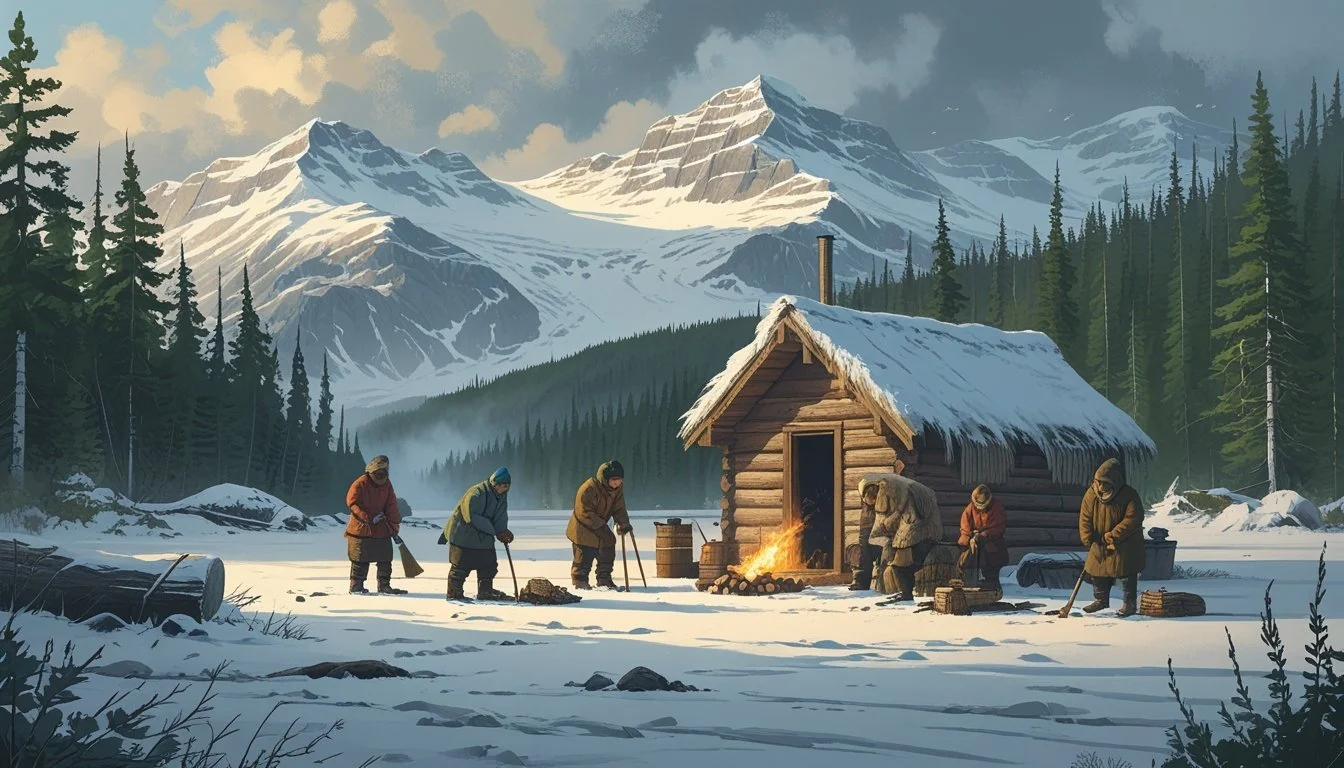
Life in the Alaskan wilderness forces the Brown family to confront both environmental and psychological hardships. Adapting to isolation, unpredictable weather, and health struggles requires consistent mental strength and inventive problem-solving.
Coping Mechanisms Within the Brown Family
The Brown family uses a range of coping strategies to manage the stress of remote living. They rely heavily on familial support, often talking through anxieties and setbacks as a group.
Shared rituals—such as communal meals, group chores, and storytelling—reinforce a sense of unity and purpose. Creativity also plays a major part in their resilience. Family members find ways to distract from adversity, such as by crafting new tools, building shelters, or engaging in small-scale celebrations.
Ami Brown’s public health struggles, including her battle with cancer, have brought emotional strain. The family addressed these difficulties openly, taking practical steps to support her medical care while maintaining optimism. Chronic stress and sudden health crises are managed through a focus on daily routines and acceptance of challenges.
Lessons in Adaptation and Survival
The Browns demonstrate adaptability in adjusting their behaviors to meet the shifting demands of their environment. Each member is assigned roles and responsibilities based on their skills, which minimizes conflict and builds self-efficacy.
The necessity to secure food, maintain shelter, and handle medical needs promotes resourcefulness. For example:
Constructing alternative energy systems
Learning wilderness first aid
Developing seasonal food stores
Adaptation is not just practical but psychological. They cultivate patience and flexibility, which are essential for overcoming setbacks like injuries or harsh weather. Observing the Browns’ strategies reveals how repeated exposure to adversity can strengthen mental endurance over time.
