
Every Poisoning in Breaking Bad Was a Message, Not a Method
Analyzing the Show’s Symbolic Use of Toxins

Every poisoning in Breaking Bad serves as a deliberate signal, carrying a message that shapes the intentions and relationships between characters, rather than simply acting as a tool for killing. In the television series, poison isn’t just about silencing opponents—it’s about influencing allegiances, exposing hidden threats, and sending warnings that words alone cannot.
Breaking Bad’s writers use poisoning strategically, allowing each instance to reveal character motivations and escalate tension in ways that feel calculated and personal. Substances like ricin are chosen not only for their lethality but because they are subtle enough to provoke suspicion or fear without immediate detection, reinforcing the psychological chess game at the show’s core.
The use of poison throughout the series challenges viewers to consider the consequences beyond death itself. By making each poisoning a meaningful act, Breaking Bad stands apart from other television series that rely on violence as a blunt instrument, crafting a narrative where every silent dose leaves an impact that lingers far beyond the scene.
The Role of Poisoning in Breaking Bad’s Narrative
Poisonings in Breaking Bad serve as more than just plot twists or methods of murder. Each instance deliberately communicates character motivations, tests the ethical boundaries of those involved, and forces viewers to confront questions about responsibility and consequence.
Symbolism and Messaging
Poison acts as a reflection of the moral decline throughout the series. Walt’s use of ricin, for example, is never impulsive; it communicates intent and a cold, calculated resolve. The meticulous preparation of poisons stands in contrast to the chaos they unleash, signaling that actions within the show are rarely without layers of meaning.
Key Examples:
Ricin: Symbolizes unseen threats and secrets.
Lily of the Valley: Marks Walt’s willingness to harm the innocent to manipulate outcomes.
Even Vince Gilligan, the series creator, described poison as “a message” rather than just a method. When Walter poisoned Brock, he sent a message to Jesse that blurred lines between necessity and cruelty, making viewers question the ethics of each decision.
Motivations Behind Poison Use
Characters use poison not for convenience but out of necessity or as an expression of control. For Walt, poisoning is often a last resort—a way to overcome insurmountable odds without direct confrontation. This choice highlights not only his intelligence but also his descent into a world where ethical boundaries are constantly tested.
The use of poison allows characters to avoid immediate suspicion and distance themselves from their actions. Each poisoning in Breaking Bad underscores responsibility for the aftermath, with consequences that ripple through relationships and alliances. The audience witnesses how morality shifts when characters are pressed to act under threat, revealing their true motivations.
Contrasting Methods and Messages
Unlike gun violence or physical aggression, poison operates covertly. This subtlety distinguishes it from other methods used in the show and elevates the act to a form of psychological warfare. It is less about the act itself and more about the message sent to intended targets and witnesses.
For example, Walt’s poisoning of Lydia through stevia demonstrates calculated precision, with the method chosen specifically to reach her without warning. Each choice of poison—its method of delivery, effects, and aftermath—serves to communicate specific threats, betrayals, or warnings. These contrasts underscore how Vince Gilligan’s narrative choices force both characters and viewers to confront moral and ethical dilemmas with no clear answers.
Key Poisoning Events and Their Underlying Messages
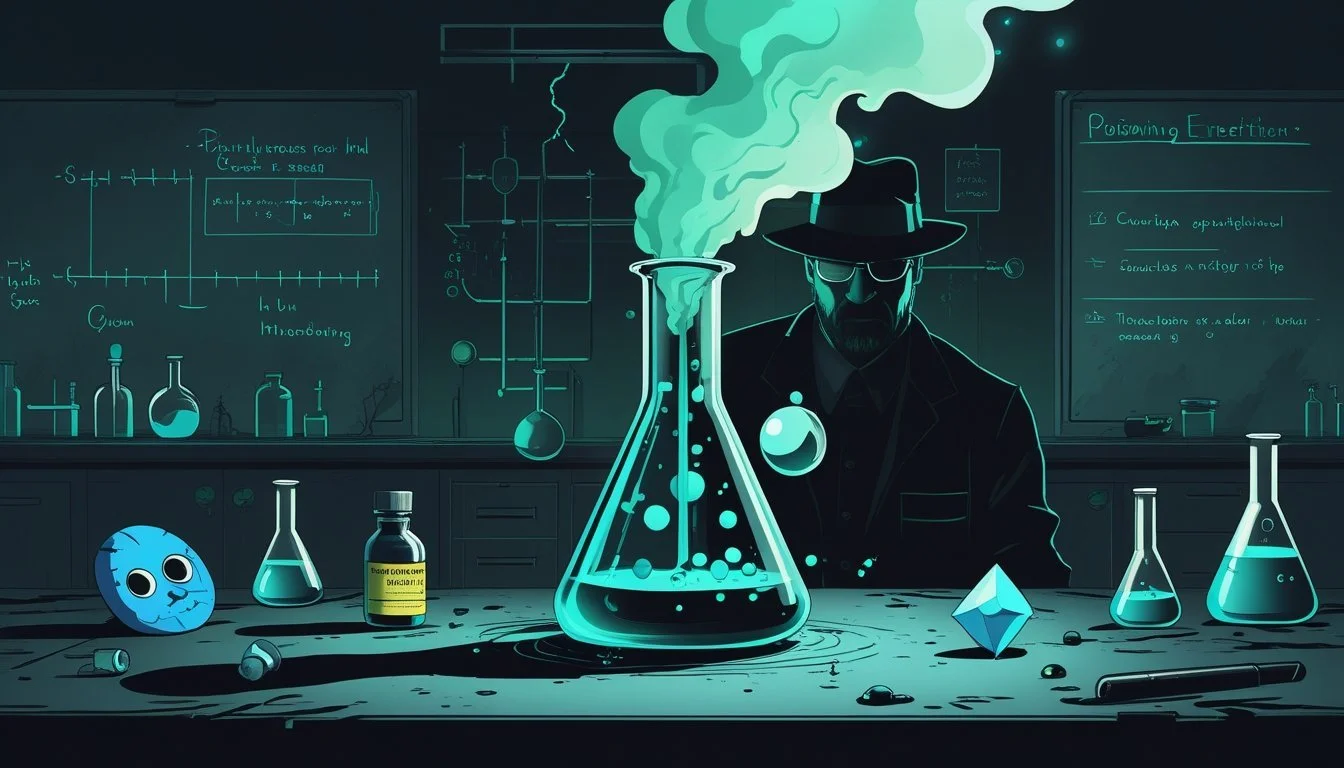
In Breaking Bad, each poisoning event uncovers a layer of motive, reflecting themes of power, manipulation, and consequence. These acts always double as statements by Walter White—Heisenberg—who uses poison not just as a method, but as a deliberate tactic to send messages or shift the balance of control.
Jane Margolis and the Power of Inaction
Walter White's indirect role in Jane's death signals his evolution into Heisenberg. He witnesses Jane’s overdose but chooses not to intervene, allowing her to die. This act is not about the drug itself; it is about Walter’s use of inaction as a form of control.
This decision is a message to Jesse Pinkman and himself—Walter now prioritizes his meth operation and Jesse’s “potential” over individual lives. The moment highlights Walter's capacity for calculated restraint and chilling detachment.
For the viewer, this demonstrates how poison can be passive. The scene’s power lies in what is withheld rather than administered, emphasizing manipulation through omission.
The Use of Ricin: Intent Versus Effect
Ricin serves as a recurring element, symbolizing Walter's willingness to resort to scientific precision in eliminating threats. Walter constructs elaborate plans involving ricin, targeting individuals like Tuco Salamanca, Gus Fring, and Lydia Rodarte-Quayle.
Often, the poison is never used as intended; the plan is revealed, and suspicion, paranoia, or misdirection follows. For example, Jesse is led to believe ricin was used in Brock's poisoning, driving a wedge between him and Walter. This manipulation speaks to Heisenberg’s skill in deception, using the threat of ricin as psychological warfare rather than physical action.
The ricin motif underscores how knowledge of protein synthesis and chemistry becomes a weapon, shaping relationships and power structures, not just outcomes.
The Lily of the Valley Incident
When Brock is poisoned with a compound derived from lily of the valley, the plot reveals Walter’s readiness to harm innocents to achieve his objectives. The poison is subtle—mirroring Walter's own transformation—causing severe illness but not immediate death.
This event is a message to Jesse and everyone else: no one is untouchable when Heisenberg seeks his goals. Walter’s deception here is multifaceted. He appropriates suspicion toward ricin, masking his true method and further manipulating Jesse.
The calculated use of a common plant also illustrates Walter’s deepening moral decay, as he leverages knowledge and trust to orchestrate suffering. The act is shaped less by necessity and more by cold ambition, blurring lines between justice, karma, and personal vendetta.
The Symbolic Showdown: Gustavo Fring and Stevia
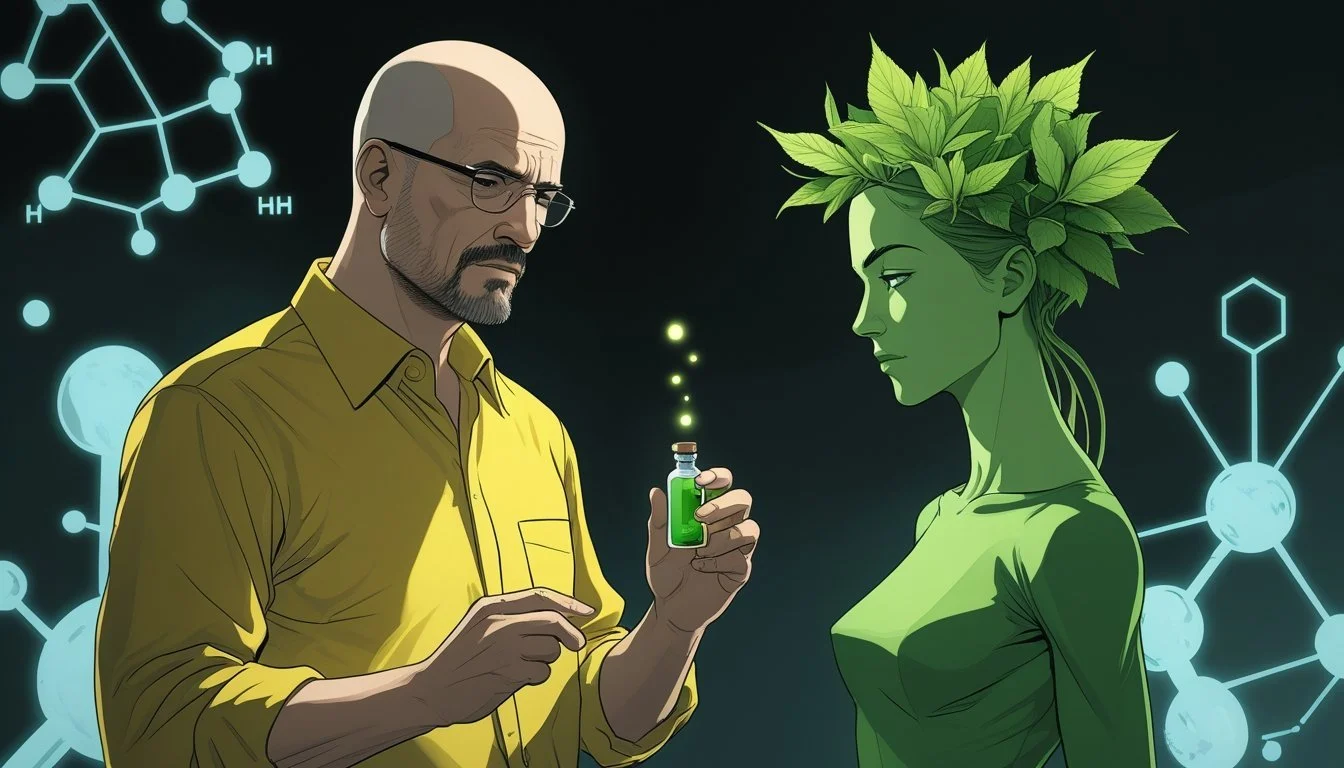
Gustavo Fring’s final encounter is marked by precise actions and quiet symbolism, capturing the essence of control and retribution that defined his character. The use of Stevia in the poisoning scene operates as both a practical device and a meaningful narrative signal.
Stevia as a Narrative Clue
The small, unassuming Stevia packet becomes a crucial detail during the confrontation between Lydia Rodarte-Quayle and Walter White in Season 5. Lydia, known for her meticulous routines, always requests Stevia in her tea. Viewers familiar with her habits immediately notice when she adds Stevia to her drink, raising suspicions.
Walter’s decision to use the Stevia packet as the delivery method for ricin relies on Lydia’s predictable behavior. The scene points to careful orchestration, highlighting that methodical observation can be a weapon. The audience is left to piece together the significance of the sweetener, turning a mundane object into a harbinger of lethal intent.
Power, Control, and Reckoning
For Gustavo Fring, control was his greatest asset, shown in every calculated move throughout his time on Breaking Bad. His downfall presents a shift in power, with accountability delivered through lethal precision rather than brute force. The use of poison—whether in the fancy tequila or via Stevia—underscores a recurring theme: death comes not just as a consequence, but as a clear message.
Gus’s defeat is mirrored in Lydia’s fate, illustrating how even the most controlled environments can be subverted. Poison becomes a symbolic language of reckoning in the series, with each instance showing how power can be asserted—or lost—through small but decisive acts. The episode frames Gus and Lydia’s ends as statements on the fragility of control.
The Transformation of Walter White Through Poisoning
Walter White’s use of poison in Breaking Bad marks a shift from problem-solving chemistry to ruthless manipulation. Each act of poisoning reflects changes in his ambition and ethical boundaries as he moves deeper into Albuquerque’s criminal world.
From Chemist to Calculated Manipulator
At first, Walter White applies his chemistry skills to create meth for his family's financial security. His early actions operate within survival mode, but as he encounters threats, he repurposes chemistry for strategy and control.
Poison becomes his signature. With Ricin, he plans to kill Tuco Salamanca, and later Brock Cantillo is covertly poisoned to manipulate Jesse Pinkman. Each instance is precise, not just effective, but symbolic—a message understood by those involved.
Walter’s transformation is evident in his poisonings. They’re not impulsive attacks but orchestrated acts, often engineered with an audience in mind, either to instill fear or force decisions. By embedding meaning in the act itself, he distances himself from physical violence while demonstrating his intelligence and dominance.
Ambition, Morality, and the Erosion of Ethics
Ambition pushes Walter beyond initial justifications. Every step further into Albuquerque’s underworld—every poisoning—blurs the line between necessity and self-interest. Breaking his original moral code becomes easier as the stakes rise.
He never poisons randomly; each victim has narrative weight. Jane Margolis’s death is indirect, but the poisoning of Brock is a calculated move that exploits a child’s vulnerability to gain Jesse’s trust. These acts illustrate Walter’s moral decline.
Over time, Walter’s view of right and wrong narrows to what advances his goals. His willingness to use poison on innocents or unsuspecting enemies reflects a shift from family protector to self-serving manipulator. Each poisoning is a manifestation of eroded ethics and growing ambition.
Consequences and Accountability in the Aftermath

Breaking Bad uses poisoning not just as a plot device, but to explore the fallout from decisions and betrayals. The ripple effects extend to the personal lives of characters, forcing them to confront the results of their choices and the responsibilities they carry.
Personal Relationships and Betrayal
Poisoning incidents often act as turning points for relationships in Breaking Bad. When Walter White poisons Brock, he manipulates Jesse Pinkman’s emotions and trust. This event strains their partnership and reveals how deceit corrodes even close alliances.
Betrayals tied to poisoning leave lasting damage. Walter’s actions isolate him from both Jesse and his family. These choices highlight how relationships can be irrevocably altered by a single act, with trust rarely restored once broken.
Intentionally harming others as a message rather than a necessity intensifies the betrayal. The show repeatedly demonstrates that the personal cost of sending these messages—often through poisoning—is high. Each betrayal compounds, creating isolation for the perpetrator and shifting dynamics among all involved.
Responsibility for Choices and Actions
Breaking Bad makes clear that no action is consequence-free. Walter relentlessly rationalizes his methods, insisting each poisoning serves a greater good or necessity. However, the responsibility for harm done cannot be escaped, no matter how much he tries to justify his actions.
Characters are held accountable in direct and indirect ways. Law enforcement, rival criminals, and family all serve as mirrors to the consequences of choices made. Walter and others experience loss, guilt, and distrust as a result of their decisions.
The show illustrates that attempts to send messages through harm only lead to more complex repercussions. Actions have permanent effects—for every message delivered via poison, there is an equal demand for accountability. No character emerges unscathed from these moral choices.
Legacy, Karma, and the Impact on Breaking Bad’s World
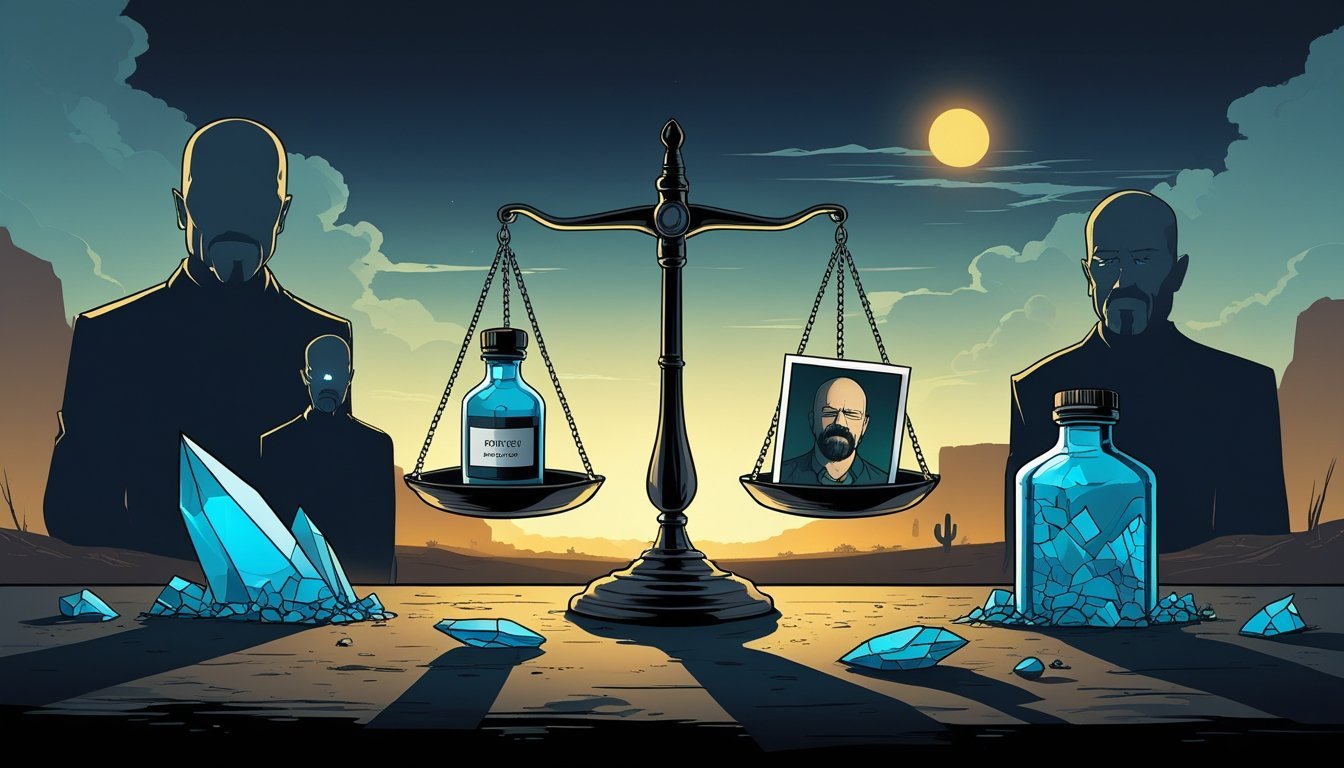
Acts of poisoning in Breaking Bad are rarely simple tools of violence. Each incident reveals deeper truths about power, deception, and the moral costs that shape every character’s fate.
Deception as a Reflection of Character
Deception is central to how characters like Walter White assert control and shift power dynamics. His use of poison is always calculated, targeting not just his enemies’ bodies, but their trust and relationships. Whether it’s ricin hidden in a cigarette or poisoning a child to manipulate Jesse Pinkman, each act demonstrates his willingness to use secrets as weapons.
Walt’s actions bring long-term repercussions. He sacrifices honesty for temporary advantage, leading to a complex tangle of lies that reverberate through his family and criminal operations. This pattern is not unique to Walt; Skyler deceives the IRS about the car wash, and Gus Fring carefully maintains a law-abiding persona. Each uses deception for survival or advancement, but the consequences—paranoia, isolation, and guilt—persist.
Karma often manifests as the indirect fallout of these choices. As Walt’s cancer diagnosis returns, it underscores how his pursuit of money and control paradoxically leads to his undoing. The ripple effects of his deceptions are not immediate, but they inevitably catch up, shaping both his legacy and the world he leaves behind.
Influence on Other Characters
The ripple effect of poisoning as a method of deception extends well beyond Walter White. Jesse Pinkman, repeatedly drawn into Walt’s schemes, finds his trust and loyalty weaponized against him. Being manipulated into poisoning or being deceived about such actions deepens his trauma and complicates his sense of agency.
Other characters, such as Skyler, Saul Goodman, and even law enforcement figures, must navigate a landscape where trust is scarce and every choice carries hidden risks. Power and money shift hands as a direct result of deception, not just violence. The psychological impact is evident: characters become more guarded, suspicious, or desperate as the series progresses.
Control becomes fragmented; every act of poisoning sets off new cycles of suspicion and reprisal. The show uses these events to show that in Breaking Bad, choices driven by power and deception perpetuate unstable alliances and lasting consequences, weaving karma through each layer of its world.
