
What Breaking Bad Taught Us About American Masculinity and Modern Identity
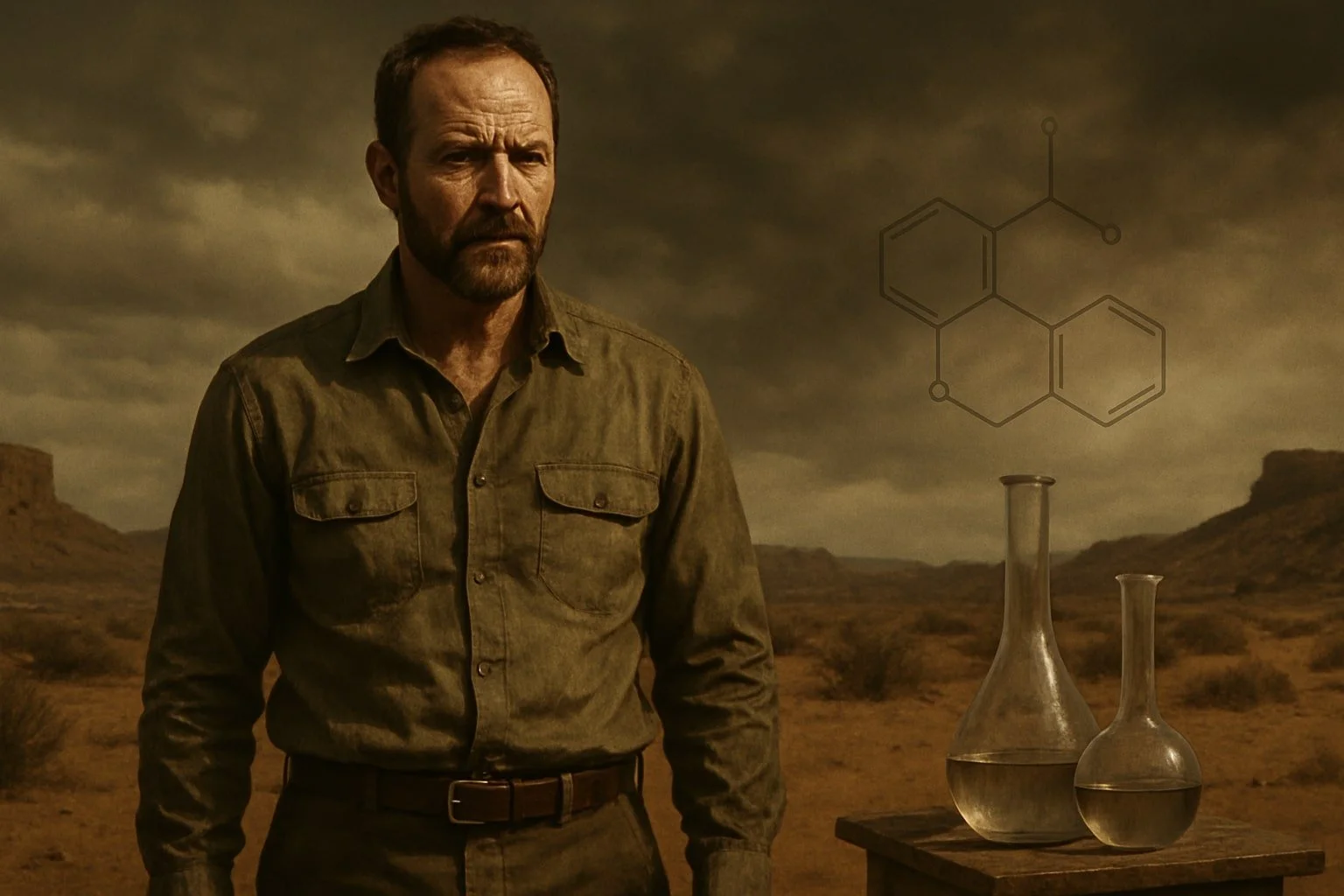
Breaking Bad offers a clear lens into American masculinity, showing how pressure to fulfill traditional male roles can have destructive consequences. The AMC series does not simply follow the story of Walter White's transformation; it critiques the ways men are expected to seek control, power, and respect in American culture.
The show questions what strength and authority mean by presenting characters who struggle to meet masculine ideals in a changing world. Through choices, conflicts, and relationships, Breaking Bad reveals how expectations around masculinity are both constructed and challenged.
Viewers can see how the characters’ desires for dominance and status often bring more harm than reward, providing a sharp commentary on the complexities of being a man in contemporary America.
The Construction of Masculinity in Breaking Bad
Breaking Bad dissects the manifestations of masculinity through its central characters, their struggles with gender roles, and the relentless pursuit of financial security. The show's narrative offers a close look at how societal expectations and money shape, and sometimes distort, concepts of male identity.
Understanding Traditional Masculinity
Breaking Bad repeatedly highlights traditional masculinity through Walter White’s transformation. At the show’s start, Walt exemplifies the archetype of the subdued provider. As crises mount, he turns to assertive, even aggressive, behaviors that align with hegemonic masculinity—emphasizing dominance, strength, and emotional control.
Characters like Hank Schrader embody a more overt form of masculine bravado, fixated on toughness and competence. Walt’s journey underscores how masculinity can involve both internalized ideals and outward performance. The dynamic between Walt and other men, like Jesse and Gus, illustrates how male relationships become stages for competing definitions of power and control.
Key traits of traditional masculinity in Breaking Bad:
Prioritizing stoicism and control
Linking self-worth to competence and authority
Avoiding displays of vulnerability
Societal Pressures and Gender Expectations
Throughout the series, societal pressures force characters to measure themselves against rigid gender expectations. Walt’s sense of failure as a provider is magnified by social scripts that equate masculinity with career success and dominance in the family unit. The cultural theory behind these pressures explains why Walt’s cancer diagnosis and economic hardship feel emasculating to him.
Skyler White, as a counterpoint, exposes limits placed not only on men but also on women, highlighting how gender roles shape both authority and submission within the household. Walt is compelled to act in ways that reflect societal myths: to be the breadwinner, to shield his family, and to never concede weakness.
Social scripts at work:
Men are expected to be emotionally resilient
The primary breadwinner role is seen as essential
Familial authority is conflated with masculinity
Money and Masculinity
Money in Breaking Bad is more than a plot device—it stands as a symbol of masculine identity and power. Walt’s initial pursuit of financial security stems from a genuine concern for his family’s future, but it soon morphs into a marker of self-worth and a tool for asserting dominance. Economic pressures intensify the characters’ struggles, linking masculinity to the ability to provide and accumulate wealth.
The series connects the breadwinner cliché directly to Walt’s sense of masculinity. His success in the drug trade reinforces his identity as a provider, while his failures chip away at his self-esteem. The show lays bare how financial concerns and gender roles intertwine, revealing the vulnerabilities and anxieties beneath traditional masculine façades.
Theme Example in Show Connection to Masculinity Breadwinning Walt’s financial desperation Masculinity tied to economic success Power through money Building the drug empire Control, dominance, respect Gendered expectations Family as motivation Duty to provide stems from gender roles
Walter White’s Transformation and Identity
Walter White’s journey in Breaking Bad examines complex shifts in masculinity, power, and self-image. The development from mild-mannered teacher to ruthless anti-hero reveals how crisis and social expectation interact with personal ambition and ego.
From Teacher to Heisenberg: Transformation Narrative
Walter White begins as a high school chemistry teacher struggling with low pay and limited recognition.
Emasculation from menial work at a car wash and his family's financial stress heighten his sense of inadequacy. When he adopts the criminal persona "Heisenberg," he sheds his previous identity, embracing traits traditionally linked with dominance, aggression, and risk-taking.
This transformation is gradual yet distinct. The use of a pseudonym, altered appearance, and more assertive behavior reflect a pursuit of respect and authority that had eluded him in his personal and professional life. Over time, the boundaries between Walter and Heisenberg blur, making the criminal identity inseparable from his self-concept.
Terminal Cancer as Catalyst
Walter’s terminal lung cancer diagnosis fundamentally shifts his perspective on life and duty.
With only months to live, he sees an urgent need to secure his family’s financial future. The cancer acts as both a practical and psychological justification for illegal actions, reframing self-sacrifice as an expression of masculinity under societal pressures.
Facing mortality intensifies Walter’s sense of powerlessness, but his illness also gives him freedom to reject previous constraints. As he immerses himself in meth production, his behavior becomes more extreme, reflecting both desperation and a new sense of authority born from having little left to lose.
Struggle for Power and Control
Walter’s actions are continually driven by a pursuit of power and control.
Initially, his illegal activities serve his family, but as his criminal enterprise grows, personal ambition and ego become central. He develops a need for dominance over rivals and associates, using manipulation, intimidation, and violence as tools.
His relationship with masculinity becomes increasingly defined by displays of control—over his environment, his business, and those around him. This quest for authority mirrors a broader critique of American ideals, where material success and dominance are seen as measures of self-worth. Walter’s role as anti-hero challenges viewers to confront uncomfortable truths about societal values and masculine identity.
Power Dynamics and Gender Roles in the Meth Empire

Breaking Bad reveals how power, control, and traditional gender expectations shape the actions of those who operate within the criminal drug trade. The show’s meth empire becomes a lens for exploring how masculinity, aggression, and manipulation drive decisions.
Masculinity Within the Drug Trade
Masculinity is central to how power is negotiated and expressed in Breaking Bad’s meth empire. Walter White’s motivation stems from a perceived loss of control and status after his cancer diagnosis and unfulfilling career. He enters the drug business not only for money, but to reclaim dignity and agency.
The drug trade showcases a harsh, hyper-masculine environment. Leadership is asserted through displays of confidence, economic dominance, and strategic planning. Female characters are largely excluded or marginalized, reinforcing traditional gender roles within this criminal culture. Men compete to outdo each other, and success is equated with power and respect.
Key features:
Toughness and bravado valued above emotional openness.
Male characters measure themselves through dominance and financial gain.
Gender roles remain rigid, with limited pathways for women’s authority.
Aggression, Dominance, and Violence
Aggression is normalized as a primary tool for advancing within the meth empire. Conflicts are common and frequently resolved through threats or physical force. Walter, Jesse, Gus, Tuco, and others use aggressive posturing to protect their interests or retaliate against rivals.
Violence becomes a routine business strategy. Intimidation, murder, and coercion are used to secure power and eliminate obstacles within the distribution network. Minor slights or losses of status often lead to escalation rather than de-escalation. This ongoing cycle perpetuates conflict and instability within the drug business.
A clear pattern:
Aggression as a demonstration of masculinity.
Violence answering challenges to authority.
Conflict sustaining the hierarchy and social order of the meth empire.
Manipulation and Complicit Masculinity
Manipulation is another means by which characters maintain and expand power. Walter White, in particular, uses deceit, persuasion, and emotional leverage to influence allies and enemies alike. He exploits loyalty and weaknesses to manipulate others into compliance.
Complicit masculinity refers to how other men enable or participate in these power structures, even when questioning them privately. Jesse Pinkman, for example, often struggles with guilt but remains tied to cycles of manipulation and violence due to loyalty, fear, or a need for approval. The enabling of Walter’s actions underscores the pressures to accept and reproduce toxic forms of masculinity.
Table: Methods of Manipulation in the Meth Empire
Method Purpose Example Deceit Gain trust/control Walter deceiving Skyler Emotional Leverage Secure loyalty Walter with Jesse Threats Force compliance Gus with employees
Manipulation, then, is not only about personal gain but about sustaining a culture where power trumps moral restraint.
Toxic Masculinity and Its Consequences
Breaking Bad provides a critical look at how toxic masculinity shapes behavior and relationships. It exposes both the personal and social fallout of extreme gender roles, focusing on power, violence, and emotional suppression.
The Impact of Hyper-Masculine Behavior
The series centers on Walter White, whose shift into a hyper-masculine identity drives the plot. He seeks to reclaim power through dominance, violence, and intimidation. This transformation is not portrayed as heroic, but as harmful and deeply isolating.
Key elements of hyper-masculinity depicted in Breaking Bad include:
Prioritizing control and authority in all situations
Rejecting compromise or collaboration
Responding to threats with violence instead of dialogue
Throughout the show, displays of masculinity are often met with confrontation and aggression. The need to never appear weak or vulnerable promotes reckless actions. This pressure pushes characters toward illegal or unethical behavior to maintain their image.
Emasculation is a recurring theme. Characters fear losing status, sometimes acting out violently to reassert their dominance. The consequences are extensive, affecting family, friendships, and, ultimately, self-worth.
Vulnerability Versus Hardness
Breaking Bad contrasts emotional hardness with vulnerability. Walter White, Jesse Pinkman, and other major figures face moments where revealing weakness could be redemptive. Yet, the expectation to always remain stoic dominates.
The series shows that the refusal to express vulnerability has a human cost. Walt suppresses grief, fear, and guilt, which leads to further moral decline.
The effects of rejecting vulnerability are apparent:
Isolation from friends and family
Deterioration of mental health
Escalation of conflict, sometimes to deadly outcomes
Despite brief glimpses of tenderness, the pressure to conform to rigid gender roles often wins out. In Breaking Bad, true strength is rarely rewarded when it comes in the form of openness or emotional honesty. This contributes to a cycle where characters repeat harmful patterns in pursuit of an unattainable idea of manhood.
Key Character Studies and Representations

Breaking Bad presents a variety of masculine identities, powers, and vulnerabilities. The show's major characters offer distinct approaches to masculinity and gender roles within American society and family structures.
Jesse Pinkman: Alternative Paths to Masculinity
Jesse Pinkman embodies a version of masculinity shaped by emotional openness and vulnerability. Unlike several male counterparts, he frequently expresses guilt and remorse, particularly about violence and the harm caused to others.
His journey contrasts with hegemonic masculinity, as he resists total domination or detachment. Jesse often seeks approval or guidance but rejects outright dominance and control. For example, he questions Walter White’s increasingly aggressive leadership, weighing personal values against loyalty.
Jesse's relationships—most notably with Jane and Andrea—further highlight his capacity for empathy and affection. These traits separate him from traditional complicit masculinity seen in other characters.
Trait Jesse Pinkman Emotionality High Vulnerability Frequent, often shown openly Violence Reactive, not primary strategy Values Seeks meaning, questions power
Hank Schrader and Law Enforcement Masculinity
Hank Schrader represents law enforcement’s traditional masculine ideal—physical toughness, assertiveness, and a reliance on violence and dominance. He embodies the expectation that men must show resilience in both their jobs and personal lives.
His work as a DEA agent reinforces conventional masculinity, prioritizing bravado, risk-taking, and the suppression of vulnerability. At home, Hank frequently struggles to communicate emotional distress, which emerges after he experiences trauma in the line of duty.
Despite his aggressive professional persona, Hank’s private battles with anxiety and PTSD challenge the image of an invulnerable man. These moments underscore the internal costs of upholding dominant masculine norms.
Gus Fring: Challenging Masculine Stereotypes
Gus Fring, or Gustavo Fring, subverts traditional masculine stereotypes by maintaining control through restraint and intelligence rather than brute force. His power is defined by calmness, meticulous planning, and subtle dominance.
Gus's public persona as a polite, composed businessman masks his position at the top of a criminal empire. He rarely resorts to outbursts or overt displays of violence, instead leveraging relationships and information to achieve his goals.
His style of leadership demonstrates that authority and power do not always require physical aggression or emotional detachment. Gus’s version of masculinity is strategic and measured, which sets him apart from both Walter White and his rivals.
Skyler White and Gendered Power Struggles
Skyler White navigates the series’ masculine environment by asserting agency within family and business matters. Her actions challenge the gendered expectation that women should remain passive in the face of male authority.
She negotiates control over the family’s finances and pushes back against Walter’s secretive, domineering behavior. Skyler’s willingness to resist and confront her husband exposes the instability of Walter’s masculine power at home.
Her journey reflects broader gender relations and the shifting dynamics of power within marriage and family structures. Skyler’s role highlights the complexity of gendered power struggles in contexts shaped by crime and secrecy.
Family, Legacy, and the American Identity

Breaking Bad explores how the pressures of masculinity intersect with family responsibility and questions surrounding personal legacy. The show roots these themes in the setting of Albuquerque, highlighting the challenges faced by Walter White and those around him.
Masculinity and Family Life
Walter White’s initial turn to crime is justified as an act to provide for his family after a terminal diagnosis. This blend of desperation and masculine duty becomes a central conflict, driving his choices and rationalizations throughout the series.
Breaking Bad uses family scenes to underscore the expectations placed on men as providers and protectors. Skyler, Walt’s wife, is pulled into moral dilemmas as his actions escalate, showing how traditional gender roles shape the family’s downfall.
Family life in Albuquerque is depicted as both a refuge and a battleground. Walt’s relationship with his son, Walter Jr., is marked by attempts at guidance that often mask his own failings. The show critiques the idea that unwavering pursuit of “providing” excuses any action, no matter how destructive.
Legacy, Mortality, and Redemption
Legacy is a persistent concern for Walter White, especially as his mortality becomes undeniable. He shifts from wanting to secure financial safety for his family to seeking personal respect and recognition for his intellect.
The series finale confronts the consequences of Walt's choices. Redemption remains complicated—while he secures some security for his family, the cost is lasting moral damage and fractured relationships. Walt’s legacy is ambiguous, defined by both provision and destruction.
Breaking Bad interrogates if material success or reputation can make up for ethical compromises. Walt’s story suggests that the quest for legacy is inseparable from personal and family ruin, questioning ideals of American individualism.
Breaking Bad’s Cultural Impact and Critical Reflections
Breaking Bad helped redefine standards for television drama and shaped audience expectations for complex storytelling. Through sharp characterization and innovative direction, the series left a measurable imprint on how American masculinity and morality are represented on screen.
Reimagining the American Anti-Hero
Breaking Bad positioned Walter White alongside iconic television anti-heroes like Tony Soprano, but it did so with a unique focus on American anxieties around power, manhood, and self-worth. Walter is not a mob boss at the start; he’s a high school chemistry teacher facing professional disappointment and illness.
The transformation of Walter White into “Heisenberg” charts a journey from victimhood to violent empowerment, illustrating the dangers and allure of toxic masculinity. The show raised questions about ambition, ethics, and the pursuit of respect, without offering easy answers.
Breaking Bad also influenced other AMC dramas and networks, making morally ambiguous protagonists a standard feature in prestige TV. Viewer reactions, memes, and character catchphrases have become embedded in broader pop culture, testifying to the show's reach.
Vince Gilligan’s Vision and Storytelling
Vince Gilligan’s approach placed a premium on narrative plausibility, gradual character evolution, and careful world-building. Unlike many shows that maintain status quo, Gilligan let actions have irreversible consequences, ensuring the story's trajectory felt both realistic and suspenseful.
He used visually distinct cinematography and tightly structured scripts to immerse audiences in the choices and failures of Walter White. The show's style is marked by deliberate pacing and a blend of suspense with dark humor.
Critical reception emphasized Breaking Bad’s innovative blend of genres—crime, tragedy, and dark comedy—while also examining issues of representation and societal impact. The combination of Gilligan’s direction and AMC’s creative freedoms set a new benchmark for ambitious serialized television drama.
