
How Breaking Bad Uses Camera Angles to Trap Its Characters
Visual Storytelling Techniques Explained
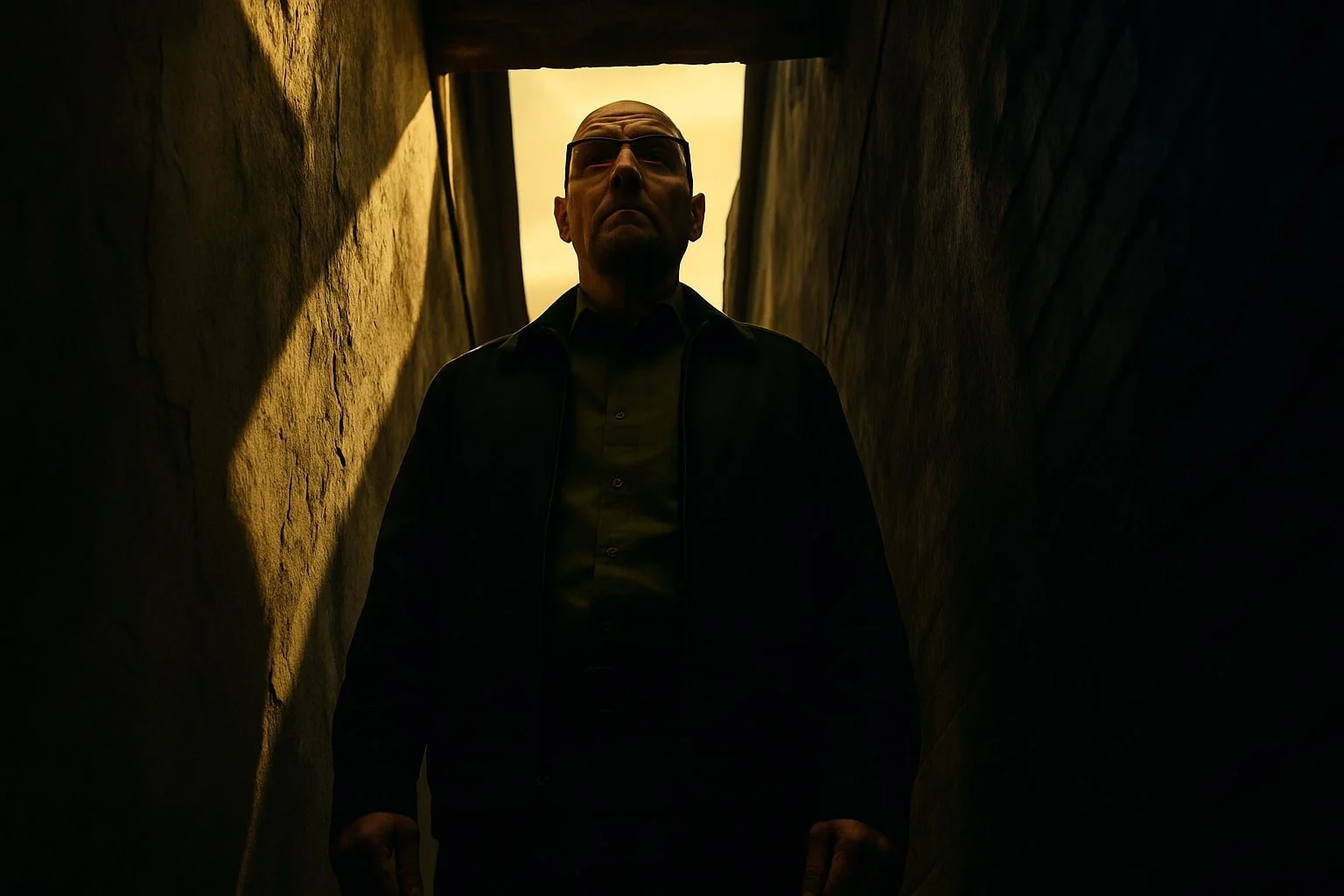
In Breaking Bad, cinematography is more than visual style—it becomes a tool for storytelling that reveals the inner worlds of its characters. Created by Vince Gilligan, the series is known for its innovative use of camera angles that visually trap characters, heightening the tension and underlining the pressures they face. By placing the camera above, below, or in tightly confined spaces, Breaking Bad frequently creates the sense that its characters are boxed in by their choices and circumstances.
These camera techniques do more than capture dramatic moments; they communicate the emotional and psychological struggles that define the best television drama. From anxious handheld shots to precisely composed frames, every angle in Breaking Bad is a deliberate choice meant to reinforce the series’ exploration of power, guilt, and desperation. The result is a visual language that draws viewers closer to the characters’ struggles, making their conflicts feel immediate and inescapable.
The Role of Camera Angles in Breaking Bad
Camera angles in Breaking Bad shape both the emotional tone and the way viewers understand the characters’ journeys. The show’s cinematography, under Vince Gilligan’s direction, makes deliberate choices that directly influence mood, narrative, and visual symbolism.
Establishing Tone and Atmosphere
Breaking Bad uses camera angles to set a distinct atmosphere that reflects the series’ themes. High-angle shots are often used to make characters look small or vulnerable, emphasizing their isolation or fear in the vast Albuquerque landscape.
Low-angle shots, by contrast, give characters an imposing presence, particularly as Walter White gains power. These visual decisions enhance the tension of many scenes. The use of wide angles and unconventional perspectives, such as placing the camera inside objects, disorients the viewer and mirrors the chaotic changes in the characters’ lives.
Color palettes and lighting techniques work in tandem with these angles, further building the mood. This visual style, combined with setting and framing choices, gives the show its unmistakable tone on AMC.
Visual Storytelling and Narrative Structure
The cinematography in Breaking Bad is central to its storytelling. Camera angles depict shifting power dynamics, reveal symbolism, and provide information about character motivations without dialogue.
For instance, close-ups and point-of-view shots place the audience in the character’s mindset, fostering empathy or discomfort. Reaction shots show emotional shifts that words cannot. Strategic framing often visually “traps” characters behind objects or inside confined spaces, echoing their moral and physical entrapment as the narrative unfolds.
Filmmaking choices, such as where a character stands relative to the frame or to others, contribute to the ongoing narrative. The deliberate use of distance, space, and line of sight structures the unfolding story, revealing both personal and ethical conflicts over the course of the series.
Signature Camera Techniques Employed
Breaking Bad makes distinct visual choices that shape viewer perception and influence emotion. Techniques like wide shots, inventive POV angles, and time-lapse photography become critical storytelling devices rather than mere visual flair.
Use of Wide Shots and Negative Space
Cinematographers Michael Slovis and Reynaldo Villalobos use wide shots and negative space to isolate characters and underscore their vulnerability. Wide establishing shots often position Walter White and others alone in expansive, desolate environments, exaggerating their sense of entrapment. This composition visually communicates how the characters are overpowered by their surroundings and circumstances.
Negative space—where empty areas dominate the frame—adds to the unease. For example, scenes in the New Mexico desert show characters dwarfed by vast empty land, making emotional and narrative tension almost palpable. The creative use of minimalism draws viewers’ attention to body language, often revealing helplessness or conflict without spoken dialogue.
These techniques go beyond setting a mood. They reinforce core themes of powerlessness and moral conflict in the story, turning even simple scenes into visual art. As a result, the audience is left with a lingering sense of each character’s internal and external struggles.
Inventive POV Shots
Breaking Bad employs inventive POV (point-of-view) shots by placing the camera in unusual, often non-human perspectives. Whether the viewer is looking from inside a chemical barrel, car trunk, or under a floorboard, this approach draws attention to important plot devices and magnifies tension.
Cinematographers use these shots to immerse viewers directly into the action. For example, a POV from inside a meth-cooking vessel exposes the mechanics of Walter’s world while simultaneously trapping the audience inside the story. Objects become observers, making viewers uncomfortably close to criminal acts.
These creative solutions add depth to storytelling by providing visual insights unreachable through standard camera work. This signature style not only differentiates Breaking Bad from other dramas but also enhances the feeling of entrapment central to the narrative.
Time-Lapse Photography and Its Purpose
Time-lapse photography is frequently used to convey the relentless progress of time and emotional evolution within the series. These sequences compress hours or days into seconds, showcasing changes in settings—such as the sun rising and setting over Albuquerque—or life at the car wash.
The cinematographers leverage time-lapses to bridge scenes, signal shifts in the story, or illustrate a character’s growing isolation and anxiety. For instance, the repetition of mundane tasks or passing landscapes highlights the monotony and weight of Walter’s double life.
Beyond aesthetics, time-lapse sequences provide rhythm and pacing without relying on dialogue or exposition. This technique, paired with careful editing, becomes an efficient narrative tool for visual storytelling, reinforcing the emotional tone with economy and subtlety.
How Camera Angles Trap Characters On Screen
Breaking Bad employs specific visual strategies to convey emotional confinement and heighten psychological tension. Through calculated camera angles and lighting techniques, physical spaces reflect the characters’ internal struggles and growing isolation.
Visual Barriers and Framing Choices
The series frequently places characters behind physical barriers—such as doors, windows, or wire fences—to visually segment them within the frame. These boundaries symbolize the unseen divisions and emotional distances between characters.
Low-angle shots often position subjects against ceilings or imposing walls, making rooms feel smaller and the characters seem cornered. Overhead shots accentuate this effect by compressing space, suggesting a lack of escape or freedom.
Shallow depth of field isolates figures from their surroundings, blurring out background elements and drawing focus to their expressions. This visual storytelling approach emphasizes inner turmoil and transformation, reinforcing the mental states of characters under pressure.
List of key framing techniques:
Use of doorways or windows as frames
Reflections that divide the screen
Physical obstructions creating separation
Trapping Characters with Chiaroscuro and Shadow
Chiaroscuro lighting is a key technique used to sculpt scenes with areas of deep shadow and harsh light. Characters are often placed with half of their faces or bodies obscured in darkness, visually symbolizing moral ambiguity or conflicted transformation.
This interplay of light and shadow builds emotional impact by generating tension within even mundane settings. For example, a brightly-lit background against a shadowed protagonist highlights isolation or signals a shift in their psychological state.
Camera movement also contributes to the trapped feeling. Slow pushes or tilts can reveal encroaching darkness as a scene unfolds, deepening the sense of entrapment. Through such lighting and movement, Breaking Bad consistently underscores how its characters remain boxed in by both circumstance and their choices.
Case Studies: Character Journeys Through Cinematography
Breaking Bad’s use of camera angles directly reflects the psychological state and narrative trajectory of its central characters. By aligning visual storytelling with character evolution, the show creates a clear visual language for change, vulnerability, and breakdown.
Walter White’s Descent and Transformation
Walter White’s transformation from high school chemistry teacher to Heisenberg is visually tracked through evolving camera angles. Early in season 1, shots of Walter often use balanced, symmetrical frames and neutral eye-level angles, reinforcing his ordinariness and initial integrity.
As his criminal life progresses, the cinematography shifts. Low-angle shots grow more frequent, especially in pivotal scenes where Walter exerts control; these create a sense of menace and authority. Tight close-ups and canted angles during moments of stress or confrontation, such as in “Ozymandias,” highlight his psychological unraveling and growing isolation from those around him.
Bird’s-eye views and wide shots are used to diminish Walter’s scale, particularly during points of loss or moral collapse. The shifting angles and compositions chart his journey, visually trapping him inside the evolving Heisenberg persona portrayed by Bryan Cranston.
Jesse Pinkman’s Emotional Arc
Jesse Pinkman’s arc, played by Aaron Paul, is equally shaped by visual storytelling choices. The camera often frames Jesse in constrictive spaces—doorways, car interiors, or cramped rooms—visually reinforcing his constant entrapment and instability as he grapples with his place in the narrative.
Handheld camerawork is used in moments of extreme emotional distress, adding a visceral quality that underscores Jesse’s volatile mental state. The use of off-center framing and shallow depth of field emphasizes his sense of alienation, as he struggles with decisions affecting his integrity.
Extreme close-ups isolate Jesse at critical junctures, pushing the viewer into the immediacy of his experiences. Through these visual techniques, the cinematography provides insight into his breakdown and attempts at redemption, deepening the audience’s understanding of his character journey.
Influence of Visual Style on Breaking Bad’s Legacy
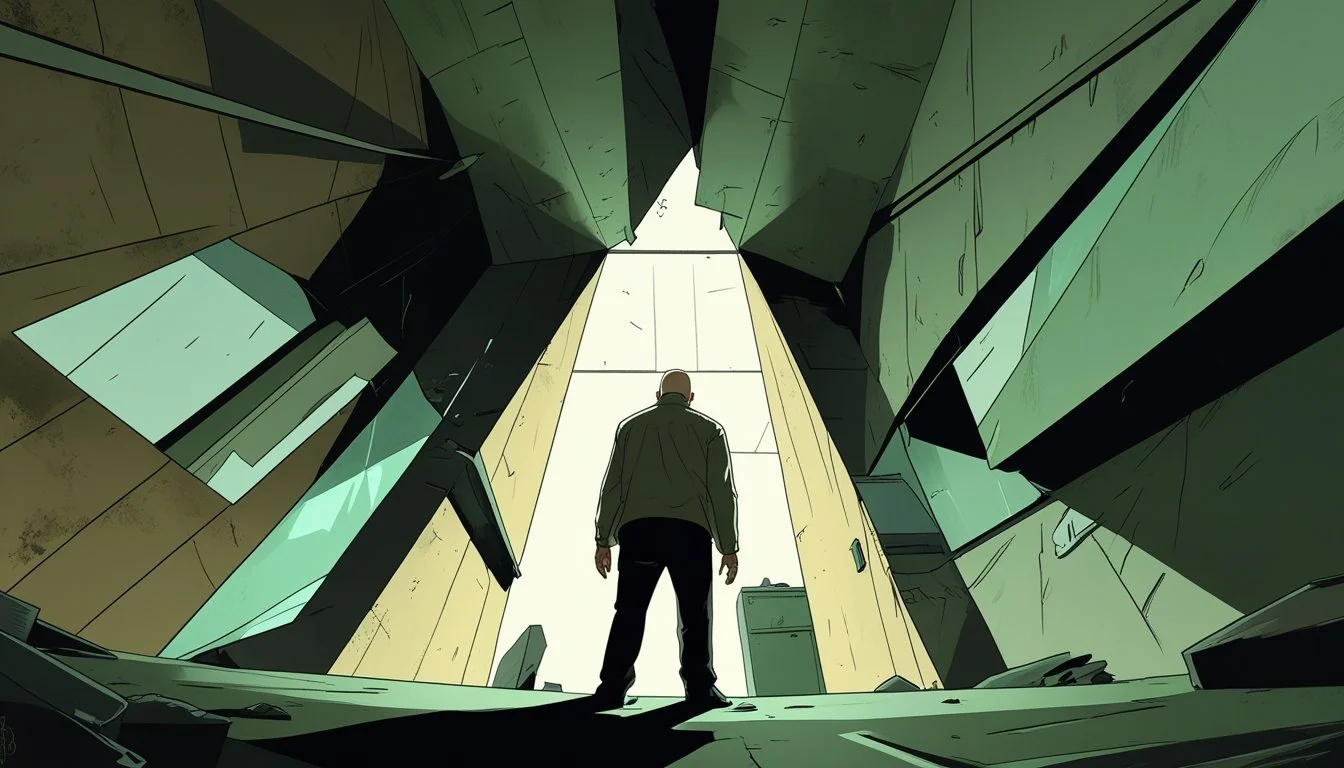
Breaking Bad’s visual approach shaped the tone and emotional impact of the series from the pilot through its conclusion. The collaboration between its creative leads and cinematographers, along with distinct use of light and location, left a mark on television filmmaking.
Collaboration of Vince Gilligan and Cinematographers
Vince Gilligan worked closely with directors of photography, including Reynaldo Villalobos and Michael Slovis, to create the show’s signature look. Each brought technical expertise and an eye for meaningful composition. Their decisions, backed by support from Sony Pictures and AMC, resulted in precise, deliberate camera work across all five seasons.
Scene framing often boosts tension or isolates characters, frequently using negative space or extreme wide shots. These techniques heighten the sense of entrapment, reflecting the psychological states of Walter White and others. The crews' disciplined use of both static and dynamic camera angles contributed directly to the series’ reputation as a visual benchmark in dramatic television.
Integration of Natural Light and New Mexico Desert
Natural light plays a major role in Breaking Bad’s cinematography, contributing to the raw, unvarnished atmosphere. The show takes full advantage of the New Mexico desert, using its wide-open spaces to emphasize feelings of isolation and vulnerability.
Long stretches of sky and arid landscape surround characters, visually highlighting their smallness in a vast environment. Daylight and shadow shift across scenes, setting moods and marking emotional or narrative changes. These elements, in tandem with careful direction and practical lighting, gave Breaking Bad an authentic, cinematic style that influenced many projects in television and beyond.
Impact of Camera Angles on the Viewer Experience

Breaking Bad relies on a mix of specific camera techniques to enhance its tension and immerse viewers in its television drama. Camera angles and movements are intentionally used to influence emotional impact and connect the audience with characters’ inner struggles.
Handheld Camerawork and Emotional Immersion
Handheld camerawork is often used during scenes of chaos or character anxiety, making the visual experience feel unstable and urgent. This style closely aligns the viewer with the emotional state of the characters, such as Walter White or Jesse Pinkman, by reflecting their uncertainty through slight shakes and uneven framing.
For example, conversations in tight spaces often feature restless camera movement, letting the audience feel physically “trapped” along with the character. The effect is especially noticeable during confrontations or moments of fear, where the lack of static composition intensifies discomfort.
By using handheld shots selectively, the series increases tension and realism. Audiences are transported directly into the drama, as if witnessing events first-hand rather than through a distant, composed viewpoint. This approach not only heightens suspense but also deepens empathy for the characters’ dilemmas.
