
How Better Call Saul Turns Legal Procedure into High Drama Through Character and Narrative
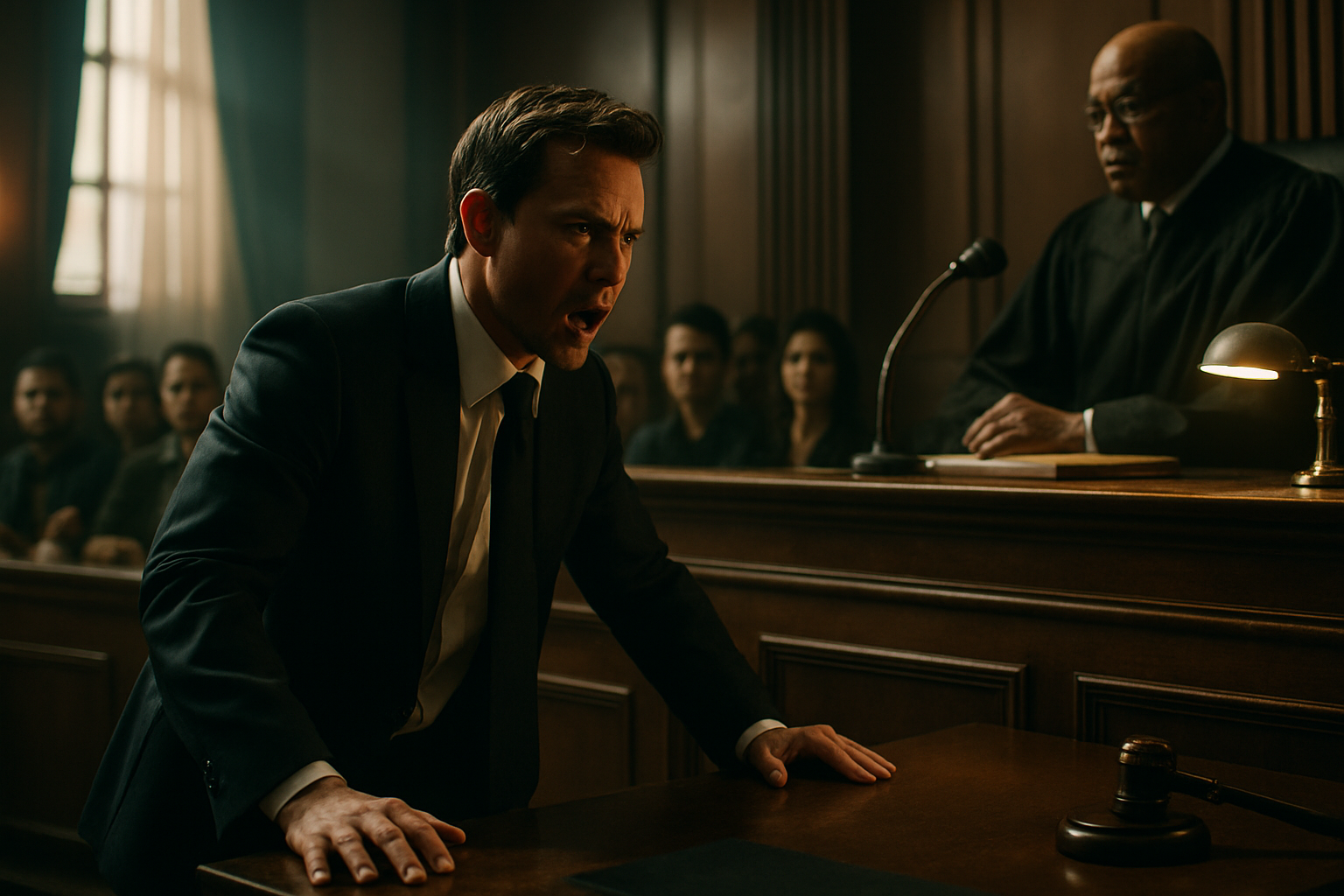
Better Call Saul transforms routine legal procedures into gripping drama by grounding its stories in authentic legal dilemmas while unraveling the personal and ethical complexities of its characters. Unlike many legal dramas that rely on high-stakes courtroom scenes alone, this series delves into the less sensational but equally intense negotiations, hearings, and ethical choices faced by lawyers.
By focusing on Jimmy McGill’s evolution into Saul Goodman, the show redefines the expectations of a legal drama. Everyday aspects of legal work—paperwork, negotiation, and client management—are depicted in a way that highlights their real-world tension and moral significance, drawing viewers into the intricacies of each decision. The series sets itself apart by offering a look at both the mundane and momentous sides of law, making each episode compelling far beyond the trial.
Viewers experience the legal system not just as a backdrop, but as a living, ever-present force that shapes every action the characters take. This approach invites audiences to see the drama within ordinary legal procedures, elevating Better Call Saul as a standout within the legal drama genre.
Crafting High Drama From Legal Procedure
Better Call Saul elevates the legal drama by tightly weaving legal concepts and courtroom strategy into the heart of its storytelling. By focusing on the inner workings of litigation, negotiations, and personal stakes, the series creates tension and suspense even in the most procedural scenes.
Transforming Legal Concepts Into Storytelling
The show often takes intricate legal concepts—such as plea bargains, conflicts of interest, and evidentiary rules—and builds entire story arcs around them. This approach turns what might seem dry or specialized into material for gripping drama.
Writers use visual cues, character-driven dialogue, and real consequences to show how the manipulation or navigation of legal rules impacts characters like Jimmy McGill. Every motion filed, every legal loophole, and every piece of paperwork is shown as affecting lives and careers.
Legal detail, rather than bogging down the narrative, adds realism and urgency. This careful integration helps viewers understand the stakes, making each legal battle both understandable and emotionally compelling.
Balancing Tension Within Legal Proceedings
Litigation and legal negotiations are treated as battlegrounds for both big and small stakes. The show uses pacing, cross-cutting between character perspectives, and sharp dialogue to maintain tension even during seemingly mundane procedural events.
Small decisions—such as filing a notice or reviewing discovery—are depicted as moments with potential to change the direction of a case or a life. The risks involved for each character are made explicit, creating suspense that goes beyond the verdict.
Key sources of tension include:
Last-minute evidence discoveries
Strategic ethical dilemmas
Personal fallout from legal losses
Even negotiations conducted in offices or over the phone are presented as high-stakes confrontations, making clear that legal work is never routine or risk-free.
The Role of the Courtroom in Building Suspense
Courtrooms in Better Call Saul act as stages for both public contest and private strategy. Trials and hearings are not just background; they are core moments when secrets come out, reputations are tested, and future paths are decided in real time.
The physical arrangement of the courtroom, the presence of judges, and the uncertainty of outcomes contribute to the suspense. Visual storytelling—such as close-ups on evidence or reactions—heightens anxiety for both characters and viewers.
Litigation scenes often pivot on unexpected testimony or a surprising interpretation of the law. Rather than predictable, every appearance in court carries the real threat of failure or exposure, keeping the audience engaged and highlighting the practical drama embedded in legal procedure.
The Portrayal of the Legal Profession in Better Call Saul
Better Call Saul stands out for its attention to the culture and ethical dilemmas within the legal profession. The series contrasts large law firms, small practices, and public defenders, offering viewers a range of environments in which lawyers operate.
Depiction of Law Firms and Public Defenders
The show provides a detailed look into both prestigious law firms like HHM and the challenging roles of public defenders. HHM is shown as highly hierarchical; associates and partners operate under strict procedures, with formal dress codes and an emphasis on billable hours. Meetings, client pitches, and internal politics dominate much of the workday.
Jimmy McGill’s time as a public defender is depicted in contrast to the corporate environment. He manages a high volume of cases, often with limited resources and intense pressure. The show captures the unpaid overtime and emotional toll, particularly with court-appointed clients who cannot afford private representation.
Key distinctions between law firm and public defender work in the series:
Aspect Law Firm (HHM, Davis & Main) Public Defender Workload Fewer, high-value cases Many, low-paying cases Resources Access to experts, assistants Extremely limited Prestige High Low Client interaction Formal Personal, high stakes
Comparison to Realistic Legal Practices
Better Call Saul has gained recognition for its relatively accurate depiction of many aspects of legal procedure. Lawyers have noted the realistic use of motions, discovery, legal strategy, and ethical dilemmas. For example, Kim Wexler’s late nights and document reviews reflect real-world legal work. The procedural aspects—like pre-trial meetings, plea negotiations, and the exhaustion faced by lawyers—mirror genuine legal practices.
However, some elements are dramatized for narrative purposes. Not every case ends up in a dramatic showdown, and certain courtroom events move much faster on screen than in real life. The series tends to amplify instances of corruption, bending the likelihood of some events for dramatic effect. Still, among legal dramas, Better Call Saul is viewed as one of the more accurate portrayals of the profession’s daily realities.
Character-Driven Conflict and Ethical Dilemmas

Personal motives, legal maneuvers, and ethical ambiguity shape the tension in Better Call Saul. The series explores how Saul Goodman manipulates legal technicalities and social psychology, heightening both legal and personal stakes.
Saul Goodman’s Moral Gray Areas
Saul Goodman often operates at the edge of legal ethics, blending clever loopholes with questionable conduct. He bends procedural rules to benefit himself or his clients, but rarely crosses them so blatantly that he triggers immediate disbarment.
For example, he coaches clients on shaping their statements and even tampers with evidence, yet he frames his actions as mere “creative lawyering.” This ambiguity challenges viewers to consider where advocacy turns into manipulation.
Saul’s choices often conflict with conventional justice. His shifting identity from Jimmy McGill to Saul Goodman reveals how desires—for respect, money, or revenge—drive his decisions. These moral gray areas keep viewers questioning whether he is serving justice or undermining it.
Complexity of Justice and Jury Dynamics
The series spotlights the subjective side of justice and how jury perceptions can sway outcomes. Courtroom sequences in Better Call Saul show that truth in legal settings can be fluid, shaped as much by bias and persuasion as by facts.
Jurors react to emotional storytelling, witness demeanor, and a lawyer’s charisma. Saul uses misdirection or appeals to sympathy, illustrating how even lawful tactics complicate the pursuit of justice.
Table: Factors Influencing Jury Decisions in Better Call Saul
Factor Example in Series Emotional narratives Saul’s opening statements Body language Witness coaching scenes Clever cross-examination Exposing inconsistencies
By focusing on these details, the show exposes gaps between legal truth and actual justice, making the courtroom a stage for both ethical struggle and psychological drama.
The Narrative Power of Legal Storytelling

Better Call Saul transforms routine legal work into compelling television by grounding narrative tension in real-world litigation and procedure. Dramatic stakes are heightened not with unrealistic theatrics, but by building suspense from authentic legal hurdles and the personal ambitions of its characters.
Structuring Episodes Around Litigation
Each episode often centers on a single lawsuit, court motion, or negotiation. This structured focus gives even minor cases a sense of urgency.
Writers use the progression of a legal case—motions, depositions, hearings—to set a clear beginning, middle, and end. The step-by-step nature of litigation provides a reliable blueprint for pacing and dramatic escalation.
Notable examples include:
Jimmy McGill’s courtroom appearances, which draw out real-world legal strategy.
Saul Goodman’s negotiations that hinge on exploiting legal procedure for leverage.
Procedural accuracy is prioritized, but not at the expense of entertainment value. The show adapts timelines and simplifies legal concepts, yet maintains enough detail to give viewers insight into actual legal process.
Short scenes in law offices, courtrooms, and even parking lots become tense set pieces where the outcome of a motion or deal impacts both plot and character arcs.
Weaving Legal Procedure Into Character Development
Legal battles are closely tied to character motivations. The way a character handles evidence, prepares arguments, or bends the rules directly reveals their personality, ambitions, and weaknesses.
Jimmy McGill’s transformation is depicted not through broad declarations, but in small decisions about how aggressively he works the legal system. The narrative highlights how personal values clash or align with professional ethics.
Character-driven procedure:
Kim Wexler’s internal struggle surfaces as she balances hard-won competence with moral doubt.
Chuck McGill’s rigid adherence to rules creates escalating family conflict, showcasing how legal procedure influences relationships outside the courtroom.
These legal details help turn procedural drama into a character study, ensuring the entertainment value derives as much from psychological depth as from the outcome of each case.
Cultural Impact and Genre Influence

Better Call Saul has left a strong mark on both legal dramas and popular understanding of the legal profession. Its approach to authenticity and storytelling differs significantly from earlier shows, influencing how law and legal procedures are depicted on television.
Influence on Legal Dramas Like Suits and The Practice
Better Call Saul built on the foundation laid by legal dramas such as The Practice, which itself was a spin-off success and set a standard for complex characters and serialized legal storytelling. Unlike The Practice and Suits, which often focused on large, high-stakes cases and office politics, Better Call Saul centers more on the deeply personal and ethical struggles that lawyers face.
Key distinctions:
The Practice: Emphasized courtroom drama and the moral ambiguity of defending unpopular clients.
Suits: Highlighted rapid-fire legal maneuvers and corporate intrigue, often with stylized, less realistic legal strategies.
Better Call Saul: Explores the slow, sometimes mundane grind of actual legal work, using procedure to reveal character.
The series' success has encouraged other shows to explore not just dramatic cases, but also the internal and procedural aspects of law. This has made the legal drama genre more varied, giving room for subtlety and realism.
Better Call Saul as a Benchmark for Accurate Legal Shows
Better Call Saul is frequently cited as one of the most accurate legal shows on television. Unlike many dramas, it pays careful attention to courtroom process, legal ethics, and the practical realities faced by lawyers at different career stages.
Examples include:
Scenes that show the detail of paperwork, client negotiations, and court filings.
Authentic portrayals of ethical dilemmas, such as attorney-client privilege and the tension between personal values and professional duties.
Representation of small firm and solo practice environments, distinct from the large corporate settings of Suits.
Legal professionals often remark on the show's refusal to simplify or sensationalize legal work. This realistic approach has set a new standard and led audiences to expect greater authenticity from newer legal series.
Breaking Bad Connections and Spinoff Success
Better Call Saul exists in the same universe as Breaking Bad, taking advantage of established storylines and familiar faces to enhance its own narrative depth. The show's success relies on its detailed weaving of past connections and complex character arcs to sustain interest and build high-stakes drama.
Continuing Legacy Through Shared Universe
Better Call Saul is set approximately six years before Breaking Bad, with overlapping timelines in later seasons. By grounding itself in the established universe, the spinoff brings back key locations, criminal organizations, and thematic elements from its predecessor.
Recurring characters, such as Gus Fring and Mike Ehrmantraut, provide continuity and satisfy long-time fans. Audiences gain additional perspectives on criminal enterprises and legal loopholes, illuminating the vast network operating in Albuquerque.
Shared motifs include:
Moral ambiguity
Transformation under pressure
Intricate criminal schemes
The series uses these connections to enhance the stakes of legal procedure, allowing familiar threats and opportunities to shape the legal drama.
Character Evolution from Breaking Bad
Jimmy McGill, later known as Saul Goodman, is at the center of the spinoff’s exploration. While Breaking Bad introduced him as a flashy, morally flexible lawyer, Better Call Saul depicts his gradual evolution from an earnest underdog to the ethically compromised figure known from Breaking Bad.
Supporting characters, like Kim Wexler and Chuck McGill, add texture to Jimmy’s journey. Their influence and relationships serve as catalysts for critical decisions and personal decline.
By charting this transition, Better Call Saul shifts focus from Walter White to the motivations and values that drive its own protagonist. The show’s detailed approach to character study makes the transformation credible and grounded, providing viewers with a compelling legal drama rooted in familiar territory.
Cast, Platform, and Wider Audience Appeal

The entertainment value of Better Call Saul is heightened by standout performances and smart distribution. Specific casting decisions and the reach of major streaming platforms contribute to the show's sustained popularity.
Bob Odenkirk’s Performance as Saul Goodman
Bob Odenkirk’s portrayal of Saul Goodman, also known as Jimmy McGill, anchors the series. He balances charm, desperation, and wit in a way that delivers authenticity to the legal drama. Small gestures and nuanced expressions add depth, allowing viewers to connect with the character’s transformation from earnest striver to cunning attorney.
Odenkirk's background in comedy supports the show’s lighter moments without undercutting tension. This range is crucial for generating high-stakes drama from legal negotiations and courtroom scenes. The contrast in his interactions with characters like Chuck McGill and Kim Wexler creates memorable, grounded conflicts that drive engagement.
Key strengths of Odenkirk’s portrayal:
Realism in depicting legal complexity
Emotional vulnerability in difficult scenes
Subtle shifts in tone that match narrative developments
Odenkirk’s consistency is often credited for the show’s broad appeal beyond just legal drama fans.
Role of Netflix in Popularizing Legal Drama
Netflix has played a significant role in expanding the reach and appeal of Better Call Saul. The platform’s global subscriber base introduced the series to viewers who may not have tuned in on its original AMC broadcast. Binge-watching became possible, making the complex narrative accessible without long waits between episodes.
Better Call Saul’s availability on Netflix helped cultivate a dedicated fan base that extends beyond typical U.S. cable audiences. Streaming analytics indicate that legal dramas perform especially well in on-demand formats, where viewers can revisit intricate plot points and character arcs at their own pace.
Direct effects of Netflix distribution:
Increased international visibility
Higher engagement from online audiences
Greater cultural impact due to persistent accessibility
Netflix’s involvement has solidified Better Call Saul’s status as a benchmark in legal entertainment programming.
