
The Brutality of Prison Culture in Breaking Bad’s Final Season and Its Lasting Impact
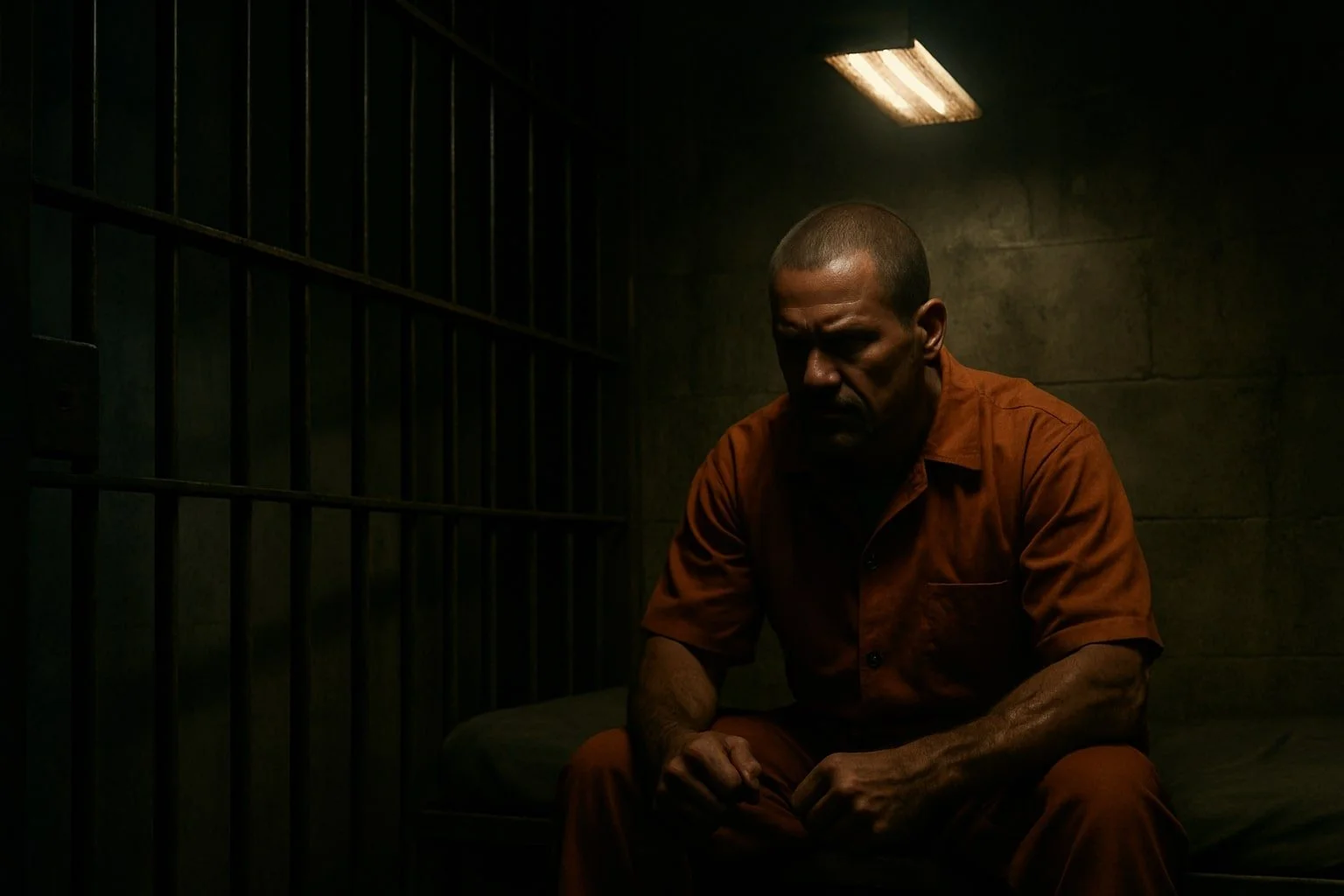
The final season of Breaking Bad, created by Vince Gilligan and aired on AMC, doesn’t shy away from depicting the harsh realities of prison culture in a raw and unsettling way. The show presents prison life as a world defined by violence, intimidation, and the absolute absence of mercy, leaving a chilling impression on viewers. One of the most shocking moments of the series finale revolves around orchestrated, simultaneous murders inside multiple prison facilities, showing how deep and ruthless criminal influence can go.
This uncompromising portrayal not only heightens the sense of danger surrounding Walter White’s world but also raises important questions about how justice operates within and outside the prison system. Breaking Bad uses these moments to demonstrate that power in the criminal underworld extends far beyond the streets—even reaching deeply into supposedly secure environments.
Through these scenes, Breaking Bad underscores the brutal, systemic nature of prison life during one of television’s most talked-about finales. The impact lingers, reminding audiences that violence isn’t just a feature of the outside world—it thrives behind bars as well.
Depiction of Prison Culture in Breaking Bad’s Final Season
Breaking Bad's final season provides an unflinching look at the realities of prison culture through tightly written scenes that highlight its relentless brutality. The series presents incarceration as a world marked by systematic violence, harsh power structures, and the desperate tactics inmates adopt for survival.
Institutional Violence
Violence in the prison system is shown as organized and often facilitated by those outside its walls. Walter White’s orchestration of the synchronized killings in “Ozymandias” demonstrates how easily lethal force can be commanded within prison, despite perceived security.
These killings take place with chilling efficiency, signaling that the prison setting in Breaking Bad is less a place of rehabilitation and more an environment where violence is transactional. The staff’s complicity or inability to prevent attacks highlights institutional failures and the bleak reality for inmates.
Brutality is a currency; those with power—like Walter or his associates—can inflict lethal harm from a distance. This portrayal underlines the constant peril that prisoners face and the limitations of institutional oversight.
Control and Power Dynamics
Power inside the prison operates on a strict hierarchy dictated by force and alliances. Breaking Bad exposes how criminal leaders, like Todd’s uncle Jack and his Aryan Brotherhood associates, maintain authority both inside and outside.
Roles in these hierarchies are rigid. Inmates who do not align with dominant groups remain vulnerable to attack. Orders from outside figures, such as Walter, override internal prison regulations, supporting the notion that real control often lies beyond official authorities.
List of power agents in the prison:
Inmate gangs (e.g., Aryan Brotherhood)
Outside contacts (Walter White, Todd)
Corrupt or indifferent staff
This dynamic makes the prison an extension of the criminal ecosystem, not a break from it.
Survival Strategies Among Inmates
Prisoners in Breaking Bad adopt pragmatic, often harsh, strategies to survive. Aligning with the most powerful groups becomes a critical tactic, as individual resistance means exposure to violence. Loyalty is less about friendship and more about protection from immediate threats.
Inmates follow written and unwritten codes to negotiate daily dangers. Silence is often a matter of life and death; betrayal can result in a swift and brutal end, as depicted in the coordinated stabbings.
Short lists of survival methods include:
Forming protective alliances
Avoiding unnecessary attention
Complying with dominant inmates' orders
The choices of the inmates portray prison as an environment that rewards caution, compliance, and picking the right alliances rather than personal morality or justice.
Notorious Prison Sequences: Analyzing Key Episodes
Breaking Bad’s final season features one of the series’ most shocking depictions of prison violence, carried out with chilling coordination and speed. These events escalate the narrative stakes and expose the far-reaching influence of its central characters across legal and criminal boundaries.
Coordinated Murders Across Prisons
In Season 5, Episode 8 ("Gliding Over All"), multiple murders are orchestrated across different prisons simultaneously. Walt directs these killings to eliminate ten inmates with ties to Mike and Gus, fearing they could testify or reveal information about his operation.
The murders unfold in less than two minutes of screen time, emphasizing both the efficiency and brutality of the plan. Each target is killed in quick succession—stabbed, set on fire, or beaten—making it nearly impossible for prison staff to intervene or stop the spree.
This sequence highlights the darkness at the heart of Walt’s empire. The act is not only thorough but calculated to send a message of power and intimidation, as well as to tie up loose ends before law enforcement can act.
Role of Todd and the Aryan Brotherhood
Todd Alquist and his connections to the Aryan Brotherhood play a crucial role in executing Walt’s orders. Todd acts as the intermediary; his uncle Jack and their crew have the reach and ruthlessness required to carry out such a high-risk operation inside multiple prisons.
Their criminal network, built on loyalty and violence, ensures the murders are synchronized and leave no survivors among the targeted men. Todd’s involvement reinforces his willingness to commit violence without hesitation and cements his status as one of the show’s most dangerous figures.
The brutality of these murders solidifies the group's position as critical enforcers in the latter half of the series. Their actions help shape the tone of the season, pushing the narrative into more violent and unpredictable territory.
Impact on Narrative Progression
The prison massacre has immediate and long-term consequences for the series. By removing potential informants, Walt temporarily secures his criminal operations and delays law enforcement investigations. This allows him to consolidate power and focus on expanding his meth business.
The violence marks a clear shift in the show’s narrative theme—from calculated risk to outright brutality. Audience perceptions of Walt change drastically, as his willingness to order mass murder reveals the extent of his transformation.
Episodes such as "Ozymandias" build on this foundation, as the consequences of earlier violent actions begin to unravel. The prison sequence stands as a turning point, intensifying the series' tension and accelerating its drive toward resolution.
Thematic Exploration: Brutality as a Narrative Device
Brutality in Breaking Bad’s final season is not just a feature of its prison scenes; it operates as a structured tool that shapes both character and narrative development. Violent acts within the prison system broadcast a message to the audience and to the show's key figures.
Symbolism of Violence
Violence within the prison is more than physical harm or intimidation. Each act, such as the coordinated murders orchestrated by Walter White, functions as a symbol for power and control. These scenes are constructed with a clinical detachment that mirrors Walter's shift from victim to calculating Heisenberg.
The brutality is visually stark and often rapid, illustrating the ruthlessness necessary to survive both in prison culture and the criminal underworld. This atmosphere of fear and unpredictability reinforces the tragedy inherent in Walter's world, underlining the show's motif that brutality is both a survival mechanism and a narrative driver.
Prison violence is also a commentary on institutional failure. The scenes demonstrate how the supposed order inside the prison quickly dissolves under criminal influence, serving as a microcosm for the moral decay seen across the series. The relentless pace and planning behind the violent acts advance Breaking Bad’s theme of consequences.
Influence on Walter White’s Character Arc
The prison brutality engineered by Walter White marks a turning point in his character arc. Initiating the murders demonstrates his full evolution from desperate teacher to calculating Heisenberg, willing to exploit institutional structures for personal security.
This transition is not justified or glamorized. Instead, the narrative uses these moments to highlight the deepening of Walter’s moral decline. It is a clear demonstration of tragedy, where self-preservation leads to irreparable acts.
Walter's decisions force the viewer to confront the consequences of violence as both a practical tool and catastrophic error. The prison murders underline that his worldview, increasingly shaped by brutality, leads not to victory but to further isolation and destruction within his own narrative.
Character Perspectives on Prison Brutality
Breaking Bad’s final season presents prison violence as both a personal trauma and a calculated tactic. The experiences of Jesse Pinkman and Walter White highlight how brutality inside prison walls shapes character motivations and decisions.
Jesse Pinkman’s Trauma
Jesse Pinkman is acutely affected by the pervasive violence in the prison system. After learning about synchronized murders orchestrated by Walt, Jesse’s fear intensifies, knowing that brutality is not limited to criminals but extends to those with the right connections.
Jesse’s anxiety is rooted in his growing awareness that alliances and betrayals in this world can have deadly, far-reaching consequences. Scenes of Jesse’s distress and isolation reveal the psychological toll that witnessing and fearing such violence takes on him.
The relentless use of force in prisons forces Jesse to confront the limits of his own safety. In later episodes, his visible distress reflects his recognition that the reach of brutality is inescapable, making loyalty a matter of survival rather than trust.
Walter White’s Utilitarian Approach
Walter White, the former chemistry teacher, approaches prison brutality with clinical efficiency. He orchestrates a series of prison murders to protect himself and his business, treating violence as a necessary step in eliminating threats.
Walt’s actions demonstrate a shift from personal justification to ruthless pragmatism. He leverages connections with white supremacist gangs to ensure the murders are executed simultaneously, minimizing risk and exposure.
By coordinating these killings, Walt reveals his willingness to use the prison system’s violence as a tool. His approach underscores a transformation in his character: morality gives way to expedience, and the boundaries between self-preservation and outright cruelty become blurred.
Realism Versus Dramatization: Prison Culture in Context
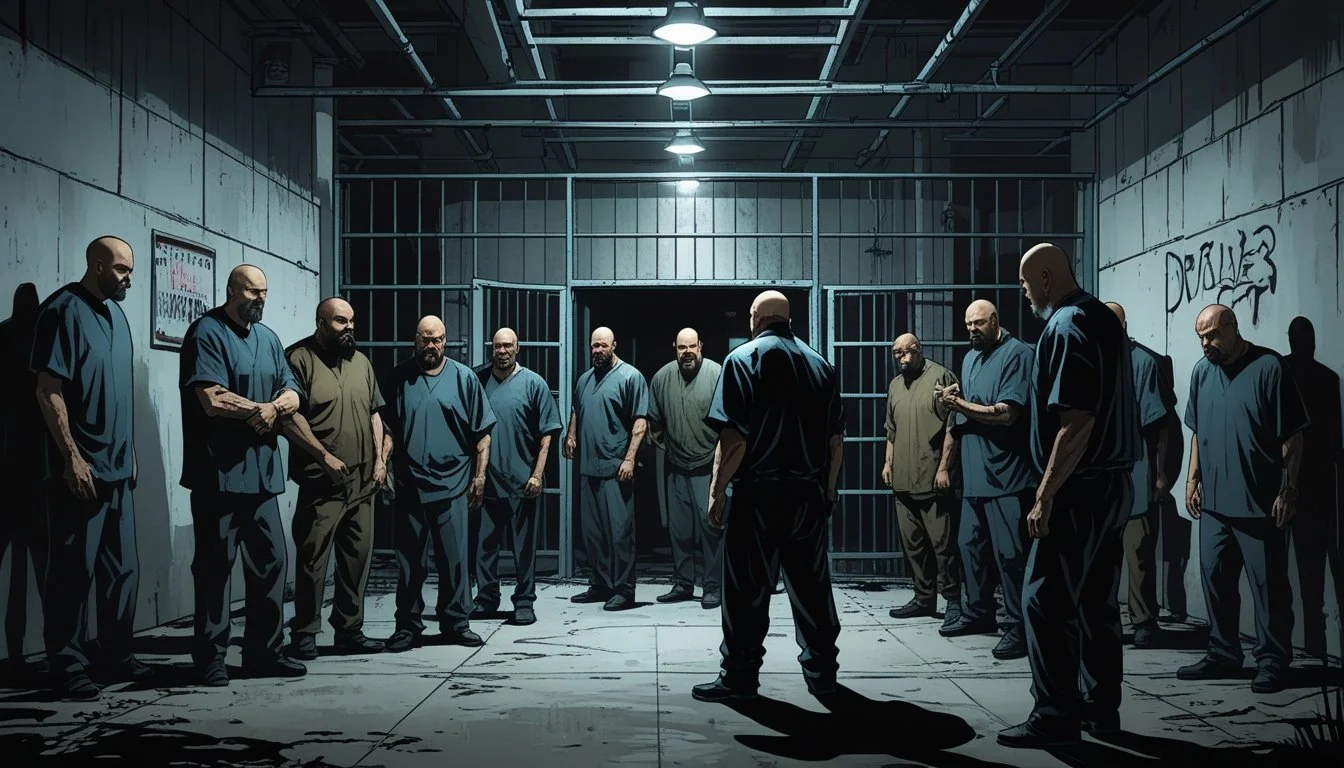
Breaking Bad’s final season highlights violent scenes in prison, drawing on both real-world issues and creative choices. The portrayal of incarceration in Albuquerque, New Mexico, intersects with the show’s drug trade themes and the harsh realities faced by inmates.
Comparisons to Actual Prison Life
Prisons in New Mexico, including those near Albuquerque, have documented incidents of violence linked to gang activity and the drug trade. The show’s depiction of coordinated, brutal murders in multiple facilities echoes real challenges with organized criminal groups exerting power from behind bars.
Academic studies stress that prison violence results from complex social dynamics, including overcrowding, racial tensions, and management practices. In Breaking Bad, these elements are simplified and compressed, presenting a fast timeline for dramatic effect.
Key differences between the show and reality include:
Aspect Breaking Bad Real Prisons (New Mexico, US) Speed of Violence Rapid, simultaneous attacks Coordinated violence is rarer Surveillance & Control Easily bypassed in scenes Constant monitoring, strict checks Consequences Few repercussions shown Investigations, lockdowns follow
While the show captures the fear and power struggles inside, real prison violence typically rises from longer conflicts and systemic issues.
Dramatic License and Storytelling Choices
Breaking Bad intentionally heightens the brutality to shock viewers and advance the plot. The violence serves to illustrate the reach of criminal organizations involved in the methamphetamine trade, underlining the protagonist’s desperation to silence witnesses.
Writers condense timeframes, making complex events appear to unfold in a matter of minutes. This dramatization increases suspense but overlooks the procedures and controls present in most correctional settings.
Character focus skews perceptions, highlighting figures like Jack Welker and his gang, who operate with near impunity. Their ability to orchestrate violence across several prisons illustrates the show’s use of dramatic license.
By emphasizing spectacle and urgency, the series prioritizes narrative momentum over strict realism, using the prison system as another field of conflict within the broader context of Albuquerque’s drug trade.
Legacy and Influence of Breaking Bad’s Prison Storylines
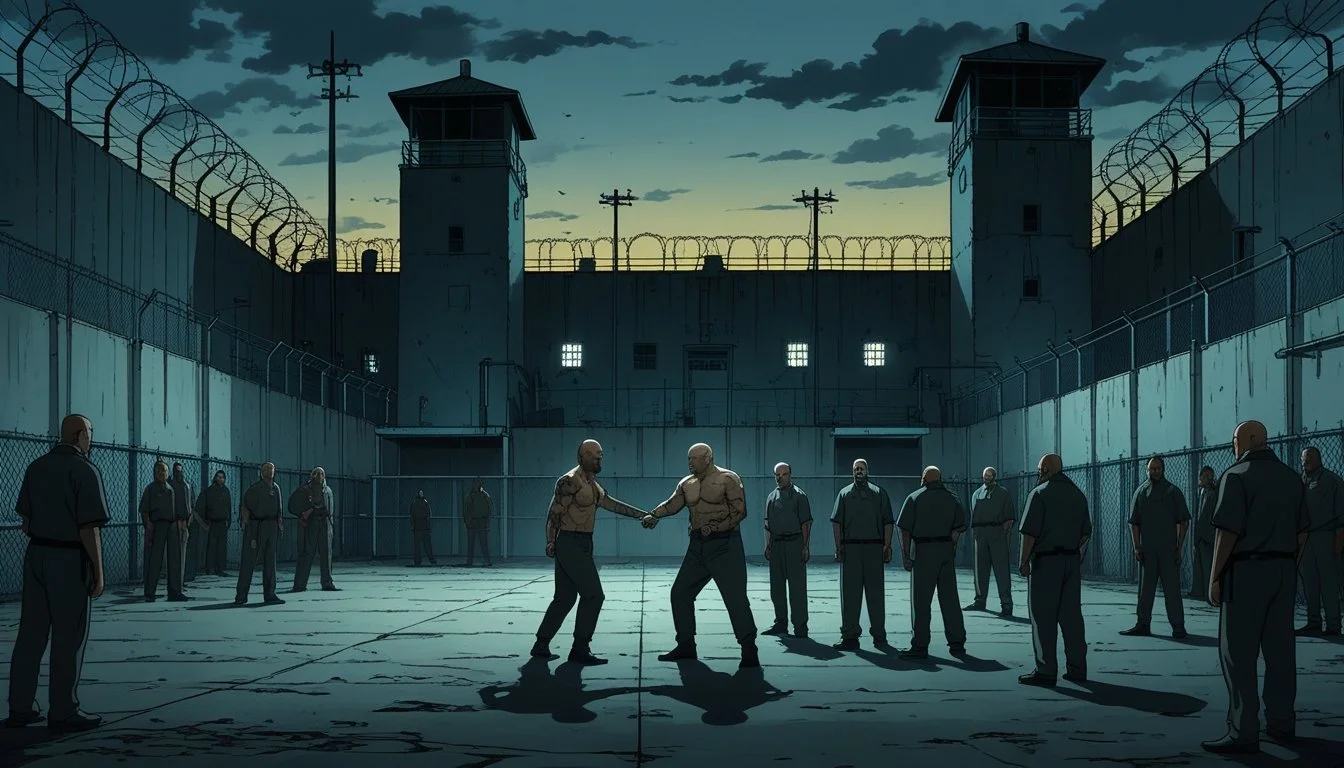
Breaking Bad’s prison violence scenes in the final season left a lasting mark on both television storytelling and cultural discussions about brutality behind bars. These moments shaped perceptions about the stakes of crime dramas and enhanced the realism viewers expect in depictions of organized crime and punishment.
Impact on Series Finales in Television
The swift and ruthless prison executions orchestrated by Walter White in “Felina” set a new standard for tension and clarity in series finales. Audiences were confronted with the irreversibility of Walt’s decisions, linking personal ambition directly to systemic violence.
Many later dramas—such as “Ozark” and “Better Call Saul”—drew inspiration from Breaking Bad’s willingness to show raw, organized violence in climactic moments. This shifted expectations for series finales, moving away from the ambiguous closure used by shows like “Lost.” Instead, there was a trend toward definitive narrative resolutions paired with shocking consequences.
Table: Comparison of Series Finales
Show Finale Approach Role of Violence Breaking Bad Direct, conclusive Central, explicit Lost Ambiguous, metaphorical Minimal Better Call Saul Clear, character-focused Implied, targeted
The influence of episodes like “Felina” also sharpened how finales addressed lingering plotlines. Violent climaxes became storytelling tools rather than just sensational moments.
Cultural Reflections on Violence
The portrayal of prison culture in the final season highlighted the brutal efficiency with which criminal organizations eliminate threats. The violence against inmates served not only the plot, but also illustrated real-world themes about the reach and ruthlessness of organized crime.
Public discussion following these episodes focused on the realism and ethics of depicting such brutality. Critics noted that unlike many shows that gloss over prison violence, Breaking Bad forced viewers to confront harsh truths, using characters like Jack’s gang to blur lines between protagonist and antagonist.
Lydia’s storyline was affected by this atmosphere of paranoia and retribution, reinforcing the pervasive fear within criminal enterprises. Viewers and commentators began reevaluating how television handles topics like retribution, justice, and the dehumanizing effects of life inside and outside prison walls.
