
The Science Behind the Blue Meth in Breaking Bad
Chemical Facts and Fiction Explained
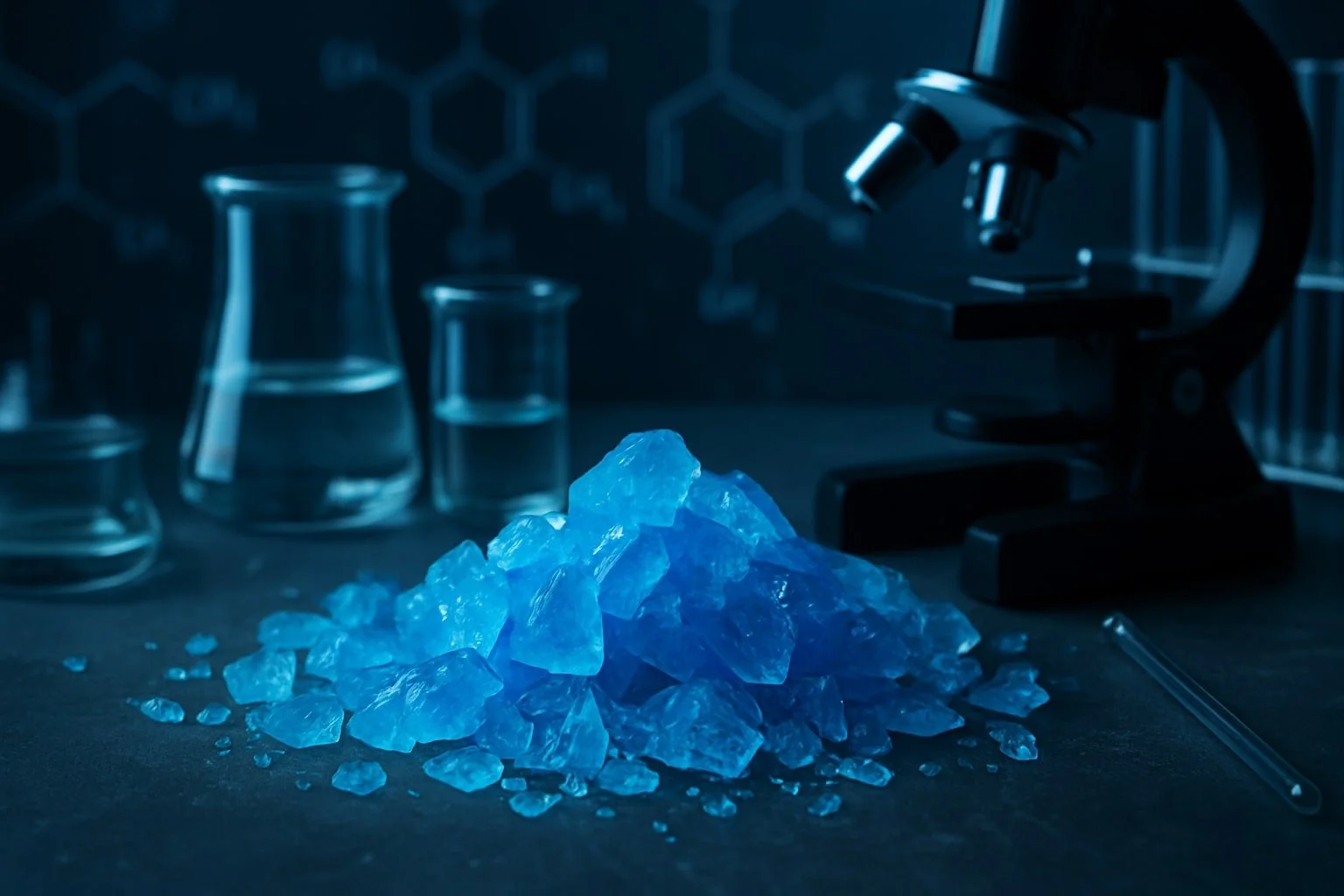
Breaking Bad set itself apart on AMC by weaving real chemistry into its narrative, especially with the infamous "blue meth" created by Walter White. Viewers were immediately drawn to the visual of unusually pure, sky-blue crystals, creating a memorable symbol for the show and its illicit trade. Despite its striking appearance, in reality, methamphetamine—no matter how pure—does not naturally appear blue, making the color a dramatic invention rather than scientific fact.
Series creator Vince Gilligan worked closely with scientific consultants to ensure the show’s terminology and methods were authentic, even as creative choices like the blue hue elevated the drama. The result intrigued both science enthusiasts and general audiences, who wondered how much of the chemistry in Breaking Bad could happen outside of television.
The Chemistry of Blue Meth
Breaking Bad introduced audiences to blue methamphetamine, which became an iconic symbol of the series. The specifics of how this fictional product is synthesized, its chemical ingredients, and the reason for its distinct color all tie closely to real-world chemistry.
Methamphetamine Synthesis
Methamphetamine is a powerful stimulant that can be synthesized from various starting materials. In many illicit labs, common methods involve the reduction of ephedrine or pseudoephedrine. These compounds are often available in decongestants and are chemically similar to methamphetamine itself.
Walter White's process in the show deviates from the typical ephedrine reduction pathway by employing a route that uses methylamine. This alteration is essential in breaking around legal restrictions on ephedrine and allows for meth production at a much larger scale. Both methods, however, result in crystal meth, which in pure form is usually colorless.
Purity is a key point, as the resulting meth's appearance and effectiveness heavily depend on how well the synthesis is controlled and purified.
Role of Methylamine in the Reaction
Methylamine serves as a crucial reactant in the alternative pathway shown in Breaking Bad. It reacts with other chemicals in place of ephedrine, allowing for large-scale production less reliant on over-the-counter drugs.
By acting as a methyl donor, methylamine combines with substrates like phenylacetic acid derivatives, facilitating the formation of methamphetamine. This approach is chemically feasible and was selected for narrative reasons, highlighting Walter’s ability to innovate beyond standard illicit methods.
In the show, the use of methylamine is often depicted as enhancing both the efficiency and yield of methamphetamine synthesis. The product is portrayed as highly pure, contributing to its market value and reputation within the fictional universe.
Color Origins: Why Blue?
Methamphetamine, when properly synthesized and pure, is generally a clear or white crystalline substance. The signature blue hue shown in Breaking Bad is not characteristic of real meth and is a fictional detail for dramatic effect.
Several in-universe explanations are proposed. One suggestion is trace chemical impurities—for example, leftover copper ions from lab equipment could impart a blue color. Another idea is that Walter’s unique synthesis method using methylamine introduces subtle contaminants that result in the blue tint.
Chemical experts note that real “blue meth” would usually indicate contamination, not high purity. In reality, the color of meth serves as a warning sign that the batch includes additional substances not filtered out during synthesis. In the context of the show, however, the blue color symbolizes both rarity and an unmatched level of purity and skill.
Walter White’s Expertise and Method
Walter White’s transition from a high school chemistry professor to a methamphetamine producer forms the scientific backbone of Breaking Bad. His chemistry background influences both his process and obsession with producing a uniquely pure and identifiable product.
Chemistry Professor to Meth Cook
Walter White began as an accomplished chemistry professor, known for his deep understanding of chemical reactions and laboratory techniques. After his cancer diagnosis, financial pressures led him to apply his skills in the illegal manufacture of methamphetamine.
He adapted standard meth synthesis methods, utilizing chemical precursors like pseudoephedrine and later methylamine. This shift set his product apart from street meth. His approach emphasized safety and precision, minimizing impurities through careful procedure and equipment selection.
White’s scientific training allowed him to troubleshoot problems quickly. He managed risk, controlled variables, and understood the importance of proper reaction conditions. Many of his lab scenes highlight chemistry fundamentals such as crystal formation, distillation, and purification.
Heisenberg: The Purity Obsession
Assuming the alias Heisenberg, Walter White became fixated on producing exceptionally pure methamphetamine, far surpassing competitors. His batches often achieved a purity level of 99% or higher, a result rarely matched in real-world illegal labs.
White’s drive for purity was both practical and symbolic. High-purity product sold for more and built a notorious reputation, but it also affirmed his scientific prowess. The blue tint of his meth, while not strictly scientifically accurate, became a visual trademark in the series.
Key points of Walter White’s method and results:
Unusual color (blue) indicating product brand, not chemical purity
High purity achieved through advanced laboratory practice
Rigid adherence to precise procedures
Emphasis on chemical knowledge as a competitive advantage
Heisenberg’s reputation rested on scientific rigor, with each batch reflecting his expertise as both a chemist and a meticulous illicit manufacturer.
Consulting Science in Breaking Bad
Breaking Bad integrated expert scientific input to achieve a higher standard of authenticity in its depiction of chemistry. Specific individuals and the broader chemistry community contributed to the show's technical accuracy in notable ways.
Donna Nelson and the Science Adviser Role
Donna Nelson, an organic chemist from the University of Oklahoma, served as the primary science adviser for Breaking Bad. She worked closely with the writers and producers to review scripts and provide corrections or clarifications regarding chemical processes and terminology.
Her input ensured that the chemistry scenes appeared realistic and plausible to viewers with a scientific background. Nelson examined even minor details, checking whether the reactions and laboratory setups matched real-world practices. She also helped the production team understand the limitations and dangers of specific materials and procedures.
By providing diagrams, detailed explanations, and direct feedback, Nelson helped bridge the gap between entertainment and scientific correctness. Her presence behind the scenes is often cited as a major factor in the show's reputation for authenticity.
The Contribution of the Chemistry Community
The wider chemistry community also played a role in assessing and critiquing Breaking Bad’s portrayal of science. Many university chemists praised the show for its attention to chemical detail, noting that it rarely strayed far from actual science.
Some academic departments, such as those at UW-Madison, held discussions analyzing the scientific methods and accuracy of various scenes. Chemistry educators highlighted teachable moments from the show, using specific examples to engage students about real-world chemistry versus fiction.
There were debates within the community about the dramatic liberties taken, such as the color of the methamphetamine. However, the consensus tended toward respect for the production's effort to consult with experts and maintain scientific integrity wherever feasible. Feedback from the chemistry community reinforced the show’s commitment to accuracy, further legitimizing its depiction of science in popular media.
Fiction vs. Reality: Valid Synthesis or Creative License?
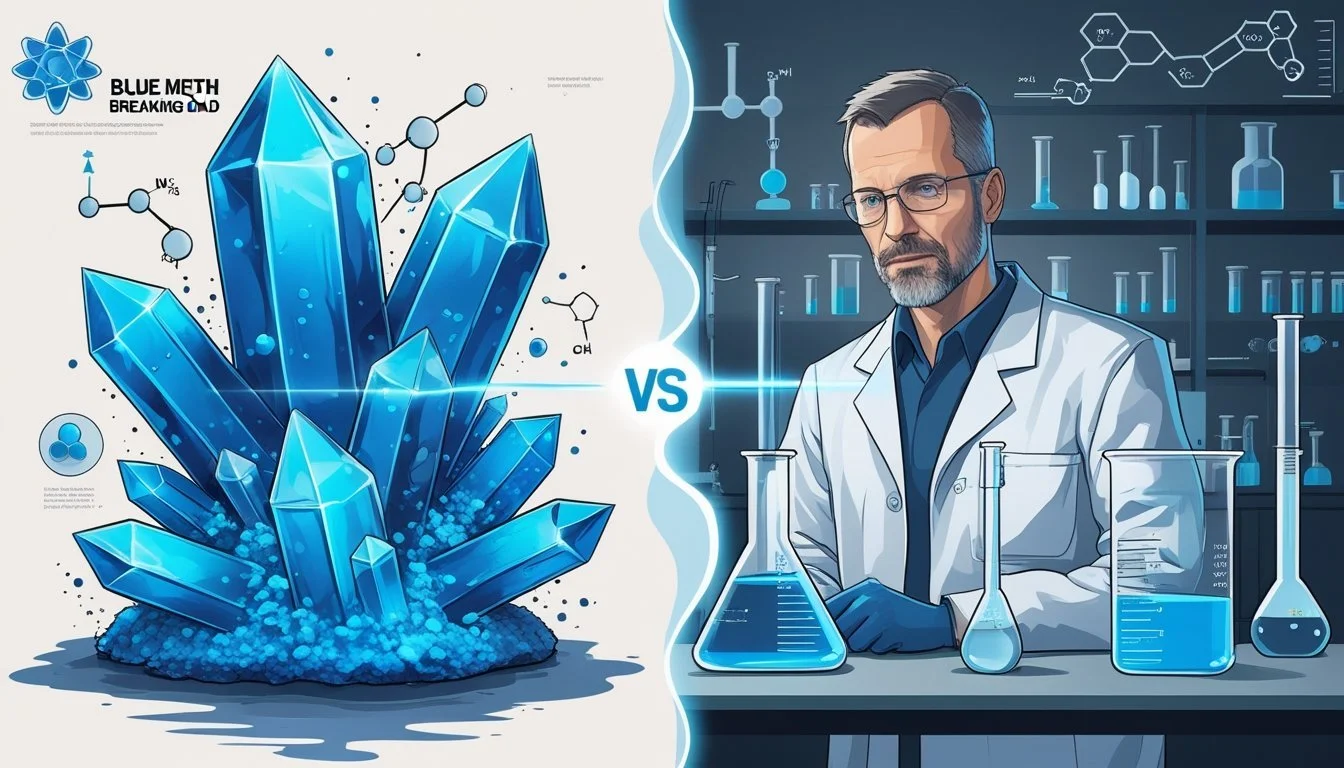
Breaking Bad became famous for its depiction of chemistry and drug synthesis, particularly in the creation of a visually striking blue meth. This section separates scientific fact from narrative invention, exploring both the accuracy of the show's process and connections to real-world illegal production.
How Accurate is the Blue Meth Process?
The science in Breaking Bad is partly based on real synthesis routes for methamphetamine, such as the P2P (phenyl-2-propanone) method referenced by Walter White. Experts confirm that some procedural details shown are plausible, but creative license is often used to simplify or dramatize steps for television.
In reality, methamphetamine is usually colorless or white. Blue coloring, as seen on the show, is usually the result of added dye rather than a distinctive feature of superior purity or quality. Chemists agree that pure methamphetamine does not naturally form blue crystals, and the show intentionally diverges from authentic chemistry for dramatic effect.
Scientific consultants worked with the show's creators, but some reactions and equipment are fictionalized or omitted for ethical and legal reasons. Scenes depicting quick results or visually spectacular effects often favor narrative excitement over laboratory accuracy.
Illegal Meth Cookbooks and Real-World Practices
So-called "illegal meth cookbooks" circulate online and in certain criminal circles. These resources describe real synthesis pathways, including the P2P method, but rarely contain instructions for making blue meth specifically. Most avoid discussing color at all, as dealers typically prefer meth to appear as pure and untainted as possible.
Real-world meth production prioritizes yield and purity, not appearance. Adding dyes makes little sense as it can suggest adulteration. The blue color in Breaking Bad remains a creative device rather than a reflection of common illegal practice.
MythBusters and other science programs have analyzed the show's chemistry. They confirm that some methods are technically feasible, but critical elements—especially the blue hue—are invented for entertainment, not replicated by real clandestine chemists.
On-Screen Chemistry and Iconic Substances
Breaking Bad used a range of chemicals and reactions to drive its plot and create tension. Some of these substances, including powerful acids and deadly poisons, are rooted in real science.
Hydrofluoric Acid and Mercury Fulminate
Hydrofluoric acid (HF) is depicted in the show as a highly corrosive agent capable of dissolving organic material and even metals. In reality, hydrofluoric acid can break down glass and tissue, posing extreme health hazards. However, it does not dissolve ceramic bathtubs and certain plastics as seen in the series. The dramatic visual impact exaggerated its real capabilities for storytelling purposes.
Mercury fulminate, featured when Walter White tosses a crystal to create a violent explosion, is an actual primary explosive. It's sensitive to pressure and shock, making it dangerous to handle. In chemistry, mercury fulminate is used in detonators and blasting caps. While the explosion in the show was amplified for effect, the compound’s volatility is based on fact.
Substance Appearance Actual Danger Level Use in Breaking Bad Hydrofluoric Acid Clear, corrosive liquid Extremely high Body disposal, destruction of evidence Mercury Fulminate White, crystalline Extremely high Threatening explosion in drug deal
Phosphine Gas and Ricin in Storylines
Phosphine gas is created in an early episode when red phosphorus reacts with moisture and heat, resulting in the release of a colorless, highly toxic gas. This scene, intended to be lethal, is rooted in a known chemical reaction, though the speed and lethality of exposure were heightened for dramatic effect. In reality, exposure to phosphine causes respiratory distress and can be fatal in high doses.
Ricin, another poison featured in multiple episodes, is a protein toxin derived from castor beans. The show's depiction of ricin as a nearly undetectable, deadly agent is largely accurate. It can be lethal if inhaled, ingested, or injected. The difficulty of detecting ricin poisoning and the lack of antidotes add to its narrative significance and real-world concern.
Blue Meth in the Breaking Bad Universe
Blue meth stands out in Breaking Bad as a signature product, known for its distinct blue color and high purity. Both production and distribution involve carefully planned roles and dangerous alliances.
Jesse Pinkman’s Role in Production
Jesse Pinkman serves as Walter White’s partner in methamphetamine production. His firsthand experience with meth, knowledge of street culture, and resourcefulness make him a critical contributor, especially in early stages of their operation.
Jesse assists with practically every aspect of manufacturing, from gathering lab equipment to handling chemicals. He follows Walter’s instructions closely while also learning advanced techniques over time. Jesse’s adaptability allows them to switch locations quickly when law enforcement or gang threats arise.
Key responsibilities handled by Jesse:
Sourcing ingredients and equipment
Preparing the workspace
Assisting with chemical processes
Managing cleanup and avoiding detection
Without Jesse’s skills and street contacts, Walter’s scientifically advanced methods would be much less effective in real-world conditions.
Distribution Through Drug Dealers
Distribution of blue meth does not rely on large organizations at first. Instead, Walter and Jesse leverage street-level drug dealers to move the product. This network includes individuals already involved in local narcotics activity who distribute the meth in small quantities across the community.
As the operation grows, they encounter more dangerous dealers, such as Tuco Salamanca, who control larger territories and demand higher volumes. These relationships carry significant risks, including violence and unstable alliances.
Distribution highlights:
Initial sales to small-scale street dealers
Rapid escalation into higher-level drug networks
Growth in territory and volume
Heightened threat from rival criminals and law enforcement
The approach ensures rapid dissemination of blue meth throughout Albuquerque, while also exposing the team to greater dangers as their reputation and product reach grow.
Cultural Impact and Legacy of Blue Meth
The unique portrayal of blue meth on AMC’s Breaking Bad changed the way audiences viewed both illicit drugs and the science behind them. Its distinct blue color became an instantly recognizable pop culture symbol tied to the show's narrative and its characters.
Blue Meth as a Television Icon
Blue meth quickly became a hallmark image of Breaking Bad. The visual signature of the blue crystals distinguished Walter White’s product from typical methamphetamine on television, giving the show a memorable and marketable symbol.
AMC capitalized on this imagery in show promotions. The blue meth prop, made from dyed sugar, appeared in merchandise, memorabilia, and even themed candy. This fictional drug was not just a plot device; it became a symbol associated with the series' intense character arcs and narrative tension.
Reports indicate that some real-world dealers attempted to color meth blue, inspired by the show's popularity. This demonstrates the way television iconography can spill into reality, impacting trends and public imagination independent of the original creators’ intentions. The image of blue meth is now closely linked with Breaking Bad in cultural memory.
Effect on Public Perceptions of Chemistry
Breaking Bad’s depiction of meth production used technical jargon and lab-style setups, drawing attention to the chemistry behind drugs. The blue color, though scientifically inaccurate, sparked interest in chemical processes and the role of science in both legal and illicit activities.
Chemistry saw a boost in public interest due to the show's focus on laboratory techniques and scientific thinking. Teachers and scientists reported more students asking about chemical processes, methamphetamine, and whether blue meth could exist in real life.
Despite dramatization, the show helped dispel myths and encourage discussions about the realities of chemistry in society. It also highlighted the importance of ethical considerations in scientific work, especially when scientific knowledge is applied outside legitimate channels. The portrayal of chemistry influenced perceptions of the discipline far beyond its typical academic setting.
