
The Meaning Behind Every Episode Title in Breaking Bad Explained and Analyzed
Every episode title in Breaking Bad carries a specific meaning that ties directly to the plot, often revealing hidden details or hinting at character motivations before the events unfold. Vince Gilligan and his team use these titles as subtle clues, with some referencing pivotal moments, moral dilemmas, or important symbols that shape each season.
Fans who pay close attention can spot how these titles connect the narrative threads—sometimes foreshadowing major twists or thematically linking different episodes. The deeper meanings behind each name add another layer of complexity and craftsmanship to an already acclaimed series, making the process of deciphering them as rewarding as watching the show itself.
Understanding the intent behind the episode names enhances the viewing experience and shines a light on Vince Gilligan’s meticulous approach to storytelling in Breaking Bad.
The Significance of Breaking Bad Episode Titles
Breaking Bad episode titles carry deeper layers of meaning that go beyond just names. Many are crafted with literary references, symbolism, or concealed messages, reflecting major themes and character journeys throughout the series.
Symbolism and Literary Allusions
Several titles use symbolism drawn from Walt’s background as a chemistry teacher. For example, “Catalyst” suggests a turning point in a chemical reaction and parallels Walter White’s transformation. Titles like “Ozymandias” directly reference the Percy Bysshe Shelley poem about legacy and downfall, which mirrors Walt’s unraveling.
Allusions to literature are frequent, including references to real figures and works like Leaves of Grass by Walt Whitman. The connection to Whitman is critical, as the poetry and the initials "W. W." become plot points. Symbolic titles give viewers insight into character motivations and key events.
Wordplay, Anagrams, and Hidden Meanings
Wordplay plays a significant role in episode naming. The titles “Cat’s in the Bag…” and “…And the Bag’s in the River” form a thematic pair, hinting at the consequences of early choices. Some titles, such as “ABQ,” serve as abbreviations, while others contain overt or subtle puns.
Hidden messages are present in the use of anagrams and acronyms. For example, the titles “Seven Thirty-Seven,” “Down,” “Over,” and “ABQ” spell out “Seven Thirty-Seven Down Over ABQ,” foreshadowing a major event in the series. These elements add layers for attentive viewers to uncover, reflecting the show’s careful construction and complex narrative.
Analyzing Iconic Episode Titles by Season
Breaking Bad’s episode titles are carefully chosen to reflect key story points, themes, and symbolism. These names often reference pivotal events in Walter White’s journey, character arcs, and subtle narrative clues rooted in Albuquerque and the criminal underworld.
Season 1: Laying the Groundwork
Season 1’s episode titles provide direct insight into the beginning of Walter White's transformation. Pilot establishes the starting point, signaling Walt’s leap from high school chemistry teacher to meth cook after his cancer diagnosis.
Titles like Cat’s in the Bag... and ...And the Bag’s in the River reference a pivotal two-part arc with Krazy-8, marking Walt’s first experience with the consequences of criminal life. Each episode title aligns closely with the plot and key decisions.
Other names, such as Crazy Handful of Nothin’, directly indicate Jesse Pinkman’s struggles and Walt’s calculated descent into assertiveness. The clarity and literal style of these early titles mirror the straightforward, foundational stories being told as the series takes shape.
Season 2: The Pink Teddy Bear Foreshadowing
Season 2 is noted for its recurring motif of a pink teddy bear, foreshadowing tragedy. Four key episode titles—Seven Thirty-Seven, Down, Over, and ABQ—combine to hint at the impending disaster in the season finale, specifically referencing the airplane collision over Albuquerque.
This season’s episode names often carry double meanings. For example, Negro y Azul alludes to narcocorridos while highlighting the dynamic between Walt and cartel forces. Better Call Saul introduces Saul Goodman and signals his future importance to both Walt and Jesse.
The symbolism layered in the titles, especially the subtle foreshadowing, signals a shift toward more complex storytelling. The season uses its titles to both drive suspense and deepen viewer engagement with the consequences of each character’s choices.
Season 3: Escalation and Transformation
Season 3’s titles reflect a period of accelerated change and growing danger for the main characters. Titles like No Más (Spanish for “no more”) capture Walt’s attempt to retreat from the meth business, while the story quickly proves things are far from resolved.
Names such as I See You and Kafkaesque underline the constant surveillance, tension, and surreal challenges faced by Walt, Jesse, and their associates. The use of Half Measures and Full Measure in the final episodes signifies choices between indecision and complete commitment as lines are crossed.
This season’s episode titles contribute directly to the atmosphere of escalating conflict and highlight the deepening moral divides among characters. Each name acts as a lens for understanding shifts in loyalty, power, and personal transformation.
Season 4 and 5: Clues, Codes, and The Endgame
Breaking Bad’s final two seasons use episode titles to foreshadow key events, hint at character fates, and deepen the storytelling. Many titles have literal, symbolic, or coded meanings that add extra layers for attentive viewers.
Season 4: Confrontations and Turning Points
Season 4 titles reflect the rising stakes and critical confrontations between Walter White and Gustavo Fring. “Box Cutter” refers directly to Gus’s chilling act in the premiere, signaling a new level of danger. “Cornered” and “Hermanos” reveal shifting boundaries, alliances, and the importance of loyalty.
“Salud,” meaning “health” in Spanish, marks a pivotal moment in the cartel storyline. The finale, “Face Off,” uses a play on words: it describes both the literal destruction of Gus Fring’s face and the figurative final showdown between Walt and Gus. Each title signals a key plot movement as the balance of power shifts dramatically.
Season 5 Part 1: The Anatomy of Decline
The first half of Season 5 traces Walt’s victory and his rapid ethical and personal decline. Titles such as “Live Free or Die” and “Dead Freight” highlight growing desperation and risk. “Buyout” and “Say My Name” chart Walt’s transformation from underdog to ruthless kingpin.
Episode 8, “Gliding Over All,” is taken from a Walt Whitman poem and references Walt’s apparent control over his empire. Yet, this title also hints he overlooks crucial details that have dire consequences later. The shift in tone is clear, signaling an impending downfall despite Walt’s momentary triumph.
Season 5 (Part 1) Selected Episode Titles:
Episode Title Notable Meaning Ep 1 Live Free or Die Freedom vs. consequences Ep 5 Dead Freight Danger on a literal/figurative train Ep 7 Say My Name Walt’s demand for recognition
Season 5 Part 2: The Final Reckoning
Part 2 focuses on the unraveling of all Walt built. “Blood Money” signifies both the literal cash Hank uncovers and the moral debt Walt accrues. “Ozymandias,” named for the famous poem, stands out as the episode where everything collapses—empires, relationships, and lives.
“Granite State” refers to New Hampshire (“The Granite State”), where Walt is forced into hiding, stripped of his power. The series finale, “Felina,” draws from multiple inspirations: it’s an anagram for “finale,” references the song “El Paso,” and alludes to blood (Fe), lithium (Li), and sodium (Na)—all elements central to the plot. Each title in this arc signals critical endings and the consequences characters face.
Decoding The Meaning of Specific Key Titles
Certain episode titles in Breaking Bad are layered with cultural references and scientific nods, revealing the show’s careful attention to word choice. These titles offer direct links to character arcs, plot shifts, and recurring themes such as power, downfall, and sacrifice.
"Felina": Layers of Interpretation
"Felina," the title of Breaking Bad’s final episode, is often seen as a multifaceted reference. It echoes Marty Robbins’ song "El Paso," in which a character named Feleena becomes the object of a doomed quest. Walter White's return to Albuquerque parallels the song’s protagonist, suggesting a fatal homecoming.
The word "Felina" also functions as an anagram for "finale," highlighting the episode's role as the series’ conclusion. Some fans point to the wordplay involving chemical elements: Fe (iron), Li (lithium), and Na (sodium). These elements connect symbolically—iron (blood), lithium (meth production), and sodium (tears)—to the show’s closing moments.
In essence, "Felina" combines Western myth, chemistry, and narrative closure, reflecting Walter’s journey and fate.
"Ozymandias": The Collapse of Empires
"Ozymandias," the fourteenth episode of the final season, references Percy Bysshe Shelley’s famous poem about a fallen king. The poem describes the ruins of a once-great empire, warning about the limits of power and legacy. The title signals the episode’s devastation, as Walter’s empire collapses.
This episode marks the irreversible destruction of Walter’s life and relationships. The power and control he worked for are shown to be temporary and fragile.
The use of the poem’s title underscores the theme of impermanence. The "empire business" Walter chased unravels, echoing Shelley’s words: “Look on my Works, ye Mighty, and despair!”
"Blood Money" and The Cost of Power
The episode "Blood Money," which starts the second half of the final season, directly addresses the consequences of Walter’s criminal actions. The title references the money gained from violence and crime, a sum stained by the suffering it brings.
The phrase also hints at the personal toll of Walter’s ascent. The "blood" symbolizes loss and guilt, while "money" stands for the illicit fortune fueling the show’s central conflict.
Through the episode, viewers see Jesse Pinkman struggle with the moral cost. The motif of ill-gotten gains becomes a driving force, highlighting the price each character pays for power.
Recurring Motifs and Thematic Patterns in Titles
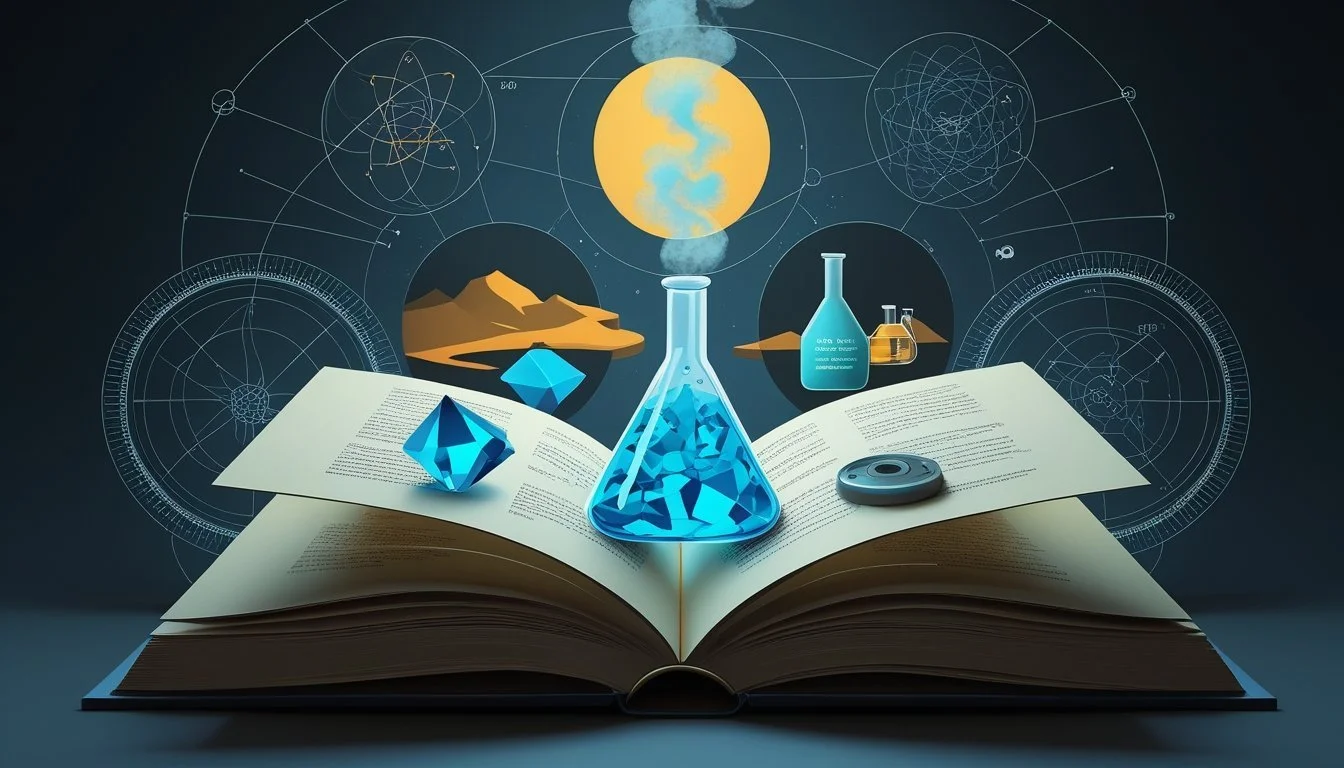
Breaking Bad episode titles often use scientific terms, vivid imagery, and specific motifs to hint at major plot points and deeper themes. Titles reference not only plot events but also recurring ideas like transformation, danger, and the consequences of choices.
Chemistry References and Symbolic Elements
Many episode titles in Breaking Bad draw on chemistry-related language, emphasizing Walter White’s background as a chemistry teacher. Titles such as "Catalyst," "Half Measures," and "Full Measure" borrow terminology from science, reflecting both literal chemical reactions and changes within the characters.
Frequent reference to meth is made both directly in titles and indirectly through symbols of purity or destruction. The concept of transformation, central to chemistry, parallels Walter's transition from teacher to meth cook. Scientific terms often double as metaphors for moral decay, manipulation, and the escalating stakes in each season. This layering adds a sense of inevitability and precision to the storytelling, with science and crime tightly interwoven.
The Role of Colors and Objects
Color and objects appear not only as motifs within episodes but also in their titles. The "Pink Teddy Bear," from the episode “ABQ,” symbolizes guilt, trauma, and the unintended fallout from Walt’s choices. Its recurring image, along with the blood in the pool, signals tragedy and loss.
Objects like tears, blood, and cancer become symbolic markers. For example, cancer is not only present in the plot but echoed in titles such as “Cancer Man.” These motifs reflect Walt's vulnerability and the collateral damage suffered by those around him. Objects and colors serve as visual and thematic cues: pink for lost innocence, blue for meth purity, and blood for violence and consequence, reinforcing central show themes throughout the series.
Real-World Influences and Cultural References
Breaking Bad’s episode titles frequently draw from real-world influences, incorporating references to music, literature, and pop culture. Some titles also conceal homages and hidden messages that enrich the viewing experience.
Music, Literature, and Pop Culture
Several episode titles reflect cultural touchstones. For example, “Caballo Sin Nombre” is a nod to the classic song “A Horse with No Name” by America, while “Felina”—the title of the final episode—references the song “El Paso” by Marty Robbins. In Robbins’s ballad, the character Felina foreshadows themes of fate and finality, mirroring Walter White’s journey.
Pop culture references extend to other TV shows and films. The fourth season episode “Shotgun” alludes not only to weaponry but also to a recurring motif in American cinema. The X-Files receives subtle acknowledgment, as Breaking Bad creator Vince Gilligan previously wrote for the series, influencing the show’s tone and narrative style. Literature also leaves its mark, with some titles echoing classic works or idioms known in American vernacular.
References from online communities, such as discussions on Reddit, have also influenced interpretations and speculations about episode title meanings.
Homages and Easter Eggs
Many episode titles incorporate hidden homages and coded messages. A notable example is the combined titles “Seven Thirty-Seven,” “Down,” “Over,” and “ABQ” in Season Two, which together foreshadow the plane crash in Albuquerque. This hidden message was later discussed and dissected extensively by fans on platforms like Reddit.
The writers often embed Easter eggs that reward attentive viewers. In “Peekaboo,” the title reflects both the plot involving a game and the moral blindness of certain characters. Subtle nods to older crime dramas and famous capers can also be traced through clever titling conventions and narrative parallels.
Some homages are visual or thematic, connecting the titles with significant events or themes from American music, Westerns, and cinema. These connections create a layered storytelling experience that appeals to both casual viewers and dedicated fans.
How Breaking Bad Titles Reflect Character Arcs
Breaking Bad episode titles often carry deep connections to the journeys of its lead characters. These names not only hint at key plot points but also reveal shifts in personality, motivation, and morality throughout the series.
Walter White: From Teacher to Heisenberg
Walter White's transformation is mirrored in episode titles that chart his path from high school chemistry teacher to criminal mastermind. Early titles like "Pilot" and "Cat's in the Bag..." reflect the beginning of his double life, suggesting uncertainty and containment as he confronts his diagnosis and first illegal act.
As Walter develops his alter ego Heisenberg, titles such as "Crazy Handful of Nothin’" directly reference his embrace of violence and risk. "Felina," the series finale, is an anagram for "finale" and alludes to the Marty Robbins song with a character fated for doom, encapsulating Walter’s end.
Title choices like "Ozymandias" reinforce his rise and catastrophic fall. The explicit reference to Percy Bysshe Shelley's poem underlines the impermanence of Walter's power and the devastation he leaves in his wake.
Jesse Pinkman: Struggle and Redemption
Jesse Pinkman's arc is tightly woven into titles that reflect turmoil, resilience, and attempts at change. "Peekaboo" captures Jesse’s exposure to harsh realities and the emotional consequences of his actions, especially when he confronts neglected innocence during a burglary.
Titles such as "ABQ" and "Confessions" highlight moments when Jesse is caught between worlds—drawn into destructive choices but never losing his underlying conscience. "End Times" and "Full Measure" underscore his struggle to navigate loyalty and self-preservation, as well as his willingness to take decisive action.
Jesse's path toward redemption is marked through the season five episode "Granite State." The title evokes isolation and the hope for a new identity as he seeks escape from the cycle of crime, emphasizing his persistent struggle for freedom.
Skyler White: Complicated Roles
Skyler White’s evolution is mapped through titles that reference her shifting agency and conflicting loyalties. In "Over," the title points to the limits of her tolerance as she confronts Walter’s secrecy and begins questioning his behavior.
Titles like "I.F.T.," an abbreviation for “I F---ed Ted,” reveal her attempts to assert control and autonomy over her situation, using choices that carry deep emotional consequences. "Fifty-One" spotlights her role at the center of a collapsing marriage, timed to Walter's fifty-first birthday, marking a midpoint in her moral crisis.
Her impact is further captured in episodes like "Buried," a metaphor for the secrets she keeps and her efforts to shield her family, demonstrating the complexity of her position within the unfolding chaos.
Fun Facts and Lesser-Known Details

Little elements scattered throughout Breaking Bad contribute to its depth, including recurring gags, local references, and production trivia. Details like personalized license plates, character nicknames, and inside jokes are paired with behind-the-scenes decisions that often go unnoticed.
License Plates, Nicknames, and Insider Jokes
License plates in Breaking Bad carry intentional messages. Walter White drives a car with the plate "THE-WHL," alluding to his transformation into "the whale" during his criminal rise. Saul Goodman's Cadillac has the plate "LWYRUP," an on-the-nose reference to his legal advice: “Lawyer up.” These small touches add a layer of authenticity and serve as Easter eggs for attentive viewers.
Nicknames further reflect character dynamics and the Albuquerque setting (ABQ). Hank Schrader, a DEA agent, often refers to Jesse Pinkman as “junkie,” while Jesse calls Walter “Mr. White.” The omnipresence of local flavor is evident in dialogue, signage, and background details—emphasizing the show's deep ties to its New Mexico roots.
Insider jokes pop up throughout episodes. Saul Goodman’s flashy TV commercials, for example, use phrases like “Better Call Saul,” which later spun off into its own series. The infamous “ABQ” episode title comes directly from the city’s airport code, signifying Albuquerque’s influence over the series' identity.
Cast, Network, and Behind-the-Scenes Insights
Breaking Bad’s pilot was filmed as a standalone episode to help sell the show to AMC. The network’s willingness to take risks, greenlighting the series, shaped television drama. Some cast members—including Bryan Cranston (Walter White)—were involved in episode title discussions, helping to choose titles that foreshadowed character arcs or momentous events.
The writing process often involved chemistry consultants to ensure scientific accuracy, particularly in episodes focused on meth production. Meticulous planning led to details like anagrams in episode titles. The final episode, "Felina," is itself an anagram for “Finale” and a reference to the song “El Paso” by Marty Robbins, alluding to the show’s end and Walter’s fate.
Several actors, such as Dean Norris (Hank, the DEA agent), provided their own input for certain scenes, ensuring authentic law enforcement portrayal. The production crew often inserted in-jokes visible to dedicated fans, including background props and references reflecting cast personalities or previous projects.
Legacy and Lasting Impact of Episode Titles

The episode titles of Breaking Bad have become a reference point for the show's depth and creativity. Many fans and critics regularly discuss their meaning and impact online, showing the titles’ continued relevance in television discussion.
Writers used episode titles as subtle hints or foreshadowing of plot developments, especially as they related to the meth business central to the series. For example, titles like “Ozymandias” directly reference themes of power, downfall, and legacy relevant to Walter White’s criminal empire.
Some season titles formed hidden messages when listed in order. For instance, if certain episodes are combined, they spell out “Felina”—the title of the series finale, which itself is an anagram of "finale" and also references a song important to the story. This thoughtful approach rewards attentive viewers.
Below is a list highlighting the impact of certain titles:
“Pilot” – Introduces Walter’s dual life and the foundation of the meth business
“Seven Thirty-Seven” / “Down” / “Over” / “ABQ” – Episode titles spell out “Seven Thirty-Seven Down Over ABQ,” foreshadowing the plane crash
“End Times” – Raises stakes near the series’ climax
These clever choices contribute to the show’s reputation for meticulous storytelling. The episode titles themselves have become frequent subjects of analysis, appearing in articles, podcasts, and fan discussions long after the show ended. This ongoing interest highlights their unique role in the legacy of Breaking Bad.
