
Beth Dutton’s Office Wars Are Pure Yellowstone Gold
Inside Her Fiercest Power Moves
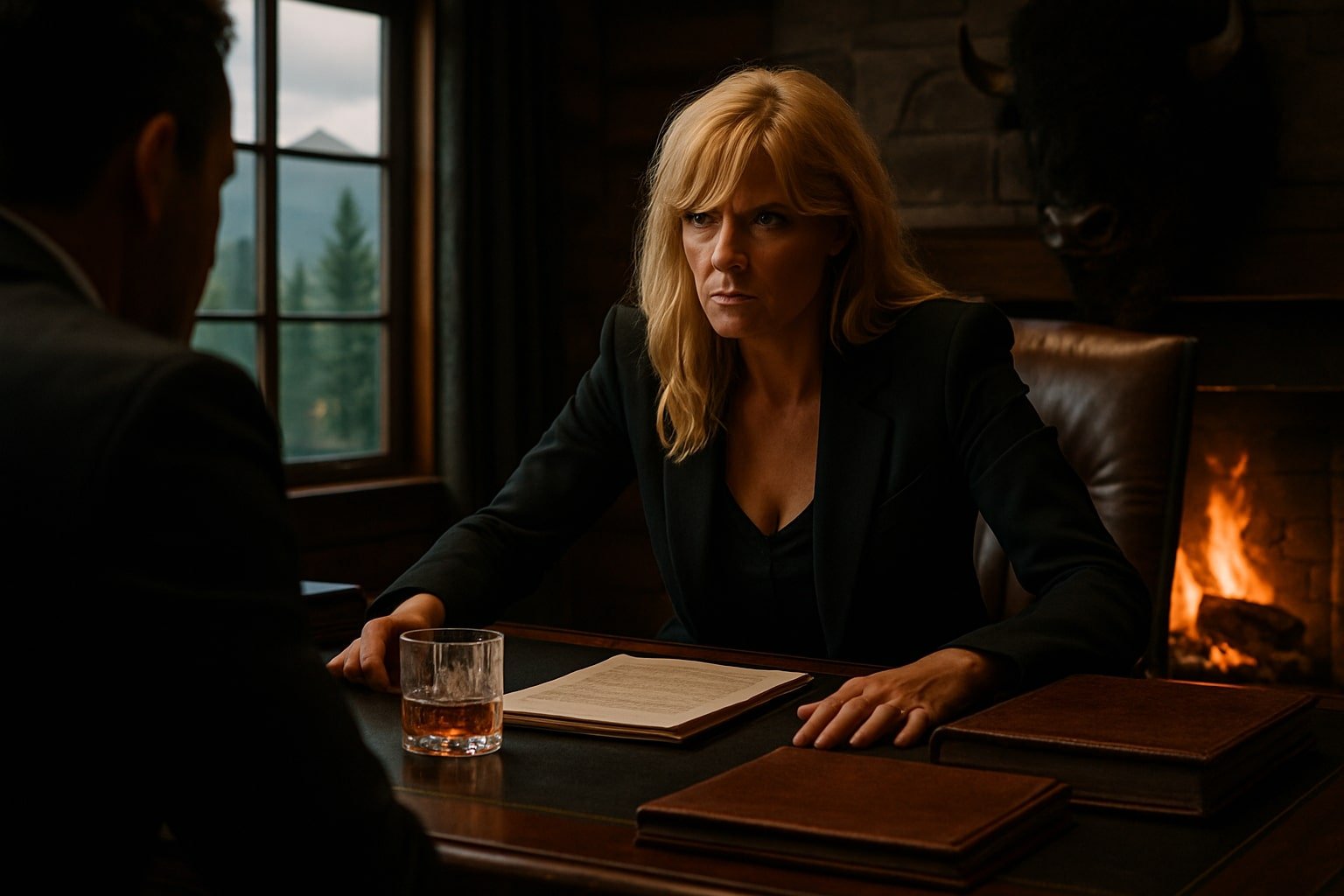
Beth Dutton’s fierce presence in the Yellowstone office has become one of the show’s most memorable aspects, blending business acumen with unflinching intensity. Her office wars showcase sharp negotiation, ruthless decision-making, and an unwavering commitment to the Dutton family’s legacy. These moments are not just dramatic—they reveal how far Beth is willing to go to protect what matters most.
Fans and critics alike recognize Beth’s confrontations—especially her explosive face-offs with adversaries—as key highlights in the series. Whether she’s dismantling a competitor or standing her ground against corporate threats, the tension in her office scenes is always palpable.
Beth Dutton’s office battles set the tone for Yellowstone’s no-holds-barred approach to power struggles, making them essential viewing for anyone drawn to high-stakes drama.
Beth Dutton: The Unstoppable Force Behind Yellowstone’s Office Wars
Beth Dutton brings a distinctive approach to the business battles depicted on Yellowstone, turning corporate strategy into a high-stakes contest for control. Her presence in the boardroom is marked by unflinching confidence, clear motives, and calculated tactics that resonate throughout the Paramount Network series.
Defining Beth Dutton’s Influence
Beth Dutton, a central fictional character in Yellowstone, is recognized for her decisive impact on the show's corporate drama. Her influence stems from her ability to read opponents and adapt her methods—whether negotiating deals or confronting adversaries within or outside the family.
She embodies a blend of intellect and ruthlessness, transforming every office war into a contest where personal loyalty and business interests collide. Beth’s actions consistently challenge the balance of power in her environment, making her both a driving force and a disruptor.
With her unwavering determination, Beth consistently redefines the boundaries of authority inside the Dutton business empire. She is unapologetically direct, illustrating how strength in leadership can unsettle even the most secure of competitors.
Portrayal by Kelly Reilly
Yellowstone’s depiction of Beth Dutton owes much to the nuanced performance of Kelly Reilly. Reilly’s interpretation is marked by a sharp, intense presence that gives Beth an edge in every interaction, from tense boardroom showdowns to quiet moments of strategy.
Reilly balances Beth’s vulnerability with steely determination, resulting in a character who is multidimensional and relatable. She uses body language, tone, and subtle expressions to convey Beth’s authority and inner conflicts without unnecessary theatrics.
Paramount Network’s direction ensures that Beth stands out as both a formidable adversary and a compelling figure. The authenticity that Reilly brings to the role is a significant reason why Beth’s office battles are often seen as the heart of the show’s dramatic intrigue.
Authority and Control in the Office
Beth Dutton’s approach to office politics is grounded in her firm grasp of control and authority. She uses direct challenges, swift decision-making, and unfiltered honesty to establish her dominance within the Dutton family business and beyond.
Her methods often involve calculated risks, such as strategic partnerships or aggressive takeovers. Beth’s ability to see several moves ahead positions her as an unrivaled force in the show’s business conflicts.
Some of her most memorable moments involve her dismantling rivals’ arguments or exposing weaknesses in boardroom settings. This clear command over office dynamics not only secures her position but also sets the tone for power struggles throughout Yellowstone.
The Dutton Family: Power, Loyalty, and Legacy
The Duttons’ story is defined by their command over the Yellowstone ranch and their struggles to keep it in the family. Ownership brings fierce loyalty and constant challenges as they try to uphold a heritage rooted in Montana’s rugged past.
Family Dynamics at the Yellowstone Ranch
The Dutton family, led by John Dutton, operates at the center of the ranch’s daily life and conflicts. Beth Dutton often drives the family’s strategic direction, wielding both sharp insight and unwavering devotion to her father and the ranch’s survival. Her tense but vital relationship with her brother, Jamie, highlights longstanding rifts and unresolved trauma within the family.
Kayce Dutton serves as a bridge between ranch tradition and new paths forward, balancing family duty with his own values. From the fraught breakfast table to high-stakes boardroom meetings, alliances form and dissolve rapidly.
The family system is a blend of protectionism, power struggles, and a unique brand of loyalty that often requires personal sacrifice. These dynamics reflect not only the burdens of legacy but also the isolation and responsibility that come with owning a historic piece of Montana land.
Key Members:
John Dutton (patriarch)
Beth Dutton (strategist, enforcer)
Jamie Dutton (lawyer, outcast)
Kayce Dutton (mediator, new generation)
Yellowstone as a Symbol of Heritage
Yellowstone ranch is more than real estate; it embodies the Duttons’ claim to Montana’s pioneer legacy. The land’s sheer scale and historical depth provide a tangible connection to the era of homesteaders and early settlers, shaping the Duttons' duty to defend it at all costs.
Their struggle is tied to the tension between modern pressures—land developers, politicians, and outsiders—and a tradition that values generational stewardship. The Dutton family’s drive to preserve Yellowstone echoes the ongoing battle to define who controls the legacy of the American West.
Yellowstone’s buildings, boundaries, and cattle herds are reminders of the family's pioneer roots. Defending every acre is presented as an act of honoring previous generations, setting a standard for what it means to be a custodian of Montana’s land and history. The ranch’s survival is as much about identity and memory as about power or ownership.
Inside the Office: Strategies, Rivals, and Power Plays
Beth Dutton navigates the high-stakes world of Yellowstone Ranch's boardrooms with a blend of calculated aggression and psychological insight. Her approach to office warfare is deeply personal, shaped by past betrayals and her unwavering loyalty to family.
Beth Dutton’s Tactics and Escalation
Beth’s tactics are rooted in psychological warfare and direct confrontation. She uses her financial skills, market knowledge, and an ability to exploit weaknesses to keep the Dutton interests protected.
Lists, memos, and contracts become weapons as she outmaneuvers corporate rivals like Market Equities. Beth isn't above leveraging information as blackmail, turning even routine meetings into battlegrounds. When provoked, she escalates with unmatched ferocity, sometimes tipping calculated business plays into personal vendettas, especially if the threat involves her family.
Escalation is not just strategy for Beth; it's instinct. She often amplifies stakes—publicly humiliating opponents or pushing for complete victory rather than compromise. Every action is precise, but she’s also ready to improvise and glide from intimidation to negotiation, making her approach unpredictable.
Key Rivals and Allies
Beth’s principal corporate adversaries include the executives at Market Equities, such as Willa Hayes, whose expansion plans threaten the Dutton legacy. These business rivals employ mergers, buyouts, and legal pressure; Beth responds with countermeasures rooted in her own expertise.
Jamie Dutton, her adopted brother, is both rival and unwilling ally. Their complicated relationship weaves family history into business decisions, with moments where Beth weaponizes trust and betrayal. Close allies, like her father John Dutton and her husband Rip Wheeler, contribute loyalty and muscle, tipping the balance in critical boardroom moments.
The boardroom itself becomes an extension of long-standing feuds. Beth’s awareness of every shifting alliance gives her an edge—she keeps support close and opposition under surveillance.
Revenge and Manipulation as Art Forms
Retaliation is an art for Beth; her office wars often double as personal missions of revenge. Whether exposing fraud, orchestrating hostile takeovers, or delivering legal threats, Beth ensures retribution is swift and thoroughly planned.
Her manipulations are not simply spiteful but woven into long-term strategy. For example, after being wronged by business leaders or family members, Beth waits for the right opportunity to undermine them, sometimes using significant events like her wedding as leverage.
Beth manipulates perception, sowing doubts among competitors and sometimes within her own ranks. By mastering both overt and subtle revenge techniques, she maintains a unique form of control—subtle enough to glide under the radar when needed, but punishing when the time calls for it.
Character Relationships Shaped by Office Conflict
Beth Dutton’s confrontational approach to business and ranch politics shapes her interactions with those closest to her. These high-pressure office dynamics alter key relationships, testing loyalty, trust, and family roles.
Beth Dutton & Rip Wheeler: An Unbreakable Bond
Beth’s office battles with rivals and family often carry into her private life with Rip Wheeler. Their relationship is marked by a deep mutual understanding, forged in the fires of shared hardship. Rip serves as Beth’s confidant and unwavering supporter, absorbing the emotional fallout from her corporate wars.
In moments of stress, Beth turns to Rip for stability. Their bond is built on resilience, trust, and a refusal to judge each other’s scars. The office conflicts make Beth more guarded, but with Rip, her vulnerability surfaces. Each confrontation at work only strengthens their connection as Rip never wavers, providing a rare sense of security amid chaos.
Despite being tested by her combative environment, the loyalty between Beth and Rip is unwavering. Their ability to withstand the fallout from her professional life demonstrates why their relationship is so compelling.
Parenting and Motherhood Under Pressure
Beth’s work-driven world creates unique challenges for her role in parenting. She approaches motherhood with the same intensity that defines her business life, often struggling to balance nurturing with the pressures of the ranch.
Her confrontational style, honed in Yellowstone’s boardrooms and offices, seeps into her personal choices and family interactions. This leads to both tender and fraught moments, where Beth must navigate the line between protector and disciplinarian.
Her path to motherhood is complicated by past trauma and relentless demands. When she takes on a parental role, she applies a protective, sometimes uncompromising approach. The pressures from her work environment not only shape how she parents, but also highlight the vulnerabilities beneath her strong exterior.
Iconic Moments and Episodes Defining Office Wars
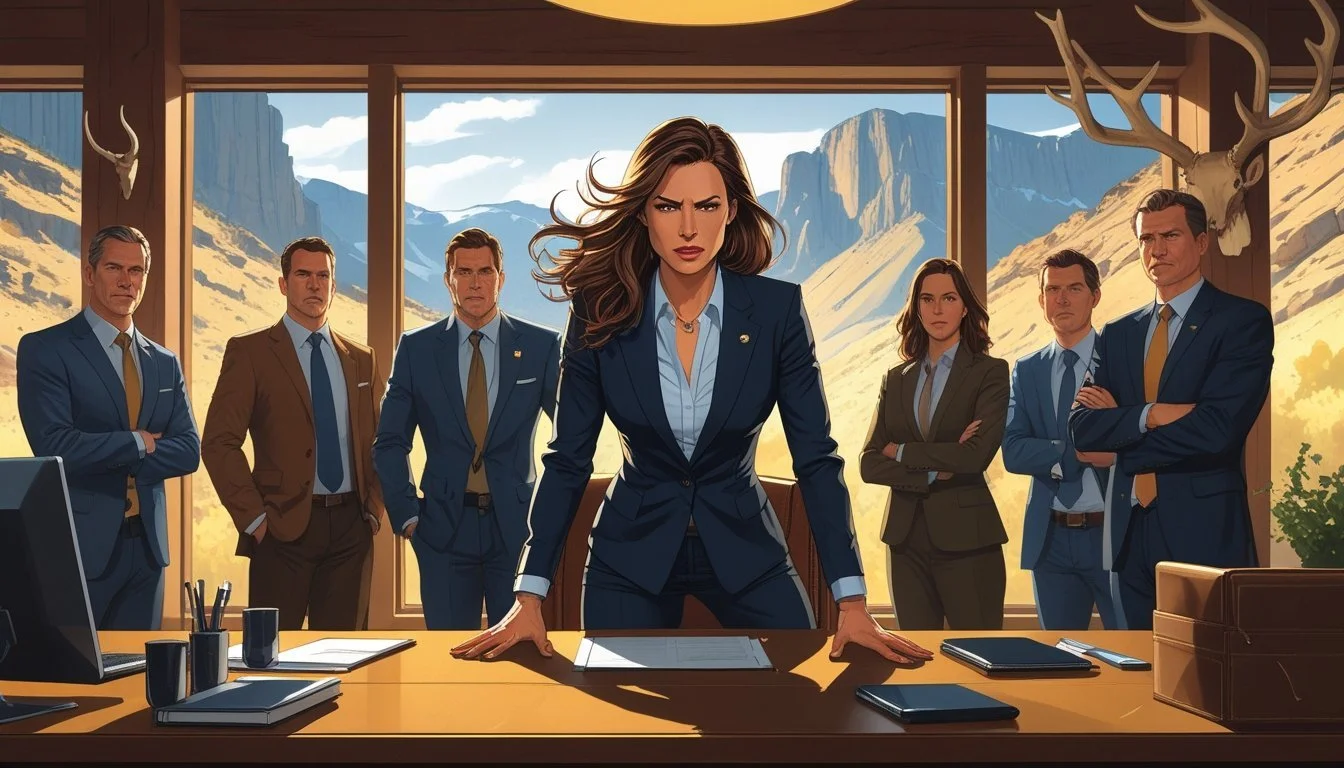
Beth Dutton's corporate battles are defined by high-stakes confrontations and calculated survival strategies. Each episode tightens the focus on her ruthless business maneuvers and willingness to outthink her rivals.
Standout Office Showdowns
Beth Dutton's talent for turning a corporate setting into a battleground is evident in several memorable episodes. The most talked-about is the explosive confrontation in her office during Season 3, Episode 5 (“Cowboys and Dreamers”). She faces off against corporate adversaries with sharp wit and unyielding intensity.
Another standout moment is the day that starts as routine but descends into chaos as Beth’s office is attacked, testing her instincts and composure under pressure. These scenes showcase her explorer-like mentality, always seeking new strategies to tackle threats.
A table of key episodes:
Episode Notable Action Outcome S3E5 Public confrontation Beth asserts dominance S3 Finale Office attack Escapes with quick thinking
Escape and Survival Tactics
Beth’s approach to survival in the office world shares traits with a seasoned explorer. She prepares for betrayal, keeps allies close, and adapts under fire. During orchestrated attacks, she relies on quick decision-making and resilience instead of brute force.
Her escape from dangerous office scenarios reveals her methodical planning and ability to exploit others' weaknesses. Beth anticipates threats and uses both legal and psychological strategies to stay ahead of her enemies.
Key tactics:
Use of misdirection to protect crucial information
Rapid formation and dissolution of alliances
Leveraging legal expertise for defense and attack
These elements define her ongoing talent for navigating—and surviving—the volatile world of Yellowstone corporate warfare.
Real-World Parallels and Historical Influences

Beth Dutton’s machinations at Market Equities take cues from historic business rivalries, classic literature, and authentic Montana culture. Her storyline highlights the unique blend of ruthless strategy, historic echoes, and the undeniable influence of her Montana environment.
Grand Army of the Republic: Leadership Echoes
The Grand Army of the Republic, a powerful post–Civil War veterans’ group, shaped public policy and local governance across the American West. In Yellowstone, echoes of this legacy appear in the way Beth adopts uncompromising, tactical leadership.
Her approach to office battles mirrors the GAR’s disciplined structure and no-nonsense attitude. Beth’s allegiance to the Dutton family and their land reflects how the GAR prioritized loyalty and collective defense of shared interests.
Just as the GAR fostered networks of support among members, Beth builds strategic alliances within the corporate landscape. The spirit of resilience and unity in the GAR is mirrored in her refusal to back down, no matter the stakes.
Mentions of Count of Monte Cristo
References to The Count of Monte Cristo emerge in Yellowstone as metaphors for revenge and calculated retribution. Beth’s strategies often parallel the methodical plotting of Edmond Dantès, the novel’s protagonist.
She employs careful planning and leverages insider secrets, reflecting the literary theme of smart patience followed by decisive action. Her corporate takedowns are not impulsive; they are mapped out over time, with precision similar to Dantès’ vengeance arc.
When Beth faces betrayals or office enemies, her responses often recall the novel’s lessons about justice, endurance, and the strategic advantage of knowing one’s adversaries better than they know themselves.
Life in Dillon, Montana
Dillon, Montana, provides a realistic touchstone for the settings and attitudes seen in Yellowstone. Life in Dillon centers on ranching, small-town economies, and a rugged sense of independence that permeates Beth’s character.
The show uses details from communities like Dillon to create authentic backdrops for Beth’s work and family life. The region’s history of land disputes and agricultural tradition informs both her defense tactics and personal identity.
Community values in Dillon emphasize resilience, resourcefulness, and maintaining generational ties to the land. Beth’s decisions in the office echo this mindset—even in corporate warfare, her Montana roots shape her approach to loyalty, risk, and survival.
Yellowstone’s Broader Impact on Television Drama
Yellowstone has set itself apart by combining high-stakes drama with unique regional storytelling. Its influence can be seen both in the way television series approach cultural narratives and in the strategic decisions made by networks like Paramount.
Cultural Legacy and Critical Acclaim
Yellowstone’s portrayal of ranching life in Montana reintroduced viewers to American Western themes with a modern edge. The series uses sharp dialogue, complex characters like the Dutton family, and layered conflicts to attract a wide audience.
Notably, its depiction of power struggles—both in boardrooms and on open ranges—has resonated with viewers tired of formulaic prestige dramas. Yellowstone’s unapologetic style blends family drama, regional politics, and social commentary, encouraging other shows to explore underrepresented settings.
While critics have debated the show’s representation of race and class, ratings and viral popularity highlight its mainstream success. The show’s consistent presence in pop culture discussions has made it a significant talking point in critical circles, despite mixed reviews regarding its approach to sensitive issues.
The Paramount Network’s Role
Paramount Network’s investment in Yellowstone reshaped its profile, positioning it as a home for high-budget, star-driven drama. The network shifted resources from comedy and reality programming to focus on scripted originals, with Yellowstone becoming its centerpiece.
This strategy directly influenced network branding and audience demographics. The show’s success also sparked a wave of similar projects, including prequels and spin-offs, emphasizing the importance of franchise storytelling.
While Yellowstone never specifically addresses topics like "Our Boys," "Christmas," or the judicial system ("judge") in detail, its approach highlights how strategic network decisions can influence the broader landscape of television content, creating space for both experimental and traditional storytelling.
