
The Philosophy of Violence in Yellowstone
Exploring Power and Survival in the American West
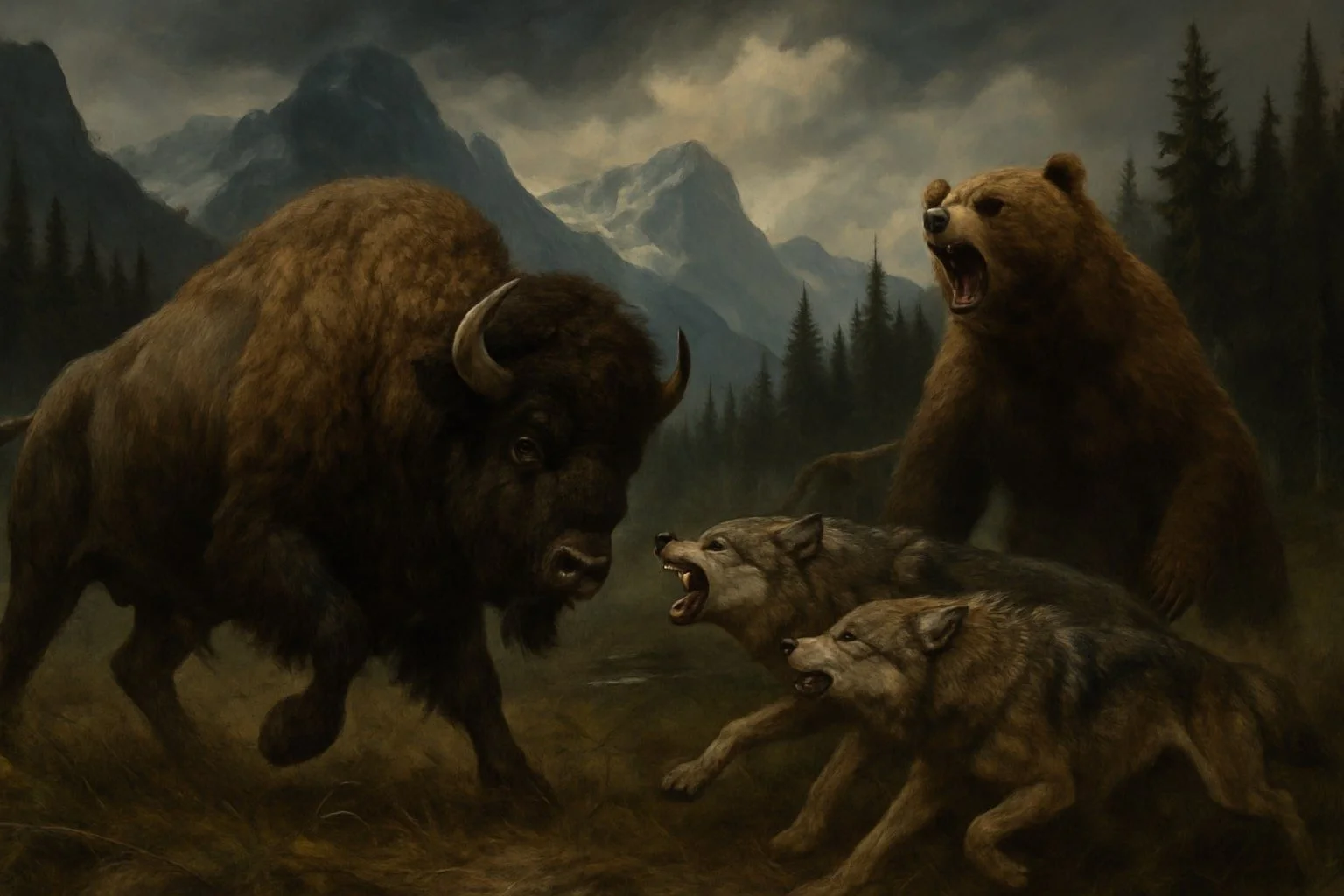
The Paramount Network's modern western drama "Yellowstone" has captured attention for its unflinching portrayals of power struggles and moral complexity. Violence is central to the show's narrative, woven into family feuds, land disputes, and personal revenge. "Yellowstone" uses violence not just as an action element, but as a crucial tool for exploring questions of justice, loyalty, and survival in a rapidly changing American West.
Characters in "Yellowstone" often justify their use of violence as a necessary response to threats, whether those threats come from rivals, changing cultural values, or their own troubled pasts. These choices reflect a broader philosophy within the show: in a world where systems fail and opponents refuse to play fair, taking harsh measures is seen as understandable, if not unavoidable.
As the boundaries of right and wrong blur, viewers are left to consider whether the violence in "Yellowstone" is a critique of American mythmaking or a reflection of it. The show invites its audience to question if such brutality is a symptom of ongoing social problems or a defense mechanism for families and traditions under siege.
Defining Violence in Yellowstone
Violence in Yellowstone is woven into daily life, with acts ranging from physical altercations to psychological intimidation. Taylor Sheridan's writing grounds violent acts in logical motivations, yet the show's approach raises questions about morality and legacy in the West.
The Nature of Violence on the Yellowstone Ranch
Daily life on the Yellowstone Ranch involves a spectrum of violence that extends beyond gunfights. Physical confrontations are common among cowboys, landowners, and rivals. Fistfights, threats, and even murder serve as methods of problem-solving and protection.
This violence isn’t only reactive. The Dutton family sometimes uses force to assert control and stake claims over land, often justifying it as defense of heritage. Violence also appears as covert threats, coercion, or emotional manipulation, especially in family dynamics.
Sheridan’s depiction doesn't romanticize brutality. Instead, it functions as a fact of the modern Western, where survival and loyalty outweigh the law. The sustained presence of danger shapes characters’ worldviews, affecting trust and defining relationships.
Violence as a Narrative Tool
Violence in Yellowstone is not gratuitous but is used to drive the story and reveal character motivations. Major plot points often come about through confrontations, assassinations, or attempts to remove obstacles to the ranch’s legacy.
Taylor Sheridan crafts violence as both a threat and a solution. It pushes characters to make irreversible decisions. For example, disputes with land developers or rivaling ranchers almost always escalate into violence, moving the plot forward and forcing the Duttons to confront their own limits.
This tool also explores deeper themes. Characters struggle with the ethics of retaliation and power, and violence exposes their boundaries and values. As a result, viewers see not only outward action but also the internal and relational costs that violent choices create.
Comparisons to Classic Westerns
Yellowstone’s approach to violence both echoes and diverges from classic Westerns. Traditional Westerns often used shootouts and duels as climactic moments, rooted in clear lines between heroes and villains.
In contrast, violence in this modern Western is more morally ambiguous. The Duttons’ actions blur the line between heroism and criminality. The show’s violence feels less like spectacle and more like consequence, reflecting the complexities of the 21st-century West.
Taylor Sheridan draws from the Western drama tradition, but he grounds violence in contemporary issues—such as land ownership, capitalism, and family loyalty—rather than old-fashioned lawlessness. This marks a shift from the mythic cowboy toward a nuanced exploration of power and survival on the Yellowstone Ranch.
Philosophical Themes and Morality
The Dutton family's actions in Yellowstone reveal moral ambiguity where violence, loyalty, and power intersect. This section explores how ideas of good and evil, personal values, classical philosophy, and notions of the sacred shape the ethical landscape of the series.
Good and Evil in the Dutton Family
The Duttons operate in a world where good and evil are not sharply divided. John Dutton's choices as patriarch often blur moral boundaries, justifying harsh actions as necessary to defend his land and family.
In the show, violence is a tool for survival and protection, but it comes at the cost of innocence and trust. Characters face constant choices between personal loyalty and broader ethical standards, revealing internal conflicts.
Beth Dutton, in particular, displays a personal code that prioritizes family over conventional moral values. The show presents these characters not as purely villainous or heroic, but as individuals shaped by circumstance and legacy.
Virtue and Individualism
Virtue in Yellowstone is largely defined by individual willpower and loyalty rather than adherence to universal rules. Many characters exhibit traits of rugged individualism, making decisions based on what they view as honorable within their own context.
Key virtues in the series include:
Loyalty to family and ranch
Resilience in the face of threats
Courage to act decisively, even when facing moral costs
These values often come into conflict with law and communal morality. For the Duttons, true virtue means refusing to back down from their principles, even at great personal risk.
Nietzschean Concepts Applied
Nietzsche’s philosophy, especially his challenge to black-and-white morality, finds clear resonance in Yellowstone. The show rejects simplistic distinctions between good and evil, echoing Nietzsche’s emphasis on moral ambiguity.
Beth’s approach to ethics—centering her own values and interests—is a direct reflection of Nietzschean individualism. Her actions make sense within her worldview, which disregards outside judgments in favor of personal strength.
John Dutton’s struggle to impose his will over a chaotic world also mirrors Nietzsche’s will to power. This theme underlines much of the conflict and justifies the family’s reliance on force and assertion.
Sacred and Profane Motivations
Motivations in Yellowstone often derive from both sacred ideals and profane desires. Protecting the ranch is framed as a mission linking the family to the history and land of Montana, giving their struggle an almost spiritual dimension.
At the same time, the violence and betrayal among characters stem from baser motives—revenge, jealousy, and fear. The collision between the sacred duty to defend legacy and the profane will to dominate or survive intensifies the show’s moral drama.
These elements reinforce the sense that Yellowstone is not just a story of personal power, but also of defending something deeply revered, even when methods are deeply flawed.
Violence as Protection and Survival
In Yellowstone, violence is not portrayed as mindless or gratuitous but as a direct response to threats against land, livelihood, and tradition. The actions of ranchers and families living in rural Montana highlight the complex realities of maintaining control over property and safeguarding cattle from both human and environmental dangers.
Defending Land and Livelihood
Protection of land is at the core of many conflicts in Yellowstone. Ranchers, particularly the Dutton family, see their ranch as more than an asset; it is a legacy. This motivates intense efforts to defend it from developers, rivals, and shifting political interests.
In rural Montana, disputes over boundaries and water rights often escalate quickly. Firearms and forceful tactics become tools not only for self-defense, but also as deterrents. This reflects longstanding traditions in the region, where legal and institutional support can be limited, and neighbors sometimes serve as adversaries.
Table: Key Threats to Montana Ranches
Threat Type Common Response Land Grabs Legal action, shows of force Cattle Theft Patrolling property, armed response Encroachment Negotiation, physical barriers, warning shots
Livestock, Hunting, and Rural Realities
Livestock loss means economic ruin for many in rural Montana. Wolves, bears, and poachers around Yellowstone National Park threaten cattle, leading ranchers to use guns and organized patrols as routine lines of defense.
Hunting is not depicted purely as sport but as a necessity to manage predators and supplement food supplies. Regulated shooting sometimes extends into tense encounters with outsiders who breach ranch boundaries or threaten herds.
List of Common Wildlife Conflicts
Wolf attacks on cattle near park borders
Bison wandering onto ranches and spreading disease
Bears breaking fences or preying on livestock
Ranchers in Yellowstone rely on violence not just out of choice, but as a means of survival in a landscape where official help can be hours—or even days—away. This pragmatic use of force illustrates the harsh conditions of rural Montana and the daily decisions faced by those living there.
Family, Legacy, and Conflict
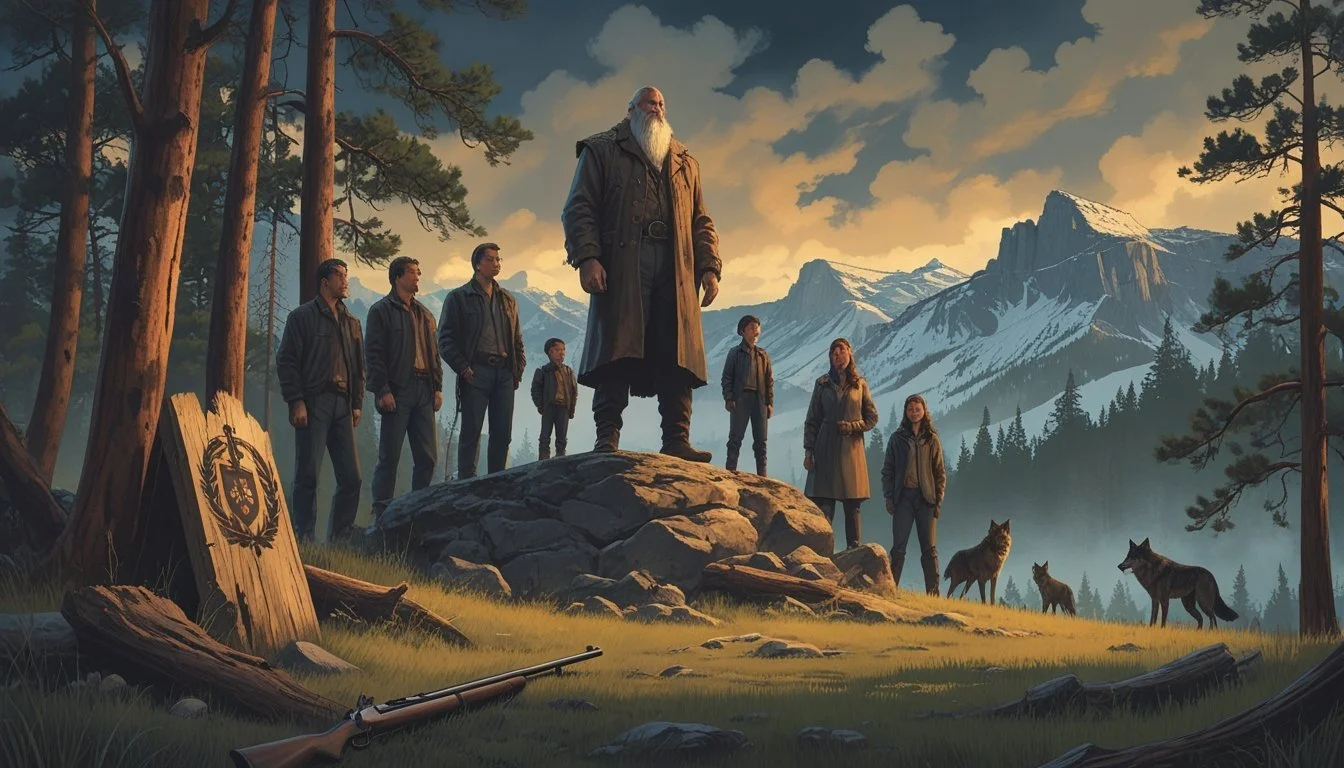
Violence in Yellowstone frequently arises from the Dutton family’s need to defend their ranch, their identity, and their multigenerational legacy. Power struggles, evolving values, and individual roles shape how the Duttons navigate threats and conflicts, both within the family and with the world around them.
Power Dynamics Within the Duttons
The Duttons’ relationships are governed by strong but complex hierarchies. John Dutton, played by Kevin Costner, sits at the top of this structure, acting as both protector and enforcer. He sets boundaries, makes difficult decisions, and expects obedience, often using force or intimidation to achieve his goals.
When disputes arise within the family, the use of violence—whether physical or emotional—reflects underlying struggles over authority. These dynamics can be seen between siblings or between John and his children, highlighting conflicts over succession and loyalty.
Family members like Rip Wheeler, though not a Dutton by blood, become deeply enmeshed in these dynamics because loyalty and capacity for violence are valued. The family’s internal power structure regularly intersects with external threats, blurring the line between defending the family and exerting control.
Generational Tensions and the Spin-offs
Both 1883 and 1923 drill down into the roots of the Duttons’ beliefs and the historic forces they faced. Generational gaps appear stark, especially as each era grapples with survival in a lawless environment. Decisions about when—and how—to use violence shape the entire family line.
1883 explores the original migration west and the desperation leading to harsh choices. 1923, set during Prohibition and economic uncertainty, shows the Duttons caught in broader conflicts, like land wars and changing social norms. These stories underline how new generations inherit not just land, but patterns of force and justification.
Older values clash with new ambitions, especially as younger members question the costs of violence. This evolving legacy influences how John and his descendants perceive threats and weigh the consequences of their actions.
The Role of John Dutton and Beth Dutton
John Dutton embodies steadfast leadership focused on preservation, even if it means resorting to violence. His code is shaped by generational experience, seeing the ranch as both refuge and fortress. He rarely hesitates to confront adversaries directly, using whatever tools he deems necessary.
Beth Dutton adds complexity to this philosophy. She uses verbal aggression and strategic ruthlessness, often leveraging emotional leverage alongside traditional violence. Her loyalty to John is matched only by her willingness to defend the family by any means, sometimes escalating conflicts others might avoid.
As daughter and adviser, Beth’s actions reflect a blend of old and new approaches. John commands through presence and legacy; Beth wields both legacy and calculated force, making her indispensable in the ongoing struggle for the ranch’s survival.
Violence and Progress in 21st Century Montana
The clash between old and new Montana in Yellowstone is shaped by disputes over land, power, and identity. Economic development, corporate interests, and changing social values drive conflict as much as tradition does.
Land Use and Modernization
Changes in land use define the stakes for power in the series. The Dutton family faces constant pressure from developers and urban expansion, challenging their hold on one of the largest ranches in the United States.
Ranching traditions clash with modernization as outside forces seek to extract value from the landscape. Disputes often escalate into violence, reflecting resistance to losing land or authority. Yellowstone illustrates this as a struggle for survival in a region where property lines and historical claims matter deeply.
Land use decisions affect both the environment and local culture. The introduction of new infrastructure, such as resorts or highways, is often met with suspicion and open hostility. These battles are not only legal; they frequently become violent confrontations.
Market Equities and Land Developers
Market Equities, the show's fictional corporation, embodies the aggressive strategies of large-scale land developers. The company represents outside capital that seeks profit through acquisition and redevelopment of ranch land for commercial use.
The tactics employed by Market Equities are direct. They use financial leverage, legal maneuvering, and at times, intimidation to push their interests. This creates an environment where the use of force, whether legal or physical, is a method of negotiation and protection for both parties.
Those who work for or against Market Equities experience firsthand the collision between rural traditions and urban-driven development. Power contests between the Duttons and developers reveal how violence acts as both a shield and a tool in defending one's vision for Montana’s future. The show emphasizes that market realities, not just heritage or emotion, fuel these violent encounters.
Conservative Values and Decline
Conservative values play a central role in resisting perceived decline amid rapid change. Characters in Yellowstone are driven by a desire to maintain the social and economic structures that defined Montana in earlier generations.
This nostalgia makes the threat of decline feel immediate. Violence is often seen as a necessary measure to prevent erosion of local identity and to enforce norms challenged by outsiders or shifting laws. These responses are reactive, grounded in a sense that traditional ways are under siege.
The tension between defending the old order and accepting the inevitability of progress sets up a cycle of resistance and backlash. In the show, as in contemporary debates, progress is viewed with suspicion if it undermines community cohesion or dilutes longstanding values.
Representation and Authenticity
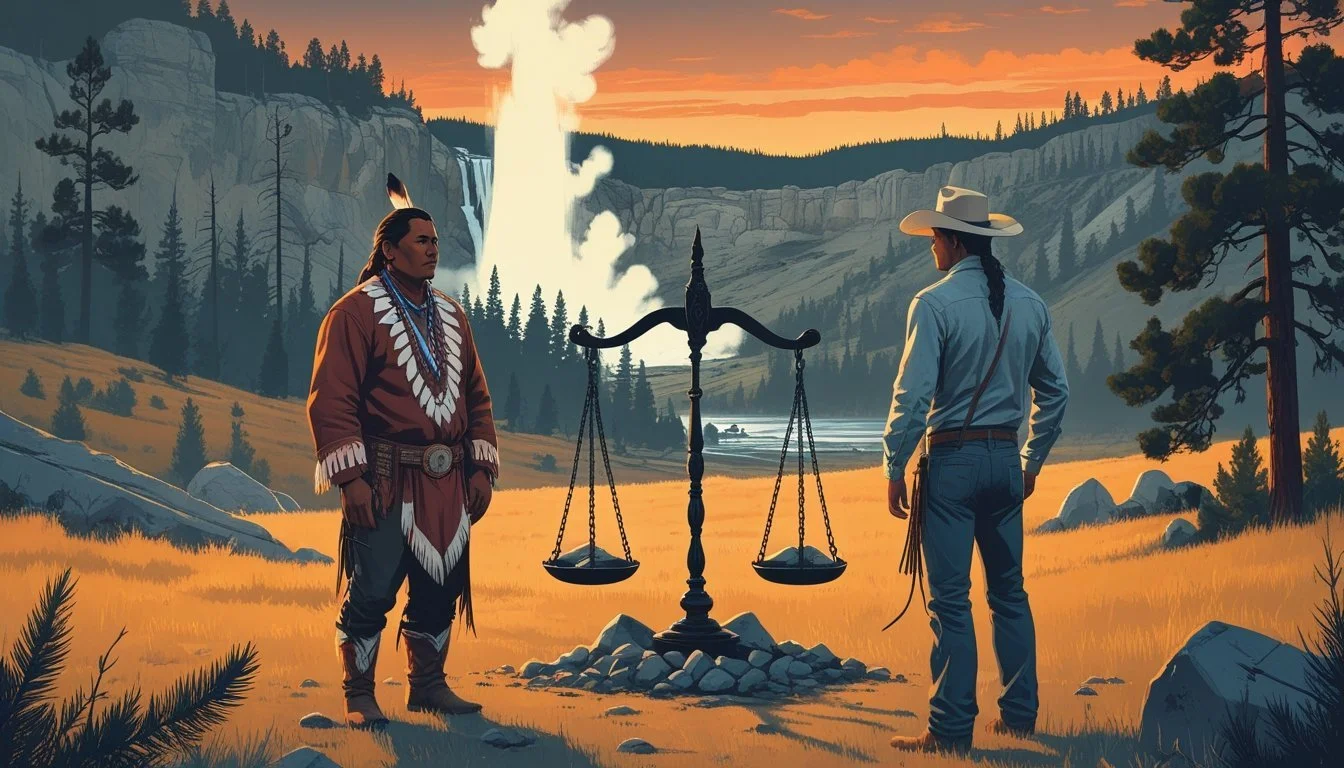
Yellowstone’s narrative examines the realities and perceptions of violence in the modern American West. Authentic representation of cultures, firearms, and landscape plays a crucial role in its storytelling.
Portrayal of Native Americans
Native American characters and cultures hold a significant place in Yellowstone’s plot. The show attempts to reference modern struggles—such as land loss and tribal sovereignty—while including Indigenous actors and consulting with advisors. Some scenes address the history of forced removal and cultural conflict, referencing the displacement experienced during the creation of Yellowstone National Park.
Despite these efforts, critics argue that the portrayal sometimes oversimplifies complex Indigenous issues or stereotypes tribal communities. Nuances of political, social, and economic challenges faced by Native Americans are not always fully explored. This has led to ongoing debate about whether the series offers genuine representation or prioritizes entertainment over accuracy.
Depicting Cowboy Culture
Cowboy culture in Yellowstone is presented with attention to tradition, family loyalty, and labor. The series frequently shows cattle herding, branding, and daily ranch tasks that involve real-life skills and rugged environments. These depictions aim to showcase the endurance and values of people living in Montana’s ranching communities.
Chaps, hats, and boots are not just costume choices—they reflect a deliberate effort to achieve period-appropriate accuracy. The series also highlights the moral code of self-reliance and toughness that defines the cowboy ethos. Through conflicts, betrayals, and work, the show illustrates how violence factors into both problem-solving and maintaining order.
Shooting, Guns, and Realism
Firearms are central to Yellowstone’s depiction of personal and territorial conflict. The series shows a range of weaponry, from practical ranch rifles to handguns carried for protection. Gun use in the show avoids over-the-top theatrics by depicting realistic consequences—gunfights are fast, often brutal, and rarely glamourized.
Characters engage in target practice, hunting, and defense, which adds a level of procedural realism. Discussions about gun laws, property, and security mirror real-life concerns in rural Montana. Yellowstone’s approach to gun violence has sparked critique for normalized depictions, but its focus on realism aligns with the dangers and responsibilities that come with gun ownership in ranch society.
Authenticity in Setting and Storytelling
Yellowstone’s production uses authentic locations and props to ground its story in real-world Montana and Wyoming landscapes. Filming occurs on actual ranches, with careful attention to geographic and cultural details. Horses, ranch buildings, and equipment are selected for historical and regional accuracy.
Dialogues often incorporate local dialects, references to regional politics, and industry-specific language. By balancing compelling drama with authentic detail, the show aims to avoid turning the West into a caricature. This commitment to genuine storytelling extends to casting practices and advisory roles for script accuracy, reflecting an investment in presenting ranch life as it is lived.
Violence and Equality
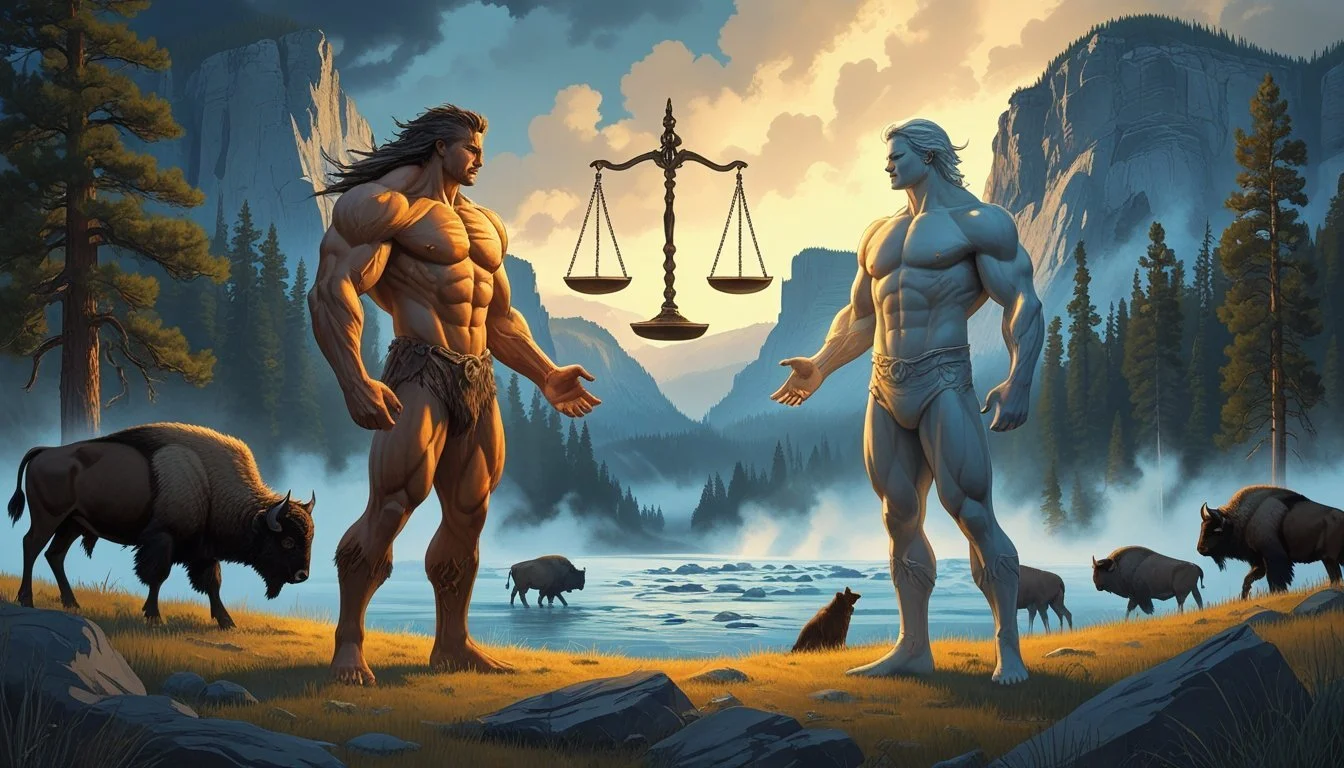
Yellowstone depicts violence as a tool that both upholds and challenges social structures on the ranch. Power struggles and attempts at equality often play out along lines of gender and social rank, with violence serving as both a means of oppression and resistance.
Gender Roles on the Yellowstone Ranch
Women on the Yellowstone ranch encounter unique forms of both physical and psychological violence. Beth Dutton, for example, regularly uses harsh language and calculated aggression to assert her agency, blurring traditional gender lines in this violent world. Characters like Teeter are expected to prove themselves in dangerous, male-dominated ranch work, reinforcing that survival often depends on both strength and ruthlessness, regardless of gender.
Power dynamics on the ranch expose limits to gender equality. While some women command respect, their acceptance frequently comes after enduring or displaying acts of calculated cruelty. This cycle of violence tests their roles and acceptance, as even those seeking equality must adapt or respond to violent expectations. The recurring theme is clear: on Yellowstone, equality is less about formal rights and more about the willingness to confront and use violence as a means of self-preservation.
Social Hierarchies and Justice
On the ranch, violence is closely tied to maintaining authority and enforcing loyalty. John Dutton and his enforcers use force, intimidation, and—at times—lethal violence to resolve conflicts and protect ranch interests, drawing a hard line between “insiders” and “outsiders.” This creates a de facto hierarchy in which justice is dispensed personally, instead of through legal institutions.
Outsiders who challenge the ranch’s dominance—often labeled as villains—are met with disproportionate retribution. Loyalty is rewarded, but dissent is often met with public displays of violence. Equality in this world is not about fairness but about power: only those with the capacity for violence secure any measure of justice or respect, while others must navigate a system structured to preserve the status quo.
Role Exposure to Violence Path to Equality Women Physical, psychological, workplace aggression Proving capability Insiders Instrument of control, enforcer of loyalty Defending the ranch Outsiders Targeted, subjected to violent exclusion Rare, often denied
Cultural Impact and Influences
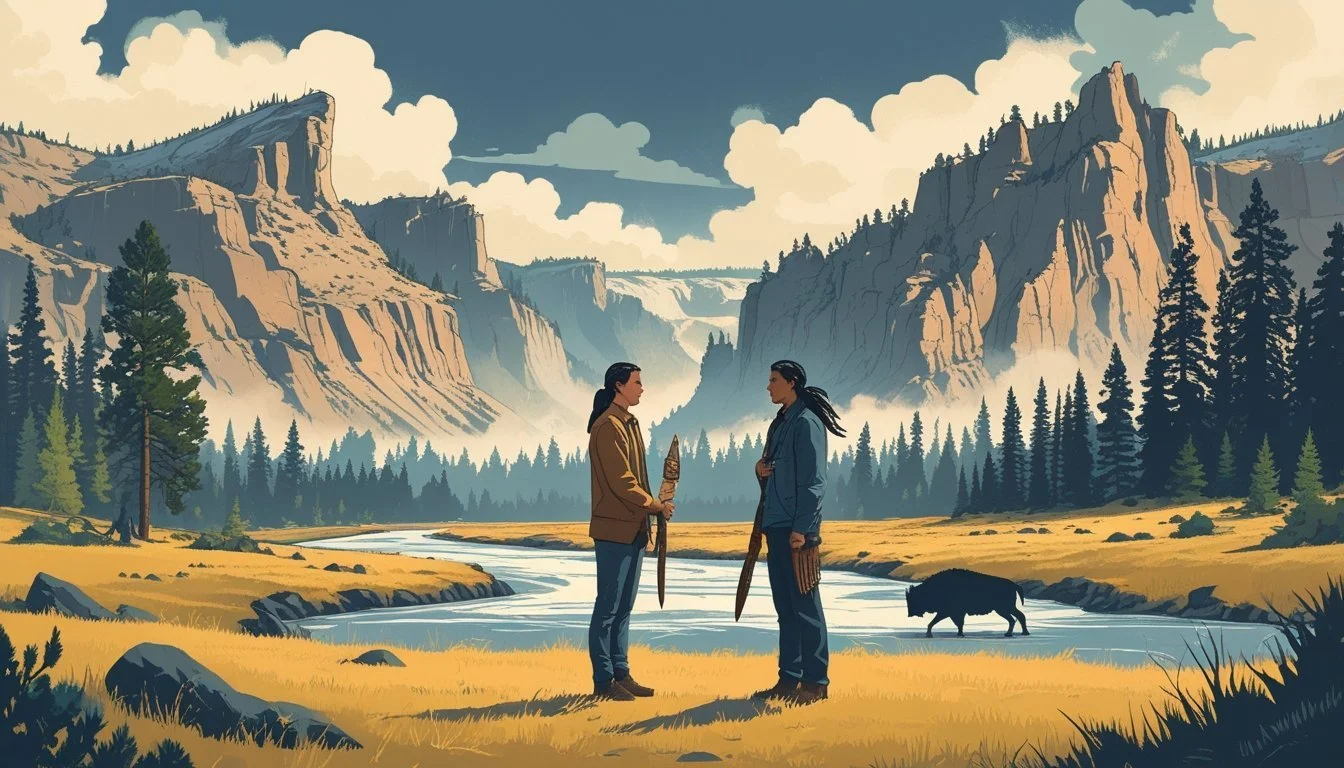
Yellowstone’s approach to violence reflects specific traditions in television and cinema, blending Western tropes with modern complexity. Its cultural impact can be traced through specific influences, references, and the platforms where fans gather to analyze and debate the show’s meaning.
References to Westerns and TV Legacy
Yellowstone draws extensively on the visual and narrative language of classic Westerns. John Dutton embodies the modern frontier patriarch, echoing characters from films like Shane and Unforgiven. The rural landscape, moral conflicts, and legacy themes firmly root the series in the Western tradition.
Table: Key Western Elements in Yellowstone
Element Example in Yellowstone Legacy Source Rugged Landscape Montana ranch scenes Classic Westerns Code of Honor Family loyalty, land protection The Searchers, Shane Outsider Threats Developers, tourists, rivals High Noon, The Magnificent Seven
The show also adapts Western storytelling for modern audiences, bringing updated discussions about race, land rights, and economic power.
Influence of Sicario and Longmire
Yellowstone’s creator Taylor Sheridan also wrote Sicario, which influences the show’s tone and moral ambiguity. Like Sicario, Yellowstone features characters navigating unclear boundaries between law and crime.
Longmire, another modern Western, explores similar themes of justice and community in rural America. Both series feature sheriffs who take the law into their own hands but differ in portrayal—Longmire emphasizes calm introspection while Yellowstone highlights brutality and survival.
Bullet List:
Sicario: Gritty realism, cross-border crime, ambiguous heroes
Longmire: Small-town justice, Native American influence, stoic leadership
These influences set the stage for Yellowstone’s distinct blend of realism and myth.
Comparisons to Dallas
Yellowstone shares narrative DNA with Dallas, the iconic ’80s drama. Both shows focus on powerful families locked in battles over land, power, and legacy. The Dutton family in Yellowstone mirrors the Ewings from Dallas, but with more violence and a contemporary twist.
While Dallas leaned into melodrama and boardroom intrigue, Yellowstone escalates real-world stakes using physical violence and explorations of American identity. Allegiances shift, secrets unravel, and the threat of outside forces looms.
List of Important Themes:
Inheritance and succession
Land as power
Family rivalry
Urban vs. rural values
Role of Reddit Communities
Reddit hosts active Yellowstone fan communities where viewers dissect episodes, debate characters’ motives, and discuss real-life parallels. These forums help shape perception of the show’s use of violence and morality.
Popular subreddit discussions include theory-building, character analysis, and comparison with shows like Longmire. Users poll favorite episodes or most controversial moments, which broadens the collective understanding of Yellowstone as more than just a drama.
Chart:
Subreddit Main Topics User Engagement r/YellowstonePN Episode reactions, predictions High r/Longmire Cross-show comparisons Moderate
Memes, fan fiction, and even guides to ranch culture highlight how digital conversation adds another layer to the show’s cultural impact.
Symbolism and The American West
Yellowstone’s narrative uses the landscape and history of the American West as more than just a backdrop; they are active forces shaping every conflict and relationship. The drama’s symbolism draws heavily from iconic locations and legacies to explore themes of power, conflict, and identity.
The Importance of Place: Yellowstone National Park
Yellowstone National Park stands as a central symbol in both the show and American culture. Its vast landscapes represent untamed opportunity but also unresolved tension—between conservation, legacy, and economic interests. The ranch bordering the park becomes a site where old and new values collide.
Ownership of land, especially in proximity to the park, reflects deeper questions about belonging and control. The Dutton family’s stewardship of their ranch is intertwined with a sense of historical responsibility, echoing real-world struggles over land rights.
Key symbolism includes:
Boundaries: The park’s borders represent more than property lines; they mark ideological divisions between preservation, development, and indigenous sovereignty.
Nature as conflict: The wilderness is not just scenic—it is a living force that demands respect and, at times, violence for survival or defense.
The setting amplifies personal stakes, making every confrontation not just a personal dispute, but an extension of historical forces that have shaped the West.
The Confederacy and Historical Echoes
Yellowstone frequently invokes the memory of the Confederate soldier and civil war legacies as part of its thematic landscape. References serve as reminders that the American West’s history is fraught with unresolved conflicts about race, territory, and authority.
Symbols tied to the Confederacy often surface in the personal motivations and iconography surrounding certain characters. These echoes highlight the persistence of old power structures and historical grievances, suggesting that history is not past but living within contemporary conflicts.
Themes linked to the Confederacy are presented through:
Cultural artifacts: Imagery, language, and references that connect characters to the South’s legacy of rebellion and loss.
Ongoing displacement: The series draws parallels between the historic displacement of Native Americans and the struggles of modern ranch families like the Duttons, emphasizing cycles of dispossession and retaliation.
By weaving these historical references throughout the character arcs and conflicts, Yellowstone underlines how violence in the West is both an inheritance and a response to persistent, deeply-rooted disputes over identity and land.
