
The Most Underrated Scene in Yellowstone History Explained and Analyzed
Jimmy’s “Becoming a Cowboy” conversation stands out as the most underrated scene in Yellowstone history. While many viewers focus on the show’s shocking moments and large-scale drama, this scene quietly delivers powerful character development and genuine insight into what motivates a true cowboy.
The exchange between Jimmy and Travis offers a rare glimpse into the heart of someone striving to find his place, highlighting the risks and passion involved in the rodeo world. This moment doesn’t rely on action or spectacle but instead shines through its authenticity and emotional impact.
Scenes like this can be easy to overlook, but they capture the spirit of the series in a way that leaves a lasting impression on those who notice.
Defining the Most Underrated Scene in Yellowstone History
Not every memorable moment in Yellowstone earns instant recognition or widespread praise. Some of the series’ most impactful scenes escape mainstream attention, quietly shaping the ranch story and its characters in ways that are often overlooked.
What Makes a Scene Underrated
An underrated scene is one that doesn’t receive the attention it deserves, either from audiences or critics. This often happens when a moment is overshadowed by bigger, more dramatic events or iconic quotes.
In Yellowstone, many such scenes contribute significant depth to the show’s characters and themes. For instance, a quiet exchange between Kayce (Luke Grimes) and Monica (Kelsey Asbille) can reveal more about the struggles on the Dutton ranch than a larger, action-filled set piece. These scenes may not involve explosions or shootouts, yet they highlight Taylor Sheridan’s writing and his focus on subtle character development.
Kevin Costner, Wes Bentley, and Kelly Reilly all have moments where nuanced performances go unnoticed, despite adding crucial layers to the plot. The true impact of these scenes becomes clearer with rewatching, as their significance within the ranch’s legacy grows with context.
Criteria for Selection
To identify the most underrated scene, clear criteria are necessary:
Narrative Impact: The scene must move the story forward or change a character’s direction.
Subtlety: Its importance is not immediately obvious or is overshadowed by more dramatic moments.
Character Development: Scenes that quietly reveal new facets of core figures like John Dutton, Beth, or Jamie are strong candidates.
Viewer Response: The scene is rarely referenced in fan discussions or highlighted in media, such as on Reddit or review sites.
Scenes fitting these standards often showcase Taylor Sheridan’s understated writing style and the range of the cast. Attention to small details—like a character’s quiet reaction, a brief look, or a meaningful gesture—help a scene become influential yet underappreciated. These criteria help sift through the many moments on the Yellowstone ranch to spotlight hidden gems that embody the spirit of the series.
Scene Context: Setting the Stage
Every pivotal moment in Yellowstone is shaped by what comes before it and by the unique world of the Dutton Ranch. The scene in focus is steeped in tension, family legacy, and the rugged life of ranching in Montana.
Key Events Leading Up to the Scene
Leading up to this underrated scene, the Dutton family faces mounting pressures from internal conflicts and external threats. Land disputes with outsiders and betrayal from within the ranks put the family’s control of their ranch in jeopardy.
John Dutton grapples with decisions that impact not just his immediate kin, but the future of the Yellowstone Dutton Ranch. Beth and Kayce face personal and moral dilemmas, each pulled between loyalty to the family and the brutal realities of ranching.
The specific tensions set a somber tone—alliances are tested, and loyalties are strained. This backdrop of recurring adversity grinds the family and shapes the scene’s emotional impact.
The Yellowstone Dutton Ranch Environment
The setting for the scene is the iconic Yellowstone Dutton Ranch, a sprawling 2,500-acre property in Montana. Its main lodge, weathered barns, and surrounding wilderness are not just locations, but living symbols of the Dutton legacy.
Ranch life on the property is shown with authentic detail. Cattle roundups, wrangling, and branding reveal the harsh physical demands of maintaining the ranch. The day-to-day struggles with nature and business provide meditative quiet moments and bursts of violence.
The environment’s isolation intensifies family bonds, but also amplifies conflicts. The landscape presents both opportunity and threat, reflecting the Duttons’ ongoing fight to safeguard their legacy across generations.
Detailed Breakdown of the Underrated Scene
This scene stands out because of the way it highlights the complex relationships within the Dutton family. The dialogue, body language, and visual choices all work together to illuminate hidden motivations and emotional shifts.
Key Characters Involved
John Dutton anchors the scene with his familiar stoicism, revealing a rare moment of vulnerability. Opposite him, Beth Dutton delivers a sharp mix of loyalty and defiance, exposing both her pain and her deep bond with her father.
Jamie Dutton is present as well, his uneasy body language reflecting tension and guilt. The subtle glances exchanged between Jamie and Beth underscore their ongoing rivalry and unresolved issues.
Kayce Dutton observes quietly from the background, signaling his conflicted role between loyalty to family and his personal values. Rip Wheeler, played by Cole Hauser, enters briefly, his presence grounding Beth and shifting the room’s energy with his protective aura.
Together, these characters bring emotional weight and layered conflict, demonstrating how each member’s choices ripple through the Duttons.
Pivotal Dialogue and Actions
Beth asserts, “You break your word, you break yourself,” directing the line at Jamie after a heated exchange. This short statement exemplifies the moral code within the family and sets the tone for the entire scene.
John remains mostly silent, but his few words, “Family isn’t easy, but it’s all we have,” carry significant emotional weight and shift the mood in the room. Kayce’s decision to intervene physically—placing a steadying hand on Jamie’s shoulder—briefly diffuses rising tensions.
Rip’s entrance is marked by a nod to John and a glance at Beth. He doesn’t speak, but his actions—removing his hat and standing near Beth—communicate support and readiness. These small gestures are central to the power dynamics present in the room.
Each moment is weighted, with the dialogue and actions highlighting the fragile alliances and unspoken grievances among the characters.
Symbolic Elements Within the Scene
Lighting emphasizes isolation: John sits in near-shadow while everyone else stands, reinforcing his distance from the rest of the family. Beth’s positioning closest to John signals both her alignment with him and her willingness to defend the family name.
A table stands between Jamie and the rest, visually representing the emotional and ethical barrier he faces within the family. Kayce’s shadow overlaps with Jamie’s, hinting at their shared history but uncertain future.
Rip’s presence, often associated with stability and loyalty, is marked by the removal of his hat—a western sign of respect in tense situations. These symbolic elements make the scene linger, inviting viewers to look past the surface and see the fractures within the Duttons.
Impact of the Scene on Yellowstone's Narrative
This scene stands out for the way it alters character motivations and exposes the dynamics that define the Dutton family. Its effects stretch from personal development to the broader theme of legacy and survival on the Yellowstone ranch.
Influence on Character Arcs
The scene drives significant change for Jamie, whose decisions create tension and set off a chain reaction among the Duttons. His confrontation with loyalty and morality highlights the challenges faced by anyone trying to fit into the family’s unyielding world.
Beth Dutton’s reactions underscore her ongoing struggle with trust and power. The moment also forces characters like Rip and Kayce to reconsider where they stand, shifting alliances and deepening rivalries. For Jimmy, moments at the 6666 ranch link his rodeo ambitions with a sense of belonging and growth, which ultimately echoes throughout his journey in Yellowstone.
Jamie: Faces a moral dilemma that changes his relationship with the family
Beth: Doubles down on her loyalty and defiance
Jimmy: Connects personal ambition in the rodeo to his place among the Duttons
Shaping the Dutton Family Legacy
This underrated scene adds depth to how the Dutton family protects their legacy. It reveals the lengths they will go to for survival, not just as individuals but as a collective bound by family history and ranch loyalty. Every decision, even small acts during heated confrontations, shapes their reputation in Montana.
The Duttons’ approach to crisis, highlighted in this scene, cements their reputation as a family willing to clean up their own messes. Moments at the ranch and the rodeo become metaphors for risk, endurance, and perseverance. Choices made by family members resonate through generations, weaving into the ongoing narrative of tough decisions that define the Yellowstone legacy.
Legacy: Reinforced through action rather than just words
Confrontation: Proves central to upholding the family's values
Rodeo: Symbolizes both danger and opportunity for transformation
Fan and Critical Reception
The most underrated scene in Yellowstone's history sparked considerable discussion among both longtime fans and television critics. Its emotional impact and narrative significance, especially as it connects to key events like the shocking moments in the season 3 finale and the poignant hospital sequences, have been highlighted by many.
Initial Audience Reactions
Many Yellowstone viewers first reacted to the scene with surprise and appreciation for its subtlety. Social media platforms saw posts describing it as "quietly powerful" and ranking it among the show’s most memorable moments, even when compared to larger, more dramatic events.
Fans noted how the scene deepened their understanding of certain characters’ motivations, especially in light of the hospital aftermath following the season 3 finale. The dialogue and staging prompted discussions on forums and fan groups, with several threads focusing on how the scene captured unspoken tensions among the Dutton family after the shocking attacks.
Some viewers referred to the moment as a turning point, emphasizing how it set new emotional undertones for subsequent storylines. While explosive action usually claims attention, this understated scene earned respect for its raw, realistic depiction of vulnerability.
Critics' Perspective
Critics widely recognized the significance of this scene, often listing it as a highlight in episode reviews and season retrospectives. They noted how it contrasted with Yellowstone’s typical high-stakes drama by focusing instead on nuanced, human moments.
In published reviews, several critics praised the directorial choices and restrained acting throughout the hospital sequence, arguing that it brought depth to characters deeply affected by violence and loss in the season 3 finale. Lists of “underrated Yellowstone scenes” from entertainment magazines frequently cite this moment for elevating the emotional stakes without relying on typical shock tactics.
Some critics also pointed out that, although overshadowed by other dramatic events, the scene enriched the series’ storytelling by providing a rare glimpse into the Duttons’ psychological turmoil. This reflected an ongoing appreciation for the writing’s layered approach, even amid the series’ more headline-grabbing incidents.
Comparisons with Other Notable Yellowstone Moments
Some scenes in Yellowstone are recognized instantly, attracting attention for their dramatic stakes or famous faces. Others, however, slip under the radar despite showcasing unique tensions, key character growth, or unexpected impact.
Contrasting Popular vs. Underrated Scenes
Certain moments receive widespread attention, like Rip Wheeler’s explosive barn fight or Beth Dutton’s confrontations with Market Equities. These are often marked by high-stakes violence or emotionally charged showdowns, accompanied by memorable dialogue and sweeping cinematography.
In contrast, an underrated scene such as Jimmy Hurdstrom's quiet decision to ride again after an injury unfolds with subdued tension. While not as flashy as the biker standoff or the showdown with Malcolm Beck, Jimmy’s scene is pivotal for his development.
The table below highlights the difference:
Scene Type Example Focus Popular Beck Showdown, Biker Fights Big threats, action Underrated Jimmy's comeback, Monica’s trap Personal resolve, morality
While popular scenes captivate with scale, underrated scenes provide insight into characters’ inner struggles, often leaving a lasting impression upon closer reflection.
Role of Supporting Characters
Supporting characters frequently drive Yellowstone’s most underrated storylines. Jimmy Hurdstrom, played by Jefferson White, transforms from a reluctant ranch hand into a resilient cowboy, with smaller scenes often containing major turning points for him.
Monica’s decision to lure out a serial predator is another example where a supporting role shifts narrative direction. These moments may lack major fireworks but deliver emotional weight through subtle performances and meaningful choices.
Malcolm Beck, typically remembered for large confrontations, also exerts significant influence in quieter exchanges that shape the Dutton family’s strategy. When compared to the more visible actions of bikers or gunfights, these supportive roles add nuance and complexity to the overall story.
By focusing on the quieter contributions—often from those outside the main spotlight—the show deepens its world and invests emotional stakes in a broader cast.
Cultural Influence and Series Legacy
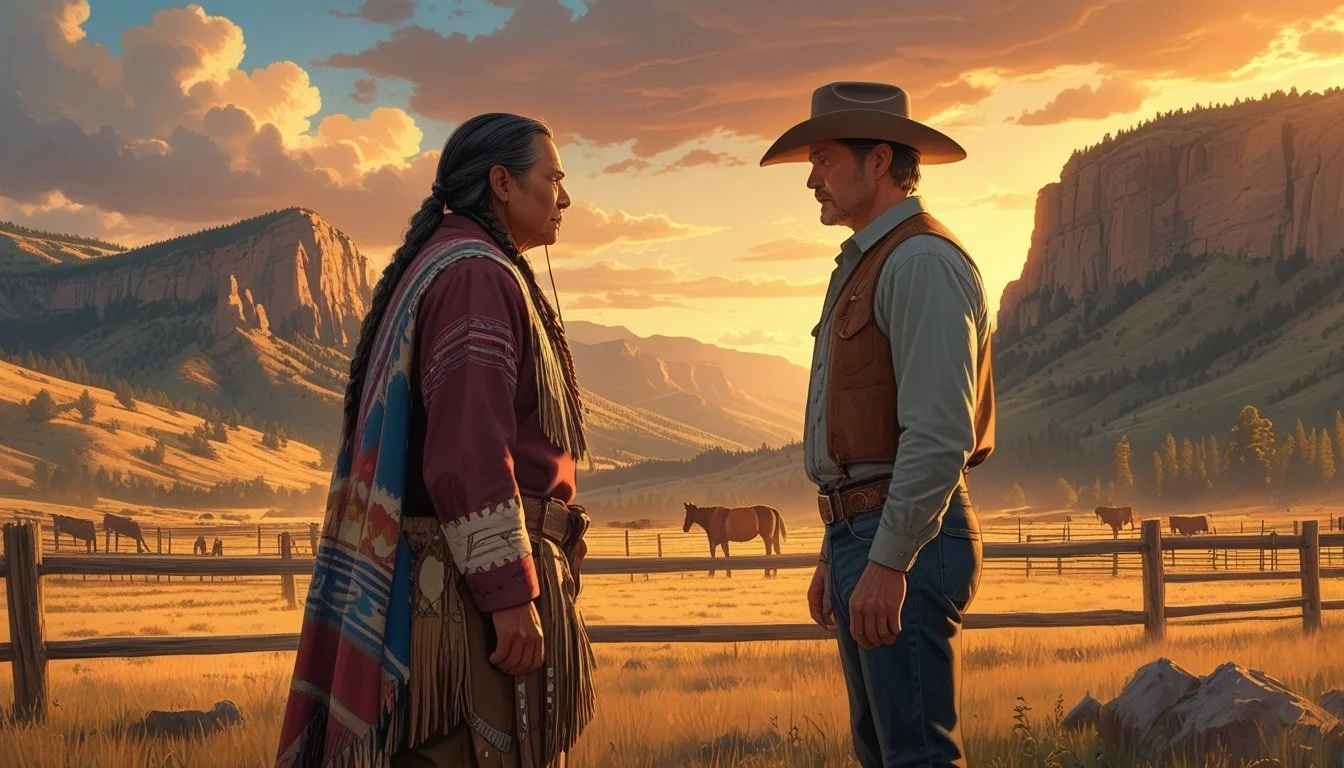
Yellowstone’s success has had a direct impact on television, inspiring additional series and spin-offs rooted in the same mythos. Its portrayal of the cowboy lifestyle, rural Montana, and family legacy carries influence beyond the screen, shaping both entertainment and cultural trends.
Expanding the Yellowstone Universe
The show's popularity has encouraged the creation of spin-off projects and heightened interest in Western dramas. Paramount+ responded to growing demand by investing in new series tied to Yellowstone’s world, using established characters and settings to deepen the narrative.
Fan engagement has surged, with viewers adopting catchphrases and referencing moments from the show in pop culture. Scenes featuring cowboys, ranch life, and Montana's landscapes prompted noticeable increases in tourism, as fans seek out filming locations and genuine Western experiences.
Yellowstone’s depiction of rural America has contributed to a revived fascination with traditional cowboy values, both on television and in tourism marketing. The series created a cultural touchstone that resonates with audiences long after episodes air.
Connection to 1883 and 6666
1883, released as a prequel, explores the Dutton family’s origins and their journey across the American frontier. It provides crucial context for Yellowstone’s storylines, expanding viewers’ understanding of generational struggle and perseverance.
6666 shifts focus to the historic Texas ranch known for its working cowboys and distinct Western culture. By highlighting daily ranch operations and cowboy traditions, it showcases a different facet of the Yellowstone universe and appeals directly to fans of authentic ranching stories.
Both 1883 and 6666 reinforce Yellowstone’s legacy, building a larger interconnected narrative. These series not only draw dedicated viewers but also introduce new audiences to the deep history and lore surrounding the Duttons and American cowboy heritage.
