
What Yellowstone Gets Right About the Cost of Ambition and Its Impact on Personal Sacrifice
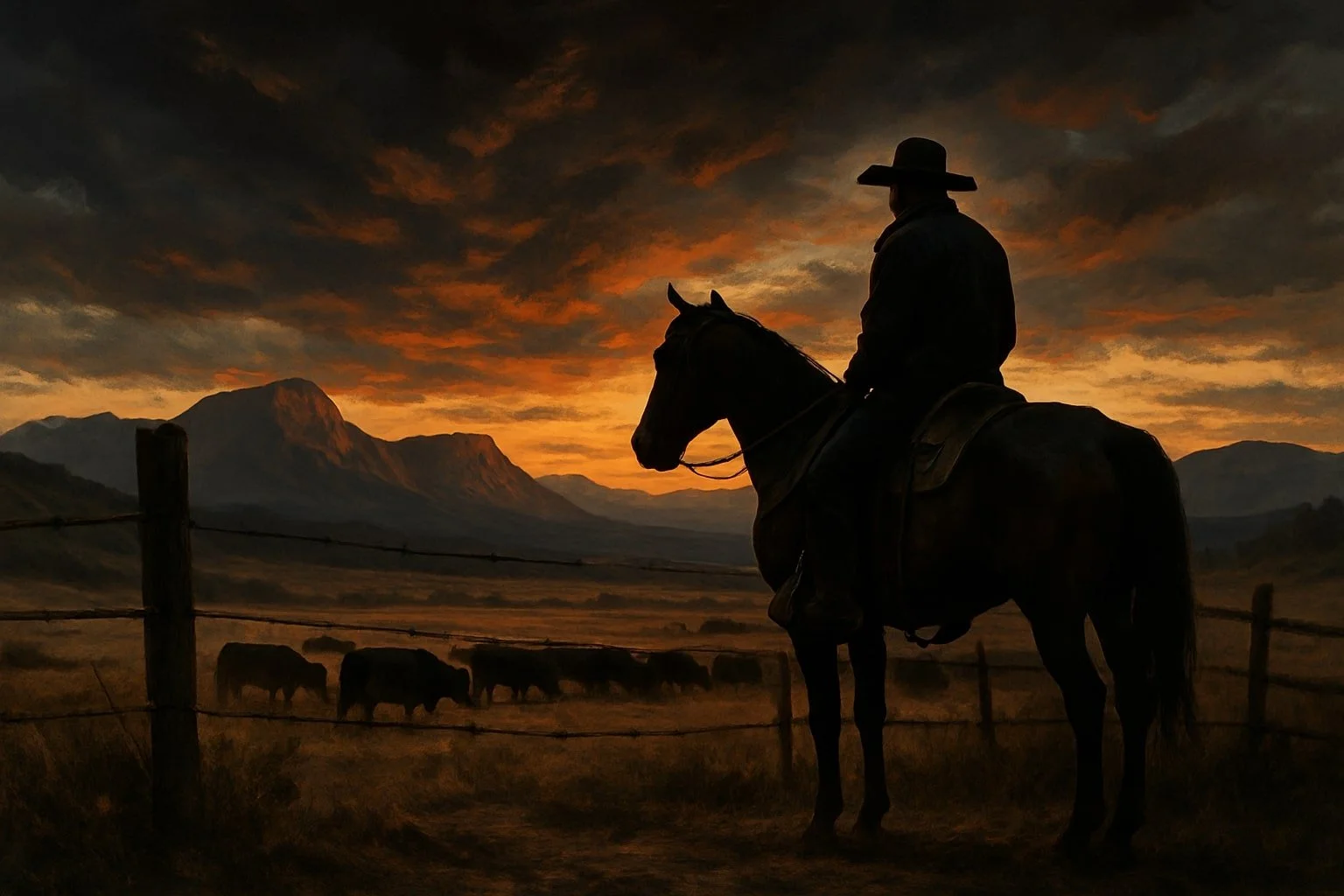
Yellowstone stands out for its honest portrayal of the high costs that come with deep ambition. The series captures how the pursuit of power, land, and legacy demands real sacrifices—straining families, eroding trust, and often leading to unintended consequences. Rather than glamorizing success, the show reveals the complicated fallout as characters fight for dominance and control.
Viewers see the Dutton family constantly navigating a harsh reality where their ambitions collide with economic pressures, personal loyalties, and moral dilemmas. The narrative shows how ambition can unify but also divide, placing both familial bonds and personal integrity at risk.
By focusing on the true price of ambition in a modern American West setting, Yellowstone makes the consequences of chasing dreams impossible to ignore. This approach offers a compelling look into the lasting costs of ambition that are as relevant off the screen as they are on it.
Ambition as a Driving Force in Yellowstone
Ambition shapes the actions and motivations of Yellowstone’s most significant characters, shaping choices that ripple across generations. The show ties individual aspirations to deep themes of power, loss, and the relentless pursuit of legacy.
Foundations of Ambition
Ambition is the core trait that propels the Dutton family, especially John Dutton, played by Kevin Costner. His determination to maintain control over Yellowstone Ranch defines his leadership and often leads to conflicted relationships with family and rivals.
John’s choices are practical, sometimes ruthless. To keep the ranch, he repeatedly sacrifices his ethics and personal happiness. These sacrifices, while often necessary in his view, drive many of the show’s conflicts. Beth Dutton, his daughter, also demonstrates fierce ambition. Her business strategies are calculated and at times brutal, prioritizing the ranch’s future over her own well-being.
Ambition in Yellowstone is not just a personality trait. It’s a survival mechanism, a tool for preserving both family and land. Every major power struggle comes from this unyielding drive, resulting in victories but also significant personal costs.
Legacy and Destiny
Legacy is inseparable from ambition in Yellowstone. John Dutton regards the ranch as a birthright and a duty, seeing his actions as part of a larger destiny to safeguard the land for future generations.
The idea of legacy is tied to responsibility. John’s belief in his family’s destiny forces him into choices that feel inevitable, creating tension between what he wants and what he must do. This sense of obligation shapes his children’s paths. Beth, shaped by trauma and loyalty, views her ambitions as crucial for ensuring the Dutton legacy survives.
Destiny in Yellowstone is both empowering and burdensome. The need to honor family history drives ambition, but it also traps the Duttons in a cycle of sacrifice and conflict. This relationship between ambition, legacy, and destiny defines the stakes at the heart of the series.
The Dutton Family’s Enduring Pursuit
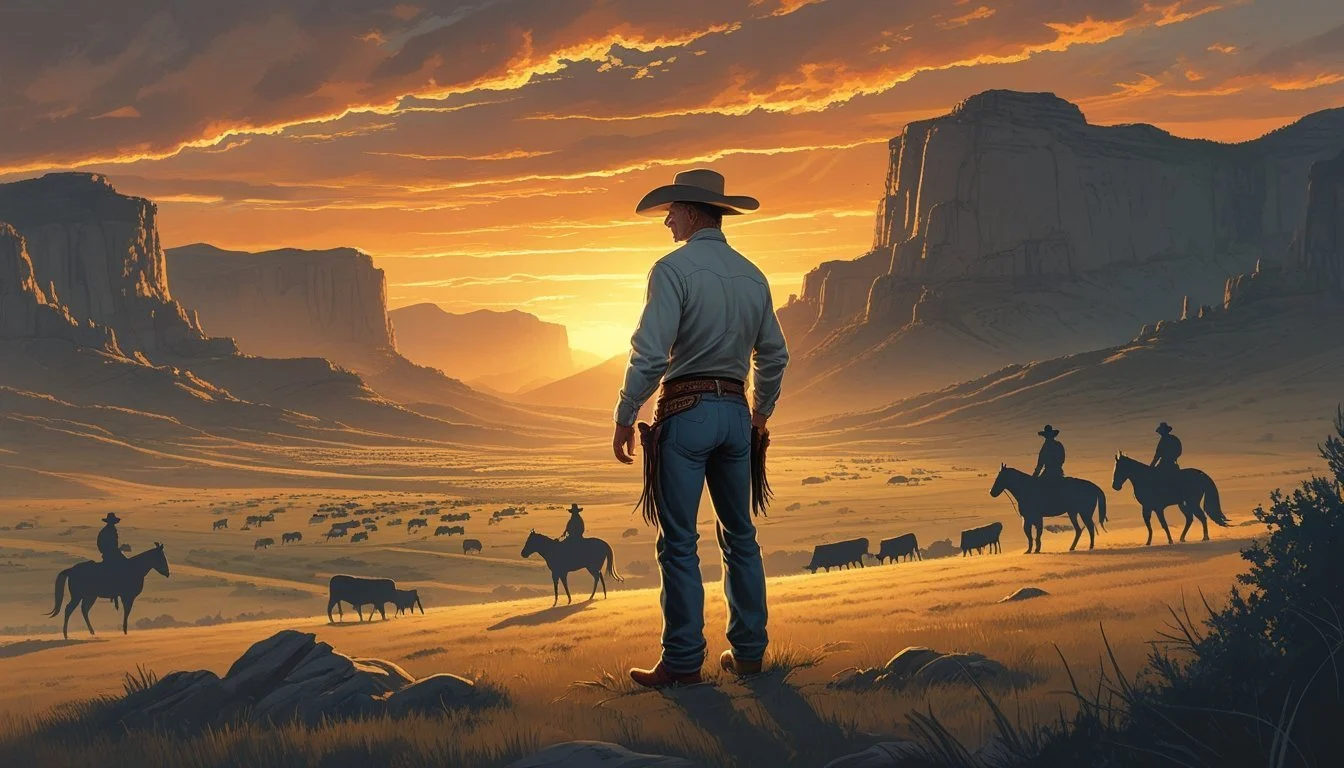
The Dutton family’s drive to defend their land and legacy is a defining aspect of Yellowstone. Each generation faces personal sacrifices as they navigate the demands of family ambition and leadership.
Patriarch Leadership and Influence
John Dutton, the patriarch, is the central force guiding the family’s actions and values. He exercises strict control over the Yellowstone Dutton Ranch and makes decisions that often put the family's interests above his own wellbeing.
Under his leadership, loyalty and duty to the land become non-negotiable. John’s choices frequently demonstrate the heavy burden and personal toll that come with protecting a legacy.
Through his example, members of the family learn that ambition is inseparable from sacrifice. Conflicts over the ranch routinely test his judgment and priorities, forcing him to weigh personal relationships against business needs.
John’s leadership style relies on a blend of authority, emotional restraint, and a pragmatic view of right and wrong. This influence shapes not only the operation of the ranch but also the personal ambitions of his children.
Parallel Ambitions: Beth Dutton, Kayce Dutton, and Jamie Dutton
Beth Dutton channels her ambition into ruthless business tactics, fiercely defending her father and their land regardless of the cost to herself. Her approach is direct, often aggressive, and she does not hesitate to confront or eliminate threats to the family.
Kayce Dutton struggles to balance his obligations to the ranch with his desire for a peaceful family life. He is repeatedly pulled back into the family's conflicts, highlighting how ambition and loyalty can clash with personal happiness.
Jamie Dutton’s ambitions often focus on earning his father's approval and finding his own place within the family hierarchy. His pursuit of validation leads him into morally complex situations, where his decisions can have lasting consequences for the Dutton name.
While each sibling’s path differs, their lives are marked by the consequences of ambition—strained relationships, personal hardship, and ongoing conflict within the family. These dynamics illustrate the varied and often high costs of protecting a legacy as complex as the Duttons’.
Cost and Consequences of Ambition on the Ranch
Ambition shapes the fate of the Dutton Ranch, demanding choices that weigh survival against loss. The pursuit of power and land brings profound personal sacrifices and requires confronting the boundaries of moral integrity.
Sacrifice and Survival
To secure the future of the Dutton Ranch, John Dutton and his family endure personal hardship and fractured relationships. Protecting the land often means sacrificing normalcy, with John prioritizing legacy over his connection to his children. This results in resentment, distance, and emotional fallout.
Rip Wheeler exemplifies these sacrifices. Loyal to the ranch, he forfeits a conventional life for service, executing orders that keep the ranch safe but cost him personal freedom. Even Jimmy, brought to the ranch as a last chance, faces the stark trade-off between loyalty and independence.
Beth Dutton invests in risky financial maneuvers and takes relentless action to counter threats, showing how ambition for survival underpins her personal struggles. Choices around land conservation and business moves can push family members to the brink, with personal well-being set aside for the greater goal of survival.
Key Sacrifices
Character Sacrifice Made Cost to Self John Dutton Relationship with family Emotional isolation Rip Wheeler Personal freedom Loss of normalcy Jimmy Autonomy Physical/mental toll Beth Dutton Well-being, reputation Isolation, turmoil
Moral Dilemmas and Justice
Survival on the Dutton Ranch introduces persistent moral dilemmas. Defending the land means making choices that test the boundaries of right and wrong, especially when law and justice do not align with loyalty or survival.
Rip Wheeler and Walker are often sent to enforce the Dutton code. "Taking a ride to the train station," for example, represents the extreme ends the ranch is willing to reach for self-preservation, even when it means crossing legal or ethical lines.
John Dutton must weigh justice for his family against the law of the land, sometimes resorting to extralegal actions. These decisions force characters to grapple with guilt, loyalty, and consequence, blurring the line between justice and survival.
Disagreements within the ranch over just how far to go—such as Beth’s financial maneuvers or Kayce’s struggle with violence—highlight the constant push and pull between ambition and ethical boundaries. The pursuit of survival on the Dutton Ranch rarely comes without personal or communal consequence.
Conflict Over Land, Loyalty, and Legacy
Intense struggles over land ownership in Montana shape nearly every major decision for the Dutton family. Long-standing loyalties and the opposition of local communities and native tribes add complexity to their pursuit of legacy and power.
Land Ownership and Rights
Control of the Yellowstone Ranch is the central conflict propelling the Duttons throughout the series. Their determination to protect acres of family-held land is portrayed with relentless realism, reflecting the true stakes of ranching in Montana.
The show examines legal battles, potential government interventions, and rival claims from developers. These issues mirror real disputes over property rights in the American West. The family treats the ranch as more than property—it is heritage and identity, passed through generations at great personal cost.
Powerful entities, such as Market Equities, challenge the Duttons through lawsuits and land grabs. Each confrontation illustrates the financial, emotional, and even violent costs tied to maintaining ownership. Land rights in Yellowstone are not abstract: they are shown as fundamental to survival, social standing, and loyalty.
External Pressures: Community and native american tribes
Pressure on the Duttons comes from more than business rivals. Native American tribes, with deep ancestral ties to the territory, freely articulate their own claims and rights regarding the land.
Disputes present in Yellowstone highlight the tension between tribal sovereignty and private ownership. Local communities—ranchers, small business owners, and townspeople—also stake interests in land use. Their opinions often influence political and legal decisions, complicating the story further.
The show gives attention to negotiations, conflicts over resources, and the history of displacement faced by indigenous groups. The Duttons’ alliances and confrontations with these communities make clear how notions of justice, respect, and loyalty operate far beyond family lines. In Montana, ownership is never solely about property, but about whose vision shapes the future.
The Modern West: Survival, Grit, and Resilience
Ambition in the modern American West is measured by relentless perseverance and adaptability. Whether managing a ranch or braving unpredictable weather, individuals must blend traditional values with modern demands.
Cowboys, Ranchers, and Ranch Hands
Life for cowboys, ranchers, and ranch hands in the modern West is defined by physical and mental endurance. Each morning, responsibilities range from tending cattle to repairing fences and braving harsh elements. Long days in isolation or under extreme conditions require more than just practical skills—they demand grit and unwavering commitment.
Yellowstone showcases how these roles test a person’s limits. Ranch hands and cowboys rarely have stable hours; the work is dictated by the needs of the land and the animals. Their success is measured not by comfort but by the ability to keep going when conditions worsen. Experience with horses, operating heavy machinery, and problem-solving are not simply desirable—they are necessary for survival.
The challenges are not romanticized. Injuries, exhaustion, and isolation are daily realities. Adaptation and teamwork set apart those who persist from those who leave. The bonds formed on these ranches, often through shared hardship, are anchored in mutual respect and a clear understanding of what it takes to keep the operation running.
Nature and Independence in Modern America
The setting of the modern Western is more than a backdrop; it is a force that influences every decision. Nature in America’s rural landscapes remains unpredictable—droughts, floods, and extreme weather often decide the fate of a season. These elements require ranchers and cowboys to remain resourceful and flexible, adjusting plans with little warning.
Independence is not just a tradition; it is absolutely necessary. Maintaining a ranch means handling emergencies with minimal outside assistance. Equipment breaks down far from help. Livestock wander into dangerous conditions. Personal determination and resourcefulness matter more than formal training or technology.
Resilience in the modern West means meeting obstacles head-on and continuing despite setbacks. The land never guarantees success, but it rewards diligence. The spirit of self-reliance is reinforced every day through interactions with nature, difficult choices, and the need to protect both family and livelihood. In Yellowstone, this independence is shown as a core quality, reflecting values that remain vital across the American West.
Power, Leverage, and Authority in Yellowstone
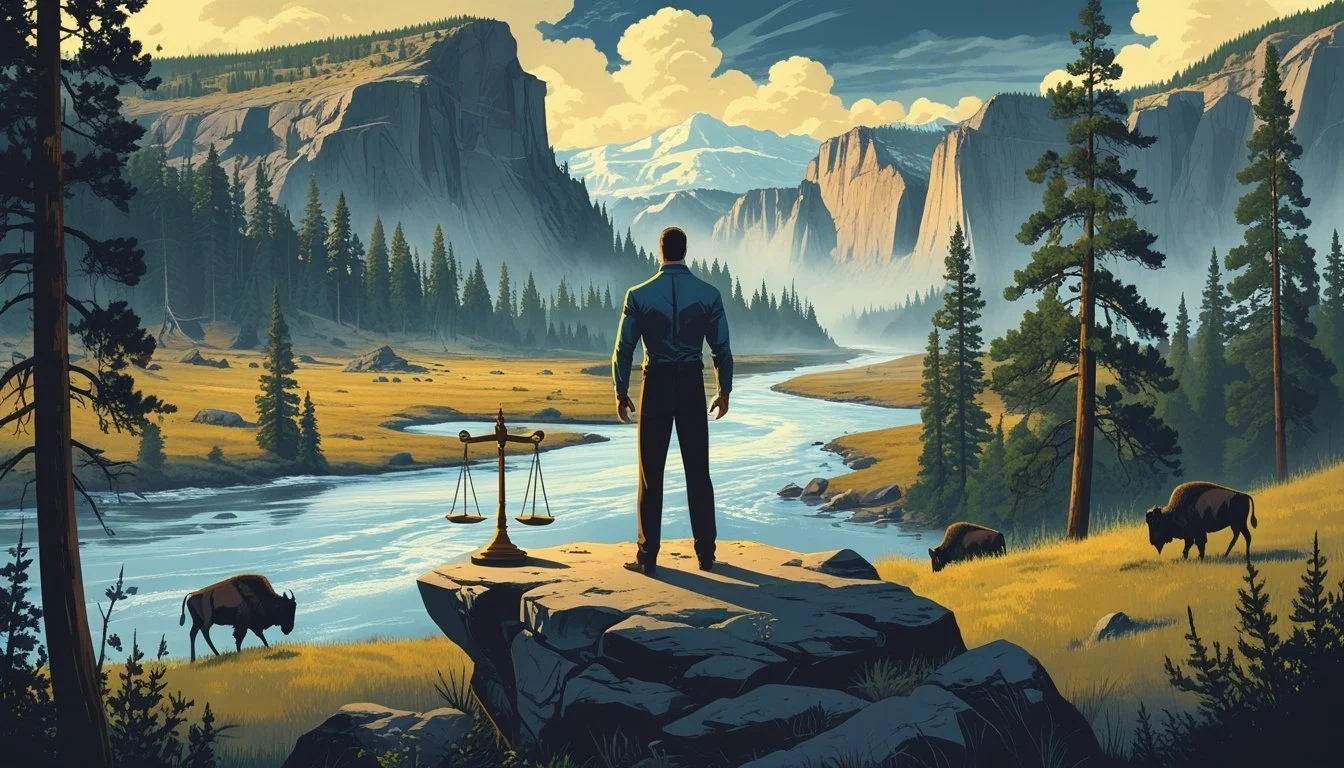
Power in Yellowstone is rooted in position and control over resources, but holding authority comes with significant risks and responsibilities. Characters exploit both formal titles and personal influence, whether in ranch operations or political circles, to maintain their leverage.
Livestock Commissioner and Political Maneuvering
The position of Livestock Commissioner grants John Dutton an official platform to advance his interests and protect his family's land. This role is not merely symbolic. It provides real political leverage, particularly when it comes to influencing law enforcement and negotiating with local and state officials.
As seen prominently in season 3, John's tactics often involve using legal authority to challenge threats against the ranch, such as property developers or rival factions. He navigates bureaucratic processes, sometimes bending regulations or leveraging favors. Decision-making is rarely clear-cut, and each move in this political arena carries personal and public consequences.
Power struggles extend beyond ranch boundaries into Montana politics, where alliances shift rapidly. Key confrontations—such as hearings or backchannel meetings—demonstrate how official titles can be wielded for both defense and aggression, reflecting the high stakes at play.
Key elements of political power:
Formal authority over livestock and land-related disputes
Influence in local law enforcement and governance
Use of strategic alliances and negotiations
Power Struggles Within and Beyond the Dutton Ranch
Inside the Dutton ranch, authority is constantly tested. Family members and loyal staff often clash over strategy, loyalty, and ethics. Ambition drives divisions, with each trying to secure a measure of control or recognition.
John Dutton’s leadership faces challenges from his children, especially Beth and Jamie. Each brings a different ambition—Beth with financial acumen, Jamie with legal expertise. These internal conflicts often force hard decisions about trust and succession. List of prominent internal struggles:
Beth vs. Jamie: Competing visions for the ranch’s future
Generational tension: Tradition versus new strategies
Sacrifices made to assert authority
Beyond the family, business rivals and political actors seek to undermine Dutton influence. Seasonal conflicts with developers, tribal leaders, and corporate interests raise the stakes, providing outsiders with opportunities to exploit divisions or weaknesses.
The combination of internal dissent and external threats creates a landscape where authority is never guaranteed. Leverage shifts quickly, and survival depends as much on negotiation and adaptability as it does on outright power.
Voices of Ambition: Iconic Quotes and Moments
Ambition in Yellowstone is rarely subtle. Characters reveal the steep price of their drive through sharp dialogue and defining moments that shape their futures.
Yellowstone Quotes on Ambition and Cost
The show frequently centers on the Dutton family’s relentless pursuit of legacy. John Dutton’s words, such as “You build something worth having, someone’s gonna try to take it,” highlight the constant struggle tied to ambition.
Beth Dutton often states her intentions plainly, exemplified by lines like “I made two decisions in my life based on fear— and they cost me everything.” These quotes reveal the emotional and personal toll of seeking power.
John Dutton: “Leverage is knowing if someone had all the money in the world, this is what they'd buy.”
Beth Dutton: “You are the trailer park. I am the tornado.”
These statements point to ambition not as a path to happiness, but as a burden with real consequences.
Impactful Promises and Devils Within
Ambition in Yellowstone is also depicted through promises—many costly and rarely clean. Characters like Rip Wheeler and Jamie Dutton make vows that shape outcomes. Rip’s loyalty to John is summed up in scenes where he promises, “I'll ride with you until the sun sets on us,” underscoring devotion with heavy consequences.
Jamie’s struggles reveal ambition’s darker side. In his monologues, he speaks of “devils” within—pointing to betrayal and the cost of ambition: “The only way to protect my father is to destroy everything else.” Every promise is a potential moral compromise.
The show uses these promises and moral dilemmas to show that the real “devils” are not external threats, but the internal costs paid to secure one’s vision.
