
The Role of Grief in Yellowstone’s Character Arcs
How Loss Shapes Personal Growth and Relationships
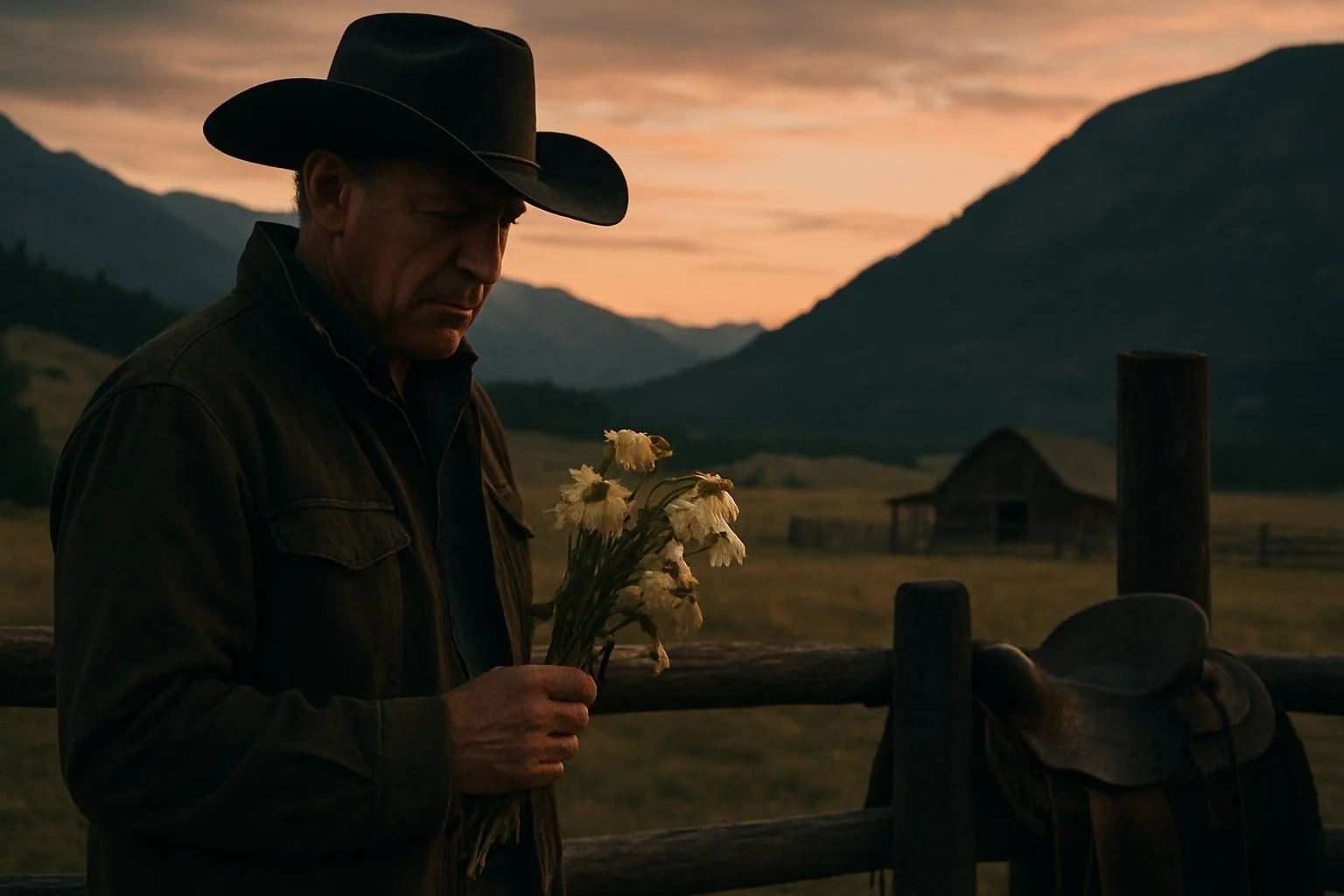
Grief plays a central role in shaping the character arcs throughout Yellowstone, driving the Dutton family’s motivations and transforming their relationships over the course of the series. Created by Taylor Sheridan for the Paramount Network, Yellowstone does not shy away from portraying the weight of loss as its characters struggle to maintain legacy and family bonds. Each loss and hardship they endure adds complexity to their decisions and deepens the emotional stakes.
The show frequently uses scenes of mourning and aftermath—such as the pivotal death of John Dutton—to reveal vulnerability or harden resolve within characters like Kayce, Beth, and Rip. These moments of grief force the Duttons to confront their values and loyalties, pushing each member to navigate internal and external conflicts tied to their family’s survival.
Rather than existing as background drama, grief is woven directly into the journey of each major character. This approach gives Yellowstone its emotional depth and realism, ensuring that every act of loss leaves a lasting mark on the Dutton legacy.
Understanding Grief as a Central Theme
In Yellowstone, grief functions as more than just a background emotion; it actively drives character development, influences key decisions, and shapes the unfolding drama. The portrayal of loss weaves into the core narrative structure, manifesting in both explicit events and nuanced character responses.
Defining Grief in the Narrative
Grief in Yellowstone is not isolated to moments of personal tragedy. It permeates daily life for the Dutton family and their allies, reflecting in strained relationships, unresolved trauma, and conflict. The loss of loved ones—such as the death of John Dutton—serves as a major turning point, impacting everything from family dynamics to power struggles over the ranch.
The show presents grief as a multi-layered force with both immediate and lingering effects. Emotional wounds resurface during crises, guiding much of the decision-making of central characters. For example, Kayce’s ongoing struggle with guilt and the memory of fallen soldiers shapes his interactions with both family and outsiders.
Unlike some series that treat grief as a temporary hurdle, Yellowstone integrates sorrow and mourning into the long-term evolution of its cast. This continual interaction between loss and action grounds the drama in realistic pain and resilience.
Yellowstone’s Approach to Loss and Sorrow
Yellowstone’s storytelling relies on subtle expressions of sorrow as well as overt displays of heartbreak. The narrative uses quiet moments—such as family members speaking in hushed tones by a gravesite—to show how grief silently influences their worldviews. Instead of quick catharsis, characters process experiences at their own pace, mirroring real-life responses to tragedy.
The show also explores different reactions to loss through its cast. Some characters adopt denial or anger, while others seek comfort in ritual or tradition. These varied portrayals enrich the drama, allowing viewers to empathize with individual journeys through suffering.
Table: Common Grief Responses in Yellowstone Characters
Character Response to Grief Narrative Impact Kayce Dutton Isolation, trauma Affects relationships, actions Beth Dutton Anger, betrayal Drives conflict John Dutton Stoicism, sacrifice Shapes leadership, choices
The Role of Grief in Shaping the Yellowstone Universe
Loss forms a central axis around which the Yellowstone universe turns. Every season uses grief as a motivator for character arcs and power shifts, whether it’s seeking vengeance, protecting land, or preserving family honor. Key storylines—including land disputes and betrayals—are often rooted in earlier personal losses.
This approach ensures that grief is not a single event but an ongoing influence. Major decisions, from political alliances to acts of violence, are depicted as direct or indirect responses to past trauma. The result is a universe where sorrow is a collective experience, binding characters together even as it tears them apart.
The interplay between grief and the pursuit of legacy gives Yellowstone its emotional intensity and narrative complexity. Through deaths, disappointments, and unhealed wounds, the series maintains a consistent tone of struggle and endurance, reflecting the harsh realities of its dramatic world.
Dutton Family: Grief and Legacy
Grief is interwoven with the Dutton family’s struggles, shaping relationships and choices as they fight to maintain the Yellowstone ranch. The burden of loss repeatedly tests the endurance, loyalty, and identity of each family member as their legacy is challenged.
John Dutton’s Enduring Losses
John Dutton faces relentless personal loss over the years, including the tragic deaths of his wife and son, Lee. Each loss leaves deep scars, gradually isolating him as he assumes full responsibility for the ranch and the Dutton family legacy.
He often internalizes pain, channeling it into his unwavering commitment to the land. John’s grief influences his leadership and creates tension in his relationships, especially with his children. The ranch becomes a symbol of both heritage and the sacrifices demanded by loyalty to family.
John’s experience with loss drives his decisions, sometimes making him abrasive or distant. The struggle to honor the memory of loved ones shapes his vision for the future and his efforts to secure the family legacy.
Beth Dutton’s Emotional Journey
Beth Dutton’s experience with grief is shaped by both past trauma and ongoing conflict. The loss of her mother in her youth leaves her with unresolved guilt and a complex relationship with her father. This trauma influences Beth’s often volatile actions and fierce loyalty to the Yellowstone ranch.
She struggles with self-destructive behavior, using wit and aggression to mask pain. Her grief repeatedly fuels confrontations within the family, especially as she protects the Dutton name at all costs.
Beth’s journey is marked by resilience, but also by vulnerability. Moments of tenderness, especially with her father and Rip Wheeler, reveal how grief has softened and hardened her in equal measure.
Kayce Dutton and Monica: Shared Pain
Kayce Dutton and Monica’s story is defined by shared trauma and ongoing hardship. From Kayce’s involvement in his brother Lee’s death to repeated threats against their family, loss becomes a constant companion in their lives.
This grief strains their marriage, often forcing Kayce to choose between his family of origin and the family he builds with Monica. Both confront the legacy of violence and struggle to find a safe home on the ranch.
Their shared pain creates moments of empathy and connection, but also drives divisions. The couple’s pursuit of healing and stability reflects the broader conflict within the Dutton legacy, as they wrestle with what to pass on to their son, Tate.
Grief’s Impact on Character Development
Grief in Yellowstone drives characters' decisions, changing their relationships and perspectives about loyalty, betrayal, and authority. The emotional consequences of loss impact how individuals handle power and address deep personal wounds.
Rip Wheeler: Loyalty and Isolation
Rip Wheeler’s life is shaped by early trauma and the persistent loss of family ties. Orphaned as a child and later adopted by John Dutton, Rip develops an unwavering loyalty to the Duttons, especially John. This commitment forms the core of Rip’s identity and actions, guiding his sense of duty on the ranch.
Isolation is another facet of Rip’s response to grief. He keeps emotional distance from others, guarded by the pain of his past. His connection with Beth Dutton provides rare comfort, but even this bond is colored by a shared history of loss.
Rip often turns to violence as a response to threats, partly as an outlet for unresolved grief. His actions reflect a survival instinct cultivated by years of hardship and loss, making him one of the most loyal yet loneliest figures in Yellowstone.
Jamie Dutton: Betrayal and Anguish
Jamie Dutton experiences grief primarily through a sense of betrayal within his own family. Raised with high expectations by John Dutton but often sidelined, Jamie grapples with feelings of rejection. Discovering his adoption and the truth about his parents intensifies his anguish and destabilizes his identity.
Jamie’s reaction to grief manifests as a desire for acceptance and control. He repeatedly seeks validation but faces emotional distance and mistrust, especially from Beth and John. The cycle of loss and betrayal shapes his ambition and willingness to pursue authority outside the family’s approval.
Jamie's choices—whether legal manipulation or violent confrontation—are often driven by a desperate need to resolve, or escape, his ongoing emotional pain. His story demonstrates how grief can erode trust and foster conflict, altering a character’s moral landscape.
Thomas Rainwater: Historical Pain and Motivation
Thomas Rainwater’s grief is rooted in collective loss rather than personal tragedy. As leader of the Broken Rock Reservation, he carries the weight of his people's historical trauma—from displacement to broken treaties. This enduring pain fuels his mission to reclaim land and authority for his community.
Rainwater’s motivation is shaped by a legacy of injustice. Grief sharpens his strategic thinking, guiding his negotiations with the Duttons and other power players in Montana. His approach is calculated, prioritizing the future of his people over personal gain.
While Rainwater interacts with the Duttons as both rival and ally, his actions are always grounded in a determination to address historical wrongs. Grief, in this context, becomes a driving force for leadership and advocacy, reflecting a broader struggle for justice.
Yellowstone Ranch: Land, Loss, and Family Bonds
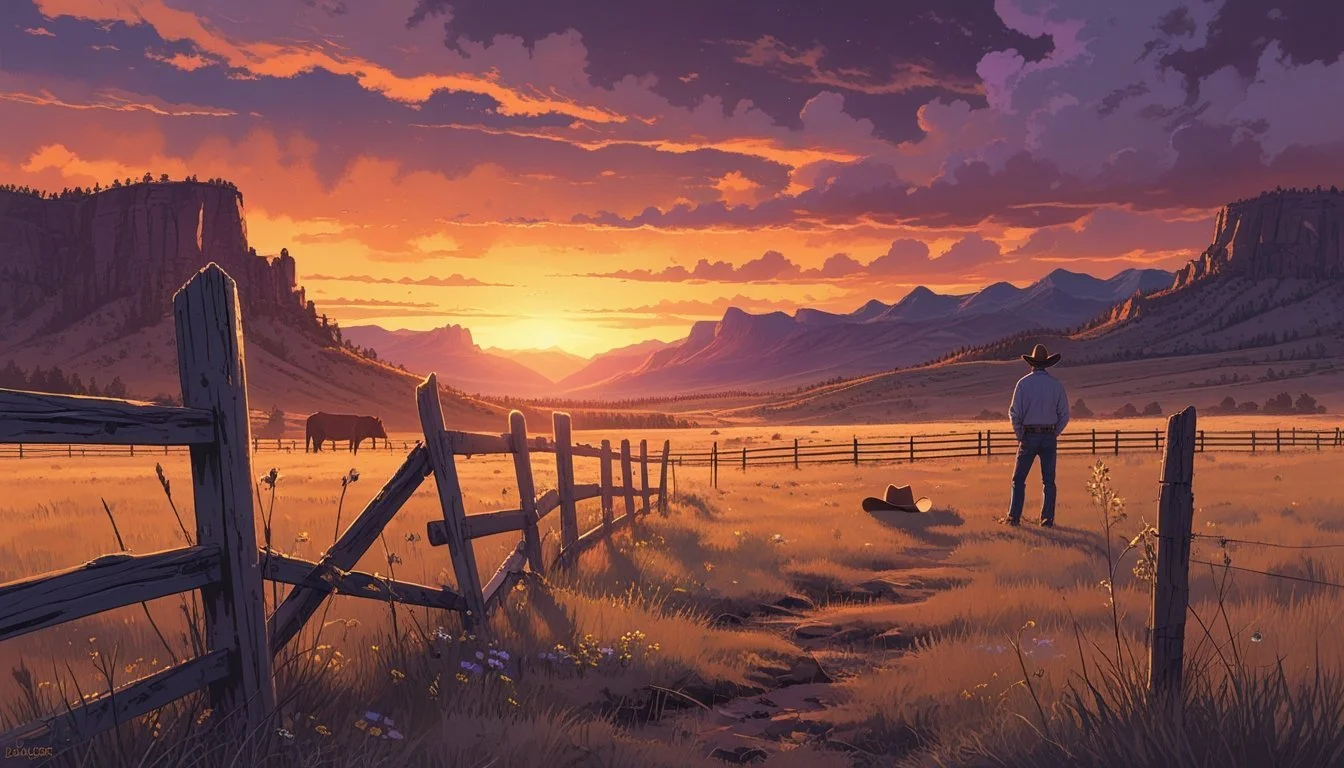
Yellowstone Ranch stands at the heart of the series as both setting and symbol. Loss and family bonds shape every conflict and resolution tied to the land, reflecting deep emotional currents beneath the drama.
The Ranch as a Symbol of Legacy
The Dutton Ranch is represented as more than real estate; it is a generational legacy built on sacrifice. Each Dutton sees the vast Montana landscapes not only as property but as inheritance and identity, directly tying their sense of self to the land they protect.
This bond surfaces when John Dutton and his children fight to retain the ranch amid external threats. The breathtaking ranch life—a mix of hard labor, tradition, and duty—serves as both a privilege and a burden. Choices made to defend Yellowstone often come at a personal and emotional cost.
Loss within the family, such as the death of John Dutton, underscores how the ranch's fate is inseparable from the people tied to it. The ranch ultimately becomes a stage for exploring grief as it ripples through generations, shaping each Dutton's actions and values.
Land Ownership and Grief Over Change
Land ownership in Yellowstone is portrayed as an ongoing struggle against change. The desire to maintain control of the Yellowstone Ranch defines the characters' motivations, frequently bringing them into conflict with outsiders and between generations of the Dutton family itself.
The series finale, culminating in the sale of the ranch, brings grief to the forefront. This transfer of ownership marks not just a financial transaction but the loss of a family heritage. The emotional attachment to Montana’s landscape, cultivated over decades, is sharply felt when those ties are broken.
Ranch life in Yellowstone reflects both the beauty and harshness of stewardship. As modern pressures reshape the Dutton legacy, grief over the changing land becomes intertwined with mourning lost traditions, relationships, and a way of life that once felt permanent.
Conflict, Power Struggles, and Survival
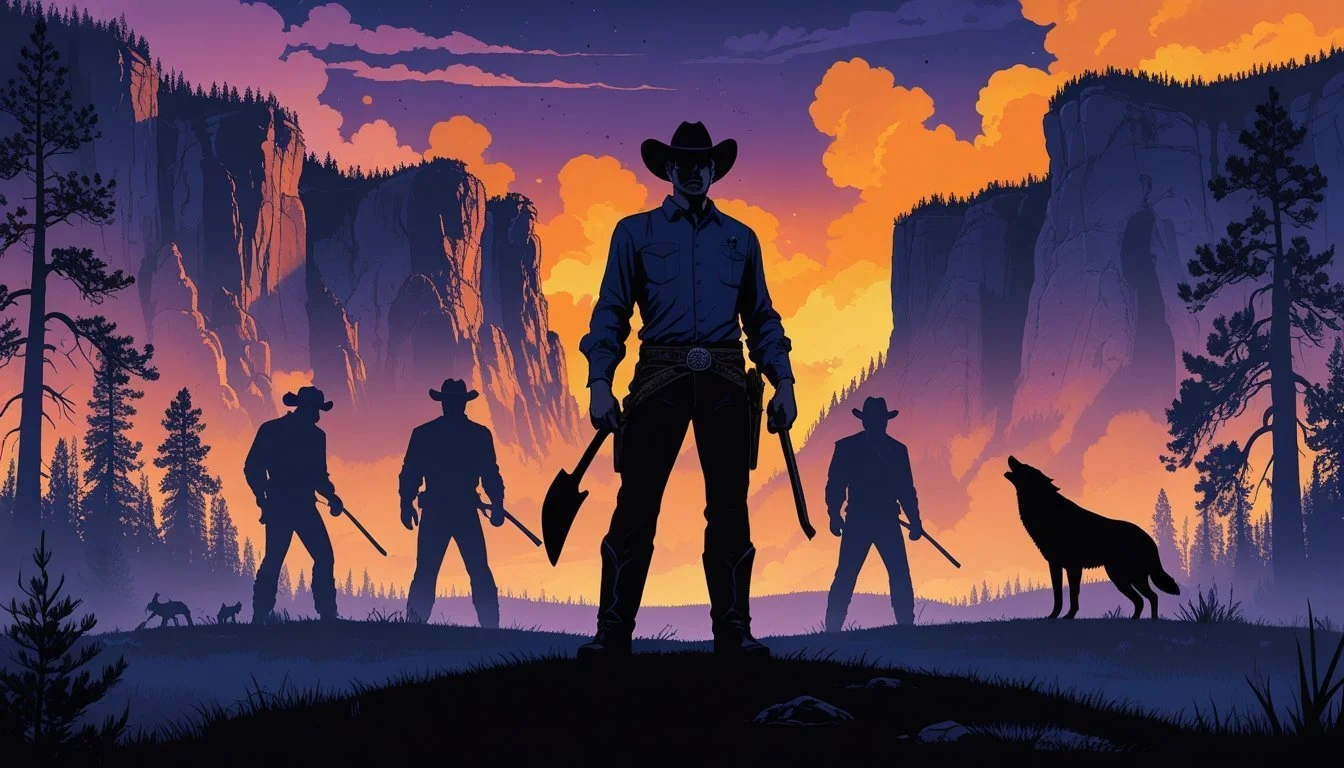
The Dutton family’s journey is shaped by ongoing conflict and power struggles. Grief intersects with issues of land ownership, loyalty, and moral ambiguity as characters fight to protect what remains after loss.
Socio-Political Themes and Grief
Yellowstone weaves socio-political issues into its exploration of grief, especially through disputes over land, resources, and generational power. The struggle over the Yellowstone ranch pits the Duttons against developers, politicians, and Native American groups, each driven by their own histories of loss.
Loss is not contained only within the family. Historical grievances influence negotiations and fuel cycles of retaliation. This context heightens the personal stakes for characters and blurs boundaries between right and wrong.
Grief is used as a motivator for action and retribution. Characters such as John and Beth Dutton are propelled to defend their legacy at all costs, making survival a matter of identity as well as resource control. The show reveals how sorrow becomes intertwined with ambition and authority.
Alliances Forged in Loss
Loss often forces characters to create new alliances, sometimes with former enemies. Survival in Yellowstone depends on the ability to adapt as circumstances change.
For example:
Jamie forms strategic partnerships when isolated from his family.
Beth and Rip bond over shared traumatic pasts, strengthening their loyalty.
Tribal leaders and the Duttons occasionally work together against mutual threats.
These alliances are born out of necessity and shaped by mutual suffering. Trust is often limited and conditional, reflecting the moral ambiguity inherent in the series.
The shifting landscape of loyalty reveals how grief can realign priorities and redefine the boundaries between friend and foe. This dynamic underscores the importance of pragmatism in the fight for survival.
Narrative Techniques: Grief as a Plot Device
Grief in Yellowstone is more than a backdrop; it actively shapes major plot developments and influences how characters evolve over time. The series uses grief as a driving force to reveal motives, trigger turning points, and showcase emotional complexity through acting and cinematography.
Plot Twists Driven by Loss
Major losses in Yellowstone, such as the death of John Dutton or betrayals within the family, become catalysts for significant plot twists. When a central character experiences grief, the narrative often shifts direction—loyalties change, alliances are broken, and unexpected decisions are made. These moments create tension and propel the story forward.
Writers use grief to increase stakes in crucial scenes. The acting often highlights subtle changes in body language and dialogue that signal a turning point. Cinematography supports this by using darker lighting or intense close-ups to deepen the emotional impact. These techniques combine to reshape the direction of the story and heighten viewer engagement with each plot development.
Redemption and Character Arcs
Grief in Yellowstone frequently serves as the starting point for complex character arcs and potential redemption. Characters struggle with guilt, regret, or anger after loss, which prompts personal growth or sometimes destructive actions. This emotional turmoil is portrayed through nuanced storytelling and expressive performances.
Redemption is rarely straightforward. The series often depicts characters attempting to amend past wrongs or seek forgiveness, driven by their experiences of grief. The journey is gradual, marked by setbacks and moments of self-realization. Key narrative techniques include reflective dialogues and symbolic visuals, both of which underscore the characters’ internal battles and contribute to layered, believable arcs.
Grief and Culture in the American West
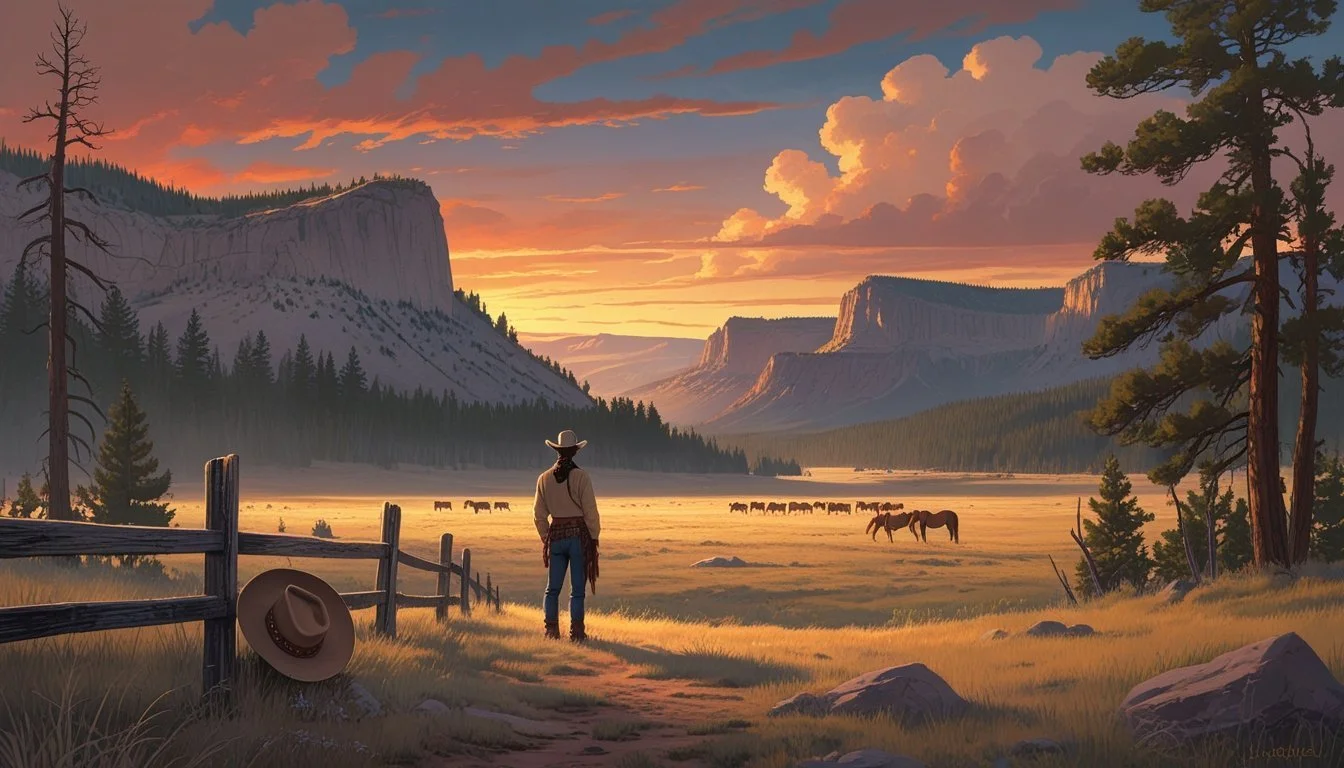
Grief in the American West is shaped by historical, cultural, and environmental forces. The depiction of loss in Yellowstone draws from authentic experiences connected to both Native American tradition and the legacy of westward expansion.
Native American Culture and Loss
Native American communities in the Montana landscape carry a deeply rooted understanding of grief and remembrance. Loss is not treated only as an individual event but as an ongoing process tied to history, land, and family.
Traditional practices often involve communal mourning and rituals that foster connection to ancestors. These customs preserve cultural identity and assert agency, even amid historical trauma.
Yellowstone portrays Indigenous characters with complexity. Their grief connects to displacement, survival, and the enduring presence of their traditions across generations. Unlike mainstream Western genre narratives, the series recognizes the lasting impact of colonization and land loss on Native American families.
Key aspects:
Communal mourning practices
Ties between land, memory, and identity
Representation of generational resilience
Westward Expansion and Generational Trauma
The push westward, central to both the American West and the Yellowstone Dutton Ranch story, is marked by grief that passes from one generation to the next. Migration, violence, and the struggle for land all intensified personal and collective loss.
The Dutton family’s character arcs echo historical trauma seen in families who settled the West. Sudden death, separation, and danger shaped their sense of self and family loyalty.
Through the Western genre lens, Yellowstone highlights how grief leads to hardened emotions and protective instincts. Characters are marked by stoicism, but the show reveals the vulnerabilities beneath. This cycle of loss and hardening becomes an inherited legacy, influencing choices and relationships across decades.
Key points:
Generational transmission of trauma
Impact on family structure and loyalty
Influence of landscape and history on emotional responses
Expanding the Yellowstone Saga: Grief in Spin-offs
Grief remains a driving force as the Yellowstone universe expands, shaping character actions and their relationships. Spin-offs build upon the theme with distinct perspectives, time periods, and family struggles.
1923 and Historical Pain
The series 1923 focuses on the Dutton family during a time of great hardship and loss. Characters like Jacob and Cara Dutton deal with grief as a constant presence due to frontier violence, disease, and the pressures of maintaining their land. Grief in 1923 is not only individual but communal, as entire communities grapple with the consequences of historical adversity.
The pain of the era shapes decisions and relationships, drawing a clear line between personal mourning and collective survival. For instance, losing loved ones to both natural elements and human conflict forces the characters to confront a persistent sense of vulnerability.
Key figures:
Jacob Dutton
Cara Dutton
John Dutton II
Themes:
Survival vs. sentiment
The burden of legacy
Tiona and New Perspectives
Tiona, a central character in 1923, brings a different lens to grief. As an Indigenous young woman navigating forced assimilation within the boarding school system, her experience of loss extends beyond death to include cultural erasure and trauma. The show explores how Tiona’s grief shapes her resilience and deepens the narrative of pain within the family saga.
Unlike the Dutton family’s material and immediate losses, Tiona’s struggles highlight systemic harm and long-term consequences for identity and community. Her storyline offers viewers a broader perspective on the costs of historical injustice.
Distinct elements:
Cultural loss
Resistance and survival
Character focus:
Tiona
Supporting Indigenous characters
Family Ties in Spin-off Series
Family ties are central across Yellowstone spin-off series. Each generation faces its own trials, but grief consistently tests their bonds and values. Characters such as Alexandra in 1923 and other members of the Dutton lineage grapple with loss and its effects on loyalty and decision-making.
Future spin-offs, as mentioned in search results, may explore new family dynamics, like those in The Madison, where grief prompts reflection and reconnection. These series use grief to explore the challenges of inheritance, unity, and the fragility of family.
Spin-off focus:
Intergenerational loss
Evolving family structures
Alexandra and John Dutton II’s journeys
Notable series:
1923
The Madison
Other upcoming spin-offs
The Cultural Impact of Grief in Yellowstone
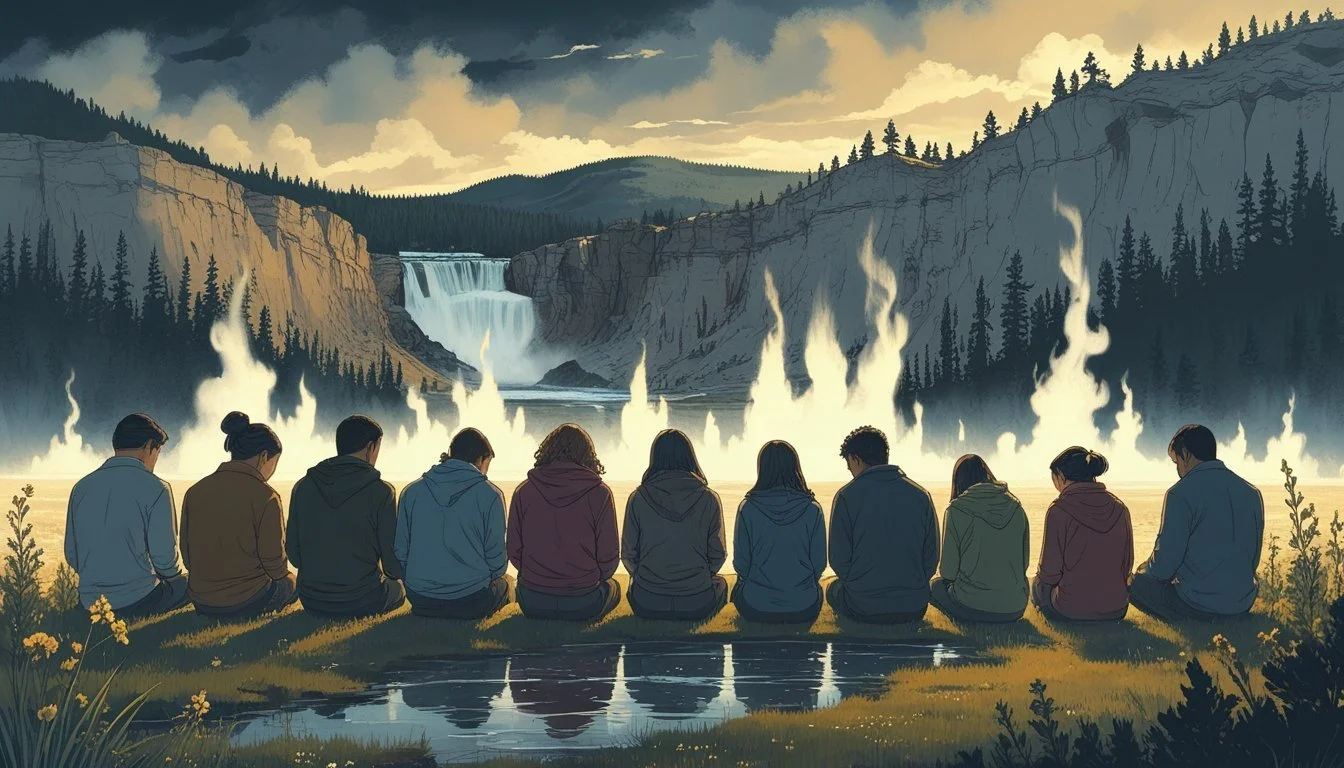
Grief in Yellowstone is not just a character trait; it has become a focal point for fan discussions, shaping how viewers relate to the story on and off the screen. The emotional struggles of characters have fueled broader cultural conversations, drawing in audiences beyond typical Western genre fans.
Social Media and Viewer Engagement
The depiction of grief, particularly in season 5, drives discussion across platforms such as Reddit, TikTok, and Twitter. Fans dissect moments of loss featuring Beth Dutton, Kayce Dutton, and Monica, sharing theories and personal reflections.
Clips and hashtags relating to these storylines often trend on TikTok, where users highlight Monica’s grief journey and Beth’s intense responses. Many viewers express how these portrayals reflect their real experiences, building a sense of connection with the characters.
Audience engagement spikes around key moments of trauma—such as during major deaths or flashbacks involving Kevin Costner, Luke Grimes, or Kelly Reilly’s characters. Fan artworks, summaries, and discussions show the resonance these storylines have with a wide audience, encouraging debates about emotional authenticity.
The Show’s Influence as a Cultural Phenomenon
Yellowstone’s approach to grief has contributed to the show’s emergence as a cultural phenomenon on the Paramount Network. Its focus on genuine trauma—earthbound and raw rather than sentimental—sets it apart from other dramas.
Performances by Kevin Costner, Kelly Reilly, and Cole Hauser anchor the emotional realism, prompting critics and fans alike to recognize the series as more than traditional Western entertainment. Themes of loss and resilience cross into news articles, think pieces, and university courses.
Streaming services and reruns help spread this impact, making grief a central part of how Yellowstone is discussed and remembered. This thematic depth brings in new viewers and cements its influence in contemporary television culture.
