
How Yellowstone Uses Architecture to Show Power Through Strategic Design Choices
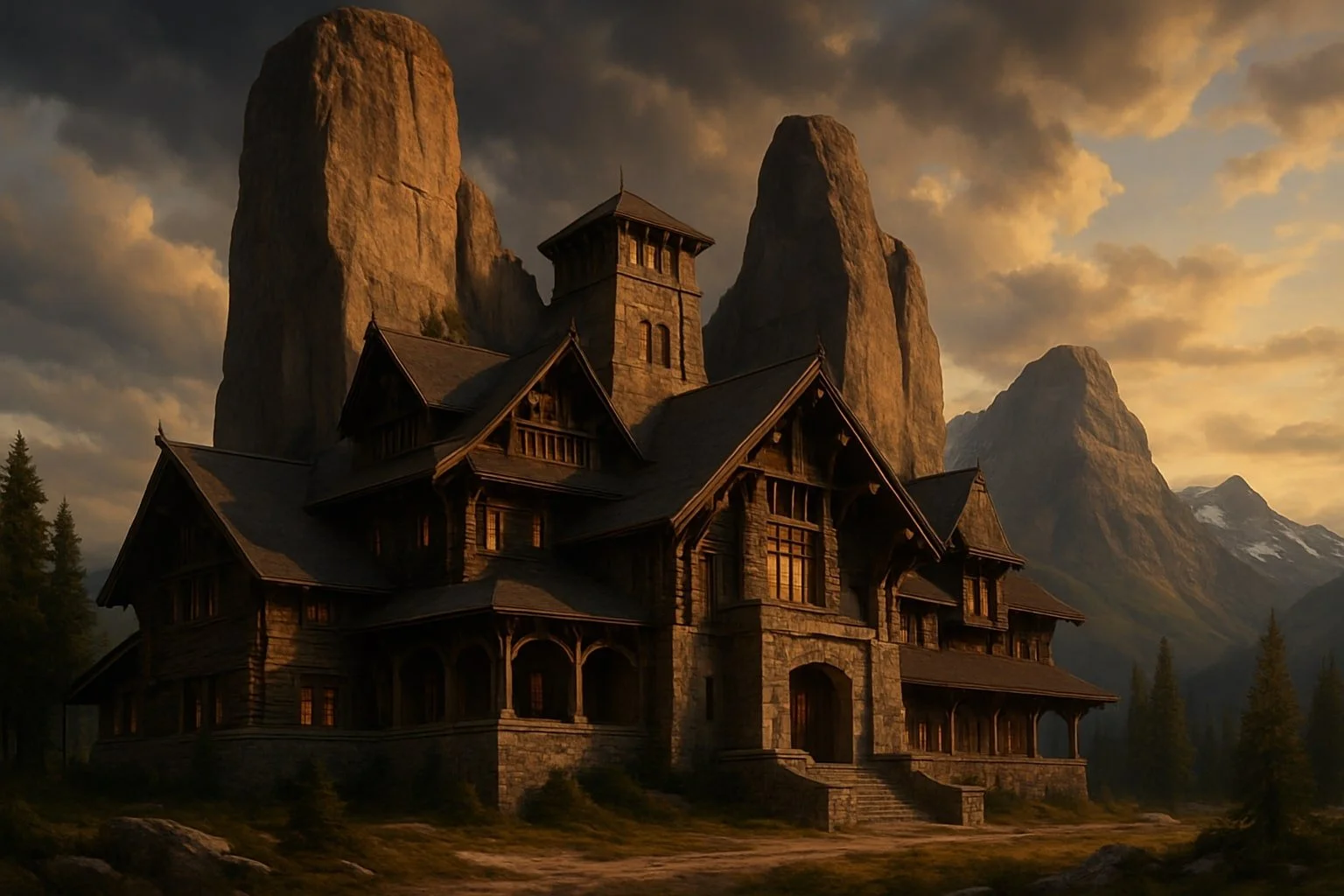
Yellowstone uses architecture to express power by carefully designing buildings and structures that assert authority while also blending into the vast, untamed landscape. From the use of locally sourced logs and stone in the park’s early days to the grand lodges and ranger stations, each construction conveys a sense of control over the wild without erasing its presence.
This approach goes beyond mere utility. Architectural choices reflect a balance between dominance and respect for nature, allowing park leadership to project stability and influence through recognizable, sturdy forms. The intentional style—often called Biophilic design—connects visitors to the environment and reinforces Yellowstone’s position as both a protector and arbiter of the region’s resources.
The Role of Architecture in Yellowstone's Power Dynamics
Architecture in Yellowstone serves as a visual language that conveys social status, family legacy, and cultural tensions. Choice of building style, use of materials, and arrangement of spaces are all carefully employed to reflect power struggles and connections to the American West.
Symbolic Meaning of Architectural Elements
Key locations such as the Dutton Ranch house are designed with imposing facades, stone fireplaces, and wide porches to symbolize authority and permanence. Stone and wood construction signify ties to the land and a sense of tradition.
The large gates at the ranch's entrance and the presence of long driveways act as barriers, marking territory and exclusivity. These architectural choices reinforce the Dutton family's dominance and their place in the region's legacy. Even interior designs—like mounted animal trophies and dark wood paneling—suggest power accrued over generations.
Visual Storytelling Through Built Environments
Set design throughout Yellowstone uses architecture to create a visual narrative that supports its drama. The spacious interiors of the Dutton home emphasize both wealth and isolation, communicating that power can be both a resource and a burden. Open spaces highlight vulnerability as much as control.
Key scenes often take place around fireplaces, long dining tables, or ranch porches. These spots are not just functional but frame moments of decision-making or conflict. Architectural motifs like columns and arches, seen in places like Lake Yellowstone Hotel, suggest a blend of the region’s rough origins and aspirations toward refinement.
Contrasts Between Wealth and Heritage
Buildings on the Dutton property visibly contrast with simpler structures used by ranch hands, tribal members, or newcomers. The main ranch house’s grandeur embodies inherited power, while bunkhouses, barns, and trailers reflect lives rooted in hard labor rather than legacy.
Table: Architectural Features & Their Associations
Feature Association Stone & Wood Facades Heritage, Permanence Grand Entrances Exclusivity, Authority Simple Bunkhouses Labor, Modest Means Historic Hotels (Colonial Revival) Cultural aspiration
These architectural contrasts deepen the show’s exploration of class, belonging, and the shifting meaning of power in the American West. The visual divide is a constant reminder of whose interests dominate and whose stories compete for recognition.
Dutton Ranch: Establishing Authority Through Design
Yellowstone uses architecture as a direct expression of the Dutton family’s status and influence. Every structural choice on the ranch communicates durability, tradition, and command over Montana’s landscape.
Chief Joseph Ranch as a Setting
The real Chief Joseph Ranch in Montana serves as the primary filming location for the Dutton Ranch. Its historical significance enhances the authenticity of Yellowstone’s story, grounding the narrative in the realities of Western ranching traditions. The ranch’s sprawling footprint and strategic siting underscore the Dutton family’s claim to authority.
Montana’s expansive vistas, visible from almost every frame of the ranch, reinforce themes of power and territorial dominance. The buildings are positioned to both embrace and overlook the landscape, signaling both stewardship and control.
Chief Joseph Ranch’s reputation goes beyond the series, reflecting a genuine piece of Montana heritage. Its use in Yellowstone supports a visual language of ownership and continuity.
Log Structures and Rugged Beauty
The ranch’s primary structures are built from substantial log timbers and native stone, embodying the idea of strength through permanence. This architectural style is not decorative; it is functional and time-tested, suitable for Montana’s harsh climate.
Log cabins and outbuildings show minimal ornamentation, focusing instead on precision and craftsmanship. These choices evoke a sense of rugged beauty and resilience. The Dutton Lodge, in particular, features heavy beams, broad porches, and strong lines, which together symbolize an unwavering presence on the land.
Such construction methods visually separate the Dutton property from modern or urban development. The result is a clear expression of traditional power rooted in physical form.
Natural Materials Representing Legacy
Every aspect of the Dutton Ranch’s construction relies on materials sourced from the natural environment. Wood, stone, and leather dominate interiors and exteriors alike, referencing the resourcefulness needed to survive and thrive in Montana.
Large stone fireplaces, exposed wooden beams, and rawhide furnishings communicate heritage. These natural materials do more than fulfill practical needs—they link the family to past generations through tangible, enduring elements.
By consistently using these materials, Yellowstone highlights the Dutton legacy as something grounded in the land itself. The ranch’s look is purposeful: it offers authority and continuity, signaled through every detail of its architecture.
Comparisons With Yellowstone National Park Architecture

Yellowstone National Park’s built environment serves both as a testament to American history and a response to ongoing tourism demands. The park’s most iconic structures use local materials and design to reflect strength and harmony with the natural surroundings.
Old Faithful Inn and Historic Log Structures
The Old Faithful Inn, completed in 1904, stands as one of the largest log structures in the world and is recognized as a National Historic Landmark. Its use of native timber and stone not only connects it to the landscape but also symbolizes enduring strength. This rustic architectural style, often called "parkitecture," was developed to make park buildings feel grand yet integrated with their settings.
Key Features:
Heavy log construction.
Broad stone fireplaces.
Asymmetrical rooflines.
Expansive lobbies designed for both function and visitor awe.
Historic log structures like the Inn project stability and authority, subtly demonstrating the National Park Service’s stewardship over America’s first national park. Their design choices signal both respect for natural resources and the park’s status as a national treasure.
Preservation Versus Modernization
Balancing preservation with modernization shapes the management of Yellowstone’s historic buildings. Preservation efforts seek to maintain the integrity of original features like hand-hewn logs and traditional woodwork, emphasizing the importance of history in the visitor experience. Maintenance and period-accurate restorations ensure these landmarks, such as the Old Faithful Inn, remain structurally sound and historically authentic.
However, Yellowstone must also update facilities to support increased tourism and meet safety codes. Remodeling and adaptive reuse often require creative solutions that protect the park’s legacy while incorporating essential upgrades. Decision-makers face ongoing debates:
Which changes are necessary for visitor safety and comfort?
How much modernization is too much before historical value is lost?
The tension between maintaining America’s past and accommodating present needs shapes each architectural choice in the park.
Power Struggles Reflected in Built Spaces
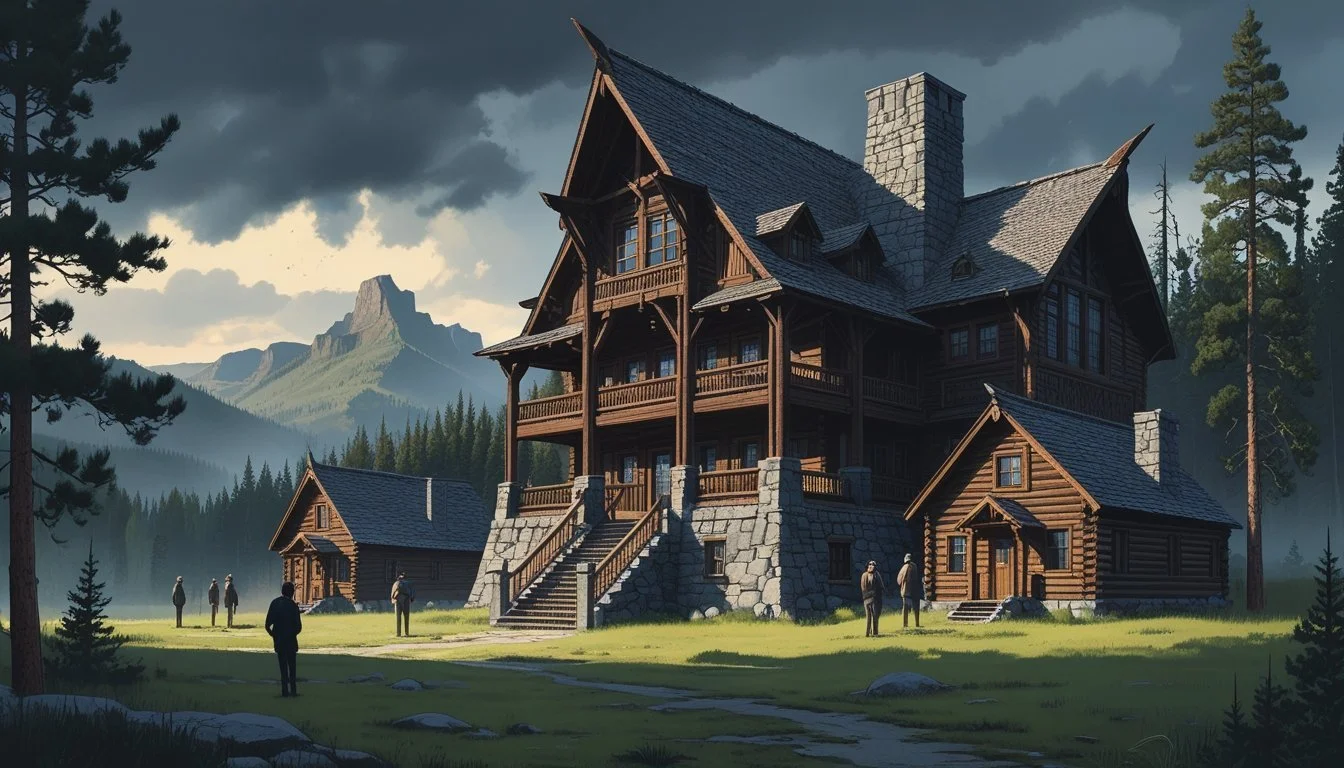
Architecture in Yellowstone is used as a storytelling tool to reveal tensions surrounding land, legacy, and control. Physical spaces like ranches, corporate offices, and new developments show who holds power and who is losing it.
Developers Versus Ranchers
The clash between developers and ranchers is visually represented in the stark contrast between sprawling ranch houses and the sleek, imposing lines of new development projects. Ranch buildings are aged, practical, and deeply tied to the land, symbolizing tradition and continuity.
Developers, on the other hand, introduce modern office spaces and construction sites filled with sterile glass and steel, emphasizing growth and profit over heritage. As these new buildings encroach on traditional ranch land, they highlight the tension and threat to the ranchers’ way of life.
This fight for control is further illustrated by the transformation of landscapes—open pastures give way to paved roads and large-scale corporate structures. The physical domination of modern buildings over older ranches signals a shift in who holds economic and political influence in the region.
Land Ownership and Land Rights
The theme of land ownership is central to Yellowstone’s storytelling, often depicted through imposing gates, fences, and prominently displayed property markers. These elements define boundaries and make visible the struggles over who controls the land.
Disputes over land rights unfold in courtrooms, county offices, and boardrooms, all represented by architecture that conveys authority and exclusivity. Restrictive entryways and fortified ranch homes highlight the idea of protection and defense of property.
These built forms are more than functional—they are statements of territorial claim. The settings make clear the stakes involved, showing how disputes over deeds and titles can upend family legacies and community dynamics.
Modernization and Corporate Greed
Corporate greed in Yellowstone is shown through the aggressive expansion of large development projects. Shiny new hotels, shopping complexes, and business parks engulf previously untouched spaces, erasing natural features and ranch history.
Modern buildings use bold, clean lines, extensive use of glass, and vast parking lots, signaling efficiency and profit. In contrast, the older structures of the ranches appear small and vulnerable, physically overshadowed by corporate developments.
Lists of corporate amenities and scripted sales pitches displayed in these new spaces reinforce priorities of revenue and growth over stewardship of the land. As corporate interests reshape the built environment, the architecture itself becomes a character in the broader conflict between tradition and modernization.
Cultural Identity and Architecture in Yellowstone
Architecture in Yellowstone reflects the region’s layered cultural history, illustrating relationships between Native American heritage, federal preservation, and the traditions of ranching and cowboy communities. The design of physical spaces both preserves cultural memory and shapes the way power and stewardship are represented in the park.
Native American Influences and Land Preservation
Before Yellowstone became a national park, Native American tribes such as the Shoshone, Crow, and Bannock used the land for centuries. Sites like Obsidian Cliff were significant for toolmaking and trade. The landscape holds layers of spiritual meaning and practical resources for these communities.
Preservation policies often excluded Native voices, but architectural remnants tell their story. Tipi rings, ancient trails, and quarry sites can still be seen and are now recognized in cultural interpretations. Modern displays and signage increasingly acknowledge Native presence and longstanding stewardship.
Buildings constructed by federal agencies typically overlooked Native construction methods. However, there is a growing effort to spotlight Indigenous perspectives in visitor centers and educational exhibit spaces, tying the park’s identity to both natural and cultural preservation.
Traditional Ranching and Cowboy Culture
Ranching and cowboy traditions have played a major role in shaping Yellowstone’s built environment. Cabins, barns, and corrals, designed with utilitarian wood and stone, reflect the practical needs of early settlers. Architectural choices such as pitched roofs and broad porches mirror the working lifestyle of these communities.
“Parkitecture”—a style that uses rustic materials to blend with the environment—emerges from this legacy. This approach reinforces Western and cowboy culture by visually declaring the union of human settlement with wilderness. Historic lodges and ranger stations, often resembling log ranch outposts, embody ideals of self-sufficiency and frontier resilience.
These ranch-related buildings help maintain a visible link to the park’s settlement era and shape visitors’ perceptions of Western identity. Preservation of these structures supports broader cultural preservation goals, reminding guests of ranching’s continued impact on the region’s culture and heritage.
Architectural Contrasts Between Rural Life and Encroaching Modernization
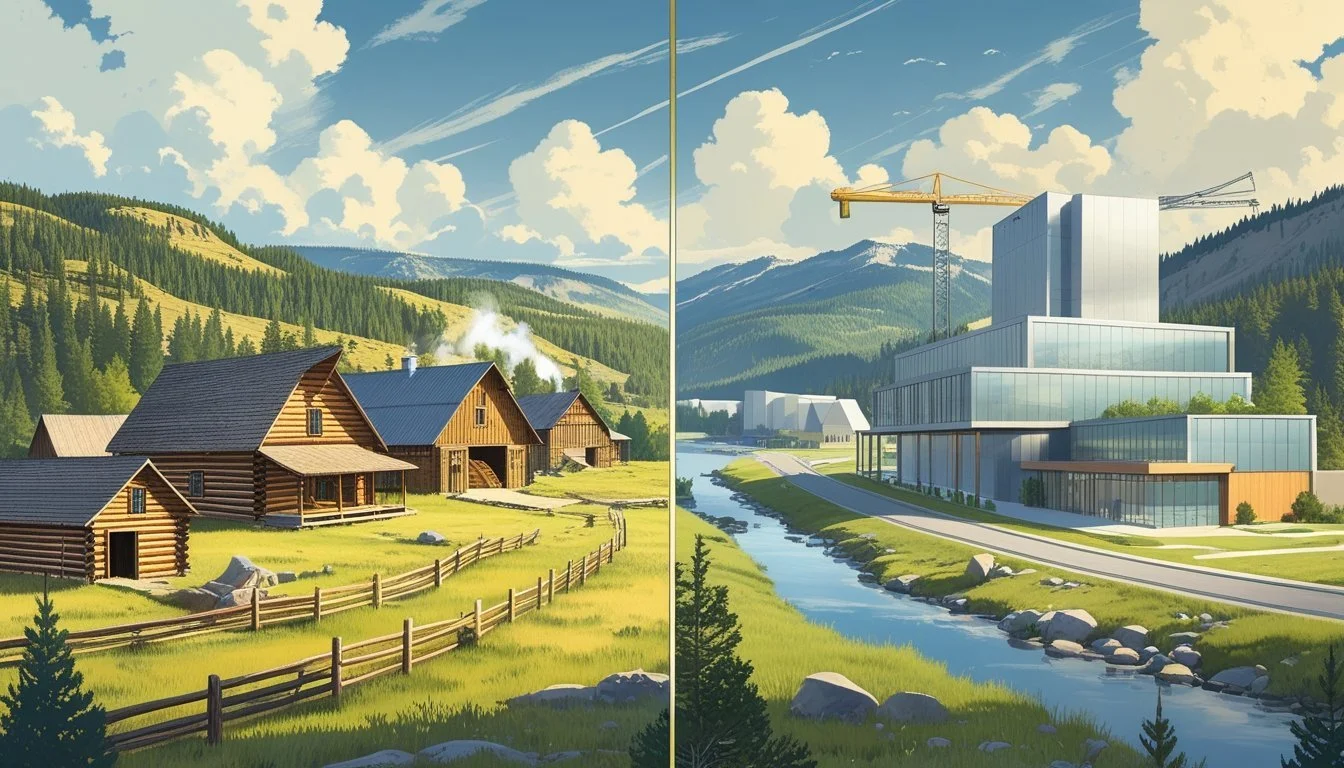
Tensions in Yellowstone's built environment reveal how traditional rural identities meet pressures from modern infrastructure. The resulting architecture shapes not just physical spaces but also attitudes toward energy, resources, and climate change.
Ranching Life Versus Urban Expansion
In Yellowstone, historic ranch buildings reflect efficient use of local timber, stone, and simple layouts suited to self-sufficient rural communities. These structures emphasize practicality: wide porches for weather protection, barns sited for windbreaks, and shared wells or cisterns.
Recent developments introduce larger, more complex buildings echoing urban aesthetics. Modern materials—glass, concrete, steel—contrast with log and board siding. Subdivision-style homes often disrupt natural lines and require new roads and services.
This visible divide signals shifting priorities. Traditional ranch architecture prioritized communal spaces and local climate adaptation, while urban expansion brings individualism and outside resource dependency.
Characteristic Ranch Life Urban Expansion Building Material Local wood/stone Glass, steel, concrete Layout Practical/minimal Large, compartmental Resource Needs Self-contained Municipal utilities
Energy and Resource Management
Older Yellowstone structures demonstrate careful, often communal, resource management—rainwater collection, woodstoves for heating, and passive cooling through stone thickness or natural shade. Energy demands stayed low, tailored to local availability.
Modernization changes these dynamics. Contemporary homes often have higher energy use, relying on centralized heating, air conditioning, and grid electricity. Some newer designs integrate renewable energy—solar panels or ground-source heat pumps—as part of a conscious response to climate change.
These new systems, though innovative, sometimes highlight disparities between those who can afford advanced technology and long-standing rural residents. Resource management becomes less visible but more technologically complex, with shifting impacts on the landscape and local way of life.
Family Legacy and Power Through Generational Spaces
The architecture in Yellowstone directly shows how the Dutton family’s identity and heritage are shaped by shared environments. Physical spaces both reinforce family legacy and serve as settings where loyalty and succession are defined.
Family Dynamics Embedded in the Home
The Dutton Ranch house is constructed as both a family stronghold and a center of command. Its design features—wide, communal dining tables and stately sitting rooms—illustrate how daily life, strategy, and tradition overlap for the Duttons.
Walls decorated with ancestral photographs and historic mementos act as constant reminders of family legacy. Each room is carefully arranged to reflect both shared memory and inherited responsibility. The living areas are deliberately open, prompting regular interaction among family members.
Private spaces are limited, underscoring that individual interests are often secondary to the family’s collective mission. The prominence of family gathering spots also highlights how key decisions are rarely made in isolation but as a unified group.
Signs of Loyalty and Succession in Design
Power transitions are subtly referenced in the ranch’s architecture and decor. For example, John Dutton’s office stands as a visual boundary between authority and aspiration, with visitors physically positioned below or before him during important discussions.
Legacy is reinforced through personal possessions—hats, boots, or heirlooms—that visibly pass from one generation to the next. These items have designated spaces, such as a display case for mementos or a mantel adorned with artifacts.
Changes in room occupants or redecorated spaces often signify shifts in loyalty or succession plans. Table seating, office organization, and even bedroom assignments can reflect who holds influence or is being groomed for future responsibility within the Dutton family.
The Landscape as an Architectural Force
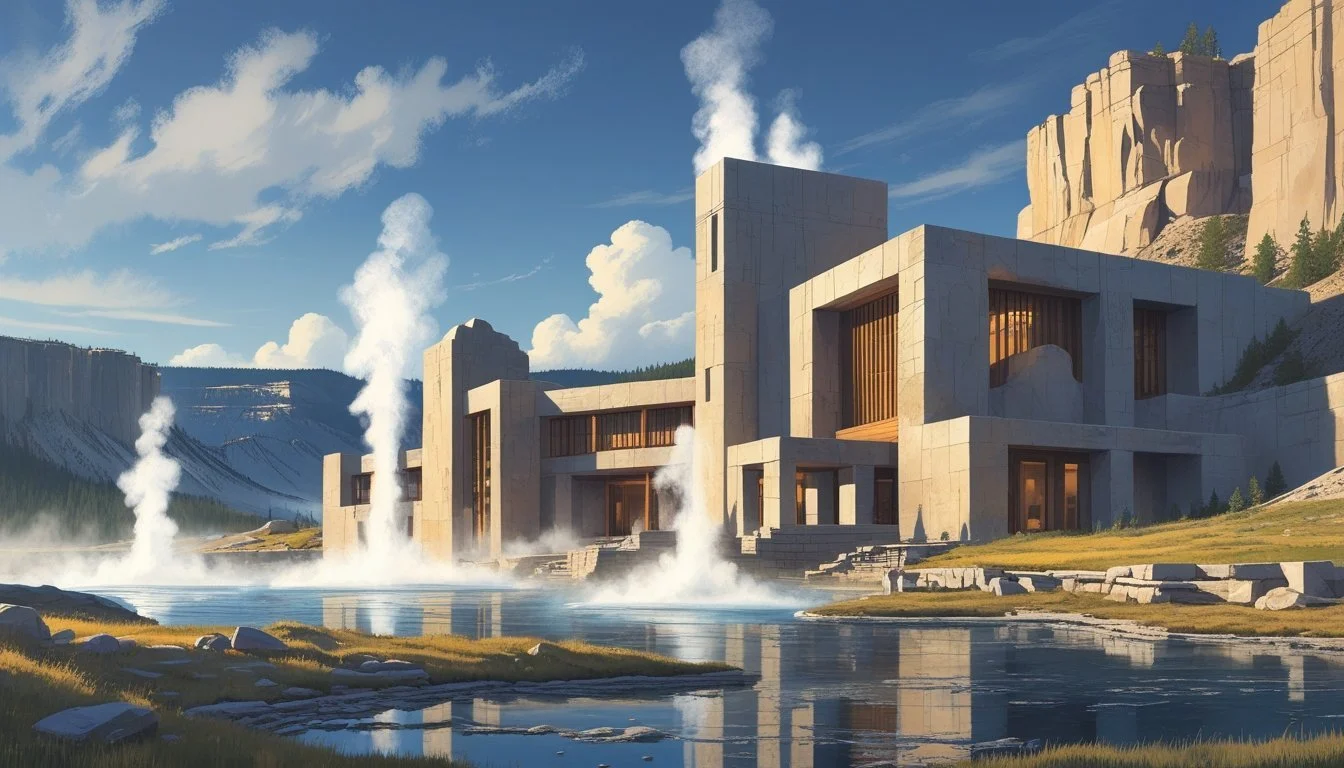
Yellowstone’s architecture is shaped by both its rugged environment and the need to conserve natural and wildlife resources. Building design in the park is heavily influenced by ecological concerns, wildlife habitats, and efforts to minimize human impact.
Integration With Natural Resources
Structures in Yellowstone use materials like local stone and timber to blend with forests, canyons, and geothermal features. This approach, known as "Parkitecture," aims for buildings to appear as extensions of the landscape rather than intrusions. For example, museums built by Herbert Maier in the early 20th century incorporated rubble masonry and peeled logs, allowing them to harmonize with nearby trees and terrain.
🔹 Techniques:
Low profiles
Earth-tone color palettes
Decks constructed around existing vegetation
The positioning of these buildings avoids dominating scenic vistas. Such design practices reflect a respect for the park’s unique geology, including geyser basins and river valleys. The architecture demonstrates not just aesthetic sensitivity but also conveys the park’s control over land use and the careful stewardship of resources.
Wildlife and Preservation Efforts
Architectural choices support Yellowstone’s efforts to protect wildlife such as bison, wolves, and bears. Buildings are sited away from migration corridors, and fencing or barriers are minimized to reduce disruptions to animal movement. Within visitor centers and trail networks, educational features focus on wildlife management and the importance of coexistence.
Key strategies for wildlife preservation:
Buffer zones around sensitive habitats
Limited night lighting to prevent disturbing nocturnal animals
Careful planning of roads and visitor amenities to avoid critical feeding or breeding areas
These physical adaptations showcase the park’s priority to safeguard native species while still welcoming millions of visitors. Architectural interventions underscore ongoing conservation priorities, and help enforce boundaries without overtly separating people from nature.
Iconic Figures and the Power of Place
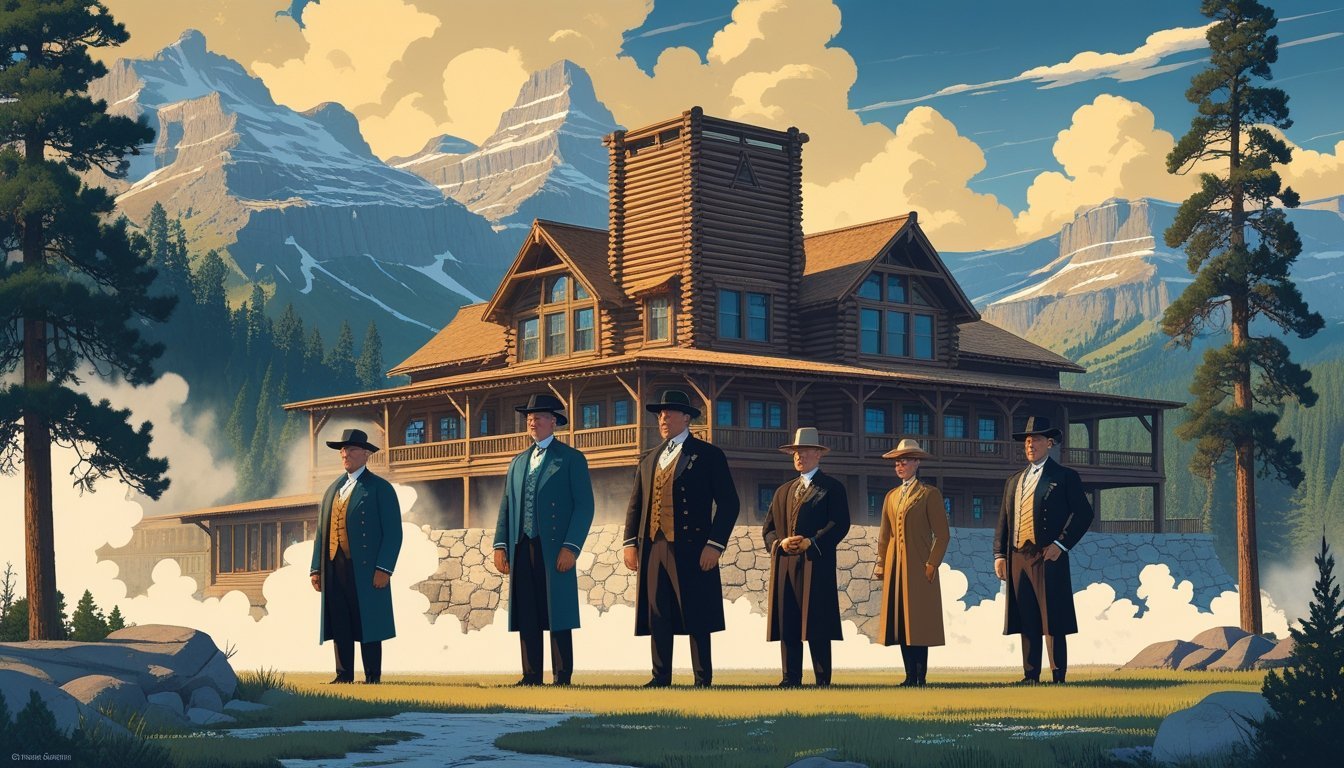
Architecture on Yellowstone is central to how characters like John Dutton, Thomas Rainwater, and Rip Wheeler assert influence. The design, scale, and symbolism of the spaces they inhabit or command reflect the shifting dynamics between tradition, authority, and identity in Montana’s ranching world.
John Dutton and the Ranch House
The Dutton ranch house stands as the visual and emotional heart of Yellowstone, both as a home and a fortress. Its sprawling layout, rustic timbers, and imposing facade project wealth, permanence, and deep family roots in Montana.
John Dutton, portrayed by Kevin Costner, uses this architecture to reinforce his authority. Every room is filled with family memorabilia, Western art, and remnants of past generations, creating a sense of historical legacy that is difficult for outsiders to challenge.
Key family decisions and power struggles often unfold at the dining table, boardroom-style, under the gaze of ancestors’ portraits. The ranch house’s strategic openness—expansive porches, long sightlines—signals vigilance, yet its fortified quality defends against outsiders.
Thomas Rainwater’s Use of Traditional and Modern Symbols
As the leader of the Broken Rock Reservation, Thomas Rainwater positions himself at the crossroads of tradition and ambition. His offices blend contemporary architecture with Native motifs—glass walls, open space, and subtle displays of heritage, including tribal art and photographs.
These design choices reflect his dual strategy: honoring the cultural history of his people while projecting a readiness to engage in modern economic and legal battles. By meeting political rivals in sleek offices adorned with traditional items, Rainwater asserts both legitimacy and adaptability.
Taylor Sheridan, Yellowstone’s creator, uses Rainwater’s environments to show how place and symbolism intersect in his pursuit of power and identity. The setting becomes an extension of Rainwater’s philosophy—rooted in heritage, while confidently moving toward self-determination.
Supporting Roles: Rip Wheeler and the Ranch Hands
Rip Wheeler and the ranch hands inhabit spaces sharply distinct from the Duttons’ main house. The bunkhouse is functional, unadorned, and communal—a stark contrast to the Duttons’ curated domestic grandeur.
Bunkhouse architecture signals hierarchy and solidarity. It is utilitarian, with plain rows of beds, a shared kitchen, and rough-hewn furnishings. This simplicity reflects the ranch hands' working-class culture, emphasizing grit and loyalty over luxury.
Rip, as John Dutton’s right hand, moves comfortably between the bunkhouse and public ranch spaces. His presence in both worlds illustrates how architecture can delineate access to power, respect, and tradition in the Yellowstone hierarchy.
Filming Locations and Their Influence on Perception of Power
Where Yellowstone is filmed—and how its spaces are designed—directly shapes how the audience perceives strength and control. From the vast landscapes of Montana to the authentic construction of sets, every detail contributes to the narrative of power central to the show.
Montana’s Landscape as a Character
The valleys and foothills of Montana, especially those surrounding Chief Joseph Ranch in Darby, serve as more than a backdrop. The sheer scale of the land visually reinforces the Duttons' dominance.
Table: Key Filming Sites and Their Impact
Location On-Screen Role Power Dynamic Conveyed Chief Joseph Ranch Yellowstone Dutton Ranch Family legacy, authority Montana valleys Ranch borders, open range Control over resources
Wide shots often present the ranch as almost fortress-like, emphasizing how ownership of such a landscape conveys enduring influence. The isolation highlights the difference between the Duttons and both their allies and adversaries.
Authenticity and Set Design in Western Dramas
Production teams use real-world ranches and thoughtfully designed interiors to reinforce the legitimacy of the show's power struggles. The Chief Joseph Ranch offers tangible architectural features—log lodges, stables, open porches—that match traditional western drama aesthetics.
Key set design choices:
Natural wood materials for structures
Expansive, interconnected interiors
Vintage fixtures and western motif details
These elements ground the narrative in a setting that feels lived-in and formidable. Authentic set pieces and careful attention to period-appropriate details lend credibility to the world, helping the viewer accept the Dutton family’s power as both natural and hard-won in the western context.
