
Could the Yellowstone Ranch Survive in Reality?
Examining the Challenges and Feasibility
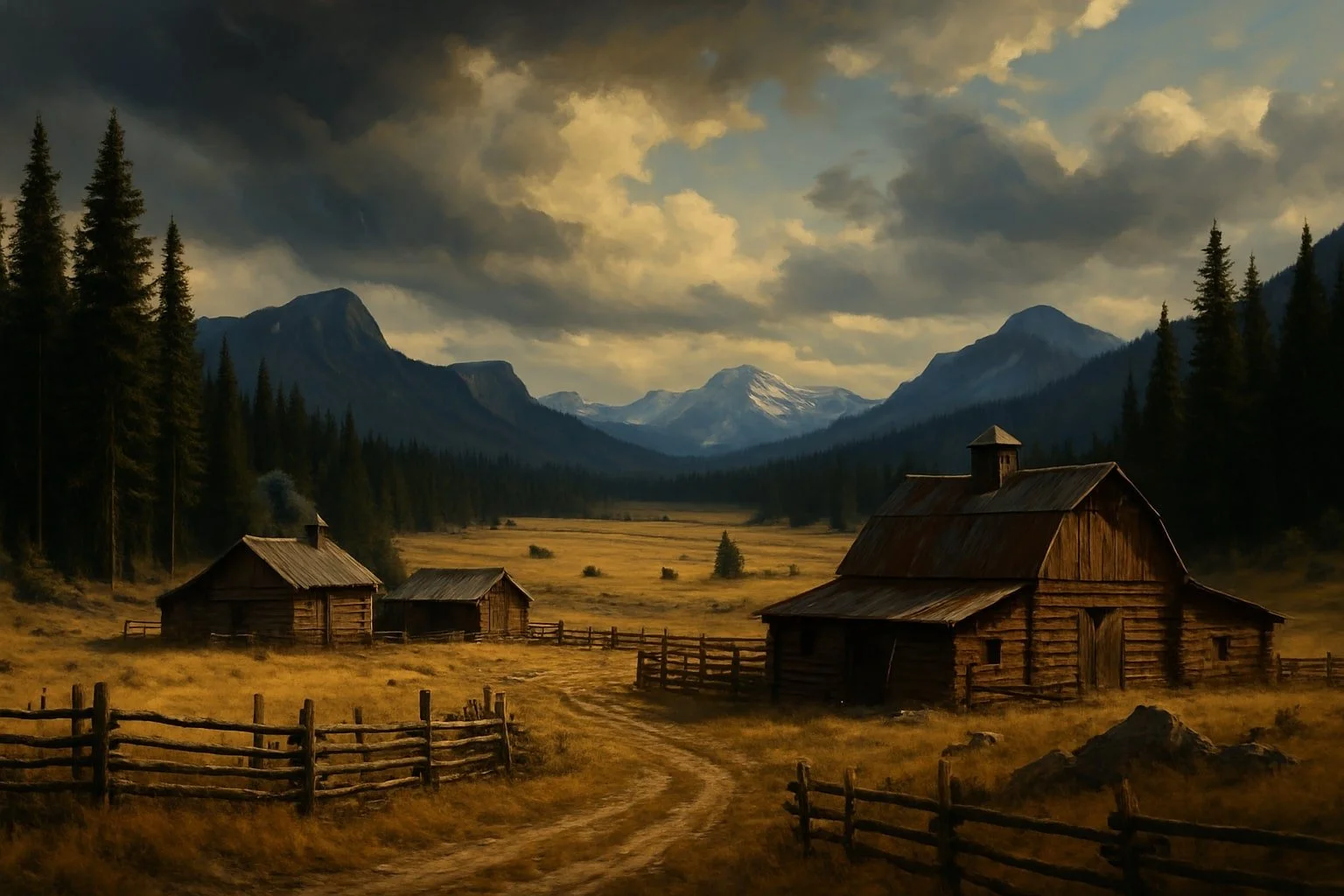
The Yellowstone Ranch, as portrayed in the popular TV series, would face significant challenges if it tried to survive under real-world conditions. While the Chief Joseph Ranch, the filming location in Montana, operates successfully as a working cattle ranch and vacation spot, many elements from the show—like dramatic family battles and quick solutions to complex land issues—are dramatized for entertainment.
Real ranches deal with ongoing financial pressures, environmental regulations, and unpredictable weather, none of which can be solved overnight. The methods shown for protecting land and defending property often differ from what actual ranchers encounter, making real-life survival much more complicated than what unfolds on screen.
The Yellowstone Ranch in Popular Culture
Yellowstone and its famous ranch have become leading symbols of the modern Western genre, bridging fictional drama with elements of real-life ranching. Much of this impact comes from the blend of actual locations and creative storytelling rooted in the vision of Taylor Sheridan.
Origins of the Yellowstone Dutton Ranch
The Dutton Ranch in Yellowstone is inspired by and filmed at the real Chief Joseph Ranch in western Montana. This operational, family-owned cattle ranch is set against the dramatic backdrop of Trapper Peak. The ranch’s history, with its sprawling land and livestock, provides an authentic foundation for the series.
Taylor Sheridan, the series creator, based the Dutton family’s story on real ranching challenges faced in the American West. The Dutton family is entirely fictional, but the conflicts over land, family heritage, and industry mirror historical disputes common in Montana and neighboring states.
Yellowstone Ranch’s Depiction in the Series
Yellowstone depicts the Dutton Ranch as one of the largest contiguous cattle ranches in the United States, run by John Dutton, played by Kevin Costner. The ranch operates at a scale far larger than most real ranches, sometimes showing tens of thousands of cattle, though in reality, large Western operations usually manage 5,000–10,000 head.
The show mixes authentic ranch work with heightened drama and frequent confrontations. Scenes of riding, branding, and livestock management are informed by Sheridan’s background in ranching. However, the frequent violence and intense family drama are amplified for dramatic effect, creating a unique blend of reality and fiction that characterizes the series as both a Western and family drama.
Geographic and Historical Context
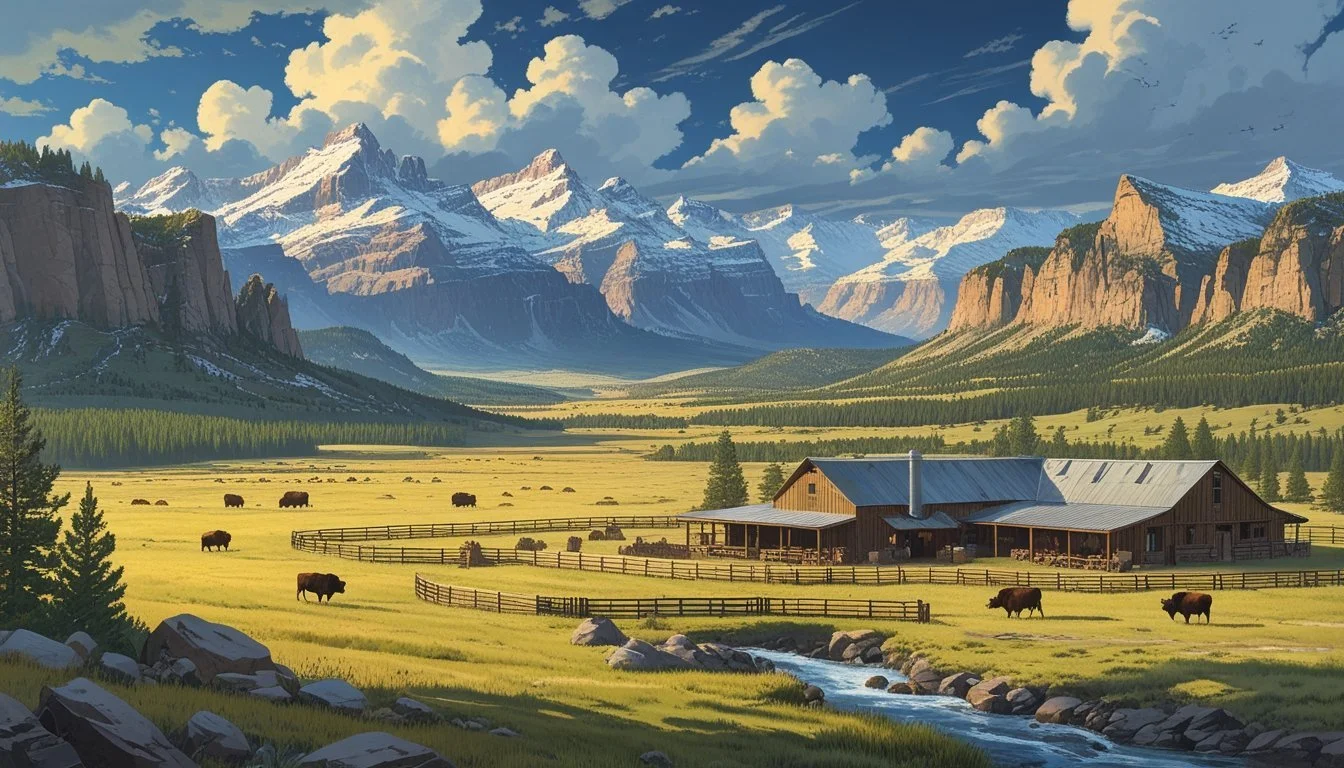
Montana’s demanding landscape, combined with its rich history, sets the backdrop for both the fictional and real-life Yellowstone Ranch. The area is shaped by harsh conditions, legacies of early settlement, and enduring cultural landmarks.
The Montana Setting and Its Challenges
Montana is known for its rugged beauty, featuring snow-capped peaks, rolling pastures, and dense forests. The state's climate varies dramatically throughout the year—from severe winters to hot, dry summers.
Cattle ranchers in regions like the Bitterroot Valley and Paradise Valley must adapt to unpredictable weather, water scarcity, and diseases affecting livestock. Proximity to Bozeman and the Yellowstone National Park brings tourism, but it also drives land values up, increasing economic pressures on family-owned ranches.
Farming along the Bitterroot River adds another layer of complexity, as land management practices must balance sustainability with profitability. These real-world conditions mean that a ranch the size of the Dutton operation would require significant resources and expertise to survive.
The Real Chief Joseph Ranch
The Chief Joseph Ranch, which stands in for the Yellowstone Dutton Ranch in the series, is a working ranch near the town of Darby, Montana. The property lies in the Bitterroot Valley, near the path Chief Joseph and the Nez Perce traveled during their flight in 1877.
Known historically as the Shelton Ranch when it was homesteaded in 1880, the property is framed by the Bitterroot Mountains. The Ford-Hollister Lodge, an iconic feature, is part of the real architecture seen on screen.
Outside of filming, ranching activities continue as usual, focusing on cattle and hay. The Chief Joseph Ranch illustrates the blend of Hollywood fiction and authentic rural life, highlighting both the challenges and traditions of western Montana.
The Legacy of Homesteading in the Bitterroot Valley
The history of ranching in the Bitterroot Valley reflects key moments in the American West. When settlers first established homesteads in the late 1800s, they faced isolation, limited resources, and the need to adapt quickly to Montana’s environment.
The valley, located near Yellowstone National Park, drew families seeking opportunity and land ownership. Many original homesteads, like the property that became Chief Joseph Ranch, were established during this era.
This legacy still shapes the region. These early influences are evident in present-day land use, agricultural techniques, and the cultural identity of southwest Montana—creating direct links from the past to the realities of operating a ranch today.
The Realities of Modern Ranching

Modern ranching blends tradition with new technology and faces unique challenges that influence daily life, business management, and survival. Efficient operation, economic pressures, and adapting to rural environments define whether a working cattle ranch can succeed in today’s world.
Ranching Operations and Management
Ranching requires a demanding routine with long hours and adaptability to changing weather and seasons. Ranchers manage not only cattle but also land, water resources, and equipment. Daily tasks include checking herd health, fixing fences, rotating grazing areas, and planning feeding schedules.
Technology has modernized some ranching practices. Ranchers may use ATVs, livestock management software, and satellite mapping for pasture rotation. But hands-on skills—such as calving, branding, and roping—remain part of ranch life.
Maintaining sustainable land practices is essential. Overgrazing prevention, water system upkeep, and invasive species control help preserve the ranch for future generations. In family-owned operations like the one depicted in “Yellowstone,” labor is shared, often with ranchers taking on multiple roles year-round.
Economic Viability and Agricultural Practices
Cattle ranching’s financial health relies on volatile markets, weather conditions, and input costs. Ranchers must monitor expenses like feed, equipment, labor, and veterinary care. Income is tied to cattle sales, and prices fluctuate with demand, export policies, and disease outbreaks.
Agricultural policies, federal grazing leases, and conservation programs can support or hinder profitability. Diversification—such as leasing land for hunting, agritourism, or growing crops—can help minimize risk if cattle prices fall.
Key financial factors for ranch viability:
Factor Description Cattle Prices Change based on global markets Land Maintenance Costs for fencing, water, etc. Government Programs Subsidies, grants, and regulations Labor and Equipment Significant recurring expenses
Working Cattle Ranches in Rural America
Most working cattle ranches in rural America are smaller than the sprawling properties often shown on television. Family ownership remains common, with many ranchers balancing off-farm jobs to supplement income.
Community support, such as local cooperatives, 4-H clubs, and extension services, plays a key role. Ranchers share resources, equipment, and information about best practices or market conditions with neighbors.
Remote locations mean limited access to services like veterinary care, feed suppliers, and markets. Despite the challenges, many in rural America maintain ranching traditions, passing knowledge down to the next generation while adapting to new realities.
Family Dynamics and Social Structure
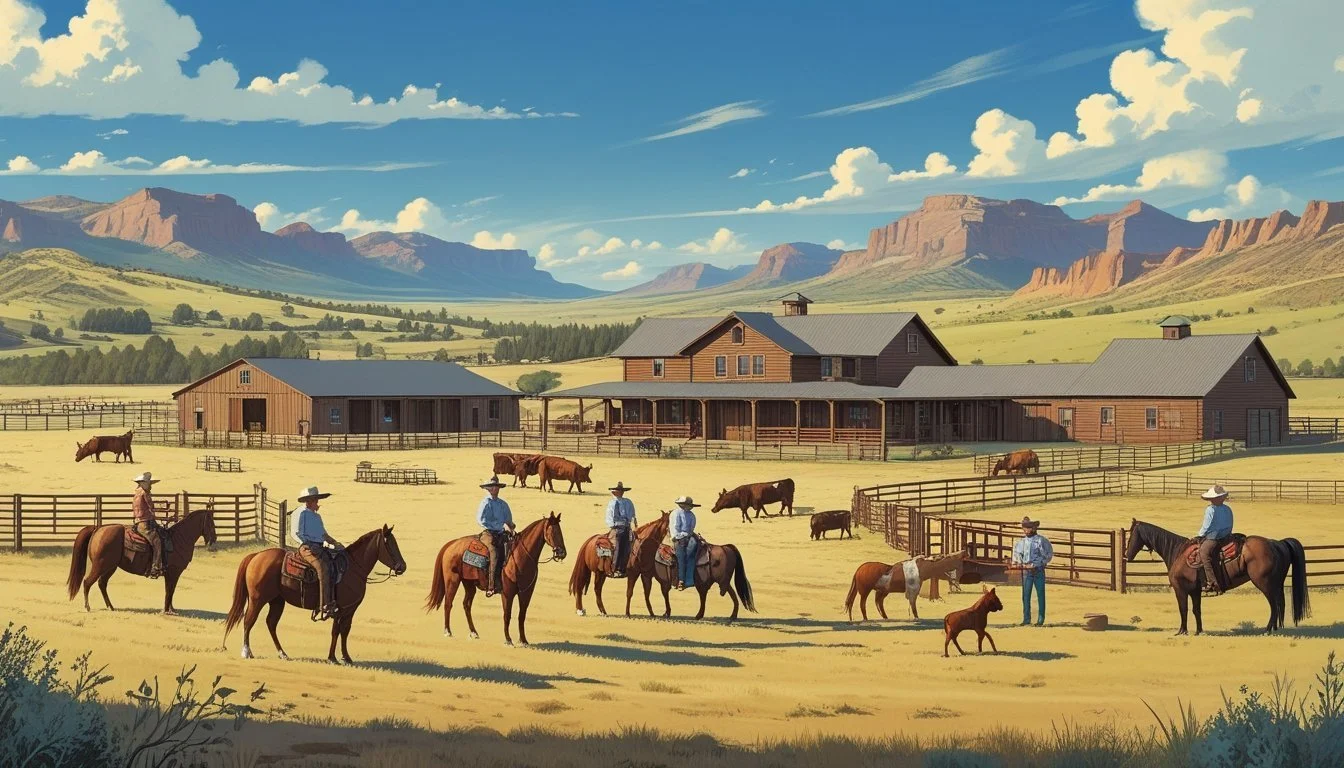
The daily life of Yellowstone Ranch centers on deeply entwined family roles and shifting power within the Dutton clan. Relationships, conflicts, and management styles directly impact the survival and stability of the operation.
The Dutton Family’s Multigenerational Management
The Dutton family's structure is rooted in several generations managing the ranch together. Each generation brings new leadership styles and priorities, from James Dutton's early pioneering to John Dutton's modern stewardship.
John Dutton, as patriarch, oversees operations but also involves his children—Beth, Kayce, and Jamie—in critical decisions. This hierarchical model can create clarity of authority, but also amplifies tensions between tradition and adaptation.
Sustaining a ranch at this scale requires consistent vision, shared commitment, and a willingness to navigate generational differences. In reality, these dynamics can either strengthen the business through unity or jeopardize it if conflicts remain unresolved.
Drama, Loyalty, and Power Struggles
Family drama and shifting alliances are constant challenges at the Dutton ranch. Personal rivalries, longstanding grudges, and differing loyalties often shape daily operations more than business concerns.
Conflicts between Beth and Jamie, or struggles for John Dutton’s approval, inject instability. Loyalty to the land and to one another serves as a unifying force, but it can also lead to secrecy, manipulation, or rash decisions.
Such intense internal friction may threaten ranch viability if left unmanaged. In real-world ranching families, the same combination of loyalty and discord can determine whether a legacy survives or fractures under pressure.
Interactions With Local Communities and Native Tribes
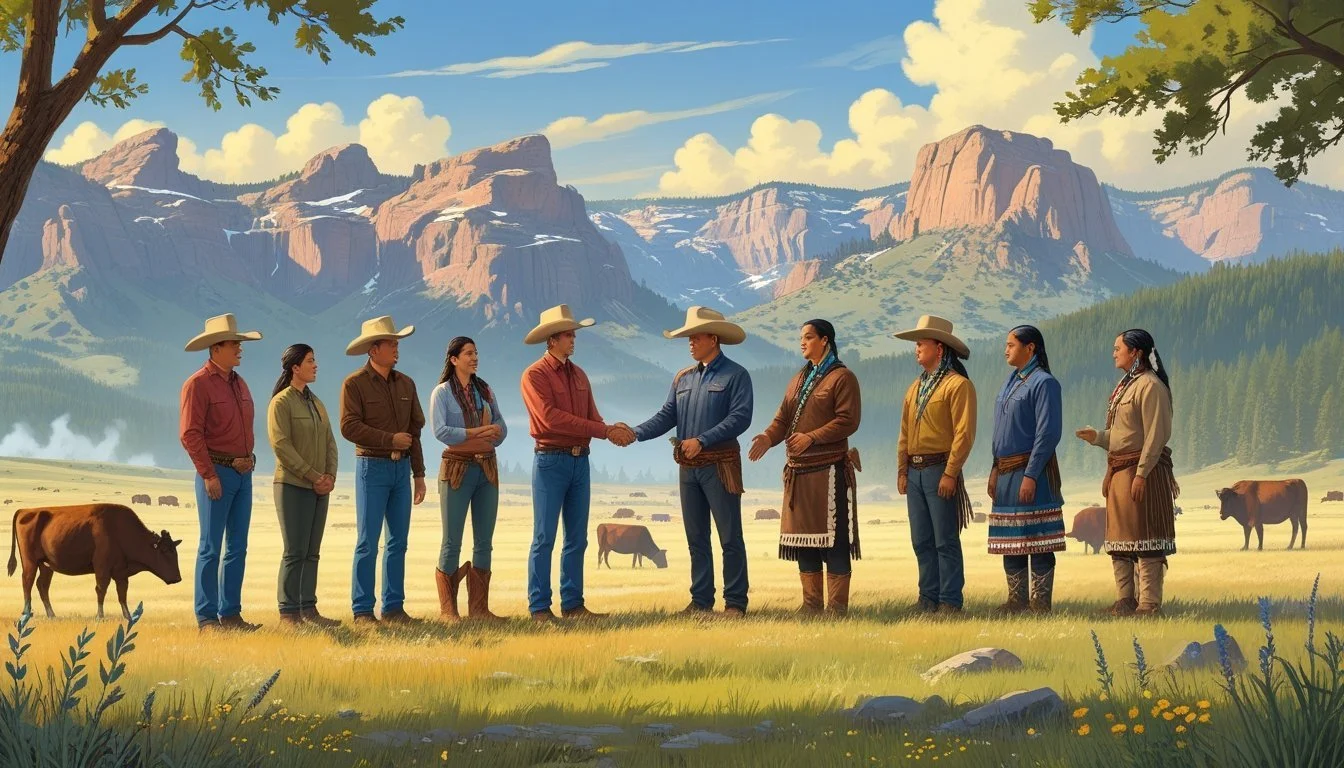
Relationships between major ranches in Montana and their neighbors are complex, shaped by both historic tensions and modern cooperation. Especially significant are the enduring connections to the land maintained by Native American tribes, including the Salish and Nez Perce.
Partnerships and Conflicts in Montana
Large cattle operations in Montana often interact with local towns and smaller landholders. These connections can be cooperative, such as when ranches purchase supplies or hire local workers, providing a boost to nearby economies. During tourist season, businesses in towns near ranching areas may see increased demand from visitors drawn to the Western lifestyle.
Historically, there have also been points of conflict. Issues like land access, fencing disputes, and water rights can lead to legal battles or community divisions. Limited opportunities outside tourism and agriculture sometimes prompt young people to move away, leading to labor shortages on ranches.
Some communities have responded by developing seasonal economies, serving tourists and part-time residents. Others attempt a balanced approach, seeking middle ground between ranching, resource development, and service industries. For some ranches, maintaining good relationships with local governments becomes essential for their survival.
Key Issues:
Land and water disputes
Economic interdependence
Shifts toward tourism-based income
The Role of Native American Tribes
The land surrounding real-life ranches like Chief Joseph Ranch carries deep importance for Native American tribes, including the Salish and Nez Perce. Treaties such as those at Fort Laramie initially recognized Native claims, but the creation of Yellowstone National Park and later settlement displaced many tribal communities from their ancestral homelands.
Today, at least 27 tribes have recognized historic or cultural ties to the broader Yellowstone region. Tribal governments often work with federal agencies on land management, cultural resource protection, and educational initiatives. Chief Joseph, leader of the Nez Perce, remains a prominent figure for both historical and present-day tribal advocacy.
Relationships vary. Some tribes seek expanded rights to hunt, fish, and access traditional lands, while others prioritize cultural preservation and public education. Collaborations with ranchers sometimes center on conservation or shared interests, though tensions still arise over land use and historical acknowledgment.
Native Tribes Involved:
Salish
Nez Perce
Others with cultural connections to the Yellowstone area
Historical Inspirations and Comparisons
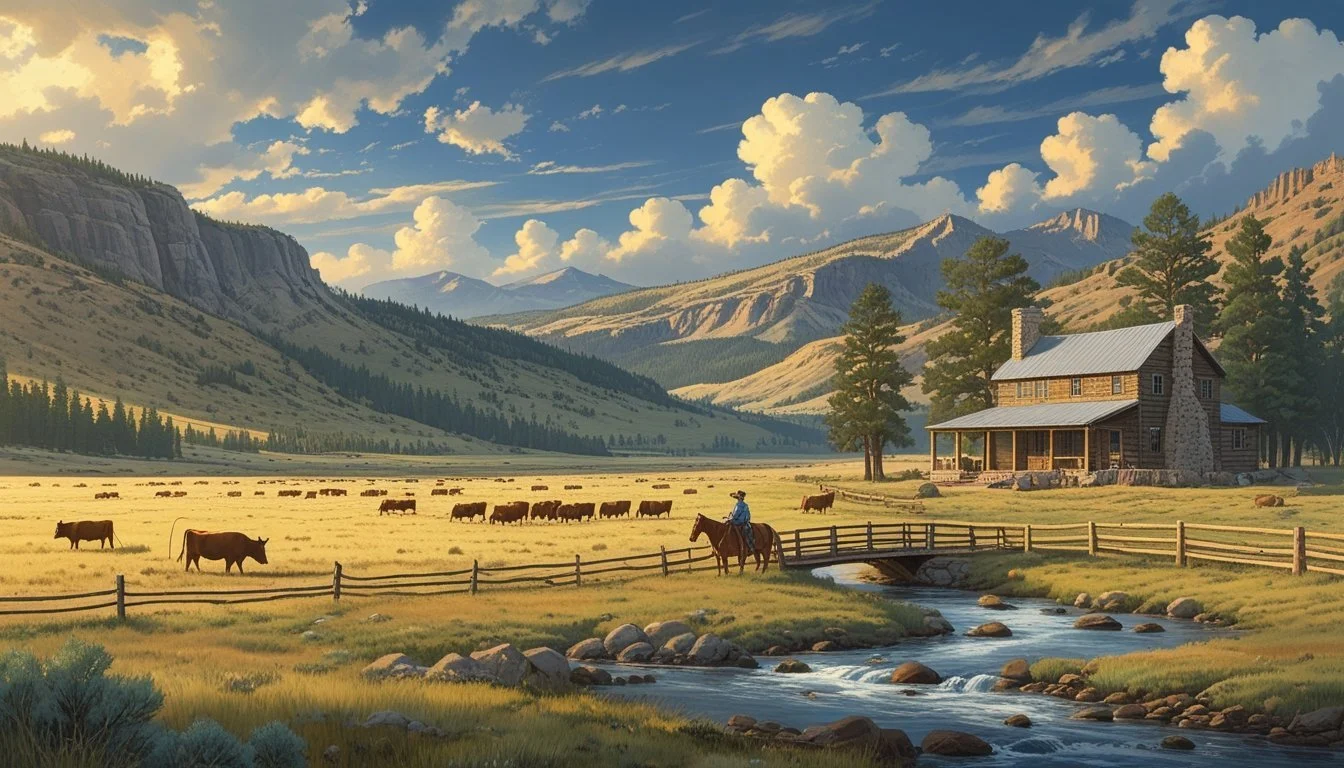
The history of the American West shapes many elements of the Yellowstone ranch’s story. Real-life events, westward expansion, and the daily realities of modern ranching all inform its fictional narrative.
Influence of 1883 and the Expansion of the West
1883, the prequel to Yellowstone, provides context about the origins of the Dutton family and their journey during the westward expansion. This era was marked by harsh conditions, long-distance migration, and frequent conflict with both nature and other settlers.
Actual families moving west faced unpredictable weather, difficult terrain, and the constant threat of violence. Survival often depended on forming alliances and adapting to harsh realities. The show’s depiction of these struggles is informed by documented histories of ranchers and homesteaders.
Critical decisions about land, water, and cattle were often made under extreme circumstances. The legal battles depicted reflect the challenges many faced as the population in the West grew and land claims became fiercely contested.
Comparing Fiction and Reality
The Yellowstone ranch, while fictional, echoes genuine challenges that contemporary ranchers in Montana and other western states face. These include disputes over land rights, water access, and the interests of corporations versus family-owned ranches.
Unlike television drama, real ranching operates under strict environmental rules and economic pressures. Ranchers must navigate government regulations, manage livestock, and adapt to changing markets. The lasting tension with local tribes and developers mirrors ongoing conflicts that have shaped the region for more than a century.
A key point of difference is scale: while Yellowstone’s ranch is vast, most working ranches are significantly smaller and operate on tighter margins. Still, the core issues of legacy, survival, and change are rooted in historical and present-day reality.
Can the Yellowstone Ranch Survive in Reality?
Running a ranch on the scale of the Yellowstone Dutton Ranch, like the real Chief Joseph Ranch in Montana, involves major economic pressures, strict environmental regulations, and legal complexities. Large working ranches face high operational costs, competition, and issues linked to land use and conservation.
Sustainability Challenges for Large Ranches
Large ranches such as Chief Joseph Ranch require significant resources to remain operational. Expenses include feed, veterinary care, land maintenance, water rights, staff salaries, and taxes. Cattle prices can fluctuate, making income unpredictable from year to year.
Weather is a major variable. Montana’s harsh winters and dry summers stress livestock and forage supplies. Drought or severe storms can quickly increase costs and reduce herd productivity.
Modern ranches often diversify income streams to stay afloat. Some, like Chief Joseph Ranch, now offer cabin rentals or agritourism to supplement traditional cattle operations. Efficient management and access to markets are critical for continued survival.
Environmental and Legal Obstacles
Montana ranches must manage natural resources carefully due to state and federal regulations. Water access is strictly regulated, especially along streams and rivers. Overgrazing can damage rangelands, leading to erosion and loss of biodiversity.
Laws protecting endangered species, such as wolves or grizzly bears, further restrict land use and livestock management. Landowners must balance cattle operations with the preservation of sensitive habitats on or near their property.
Increased public interest in land conservation and development pressures from expanding towns challenge the ranch’s ability to remain intact. Ranches like Yellowstone Dutton must navigate complex zoning laws, conservation easements, and property taxes.
Lessons From the Yellowstone Dutton Ranch
The real Yellowstone Dutton Ranch, known as Chief Joseph Ranch, provides a useful example of adaptation. By offering cabin rentals and tourism experiences, the ranch increases its revenue and public profile.
This diversification lessens dependence on cattle alone and helps offset financial risks unique to large ranch operations in Montana. The ranch also benefits from its cultural connection to the Yellowstone series, drawing visitors interested in its history and landscape.
Close ties to local communities and compliance with environmental rules allow the ranch to operate responsibly. Transparency and partnerships with organizations or agencies help secure its future against ongoing economic and environmental challenges.
