
Why Yellowstone Feels Like a War Film Set on a Ranch
Analyzing the Show's Intense Cinematic Style

Yellowstone feels like a war film set on a ranch because the series portrays the Dutton family's fight for their land with the intensity and strategy of a battlefield. Under Taylor Sheridan’s direction for Paramount, every season puts the sprawling Montana ranch at the center of fierce struggles, both internal and external. The stark conflicts over territory, loyalty, and legacy carry the same high stakes, suspense, and divided allegiances found in classic war movies.
Kevin Costner’s portrayal of John Dutton places him in the role of a weary but determined general, dealing with enemies on multiple fronts while trying to protect his family’s legacy. The land is more than a ranch; it becomes a battleground where rival interests and generations clash, echoing the history of real land disputes in the American West. This relentless atmosphere keeps viewers engaged, making Yellowstone resonate far beyond the typical western drama.
Yellowstone: Blending War Film Tropes With Ranch Life
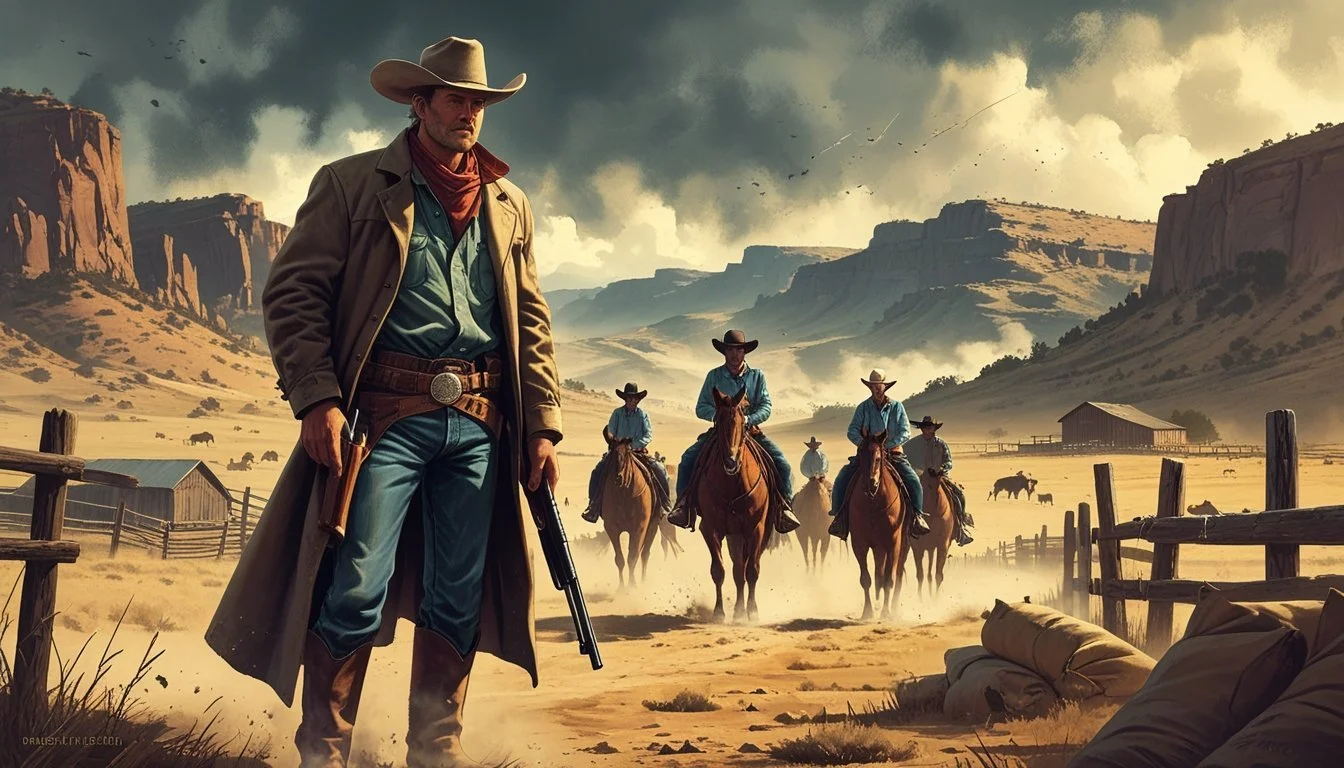
Yellowstone integrates elements of war films—such as loyalty, survival, and strategic conflict—into the realities of a Montana family business. The show’s approach creates high-stakes drama using the landscape and traditions of the Yellowstone Ranch.
The Cinematic Influence of War Films
Yellowstone’s visual style and pacing draw inspiration from classic war films. Wide, sweeping shots of the Montana ranch mimic battlefield panoramas, conveying both beauty and impending danger. The camera often lingers on characters preparing for confrontations, mirroring cinematic techniques seen in military dramas.
The narrative structure frequently uses tactics familiar from war movies. These include tense alliances, surprise attacks, and escalating cycles of retaliation. The atmosphere is heightened by music, costuming, and editing reminiscent of films like “Saving Private Ryan” or “Platoon.” This sense of urgency makes each power struggle feel like a campaign rather than a mere dispute.
Transposing Battlefield Drama to the American West
Instead of traditional troops, Yellowstone positions the Dutton family and ranch hands as the defenders of their territory. The Yellowstone ranch becomes the frontline in their ongoing battles over land, business, and legacy. Simmering rivalries with outside forces—such as land developers and political adversaries—stand in for military antagonists.
Negotiations, betrayals, and coordinated actions echo the strategies discussed in war rooms. Scenes often depict members gathered around tables or maps, planning responses to threats. Each episode blurs the line between physical combat and more subtle forms of conflict, such as legal maneuvering or corporate espionage, emphasizing the business realities behind the family drama.
Symbolism and Themes Unique to the Series
Yellowstone adapts war symbolism to fit the traditions of Western ranch life. Horses, bunkhouses, and the open range take on the significance of military vehicles, barracks, and battlefields. The show uses physical scars, cattle brands, and family heirlooms as symbols of sacrifice and loyalty normally reserved for war epics.
Themes of generational duty and honor are grounded in the daily operations of the ranch. Defending land and maintaining traditions reflect a deep-seated code similar to that found in stories of soldiers. This creates a setting where action unfolds not just in gunfights but also in the moral decisions these characters face as stewards of their Montana home.
The Dutton Family: Protagonists of Conflict
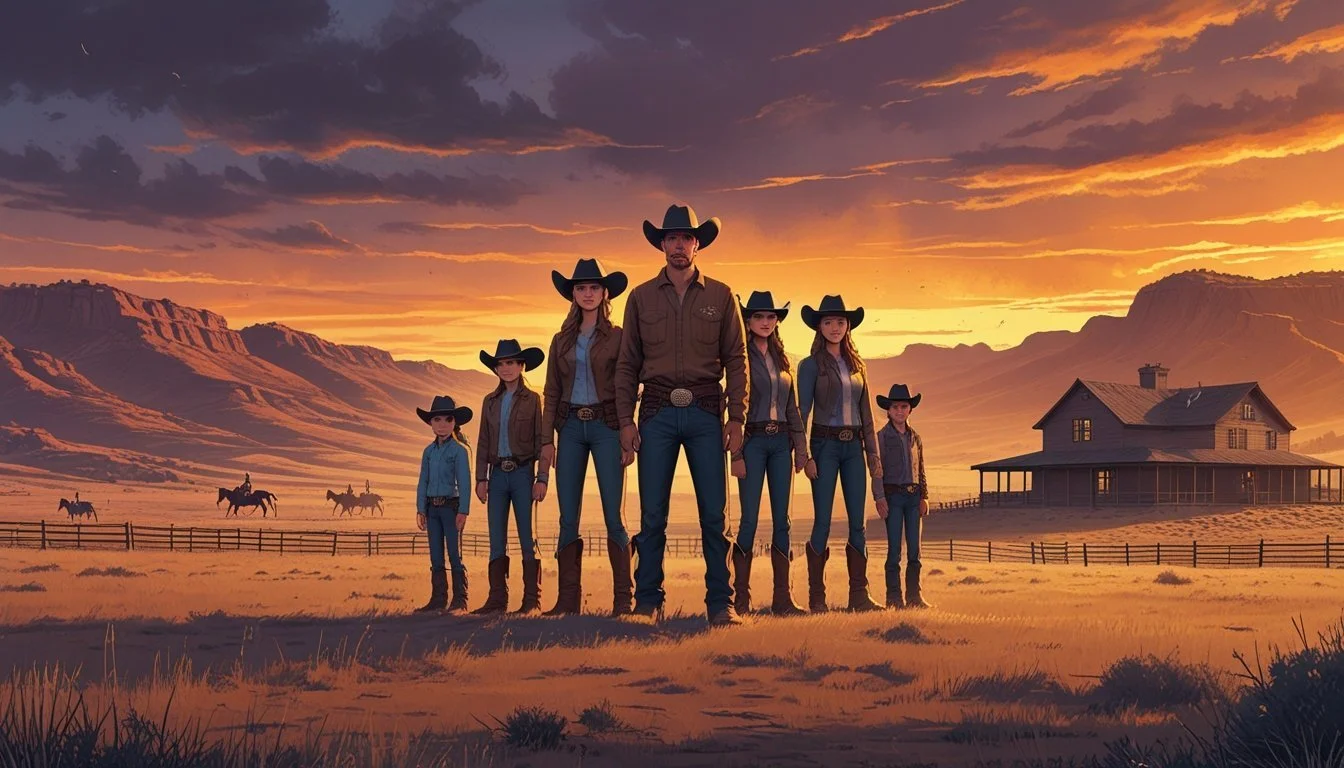
The Dutton family sits at the center of Yellowstone’s conflicts, treating the ranch as a battleground where loyalty, survival, and ambition collide. Power struggles, generational divides, and deep bonds shape each character’s actions as they defend what they believe is theirs.
john dutton as the Reluctant Commander
John Dutton (portrayed by Kevin Costner) leads his family like a general commands troops—calculated, disciplined, and at times, ruthless. He carries the weight of preserving the Dutton legacy, often making decisions that pit him against both outsiders and his own children. His leadership is defined by a blend of stubborn resolve and reluctant vulnerability.
He sees threats everywhere: from land developers, rival ranchers, and shifting allegiances, forcing him to respond with strategic decisiveness. John’s role is less about seeking violence and more about safeguarding what he sees as sacred. This sense of duty drives his willingness to make sacrifices, both personal and ethical.
For John, every decision is measured and tactical. He rarely shows weakness, always projecting authority even as he faces doubt within his family. This makes him a complex figure—admirable for his loyalty, but often criticized for the consequences of his rigid command.
beth and kayce: Struggles on the Ranch Front
Beth Dutton (Kelly Reilly) and Kayce Dutton (Luke Grimes) present two contrasting fronts in the family’s war. Beth is fierce, smart, and unyielding, attacking threats head-on in the business and political arenas. Her approach is direct, often brutal, but always with the intention of protecting her father and the ranch.
Kayce, in contrast, balances his military background with deep emotional conflict. He is torn between loyalty to his father and his own moral compass. Kayce’s experiences as a former soldier push him toward reconciliation, but the violent world of Yellowstone keeps pulling him back into the struggle.
Together, Beth and Kayce’s battles illustrate the personal costs of the Dutton fight. Beth’s sharp wit and relentless aggression counter Kayce’s quieter, more introspective strength. Their choices highlight how war on the ranch is fought on both psychological and physical fronts.
rip wheeler and the Loyalty of Family
Rip Wheeler (Cole Hauser) stands as the loyal enforcer of the Dutton family, embodying the theme of chosen family over blood. Growing up as an outsider, Rip’s unwavering loyalty to John Dutton cements his place within the ranch’s inner circle. He acts as both protector and punisher, doing the family’s dirty work without hesitation.
Rip’s relationship with Beth adds further depth to his character. Their bond, forged by shared trauma and unwavering commitment, personifies the messy, powerful nature of family on the ranch. Rip’s loyalty isn’t blind—he questions, but ultimately supports, the Dutton cause at all costs.
His presence on Yellowstone signals that loyalty and violence often go hand in hand. Rip’s actions are decisive, efficient, and crucial to the family’s survival, making him as essential to the Duttons’ ongoing conflict as any blood relative.
Ranch Life Mirror to a War Zone
Ranch life at the Yellowstone Ranch in Montana is defined by ongoing tension, daily struggles, and unyielding pressure. Each decision, task, and confrontation carries real risk, often demanding the kind of resolve one associates with soldiers in a conflict zone.
Daily Battles Against Rivals and Threats
Days on the Yellowstone Ranch begin before sunrise and rarely end with the setting sun. The crew faces not only the harsh elements of Montana’s landscape but a constant stream of threats—land developers, poachers, and predators all encroach on their boundaries.
Rival ranchers and corporate interests are relentless, making legal and physical disputes unavoidable. The land, cattle, and water rights are contested on a near-constant basis.
The threat of predatory wildlife and unpredictable weather means vigilance is a necessity, not an option. Like a frontline, each corner of the property demands protection.
Key Rival and Threat Factors:
Factor Example Human Conflict Land disputes, sabotage Environmental Blizzards, drought, wildfire Predator Threat Wolves, coyotes attacking cattle
High-Stakes Decisions and Sacrifices
Every choice made by the Dutton family can shift the balance of the entire ranch’s fate. Leadership calls are not theoretical exercises—they determine who stays safe, who works the hardest jobs, and which land can be saved from annexation.
Sacrifices are routine. Family members and ranch hands often put their own interests aside for the collective good of the Yellowstone Ranch. Decisions can lead to broken alliances and even injury.
Missing a single threat or making one wrong call can be costly. The sense of urgency mirrors that found in soldiers’ lives, where each action might be the difference between survival and loss. These circumstances forge a hardened, loyal group whose lives revolve around the constant demands and peril unique to Montana ranch life.
Visual Storytelling and Direction
Yellowstone often draws comparisons to classic war films because of its intense visual style and the cinematic weight given to both conflict and environment. Direction, camera choices, and setting all serve to heighten the sense of struggle and urgency on the Paramount series.
Taylor Sheridan’s War-Like Aesthetic Choices
Taylor Sheridan approaches direction with a sharp focus on realism and tension. He employs handheld cameras and sweeping wide shots, techniques often seen in war cinema, to create a sense of chaos and immediacy. This reinforces the danger looming over the narrative.
The show is carefully paced, juxtaposing quiet moments with sudden violence. Sheridan often frames characters as small figures against vast landscapes, hinting at vulnerability much like soldiers in a battle zone. Dialogue scenes are framed tightly, building intensity and mirroring military strategy briefings.
Action sequences rely on practical effects and authentic stunts, favoring grit over stylization. Many scenes are shot in natural light, using shadow and dust to further underscore conflict. The result is a visual tension that mimics the uncertainty and danger of a battlefield.
Landscape as a Character
Montana’s rugged terrain becomes central to the visual language of Yellowstone. The Chief Joseph Ranch, standing in for the Dutton Ranch, is featured in almost every episode, grounding the story in a specific, authentic place. The landscape's wide vistas and mountainous backdrops convey both beauty and hostility.
Directors use establishing shots of forests, rivers, and distant mountains to mirror the psychological states of characters. This is similar to how war films utilize setting to underscore stakes and vulnerability. The harsh weather, isolation, and open land serve as constant reminders of the challenges facing the family.
The environment influences nearly every conflict on the show. Whether it's a cattle roundup or a legal dispute, the physical setting is shown to shape choices and outcomes. This treatment of landscape provides a unique layer of storytelling, making the setting feel as influential as any character.
Character Arcs Reflecting War Narratives
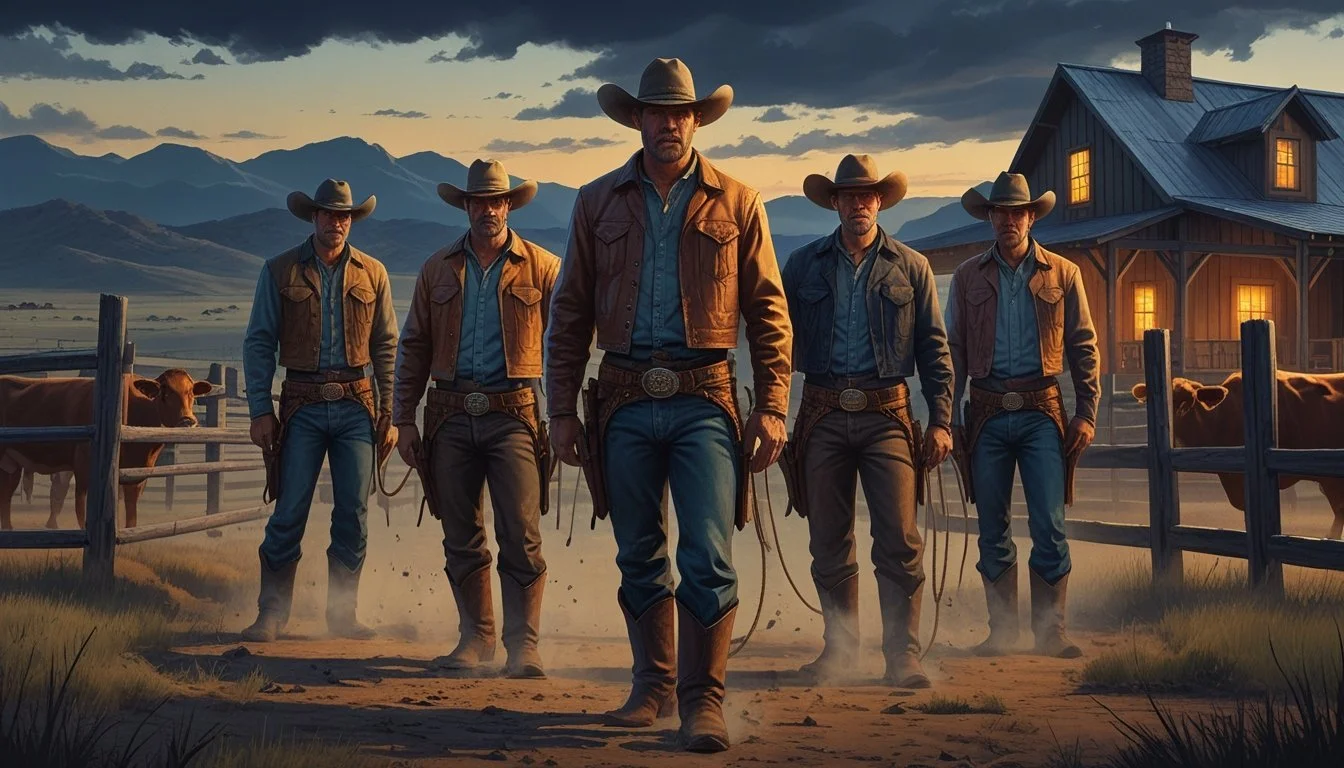
Yellowstone’s main characters undergo changes similar to those seen in wartime stories, marked by psychological scars and the blurred lines between heroism and villainy. Family loyalty, violence, and survival create a climate where the Duttons fight rival forces, as if engaging in a prolonged, deeply personal war.
Psychological Toll and Trauma
Many Yellowstone characters show signs of deep emotional and mental strain. Kayce Dutton bears visible wounds from his time as a Navy SEAL and struggles to adapt to peace on the ranch. Nightmares, guilt, and his uneasy sense of duty mirror the trauma seen in war veterans.
Beth Dutton is shaped by past violence and devastating family losses. Her harshness, volatility, and guarded interactions suggest ongoing emotional fallout from betrayals and attacks. Characters like Rip Wheeler carry their own scars. Rip’s life is defined by survival, loyalty, and unflinching adherence to the Dutton way, leaving little room for healing.
Yellowstone uses these psychological struggles to ground its story in realism, echoing the emotional aftermath depicted in many war films.
Heroism, Villainy, and Shades of Grey
The series avoids clear-cut heroes and villains. John Dutton’s leadership is driven by the need to protect his family legacy, leading him to both noble sacrifices and morally questionable actions. His decisions often reflect a military commander’s mindset: loyalty is rewarded, betrayal is harshly dealt with.
Rip Wheeler is fiercely loyal, displaying moments of compassion, yet his methods are uncompromising and violent. Beth often acts as an avenger for her family, wielding both strategy and ruthlessness. Kayce’s journey highlights conflicting loyalties and blurred moral lines; peace always seems temporary, and violence is sometimes viewed as necessary.
In the finale and throughout, personal relationships and ambitions clash with an unspoken code, demonstrating that Yellowstone’s characters inhabit a world where morality is complex and ever-shifting, much like wartime narratives.
Influence of Series Spin-Offs and Expansions
The Yellowstone universe has grown beyond the original series, using prequels and extensions to illuminate the roots and evolution of its central conflicts. By following different generations and settings, these spin-offs deepen the storylines and clarify the legacy and stakes at play on the Dutton ranch.
1883: The Genesis of Conflict
1883 sets the stage for the Yellowstone saga, focusing on the Dutton family’s dangerous journey westward. The series shows the harsh realities of pioneer life and the violence that shaped the early American frontier. This prequel clarifies how the family’s land was acquired and the sacrifices made to hold it.
Conflict with Native American tribes is a central theme. The show addresses displacement of Indigenous peoples and sets up the ongoing tensions seen in Yellowstone. The brutal, survivalist tone of 1883 mirrors a war film, justifying why land and legacy mean so much to the Duttons in later series.
Stars like Sam Elliott, Tim McGraw, and Faith Hill anchor the cast, underscoring the gravity of the Duttons’ origins. The show’s narrative style relies on realism rather than romanticizing the period. The resulting atmosphere is grim and direct, mirroring the war-like spirit that pervades the franchise.
1923 and 1944: Expanding the Franchise
1923 introduces a new era and prominent cast members, including Helen Mirren and Harrison Ford. Set in the early twentieth century, the series captures a time marked by Prohibition, the Great Depression, and changes in American society. This installment deepens the sense of generational conflict.
The farm and ranching world faces outside threats such as economic hardship and political upheaval. The Duttons’ way of life is under siege not only from neighboring rivals but also from larger historical forces.
Although less is confirmed about 1944, this future spin-off aims to further expand the series timeline, bridging gaps between the earlier prequels and the flagship show. Each expansion highlights a different kind of struggle, echoing themes common in war films—endurance, protection, and survival.
The four sixes ranch Legacy
The Four Sixes Ranch, known as “6666,” is another major expansion point for the franchise. This real-life Texas ranch features prominently in the Yellowstone universe as both a sanctuary and crucible for characters seeking transformation. The setting’s fierce environment pushes livestock and people to their limits.
The planned Four Sixes spin-off explores themes of heritage, tradition, and resilience in the cattle ranching world. Unlike the Dutton family drama, this story spotlights a new location with its own codes of loyalty and conflict.
The Four Sixes series promises a closer look at the daily realities of ranching, highlighting the economics, labor, and unpredictability of the Western landscape. By focusing on an institution with deep American roots, the franchise builds on the war-like themes of struggle and defense seen throughout Yellowstone’s narrative universe.
Thematic Elements Setting Yellowstone Apart
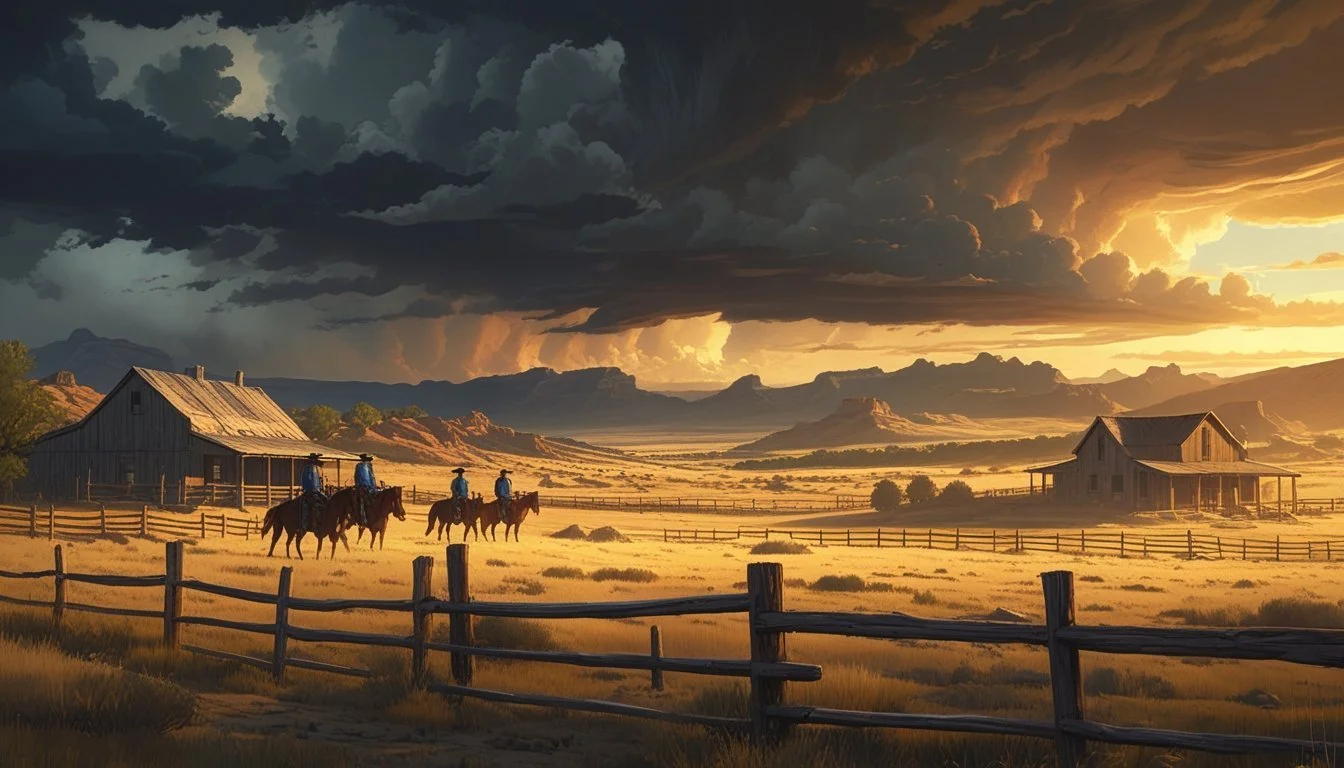
Yellowstone blends the tension of a battlefield with the complexity of ranch life, using family, personal relationships, and social change as driving forces. The combination of harsh loyalty, evolving romance, and the collision with modernity gives the show its unique atmosphere.
Family and Loyalty on the Battleground
At the core of Yellowstone is the Dutton family's relentless quest to protect their ranch. Their loyalty to each other and the land mirrors a unit of soldiers defending a stronghold.
Key Details:
Decisions about the family business are treated as life-or-death, making every confrontation intense.
Ranch hands operate by a strict code of honor, forming an inner circle much like a band of brothers.
The Dutton patriarch, John, often deploys strategic thinking similar to a military leader.
The audience sees family members forced to choose sides, with betrayals hitting as hard as enemy fire. On the other side, Thomas Rainwater’s leadership at the nearby Indian reservation shows another group fighting for legacy and land, adding another layer to the battlefield mentality.
Romance and Interpersonal Tensions
Romance on Yellowstone is fraught with the stress of perpetual conflict. Relationships develop in an environment where danger and secrecy abound.
Notable Aspects:
Partners struggle to build trust amid personal ambitions and family feuds.
Romantic relationships between ranch hands, or between tribes and outsiders, often serve as flashpoints for larger disputes.
Jealousy, betrayal, and sudden violence make love a risky proposition.
These tensions result in relationships that feel volatile, shaped by outside pressures as much as personal desire. Emotional stakes run high, offering the audience deep investment but little comfort.
The Push and Pull of Modernization
The Dutton family's battle is not only against outside threats, but also against a changing world. Modernization invades every part of the story.
Impacts:
Corporate developers encroach on the ranch, raising questions of tradition versus profit.
The struggle between preserving the land and adapting to progress plays out in both business and daily life.
The Indian reservation, under Thomas Rainwater's guidance, faces similar choices about cultural survival versus economic opportunity.
Modern threats—political maneuvering, environmental challenges, and land grabs—give conflict fresh urgency. The show’s detailed portrayal of these issues roots the story in contemporary reality, providing viewers with drama that feels both timely and personal.
Yellowstone’s Impact Within the TV Landscape
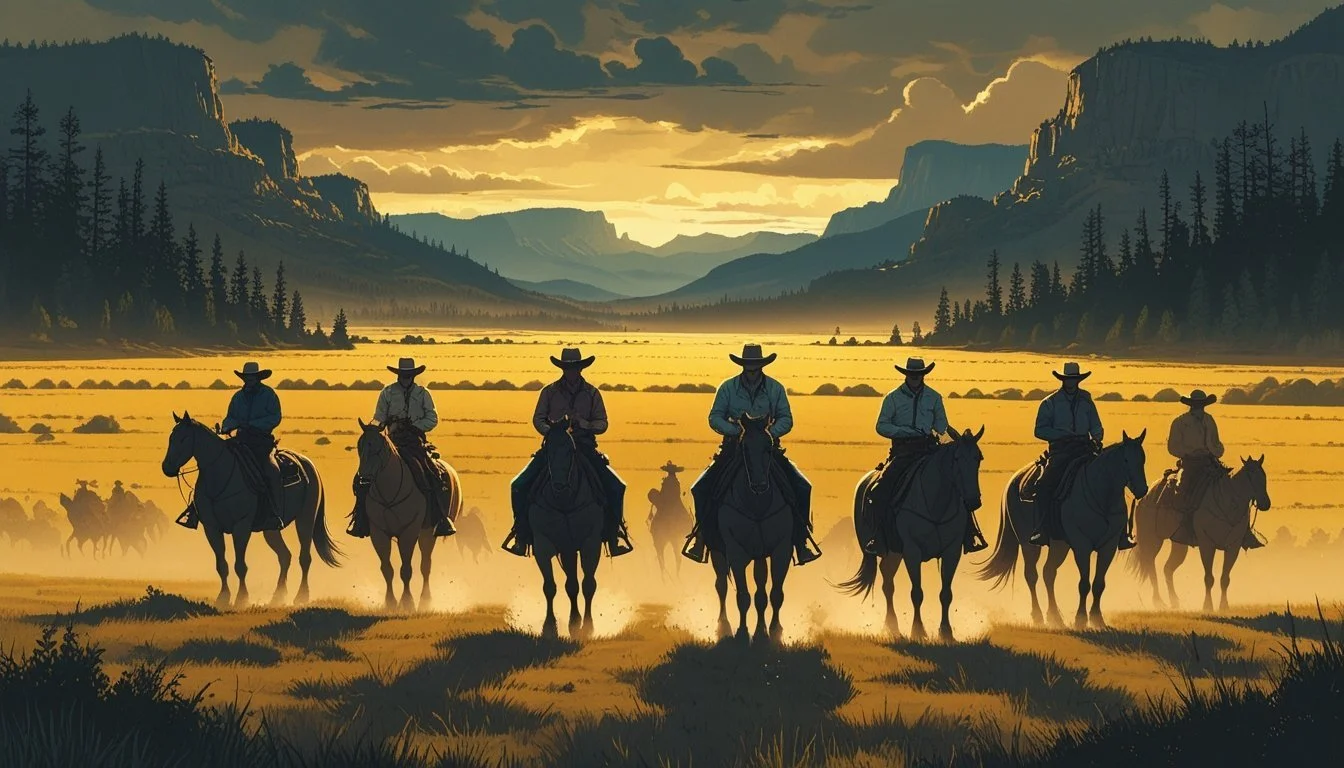
Yellowstone has altered the landscape of modern television through its blend of cinematic storytelling, striking modern Western themes, and broad cross-platform reach. Its influence on both audiences and the industry can be seen in ratings, critical conversations, and the surge of similar content.
Critical Acclaim and Audience Engagement
Each season, beginning with season 1 in 2018, drew stronger critical attention, with season 2 and later seasons building on positive reception. Critics noted Yellowstone’s cinematic production values and willingness to tackle harsh realities such as land disputes, family legacy, and rural corruption.
Audience engagement has been unusually high compared to other recent TV dramas. In season 5, Yellowstone became one of the most-watched cable dramas, frequently outpacing shows on network television. Fans regularly share theories and discussions across platforms like Yahoo and social media, resulting in a dedicated community.
Interactive elements, such as cast interviews and online forums, have kept viewers invested between seasons. The show also appeals to both rural and urban audiences because of its authentic depiction of Western life and morally ambiguous characters.
The Role of Paramount Network and Syndication
The Paramount Network positioned Yellowstone as its flagship drama, investing in marketing and prime time slots to maximize exposure. The series’ early success helped transform the network’s reputation and establish it as a destination for high-quality original programming.
Syndication has played a significant role in the show’s reach. Paramount+ and Peacock both secured streaming rights in different regions, while CBS aired select seasons, expanding the show’s audience beyond cable subscribers. The distribution strategy increased visibility and ensured that Yellowstone maintained cultural relevance across multiple platforms.
Key licensing agreements allowed Yellowstone to reach new demographics, including those who prefer streaming over traditional cable. This broad access has been crucial in turning the series into a larger TV phenomenon.
Influence on Western Drama Revivals
Yellowstone’s popularity sparked renewed interest in the Western genre, especially among networks and streaming platforms looking to replicate its success. Productions with similar rural themes and multi-generational conflicts have since premiered, inspired by the show’s formula.
Paramount Network continued to invest in related projects, such as the Yellowstone prequel series and spinoffs, leveraging the brand’s strong association with modern Westerns. Other platforms also commissioned their own dramas set in rural America, reflecting Yellowstone’s market influence.
Viewers can now find a wider range of Western or rural dramas on services including Paramount+, Peacock, and beyond, many of which echo the tones and production values pioneered by Yellowstone. The show’s impact is visible in casting choices, plot structures, and visual style throughout the genre’s recent resurgence.
Conclusion: Yellowstone’s Enduring Appeal
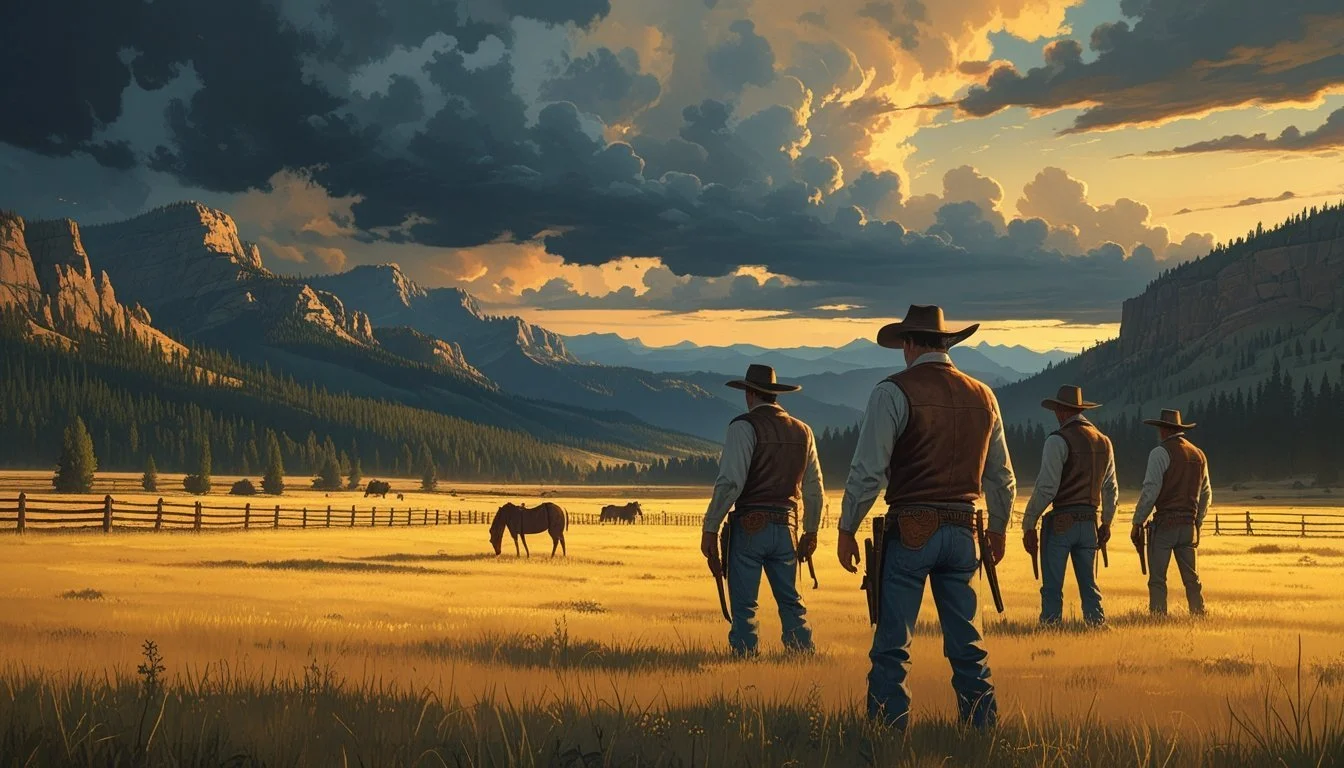
Yellowstone stands out for its unique blend of family drama and the constant sense of conflict that echoes the tension of a war film. The ranch's struggles feel both personal and universal, as families and traditions are pitted against outside pressures.
The show's depiction of the Dutton Ranch, set against the wide landscapes of Montana and sometimes extending its reach into Texas, helps anchor viewers in a vivid, believable setting. Horses, open ranges, and the iconic look of the American West all play vital roles.
Core Elements of Yellowstone’s Appeal:
Element Impact Family Loyalties Heighten emotional stakes Brutal Power Struggles Increase narrative tension Stark Landscapes Provide visual gravitas Horses & Ranch Life Offer authenticity
The Yellowstone universe continues to grow, expanding into spinoffs and the broader franchise. Horizon and related projects build on the original series’ themes of legacy, conflict, and survival.
Characters rarely enjoy lasting peace—there is always another fight, another moment of decision. This continuous state of tension keeps viewers invested.
Yellowstone draws on nostalgia while exploring what it means to survive in a changing world. Its particular mix of American mythos, family ties, and perpetual conflict has struck a chord with many.
