
Why Yellowstone Viewers Can’t Let Go of the Duttons
Exploring the Enduring Appeal of TV’s Most Iconic Family
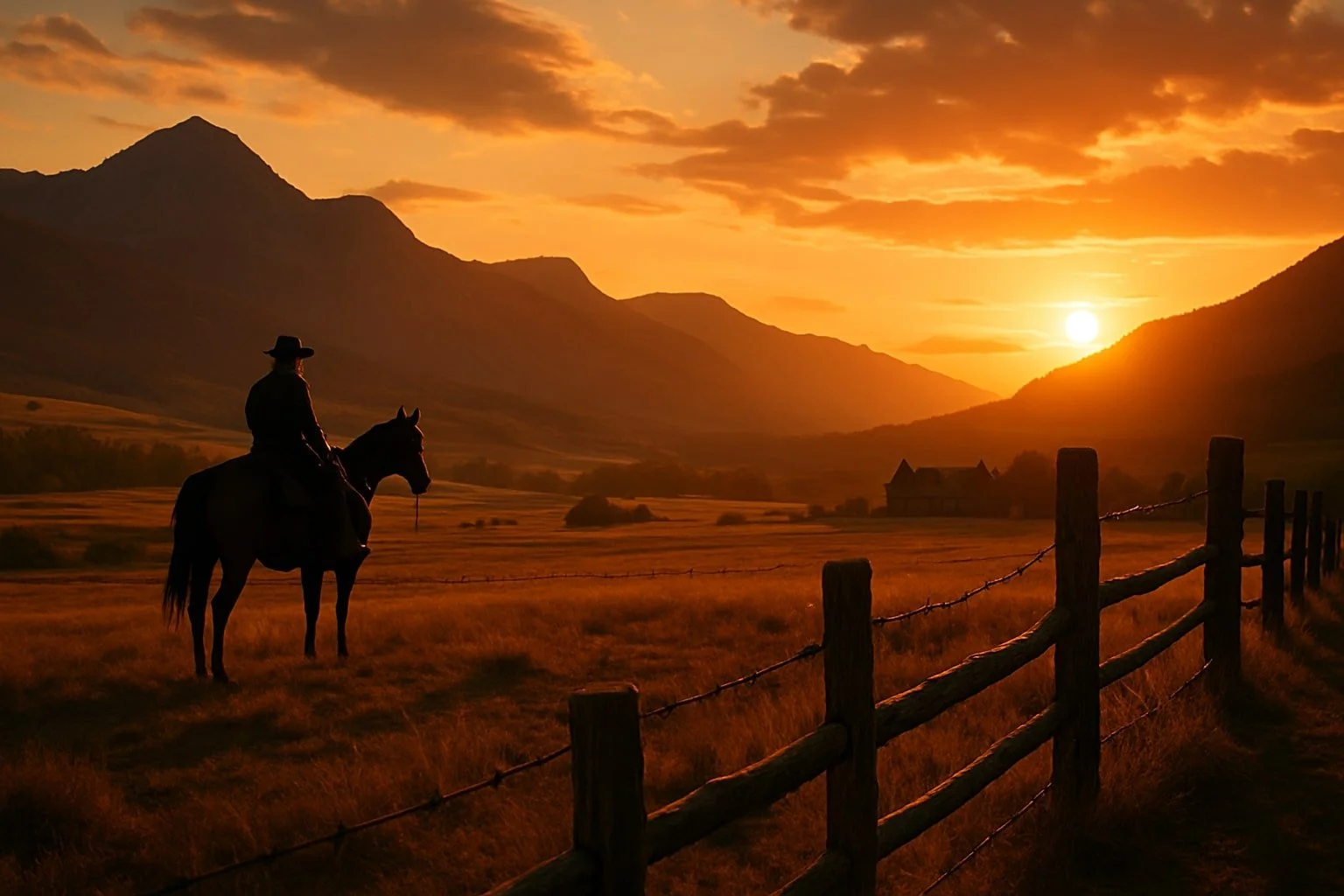
Fans of Yellowstone have found it difficult to move on from the Dutton family, whose morally complex choices and high-stakes struggles have anchored the series from the very beginning. The Duttons’ blend of loyalty, ambition, and vulnerability creates a level of depth that keeps viewers invested, even after the series ended. Their connection to the land and willingness to defend it at all costs invites ongoing debate and fascination.
The show’s finale may have brought resolution to some storylines, yet many find themselves reflecting on unanswered questions and unfinished business. The Duttons’ legacy—marked by generational conflict, shifting alliances, and enduring ties to the Yellowstone ranch—continues to resonate and spark discussion long after the final episode aired.
The Enduring Appeal of the Dutton Family
Viewers are drawn to the Dutton family in Yellowstone for their layered relationships, commitment to heritage, and compelling personal journeys. Their flaws and strengths make them both difficult and fascinating to watch.
Complex Family Dynamics
The Dutton family in Yellowstone is marked by intense conflicts, unsaid loyalties, and frequent emotional confrontations. John Dutton’s strict leadership shapes his children, creating tensions between Kayce, Beth, and Jamie. Beth often acts with sharp wit and fierce loyalty, while Jamie struggles with acceptance and a sense of belonging.
Sibling rivalries are fueled by past traumas and differing values. The addition of Rip, who is fiercely loyal yet not a blood relative, deepens these divisions and alliances. Kayce, caught between his own nuclear family and obligations to the ranch, faces constant internal conflict.
Tate, as Kayce’s son, represents a chance for healing past wounds but also exposes lingering dangers that come with being a Dutton. These relationships, full of love, betrayal, and shifting alliances, make the family’s interpersonal struggles relatable and compelling.
Generational Legacy
Yellowstone repeatedly emphasizes the idea of generational legacy. John Dutton’s drive to protect the family land reflects a deep attachment to heritage and the sacrifices made by his ancestors. This land is not just property—it embodies the family’s history and values.
Every major decision, from controversial land deals to conservation efforts, revolves around securing the ranch’s future. For John, passing down the land means fighting constant external threats, which puts pressure on his children.
Kayce and Beth are shaped by the expectation to maintain the ranch’s legacy, even as they struggle with their own personal desires. Tate’s involvement suggests a hope that the Duttons’ legacy will endure, despite ongoing threats and internal divisions.
Character Development Across Seasons
The appeal of the Dutton family is reinforced by ongoing character development. Each season reveals new facets of John, Beth, Kayce, Jamie, and Rip—not just through their actions, but through their evolving motivations and vulnerabilities.
Beth’s hardened exterior slowly reveals past wounds and fierce protectiveness. Kayce is shown transitioning from soldier to caretaker, wrestling with violence and peace. Jamie’s journey centers on acceptance and regret as he seeks approval from John but often finds himself at odds with family values.
Rip’s loyalty solidifies his place within the Duttons, despite being an outsider. Changes in Tate’s experiences suggest the possibility of renewal but also a repeating cycle of conflict. This complexity in character arcs invites viewers to invest deeply over multiple seasons.
Yellowstone’s Captivating Storytelling and Genre
Yellowstone stands out for its compelling blend of Western tradition and modern storytelling. The series creates a distinct experience by combining genre-defining visuals, intense family drama, and nuanced ethical conflicts.
Engaging Neo-Western Elements
Yellowstone is rooted in the neo-western tradition, updating classic Western motifs for contemporary audiences. Taylor Sheridan uses the dramatic landscapes of Montana as a visual anchor, framing modern conflicts with the rugged aesthetic of old Westerns.
This series maintains elements such as land disputes, moral ambiguity, and frontier justice, but places them in the context of modern America. Law enforcement, politics, and business challenges intersect with cattle ranching and legacy.
Dialogue and pacing reflect a prestige drama style, giving room for rich characterization and slow-building tension. The use of silence, standoffs, and long shots deepens immersion without feeling outdated or overly stylized.
High-Stakes Drama and Conflict
The ongoing battle for control over the Yellowstone ranch keeps the stakes high. The Dutton family's internal rifts, rivalries with neighboring interests, and threats from developers create a constant sense of danger.
Betrayal and loyalty are recurring themes, often playing out in sudden acts of violence or strategic alliance.
The series invests viewers emotionally by showing the personal cost attached to power struggles.
Sensational plotlines, like attempted land grabs and political corruption, are grounded by the characters’ vulnerabilities and relationships. Yellowstone’s willingness to show the moral price of ambition distinguishes it from more traditional Western series.
Blend of Tradition and Modernity
Taylor Sheridan’s writing bridges past and present. The show honors Western legacy through imagery—cowboys on horseback, open plains, and the code of the land.
Modernity enters through legal battles, technological changes in ranching, and evolving American values. The show contrasts the old versus new, often putting tradition and progress in direct conflict.
Costume and set design reinforce authenticity while highlighting cultural tensions. Characters are shaped by their environment, reflecting both traditional resilience and contemporary challenges. The result is a world that feels both timeless and timely, appealing to diverse viewers interested in both genre nostalgia and current themes.
Iconic Characters and Standout Performances
Characters in Yellowstone are defined by a mix of strong personalities and layered performances. Portrayals by the main cast, particularly Kevin Costner and Kelly Reilly, stand out for their complexity and depth.
Kevin Costner as John Dutton
Kevin Costner leads the cast as John Dutton, anchoring the series with his nuanced depiction of a rancher fighting to protect his land and legacy. His performance delivers the gravitas that the character of John Dutton demands, balancing stern authority with emotional depth.
Viewers consistently note Costner’s ability to convey John’s internal struggles, from making hard choices to protecting family. His scenes with Kayce (Luke Grimes) and Jamie (Wes Bentley) often reveal shifting loyalties and the burdens of leadership.
Costner's chemistry with the supporting cast, including Cole Hauser as Rip, adds layers to the family dynamic. Every decision John makes feels consequential, in large part due to Costner’s detailed performance and presence.
Kelly Reilly’s Portrayal of Beth
Kelly Reilly plays Beth Dutton with fierce intensity and vulnerability. Her performance pushes the emotional boundaries of the show, making Beth one of the most memorable characters.
Beth’s complexity is highlighted in her interactions with Rip (Cole Hauser), where loyalty and pain often collide. Reilly’s delivery makes Beth unpredictable yet sympathetic, drawing viewers into her world of calculated risk and personal sacrifice.
Reilly demonstrates Beth’s sharp wit and deep-seated trauma using subtle shifts in expression and tone. She maintains chemistry with both family and adversaries, ensuring Beth remains central to Yellowstone’s tension and drama.
Major Plot Twists and Shocking Events
Yellowstone’s reputation for unpredictability rests on a series of grim and often violent story turns. These moments have defined the Dutton family’s fate and reshaped relationships, drawing viewers into the chaos and fallout.
Dutton’s Death and Aftermath
The potential and actual deaths of Dutton family members have been some of the show’s most memorable shocks. John Dutton himself has faced numerous assassination attempts, with the family’s survival often left in question after each attack. The threats against the Dutton patriarch and his children created constant suspense, driving speculation and theories among viewers.
When close relatives or trusted allies are killed, it deeply affects both the ranch’s power structure and the emotional bonds within the family. The aftermath is never limited to grief; it usually sparks cycles of revenge or drastic decisions that ripple through the plot. The Duttons are forced to adapt and retaliate, leading to new alliances and betrayals.
These losses also highlight the cost of holding onto the Yellowstone ranch. Through funerals, inheritance battles, and the struggle to maintain their legacy, the impact of death lingers well beyond the shock, shaping the direction of every season.
Suicide and Murder Storylines
Suicide and murder are central to the most controversial and talked-about plotlines in Yellowstone. Multiple characters have been pushed to such extremes, resulting in scenes that leave a lasting impression for their rawness and gravity. Jamie Dutton, for example, faces soul-crushing choices that drive him to irreversible actions, affecting both the family and the power balance in Montana.
Murder investigations, cover-ups, and confessions repeatedly pull the Duttons and their rivals deeper into legal and personal danger. The show depicts suicide not as a plot device, but as a devastating response to overwhelming guilt, betrayal, or loss. Characters who commit such acts often spark debates among fans, fueling discussions about morality and the real-life toll of such choices.
These events force every main character to confront their own limits. Watching the consequences of murder and suicide unfold adds to the tension and complexity, making Yellowstone’s world feel unpredictable but brutally honest.
Unfinished Business: Season 5 and Beyond
Yellowstone’s fifth season left viewers with several unresolved storylines involving the Dutton family and the ranch. Production delays, off-screen disputes, and missing episodes have only deepened the audience’s sense of unfinished business.
Season 5 Part 2 and Episode 11
Season 5 was released in two parts, but fans are still waiting for Part 2 and the completion of Episode 11. The first eight episodes aired in late 2022, featuring major developments and setting the stage for a dramatic finish.
However, as of June 2025, the remaining episodes, including the anticipated Episode 11, have not aired. This gap has caused speculation about the series’ direction and whether the Duttons’ story will see proper resolution.
A list summarizing key points:
Parts released: Part 1 (8 episodes), Part 2 (unreleased)
Current status: Episode 11 not aired
Fan impact: High anticipation and growing frustration
Impact of Scheduling Conflicts
Production delays for Yellowstone season 5 have largely been attributed to behind-the-scenes issues, especially involving key cast members. Scheduling conflicts with Kevin Costner, who plays John Dutton, significantly disrupted the shooting timeline.
Costner’s other commitments and reported tensions with the creative team led to multiple postponements. These hold-ups stalled the writing, filming, and release of Part 2, leaving the show's future uncertain.
As a result, both cast and fans have been left waiting for clear answers. Paramount has not provided definitive release dates, adding to the confusion surrounding season 5’s completion.
Dramatic Exits and the Future of the Series
Uncertainty about actor involvement and the show’s direction has fueled concerns about potential dramatic exits. Kevin Costner’s possible departure from Yellowstone has been widely discussed, directly impacting the storyline and character futures.
Budget issues, contract discussions, and creative disputes have all played a role in making a sixth season unlikely. The initial plan for a season 6 shifted as key cast members reportedly signed “pay or play” deals, meaning they would be compensated even if new episodes were not produced.
Fans now face the possibility that season 5 may serve as the final chapter, with unresolved arcs and lingering questions. The effect of these dramatic changes extends beyond the screen, shaping the legacy of Yellowstone and its central characters.
Expansion of the Yellowstone Universe
Yellowstone has steadily grown beyond its original series, exploring new stories and time periods within the Dutton family saga. This expansion has not only broadened its audience but also deepened the lore surrounding the Duttons and their ranch.
Spinoffs and Prequel Series
Taylor Sheridan, the creator, has advanced the Yellowstone universe through ambitious spinoffs and prequel series. Notable among these is 1923, which dives into the Dutton family’s past during the early twentieth century, bringing new characters and historical challenges to the forefront.
1883 offers a further look back, tracing the family’s migration and struggle for survival on the American frontier. These series add context and depth to the core show, fleshing out the Dutton legacy across generations.
Paramount Network has backed this expanded approach, commissioning additional spinoffs that extend into both the past and different branches of the family. This strategy creates a layered narrative structure, allowing viewers to connect more closely with the Duttons’ enduring story.
Building a Western Movie Franchise
Yellowstone’s success has laid the groundwork for a broader western movie franchise. With Taylor Sheridan at the helm, the universe is evolving into an interconnected set of stories reminiscent of classic western cinema but with modern production values and storytelling.
Projects like Horizon are positioned to carry the spirit of Yellowstone into feature films, potentially reaching audiences beyond television. By maintaining consistent themes—family, land, and legacy—the franchise appeals both to devoted fans and new viewers.
The Paramount Network continues to invest in this approach, aiming for a sustained presence in the western genre. Tables and timelines within episodes help viewers understand how each series and film fits into the larger Yellowstone chronology.
Exploring Character Arcs and Relationships
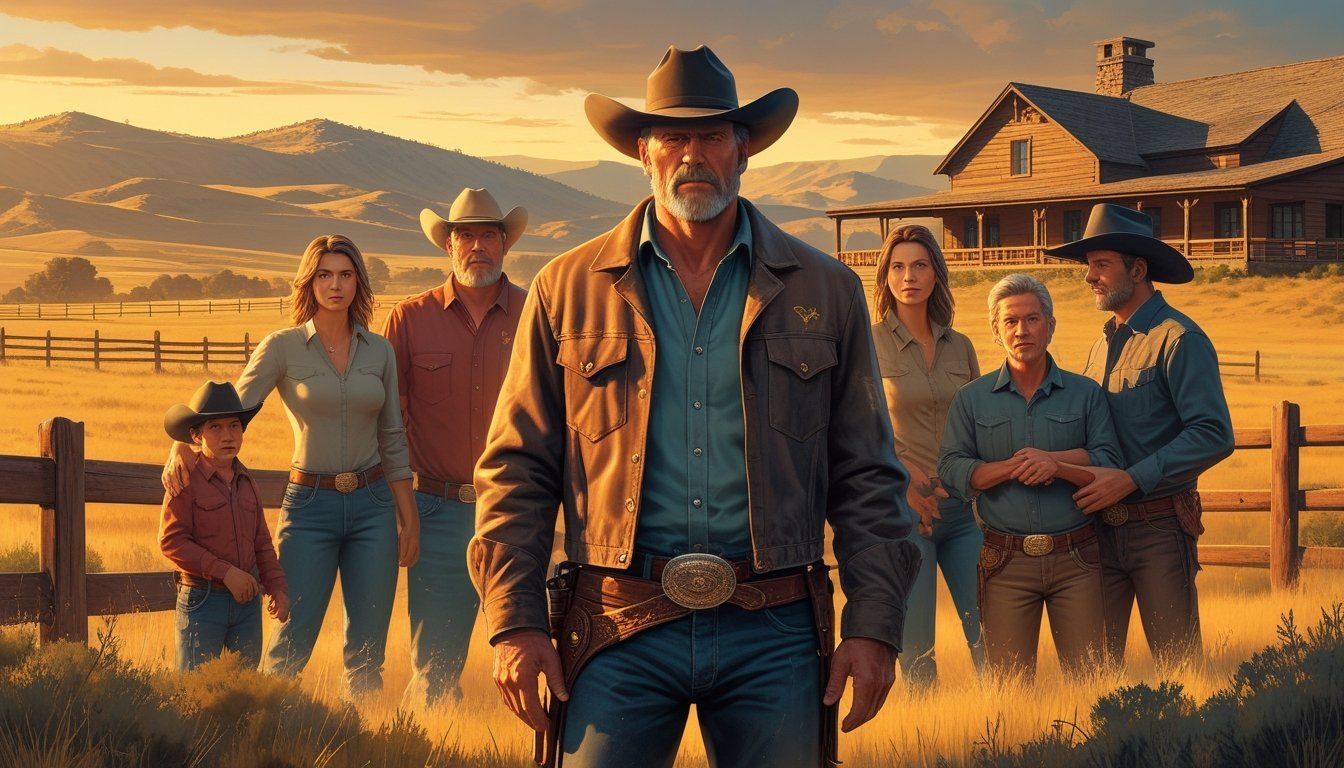
Family and power are central drivers in Yellowstone, shaping motivations and conflicts among the Duttons and their allies. Shifting alliances, personal transformations, and the constant push for survival create storylines that viewers return to again and again.
Political Career and Power Struggles
The politics of the Yellowstone ranch reach beyond family life, pulling John Dutton into the role of Montana’s governor. His political career pushes the boundaries of the family’s influence and tests relationships both inside and outside the Dutton household.
Jamie Dutton’s journey is marked by betrayal, ambition, and manipulation. As he navigates a career in law and politics, Jamie’s choices often pit him directly against his family, increasing tension and uncertainty. His interactions with Sarah Atwood provide a new dimension, blending political maneuvering with personal vulnerability.
Power struggles are not limited to political office. Each key player—whether part of the Dutton legacy or an outsider like Thomas Rainwater—makes moves designed to undermine or defend the ranch. These confrontations keep the stakes high and the arcs unpredictable.
Themes of Divorce and Escape
Divorce and escape emerge as powerful themes across the series, driving characters to reinvent themselves or break free from old patterns. The pain of broken families is not limited to courtroom drama; it plays out in decisions large and small.
Jamie’s relationship with his biological parents and his adoptive family demonstrates the theme of escape. His struggles with identity and belonging are deepened by legal battles and strained loyalties. These elements echo the experiences of others, like Beth Dutton, whose scars from family trauma often fuel her behavior.
The arrival and influence of characters such as Sarah Atwood and director Christina Voros introduce new opportunities and threats, prompting characters to confront what they want to leave behind—or where they hope to go next. This tension adds depth to every relationship, making the series’ emotional landscape complex and dynamic.
Audience Engagement and Cultural Impact
Yellowstone’s popularity has directly influenced television trends and viewer habits, while its fanbase remains notably vocal and loyal. Discussions about storylines, characters, and cultural shifts surrounding the show have spread across both media and social platforms.
Impact of Hit Series on Television
Yellowstone, airing on the Paramount Network, has shifted the landscape of television drama by focusing on themes rooted in the American West. Its depiction of family loyalty, land disputes, and ranch life has drawn significant viewership, leading to robust ratings and renewed interest in western-themed storytelling.
This success has influenced entertainment trends. Other networks have pursued similar content or adopted elements from Yellowstone's style, such as gritty realism and ensemble casts. There has also been a noticeable impact on related industries, with fashion and tourism reflecting Western influences seen in the show.
Yellowstone has contributed several catchphrases and moments that have become part of the cultural conversation. This ongoing relevance reinforces its place among influential modern TV series.
Fandom and Fan Theories
Yellowstone’s fan engagement extends beyond weekly episodes. Fans actively participate in online forums, social media groups, and fan sites, discussing plot developments and speculating about future twists. These conversations range from in-depth character analyses to predictions about the Dutton family’s fate.
The show’s dedicated viewers have created memes, artwork, and even organized watch parties. Fan theories often focus on major events or unresolved tensions among the Duttons, fueling anticipation for each new episode.
Participation is also driven by behind-the-scenes content and interviews shared by the Paramount Network, encouraging a two-way engagement between the show and its audience. This level of involvement helps maintain Yellowstone’s status as a major hit with a lasting cultural impact.
