
Rip and Beth: Yellowstone’s Most Toxic, Honest Love Explored Through Their Turbulent Relationship

Rip and Beth’s relationship in Yellowstone is a mix of deep loyalty, raw honesty, and undeniable flaws, making their love story one of the most complex on the Paramount Network series. Their romance is both toxic and authentic, marked by painful secrets and unwavering support that set it apart from typical television relationships. Fans are drawn to the tensions and emotional battles that define Rip and Beth’s connection, seeing in it a reflection of real-world hardships and hard truths.
From their first encounters to their fraught reconciliation, the couple’s relationship is shaped by shared trauma and genuine care. The romance between Rip and Beth moves between chaos and tenderness, showing both the destructive and healing power of love. Their journey stands out in Yellowstone not just for its drama, but for the way it exposes the raw reality behind the idea of being soulmates.
Origins of Rip and Beth's Connection
Rip Wheeler and Beth Dutton have one of the most intense and memorable bonds in Yellowstone. Their connection is rooted in shared trauma, years spent together at the Dutton Ranch, and a complicated mixture of loyalty and pain.
Early Encounters and First Impressions
Rip Wheeler arrives at the Dutton Ranch as a broken teenager. Early on, he meets a young Beth Dutton. Unlike many others on the ranch, Beth is intimidating, smart, and deeply guarded.
Their interactions in episode 1 of season 1 are marked by terse conversations and long, meaningful glances. Rip is quickly drawn to Beth’s bold attitude, while Beth recognizes Rip as someone who’s seen hardship.
A critical detail is the way both characters are outsiders, struggling with their own pasts. This creates an intrinsic understanding between them, making even their silences feel meaningful.
Season 1: Initial Sparks
Season 1 establishes the simmering tension between Beth and Rip. Scenes at the ranch house capture a history that precedes their first on-screen meetings. Each brings a different kind of pain to the relationship, resulting in a mix of attraction and antagonism.
Rip acts as an enforcer for John Dutton, but around Beth he is gentler, almost exposed. Beth, meanwhile, deflects vulnerability with sarcasm and recklessness. The series shows their complicated dance through small moments—Beth seeking out Rip for comfort, and Rip willing to accept Beth exactly as she is.
An early highlight is their “first date,” which belongs among Yellowstone’s most unusual romantic moments. They share whiskey in Rip’s truck, a setting that feels entirely their own.
First Kiss and Vulnerability
The first kiss between Rip and Beth doesn't happen in a traditionally romantic setting. It emerges from an emotionally raw moment at the ranch, marked by unfiltered honesty and pain.
Beth’s brashness fades as Rip offers patient, unwavering acceptance. She lowers her guard just long enough for their connection to deepen. Rip’s loyalty is apparent; he offers Beth safety, not judgment.
This vulnerability creates a foundation for their relationship. Both characters see a reflection of their struggles in each other, binding them in ways words rarely express at the Dutton Ranch. Their first kiss is not just a romantic gesture but also a point where they allow themselves to trust—if only a little.
Major Turning Points in Their Relationship
Rip Wheeler and Beth Dutton’s relationship is defined by intense loyalty, brutal honesty, and a series of life-altering events. Together, they weather betrayal, trauma, and violence while refusing to let the darkness around them end their bond.
Challenges and Setbacks
Beth and Rip’s connection forms early but never follows the path of a traditional romance.
Both characters carry childhood trauma. Beth deals with the loss of her mother and guilt after a procedure in her teens, while Rip copes with surviving the murder of his family. Their union is often tested by external threats, distrust, and personal demons.
Rip’s place at the Yellowstone ranch as an enforcer means he is constantly in danger and under John Dutton’s orders. Beth’s reckless decisions and caustic personality generate new enemies, putting herself and Rip at risk. Betrayals, including Beth’s brief liaison with Walker, create rifts but also reveal the extent of Rip’s devotion and capacity for forgiveness.
Season 2: Consequences and Scars
Season 2 marks a turning point as the Duttons face deadly threats.
Beth becomes a prime target after crossing the Beck brothers. In Episode 7 (“Resurrection Day”), she and her assistant are brutally attacked in her office. The violence leaves Beth traumatized and haunted by guilt, yet determined not to show vulnerability.
Rip bursts in to save Beth, killing her assailants and risking his own life. This harrowing event cements their connection, with Beth explicitly telling Rip, “I’m yours.” The scars from the attack linger, both emotionally and physically. The ordeal becomes a reference point for both characters, reinforcing their shared understanding of pain and survival.
The Beating and Resurrection Day
The attack on Beth in “Resurrection Day” is among the most pivotal events in the series.
She endures a savage beating by men sent by the Beck brothers while Rip rushes to intervene. The graphic nature of the assault highlights Beth’s resilience and Rip’s dedication. Rip arrives in time to prevent her murder, dispatching both assailants with lethal force and comforting Beth in the aftermath.
Their exchange after the attack is raw and vulnerable. Beth struggles with trauma and fear but finds solace in Rip’s steady, wordless support. This moment strips away their defenses, deepening their intimacy and setting a new tone for their relationship—one marked by absolute trust amid chaos.
Grass on the Streets and Weeds on the Rooftops
This phrase, spoken by Rip, comes to symbolize hope and legacy for their love amid crisis.
After all they experience, Rip brings Beth to a place he’s rebuilt for her—a symbolic gesture. He promises her, “there will be grass on the streets and weeds on the rooftops,” referencing a dream of a future together, no matter how broken the present may seem.
The gesture is deeply personal, acknowledging the scars they carry but refusing to be defined by them. It represents a rare glimpse of optimism and healing for both, reminding them that even in a world marked by violence and revenge, they can create a life together.
Key moments like these shape Rip and Beth’s relationship, emphasizing struggle and resilience over sentimentality:
Event Season/Episode Impact on Relationship Beth’s office attack Season 2, Ep. 7 Trauma, deepened trust Rescue by Rip Season 2, Ep. 7 Loyalty, emotional exposure Grass on the Streets speech Season 2, Ep. 10 Symbol of hope, renewed bond
Their love story is built on forging something lasting from disaster, never shying away from the brutality they both endure.
Defining Moments of Honesty and Toxicity
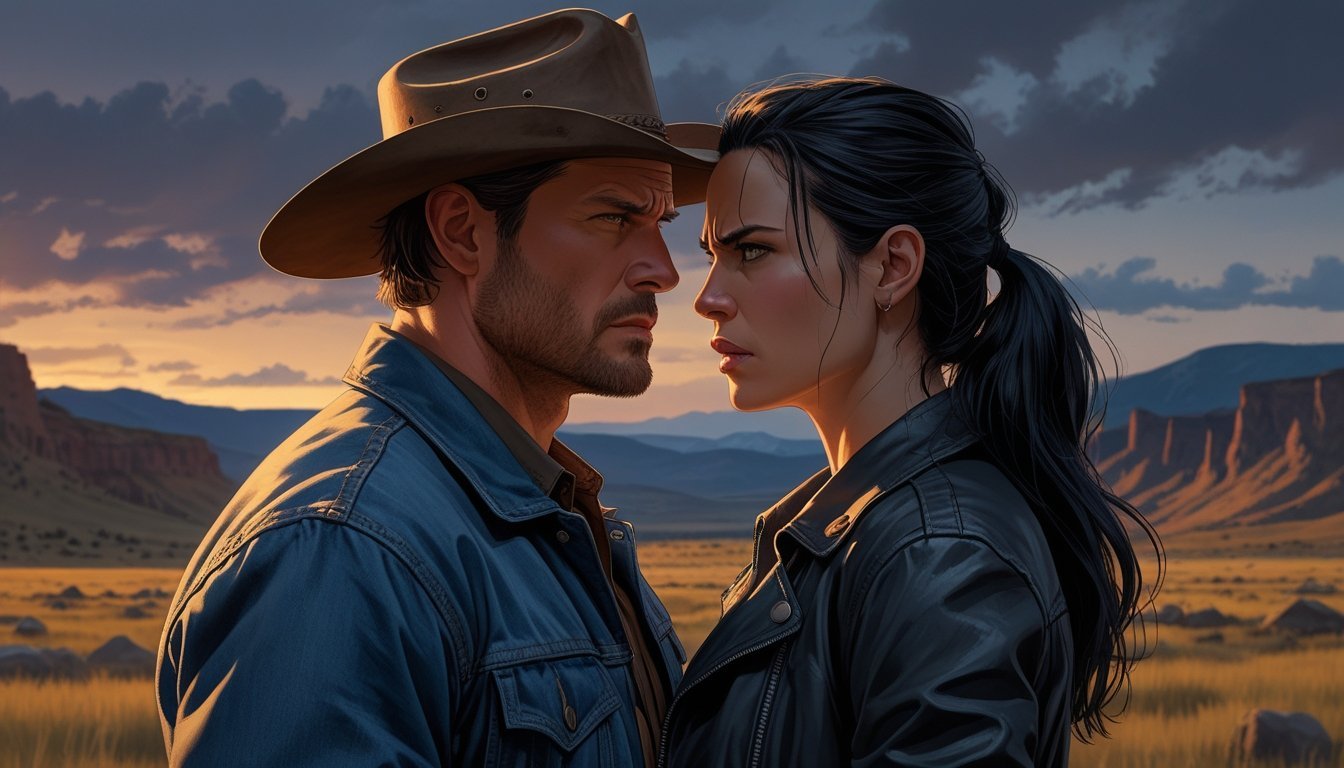
Rip and Beth’s relationship on Yellowstone weaves together stark expressions of love, frequent conflict, and moments of unfiltered truth. Viewers see both the deep romantic devotion and the complex, sometimes destructive, patterns that define their bond.
Iconic Declarations: 'I Love You'
Beth and Rip’s confessions of love rarely follow traditional patterns. Their most memorable “I love you” moments occur during chaos or after emotional clashes, making these declarations stand out. Beth’s direct, even abrasive delivery often carries an undercurrent of pain and longing.
Rip, in contrast, uses straightforward language but his actions reinforce his words. Moments like Beth asking Rip to say “I love you” demonstrate her craving for reassurance, even while mocking sentimentality.
These confessions rarely come with softness—Beth’s vulnerability surfaces when she least expects it, exposing the honest core of their relationship. Their romantic moments feel raw and intense, with sentiment layered beneath hard edges.
Trust Issues and Emotional Turbulence
Their relationship is heavily shaped by trust issues, sometimes rooted in traumatic pasts. Beth’s guarded nature and Rip’s fierce loyalty create frequent emotional turbulence. She often tests Rip, using sharp words or reckless behavior to probe the boundaries of his devotion.
Rip’s trust in Beth is strong, but not immune to strain. Both struggle with being open, choosing to communicate through actions rather than words. At times, their emotional volatility resembles “touching your enemy”—trust is won and lost in cycles.
These patterns heighten the intensity of their bond, as neither fully lets down their defenses. The constant push and pull underscores a dynamic where honesty is demanded but often difficult to deliver.
Toxic Patterns and Vulnerability
Toxicity in their relationship is visible through self-destructive choices and harsh communication. Beth’s tendency to lash out is met with Rip’s patience, but also with moments where both inflict emotional wounds. Arguments can spiral quickly, revealing deep insecurities.
Yet, within these toxic cycles are moments of genuine vulnerability. Both characters expose their deepest fears—Beth’s fear of losing everything and Rip’s fear of being abandoned. Their willingness to show weakness, even briefly, allows for pockets of real intimacy.
Patterns of toxicity are repeatedly broken by moments where honesty takes center stage. This unique blend of harshness and openness is what makes their relationship simultaneously difficult and authentic.
Pivotal Events Shaping Their Love Story
The relationship between Rip Wheeler and Beth Dutton in Yellowstone is driven by life-changing events that shape their connection. Central moments from their past define the trust, pain, and vulnerability found in their bond.
Sterilization and Hysterectomy
A turning point for Beth comes when she undergoes a forced sterilization as a teenager. After seeking help at a clinic on the Broken Rock Reservation, she is pressured into having a hysterectomy without truly understanding the lifelong consequences.
The procedure means Beth can never have biological children. This fact creates longstanding tension and sorrow within her relationship with Rip. He later makes it clear that he would have accepted any child Beth could have, but the option is never theirs.
Beth’s feelings about her hysterectomy often fuel her emotional distance. The pain touches every aspect of her future and deeply impacts their dynamic as a couple.
Abusive Father and Past Trauma
Beth and Rip both suffer from cycles of abuse and neglect stemming from their childhoods. Beth’s father, John Dutton, although a strong protector, is emotionally distant and sometimes harsh, shaping her self-image and the way she relates to others.
Rip, orphaned after killing his abusive father in self-defense, is adopted by John Dutton into the Yellowstone ranch family. Though this rescues him, the trauma of his childhood never truly disappears.
Both characters’ histories of pain and mistrust generate challenges in their romantic relationship. Their coping mechanisms—anger, secrecy, and deflection—often surface during conflict.
Abortion and Its Impact
The abortion Beth undergoes as a teenager is a pivotal and traumatic moment that reshapes her feelings about intimacy, trust, and motherhood. The circumstances surrounding the abortion—her brother's involvement and her lack of informed consent—leave Beth with lasting guilt and resentment.
Rip only learns of the procedure years later. Though he doesn’t blame Beth, the event becomes a silent wedge in their relationship. The inability to have children together intensifies Beth’s internal struggle and sense of loss.
These events are never far from the surface when Beth and Rip discuss their future. Each discussion about family or children acts as a painful reminder of what was taken from them.
Romantic Milestones and Symbolic Gestures
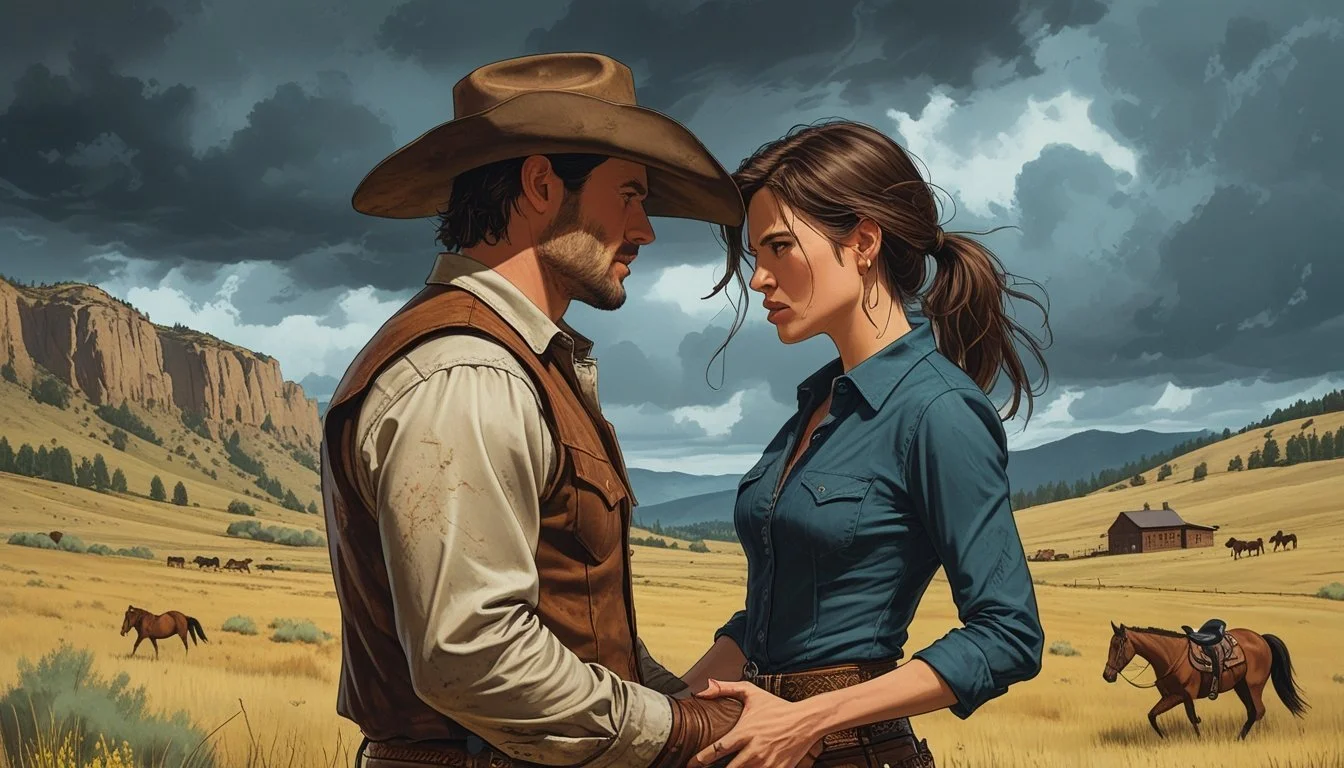
Rip Wheeler and Beth Dutton’s relationship centers on small but meaningful actions rather than standard romantic traditions. Their journey is marked by gritty devotion, unfiltered honesty, and a series of moments loaded with personal meaning.
Proposal and Wedding Arrangements
Rip and Beth’s approach to questioning tradition is evident in their proposal and rush toward marriage. Instead of a staged engagement, the conversation happens spontaneously after Beth asks Rip if he wants her to be his wife.
Rip’s answer is simple and direct, absent of ceremony. He draws up a wedding plan with Beth that ignores conventions. They opt for urgency and authenticity, preparing to marry the same day rather than wait. Their primary concern is each other—not the spectacle or details typical in TV weddings.
Unlike most couples, they don’t have grand parties or large gatherings. Beth steals a priest from a nearby bar to officiate, emphasizing their disregard for formality and rules. The lack of planning is not a lack of care; it’s a deep reliance on each other.
The Wedding and Dress
Beth’s wedding attire is as unconventional as the wedding itself. She wears a gold sequin dress—strikingly bold, not resembling a traditional wedding gown. The choice is both practical and symbolic: Beth had stolen the dress earlier in the day, highlighting her rejection of societal norms.
The ceremony is intimate, attended only by a handful of people. Rip wears his signature ranch clothes, reinforcing his steady presence. There are no lavish decorations or staged photos.
The setting—on the ranch, at sunset—embodies their shared history and ongoing struggle for survival. It’s a union born out of hardships and mutual respect rather than idealized romance. Every small detail, from the dress to the location, is imbued with personal meaning.
Dancing and Breakfast Scenes
Physical intimacy and warmth in Rip and Beth’s relationship often emerge in quieter moments. Their shared dances aren’t about spectacle; instead, they express comfort through small gestures. One memorable dance is in their kitchen, surrounded by the familiar chaos of ranch life.
These scenes, especially in season 4 and its finale, reveal their vulnerability. Their interactions over breakfast often feature straightforward conversations without pretense. Simple acts like making food or lingering at the table symbolize everyday partnership.
By focusing on these daily rituals, the show demonstrates the pair’s deep connection outside of dramatic events. Their affection is built on routine, shared space, and the rare chances they find to be soft with each other in an otherwise harsh world.
The Evolution of Rip and Beth Across Seasons
Rip and Beth’s relationship in Yellowstone stands out for its intensity and honesty, often blurring the line between loyalty and self-destruction. Their journey is shaped by pivotal events and choices that redefine the meaning of love and trust across several dramatic turns.
Season 3: Reunion and Trust
Season 3 marks a significant turning point for Rip Wheeler and Beth Dutton. After years of distance and unresolved feelings, Beth returns to Rip’s life. Their reunion is charged with vulnerability as both characters confront their painful pasts.
Trust becomes a major theme. Beth confides in Rip about her traumatic experiences, notably her infertility and the role her brother Jamie played. Rip, unwavering in his devotion, assures Beth that her scars do not lessen his love.
He proposes to Beth in a matter-of-fact way, choosing a wedding ring from his mother’s grave as a symbol of enduring commitment. Their bond becomes visibly stronger, but it shows traces of codependency and emotional turbulence. By the season’s end, their union seems both inevitable and unstable, built on trust but shadowed by their respective trauma.
Season 4: Family and Loyalty
In season 4, Rip and Beth’s commitment deepens as they confront new threats to the Dutton family. After surviving a violent attack, Beth’s protective instincts sharpen, further reinforcing her loyalty to Rip and her father, John Dutton.
They take in Carter, a troubled teen, offering him shelter and guidance. This move tests their dynamic, as Rip and Beth struggle to balance their often harsh methods with new responsibilities. Their idea of family is unconventional but rooted in fierce loyalty.
Rip’s role on the Yellowstone ranch grows as he takes on more responsibility. Beth’s professional moves continue to be cutthroat. The couple’s approach to parenthood is tough and blunt, but their sense of duty to each other and Carter remains unwavering, highlighting the loyalty that defines their bond.
Season 5 and the Future
Season 5 continues to explore the intense complexities of Rip and Beth’s relationship. As tensions rise within the Dutton family and the ranch faces renewed threats, Rip and Beth remain united, though their methods remain fiercely uncompromising.
Both characters are shaped by the weight of their past choices. Beth continues to act as the family's problem-solver, sometimes clashing with Rip’s desire for stability. They project a united front, but personal struggles often surface beneath this exterior.
Looking ahead, unanswered questions remain about their future. New spinoffs focusing on both characters have been discussed, suggesting that the story of Rip and Beth’s unpredictable love may evolve even further, with their loyalty and honesty continuing to define their journey.
Influence of the Dutton Family and Yellowstone Ranch
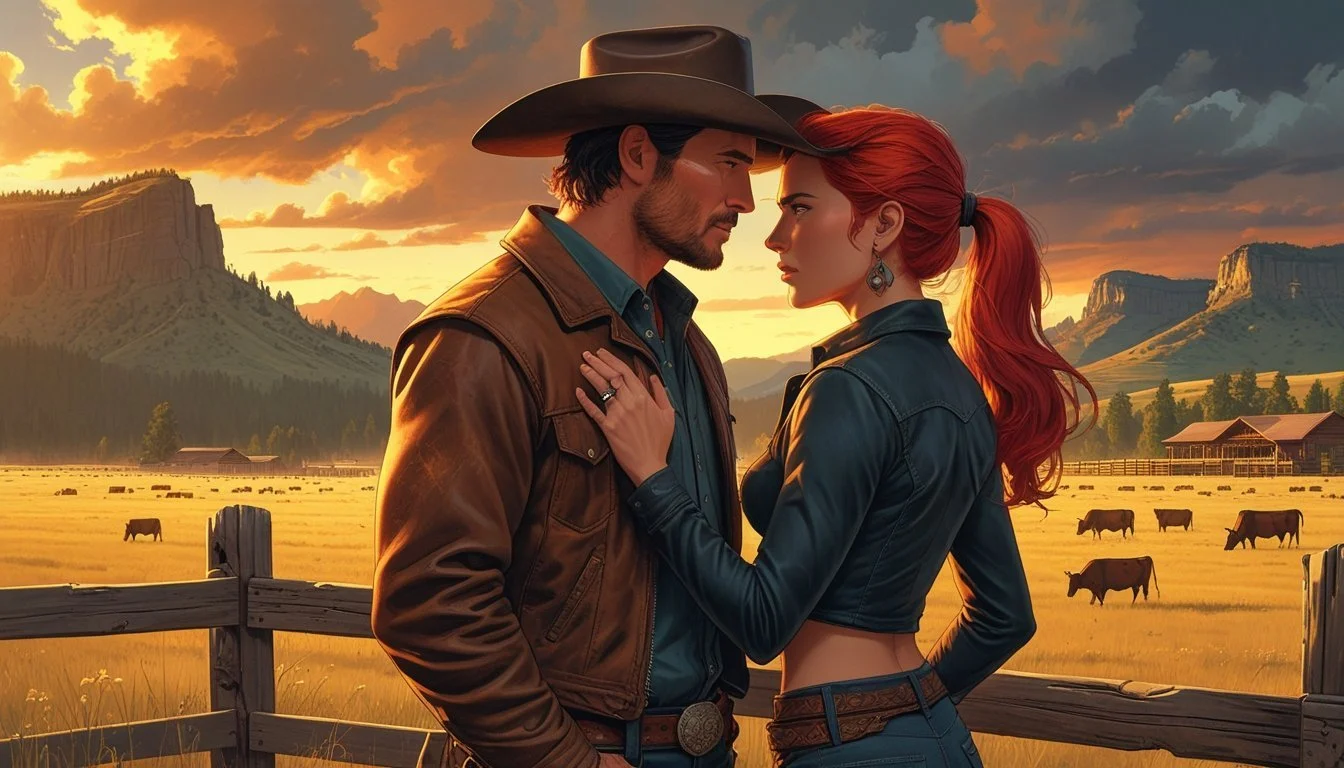
The relationship between Rip Wheeler and Beth Dutton is tightly bound to the history and dynamics of the Dutton family and Yellowstone Ranch in Montana. Their bond cannot be separated from the legacy, challenges, and expectations that surround the Duttons and their land.
John Dutton's Guidance
John Dutton’s influence shapes Beth and Rip’s lives daily. As the patriarch, John provides not only guidance but consistent expectations rooted in loyalty to the ranch.
John becomes a surrogate father to Rip early on, offering him protection and purpose after a troubled childhood. This creates a deep sense of loyalty in Rip, who sees devotion to John and the ranch as inseparable from his love for Beth.
John’s approval is rare, yet vital; both Beth and Rip strive to meet his high standards. His tendency to keep strict control over family decisions means that Rip and Beth’s choices are often made through the lens of what is best for the Dutton legacy—rather than for themselves as individuals.
John’s leadership style is direct and sometimes forceful. However, he occasionally shows warmth, especially after Rip proves himself as a ranch foreman and when Beth becomes more deeply involved in ranch management. These moments foster a unique blend of authority and affection that defines how Beth and Rip operate in both their personal and professional lives.
Family Turbulence and Support
The Dutton family’s internal strife impacts Beth and Rip continuously. Fierce sibling rivalries and past betrayals shape how they interact, making trust both precious and difficult.
Beth’s complex, often confrontational dynamic with her brother Jamie leaves lasting scars and adds emotional turbulence to her relationship with Rip. The loss of her mother and strained rapport with her father create an emotional void, which Rip helps fill.
Despite frequent conflict, support is also present. The Duttons, including John and emerging younger figures like Carter, rally together when external threats to the ranch arise. This unspoken loyalty becomes a source of strength for Beth and Rip, reinforcing their connection to the Yellowstone land and its people.
Rip’s place in the family is solidified by John’s acceptance and Beth’s unwavering trust. Living and working on the ranch in Montana—and later, spending time in Texas—immerses them in a constant negotiation between familial duty, survival, and their own evolving needs. The unpredictability of life on Yellowstone shapes all their choices, binding them closer but also exposing the vulnerabilities that define them as a couple.
Notable Episodes and Memorable Scenes
Rip and Beth’s relationship on Yellowstone is shaped by intense confrontations, vulnerable moments, and sacrifices that reveal both their dysfunction and rare honesty. These episodes highlight how their bond evolves through violence, loyalty, and emotional candor.
Season 1, Episode 2: The Foundation
This episode lays the groundwork for Rip and Beth’s complicated connection. Beth is shown at her most destructive, challenging Rip with her harsh words and impulsive behavior. Rip responds with patience, enduring her insults and remaining steadfast.
A key scene occurs in the barn, where Beth’s erratic drinking contrasts Rip’s quiet support. He offers her acceptance instead of judgment, showing his commitment to her regardless of her flaws. Their exchange is brief but charged, emphasizing how deeply he cares.
By the end of the episode, their dynamic is clear. Rip’s tolerance of Beth’s volatility marks the start of his unwavering loyalty, establishing a pattern that defines their relationship across the series.
Season 3, Episode 7: Critical Choices
Season 3, Episode 7 is crucial for understanding the trust between Rip and Beth. After a series of threats to the Dutton family, Beth faces danger at her office. Rip is desperate to keep her safe, revealing the depth of his worry.
The drama peaks when Rip is forced to make quick decisions about Beth’s safety. He arrives too late to prevent her trauma, and the aftermath exposes both their vulnerabilities. Rip’s anger at his inability to protect Beth is met with her insistence on independence.
Their conversation is tense yet intimate. The episode shows that while their love is real, their individual traumas often push them apart as much as they bring them together.
Season 2, Episode 5: Emotional Climax
In Season 2, Episode 5, the emotional intensity of Rip and Beth’s bond is fully displayed. Beth suffers a violent attack orchestrated by adversaries of her father. Rip arrives in time to fight off her attackers, risking his own life.
The aftermath is raw. Beth sits bloodied and shaken, and Rip stays by her side, offering quiet comfort and fierce loyalty. Their interactions are minimal but powerful – Rip bandages Beth’s wounds, and she allows herself to lean on him.
This episode cements Rip as Beth’s protector. The trauma binds them together, showing the audience that their love is forged in hardship and resilience.
Episode 14: Grass on the Streets and Weeds on the Rooftops
Episode 14 captures the culmination of Rip and Beth’s journey. Here, significant changes in the Dutton family and ranch tensions come to a head.
Beth and Rip’s relationship is tested again as they confront new challenges. Their scenes are marked by an honest reckoning with their own faults. They grapple with the cost of loyalty and the tough choices facing the family.
A pivotal moment comes when Beth admits her fears, and Rip responds—not with promises, but with the same steadfast presence he’s shown since the beginning. Their interactions show that, despite everything, they understand and choose each other.
Cultural Impact and Performances
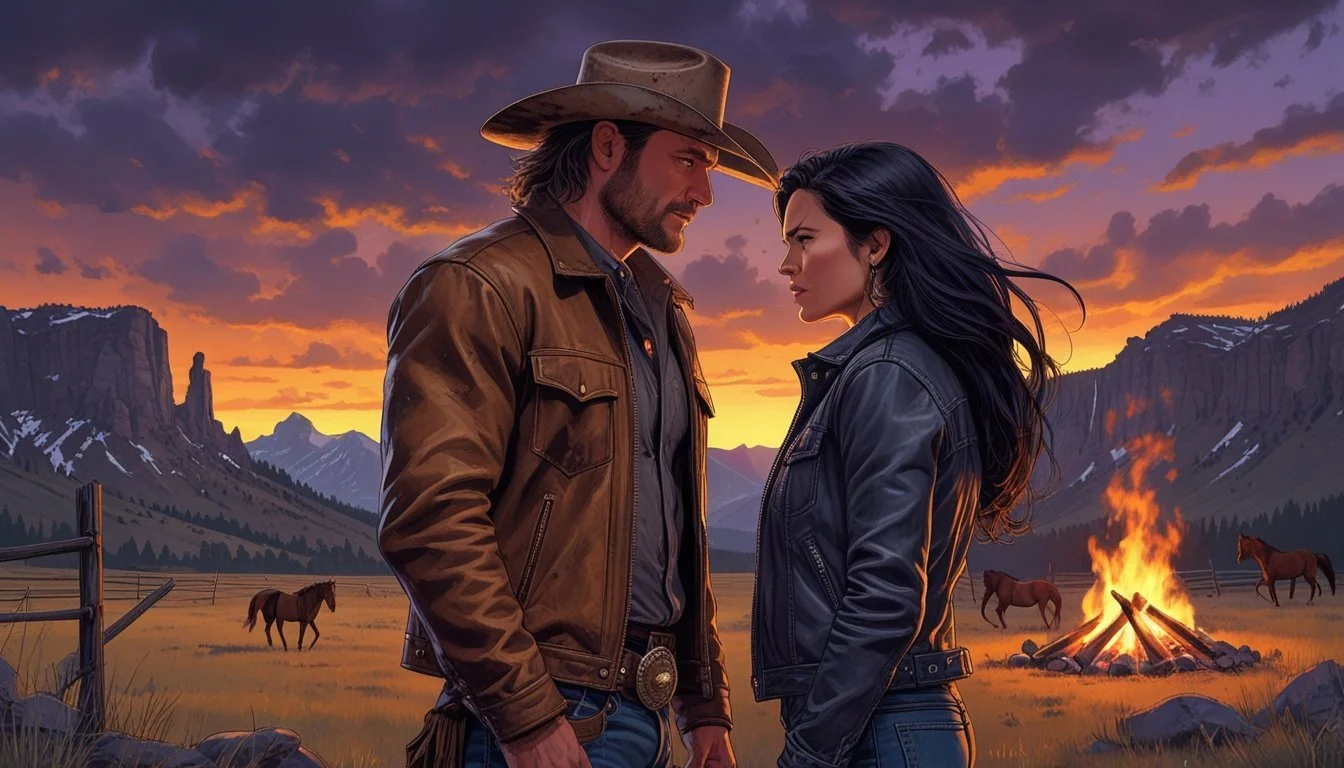
Rip and Beth’s relationship on Yellowstone is defined by a rare mix of volatility and vulnerability. Their dynamic has not only shaped the series but sparked conversations about love, loyalty, and personal damage in contemporary television drama.
Portrayal by Cole Hauser and Kelly Reilly
Cole Hauser’s performance as Rip Wheeler stands out for its reserved power. He communicates deep-seated pain, unwavering loyalty, and the fierce protectiveness that defines Rip, often without needing many words. Subtle facial expressions and controlled gestures speak volumes.
Kelly Reilly brings complexity to Beth Dutton, capturing her ferocity, brokenness, and razor-sharp wit. She balances Beth’s brutality with flashes of tenderness, highlighting the character's emotional depth. Their on-screen chemistry is grounded in mutual trust, which enhances both the volatile confrontations and the quieter moments.
Across multiple seasons, both actors have received praise for grounding the relationship in realism. Fans and critics point to their scenes together as some of the show’s most memorable, testifying to the strength of their performances.
Taylor Sheridan's Vision
Taylor Sheridan, as series creator and writer, envisioned Rip and Beth as products of trauma and circumstance. He uses their relationship as a lens to explore themes like generational pain, family loyalty, and survival in a harsh world. Sheridan avoids idealization, instead presenting the pair’s flaws without apology.
Under Sheridan’s direction, the storytelling prioritizes authenticity. The dialogue between Rip and Beth often feels raw and unscripted. This approach strengthens the impact of their conflicts and reconciliations, as both characters navigate boundaries and consequences.
Sheridan’s leadership behind the scenes ensures that neither character is softened for audience comfort, maintaining the authenticity of their turmoil. This approach has set a stylistic tone for Yellowstone, shaping the reception of its relationships.
Wider Influence of Rip and Beth
The depiction of Rip and Beth has made a distinct mark outside the Yellowstone universe. Fans frequently discuss their relationship on social media, sparking debates over what defines “true” love versus toxic loyalty. The couple's intense scenes have generated countless memes, fan edits, and even inspired themed merchandise.
Their influence extends to trends in television romance, where flawed and passionate couples are increasingly explored. Several articles and critical essays reference them as a benchmark for examining modern depictions of love and trauma.
Rip and Beth’s relationship has contributed to Yellowstone’s cultural footprint, drawing viewers who appreciate the mix of dysfunction and honesty. Their story resonated far beyond the show, pushing industry conversations about complexity in character relationships.
Recurring Symbols and Motifs
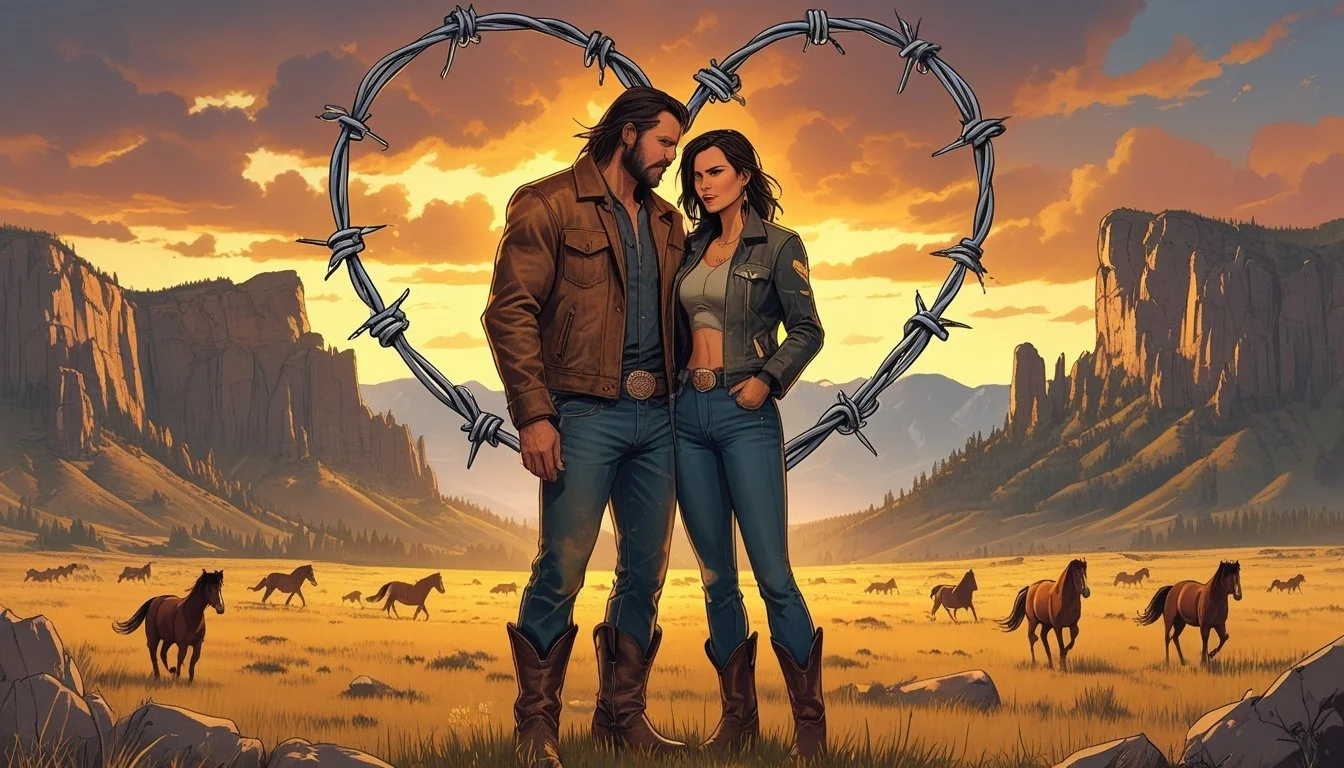
Throughout Rip and Beth’s storyline in Yellowstone, visual and narrative motifs frequently reappear. These elements subtly reflect key aspects of their relationship, emphasizing tension, intimacy, and shared history.
Whiskey and Rituals
Whiskey often appears during pivotal moments between Rip and Beth. The drink serves as more than a background prop; it becomes a medium for their connection, especially in emotionally charged scenes.
Sharing a bottle signals trust and defiance. For Beth, pouring whiskey is an act of control or comfort—sometimes both—mirroring her complex personality. Rip frequently accepts or participates in these rituals with quiet understanding, reinforcing their bond.
Recurring whiskey scenes also mark transitions. After traumatic events or major decisions, they turn to this ritual, not just to numb pain but to reaffirm their alliance. In several key episodes, a shared pour is the only communication needed between them.
Wolves and Wildlife
Wolves and other forms of wildlife serve as indirect reflections of Rip and Beth’s personalities and romantic dynamic. Wolves, in particular, appear during or after moments of conflict or vulnerability—symbolizing resilience, predatory instincts, or silent companionship.
Beth is often associated with wildness and unpredictability, while Rip’s presence is more grounded but equally fierce. Wildlife imagery in their scenes reminds viewers of their connection to the unforgiving Montana landscape and its laws of survival.
Sometimes, a wolf sighting or animal encounter coincides with scenes of emotional reckoning. These moments suggest that Rip and Beth's love is both dangerous and raw, as much a force of nature as the environment around them.
Music Festival Connections
Music plays a notable role in defining some of Rip and Beth’s most personal moments, including scenes with a music festival atmosphere or live performances. These events offer rare glimpses of levity in their otherwise intense relationship.
A standout example is their dance at the makeshift barn party, reminiscent of a country music festival. The music softens Beth’s defenses and allows Rip to express affection publicly—a significant act for both.
These music-centered gatherings symbolize brief escapes where their shared vulnerabilities are transformed into joy. The setting provides Rip and Beth with a sense of acceptance and belonging that contrasts with the constant tension and loyalty tests in their daily lives.
