
What Yellowstone Says About American Decline and Changing National Identity
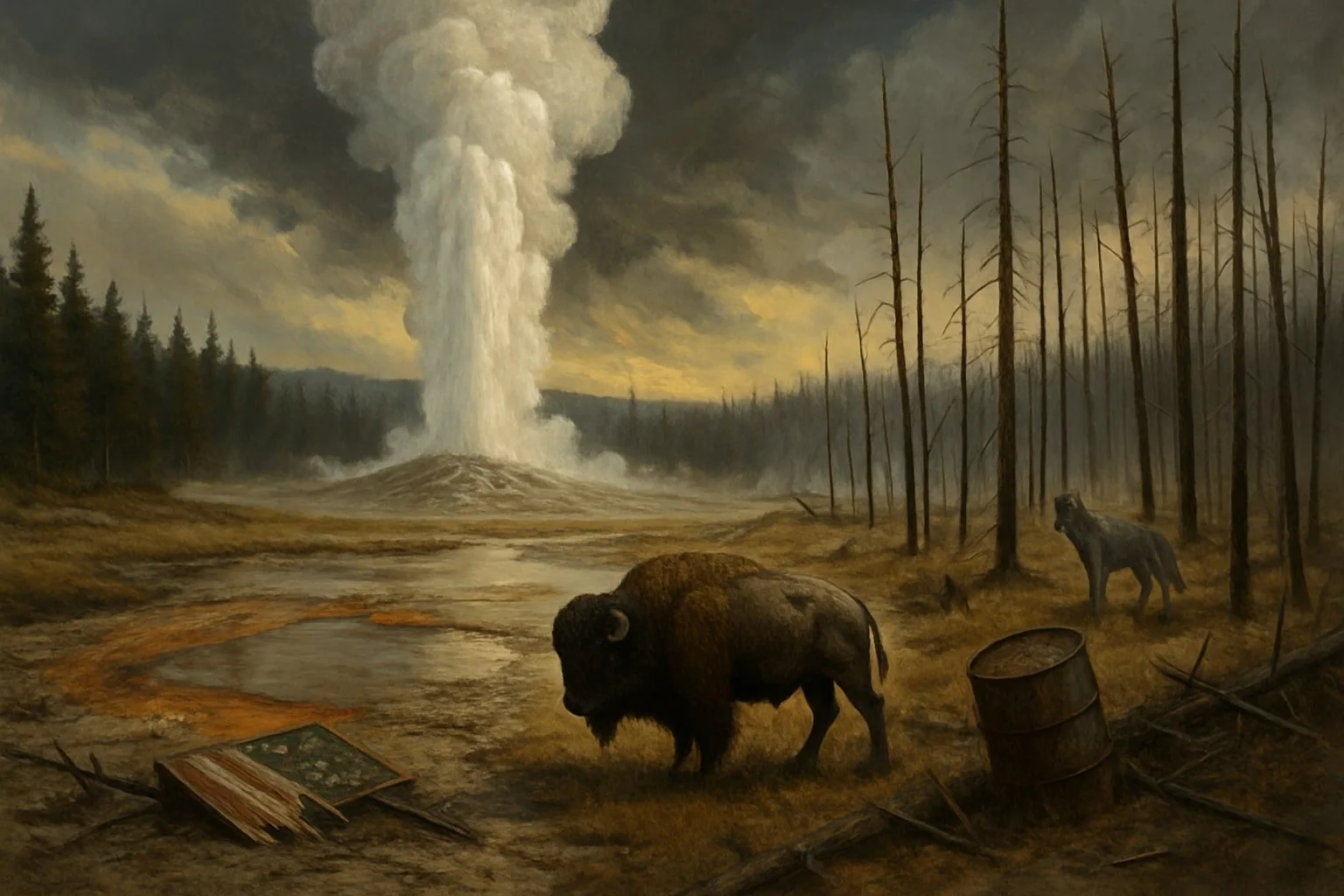
Yellowstone presents a stark reflection of American decline through its portrayal of fading traditions, growing divisions, and the pressures of modern life on rural communities. Its storylines trace the erosion of family legacies, the loss of identity, and the impact of outside forces such as gentrification and corporate expansion. The show directly addresses how shifting economic and social realities are reshaping what once seemed like enduring American values.
With complex characters caught between old loyalties and new threats, Yellowstone highlights the tensions facing the country today. The series does not shy away from issues like land disputes, cultural erasure, and declining opportunities, showing how these struggles manifest on a personal and national level.
By focusing on the Dutton family’s fight to preserve their ranch against powerful interests, Yellowstone raises pointed questions about who benefits—and who is left behind—when change arrives in America’s last frontiers.
Overview of Yellowstone and Its Cultural Impact
Yellowstone’s influence on American society extends beyond television ratings and celebrity appeal. The series has prompted discussion about American values, rural identity, and the shifting dynamics of power both within families and in the broader culture.
The Premise and Setting
Yellowstone is a television drama created by Taylor Sheridan and John Linson for the Paramount Network. The story follows the Dutton family, led by patriarch John Dutton (played by Kevin Costner), as they strive to defend their sprawling Montana cattle ranch from land developers, Native American tribes, and political pressure.
Set against the vast landscapes of the modern American West, the show juxtaposes natural beauty with human conflict. The series uses sweeping cinematography, highlighting Montana’s mountains, open plains, and rugged wilderness as a backdrop for the tense drama. The ranch itself is depicted as both a fortress and a prison, embodying the tension between tradition and progress.
Key elements in the plot include land disputes, family loyalty, generational conflict, and the struggle to maintain power in a changing world. The Dutton ranch’s isolation dramatizes the pressures facing rural America, illustrating how economic uncertainty and cultural shifts threaten established ways of life.
The Taylor Sheridan Vision
Taylor Sheridan brings a distinctive perspective to Yellowstone through sparse dialogue, morally ambiguous characters, and tightly plotted storylines. His background as a screenwriter and director, known for projects like Sicario and Hell or High Water, shapes the show’s realistic tone and focus on gray areas rather than clear heroes or villains.
Sheridan’s work often examines the impact of outside forces on communities and individuals. In Yellowstone, this vision is realized through the constant threat to the Dutton family’s land, reflecting broader anxieties about change and loss in rural America. His narrative approach privileges authenticity, with real-world issues—such as land rights, indigenous sovereignty, and economic decline—woven into the drama.
Kevin Costner’s performance as John Dutton adds gravitas to Sheridan’s scripts, embodying a blend of vulnerability and hard-edged resolve. The combination of Sheridan’s writing and Costner’s portrayal creates a compelling focal point for the series.
Critical Acclaim and Pop Culture Appeal
Upon its debut in 2018, Yellowstone quickly attracted attention for its intense storytelling and high production values. Critics noted the series for its complex characters, layered conflicts, and striking visuals. While some reviews were mixed about early seasons, by Season 5 the show had found both critical and mainstream approval.
Viewership numbers for Yellowstone have consistently broken records for cable television, drawing millions to the Paramount Network and later to streaming services like Paramount+. The series' success has contributed to a surge in interest in Western themes on television and has helped revitalize the genre in Hollywood.
Pop culture references, online discussions, and fan engagement have flourished. Merchandise, memes, and social media communities have turned Yellowstone into a widely recognized cultural touchstone. The cast, especially Kevin Costner, has become more closely associated with modern Western storytelling as a result.
Yellowstone as a Cultural Phenomenon
Yellowstone’s reach extends well past the screen. It has played a significant role in transforming public perceptions of the American West and has spurred an increase in tourism to filming locations across Montana. The series touches on topics such as land ownership, power struggles, and rural values, sparking debate about contemporary American identity.
Cultural Impact Highlights:
Aspect Impact Area Land Ownership Ongoing policy debates, rural issues Family Dynamics Media commentary, pop culture talks Rural Values National discussions, TV portrayals Hollywood Influence Genre revitalization, new series
Yellowstone’s exploration of American decline—whether real or perceived—has created a template for examining the anxieties and aspirations of a nation in flux. Its critical and commercial success signals a continued appetite for stories that grapple with these themes on both personal and societal levels.
Characters and the Dutton Family Legacy
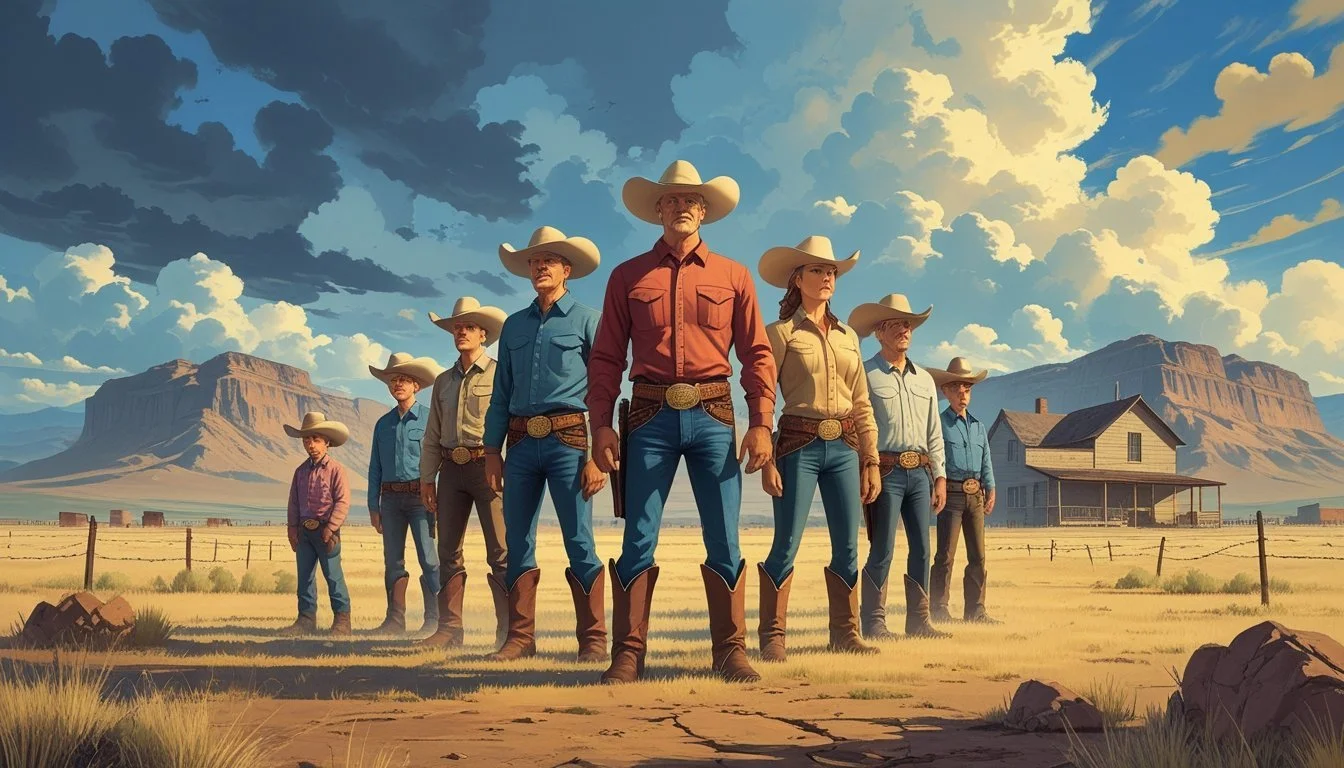
The Dutton family legacy is defined by land, loyalty, generational struggle, and a code that balances brutal realism with enduring tradition. Each major character embodies a unique response to the pressures facing both their family and the American West.
John Dutton as the Patriarch
John Dutton stands as the unyielding leader of the Dutton family and the Yellowstone Ranch. As patriarch, he carries the burden of protecting the family’s land and legacy against political and economic threats.
His leadership style is authoritarian and often ruthless, demonstrating a willingness to exert violence and manipulation for the sake of the ranch’s survival. He believes that maintaining control over the ranch is both a right and a necessity handed down through generations.
John’s commitment to tradition and order often puts him at odds with rivals and even with his own family members. This rigid adherence to legacy mirrors anxieties about loss of power and change in broader American culture.
Beth Dutton, Kayce Dutton, and Rip Wheeler
Beth Dutton, John’s daughter, is fiercely loyal and exceptionally tough. She serves as John’s primary tactician, using her expertise in banking and corporate maneuvering to defend the ranch. Her personal trauma and complicated relationship with the family both strengthen and isolate her.
Kayce Dutton, John’s youngest son, is a former Navy SEAL who struggles with his role in the family. Torn between his father’s authority and his wife Monica’s values, Kayce embodies the tension between tradition and progress.
Rip Wheeler, although not a blood relative, is deeply tied to the Duttons through loyalty and service. As John’s enforcer and Beth’s partner, Rip’s history of hardship aligns him with the family’s darker methods.
Dutton Ranch and Family Business
The Dutton Ranch represents more than property; it is a symbol of stability, autonomy, and resistance to outside influence. The ranch is the foundation of the family’s identity and status, reflecting economic and cultural anxieties about ownership and continuity.
Running the ranch as both a business and a fortress, the Duttons confront challenges from corporate developers, politicians, and rival ranchers. Their management style is characterized by secrecy, loyalty, and a willingness to defy the law when necessary.
Key elements of the Dutton business model include:
Principle Description Loyalty Unquestioned allegiance to the family Tradition Preservation of legacy practices Ruthlessness Use of force to resolve threats
Generational Conflict Within the Family
Tensions between generations shape much of the Dutton story. Older members like John cling to conservative approaches while younger members are forced to navigate a world with changing values and uncertain futures.
Kayce’s conflicted loyalty, Beth’s wounded pragmatism, and Jamie Dutton’s outsider status all reflect deep divisions about what the family should become. These conflicts escalate under internal and external pressures, revealing fractures in the foundation of the family business.
This generational divide exposes larger questions about adaptation and decline, as each character must choose between clinging to the past or risking transformation. The resulting struggle is both personal and reflective of shifts occurring in modern American society.
Reflections of American Decline in Yellowstone
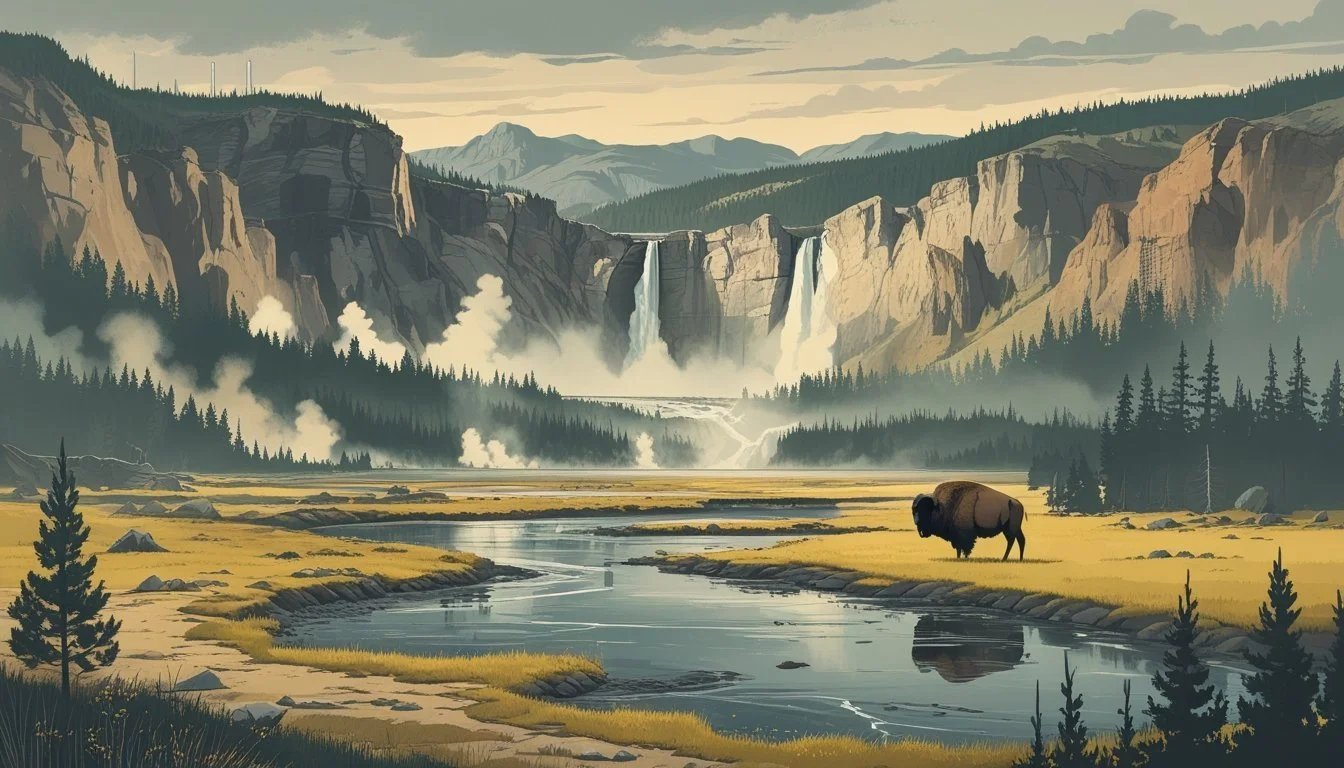
Yellowstone illustrates the shifting foundations of American life by exploring changing values, conflicts between personal ambition and the greater good, and a profound sense of cultural unease. The series uses the Dutton family’s ranch and their struggles to present a stark portrait of how American identity contends with change and uncertainty.
Changing American Values
Yellowstone captures the tension between traditional American values and modern pressures. The Dutton family embodies a legacy of land ownership, loyalty, and tenacity, but these ideals clash with contemporary forces such as commercialization, urbanization, and shifting social norms.
In the series, generational divides appear frequently. Younger characters challenge established customs, questioning their relevance in a rapidly transforming society. The show uses these contrasts to highlight anxieties about what is being lost as America changes—especially the fading significance of land, family, and generational legacy.
Yellowstone also addresses the notion of progress. Many characters resent the encroachment of developers, politicians, and new money. Their opposition reflects worries that economic growth and modernization often erode the very values that shaped rural America.
Rugged Individualism vs. Community
A major theme in Yellowstone is the celebration—and cost—of rugged individualism. John Dutton’s relentless quest to protect his ranch reveals the strengths and consequences of living by one’s own rules in a world governed by collective interests.
This focus on individual strength and autonomy stands in tension with the concept of community. Characters frequently prioritize personal loyalty and family interests over broader social cooperation. The Duttons’ closed ranks often come at the expense of their relationships with neighbors and local Native American communities.
The show critiques individualism by showing where it falters. When characters push away help or resist collaboration, Yellowstone exposes the isolation and vulnerability that can result from focusing narrowly on self-preservation.
Nostalgia and Disillusionment
Nostalgia runs through Yellowstone’s narrative, with frequent references to a better, simpler past. The Duttons cling to land and tradition as symbols of continuity, echoing a widespread American longing for stability amid rapid social and economic change.
However, the series is careful to expose how nostalgia can become a form of disillusionment. Attempts to restore or preserve an idealized past often lead to conflict or disappointment. Characters struggle to reconcile their longing for tradition with the reality that many aspects of American life have irreversibly changed.
This tension reflects a broader national mood: uncertainty about identity and purpose in a country facing dramatic shifts in culture, economy, and social cohesion.
Power Struggles and Social Fragmentation
Power struggles are central to Yellowstone’s depiction of decline. The Dutton ranch is the battleground for competing interests: corporate developers, political actors, and Indigenous groups all vie for control, highlighting the fracturing of American society.
The show presents American decline not just as loss, but as chaos stemming from division. The pursuit of power by any means necessary breeds mistrust and violence, eroding a sense of shared purpose. Traditional sources of authority, like the family and land ownership, prove fragile when confronted by external and internal threats.
These ongoing conflicts mirror larger social fragmentation in the United States. As the characters’ disputes intensify, Yellowstone suggests that the inability to find common ground is as much a symptom of decline as economic loss or cultural change.
Land, Ownership, and the Western Frontier
Land remains a source of identity and conflict in the American West. Montana’s wide-open spaces, ranching traditions, and battles over property rights serve as a lens for viewing social and economic shifts.
The Mythos of Land Ownership
In Montana and other parts of the West, land ownership is tied closely to cultural and historical identity. The narrative of Manifest Destiny and westward expansion established land as both opportunity and responsibility. Large ranches became symbols of self-reliance and American promise.
Country music and Western art have romanticized the rancher as a rugged individual maintaining a way of life built on the land. This mythos draws heavily from 19th-century ideals, even though the reality for many ranchers is entangled in debt, legal disputes, and changing markets.
The show Yellowstone explores how the Dutton family's commitment to their ranch represents more than wealth. It reflects deep anxieties about losing control over heritage and tradition, as outsiders and economic pressures threaten their way of life.
Property Rights and Land Conflicts
Conflicts over property rights are central to Montana and the broader West. Ranchers, Native tribes, land developers, and government agencies often clash over access to grazing, water, and mineral rights.
Disputes can turn violent or end up in lengthy court battles. Yellowstone highlights such tensions by depicting the lengths families go to defend their land from encroachment. Federal land ownership in the region adds complexity, supporting job creation in some areas but also triggering debate over local autonomy and resource use.
Legal frameworks surrounding land are not static. The ongoing negotiation of property boundaries, conservation efforts, and the balance between private and public interests shape both policy and personal relationships across the West.
Gentrification and Land Developers
Rising land values and increased outside investment have brought gentrification to rural Montana. Developers seek to transform ranch land into luxury homes or tourism sites, often pricing out local residents and changing community character.
Ranchers face pressure to sell, sometimes due to economic hardship or inheritance taxes. The shift alters land use, as agricultural zones give way to subdivisions. This process jeopardizes the continuity of the ranching lifestyle and cultural traditions.
Table: Key Impacts of Gentrification
Impact Example Property Value Increase Higher local land prices Demographic Shifts Influx of wealthy out-of-state buyers Cultural Change Decline in traditional ranching communities
Media like Yellowstone depict these dynamics, underscoring anxieties about eroded autonomy and the dilution of Western heritage.
Native Americans and Issues of Sovereignty
Yellowstone presents a layered view of Native American experiences, centering tribal sovereignty and rights through both its narrative and character arcs. The show often highlights the challenges Indigenous peoples face in protecting their land and culture amid outside pressures.
Depiction of Native American Tribes
Yellowstone includes prominent Native American communities, notably the fictional Broken Rock Reservation, as part of its central storyline. The series regularly portrays tribal leaders, families, and traditions, aiming to ground the narrative in modern Indigenous experiences.
While the series introduces elements of Native culture, such as ceremonies and language, its portrayal has sparked debate. Some viewers and critics note that the show attempts authenticity but can fall into romanticized or stereotypical depictions.
Despite these concerns, Yellowstone succeeds in bringing Native American issues—like displacement and economic challenges—into mainstream discussion. It also features diverse Native characters, moving beyond simple background roles.
Broken Rock Reservation and Thomas Rainwater
Broken Rock Reservation acts as the main representation of Native land and sovereignty in Yellowstone. Led by Thomas Rainwater, the tribe is shown actively engaging with larger political and economic forces, seeking to reclaim ancestral territories and ensure the survival of their community.
Rainwater is portrayed as strategic and thoughtful, with his background as both a tribal leader and a former outsider. His leadership merges traditional values with contemporary methods, reflecting common tensions facing real-life Indigenous leaders.
The dynamics between Broken Rock, local government, and powerful ranchers occupy a central place in the show. These tensions highlight broader national conflicts over Native governance and self-determination.
Native American Rights and Land Sovereignty
Issues of land sovereignty and Native American rights are woven throughout Yellowstone's plot. The series depicts disputes over reservation borders, resource rights, and historical treaties, which remain unresolved in contemporary America.
Yellowstone emphasizes the ongoing struggle of Indigenous peoples to protect their sovereignty amid commercial, political, and legal challenges. The show presents Native efforts to reclaim land, control economic development, and secure adequate representation.
These storylines serve to illustrate the legal and moral complexities of land restitution and tribal governance. By placing Native American rights at the forefront, Yellowstone sparks conversation about justice, autonomy, and historic injustices facing Indigenous peoples.
Corporate Interests Versus Tradition
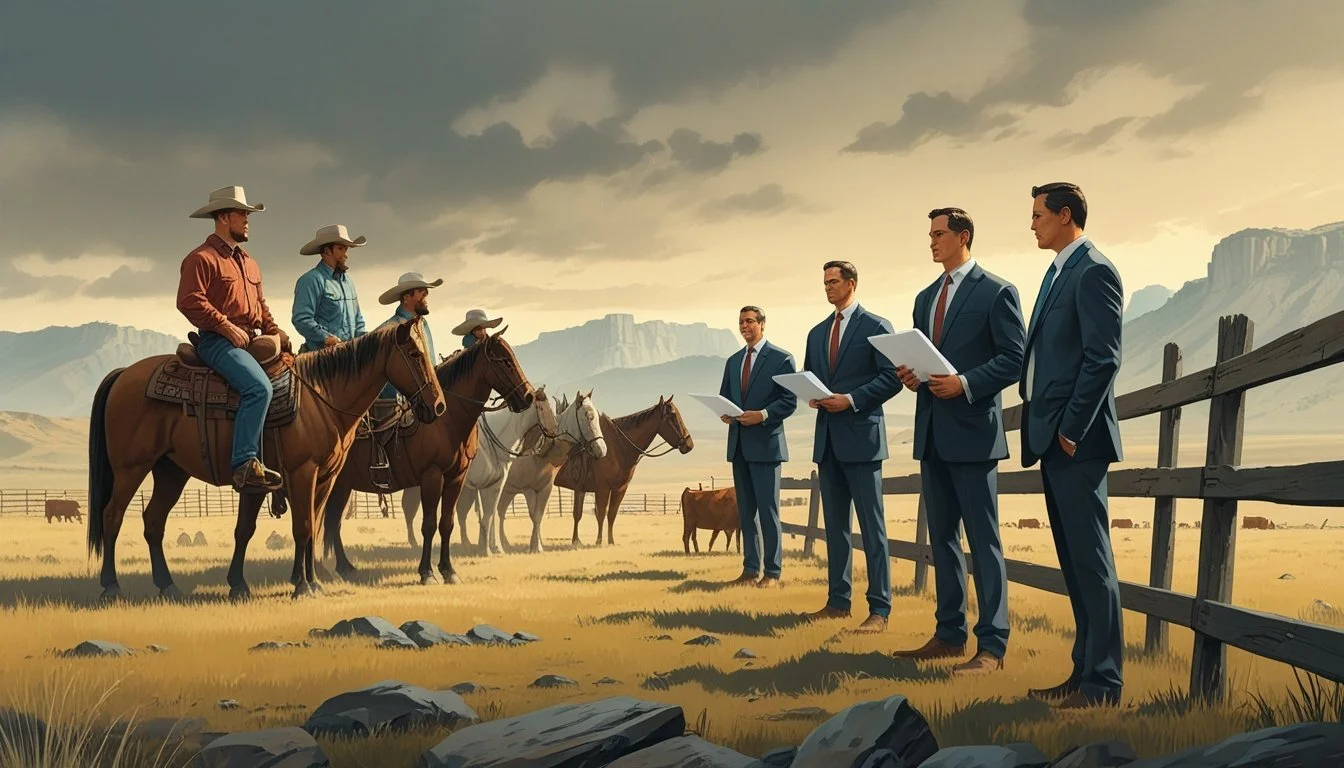
"Yellowstone" explores how corporate ambitions challenge the fabric of rural American life. The series repeatedly highlights tensions between financial gain, land conservation, and the survival of multi-generational traditions.
Corporate Encroachment on Rural America
Major corporations and private equity firms view untapped rural land as a prime asset. In "Yellowstone," the Dutton family ranch faces constant pressure from developers seeking to transform their traditional operations into profitable real estate, energy, or tourism ventures.
Local ranchers find themselves navigating aggressive land acquisitions, legal loopholes, and government lobbying by well-funded corporations. These outside interests bring new roads, luxury resorts, and urban sprawl into previously isolated regions.
The arrival of big business shifts community priorities. Land is seen less as heritage or ecological asset—and more as an investment opportunity. As a result, long-standing local relationships and stewardship traditions are frequently overlooked in favor of short-term gains.
Impact of Capitalism on Local Communities
Capitalist incentives influence the decisions of families like the Duttons as they weigh financial offers against family legacy. Some residents are tempted by lucrative buyouts, while others fear the loss of control and identity.
This shift disrupts familiar economic structures. Locally-owned ranches and businesses face tough competition from national chains and corporations, which often promise jobs but may deliver lower wages and less autonomy.
Conservation efforts can be sidelined as development accelerates. Natural habitats risk being reduced or fragmented to make way for profit-driven projects, threatening both wildlife and sustainable ranching traditions that depend on healthy land.
Conflict Between Ranchers and Developers
Ranchers in "Yellowstone" employ legal, political, and sometimes extralegal tactics to fend off aggressive developers. These conflicts are not just about economics; they reflect a deep divide between those who prioritize land stewardship and those focused on maximizing returns.
Developers frequently argue their projects will modernize the region and bring in much-needed revenue. Ranchers counter that unchecked development erodes cultural and environmental resources, undermining what makes rural communities distinctive.
Land disputes turn personal, straining family ties and reputations. The fight for control over natural resources pits conservation values against the relentless push of modern capitalism, with each side staking a claim to the future of rural America.
Yellowstone in the Context of American History
Yellowstone draws from both real and imagined histories to frame its portrayal of change and conflict. Through its narrative, the show reflects on how foundational stories, territorial ambitions, and traditions shaped the trajectory of the United States.
Foundational Myths of the American West
Much of Yellowstone’s appeal comes from its use of the American West as a landscape of legend. The imagery and themes evoke the myth of rugged individualists carving out a place amid hardship and lawlessness.
This myth centers the concept of the "self-made" pioneer, where land and freedom are hard-won through determination. Characters embody values such as independence, perseverance, and suspicion of outsiders—reflecting ideals found in classic Western tales.
The show often contrasts the Dutton family's loyalty to land with external threats, reinforcing the notion of defending tradition against change. These myths, while rooted in selective history, shape both the actions of its characters and broader views of American identity.
Westward Expansion and Manifest Destiny
Yellowstone references key periods of American history, notably the 19th-century expansion westward. The idea of Manifest Destiny justified massive migration, settlement, and the displacement of Native peoples.
The Yellowstone prequel series, like "1883," visually illustrates this migration by following the Duttons’ difficult journey through dangerous terrain. Land conflicts echo real disputes between settlers, ranchers, Indigenous tribes, and later government interests.
Such expansion was not just about opportunity; it involved violence, negotiation, and loss. The show’s constant battles over property and legitimacy point to unresolved questions about who owns the American landscape and at what cost.
The Evolution of Cowboy Culture
Cowboy culture is central to Yellowstone’s depiction of American tradition. The cowboy, historically a cattle worker, symbolizes resourcefulness and resilience. Over time, this figure became an icon of freedom and toughness.
Within the series, ranch labor, loyalty, and codes of conduct reflect how cowboy culture adapts to modern pressures. Issues like corporate encroachment and legal battles show a tension between old customs and new realities.
The depiction challenges simple nostalgia by exposing both the hardships and values of ranch life. Yellowstone uses the contemporary cowboy to reveal persistent questions about authenticity, masculinity, and the preservation of tradition in American life.
The Neo-Western Genre and Modern Storytelling
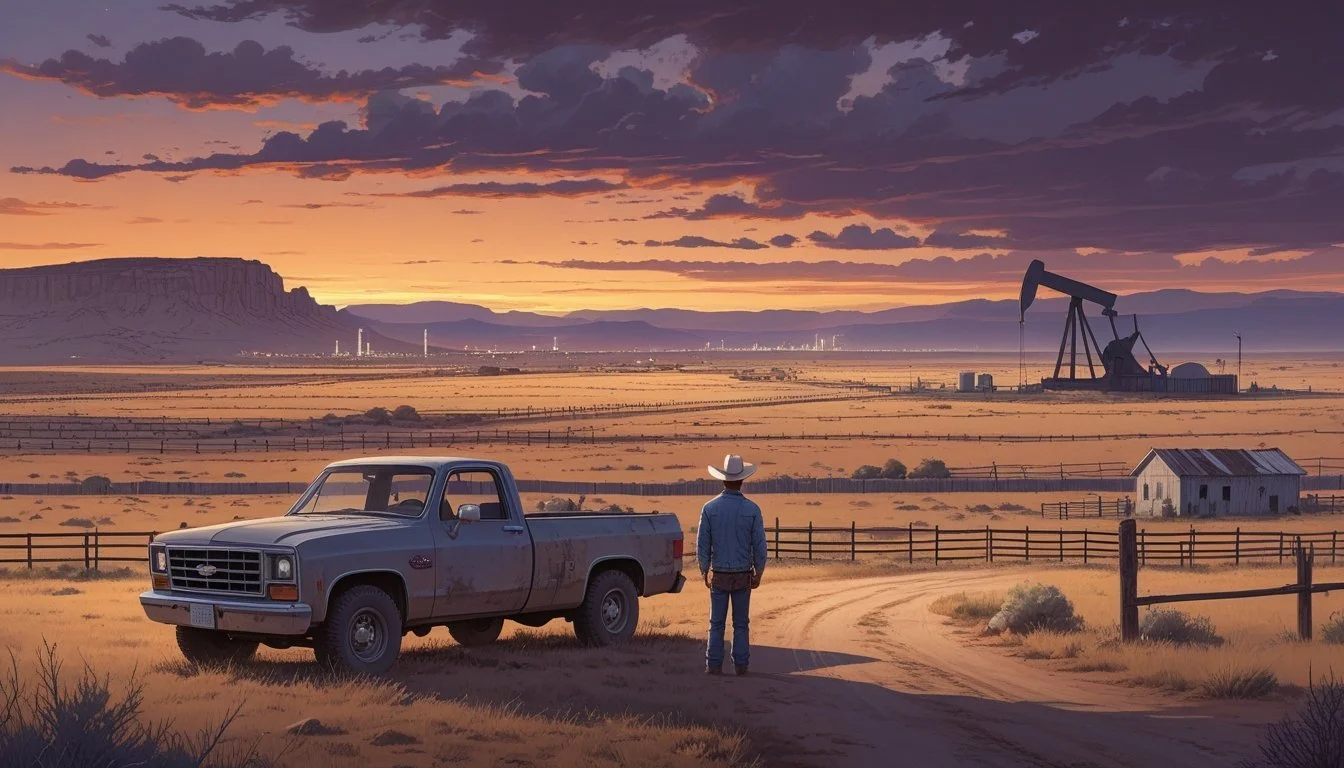
"Yellowstone" stands as a major example of how the neo-western genre uses modern settings to challenge traditional storytelling. These dramas often highlight issues like moral ambiguity, real-world violence, and questions of personal and cultural identity.
What Defines a Neo-Western
Neo-westerns update the familiar western story by moving beyond the myths of frontier life. Series like "Yellowstone" use modern locations and contemporary conflicts to ground each narrative in the realities of the present. Characters may own ranches and ride horses, but their challenges stem from modern legal battles, land disputes, and economic pressures.
Typical traits of the genre include:
Anti-hero protagonists
Corruption, both personal and institutional
Lawlessness set against the appearance of order
Harsh, often bleak landscapes as a reflection of psychological states
Unlike classic westerns, neo-westerns rarely draw a clear line between good and evil. Instead, they focus on the gray areas that drive people to make difficult decisions.
Realism Versus Fantasy
The neo-western embraces realism by highlighting flawed characters and unresolved social issues. "Yellowstone" avoids the mythical optimism of older westerns. Many storylines address the harsh truth about modern American society, including resource battles, family feuds, and the erosion of traditional values.
Realistic elements are prioritized through:
Gritty dialogue and non-glamorous settings
Authentic portrayals of violence and struggle
Exploration of land rights, Indigenous sovereignty, and environmental concerns
Still, neo-westerns draw from fantasy when characters display exaggerated loyalty, endurance, or violence. The mythic undertone remains, but it is tempered by the characters' recognition that they cannot fully control their world or fate.
Violence and Identity in Neo-Westerns
Violence is a defining element. In "Yellowstone," it is used as a tool for survival and control, not just spectacle. The show reveals how violence shapes individual and group identity—its characters measure loyalty or authority through the willingness to cross moral lines.
Personal identity in neo-westerns is often bound to land and legacy. The struggle to maintain family holdings or personal honor leads to cycles of violence and retribution. These stories challenge viewers to consider how violence is both condemned and normalized in American life, blurring the line between protector and aggressor.
Table: Key Themes in Neo-Westerns
Theme Description Violence Tool for power, identity, and order Identity Shaped by land, family, and history Realism Focus on hardship, ambiguity, and credible motivations Myth & Fantasy Echoes of old western legends, challenged by reality
Spin-Offs and Expanding the Yellowstone Universe
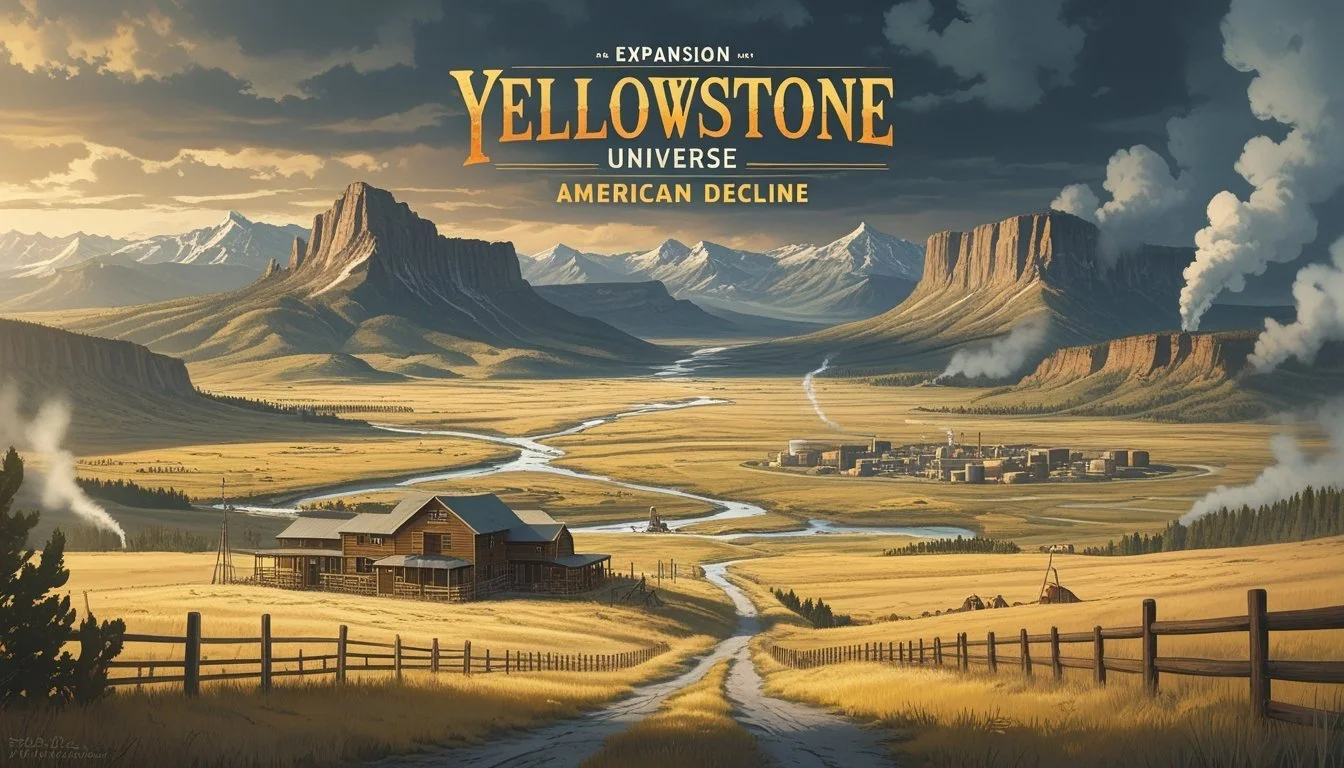
Taylor Sheridan’s Yellowstone franchise has grown well beyond the original series, using spin-offs to examine American identity, legacy, and the shifting values of the West. The interconnected shows 1883 and 1923 reveal the Dutton family’s roots, challenges, and responses to evolving social and economic realities.
1883: Origins of the Dutton Family
1883 follows James and Margaret Dutton as they journey west in search of a new beginning. Their trek captures the harsh realities of frontier life and the dangers faced by settlers.
Survival means constant conflict—with nature, illness, and other travelers. The show sets up the Dutton family’s backstory, showing their determination and the foundation for their future in Montana.
This chapter of the Dutton saga explores themes such as land, family, and the costs of ambition. 1883 frames American values in terms of perseverance and sacrifice, shedding light on how these early experiences shaped generations of Duttons.
1923: Bridging Generations and American Change
Set during Prohibition and the aftermath of World War I, 1923 features the next generation of Duttons facing upheaval and uncertainty. The family must navigate economic hardship, violence, and the pressures of modernity.
Key storylines include land disputes, changing gender roles, and the rise of new institutions, such as the University of Montana. The Duttons’ struggles reflect broader questions about American decline and the erosion of older values.
Through the lens of 1923, the series addresses agricultural challenges and evolving American ideals. It also highlights the tension between tradition and progress, making it clear that change is both inevitable and disruptive.
Character Arcs and Legacy
The expansion of the Yellowstone universe places the Dutton family’s evolution front and center. These spin-offs portray each generation adapting to loss, betrayal, and shifting social landscapes.
Notable characters confront difficult choices involving loyalty, violence, and the future of their land. The resulting legacy is complex—marked by both moral compromise and stubborn resilience.
The primary cast members’ journeys help viewers understand how the Duttons became central symbols of contested American values. Their stories echo the larger themes of decline, transition, and endurance within the nation.
Yellowstone’s Influence on Society and Popular Culture
Yellowstone stands out as a modern television phenomenon, shaping trends across entertainment, retail, and lifestyle. Its reach extends into digital conversations, consumer habits, and depictions of American rural communities.
Social Media and Viewership Trends
Yellowstone has driven high levels of engagement on platforms like Twitter, Instagram, and TikTok. Fans regularly discuss plotlines, speculate about characters, and share reactions in real time. Hashtags and memes related to the series often trend during new episodes.
The show's ratings have set records for cable dramas, drawing millions of viewers per episode. Streaming services carrying Yellowstone report significant subscriber boosts upon adding the show to their libraries.
Viewer Demographics Table:
Age Group Interest Level 18-34 Moderate 35-54 High 55+ Very High
The blend of suspense, family dynamics, and Western themes has attracted a broad audience, which is unusually diverse for a rural-set drama. This wide appeal keeps Yellowstone frequently discussed and visible across social channels.
Merchandise and the Cowboy Revival
Yellowstone has spurred robust merchandise sales, including branded hats, shirts, and even furniture. Retailers report increased demand for Western-themed clothing, especially cowboy boots, denim, and fringe jackets inspired by the show's costume design.
Beyond clothing, fans purchase home decor, drinkware, and ranch-style goods. This surge in interest has benefited western lifestyle brands and fueled partnerships with country musicians and rodeo events.
Key merchandise categories:
Apparel (boots, hats, outerwear)
Home goods
Outdoor equipment
The series has contributed to a broader "cowboy revival," making rural aesthetics more popular in both urban and suburban settings. This trend is distinct from past country music booms, merging television influence with digital-age branding.
Representation of Rural Life in Media
Yellowstone brings rural American life into mainstream television with a rare level of detail and nuance. The series depicts ranching, local politics, and land disputes, elements often absent from popular media.
The show's settings highlight vast landscapes and small communities, countering the dominance of urban stories in entertainment. It showcases the realities and hardships of rural existence, addressing economic struggles and changes facing these areas.
Actors and scripts draw on real-world issues such as land conservation and generational conflict. As a result, viewers gain exposure to topics like rural identity and the cultural significance of country music and traditions. This representation has started new discussions about rural America's role within national conversations.
Conclusion
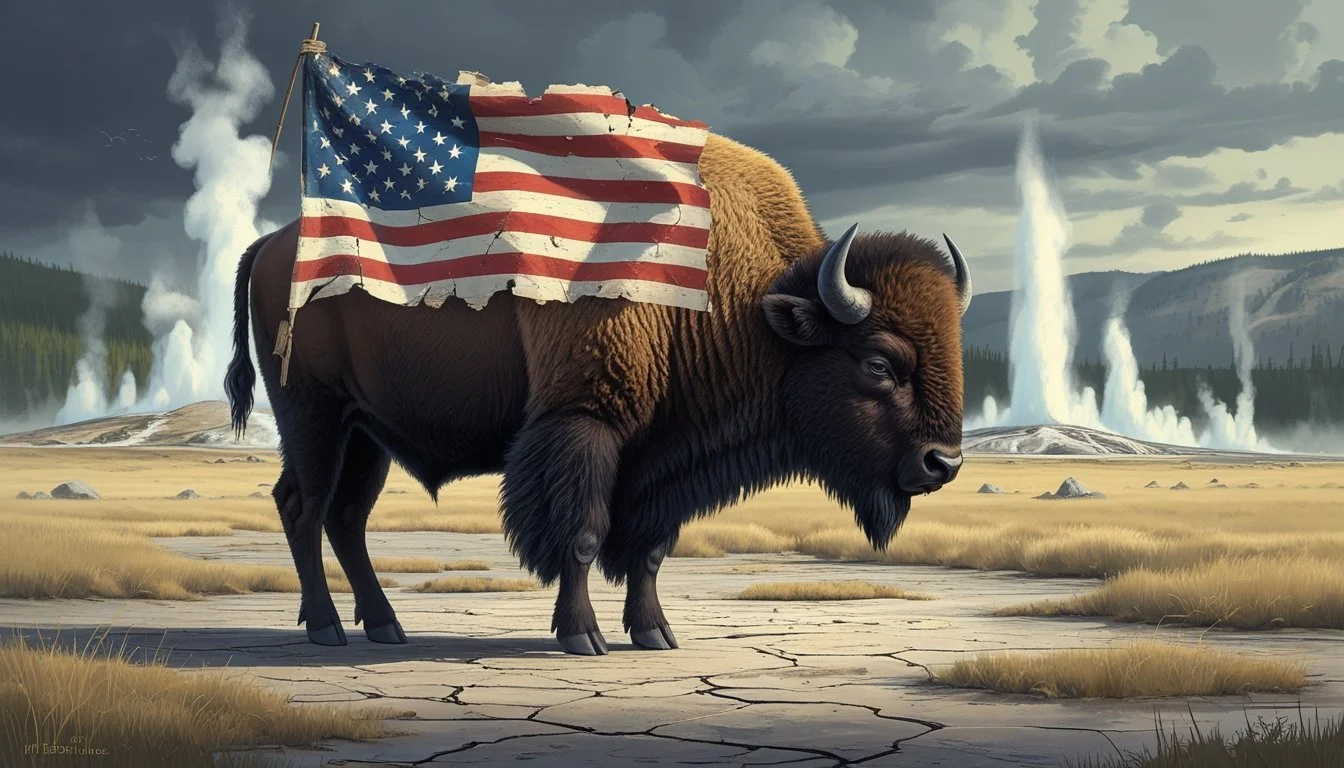
Yellowstone frames the story of the Dutton family against complex shifts in the American landscape. The show’s depiction of power struggles, land disputes, and changing values is rooted in contemporary anxieties about social and economic stability.
Characters experience the erosion of long-held traditions as outside interests and modern forces close in. This tension is shown through conflicts over land, resources, and identity.
Key Themes Highlighted in Yellowstone:
The fragility of legacy and family
Tension between progress and preservation
Challenges to rural and traditional communities
Throughout its run, Yellowstone does not offer easy answers. It instead presents change as inevitable, often leaving its characters to navigate loss and uncertainty.
The fate of the ranch, family, and land remain at stake even in the final episode. These unresolved struggles echo larger questions about the direction of American society.
Ultimately, Yellowstone’s narrative mirrors concerns about American decline through the lens of one family’s fight to endure. The show emphasizes resilience, adaptation, and the ongoing negotiation between past and present.
