
The Power of Fatherhood in Yellowstone
Exploring the Role of Dads in Wildlife and Community
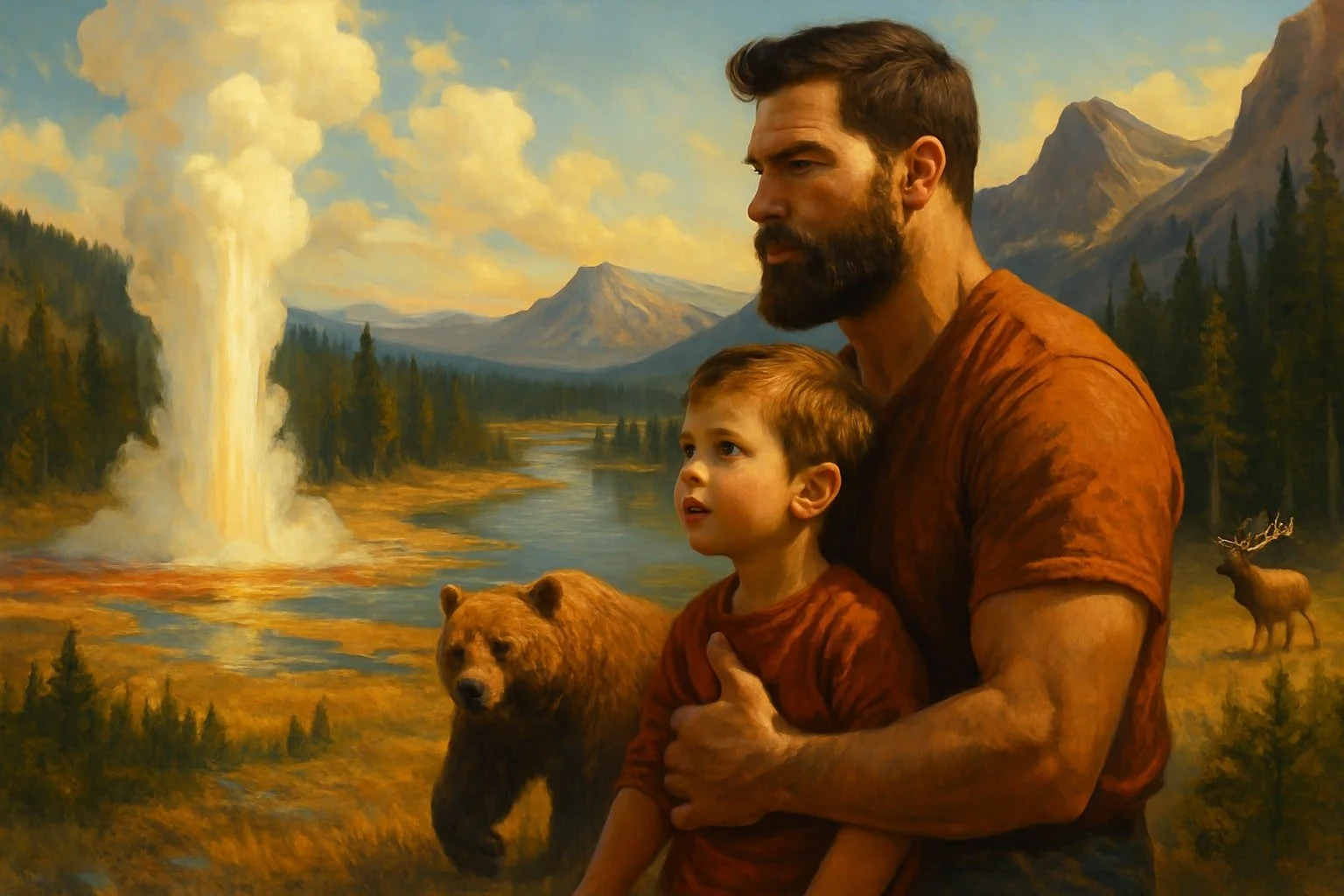
The power of fatherhood in Yellowstone is revealed through the complex, often turbulent relationship between John Dutton and his children, where loyalty, legacy, and control shape every major decision. As the Dutton patriarch, John stands at the center of both his family and his sprawling Montana ranch, enforcing his values while struggling with the burdens of leadership and personal sacrifice.
Yellowstone examines the influence of a father’s authority in the modern American West, where family bonds and generational conflict drive the drama. The tension between parent and child is palpable, especially in John’s relentless efforts to maintain control and protect what matters most to him.
Fatherhood is not simply a theme in Yellowstone—it is the force that fuels ambition, creates division, and binds the Dutton family together, even as it threatens to pull them apart.
Foundations of Fatherhood in Yellowstone
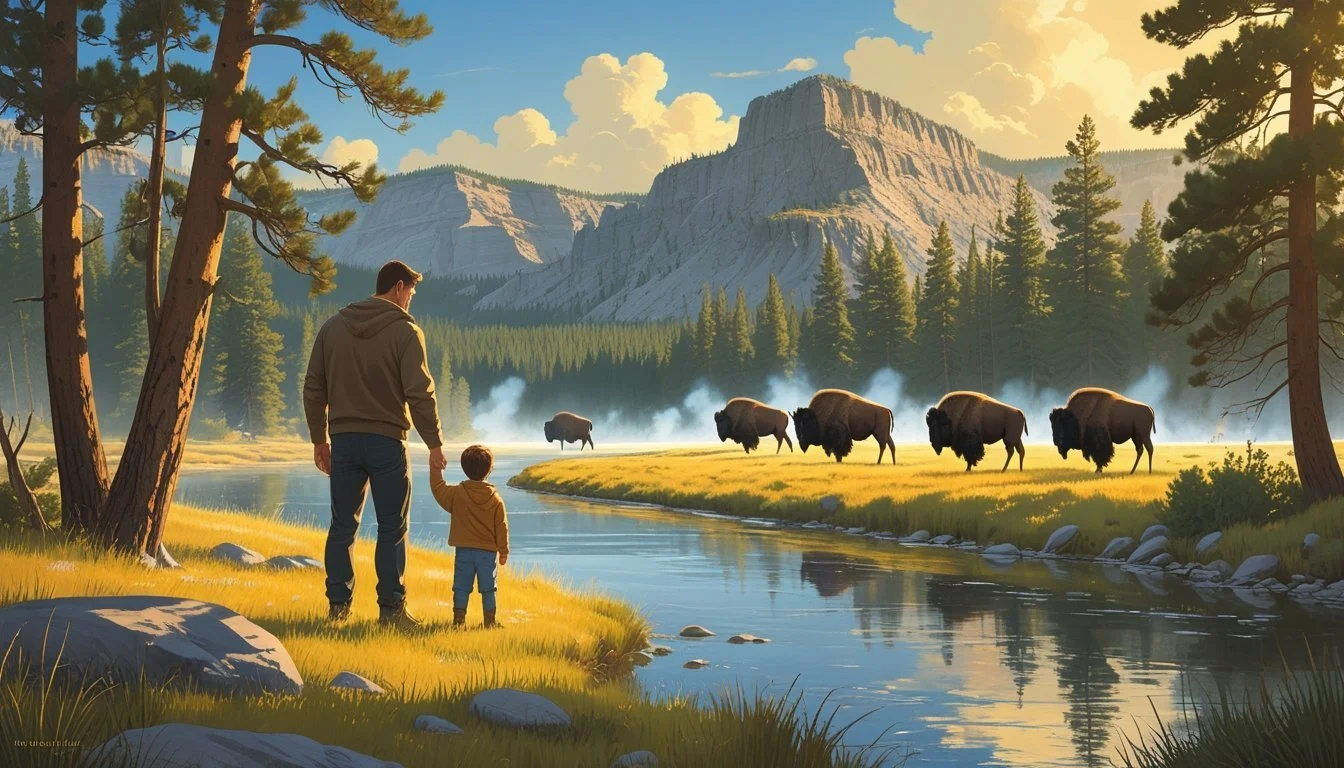
Fatherhood in Yellowstone is deeply intertwined with generational conflict, tradition, and the expectation to uphold the family’s legacy. The Dutton family’s story reflects not only personal relationships but also the pressures of managing a vast ranch and adapting to ongoing societal change.
Themes of Family and Legacy
Family and legacy stand at the core of Yellowstone’s narrative. The Dutton family’s hold on their Montana ranch has lasted for generations, built on the efforts and sacrifices of their ancestors. This sense of legacy shapes the choices and responsibilities of John Dutton, who serves as the current patriarch.
Loyalty is a recurring theme, where bonds between family members are tested by betrayal, rivalry, and loyalty to the land. The fight to preserve the ranch is not just about property but about protecting a way of life inherited from those who came before.
The Dutton legacy is linked to tradition and memory, with characters recalling their forebears’ struggles as they face modern threats. In turn, fatherhood becomes both a burden and an honor, compelling each Dutton to think beyond personal desires.
The Patriarchal Code
The concept of the patriarchal code governs many of the decisions on the ranch. John Dutton’s role is defined by clear authority, responsibility for the family’s welfare, and the expectation to put the ranch and legacy above all else. These values have been passed down, shaping the behavior and outlook of each family member.
This code emphasizes duty, sacrifice, and often secrecy, as fathers make difficult choices for what they see as the greater good. The expectations placed on the Dutton men are clear: protect the family legacy, enforce discipline, and ensure loyalty among all members.
However, the code also causes tension as younger family members struggle with their own identities. The rigidity of these values sometimes leads to conflict and estrangement, especially when personal morality clashes with the family’s unwritten rules.
Tradition and Change
Tradition is central to the Dutton family’s identity. Their routines, rituals, and land stewardship echo practices from earlier generations. Yet the challenges presented by outsiders, modern development, and changing laws put pressure on these traditions.
Resistance to change is a defining trait, but not all characters share the same views. Some embrace innovation or question old assumptions, drawing sharp contrasts within the family dynamic. For instance, debates over how to manage the ranch reflect wider questions of how to balance respect for tradition with the need to adapt.
The Duttons’ approach to change shapes their legacy. Choices made by each generation—whether to resist, adapt, or transform—leave a lasting imprint on the family’s future. This ongoing struggle between tradition and change gives fatherhood in Yellowstone its complexity and enduring impact.
John Dutton: The Archetype of Western Fatherhood
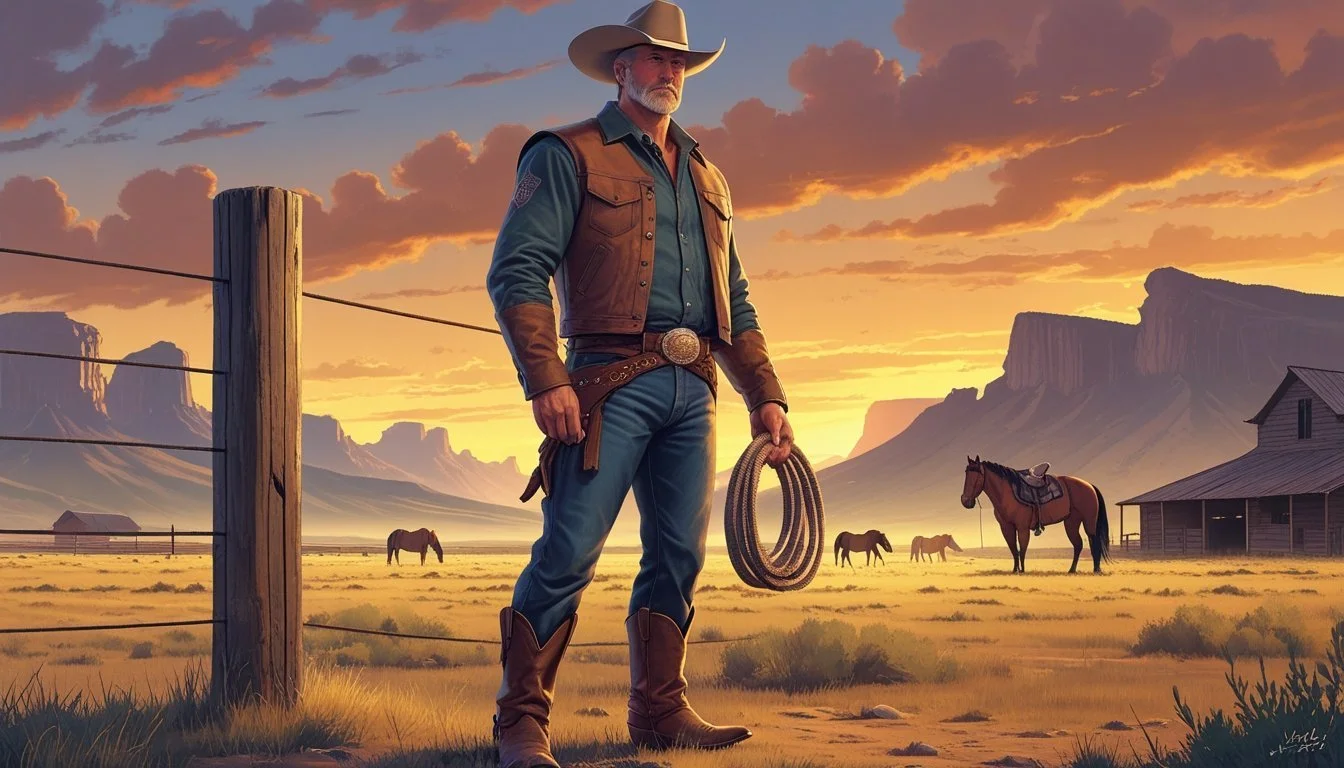
John Dutton, played by Kevin Costner, stands as an iconic figure at the center of Yellowstone. His approach to fatherhood reflects the harsh realities and enduring traditions of Montana ranching culture, framed by the complex power dynamics surrounding the Yellowstone Ranch.
Leadership Style
John Dutton's leadership on the Yellowstone Ranch is built on authority, tradition, and an unwavering sense of purpose. He projects a commanding presence, grounded in decades of experience and a deep devotion to preserving his family's legacy.
He is both revered and feared by his children and those who work the ranch. His expectations are clear, often demanding unwavering loyalty and commitment in return for his guidance and support.
Dutton rarely discusses emotions; instead, he protects and provides through decisive action. This no-nonsense approach mirrors the reality of ranching life in Montana, where results and survival often outweigh sentiment.
The ranch environment, with its constant threats and demanding work, has shaped his leadership style. He uses direct communication, corrective discipline, and personal example to instill values, focusing on responsibility and resilience.
Difficult Choices and Moral Ambiguity
John Dutton frequently faces ethical dilemmas where the right choice is unclear. To defend the Yellowstone Ranch and his family, he resorts to decisions that blur the line between right and wrong—a hallmark of his character.
His methods sometimes involve force, deception, or questionable alliances. This willingness to operate in moral gray areas emerges from a belief that protecting the land and family must come above all else.
He weighs loyalty and justice against survival, rarely hesitating when decisive action is necessary. The threats to his legacy, both external and internal, force him to continuously balance personal principles with the practical demands of power.
In navigating these moral complexities, Dutton conveys that leadership, especially as a father and protector, often demands sacrifice and hard choices that cannot be resolved by simple rules or ideals.
Family Dynamics and Internal Conflict
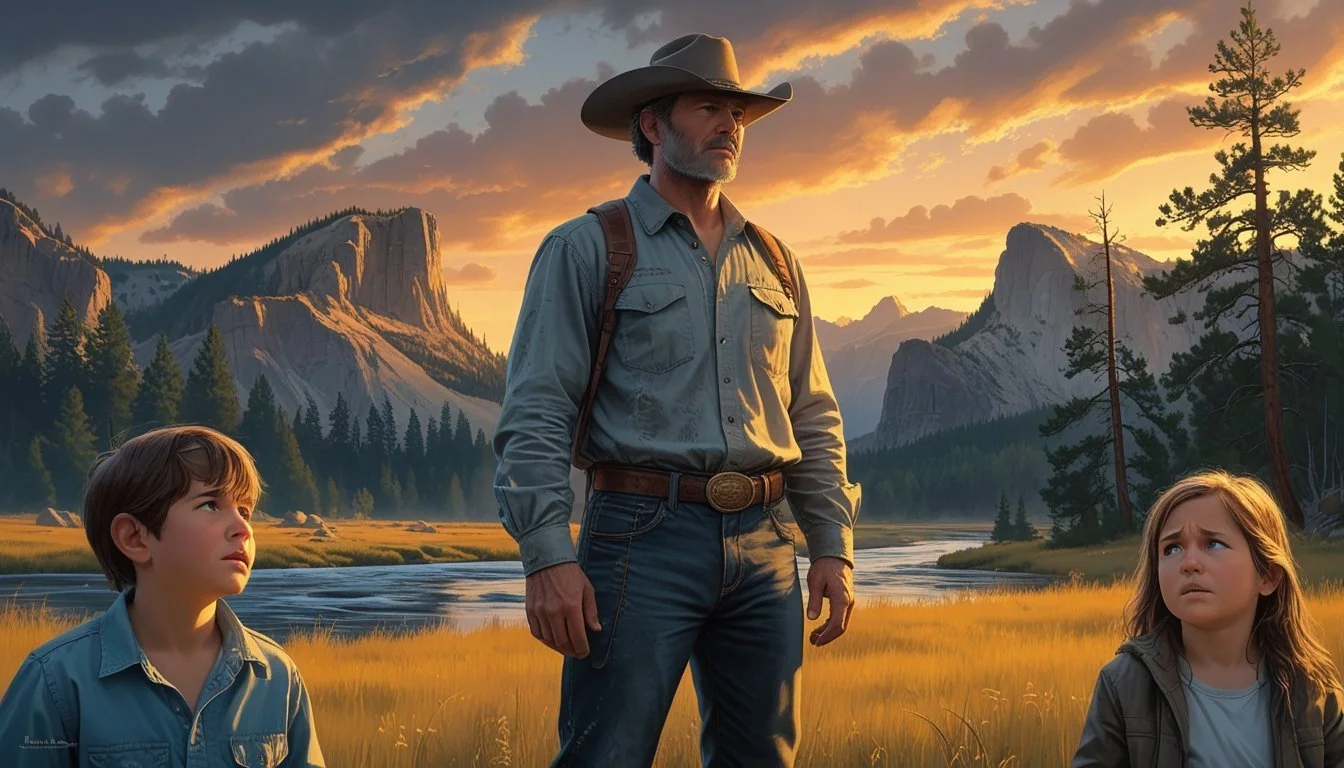
The Dutton family’s tight bonds are repeatedly tested by intense conflict, lifelong trauma, and divided loyalties. Each member navigates power, legacy, and deeply personal struggles under John Dutton’s authority.
Sibling Rivalries
Rivalry between the Dutton siblings—Kayce, Beth, and Jamie—shapes much of the family's internal conflict. Sibling disputes are propelled by competition for their father's approval and inheritance of the Dutton legacy. Kayce, played by Luke Grimes, often finds himself torn between loyalty to his own values and pressures from John Dutton.
Beth Dutton, portrayed by Kelly Reilly, displays fierce devotion to the family, yet frequently clashes with Jamie. Their dynamic is marked by old grievances, jealousy, and competing visions for the ranch. These rivalries create constant tension among the siblings in nearly every major storyline.
Key Points:
Competition for control over the ranch
Personal grievances and unresolved trauma
Shifting alliances in family decision-making
Betrayal and Trust
Trust is fragile within the Dutton family, especially between Beth and Jamie. Jamie’s choices, such as betraying family secrets or making independent legal decisions, create deep fissures in the family’s unity. Such betrayals are not only personal, but have lasting consequences for the ranch and the Dutton legacy.
Beth’s mistrust of Jamie is intense and often explicit, shaped by past betrayals involving trust, privacy, and responsibility. Kayce, meanwhile, struggles between his sense of loyalty to his siblings and his own path to redemption. The cycle of betrayal and attempts to rebuild trust is a recurring struggle and a driving force in the Duttons’ internal drama.
Themes:
Parental influence on trust issues
The impact of betrayal on family stability
Repeated attempts to regain trust within the family
Fatherhood and Power Struggles Over Land
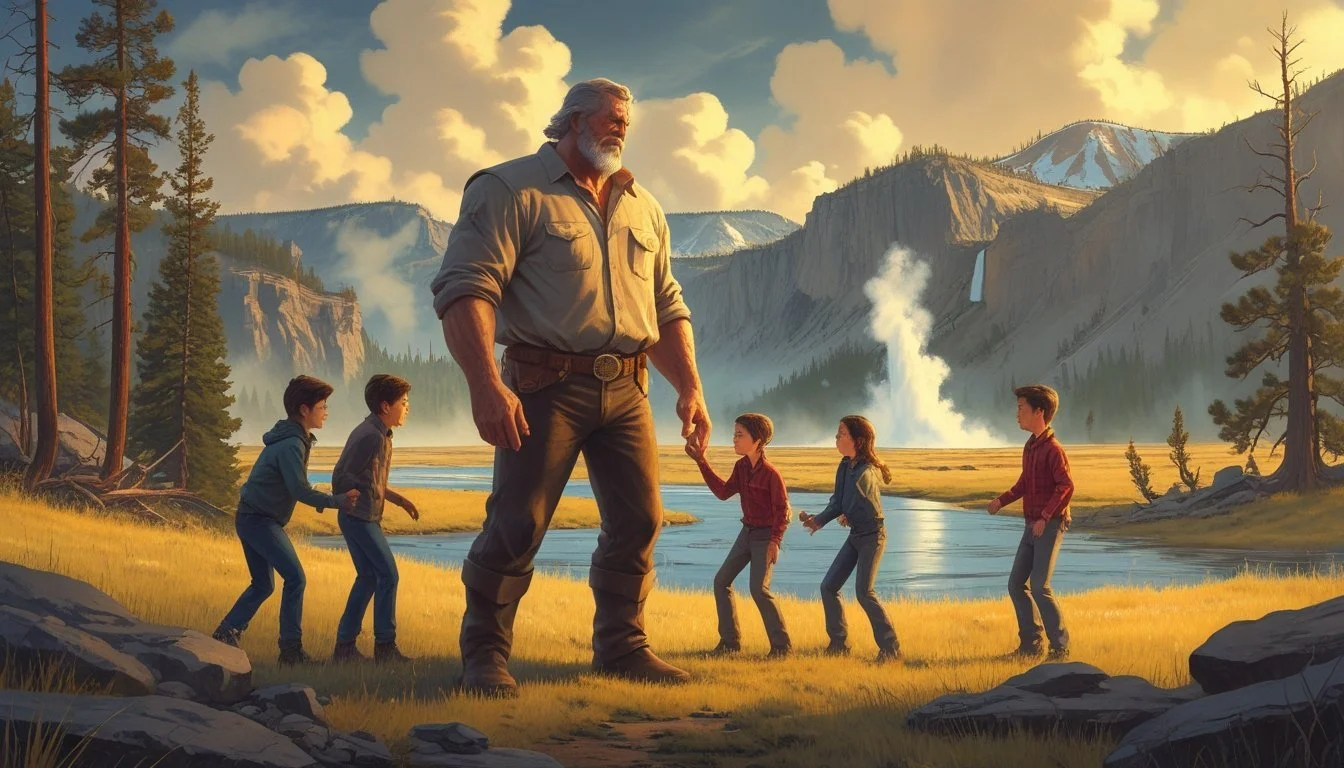
Fatherhood in Yellowstone is inseparable from the conflicts over land, legacy, and responsibility. The Dutton family’s relationship with their Montana ranch shapes every major decision, reflecting the constant pressure to protect and preserve Chief Joseph Ranch against external threats and internal conflict.
Generational Conflict
Conflict between fathers and children is central to the Dutton family story. John Dutton, as the head of the family, often clashes with his children over the future of their land and legacy.
Jamie Dutton’s struggle to earn his father's respect highlights the tension between personal ambition and family loyalty. These dynamics are intensified when family members disagree on how best to defend their claim to the land.
Different generations see preservation and progress in different ways. John’s deep connection to the land is rooted in tradition, while his children sometimes question whether such sacrifices are worth the cost.
This generational divide fuels much of the drama, with power struggles playing out not just in boardrooms, but within the family itself.
Land Ownership and Preservation
Land ownership in Yellowstone is about much more than property; it is about identity, history, and survival. The Dutton ranch, modeled after the real Chief Joseph Ranch, serves as both home and fortress.
Governing and protecting this vast Montana property demands vigilance, constant resource management, and determination.
Preservation of the land is threatened by encroaching developers, shifting regulations, and local politics.
John Dutton fights to keep the ranch intact, using every available means—legal, political, and sometimes personal alliances—to resist outside acquisition.
The family’s actions around environmental conservation are often complicated by financial pressures and threats to their control. Balancing land stewardship with economic survival is a recurring problem, reflecting real-world struggles faced by large ranch owners.
Family Duty and Resilience
At Yellowstone’s core is the sense of duty each generation feels toward the ranch and family name. The Duttons see themselves as stewards rather than mere owners of their land.
This role demands constant resilience as they face betrayals, legal battles, and violent confrontations.
The ranch's preservation is never guaranteed. It requires sacrifices and hard choices from everyone involved.
Family loyalty and resilience are tested whenever the Duttons must act against rivals or even each other to uphold their responsibilities.
Through cycles of conflict and hardship, the family’s commitment to their Montana ranch becomes both a source of pride and an unending challenge.
This ongoing duty shapes the series’ portrayal of what it means to be both a parent and a protector of legacy.
Navigating External Pressures and Modernization
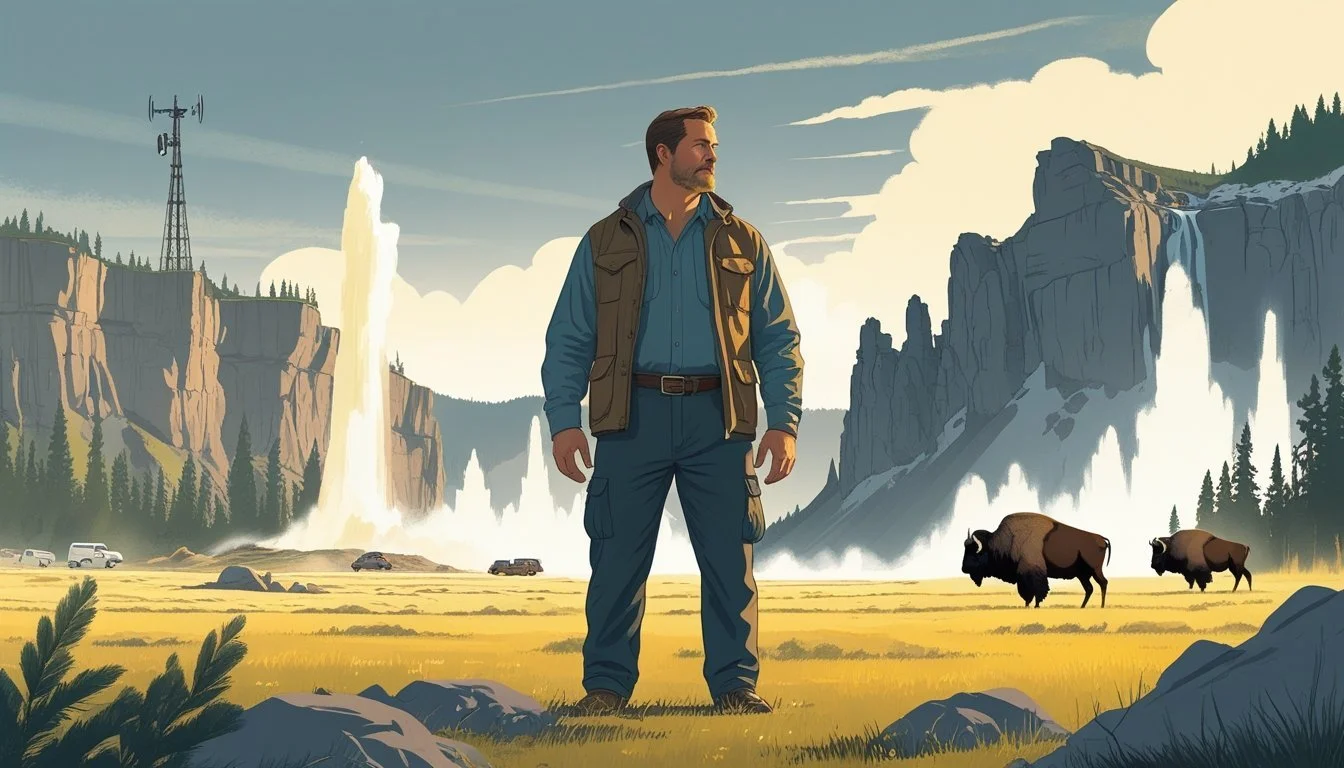
The Dutton family faces ongoing challenges from outside forces aiming to reshape Montana’s landscape. Their struggle is defined by a continuous battle to protect their legacy amid shifting economic and political realities.
Corporate and Political Interests
Corporate interests, such as Market Equities, seek to acquire and develop the Yellowstone ranch for profit. These companies try to use their wealth and influence to change the land for large-scale projects, often at the expense of tradition and local values.
Political maneuvering is a constant. The Duttons, especially John Dutton, must balance protecting their ranch with navigating the evolving political landscape. Political aspirations influence decisions, sometimes leading him to run for office or broker deals to keep the ranch intact.
The intersection of power and greed is clear. Lobbyists, local officials, and rival ranchers complicate the Duttons’ efforts, forcing them to make difficult choices about alliances and strategy. The family’s position as landowners places them at the center of debates about the future of Montana’s land.
Development and Land Rights
The pressure to modernize comes not just from corporations but from increasing population growth and development proposals. New subdivisions, resorts, and commercial interests threaten the open spaces that define the Yellowstone.
Land rights are a major battleground. The Duttons staunchly defend their claims, relying on generations-old deeds and legal strategies. Disputes often end up in court or escalate into violent confrontations.
Development is portrayed as both a source of potential wealth and an existential threat. The Duttons’ resistance underscores deeper conflicts between economic opportunity and the desire to preserve the land’s heritage, highlighting how modernization often clashes with longstanding family values.
Intersecting Legacies: Cultural Heritage and Indigenous Rights
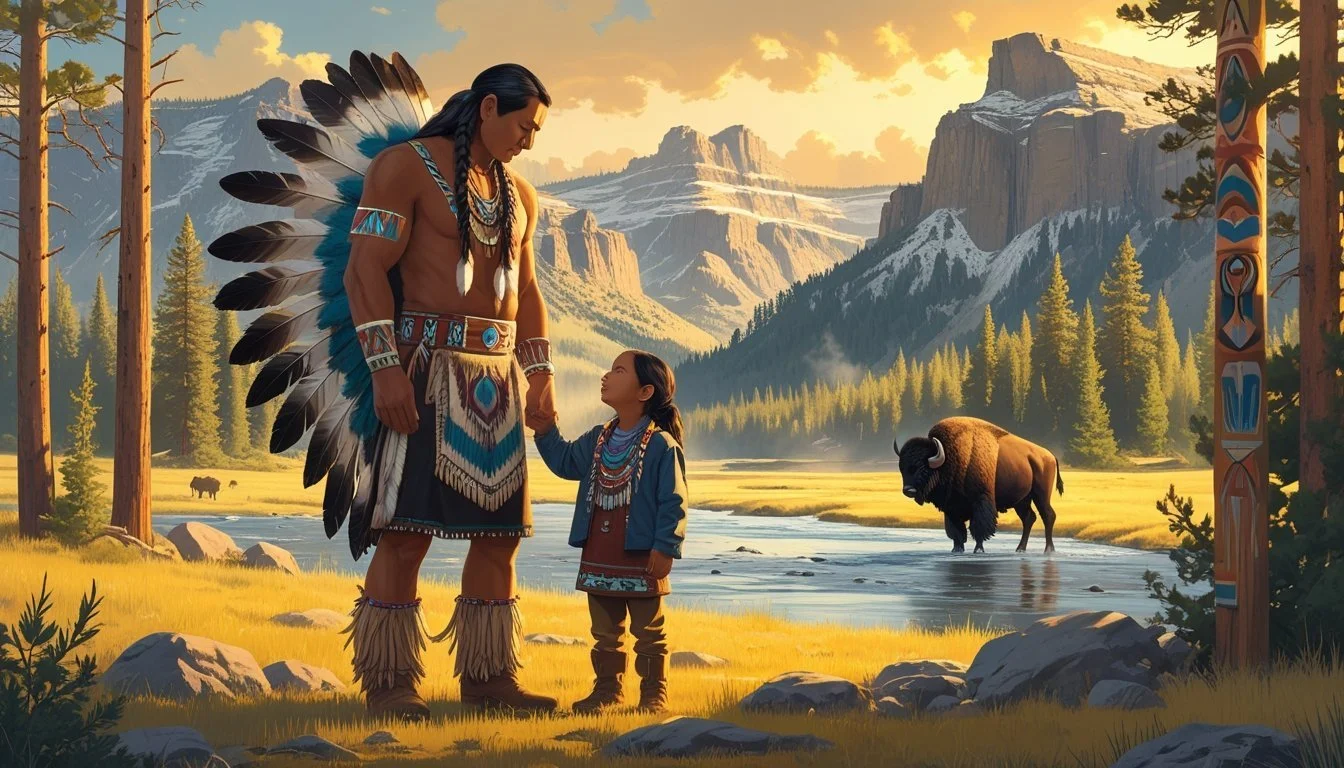
Fatherhood in Yellowstone sits at the crossroads of power, family, and the ongoing struggles of Native American tribes for self-determination and cultural conservation. These narratives explore sovereignty, representation, and the impact of historical policies on identity and land.
Native American Tribes and Broken Rock Reservation
Native American tribes depicted in Yellowstone, especially those tied to the fictional Broken Rock Reservation, face complex challenges tied to land rights and governance. Thomas Rainwater, the tribal chairman, is a central figure advocating for indigenous sovereignty and economic independence.
His character highlights the ongoing efforts of tribes to reclaim agency over ancestral land and natural resources. The reservation’s government structure mirrors real-world efforts by Native communities to assert political authority and reshape relationships with federal and state governments.
Rainwater’s leadership represents not only a struggle for physical space but also a fight for representation within a largely non-indigenous world. Issues of jurisdiction, treaty obligations, and economic development shape the daily reality of the reservation, reflecting contemporary indigenous struggles beyond the show’s narrative.
Cultural Preservation and Historical Injustices
Cultural heritage preservation is a critical concern for the tribes shown in Yellowstone. The reservation’s efforts to preserve language, traditions, and spiritual sites address losses stemming from forced assimilation policies and broken treaties.
Historical injustices—including displacement from traditional lands and erasure of cultural identity—continue to influence relationships between indigenous people and state authorities. These injustices are referenced through the personal histories of characters and their community.
Efforts at cultural preservation in the series serve as direct responses to centuries of marginalization. This manifests in storylines about protecting sacred sites and maintaining traditional practices, illustrating the broader significance of cultural identity for indigenous rights today.
Identity, Redemption, and Vulnerability
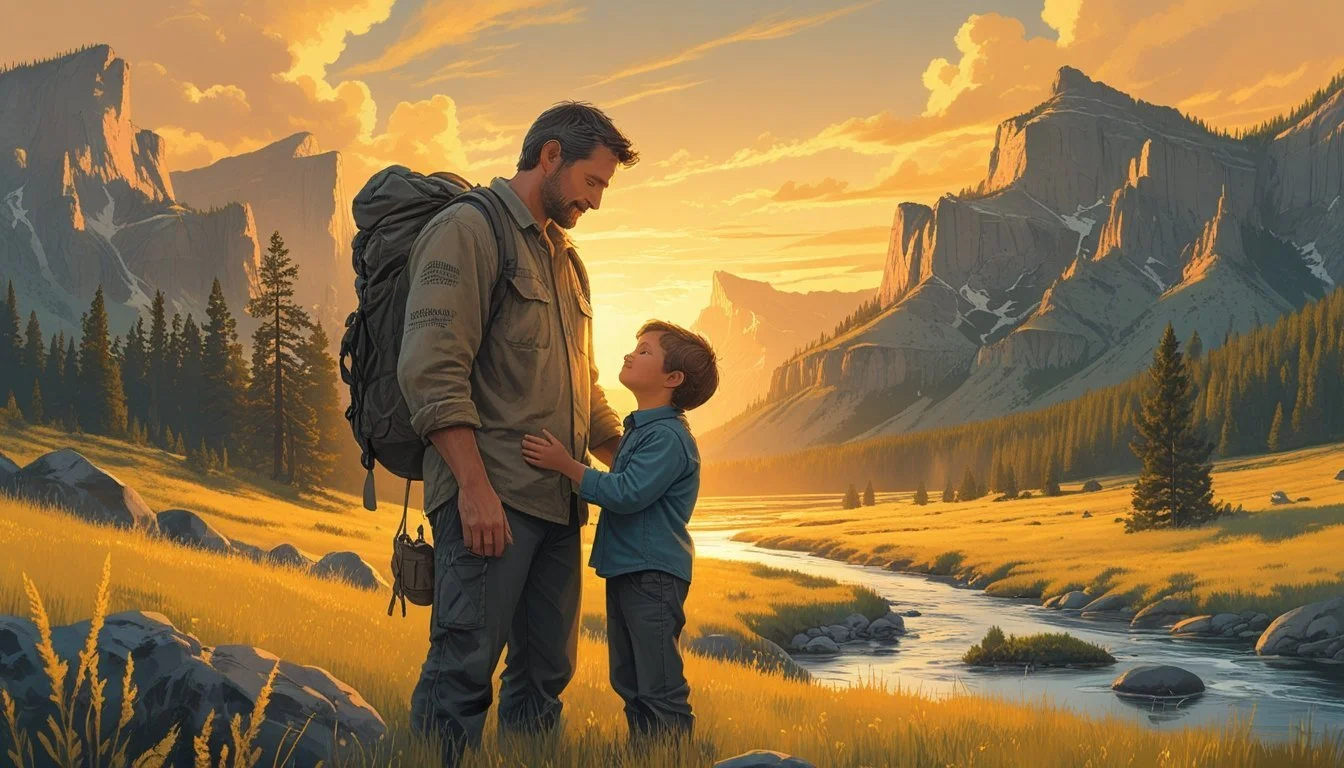
Fatherhood in Yellowstone plays a significant role in shaping the characters’ sense of self. The challenge of reconciling past trauma with the demands of family leads to moments of both vulnerability and redemption.
Trauma and Healing
Many of the Dutton men, including John and Kayce, carry the scars of earlier conflicts and loss. John’s identity as both a rancher and father is shaped by past decisions and the constant threat to his family’s legacy. Kayce, with his military background, struggles with trauma from his service and the expectations of his father.
These wounds force both men into situations where they must confront their vulnerabilities. Instead of suppressing emotion, scenes often show open displays of grief, fear, or regret. The series highlights how healing sometimes requires stepping beyond the traditional image of stoic masculinity.
Family interactions provide opportunities for vulnerable conversations, especially between fathers and sons. Emotional growth and self-awareness are presented as necessary steps toward becoming a stronger, more present parent.
Redemption and Recognition
Redemption surfaces as characters seek to make peace with their past actions. John Dutton, dealing with guilt and responsibility, searches for redemption through the care and protection of his children. His willingness to admit mistakes indicates a desire for recognition—not just from his family, but from himself.
Kayce’s journey involves reconciling his identity as a soldier with his role as a father. Redemption, in this context, is not achieved through grand gestures but in everyday choices—showing up for his son, admitting fears, or breaking cycles of violence. The series explores how recognition of one’s flaws and ongoing efforts to repair relationships are central to the process of redemption.
Iconic Characters and Their Influence
The Dutton family’s story is shaped not just by John Dutton, but by those closest to him. Power, loyalty, and ambition define Rip Wheeler, Beth Dutton, and Jamie Dutton as they navigate the challenges of ranch life and personal legacy.
Rip Wheeler’s Role
Rip Wheeler, played by Cole Hauser, is John Dutton’s most trusted ranch hand and enforcer. Raised without a family, Rip finds belonging and purpose through his loyalty to John, who offers him both mentorship and protection.
Rip’s dedication is absolute: he is willing to do anything to protect the Dutton legacy. This loyalty isn’t just professional but deeply personal. Although he rarely speaks of his past, Rip’s actions frequently reveal an unwavering sense of duty.
Rip’s presence at the Yellowstone Ranch underscores the power of found family. His relationship with John, more paternal than formal, highlights how fatherhood transcends biology. In moments of crisis, Rip acts instinctively to support and defend the Duttons.
Key Influences of Rip Wheeler:
Embodies loyalty and protection
Bridges the gap between blood ties and chosen family
Reinforces the importance of mentorship in the ranch hierarchy
Beth Dutton and Loyalty
Beth Dutton, portrayed by Kelly Reilly, is John’s only daughter and his most ferocious defender. Her loyalty to her father borders on absolute and defines many of her actions throughout the series.
Beth’s upbringing, marked by childhood trauma, deepens her connection to John. She views loyalty as a two-way street—demanding it fiercely and offering it in return. Her bold, sometimes ruthless approach to protecting her family often puts her at odds with both allies and enemies.
She serves as the emotional anchor of the Dutton family, especially regarding business and legacy. Beth’s unwavering support for her father, even at personal cost, illustrates how loyalty within this family comes with significant emotional weight.
Beth’s Loyalty:
Rooted in childhood experiences
Drives her business and personal decisions
Symbolizes the emotional burdens that come with protecting family legacy
Jamie Dutton’s Ambitions
Jamie Dutton, the adopted son, is characterized by his personal ambition and ongoing struggle for approval. Intelligent and driven, Jamie often finds himself at odds with his siblings as he seeks a place within the Dutton legacy.
His ambitious nature fuels his choices and sometimes leads him to act against family interests. Jamie’s complicated relationship with John centers on a need for validation—a dynamic that influences much of his behavior on and off the ranch.
Despite his talents, Jamie’s identity is shaped by both his ambitions and his feelings of exclusion. The gap between his personal goals and the expectations imposed on him creates ongoing conflict and contributes to his isolation within the family.
Jamie’s Ambition:
Motivated by desire for acceptance
Triggers clashes over loyalty and authority
Highlights the tension between personal goals and family demands
Symbolism and the American West
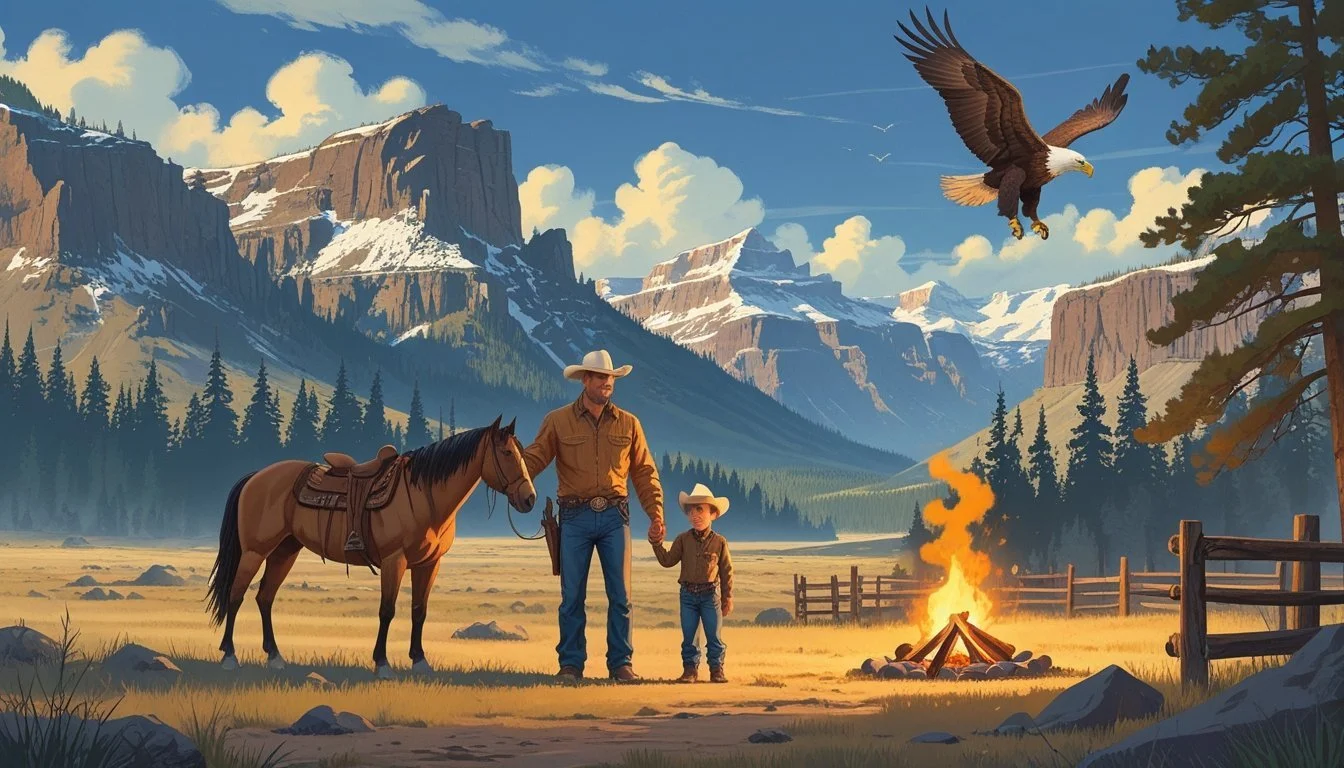
The series uses visual symbols and motifs to underscore themes of family power and legacy, connecting the Dutton family’s struggles to broader narratives of the American West. Key elements like ranching traditions and natural landscapes reinforce ideas of heritage, resilience, and the constant tension between people and nature.
Ranching Culture and Cowboy Hat
Ranching culture in Yellowstone is deeply rooted in the show’s depiction of tradition, family, and authority. Ranch life is marked by hierarchy, loyalty, and responsibility—values often embodied through daily work, rituals, and dress.
The cowboy hat serves as a practical tool and a symbol of identity. Characters like John Dutton wear it as a badge of authority and lineage. Its presence connects generations, linking modern cowboys to the pioneering spirit of the past.
The hat also marks social status and profession, differentiating ranchers from outsiders. It signals connection to the land and an acceptance of the hardships it brings. Among Dutton family members and ranch hands, the cowboy hat is a mark of belonging, respect, and adherence to unwritten codes.
Power is expressed through both subtle gestures and visible symbols such as branding or hats. These rituals are not just for tradition—they communicate loyalty and establish rank within the ranch community.
Landscapes and Wildlife
The landscapes of Montana and the wildlife, including wolves, play an essential role in the Yellowstone narrative. Sweeping shots of fields, rivers, and mountains set the tone for the series and reinforce the scale of the Duttons’ responsibility as stewards of the land.
Yellowstone National Park and its surrounding wilderness symbolize the enduring power and unpredictable danger of the American West. The land is a living entity, shaping the destinies of those who fight to control it. Wildlife, especially wolves, represent natural forces and the tension between civilization and nature.
Interactions with wildlife often parallel family and territorial conflicts. For instance, wolves can be seen as competitors or threats, echoing rivalries in ranching life. The landscape is not just a backdrop but an active participant, highlighting themes of survival, legacy, and the fragile balance between humans and nature.
Conclusion: The Enduring Power of Fatherhood in Yellowstone

Fatherhood in Yellowstone stands as a cornerstone of the Dutton family’s identity. John Dutton's example of leadership and protection underscores the weight of generational power and responsibility.
Throughout season 5, the influence of paternal guidance shapes family decisions, for better or worse. Taylor Sheridan emphasizes both self-reliance and deep family bonds through these relationships.
Yellowstone explores modern Western life by blending values of rugged individualism with the realities of maintaining legacy. Fathers and sons clash, but loyalty persists.
Family, power, and land are closely intertwined. John Dutton’s approach to fatherhood reflects not only personal strength but a sense of duty to something larger than himself.
The show leaves a lasting impression about how fatherhood can impact individuals and families. The challenges faced on the ranch—with its struggles, loyalty, and sacrifices—highlight the enduring role of fathers in shaping character and future.
