
The Real Montana vs. Yellowstone’s Montana
Exploring Authenticity and Myth
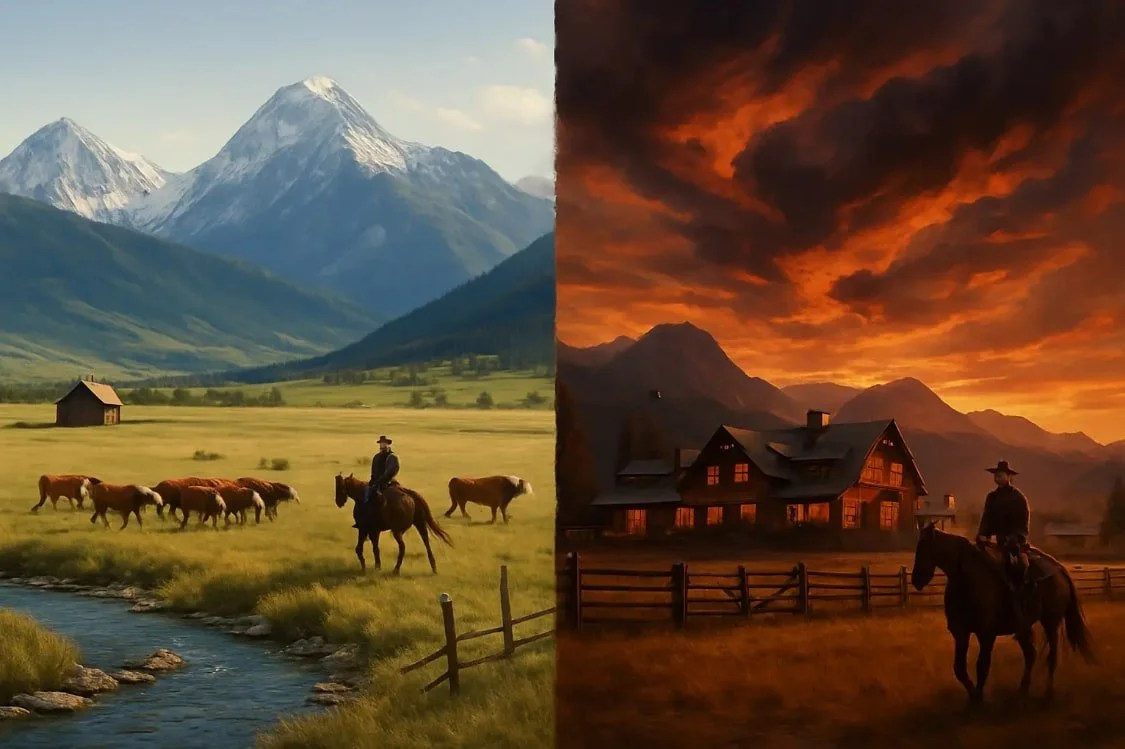
Yellowstone’s TV version of Montana offers sweeping mountains, raw drama, and an idealized view of ranch life, but the real Montana is more nuanced, shaped by quiet small towns, old traditions, and ongoing change. For many viewers, “Yellowstone” is a window into big landscapes and high-stakes conflict—yet the actual state balances rapid growth, diverse communities, and economic shifts.
While the Yellowstone filming locations showcase Montana’s striking vistas, the real-life state stretches far beyond what fans see on screen. Some regions are booming, others remain isolated, and real ranchers face different challenges than those dramatized on television.
Viewers drawn to the show’s portrayal often wonder just how much of “Yellowstone” reflects genuine Montana living. Behind the allure of televised drama lies a story of a real state with its own identity and complexities.
The Montana of Yellowstone: Hollywood vs. Reality
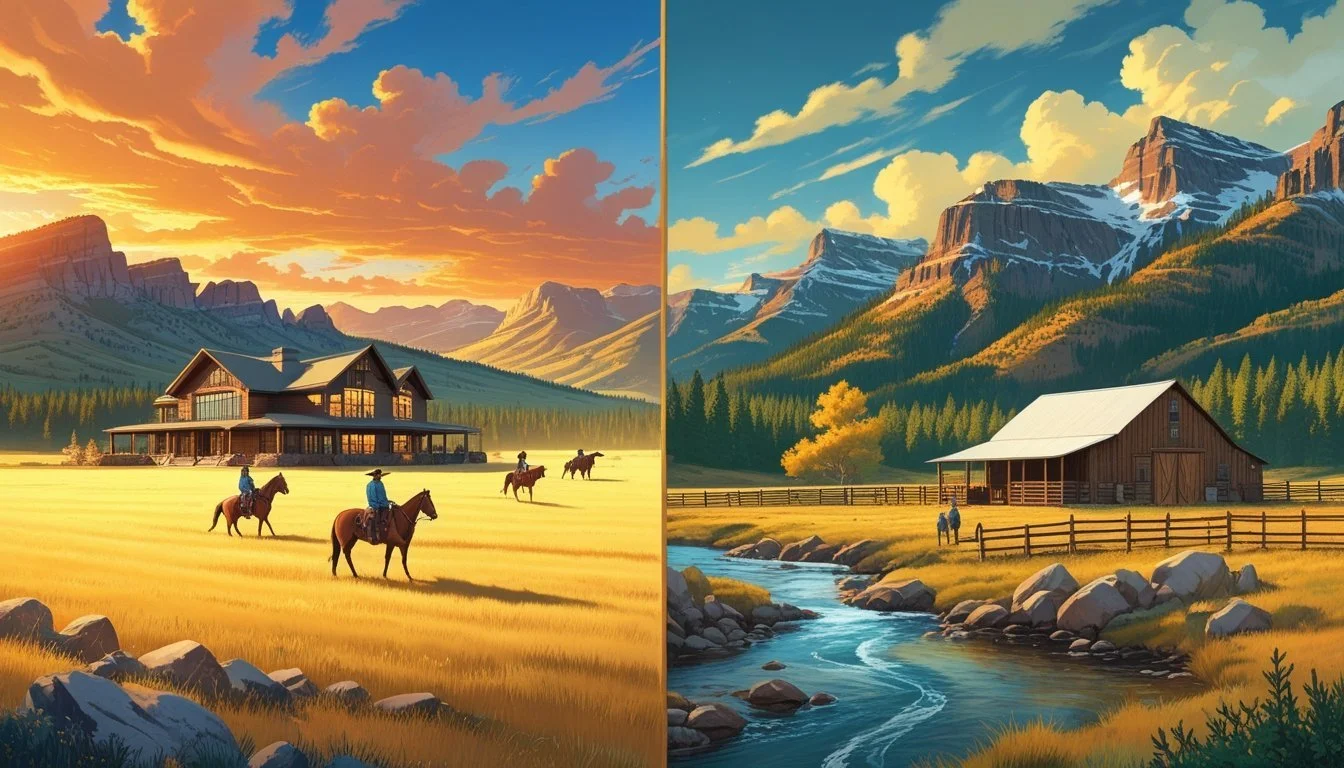
Yellowstone’s depiction of Montana combines real landscapes with scripted drama, leading many viewers to form strong opinions about life in Big Sky Country. While the show features striking locations and familiar cowboy imagery, it does not always align with daily realities for most Montanans.
How TV Series Shape Perceptions
Paramount Network’s Yellowstone, created by Taylor Sheridan and starring Kevin Costner as John Dutton, has become one of the most-watched TV series set in the American West. The show's widespread popularity has influenced the way audiences picture Montana, from ranch life to social conflicts.
Key characters like Beth Dutton and Rip Wheeler, along with the Dutton family’s struggles, are central to this portrayal. Viewers see large-scale feuds over land, boundary disputes, and a romanticized cowboy culture. These elements create a lasting impression—even when they heighten drama for entertainment over accuracy.
Locals and real ranchers have pointed out that while the series touches on actual issues such as land use and economic stress, the intensity and frequency depicted are exaggerated. The show’s focus on violence, high stakes power struggles, and the mythic image of ranchers does not always match what ranching families experience day to day.
Filming Locations vs. the Real Montana
Many scenes are filmed at the Chief Joseph Ranch near Darby, Montana, which serves as the Dutton Ranch in the series. This real ranch, open for public tours, adds authenticity to the show’s backdrop. However, Yellowstone also uses other locations in Utah and across the West to supplement the Montana setting.
Filming at Chief Joseph Ranch captures open fields, forests, and mountain scenery typical of western Montana. Yet, some landscapes are carefully chosen for cinematic effect and may not reflect the full variety of Montana’s terrain.
The series’ use of the fictional Broken Rock Reservation and composite town locations can blend reality with artistic license. This strategy creates a visually appealing setting but may simplify or overlook the diversity and real-life complexity of Montana communities.
Differences Between Fictional and Authentic Ranches
The Dutton Ranch in Yellowstone represents a massive, multi-generational cattle operation under constant threat from developers, politicians, and rival landowners. In contrast, most actual Montana ranches are family-run businesses with daily routines centered on animal care, maintenance, and financial stewardship.
Authentic Montana ranches may face challenges such as low beef prices, drought, and evolving land use. However, the scale and level of drama shown on TV—frequent gunfights, corrupt adversaries, and sweeping family feuds—are not typical. Most ranchers settle disputes through legal channels and community cooperation, not through the violence or extreme methods depicted in the series.
Key contrasts:
Aspect Yellowstone's Dutton Ranch Typical Montana Ranch Size Exceptionally large Small to medium Drama level High, frequent crises Moderate, routine Conflict resolution Violent, personal Legal, community Economic focus Preservation at all cost Survival, adaptation
Authentic Montana Ranching Culture
Montana’s ranching culture is shaped by hard work, tradition, and strong community values. Daily life on a ranch involves more than cattle drives and broad landscapes—it's about responsibility, heritage, and a shared identity that binds people together.
The Role of Ranchers in Montana Communities
Ranchers in Montana often serve as key pillars in rural areas. They provide local beef, maintain open lands, and contribute to the economy through both production and employment.
Many community events—such as county fairs, rodeos, and cattle auctions—rely heavily on rancher participation. These gatherings help sustain local traditions and strengthen bonds among families.
Ranchers frequently support neighbors during weather emergencies or when extra labor is needed during calving and branding. This sense of camaraderie is central; generations often work the same land, deepening their commitment to local stewardship.
Cowboy Culture and Traditions
The cowboy lifestyle in Montana goes beyond riding horses or herding cattle—it's a set of values and customs rooted in the West. Traditional western wear, including cowboy hats, boots, denim, and bandanas, remains practical attire for work and also serves as a symbol of identity.
Branding season, cattle drives, and working on horseback are not just practical tasks but also social events that reinforce connections within the ranching community.
Rodeos and gatherings, like barn dances or winter socials, celebrate these traditions and highlight the skills unique to ranch life. Older cowboys often mentor younger hands, ensuring that knowledge about horsemanship and land stewardship passes down through generations.
Daily Realities of Ranch Hands
The daily routine for ranch hands in Montana is defined by early mornings, physically demanding tasks, and close teamwork. Chores range from feeding and checking cattle to repairing fences and maintaining equipment. Work often depends on the season, with peak periods during calving, branding, and haying.
Long hours outdoors in all weather conditions are typical. Unlike the dramatized versions on television, much of a ranch hand’s job involves quiet, repetitive responsibilities. Teamwork is essential, and clear communication, trust, and camaraderie help the crew manage unpredictable livestock or changing weather conditions.
Despite the challenges, many ranch hands find satisfaction in tangible results such as healthy calves or well-managed pastures.
Montana’s Ranching Heritage
Montana’s ranching heritage stretches back to the late 19th century, shaped by families who settled in the region for its open land and grazing opportunities. Cattle ranching quickly became a cornerstone of the local economy and influenced the state’s culture.
Historic ranches have survived for generations, adapting new technology while maintaining time-honored practices. The influence of Native American grazing methods, European settlers, and evolving markets are all reflected in modern ranching.
Ranching culture today balances preservation of the land with the realities of changing climates, new markets, and evolving equipment. Montana ranchers take pride in this legacy, using experience passed down through families to guide both daily operations and long-term decisions.
The Dutton Ranch vs. Real Montana Operations
While the Yellowstone Dutton Ranch is inspired by authentic Montana ranch settings, television dramatizes daily life and decisions. Actual ranch operations focus on practical challenges, long-term sustainability, and community rather than constant conflict and spectacle.
Ranch Life and Family Dynamics
The Dutton Ranch on Yellowstone depicts high-stakes drama, with frequent conflict both within the family and against outsiders. Relationships are often strained, and decision-making can be abrupt or controversial.
By contrast, real Montana ranch families rely on strong communication, problem-solving, and shared labor. Decisions are typically made with careful discussion and planning, often involving multiple generations. Family roles are established but flexible, adjusting to the needs of both the operation and members.
Work days in Montana begin early and revolve around both livestock and land stewardship. Rather than feuds or shootouts, daily life includes maintenance, feeding, checking fences, and paperwork. The unity and endurance of the family are more critical than any single dispute.
Farming and Supporting Roles
Television focuses on cattle, but most Montana ranches also include farming, such as raising hay, grains, and other crops. Livelihoods depend not only on beef but also on supporting roles like equipment repair, accounting, and supply management.
A single ranch may require veterinarians, mechanics, seasonal workers, and agricultural consultants. The Duttons appear to rely heavily on a tight-knit core crew; real operations typically involve a combination of family members, hired hands, and local professionals.
Large ranches may employ dozens in peak season, coordinating logistics, irrigation, and animal transport. Off-ranch jobs or side businesses are also common to supplement income.
Branding and Animal Health
Branding in Yellowstone is depicted as part ritual, part symbol of loyalty. The show dramatizes this process, using branding as both a literal and figurative mark of belonging or punishment.
On actual Montana ranches, branding is a necessary animal husbandry practice. It is performed for legal identification in open range states, typically during spring. The process is regulated by law and conducted for the health and traceability of livestock.
Animal health involves vaccination schedules, parasite control, and regular veterinary visits. Most real ranches use a blend of traditional and modern animal care practices rather than relying on dramatic interventions or mythic traditions.
Practice Yellowstone Dutton Ranch Real Montana Ranch Branding Symbolic, ritual Legal, practical Vet care Occasional drama Routine, planned
Legacy and Generational Ranching
The show spotlights the struggle to preserve the Dutton legacy from outside threats. Generational ranching centers on heritage but is often depicted as embattled or under siege.
In reality, maintaining a family ranch in Montana depends on adaptation and financial management. Economic pressures—such as market prices, land values, and inheritance taxes—play a more significant role than feuds or hostile takeovers.
Passing a ranch down involves early planning, clear succession strategies, and often legal or financial restructuring. Generational disputes do occur, but most families work collaboratively to safeguard both land and legacy for future generations. The goal is stability, not just survival.
Montana’s Land: Ownership, Conflicts, and Identity
Montana’s land is at the center of major economic, environmental, and cultural forces. Struggles over ownership, development, and resource management shape both the state’s present-day realities and its ongoing identity.
Land Ownership and Real Estate Trends
Montana’s land is a mix of family-owned ranches, corporate holdings, federal and state lands, and increasing out-of-state ownership. Large ranches, some held by the same families for generations, remain significant, though there is a notable trend toward parceling and selling land for residential and recreational use.
Recently, demand for rural real estate has grown, driven by buyers seeking open space or second homes. This shift is particularly visible in counties near mountain ranges and river valleys. Rising land values have made it difficult for local ranchers to expand or maintain operations, and property taxes present added financial pressure.
Table: Types of Montana Land Ownership
Owner Type Percentage (estimate) Private 65% Government 29% Tribal 6%
The evolving real estate market continues to impact community stability and perceptions of Montana’s rural heritage.
Land Disputes and Development Pressure
Disputes over land in Montana often arise between ranchers, developers, conservationists, and tribal nations. Urban sprawl, vacation home building, and commercial development threaten large tracts previously dedicated to agriculture or open space.
Economic incentives push some landowners to sell or develop portions of their property. Conflicts intensify around prized locations with river access or proximity to recreational areas. Developers and newcomers may clash with longtime residents over zoning, access, and traditional usage rights.
Montana’s legal framework has struggled to keep pace with changing land values and development models, sometimes leading to protracted court cases and community divisions.
Conservation Easements and Sustainable Practices
Conservation easements play a growing role in Montana’s approach to preventing unchecked suburbanization and protecting working lands. Landowners voluntarily place limitations on the future development of their property, often in partnership with land trusts or government programs.
These easements allow for continued ranching or farming while ensuring that habitats, water resources, and open space remain intact. They also provide tax benefits or financial compensation to participants.
Some ranchers incorporate sustainable management practices like rotational grazing, native grass restoration, and water conservation. This supports both agricultural productivity and long-term land health. Still, some owners worry about the restrictions conservation easements place on their descendants.
Climate Change and Land Values
Montana’s land values are increasingly influenced by climate change. Droughts, extreme weather, and changing growing seasons impact crop yields, water availability, and the risk of wildfire.
Ranchers and farmers must invest in adaptive strategies—such as drought-resilient crops or new irrigation systems—to safeguard their livelihoods. Increased fire risk affects insurance costs and can reduce the value of forested or remote properties.
Across the state, the interplay of environmental conditions and market forces leads to uncertainty in land pricing. The challenges posed by climate change intensify longstanding debates about resource management and ownership security in Montana.
Wildlife, Ecosystems, and Conservation in Montana
Montana’s natural landscapes are home to a diverse array of wildlife species and ecosystems. Modern conservation in the state balances the needs of animals such as bison, grizzly bears, and wolves with those of people living and working in rural communities.
Montana Landscapes and Ecosystems
Montana features 62 distinct ecosystems, ranging from alpine tundra to prairie grasslands. These ecosystems support different communities of plants and animals, shaping both the state’s scenery and its ecological complexity.
National parks like Yellowstone protect large tracts of land that host key species and provide migration corridors. Public lands are mixed with private ranches, forests, and rivers, making habitat management a collaborative effort.
Major river systems, such as the Yellowstone and Missouri, anchor rich riparian zones. Forested mountains, sagebrush steppe, and wetlands add to the variety, supporting species that depend on specific environments throughout the year.
Human-Wildlife Conflicts
Encounters between people and wildlife are a regular part of life, especially near protected areas and working ranches. Grizzly bears, for instance, sometimes prey on livestock or raid food sources, creating ongoing tensions for ranchers.
Wolves are occasionally held responsible for depredations on cattle and sheep. Fencing, guard animals, and compensation programs help reduce losses, but frustration persists in some rural communities.
Vehicle collisions with elk, deer, or bison can cause property damage and injury. Managing such conflicts relies on careful land use planning and communication between residents, agencies, and conservation groups.
Bison, Grizzly Bears, Wolves, and Conservation Efforts
Bison have been restored to small herds in Yellowstone and other preserves after near-extinction in the 19th century. Conservationists manage the herds to prevent disease transmission and overgrazing outside park boundaries.
Grizzly bear populations are growing, especially in areas like the Northern Continental Divide and Greater Yellowstone. Surveys estimate about 1,100 grizzlies in the Northern Divide and 1,000 in the Yellowstone region. Conservation includes monitoring, relocation, and targeted education for visitors and locals.
Wolves were reintroduced to Yellowstone in the 1990s. Their presence has had complex effects on the park's ecosystem, influencing prey species and plant communities. Wolf management outside the park is an ongoing challenge involving regulated hunting, monitoring, and conflict mitigation.
Wildlife conservation in Montana is led by Montana Fish, Wildlife & Parks and supported by federal, tribal, and nonprofit partners. Focus areas include species recovery, habitat protection, and balancing ecosystem health with human land use.
Impacts on Rural Communities
The presence of wildlife and large conservation projects has direct effects on rural life. Losses to livestock and crop damage can impact the livelihoods of ranchers and farmers.
Communities near Yellowstone and protected lands often debate issues like reintroduction of predators, bison range expansion, and land access restrictions. Economic benefits from tourism and hunting are balanced against the costs of adapting to conservation regulations.
Public meetings, compensation programs, and conservation partnerships aim to ensure the voices of landowners are heard. Many rural residents participate in conservation programs, but priorities can differ sharply between urban and rural perspectives.
Wildlife Species Conservation Status Key Conflicts Economic Impacts Bison Restored, managed Disease, grazing Tourism, grazing issues Grizzly Bear Recovering Livestock, safety Tourism, insurance Wolves Recovering Livestock, hunting Trophy hunting, tourism
Native American Tribes and Their Place in Montana
Montana’s history and present are deeply connected to its Native American tribes, including the Crow, Blackfeet, and Cheyenne. Land rights, legal disputes, and cultural achievements continue to shape these communities’ place in the state.
Tribal Sovereignty and Land Rights
Tribal sovereignty is the recognized right of Native American tribes in Montana to govern themselves and manage their affairs within reservations. Tribes like the Crow and Blackfeet maintain their own governments, schools, and courts.
Federal treaties and legislation define much of this sovereignty, though the degree of autonomy can be limited by state and federal oversight. The Crow Reservation, for example, is the largest in Montana and has its own elected leadership and judicial system.
Montana's reservations, including the fictional Broken Rock Reservation from “Yellowstone,” are real spaces for tribal self-determination. Disputes often arise over water rights, hunting, and resource management, where sovereignty powers are tested.
Historical and Modern Land Conflicts
Many Native tribes in Montana were forcibly moved, losing much of their traditional territories to settlers and government actions in the 19th and early 20th centuries. The Blackfeet, Crow, and Cheyenne experienced significant reductions of ancestral land.
Land conflicts are not just historic. Negotiations and legal battles over land and resource use continue. Issues like oil drilling, mining, and rights to Yellowstone area land sometimes place tribal governments in conflict with state authorities or private interests.
Some tribes have regained land through purchase or legal settlements, while others still struggle for recognition of historical claims. The complexity of overlapping claims can be seen around borders of places like Yellowstone National Park, where 27 tribes have identified historic connections.
Cultural Contributions and Challenges
Native American tribes contribute significantly to Montana’s culture through language, art, and community events such as powwows. The Crow, Cheyenne, and Blackfeet maintain traditions that are vital to their identity and Montana's heritage.
Montana recognizes around 78,000 residents of American Indian descent, about 6.5% of the state’s population. Despite this influence, tribes face persistent challenges, including systemic poverty, limited access to healthcare, and cultural erasure.
Efforts to revitalize indigenous languages and teach accurate tribal history in Montana schools continue. Contemporary Native communities blend modern practices with the preservation of traditional customs, adding depth to Montana’s social and cultural fabric.
Tourism and the Yellowstone Effect
The presence of Yellowstone National Park and the popularity of the TV series “Yellowstone” have both influenced the flow of visitors and economic activity in Montana. This effect can be seen in tourism growth rates, shifting real estate markets, and expanding development pressures in specific regions.
Yellowstone’s Impact on Tourism
Yellowstone National Park generates a significant economic boost for Montana, bringing in around $828 million in benefits and supporting more than 8,700 local jobs as of 2023.
Tourism tied to both the park and the TV series has led to increased visitation, especially during peak summer months. Hotels, outfitters, and restaurants in gateway communities such as Gardiner, West Yellowstone, and Livingston report higher demand and seasonal workforce needs.
The exposure from the show has also prompted more out-of-state and international travelers to plan trips to see Montana’s landscapes in person. This increased attention raises questions about sustainable visitor management and year-round economic stability for small towns.
Paradise Valley and Western Montana Destinations
Paradise Valley, featuring the Yellowstone River and flanked by mountains, has become a favored destination due to its frequent appearances as scenery in the TV series.
Bozeman, located to the north, sees notable spillover in tourism, with airport arrivals and local accommodations often at capacity. Real estate prices in this area have climbed as visitors look for vacation homes or investment properties.
Western Montana, including towns like Missoula and Whitefish, has experienced a similar surge, though with less direct TV series connection. Outdoor recreation and easy access to parks remain top draws for visitors. These areas face new infrastructure demands as both short-term tourists and long-term newcomers seek the Montana “experience.”
Balancing Development and Rural Lifestyles
With increased tourism and interest in Montana’s lifestyle, communities face mounting development pressure. Helena and Billings, though less directly impacted by Yellowstone-related tourism, still observe growth in housing and commercial projects.
Rural character and open spaces are highly valued by residents, but real estate markets show rising prices and more buyer competition, especially in scenic valleys and along river corridors.
Local governments wrestle with permitting, zoning, and land use to balance economic benefit against preserving community identity. Infrastructure upgrades—roads, water, and public services—must try to keep pace with the region’s rapid growth while minimizing disruptions for longtime residents.
Community Wellbeing and the Future of Montana
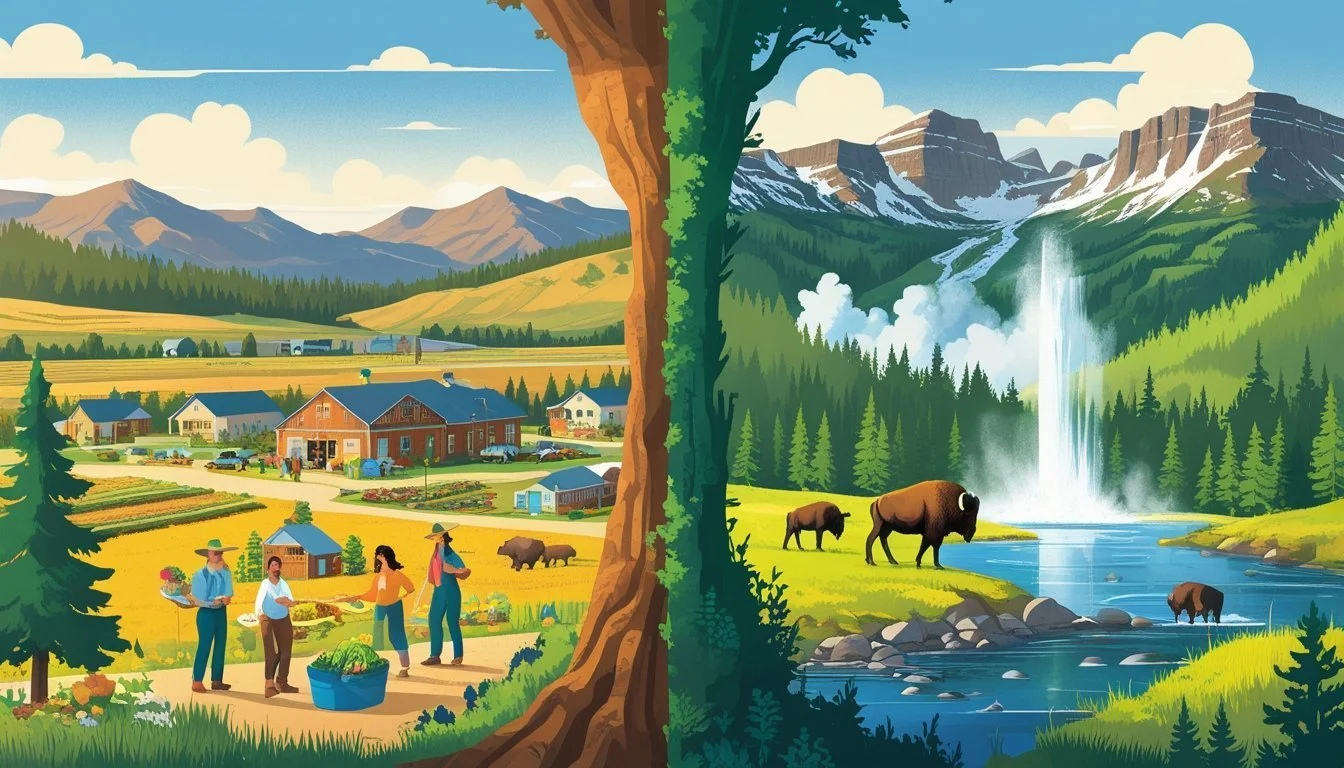
Montana faces ongoing changes in its rural communities, from shifts in the agricultural sector to new strategies for supporting mental health and economic resilience. Staying competitive and healthy requires adapting to modern realities while maintaining traditional values.
Mental Health in Rural Areas
Rural Montana communities often experience higher rates of mental health challenges, including depression and substance use disorders, compared to urban areas. Geographic isolation limits access to care, and residents may face long wait times or lengthy drives to the nearest mental health provider.
Stigma around mental health remains a major barrier. Rural cultures often value self-reliance, which can discourage individuals from seeking help. Local clinics, telehealth services, and outreach programs have increased in recent years to improve support.
State agencies and nonprofits are working to expand coverage, with the aim of making mental health care as accessible as other essential services. Addressing these gaps is crucial for community wellbeing and resilience.
Economic Opportunities and Challenges
Montana’s economy is deeply tied to agriculture, ranching, resource extraction, and tourism. Over time, the state has seen shifting job markets, fluctuating commodity prices, and a need to balance growth with conservation.
The Montana Department of Livestock plays a vital role in supporting ranchers, enforcing animal health standards, and protecting markets. Droughts, global trade changes, and rising land values present financial risks to family farms and ranches.
Efforts to diversify local economies are growing. Communities are investing in value-added agriculture, small businesses, and sustainable tourism. However, retaining young people and ensuring rural economic stability remain ongoing challenges.
Innovations in Sustainable Agriculture
New approaches in agriculture are helping Montana producers navigate environmental and market stressors. Many ranchers and farmers are adopting regenerative practices, like rotational grazing, cover cropping, and water conservation techniques.
Technology is shaping the industry, from GPS-guided tractors to remote livestock monitoring. University extension services and partnerships provide science-based guidance to help communities adapt.
These innovations support soil health, increase productivity, and help mitigate the impact of droughts and resource pressures. Farmers and ranchers who embrace sustainable methods often see benefits in both profitability and long-term land stewardship.
The Enduring Legacy of Montana’s Ranching Identity
Montana’s ranching identity is deeply tied to its landscape and history. Family legacy remains central, with many ranches passed down through generations. This tradition supports a sense of stability and shared purpose.
The ranching industry began in Montana as pioneers moved westward in the 1860s. Economic and technological changes have influenced ranching, but the core values of hard work and stewardship endure.
Key Elements of Montana’s Ranching Heritage:
Family-Owned Operations: Many ranches are still run by families, preserving skills and customs.
Connection to Land: The Montana landscape shapes ranching practices and community life.
Role in Western Culture: Ranching is woven into the state’s identity, reflecting broader themes from the American West.
Montana’s ranching industry continues to face modern challenges, but its heritage remains visible in daily routines, annual roundups, and community gatherings.
Western culture is celebrated not only in media like “Yellowstone” but in the lived experiences of Montana’s ranchers. The commitment to tradition and innovation supports the enduring legacy of ranching across the state.
