
John Dutton’s Moral Code: Flawed or Fascinating?
A Deep Dive into Yellowstone’s Complex Patriarch
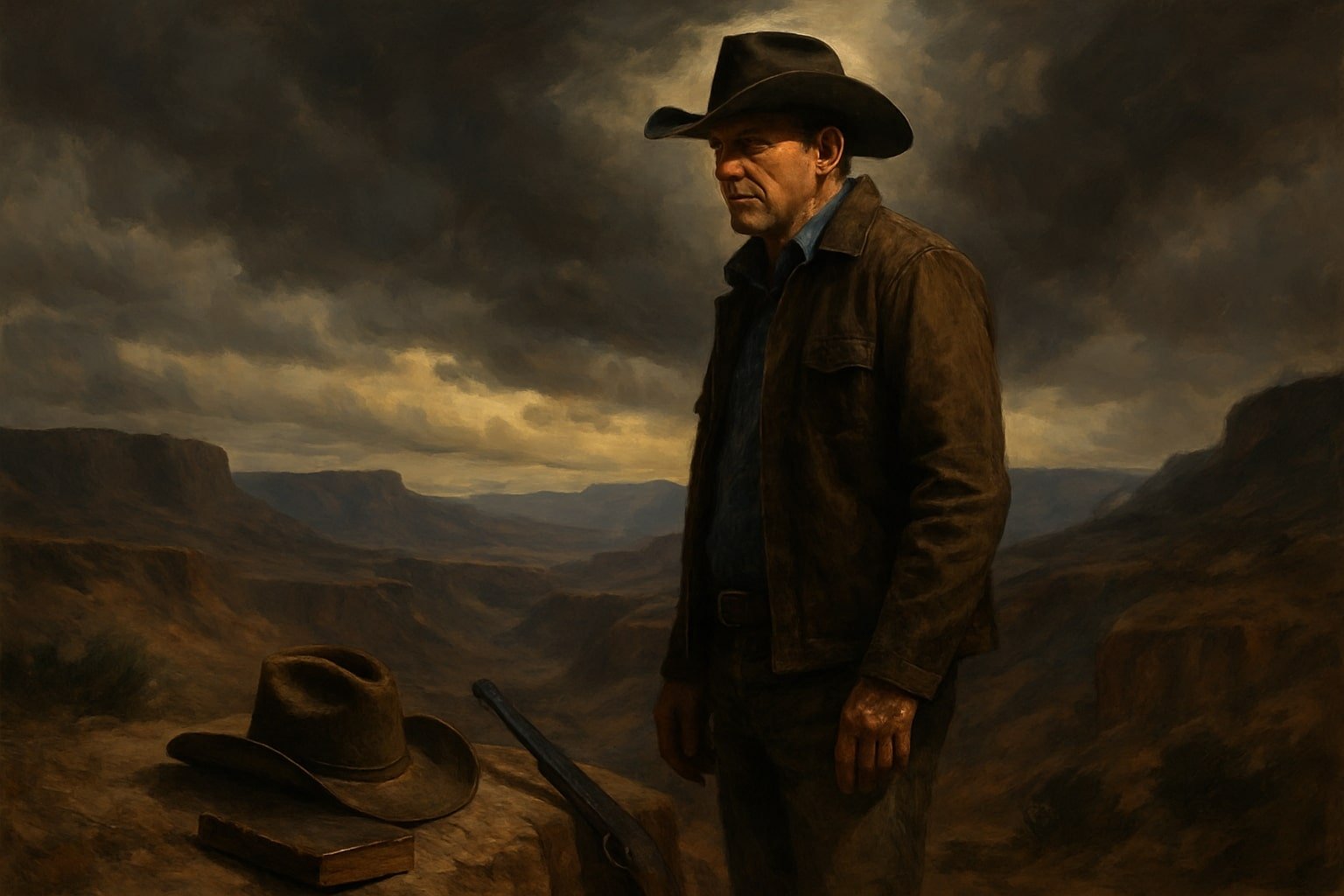
John Dutton’s moral code is both flawed and fascinating, marked by unwavering loyalty to his family and a willingness to make morally questionable choices to protect his land. He operates in a gray area, balancing personal convictions with practical decisions that often blur ethical lines. This complexity is what sets him apart from typical TV protagonists and gives Yellowstone its psychological depth.
Viewers are drawn to how Dutton upholds his legacy, even when it means making difficult or controversial decisions. His values—honesty, loyalty, and a sense of duty—are consistently tested, exposing the contradictions at the heart of his character.
Exploring John Dutton’s inner world reveals a man shaped by the weight of power, family ties, and the burden of legacy. His actions spark debate about the true nature of morality and leadership in a modern American West.
John Dutton’s Moral Compass in Yellowstone
John Dutton, played by Kevin Costner, navigates a complex world where loyalty, tradition, and personal survival often clash. His choices on Yellowstone Ranch reveal a nuanced set of ethics shaped by deep family roots, shifting external pressures, and his powerful position in Montana.
Defining John Dutton’s Moral Code
John Dutton’s moral code does not fit neatly into good or evil. He often justifies harsh actions by invoking duty to his land and family. Decisions that may seem ruthless, like covering up crimes or using violence, are viewed through his lens of protecting legacy and property.
Unlike traditional heroes, John’s sense of right and wrong adapts as threats to Yellowstone Ranch change. This adaptability has prompted debates among viewers about whether his actions show unwavering conviction or dangerous ends-justify-the-means thinking.
Dutton’s moral judgments are rarely sentimental. Instead, his approach favors pragmatism with occasional flashes of compassion, especially toward those he sees as family or loyal allies.
Core Values and Principles
Loyalty is at the heart of John Dutton’s worldview. Loyalty to family, particularly his children (Beth, Kayce, and Jamie), comes before his own well-being. He values honesty among his inner circle, expecting unwavering trust and support in return.
Key principles guiding John Dutton:
Principle Manifestation in Yellowstone Loyalty Defending family against all threats Survival Prioritizing the ranch’s interests Reputation Protecting the Dutton legacy at high personal cost Justice Handling wrongs internally, often outside the law
John’s connection to the land also informs his decisions. He sees himself as a steward, motivated by both personal gain and a belief in preserving Montana’s open spaces from outsiders and developers.
Influences Shaping His Morality
The pressures of the modern American West, shaped by changing property rights and violence, weigh heavily on John Dutton. Taylor Sheridan’s writing makes it clear that historical trauma and generational burdens play a large role in how the character acts.
Lessons from his ancestors, witnessed in prequels like 1923, teach John that moral compromise is often the price of keeping the ranch. Family tragedy, betrayal, and historical conflict with both authorities and rivals set the boundaries of his ethical world.
The American psyche, as represented in Yellowstone, frames John’s morality as both a personal code and a response to cultural expectations of rugged independence and protective leadership. This blend shapes a morality that is distinctive, flawed, and sometimes contradictory.
Family Loyalty and the Dutton Legacy
The Dutton family's legacy is deeply linked to their loyalty, sense of duty, and the distinct leadership of John Dutton as patriarch. Each of these threads shapes relationships, conflicts, and the ongoing fight for the Yellowstone ranch.
Loyalty to the Dutton Family
Family loyalty forms the backbone of the Duttons' identity. Members protect each other—often at significant personal risk and emotional cost. This loyalty does not mean blind obedience; it exists alongside constant tests of trust and shifting alliances among siblings and with John Dutton himself.
Whether it's Beth's unwavering defense of her father's decisions or Kayce’s conflict between his own family and his role among the Duttons, loyalty is rarely simple. Acts of loyalty frequently involve secrecy and sacrifice, highlighting the emotional cost involved.
Key Examples:
Covering up crimes or bending laws to shield family members
Keeping internal disputes hidden from outsiders
Prioritizing the Dutton name above individual needs
This fierce loyalty sometimes damages relationships, as secrets and sacrifices create tension or resentment within the family.
Duty to Legacy and Land
The Duttons' sense of duty goes beyond personal interest; it centers on the preservation of the Yellowstone ranch as an inheritance for future generations. John Dutton treats the ranch not just as property but as a symbol of family endurance and responsibility—a value he pushes onto his children.
Their approach to legacy means unrest and harsh decisions. Land disputes, negotiations, and confrontations frequently occur as the Duttons resist external threats—developers, rival ranchers, even government agencies. Protecting their legacy often justifies unethical actions in their eyes.
The ranch embodies the Dutton legacy, serving as both a literal and symbolic battleground where their values are demonstrated and tested every season.
Patriarchal Role and Family Dynamics
John Dutton’s role as patriarch sets the tone for the family’s relationships. His authority is rarely challenged outright, but his children struggle under the weight of his expectations. The family dynamic is both shaped and strained by this traditional leadership.
John’s methods—controlling, sometimes manipulative, and protective—require both loyalty and obedience. He rewards trust but is quick to punish betrayal or perceived weakness. This leadership style keeps the family united but perpetuates cycles of rivalry and secrecy among his children.
Notable Patterns:
Siblings compete for approval and power
Emotional restraint is valued over open communication
Marriages and alliances are often decided with the ranch’s future in mind
These elements reinforce John Dutton’s role not just as a father, but as the ultimate guardian of the Dutton family legacy.
The Code of Honor and Rugged Individualism
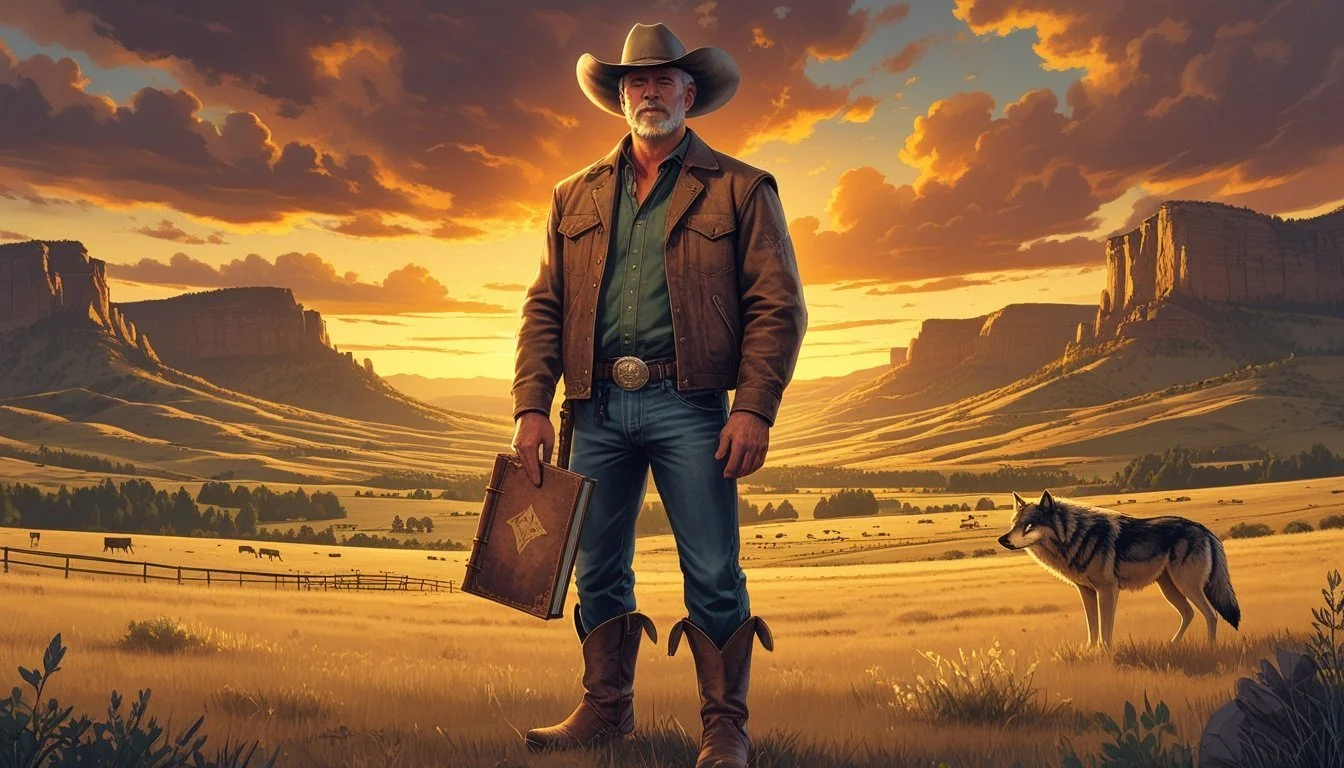
John Dutton’s approach to leadership is marked by a distinct blend of traditional Western values and personal resolve. His actions demonstrate the central role of both a strict honor code and an unyielding sense of self-reliance in guiding daily life and decision-making.
Cowboy Ethics and Work Ethic
At the core of John Dutton’s philosophy is a commitment to cowboy ethics, emphasizing honesty, responsibility, and resilience. This ethical framework is reinforced by an unwavering work ethic and a belief that hard work defines personal worth.
John expects both his family and ranch hands to give their best effort regardless of circumstance. Tough moments are met with determination rather than complaints, and tasks are tackled head-on, illustrating grit and resourcefulness. The daily life on the ranch involves early mornings, long hours, and little tolerance for shortcuts.
The ranch’s survival depends on this relentless attitude. Dutton’s example—working alongside his crew—reinforces the values of physical labor, reliability, and sticking to one's word. He sees every challenge as an opportunity to prove strength and earn respect.
Key Elements of Cowboy Ethics:
Hard work is non-negotiable
Admit mistakes, don’t make excuses
Face hardship without retreat
Honor and Integrity in Leadership
John Dutton’s leadership is driven by a strict code of honor that places loyalty and integrity above personal gain. His decisions often reflect a willingness to sacrifice ease or popularity for what he sees as morally right, even when this puts him at odds with others.
Family legacy and protection of the ranch are guiding principles that sometimes conflict with traditional notions of justice. John’s loyalty to his family and crew demands difficult choices—often requiring acts of enforcement, protection, or even violence to uphold this honor. Integrity, for him, involves keeping promises and defending the land at all costs.
His leadership creates unity but also tension, as unwavering commitment sometimes leads to ruthless actions. The interplay between honor, strength, and moral ambiguity defines Dutton’s place among Western archetypes and sets the tone for those who follow him.
Complexities and Contradictions in Morality
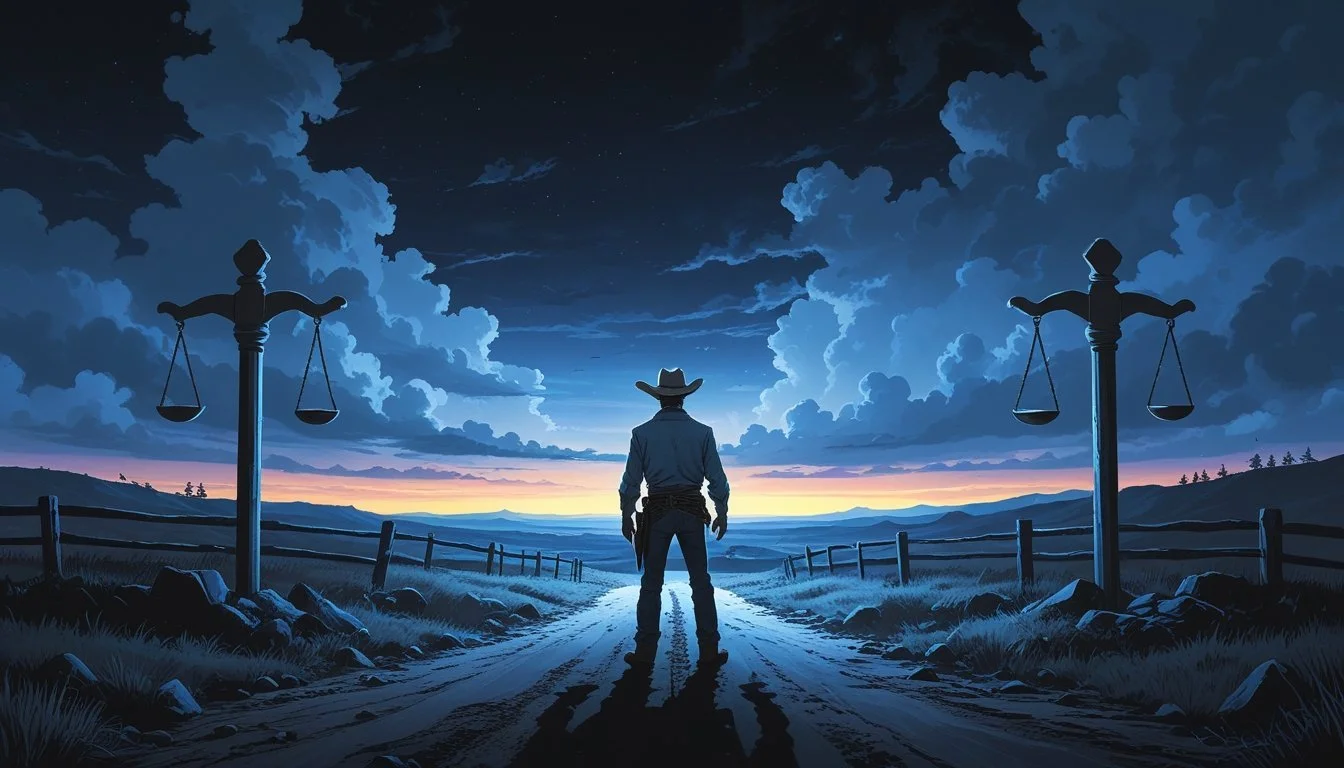
John Dutton’s ethics cannot be reduced to simple right or wrong. His actions reveal a pattern of conflicted motivations and decisions that directly impact trust and the pursuit of authority.
Betrayals and Broken Trust
John Dutton has repeatedly faced betrayals from those closest to him, including family members and trusted allies. Each act of broken trust forces him to reconsider his personal code and adapt his approach. The Dutton ranch, central to his identity, becomes a battleground where loyalty is constantly tested.
Consequences of betrayal:
Shattered relationships
Shifted alliances
Personal sacrifices
He often prioritizes the needs of the ranch above his personal affiliations. In some cases, this leads to calculated decisions that others perceive as ruthless. While he demands loyalty, he is also prepared to sever ties when that loyalty is undermined.
Moral Ambiguity in Power Struggles
Power dynamics in John Dutton’s world rarely allow for straightforward choices. As the head of the family and the ranch, he faces continuous external threats and internal dissent. This environment pushes him to make morally ambiguous decisions that serve to protect the land and his legacy.
Strategies used in power struggles include manipulation, forming uneasy alliances, and sometimes turning to violence. These choices often blur the line between right and wrong, especially when defending the ranch means undermining someone else’s trust. His actions expose inherent contradictions: he values justice but sometimes acts above the law.
These complexities underline why his moral code remains both compelling and divisive for those around him.
Survival, Identity, and Redemption
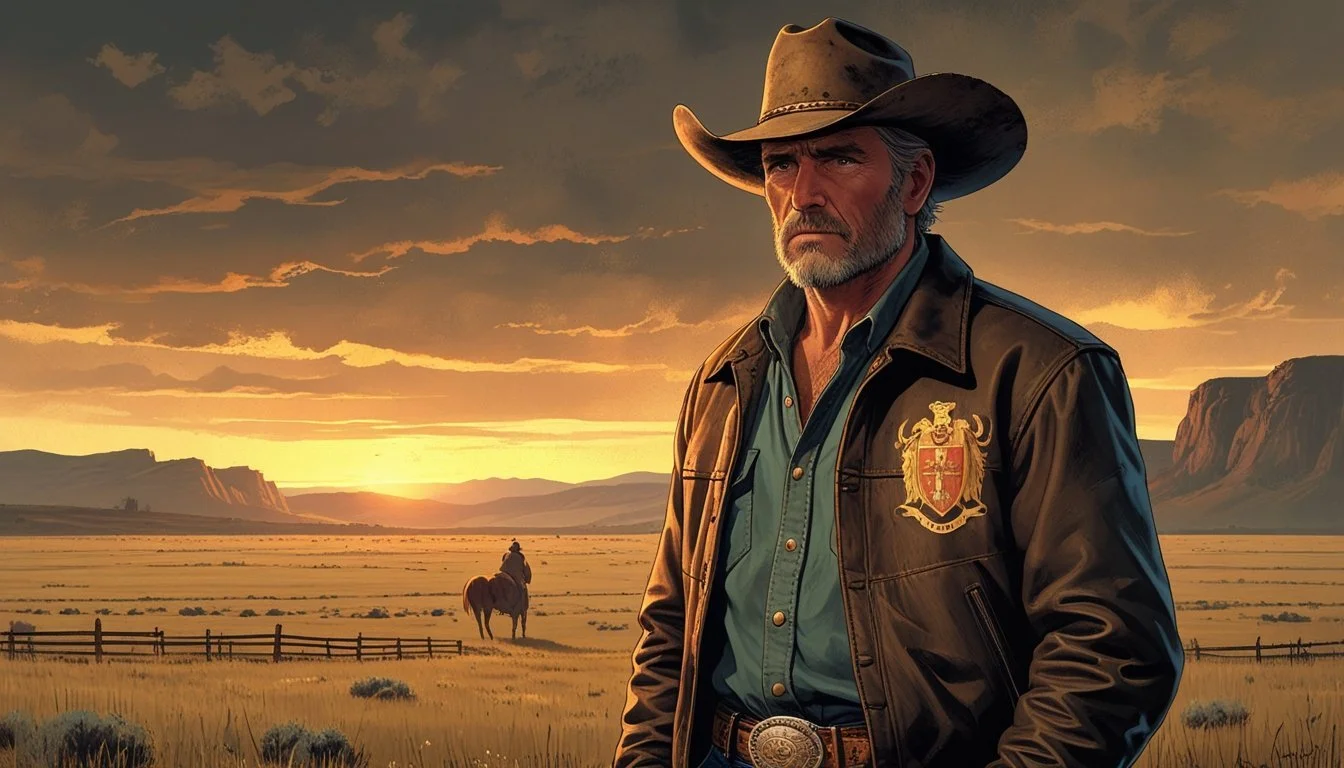
John Dutton’s approach to survival is shaped by past trauma and an unwavering sense of family and legacy. His identity is constantly tested, revealing both his resilience and his struggles with personal redemption.
Facing Trauma and Vulnerability
Survival for John Dutton has always been inseparable from pain and sacrifice. The violent history of the Dutton family and their ranch leaves deep scars, reinforcing a belief that vulnerability is a liability.
John’s experiences, rooted in early losses and threats to his land, define much of his guarded personality. Trauma, both from childhood and ongoing conflicts, underpins his actions and shapes relationships with his children and allies.
Despite his stoic front, John’s character sometimes shows cracks—moments of loss or betrayal reveal a complex vulnerability beneath his tough exterior. He often masks pain with aggression, seeing resilience as a necessity rather than a virtue.
This approach affects the Dutton family dynamic, making trust difficult. Patterns of mistrust and emotional distance deepen, as John struggles to balance protecting the ranch with the emotional needs of those around him.
The Pursuit of Redemption
Redemption is a major struggle for John, complicated by his choices and the violence surrounding his legacy. His quest to right past wrongs is often interrupted by continuous threats and moral compromises.
Attempts at reconciliation with family members show John’s desire for personal redemption. Empathy and forgiveness are not natural for him but are sometimes forced by crisis. These rare moments highlight his internal battle.
John’s identity is deeply tied to his vision of justice and the survival of the ranch. However, episodes of genuine regret and brief openness suggest he is not impervious to change. Redemption, when it appears, is usually incremental and hard-won.
The tension between survival and personal growth leaves little room for simple transformation. The cyclical nature of trauma and redemption ensures that John’s struggles remain at the heart of his identity and relationships.
Land, Stewardship, and the American West
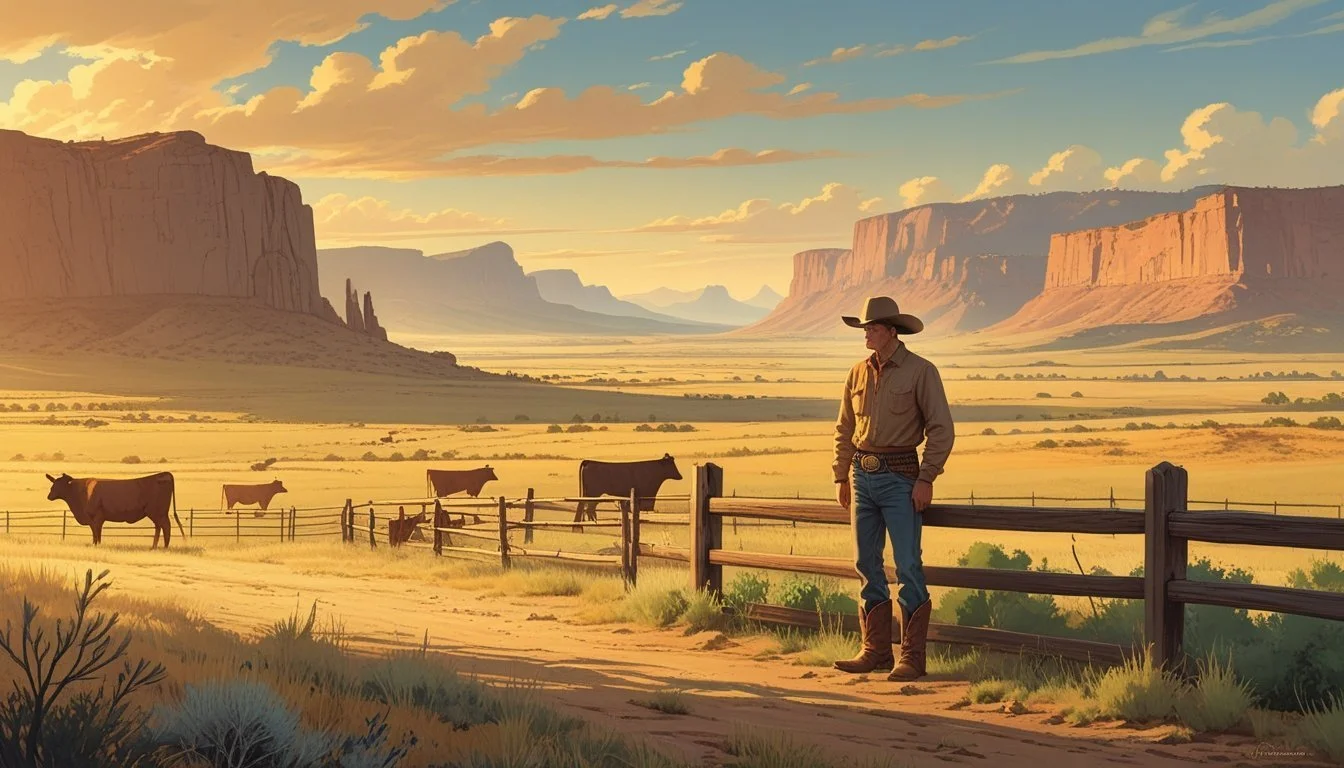
John Dutton’s relationship to his land shapes every aspect of Yellowstone. His management of the ranch highlights the ongoing tension between traditional values and modern challenges across the American West.
Defending the Dutton Ranch
John Dutton sees the ranch as a legacy that must be protected. Over generations, the Dutton family expanded their holdings, with John increasing the property by 200,000 acres. He employs both legal means and personal influence to defend against encroachment. The ranch is not just a business but a symbol of his family’s endurance and identity.
Threats take many forms—land developers, politicians, and even other families seeking a stake in the ranch. Dutton often justifies morally ambiguous tactics as necessary for the ranch’s survival. Power struggles are frequent, emphasizing that control of land in Montana is never guaranteed.
Montana Ranch Life and Land Ownership
Life on the Dutton Ranch revolves around strict routines, land management, and deep familiarity with the territory. Cattle, fencing, and water rights form the backbone of daily life. Land ownership in Montana is complex, with inherited property bringing responsibility as well as privilege. The open spaces and vast acreage distinguish ranching in the region from urban or suburban property rights.
Conflict often arises over boundaries, rights of way, and the pressures of a changing world. Ranch families, like the Duttons, balance tradition with adaptation to new challenges. Government regulation and political influence, including John Dutton’s tenure as Governor, directly impact what happens on and around the ranch.
Stewardship Against Corporate Greed
John Dutton’s approach to stewardship is a reaction to threats from outside investors and corporate interests. He sees himself as a caretaker, preserving both land and heritage against offers from real estate companies and conglomerates. To Dutton, selling out means abandoning a way of life and breaking a promise to previous generations.
Table: Common Threats to the Dutton Ranch
Threat Type Examples Land Developers Commercial resorts, luxury housing Corporations Resource extraction, agribusiness Political Pressure New taxes, property restrictions
Dutton’s decisions emphasize loyalty to land over financial gain. His refusal to negotiate with corporations makes him a polarizing figure in modern ranching debates. Preservation is at the core of his moral code, even as it places him in constant conflict with powerful interests.
Character Development and Enduring Impact
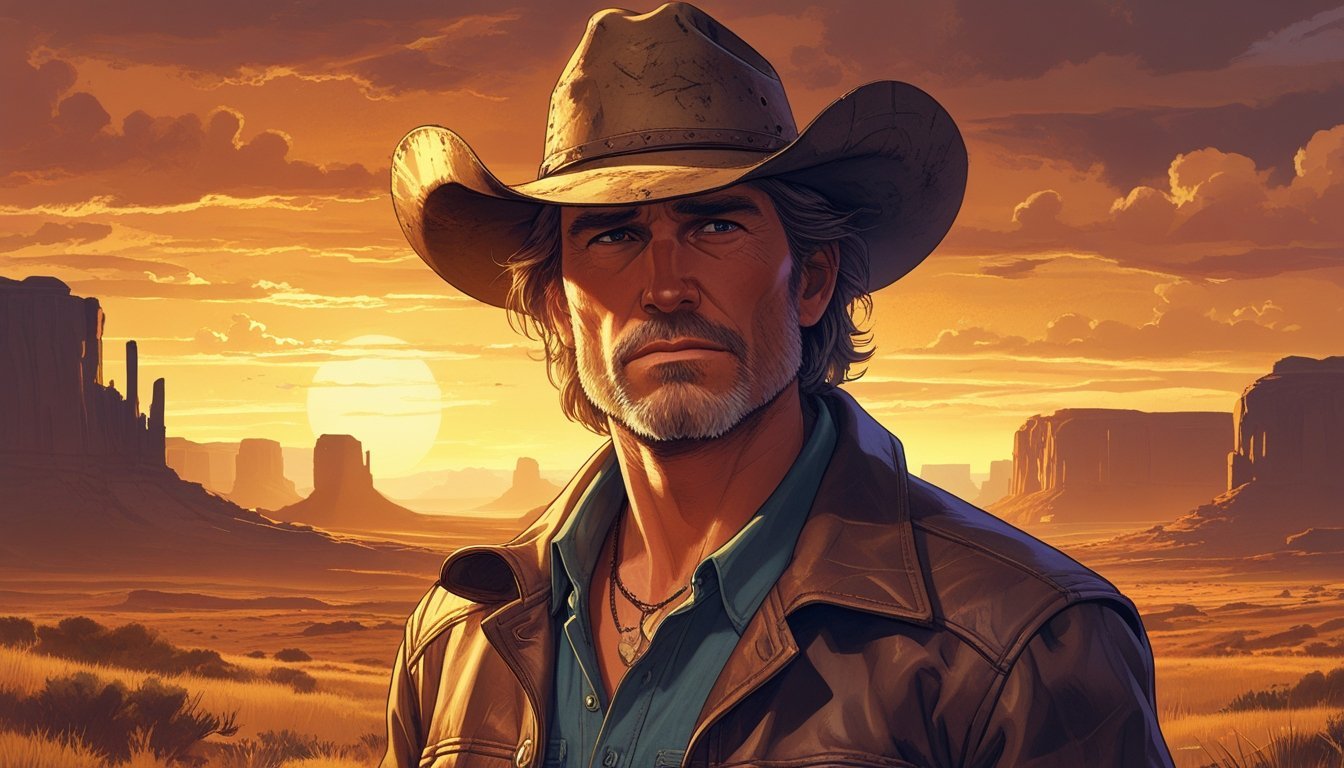
John Dutton's path in Yellowstone is marked by deep personal evolution and powerful influence over his world. His journey reveals shifts in loyalty, ethical boundaries, and the fight to keep his family’s independence intact.
Growth and Change Over Time
John Dutton's character arc showcases a gradual transformation shaped by relentless challenges and loss. Early in Yellowstone, he appears unwavering and stern—placing loyalty to the ranch and family above all else. Over time, cracks in his resolve show vulnerability and self-doubt, especially as he faces betrayal and generational conflicts.
His moral code is often tested by threats to his legacy, forcing him to make controversial choices that blend courage with ruthlessness. Relationships with his children, like Beth and Jamie, highlight a shift from authoritarian leadership to reluctant understanding.
This evolution exposes a human side behind his stoic façade. Dutton’s journey is defined by a constant recalibration of right and wrong, shaped by the realities of protecting his land and values in a rapidly changing landscape.
Legacy Within Yellowstone and Beyond
John Dutton's influence extends far beyond his own lifespan, shaping not just the Dutton family but the broader narrative of Yellowstone. As patriarch, his decisions define family dynamics—setting standards of independence and sacrifice for future generations. The conflict between tradition and adaptation is central to his role.
His methods, while sometimes harsh, establish an enduring legacy of authority and resilience. Dutton’s story impacts those around him, including friends, rivals, and neighbors, rippling through Montana’s fictional community.
Through his actions, John embodies the struggle to preserve both land and identity against external pressures. The cultural footprint of his character resonates with viewers and influences discussions of power, masculinity, and survival in the American West.
