
The Role of Horses in Yellowstone’s Storytelling
Enhancing Authenticity and Symbolism
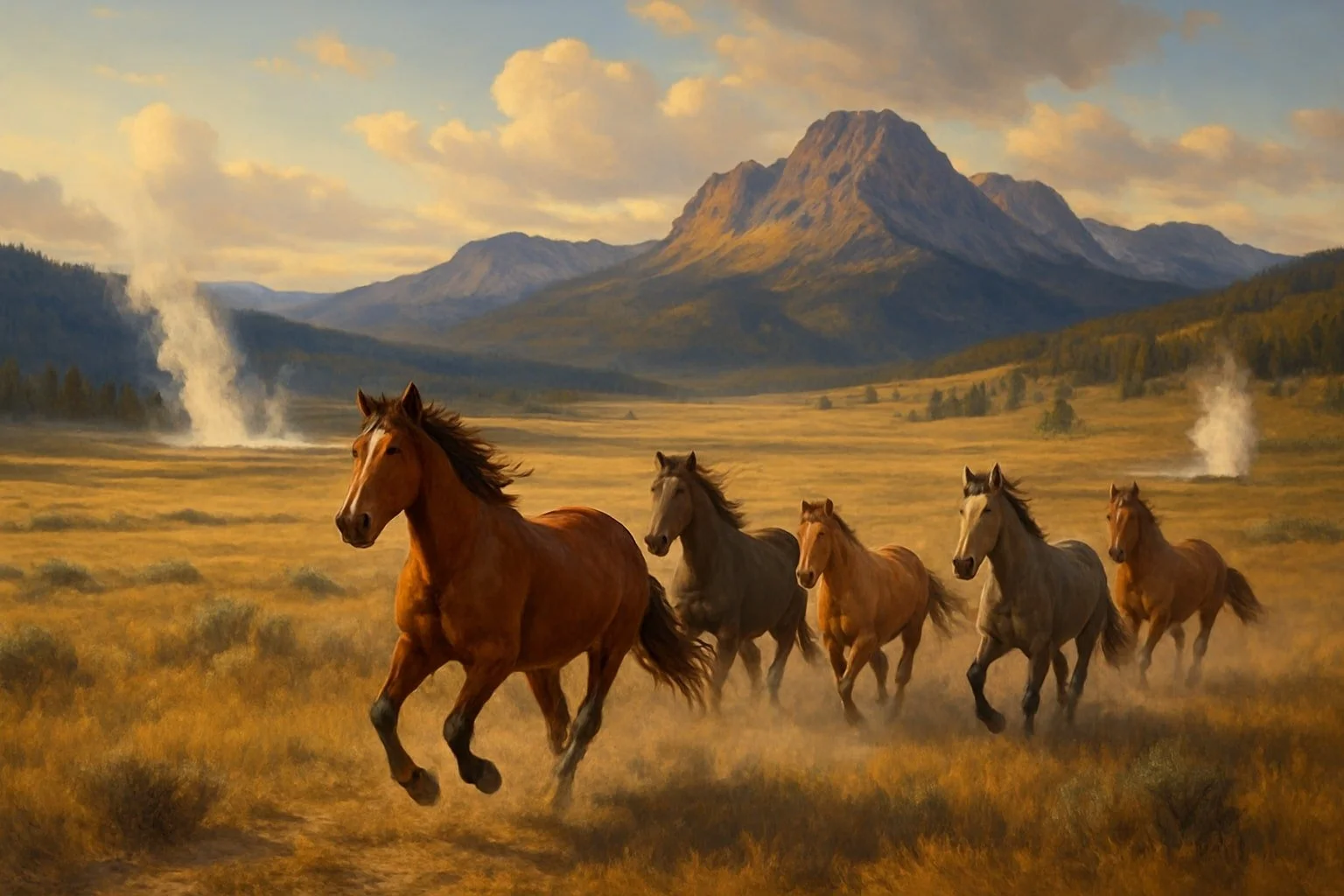
Horses in Yellowstone are more than just animals—they are central to the show’s storytelling, representing the spirit, strength, and cultural roots of the American West. The series routinely uses horses to emphasize authenticity and to ground its characters in the traditions of ranching life.
Throughout Yellowstone, horses are symbols of freedom and power, highlighting the untamed landscape and the longstanding legacy of cowboy culture. Their role supports both plot development and character arcs, from complex family dynamics to the pursuit of preserving generational land.
The presence and use of horses also reflect real-life practices like training, riding, and breeding for competition, which anchors the narrative in genuine Western heritage. This careful attention to the role of horses appeals not only to fans of Western drama but also to anyone interested in the culture surrounding America’s iconic ranching traditions.
Foundations of Yellowstone’s Equestrian Storytelling
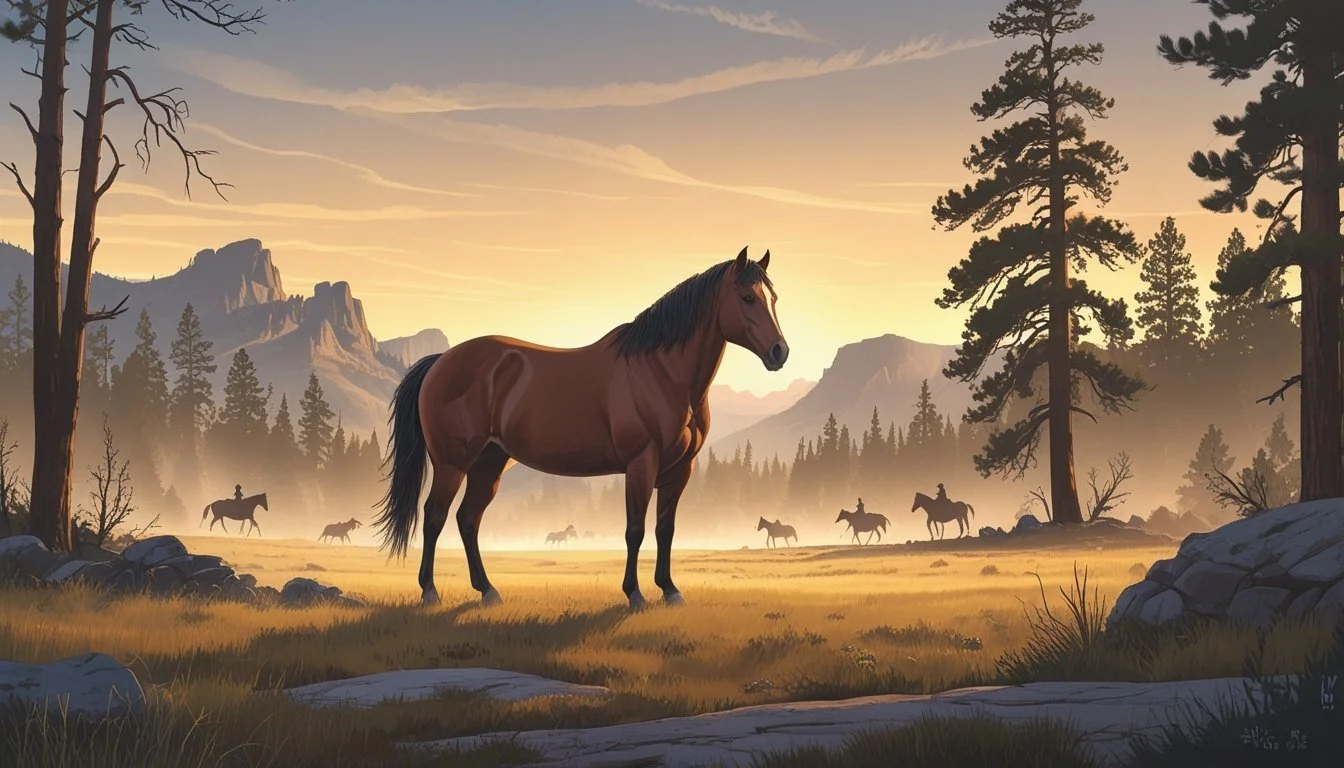
Horses in Yellowstone serve as more than just a means of transportation or ranch tools. Their presence shapes both character development and the authenticity of daily life on the Dutton family’s ranch, connecting modern-day struggles with a long legacy rooted in Western traditions.
Historical Context of Horses in the Dutton Family Saga
The storylines in Yellowstone and its prequels, such as 1883 and 1923, reveal how closely the Dutton family's fortunes are intertwined with their horses. In 1883, the journey westward depended on the resilience of horses to navigate the unforgiving plains and mountains. Surviving in Montana required trust between the Duttons and their animals.
Across generations, horses have remained at the core of family rituals, from daily cattle drives to urgent escapes from danger. The Chief Joseph Ranch, which serves as the backdrop for the Dutton homestead, features working horses as integral cast members. This constant presence marks horses as both literal and symbolic vehicles for the family’s ongoing legacy.
Montana’s Ranching Heritage and Horse Culture
Montana’s rugged landscape and open range have made horses essential to ranch life for centuries. The Duttons’ operation mirrors the real ranching heritage found throughout the state, where skills such as roping, reining, and cutting are honed from a young age.
Local ranchers, like those at the Chief Joseph Ranch, depend on a variety of horse breeds, including quarter horses and mustangs. These breeds are chosen for their stamina and adaptability to Montana’s challenging terrain. Lists of tasks—cattle herding, calving, and pasture management—show the daily reliance on skilled horses to keep operations running smoothly.
Table: Key Roles of Horses in Montana Ranching
Task Importance on Ranch Herding Cattle Maintains livestock flow Calving Assistance Protects herds, provides care Trail Work Navigates rough terrain
Symbolism and Thematic Significance of Horses
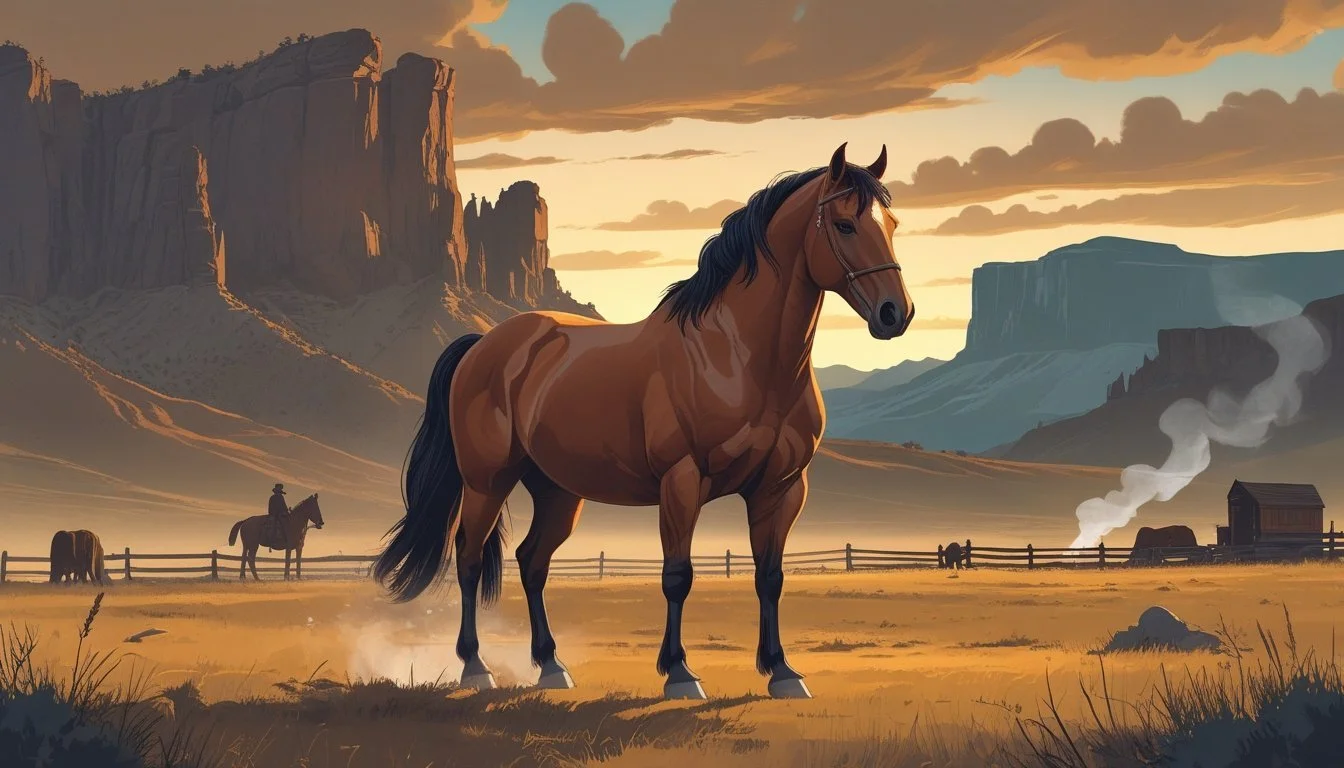
Horses carry layers of meaning throughout Yellowstone, connecting deeply to the series’ cowboy heritage and the Dutton family saga. Their presence underlines ideas of personal freedom, family strength, and the tension between control and wildness.
Symbols of Freedom and Untamed Spirit
Horses in Yellowstone are consistently portrayed as embodiments of freedom and the untamed spirit of the West. Their movements across open landscapes reflect the characters’ desire for independence and space. The sight of a character riding alone against the backdrop of Montana mountains signals self-reliance and personal agency.
This freedom is not without risk or consequence. Horses often serve as a reminder that the natural world cannot be completely controlled. Scenes involving wild horses, or moments when trained horses act unpredictably, highlight tensions at the heart of ranch life.
The use of horses also reinforces the show’s deep roots in cowboy heritage. Riding, ranch work, and rodeo scenes are not just for spectacle—they are visual shorthand for a way of life built on resilience and adaptability. These scenes help ground the series in a specific cultural tradition that values individualism and persistence.
Power, Strength, and Family Legacy
Power and strength are closely associated with horses in Yellowstone. Whether a character is competing in a rodeo or wrangling livestock, horses amplify their authority and skill. The physical presence of a powerful horse, with its muscular build and steady gait, mirrors the steady, enduring qualities required to oversee the vast Yellowstone ranch.
Horses also play a role in the Dutton family legacy. Ownership of prized horses and knowledge of breeding practices often pass from one generation to the next, symbolizing continuity and heritage. Horses become living links between family members, both past and present.
The traditions surrounding the ranch, including the care and training of horses, are part of what is handed down as part of the Dutton identity. In this sense, horses serve as more than tools—they carry the weight of legacy, responsibility, and pride for the family.
Horses as Characters: Impact on Key Figures
Horses serve as more than background in Yellowstone, shaping personal relationships and reflecting the values of the Dutton family. Their presence highlights both tradition and character development for figures like John Dutton and those inheriting the ranch’s legacy.
John Dutton and Horsemanship
John Dutton, portrayed by Kevin Costner, embodies the old guard of the Yellowstone ranch. His relationship with horses reflects his deep ties to land and heritage. He often demonstrates skilled horsemanship, handling challenging animals with authority and patience.
Horses mark John’s leadership and influence the way he approaches both ranch operations and personal interactions. Whether overseeing cattle drives or resolving conflicts, he uses his experience in handling horses to guide his decisions and earn respect from those around him.
John’s moments with horses are often quiet and reflective, showing another layer to his character. The animals are symbols of continuity for him, bridging past traditions with present challenges the ranch faces.
Beth Dutton, Rip Wheeler, and the Next Generation
Beth Dutton (Kelly Reilly) and Rip Wheeler have a complex dynamic with the ranch’s horses. Beth approaches horses less as symbols of heritage, more as part of her bond with Rip and the next generation influenced by the ranch.
Rip, a key ranch hand, is known for both his tough exterior and his capable horsemanship. He often trains the younger ranchers, such as Kayce Dutton and Monica Dutton, teaching them practical riding and respect for the animals.
Together, Beth and Rip’s interactions with horses often serve as moments of vulnerability or trust. Horses offer them a space to connect away from the turmoil of Yellowstone’s politics. In training and care, these animals pass on essential ranch skills, reinforcing the Dutton legacy for newer generations.
Realism and Authenticity in Yellowstone’s Equestrian Scenes
Yellowstone’s portrayal of ranch life and horseback culture is distinctive for its close attention to horsemanship, landscape, and authentic cowboy traditions. The show features both actors and real-life cowboys working with horses, showcasing the intricacies of daily ranch operations and cowboy skills.
Horseback Riding and Cowboy Skills Training
Actors on the Paramount Network series undergo extensive horseback riding and cowboy skills training before filming. They participate in a dedicated “cowboy camp” where real cowboys instruct them in riding and herding cattle. This hands-on approach helps the cast gain confidence in the saddle and acclimate to working with horses in various ranch settings.
Training emphasizes practical skills, such as roping, saddling, and navigating rugged landscape on horseback. Actors ride mustangs, quarter horses, and paint horses across open meadows and trails, replicating the environment and pace of a working ranch. A blend of professional riders and actors ensures that horseback scenes feel natural and convincing to viewers.
Ranch Hands and Daily Ranch Life Depictions
Yellowstone’s depiction of daily ranch life draws from real cowboy culture and traditional ranch operations. Many scenes involve ranch hands performing routine tasks: moving cattle, maintaining equipment, and riding through Montana’s sweeping scenery. Horses are shown as essential partners in ranch work, not just transportation.
Scenes present authentic details, such as managing herds on remote trails, dealing with challenges in the rugged landscape, and fostering camaraderie among the hands. The series relies on knowledge from real ranchers and experienced riders to depict trail rides and chores, grounding each episode in the realities of working ranch life. The prominence of horses and ranch hands underlines the importance of equestrian skills and culture in the show’s narrative.
Showcasing Western Horse Breeds and Talents
Horses in Yellowstone are not just background elements but actively shape the show's western authenticity. Their breeds, specialized training, and decorated performance backgrounds allow the series to display real ranch skills and equestrian sports.
American Quarter Horses and Working Bloodlines
The American Quarter Horse is central to Yellowstone’s equestrian scenes. This breed’s reputation stems from its agility, calm temperament, and versatility, all valuable for ranch work. Quarter Horses are specifically bred for quick bursts of speed and maneuverability, qualities vital in cattle operations and western riding disciplines.
Many of the horses on set have pedigrees registered with the American Quarter Horse Association (AQHA). These ranch horses come from established working bloodlines known for reliability and trainability. The series highlights their essential role in real-world herding, land management, and the daily routines of cowboy life.
Below is a quick overview:
Feature Details Origin United States Main Use Ranch work, western competition Registry AQHA Traits Agile, willing, intelligent
Cutting, Reining, and Barrel Racing Excellence
Yellowstone features western riding disciplines that demand both horse and rider skill. Cutting scenes demonstrate how trained cutting horses separate individual cattle from a herd, relying on experience honed in association events such as those sanctioned by the National Cutting Horse Association (NCHA). These horses display quick reflexes, strong focus, and a natural talent for reading livestock.
Reining is another discipline highlighted, showing complex patterns of spins, sliding stops, and lead changes as seen in competitions run by the National Reining Horse Association (NRHA). Horses like Custom Made Gun, Dun It Chexinic, and reining champion Spookernickerin perform advanced maneuvers under experienced trainers.
Barrel racing appears occasionally, emphasizing the horse’s acceleration and agility around tight turns. The show’s inclusion of these western sports supports an authentic cowboy environment.
Champion Horses Featured in Yellowstone
Several horses featured on Yellowstone have standout competitive records and recognizable names in the industry. Walla Walla Starbuck, an NRHA earner, is a red dun stallion owned by series co-creator Taylor Sheridan and appears in Season 1. High-Class Trash is a reining champion with impressive lineage, also showcased on camera.
Metallic Cat, a legendary cutting horse, makes a cameo and is well-known to fans of the discipline. Lil Joe Cash, another notable reining horse, is shown performing under accomplished riders. Kitted with the training required for television and live events, these horses reinforce the show’s dedication to accuracy and real-world horsemanship.
Notable horses featured:
Walla Walla Starbuck (reining)
High-Class Trash (reining)
Metallic Cat (cutting)
Lil Joe Cash (reining)
Custom Made Gun (reining)
Role of Horses in Yellowstone’s Dramatic Narratives
Horses are central to the daily life and power struggles within the Yellowstone TV series. Their presence drives both the authentic portrayal of ranching and the tension around the Dutton family’s fight for land and resources.
Cattle Drives, Land Disputes, and Ranch Operations
Cattle drives are a core activity that highlight the importance of horses to the Dutton family's operations. Skilled ranch horses are essential for moving large herds across the vast, rugged landscape of Montana.
During land disputes, horseback scenes demonstrate who truly commands the land. The Duttons' control over their ranch and resources is often dramatized through scenes of horseback patrols, boundary rides, and quick mobilization in response to threats.
Key roles horses play in ranch operations:
Monitoring and moving cattle across challenging terrain
Supporting quick response to fence breaches or trespassing
Enabling coordinated action in high-stakes moments
Through these scenes, horses become symbols of the Duttons’ authority, connecting their power to their control over the land and the animals upon it.
Rodeos and Competitive Showcases
Rodeo events feature prominently in the series, providing a glimpse into the skills required for both rider and horse. These events are not just entertainment—they serve as demonstrations of status, ranch culture, and personal rivalry.
The show depicts characters taking part in events such as bronc riding and reining, often using real-life champion horses. Horses with competitive backgrounds, like High-Class Trash and Walla Walla Starbuck, add authenticity and elevate the stakes of each competition.
Important aspects of the show’s rodeo scenes:
Showcasing horses' athleticism and unique personalities
Demonstrating Dutton family prowess and influence in the ranching community
Highlighting the prestige that comes from winning events and earning respect among ranchers
Rodeos thus reinforce themes of competition and legacy, with horses acting as both partners and participants in the story's dramatic contests for dominance.
Landscapes, Wildlife, and Conservation Connections
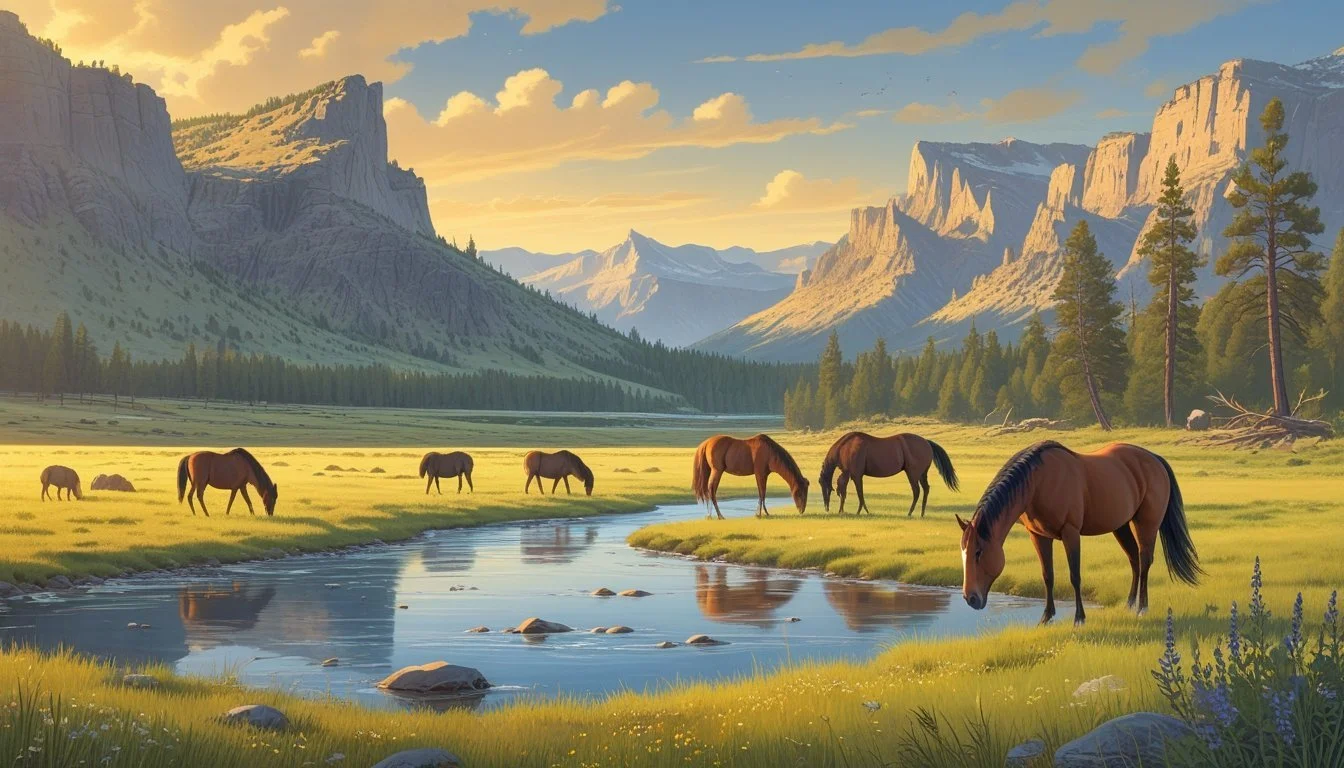
Horses in Yellowstone are linked closely with the natural terrain and cultural legacy of the American West. Their impact is seen through everyday land use, local wildlife, and conservation practices that reflect both modern science and historical tradition.
Interplay of Horses with Surrounding Ecosystems
Horses occupy grasslands, meadows, and open canyons throughout the Yellowstone region, including areas near ranches such as the fictional Yellowstone Dutton Ranch and the real Chief Joseph Ranch. Their grazing habits shape natural vegetation and can influence the movement of wildlife like bison and elk.
Because horses often share rangeland with native species, their presence requires careful management. Grazing pressure can affect plant communities, while hoof action changes soil structure. Both factors alter habitats for smaller wildlife, birds, and insects.
Key Interactions:
Horses use water sources also needed by wildlife.
Bison and horses compete for similar forage in meadows.
Trails established by horse movement become de facto wildlife corridors.
These relationships underline the need to balance livestock use with ecosystem function in Yellowstone and its surroundings.
Conservation Efforts and Western Identity
Horses are strongly associated with the visual and cultural identity of the American West. The Wild Free-Roaming Horses and Burros Act of 1971 highlights their symbolic status as living emblems of the region’s history.
Modern conservation in Yellowstone and on properties like the Chief Joseph Ranch involves coordinated efforts to maintain open landscapes suitable for both livestock and wildlife. This includes supporting native species, limiting habitat fragmentation, and using wildlife corridors to allow bison and other animals to move safely.
Conservation practices in the region:
Rotational grazing to reduce overuse of meadows.
Restoration projects in riparian corridors.
Policy cooperation between ranchers and conservation groups.
The relationship between horses, people, and the broader ecosystem continues to shape both practical land management and popular narratives about the iconic American West.
Behind the Scenes: Production and Expert Collaborations
Yellowstone’s realism and visual authenticity are rooted in careful planning, real ranching expertise, and close collaboration with working professionals and champion horses. The production’s commitment to accurate horsemanship, experienced actors, and respected locations sets a high standard for Western storytelling.
Taylor Sheridan’s Equestrian Vision
Taylor Sheridan, the creator of Yellowstone, is deeply involved in the equestrian world. He personally owns and trains horses and is committed to representing Western traditions through authentic riding and ranch work.
Sheridan’s vision extends beyond casting: he leads “Cowboy Camp,” an intensive training program for actors to learn genuine riding, roping, and cattle-handling skills before filming. This hands-on approach ensures the cast interacts with horses naturally on camera.
Under Sheridan’s guidance, scenes reflect the daily realities of ranching rather than a romanticized version. Horses are treated as essential partners, not mere props, throughout production.
Four Sixes Ranch, 6666, and the Legacy of Weatherford, Texas
A significant portion of Yellowstone’s ranch scenes and horse work is shaped by the partnership with the Four Sixes Ranch, often called 6666, located in Texas. This historic ranch, known for raising top-tier quarter horses, provides both animals and expert guidance for the series.
Weatherford, Texas, a hub of American ranch culture and horsemanship, also plays a role. The ranch’s connection brings a genuine, working-ranch mentality to on-screen depictions, influencing everything from horse selection to daily protocols for livestock handling.
Paramount Network’s investment in filming at authentic sites like 6666 and collaborating with real ranch hands helps maintain a high standard of realism in the visual style and culture shown on screen.
Casting, Training, and Real Cowboy Expertise
Yellowstone deliberately casts actors who are capable riders or willing to learn, but not all arrive with experience. To bridge this gap, the production runs Cowboy Camp, where both newcomers and veteran actors, including guests like Tim McGraw, train directly with professional cowboys.
Horses used on set—like Sheridan’s own reining champion, Walla Walla Starbuck—are selected for their discipline and show experience, minimizing risk and maximizing on-camera performance. Real cowboys from working ranches are often hired for extras and stunt work, ensuring accuracy in background action and horsemanship scenes.
Horse trainers and animal welfare specialists oversee all animal-related sequences. This system ensures every routine, chase, and action set piece involving horses meets both safety and authenticity benchmarks. Tables of horse lineages, reining credentials, and cowboy qualifications are often referenced by producers to ensure the right talent is matched with each scene’s needs.
Legacy of Horses in Yellowstone and Contemporary Westerns
Horses in Yellowstone have become more than just a backdrop—they are integral to the show’s depiction of daily ranch life and its authentic representation of cowboy culture. Their roles highlight traditions and values connected with the Dutton family saga and wider Western storytelling.
Enduring Influence on Pop Culture and Cowboy Heritage
Yellowstone’s consistent use of real, often champion-bred horses helps maintain the authenticity of cowboy heritage on television. Many horses featured in the series come from series creator Taylor Sheridan’s own stables, blending actual ranch work with Hollywood storytelling.
The show’s portrayal of horses—ranging from mustangs to quarter horses—reflects the practical realities of ranching and underscores the enduring connection between humans and horses in the American West.
Yellowstone’s equine stars have influenced audiences beyond the show, boosting interest in horsemanship and Western riding disciplines. This recognition has strengthened links between pop culture and cowboy traditions, further anchoring the importance of horses in both contemporary Westerns and the broader Western genre.
