
Could Rip Wheeler Be a Good Father?
Yellowstone Evidence Suggests a Promising Future

Rip Wheeler has shown on Yellowstone that he is capable of being a good father, even though his past was filled with pain and loss. Over several seasons on the Paramount Network series, Rip’s loyalty, sense of responsibility, and devotion to the Dutton family highlight qualities often associated with effective parenting. His willingness to protect the ranch and those he cares about hints at deeper layers of compassion and commitment.
Despite coming from a troubled background, Rip demonstrates growth and patience, especially in his relationship with Beth Dutton. Yellowstone often highlights moments where he balances strength with empathy, suggesting he could provide not just protection but also guidance and support to a child.
With his consistent actions rooted in loyalty and integrity, viewers have seen Rip handle tough situations and moments of vulnerability alike. Fans of Yellowstone have plenty of evidence to believe that, if given the chance, Rip Wheeler could indeed be a good father.
Rip Wheeler’s Background and Personal History
Rip Wheeler’s life is marked by significant trauma, shaped by early violence, loss, and survival. His role at the Yellowstone ranch and complicated family past are closely linked to his character and values.
Early Life and Upbringing
Rip Wheeler grew up in a rural environment that revolved around hard work and the ranching lifestyle. He was raised in a household with his parents and brother, but stability was lacking.
Veterans of the Yellowstone series know Rip’s early home life was far from peaceful. Instability and tension were frequent. Basic comfort and security were often out of reach.
Day-to-day life involved physical chores and learning to withstand hardship from a young age. The skills Rip later displayed as Yellowstone’s foreman were rooted in these difficult early experiences.
Rip’s Experience as an Orphan
Rip’s path to becoming an orphan was sudden and violent. As a teenager, he witnessed the murder of his mother and brother by his abusive father. Acting in self-defense and fear, he killed his father, leaving him without any family support.
With nowhere safe to turn, Rip went on the run. The trauma carved by losing his family in a single night became a defining point in his life.
He arrived at the Yellowstone ranch alone. John Dutton offered him a place and a role on the ranch, giving him a new sense of purpose and belonging. For Rip, Yellowstone became a surrogate home.
Influence of an Abusive Father
The impact of an abusive father left deep scars on Rip, shaping both his character and view of authority. Rip saw firsthand the destructive effect of violence, manipulation, and fear within the family unit.
His father’s cruelty left Rip mistrustful of parental figures, but also made him quick to defend those he cared about. The violence Rip endured and survived taught him vigilance and caution.
While Rip’s upbringing was marked by pain, it also instilled resilience. The memory of his father’s abusive behavior motivated him to pursue a different path and seek better relationships at Yellowstone.
Role at the Yellowstone Dutton Ranch
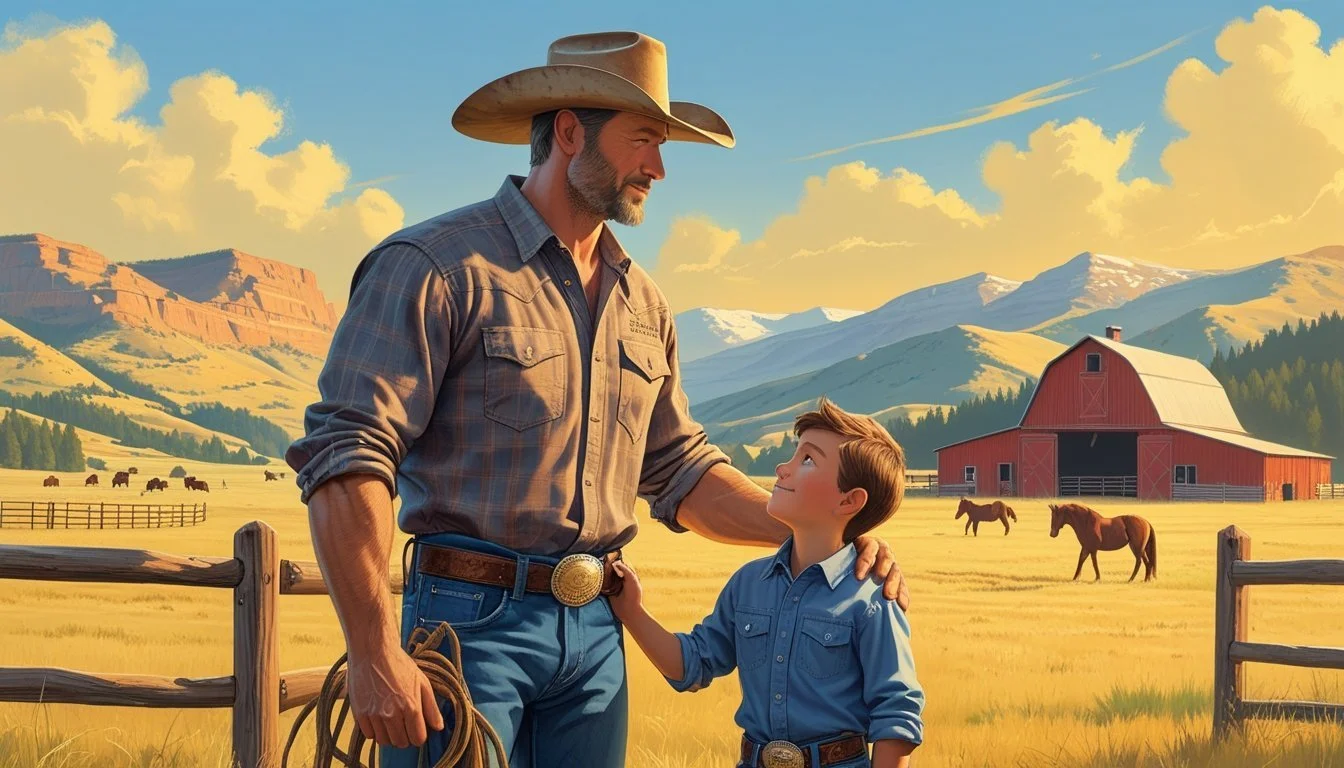
Rip Wheeler is an essential figure at the Yellowstone Dutton Ranch. He has moved through the ranks with determination, earned trust through loyalty, and demonstrated effective leadership that impacts daily ranch life and the entire Dutton family.
Progression from Ranch Hand to Ranch Foreman
Rip joined the Yellowstone Dutton Ranch as a troubled boy, taken in by John Dutton after a traumatic childhood. He started out performing low-level chores and hard labor, gradually learning every aspect of ranch life from the ground up.
Over time, Rip earned his place among the other ranch hands. He worked his way up through proven reliability, relentless work ethic, and willingness to handle difficult tasks.
Eventually, Rip's dedication led to his promotion to ranch foreman. This position made him responsible for both the daily operations and the supervision of all branded ranch hands.
As foreman, Rip oversees everything from cattle drives to property maintenance and personnel management. His journey showcases not only personal growth, but also a deep commitment to the well-being and stability of the Yellowstone Dutton Ranch.
Demonstrating Loyalty and Leadership
Rip’s loyalty to the Dutton family is unquestioned. He is frequently called on to protect their interests, secrets, and safety—sometimes requiring unpopular decisions or direct confrontation.
His leadership style is direct and decisive. Rip leads by example, often taking the hardest jobs himself and expecting the same from others. He manages the ranch hands with authority, using his own experiences as both a worker and a branded member to guide his approach.
He commands respect, earned through years of consistent action rather than words. His presence is a stabilizing force, and his ability to maintain order on the ranch makes him indispensable. Through his daily actions, Rip illustrates the importance of reliability, integrity, and unwavering support—characteristics vital in any leader at the Yellowstone Dutton Ranch.
Rip Wheeler’s Relationship Dynamics
Rip Wheeler’s ability to connect deeply with those around him demonstrates a capacity for empathy, responsibility, and resilience. His key relationships on Yellowstone reveal traits that are crucial in a nurturing parent.
Rip and Beth Dutton: A Complex Love Story
Rip Wheeler and Beth Dutton share a relationship built on intense loyalty and enduring connection. Their romance is marked by turbulent moments, but also by unwavering support. Rip’s patience with Beth, played by Kelly Reilly, stands out, especially during her struggles with trauma and vulnerability.
The couple’s love story is not traditional—conflict often sits alongside tenderness. Yet, Rip’s consistent devotion and emotional openness provide stability in Beth’s life. Their shared history on the ranch creates a foundation of mutual trust, making Rip a steadfast partner even under immense pressure.
Yellowstone showcases their dynamic as both fraught and deeply loving. Rip’s willingness to stand by Beth, even in her most difficult moments, reflects the qualities of someone capable of genuine care. This dynamic suggests that Rip possesses the nurturing instincts important in a parent.
Parental Figure to Carter
When Carter, a troubled teenager, enters the Dutton ranch, Rip is tasked with guiding and disciplining him. Unlike a traditional father-son relationship, Rip uses firm boundaries paired with direct guidance. He’s upfront with Carter about expectations and consequences, emphasizing honesty and hard work.
Rip’s approach to Carter is structured but not unkind. He offers advice and protection, often leading by example rather than long conversations. Episodes reveal Rip’s efforts to earn Carter’s respect, showing he values discipline and growth over empty gestures.
This mentorship displays Rip’s no-nonsense philosophy, while still offering Carter safety and belonging. Despite his rough edges, Rip’s actions suggest he can provide guidance and support—key traits needed for positive fatherhood.
Fatherhood Traits Displayed by Rip Wheeler
Rip Wheeler’s actions throughout Yellowstone reveal attitudes and behaviors that are vital in strong father figures. He consistently models what it means to provide security, set standards, and foster trust with those depending on him at the ranch.
Strength, Trust, and Protection
Rip’s physical and emotional strength defines his presence on the Dutton Ranch. He takes on dangerous tasks, shields others from threats, and responds decisively in moments of crisis. These qualities demonstrate the kind of reliability a child needs in a parent.
Trust is central to Rip’s relationships. John Dutton relies on him for both loyalty and discretion, and the ranch hands feel secure knowing Rip will act in the best interest of those under his care.
His approach is direct and fair, rarely making empty promises. When he gives his word, he follows through—an essential foundation for any parent-child relationship.
Rip acts as a protector, not just for Beth but for everyone on the ranch. This willingness to put himself in harm’s way highlights his innate understanding of what it means to care for and safeguard a family’s future.
Guiding the Next Generation of Ranch Hands
Rip serves as a mentor for younger ranch workers, often teaching by example rather than lecturing. He is patient in instruction and firm when enforcing the ranch’s code of conduct.
By setting expectations and holding ranch hands to consistent standards, Rip prepares them for the demands of ranch life and fosters a sense of responsibility. He admits young workers into the ranch’s inner circle through the symbolic act of branding, a sign of trust and acceptance into a close-knit group.
Rip’s influence helps shape the ranch’s future. His guidance ensures new generations understand both hard work and loyalty. This approach reflects important fatherhood traits: nurturing potential, providing guidance, and creating stability for those who will eventually take on greater responsibility.
Lessons from John Dutton and the Dutton Family
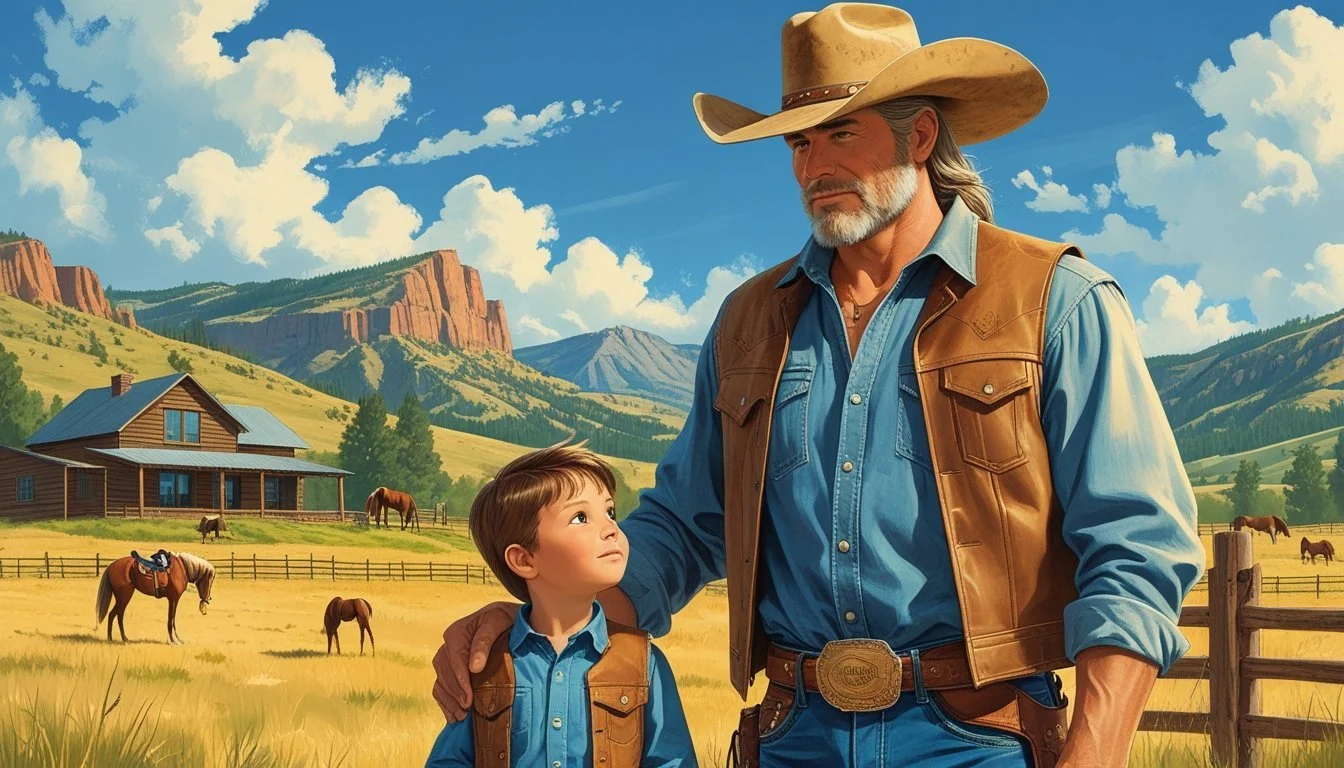
John Dutton, played by Kevin Costner, sets a clear example for everyone at the ranch with his sense of duty and leadership. Life on the Dutton Ranch demands strict adherence to these principles, shaping those who become part of the family.
John Dutton’s Mentorship
John Dutton’s mentorship methods are direct and demanding. As the patriarch of the Dutton family, he expects hard work, honesty, and loyalty from those under his guidance. He leads by example, only asking others to do what he is willing to do himself.
Rip Wheeler, in particular, benefits from this leadership. John treats Rip almost like a son and entrusts him with vital responsibilities. Whether sending Rip on difficult tasks or sharing personal advice, John’s instruction is clear and purposeful. This approach teaches Rip the importance of integrity and reliability on the Montana ranch.
John demonstrates the belief that making—and keeping—commitments defines a person. He rarely gives explicit step-by-step directions, instead providing clear expectations and trusting Rip and others to figure out the best way to accomplish their tasks. This instills independence and critical thinking.
Family Values on the Ranch
The Dutton family operates with a set of core values: loyalty, protection, and responsibility. These values are not only spoken about but practiced daily in how they defend the land and support one another. Every member is expected to put family first, no matter the circumstance.
Rules on the ranch are strict but rooted in tradition and necessity. The family’s approach shapes individuals like Rip Wheeler, who adopt the same commitment to the group. Trust is earned over time, reflecting the family’s cautious approach to outsiders.
Respect for elders and history is highly emphasized. The legacy of John Dutton III and the land itself are central to how the family makes decisions. These traditions form a foundation that guides everyone, ensuring that Montana’s heritage—and the Dutton name—are protected for the next generation.
Rip Wheeler’s Challenges and Growth
Rip Wheeler’s path to potential fatherhood is shaped by how he’s confronted deep personal trauma and handled the violent realities of life on Yellowstone Ranch. His actions, both compassionate and ruthless, demonstrate how his character has changed and what skills—or failings—he could bring as a parent.
Overcoming Personal Trauma
Rip’s life has been marked by tragedy since his teenage years. After witnessing the murder of his mother and brother and ultimately killing his abusive father, Rip was left orphaned and emotionally scarred. This trauma created trust issues and a rugged exterior that made it difficult for him to form close relationships.
Yet, Rip developed a strong bond with John Dutton. The ranch became his home, providing a sense of stability he had never known. Over time, he learned to channel his pain into loyalty and hard work, particularly towards the Dutton family and Beth Dutton, whom he later married. His progress shows resilience and the possibility for healing, skills important for guiding and comforting a child through hardship.
Handling Dirty Work and Moral Dilemmas
Rip is often tasked with the ranch’s most dangerous and morally complex jobs, from fighting off threats to managing conflicts at the notorious “train station,” where disloyalty is met with lethal force. These responsibilities require harsh decisions and a willingness to cross ethical lines for the sake of family loyalty and survival.
His ability to carry out “dirty work” means he’s experienced in facing danger, protecting loved ones, and navigating gray areas. However, it also raises questions about what lessons he would pass on as a father—whether resilience, protection, and loyalty would outweigh the potential for passing on the struggles of living with guilt and harsh realities.
Public Perception and Impact on Yellowstone
Fans and critics closely watch Rip Wheeler, focusing both on his actions and the actor behind the role. Reactions on social media, especially Reddit, often highlight the complexity of his character and how Cole Hauser’s performance shapes Rip’s reputation.
Audience Reactions and Reddit Comments
Reddit threads regularly discuss Rip Wheeler’s morality, leadership, and potential as a father. Many users express admiration for his loyalty to the Dutton family, describing him as fiercely protective and dependable. Some comment that his troubled past and rough demeanor could present challenges, but his sense of duty and commitment stand out as positive traits.
Discussions frequently mention Rip’s relationship with John Dutton, seeing it as an example of how Rip could offer support and guidance to a child. The audience’s opinions are nuanced—while some view his violent history as concerning, others feel his work ethic and protective instincts would make him a responsible parent.
Influence of Cole Hauser’s Portrayal
Cole Hauser’s portrayal is widely credited with making Rip Wheeler one of Yellowstone’s most compelling characters. Hauser brings a stoic yet vulnerable quality that allows viewers to see beyond Rip’s rugged exterior.
Key aspects of Hauser’s performance include:
Expressive body language
Subtle emotional cues
Intense, quiet strength
These acting choices add depth, helping the audience understand the reasons behind Rip’s actions. Interviews and cast commentary also credit Hauser with helping writers explore Rip’s potential emotional growth, which supports the idea that the character could take on the challenges of fatherhood.
Conclusion: Could Rip Wheeler Be a Good Father?
Rip shows traits that support the idea he could be a good father. His loyalty, work ethic, and willingness to protect family stand out across many scenes. These qualities form the foundation of responsible parenthood.
His complex past, including surviving trauma and making difficult choices, suggests he can offer unique wisdom. As an orphan who found belonging with the Duttons, Rip understands the value of family and stability.
Yellowstone includes quotes that hint at Rip’s softer side, especially in moments with Beth. For example, his words to Beth—“I’ll love you until my last breath”—illustrate his dedication and emotional depth.
A summary of Rip’s potential as a father:
Strength Evidence on Yellowstone Loyalty Loyal to John and Beth Protective Defends family at all costs Hardworking Dutton Ranch foreman for years Emotional Depth Expresses love in key scenes
If Rip and Beth’s future includes children, his experiences could help him nurture and guide them. He has a strong moral code shaped by hardship, which he may try to pass on.
Though not perfect, Rip’s background and actions suggest he has the capacity to be a caring and attentive father. His willingness to put family above all else is a significant indicator of his potential for parenthood.
