
How Yellowstone Weaponizes Silence and Scenery to Shape Powerful Storytelling
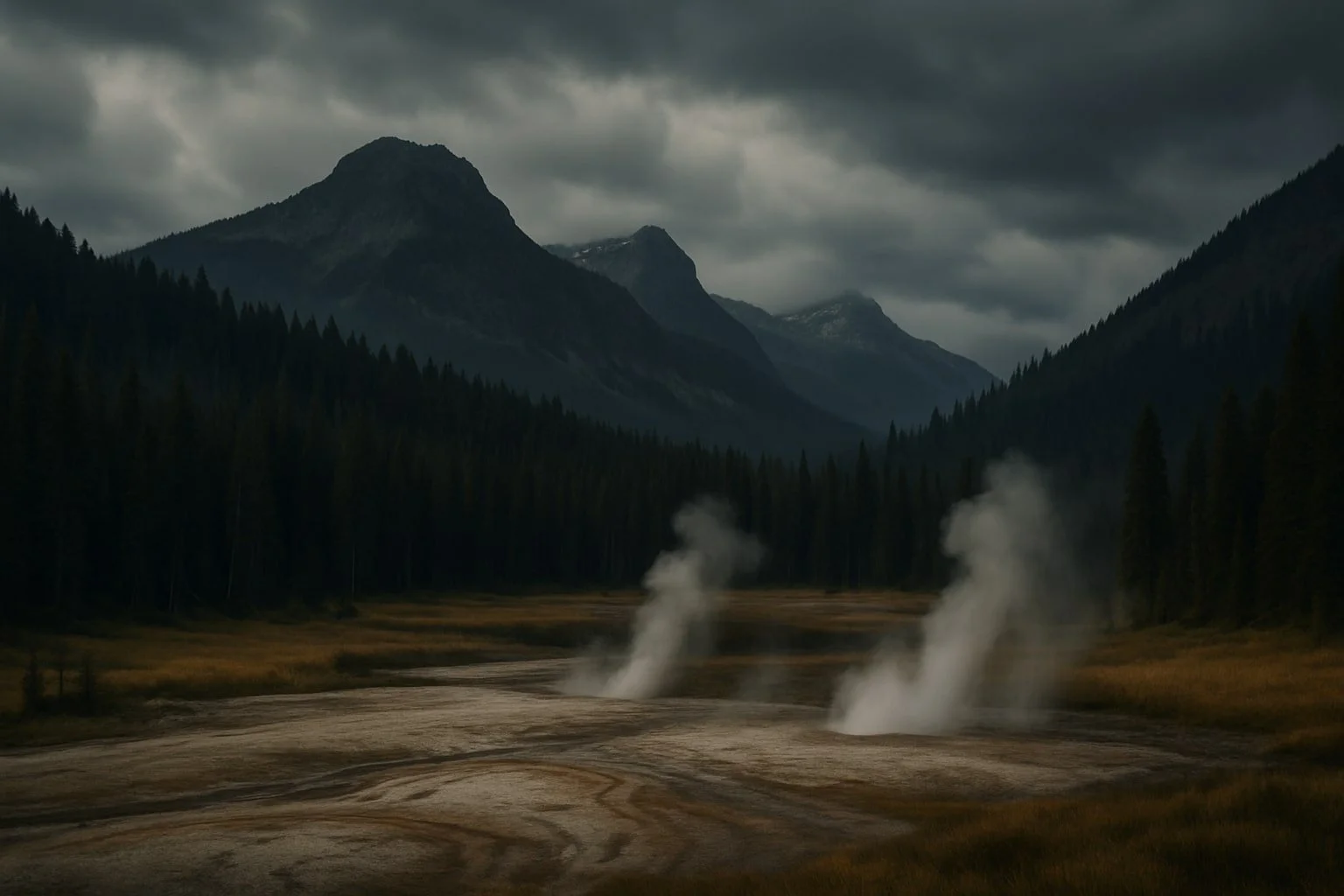
Yellowstone leverages silence and its sweeping scenery not just as a backdrop, but as active forces that heighten tension and shape the story’s atmosphere. In moments where dialogue slows or ceases, the vastness of Montana’s landscape and the weight of unspoken conflict fill the screen, allowing viewers to feel the pressure and underlying danger that the characters face.
This deliberate use of quiet and open space distinguishes Yellowstone from other dramas. The silence often underscores emotional stakes, while the imposing natural surroundings can either soothe or unsettle, depending on what the story demands. Such choices make every pause and panoramic shot a tool for storytelling, not just decoration.
The Role of Silence in Yellowstone
Silence in Yellowstone serves as more than just background absence. It becomes a deliberate storytelling mechanism, shaping the mood and relationships between characters while building emotional intensity.
Psychological Impact of Cinematic Quiet
The use of quiet in Yellowstone often heightens the emotional weight of a scene. Long pauses and the absence of dialogue can prompt viewers to focus on body language, unspoken intentions, and facial expressions. This reflective silence allows the audience to process conflict and uncertainty alongside the characters.
Silence often replaces the need for expositional dialogue. For example, when characters stand on the Dutton ranch’s vast edges and say nothing, the moment lets viewers feel their solitude, doubt, or fear more directly. Audiences are invited to fill in the blanks themselves.
Notable effects of quiet include:
Emphasizing loneliness or inner turmoil
Allowing time for difficult decisions to settle
Signaling respect or grief without words
Creating Tension Without Words
Tension in Yellowstone is often built through restraint rather than action. A staredown between two rivals, with only the wind or distant animal sounds in the background, can feel more threatening than a loud argument. The lack of immediate reaction leaves intentions ambiguous, giving space for fear and uncertainty.
This method is apparent during confrontations where neither party speaks first. The audience senses that violence or crisis could erupt with a single gesture. Silence interrupts rhythm and anticipation, making every movement significant.
Examples:
Silent standoffs by the bunkhouse, Drawn-out shots across lonely pastures, Moments lingering after betrayal.
Character Relationships in Silent Moments
Relationships in Yellowstone are often defined by what remains unspoken. Family members and hired hands share complex histories, and silence can be used as both a barrier and a bridge.
In high-stakes scenes, characters often choose nonverbal acknowledgment over dialogue. A nod, a lingering glance, or someone simply walking away can express understanding or hurt more effectively than words.
Common silent interactions:
John and Kayce Dutton sharing looks that reveal mutual pain or loyalty
Beth remaining silent but present in moments of crisis, signaling support
The use of silence after loss, especially during scenes of mourning or regret
These moments foster intimacy or distance, depending on context, and strengthen the show’s focus on what is felt rather than only what is said.
Harnessing Scenery for Emotional Effect
The visual backdrop of Yellowstone is more than a passive element; it is integral to the series’ mood and story structure. The interplay between vast wilderness and human conflict gives added weight to each moment, shaping the way viewers process the show’s themes.
Montana Landscapes as Narrative Tools
Montana’s rugged terrain and wide open spaces are central to Yellowstone’s storytelling. The series frequently features sweeping aerial shots of valleys, rivers, and mountains, using the scale and isolation to heighten tension or underscore a character’s vulnerability.
When the Dutton family faces threats to their ranch, the land’s immensity visually reinforces what’s at stake. Quick cuts to changing weather and daylight serve both narrative and emotional transitions.
Scenes often linger on wind-blown grasses or distant ridges after moments of confrontation. This deliberate pacing lets viewers absorb the emotional fallout of key events, while the geography establishes both a refuge and a battlefield for the characters.
Symbolism in Natural Environments
The show uses specific natural elements as recurring symbols. Rivers often represent divisions—between families, loyalties, or eras. Trees stripped bare in winter mirror character isolation, while lush summer pastures suggest fleeting hope or peace.
Open range scenes signal freedom, but also insecurity, as the vastness makes defense seem impossible. Fires and storms are not only literal threats but echo internal turmoil and change.
Rocky terrain or dangerous cliffs frequently foreshadow impending conflict or decision points. This approach roots character challenges in the same environment they’re trying to protect, making the drama inseparable from its natural context.
Visual Storytelling Through Setting
Yellowstone’s cinematography leverages light, color, and motion to support its story. Golden hour shots bathe the ranch in warmth, highlighting moments of connection. Night scenes, by contrast, use shadow and stillness to evoke danger or secrecy.
Filmmakers often position characters against vast landscapes, visually expressing isolation or power imbalances with framing. The lack of urban intrusion in these shots emphasizes the characters’ ties to the land.
Silence is accentuated through long, unbroken takes of empty roads or open fields after dialogue-heavy scenes. This visual breathing room sharpens the emotional impact, letting viewers sit with the aftermath before the story presses on.
Blending Silence and Scenery for Atmosphere
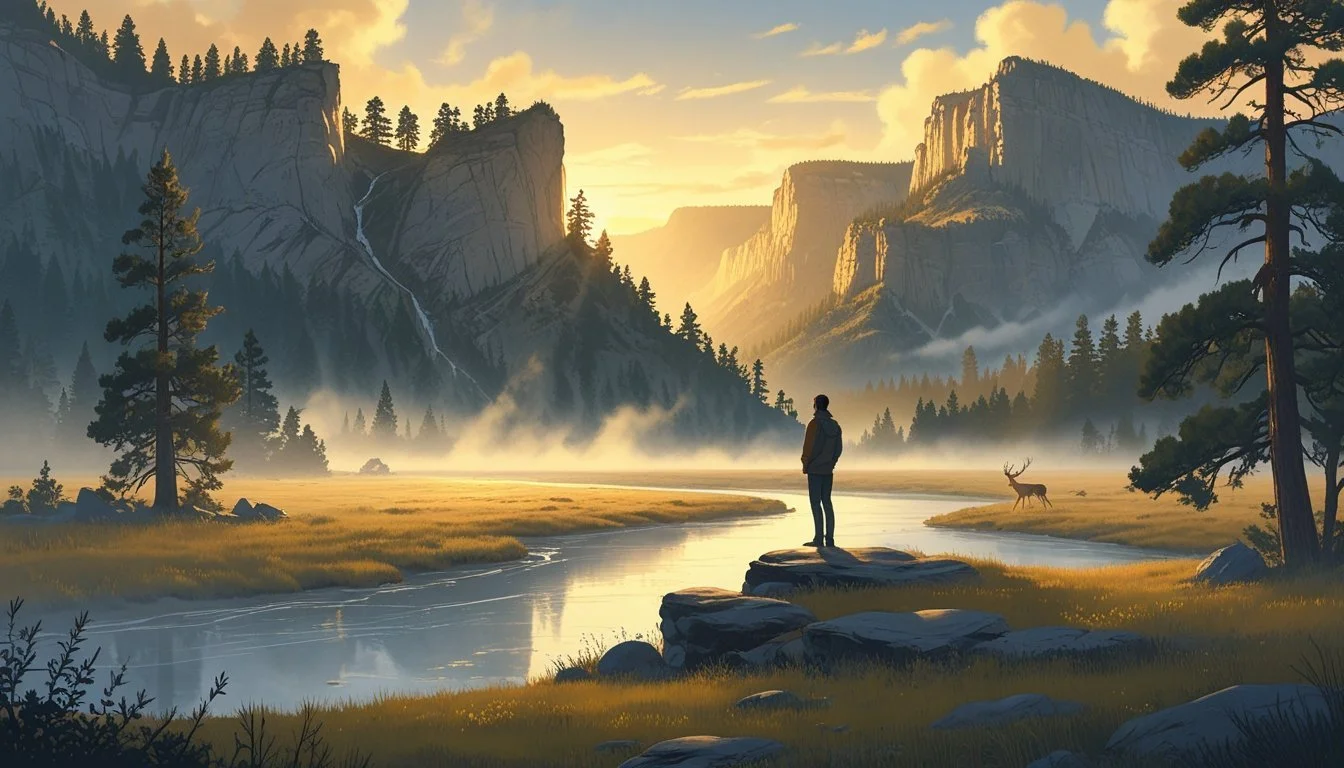
Yellowstone uses silence and its iconic landscapes to create a layered experience for viewers. The interaction between natural stillness and sweeping vistas deepens suspense and reveals complex aspects of character behavior.
Building Suspense With Stillness
Episodes often feature prolonged quiet, especially before consequential events or confrontations. The absence of dialogue—or even music—draws attention to ambient sounds like wind, distant animal calls, or shifting snow. This silence builds an undercurrent of tension that viewers can feel, signaling the potential for danger or unexpected actions.
Directors utilize long shots of empty plains and forests to make characters appear isolated, increasing a sense of vulnerability. By pulling back from rapid editing or soundtrack cues, the show places viewers in the midst of an unpredictable environment. Brief noises stand out, making moments of action sharper in contrast to the prevailing quiet.
The pacing relies heavily on these periods of calm, as they amplify what comes next. The environment itself feels like a character, holding secrets in its silence and making viewers question what lies just beyond sight and sound.
Highlighting Inner Conflict Through Landscape
Yellowstone’s scenery serves as more than a backdrop; it reflects and amplifies the emotional states of its characters. Snow-covered valleys, mist rising off rivers, and endless forests echo internal struggles, mirroring indecision or turmoil with the unpredictability and wildness of the landscape.
Scenes often show individuals framed against broad expanses to emphasize emotional isolation or anxiety. When characters face pivotal decisions, the camera lingers on the stark beauty of their surroundings—highlighting the gap between personal desires and external pressures.
Table: Visual and Emotional Cues
Landscape Feature Emotional Impact Harsh winter storms Heightened adversity Wide empty plains Loneliness, introspection Dense forests Confusion, uncertainty
By using vistas to expose internal conflict, Yellowstone connects characters’ psychological journeys with the ever-changing moods of the land. The result is an atmosphere that communicates as much as the characters themselves, often with no words at all.
Directorial Choices and Cinematic Techniques
Yellowstone’s visual storytelling relies on intentional use of silence and landscape, making each shot and each pause deliberate. Directors focus on craft to ensure that both what is seen and what is unheard amplify narrative impact and character presence.
Camera Work and Framing
Yellowstone prioritizes authentic landscapes. Wide shots capture the vastness of Montana, grounding the Dutton family drama in the scale of the American West. Cinematographers often select visually striking locations, using natural light to highlight open fields, rugged mountains, and sprawling ranches.
Close-ups cut through the expanse during intimate moments. Strategic framing positions characters against immense backdrops, emphasizing their isolation or authority. The use of long takes allows tension to build without distraction, forcing viewers to sit with the characters’ silence.
Table: Key Camera Techniques
Technique Purpose Wide Landscapes Anchor story visually and thematically Close-Ups Show emotion, highlight silence Long Takes Build tension, slow pacing
Sound Design and Minimalism
Silence is used as a tool rather than a gap. Dialogue often takes a back seat to ambient sound—wind, distant animal calls, and the subtle creak of leather. This restraint allows emotional exchanges to stand out and grants weight to each spoken word.
Moments without score can intensify conflict or underscore a character’s isolation. Selective music cues emerge only when necessary to support the tone, never leading the scene. The minimalistic approach in post-production ensures that silence and natural sound become central elements of the storytelling.
Viewer Reactions to Yellowstone’s Aesthetic
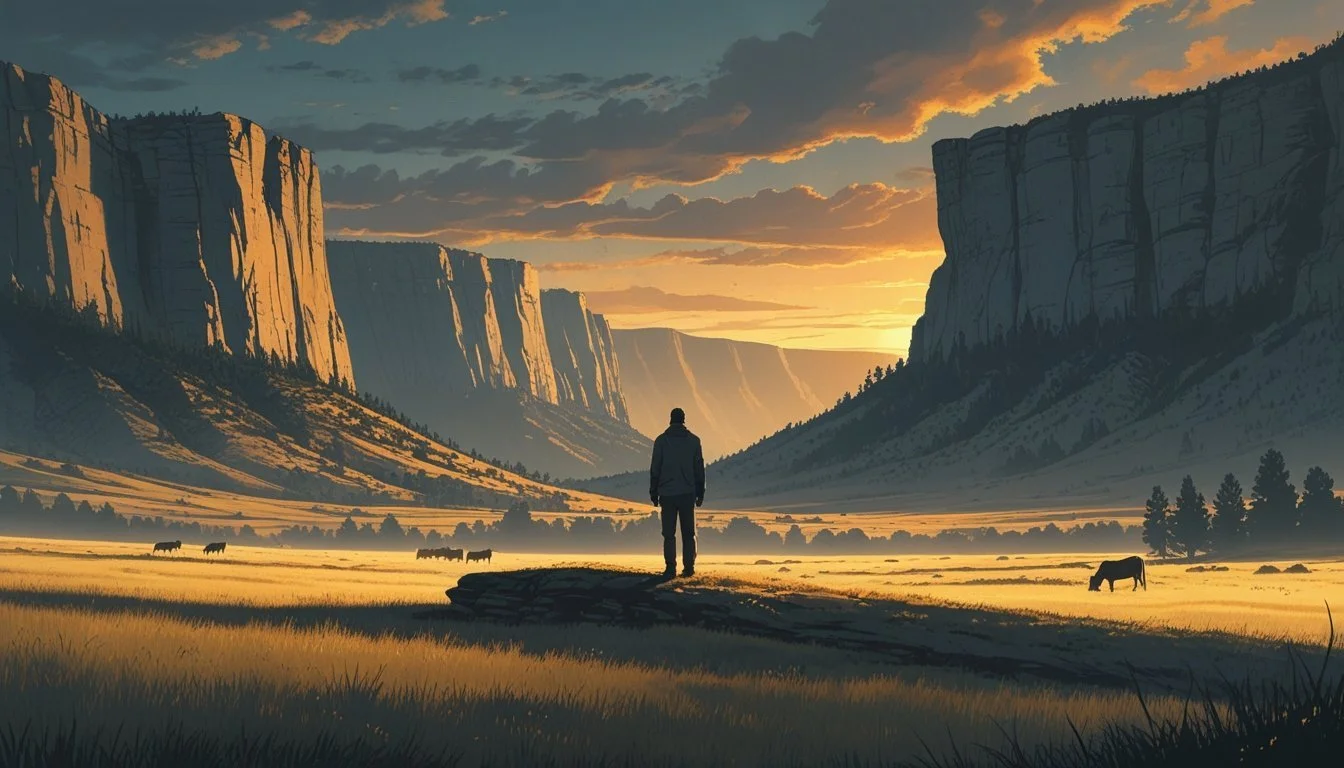
Yellowstone’s distinct approach to silence and scenery has influenced both its critical reception and audience conversations. Fans and critics have discussed how these elements shape their emotional engagement with the show and connect it to broader themes in Western storytelling.
Audience Engagement With Silence
Many viewers have noted how Yellowstone uses silence to build tension and convey emotion. Rather than relying on constant dialogue, the show lets quiet moments linger. This technique draws attention to subtle performances and underlines the gravity of certain scenes.
Social media discussions frequently mention how the absence of background music or conversation can intensify a confrontation or farewell. For example, in scenes where characters process loss or betrayal, fans report feeling the weight of the moment more deeply. Silence becomes a narrative tool, forcing viewers to interpret body language and facial expressions.
The strategy of letting moments breathe can be divisive. While some praise the show’s restraint, others have described certain segments as slow or uneventful. Despite occasional criticism, this careful modulation of silence has become a hallmark of the series, shaping how audiences perceive both its characters and storylines.
Cultural Resonance of Visuals
Yellowstone’s visual style consistently attracts praise from audiences who appreciate its sweeping shots and attention to detail. Wide-angle views of Montana’s landscapes—mountains, ranches, and open fields—are repeatedly highlighted in online discussions and reviews.
Fans often say that the scenery works like a character in its own right. It frames the personal struggles of the Dutton family and grounds the drama in a sense of place. Lists of favorite scenes on fan forums almost always include moments where the environment dominates the screen.
The Western aesthetic taps into long-standing cultural themes. Viewers express a sense of nostalgia for open ranges and traditional American iconography. This visual approach, while modern in its cinematography, directly references classic Westerns and contributes to Yellowstone’s identity as a contemporary continuation of the genre.
Comparisons to Other TV Dramas
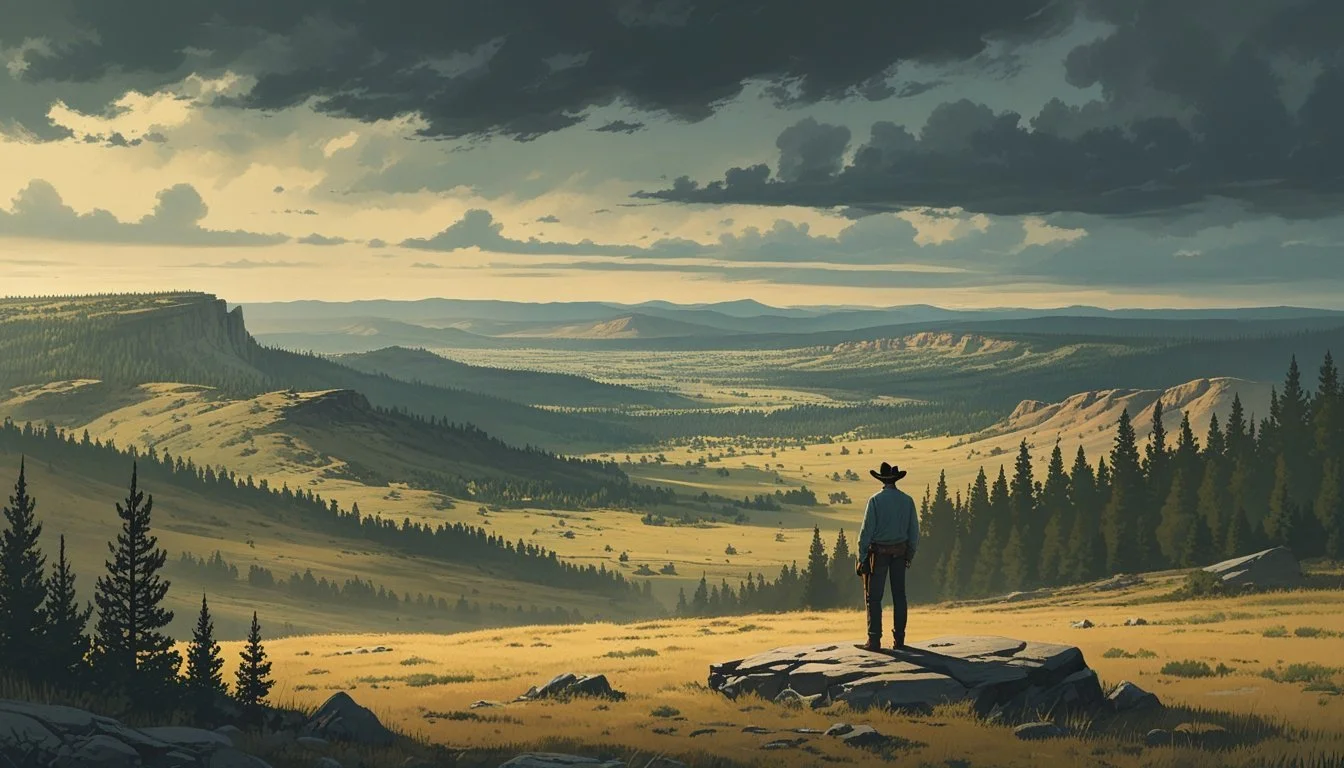
When placed alongside other TV dramas, Yellowstone’s use of silence and scenery distinguishes it from more dialogue-heavy or action-driven shows. Instead of filling every moment with conversation or events, Yellowstone allows quiet stretches and wide shots to build atmosphere and tension.
Shows like Sons of Anarchy lean more on intense dialogue and overt displays of violence. In contrast, Yellowstone often lets silence and the open landscape communicate conflict or unease between characters. The difference can be seen in how both series handle similar themes, such as loyalty, legacy, and survival.
Show Use of Silence Scenery as Narrative Yellowstone Frequent, purposeful Central focus Sons of Anarchy Rare, tension-driven Secondary element Bonanza Occasional, nostalgic Supports nostalgia
Fans have noted that while some series might portray even more violent or chaotic storylines, Yellowstone stands apart through its measured pacing and the emotional weight given to its setting. For example, the physical environment in Yellowstone is not just a backdrop but an active part of character development and storytelling.
Bonanza, an earlier western drama, used scenery to establish mood but often filled scenes with dialogue and music. Yellowstone pushes this further by letting the land and long silences speak volumes about its characters’ internal struggles.
This stylistic choice creates a viewing experience that feels distinct and immersive, setting Yellowstone apart from its genre peers.
Influence on Modern Cinematography
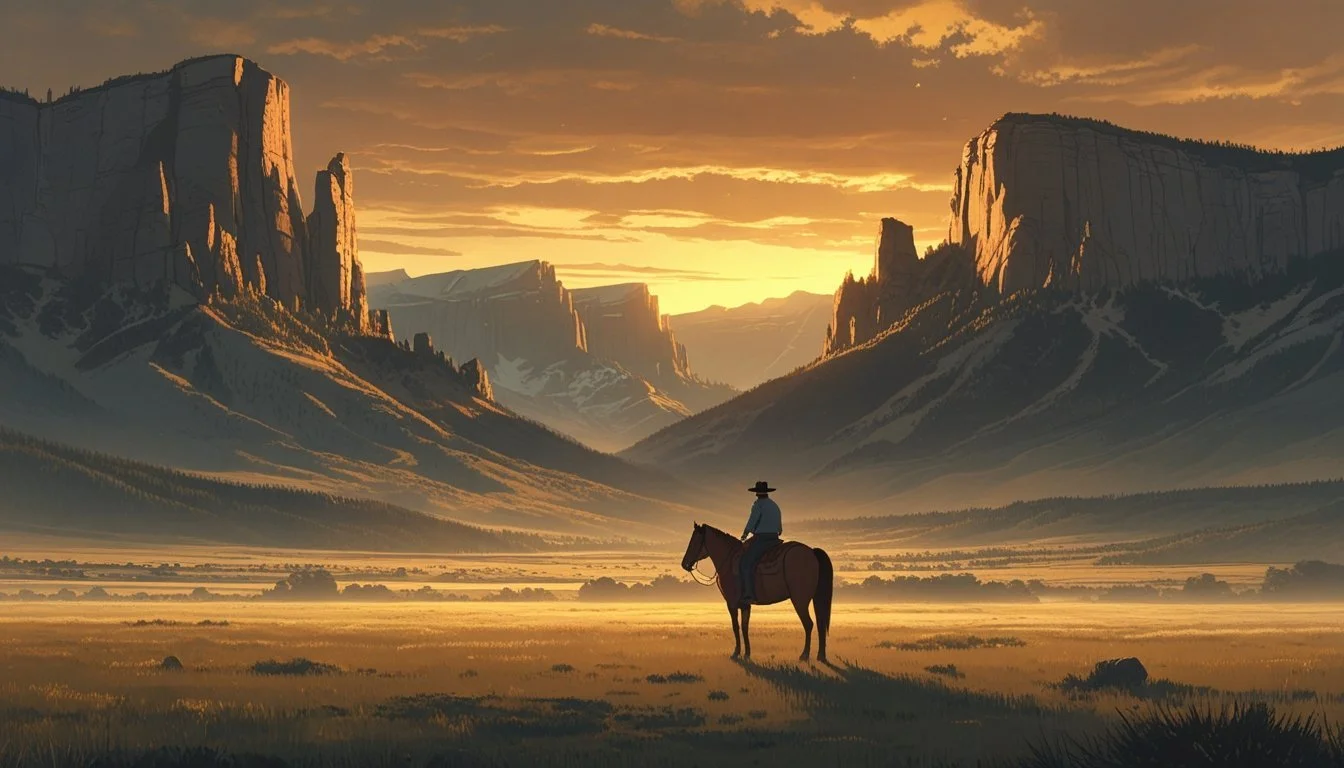
Yellowstone stands out for its use of silence and scenic imagery to tell its story. Modern cinematographers observe how the show merges wide, sweeping vistas with moments of quiet tension, creating a distinct emotional impact.
The show's approach often blends realism and spectacle. Directors rely on wide-angle shots of landscapes contrasted with intimate moments, allowing the environment to become part of the narrative. This technique influences how other productions frame silence and space on screen.
Notable Influences on Cinematography:
Use of silence to build suspense or convey emotion without dialogue
Emphasis on natural light and practical effects
Contrasts between open landscapes and closed, intimate spaces
The visual storytelling seen in Yellowstone has prompted filmmakers to reconsider how they depict place and mood. Several recent series and films have adopted similar techniques, highlighting the power of pacing and environment.
Directors and cinematographers now regularly use the landscape itself as a character. This method encourages a more immersive viewing experience and shifts focus from dialogue-driven scenes to visual storytelling.
A comparison of traditional vs. Yellowstone-inspired cinematography:
Aspect Traditional Approach Yellowstone Approach Use of Silence Background or filler Tool for tension and mood Focus on Scenery Often decorative Central to narrative Camera Techniques Conventional framing Sweeping/contrasting wide and close-up Role of Environment Backdrop Active narrative component
Yellowstone’s visual choices continue to be referenced in discussions about modern TV and film aesthetics. Its influence can be seen wherever landscape and silence take on narrative significance.
