
The Ethics of Killing in Yellowstone’s Moral Universe
Examining Justice and Survival in the American West
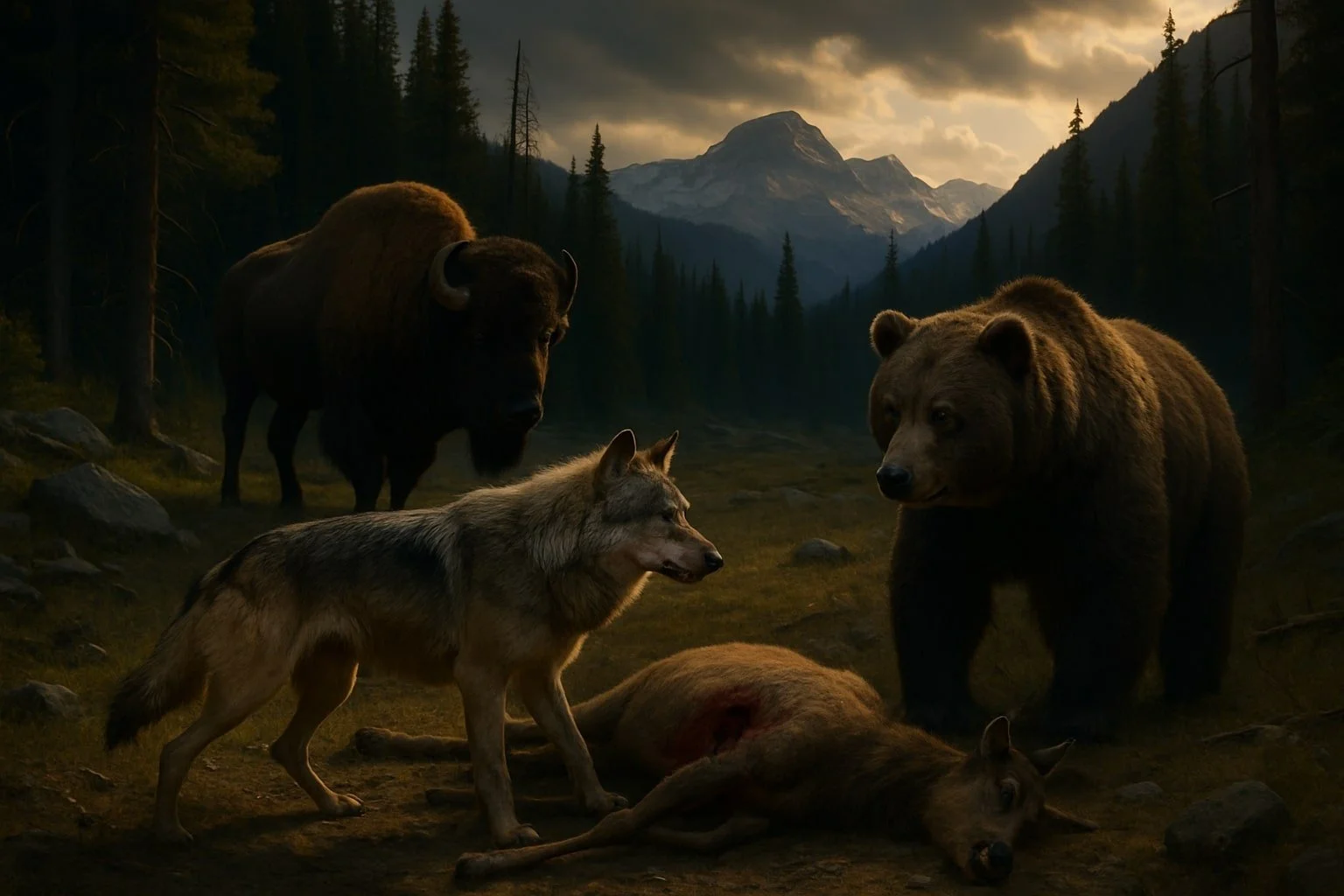
Yellowstone’s moral universe often tests the boundaries of right and wrong by placing the question of killing front and center in its narrative. Each decision to take a life is rarely simple; it is intertwined with questions of justice, loyalty, survival, and the control of land and power. This makes the ethics of killing one of the most intense and complex themes in the series.
Characters are forced to weigh their actions not only by personal codes, but also by the competing demands of family, community, and legacy. The series explores how Western and Indigenous values clash and overlap, particularly when survival and protection of loved ones are involved. As Yellowstone’s characters face impossible choices, viewers are left to consider what constitutes justifiable action in a world driven by violence and ambition.
Understanding Yellowstone’s Moral Landscape
Yellowstone’s ethical environment has been influenced by its unique blend of cultural, environmental, and historical factors. These layers shape complex perspectives on right and wrong, including the ethics of life and death within park boundaries.
Historical Context and Evolution of Yellowstone’s Values
Yellowstone became the United States’ first national park in 1872. Its creation was driven by intersecting economic ambitions, ideas of wilderness preservation, and a belief in Manifest Destiny.
Throughout the late 19th and early 20th centuries, federal policy focused on excluding Indigenous peoples from park lands. This was justified as protecting wildlife and scenery but also reflected broader patterns of moral reasoning that privileged settler values over traditional Native stewardship.
Early park management prioritized strict protection of animals, sometimes using lethal force against predators. As ecological science matured, attitudes shifted to recognize the importance of natural processes, leading to changes in predator control and conservation approaches.
Frameworks of Moral Decision-Making in Protected Areas
The ethical frameworks guiding decisions in Yellowstone today are rooted in both scientific reasoning and cultural perspectives. Consequentialist thinking (weighing benefits and harms) often guides choices about managing species and human-wildlife conflicts.
Moral considerations are informed by a mix of federal law, scientific research, and evolving public attitudes. Decision-makers weigh the intrinsic value of wildlife, the need for ecosystem balance, and the rights of humans, including Indigenous communities historically displaced from the area.
Key questions include:
When, if ever, is killing justified for conservation?
How should competing human and animal interests be prioritized?
What role should Indigenous knowledge play in shaping park policies?
These frameworks continue to influence Yellowstone’s policies and the conversation about ethical action in national parks.
The Ethics of Killing in Conservation Management
Decisions about lethal wildlife management in Yellowstone National Park force managers, scientists, and the public to weigh ecological needs against moral concerns about animal life. Finding a balance between species conservation and individual animal welfare remains one of the most persistent ethical issues in national park policy.
Justifying Lethal Actions
Lethal removal of animals in Yellowstone is sometimes used to protect threatened species, control invasive populations, or mitigate risks to visitors.
Examples include:
Bison culls to prevent brucellosis spreading to cattle.
Wolf or bear removals after repeated human-wildlife conflict.
Eradication of invasive fish species to safeguard native populations.
Supporters argue these actions are justified when ecosystem integrity, species recovery, or public safety is threatened. Critics note that intentionally killing animals raises serious ethical questions about human interference in natural processes. Debates also hinge on animal sentience, the rights of nonhuman species, and the criteria used to determine when lethal action is the only viable choice. Each decision often attracts public scrutiny and legal challenges.
Alternatives to Killing Within Park Policy
Yellowstone’s management policies increasingly emphasize non-lethal methods to resolve wildlife conflicts whenever possible.
Common alternatives include:
Hazard aversion: Electric fencing, aversive conditioning, and relocation to deter animals from human areas.
Fertility control: Experimental contraceptive programs, particularly for bison and elk, to limit population growth.
Public education: Programs aimed at reducing risky tourist behavior that leads to conflict.
These alternatives are chosen when feasible, but each comes with drawbacks. Fertility control methods, for example, can be costly and logistically complex. Relocation sometimes fails if animals return. Managers must weigh effectiveness, ecological impact, and ethical obligations in each scenario, and adapt strategies as conditions change.
Property Rights and Human Influence
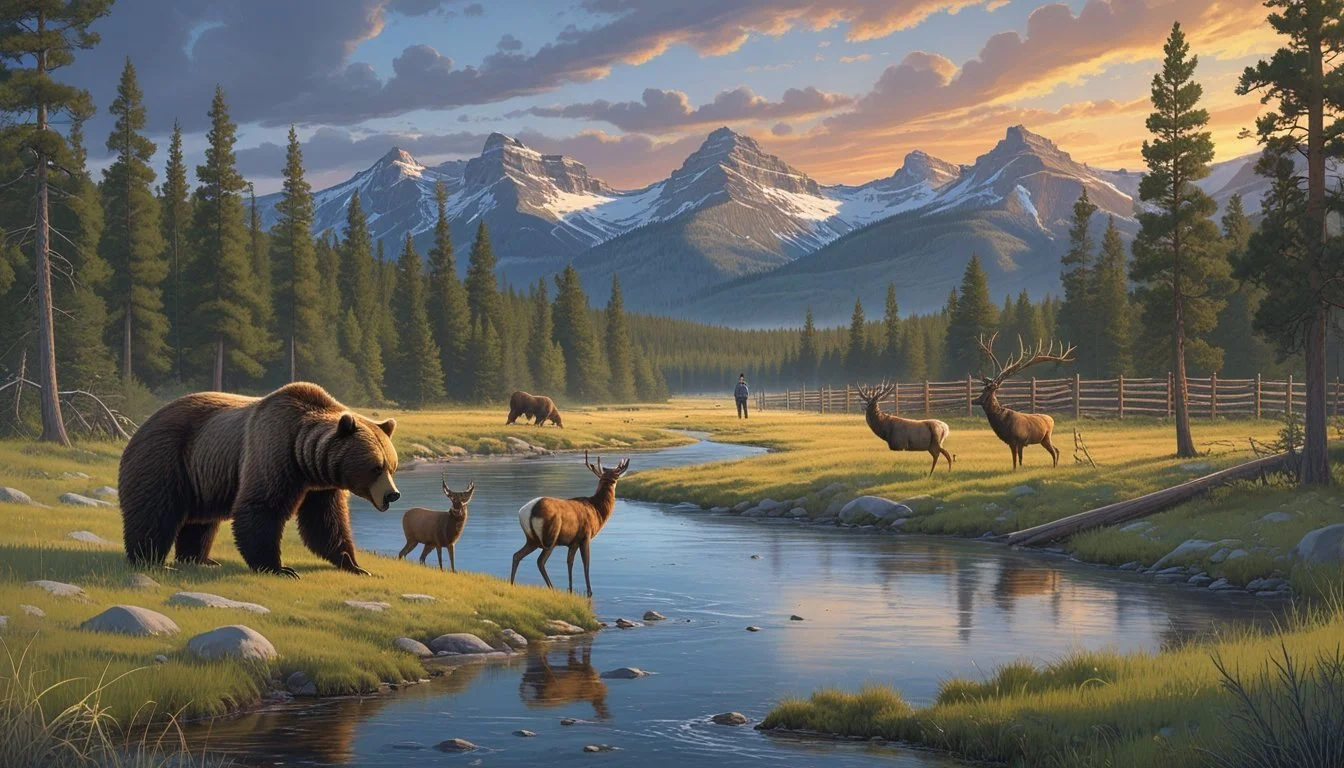
Property rights define who controls land and resources in Yellowstone, often shaping the park’s management strategies. Human influence, especially through decisions around land use, directly affects wildlife and ecosystem balance.
Impact of Property Rights on Management Decisions
Property rights in and around Yellowstone involve legal and ethical complexities. Private landowners may lease, sell, or transfer their land, as seen with grazing agreements or hunting access. Each action reflects their priorities and incentives, contributing to the patchwork of landownership surrounding the park.
These rights give landowners power to influence Yellowstone’s ecological boundaries. Disputes can arise, such as conflicts between conservation groups and those seeking economic development. Local residents often advocate for access to natural resources, while environmentalists push for stricter regulations.
Ethical dilemmas persist, especially when private property interests intersect with the park’s public mission. The question of who benefits from land use—local communities, ranchers, the broader public, or wildlife—remains central to Yellowstone’s ongoing debates.
Balancing Human Interests with Ecosystem Health
Human activities in Yellowstone, including livestock grazing, tourism, and infrastructure, can stress native species and habitats. Managers are tasked with weighing these interests against the need for long-term ecological stability.
Decision-making often requires collaboration between federal agencies, tribal nations, and private landowners. They must address issues like bison migration, predator management, and the rights of Indigenous peoples. Key considerations include:
Sustainable land use planning
Respect for tribal sovereignty
Mitigating impacts on endangered species
Finding balance demands ongoing negotiation and adaptive strategies, ensuring both economic needs and ecosystem health are addressed without prioritizing one entirely over the other.
Species at the Center: Bison, Wolf, and Elk
Bison, wolves, and elk shape Yellowstone’s ecosystem and spark ethical debates about how humans should intervene. Decisions about population control and predator management are guided by ecological data, animal welfare concerns, and public opinion.
Ethical Debates Over Bison Population Control
Bison are emblematic of Yellowstone, yet their numbers often outpace the capacity of the park’s habitat. Each winter, bison tend to migrate beyond park boundaries in search of food, leading to culling or transport as a response to fears of disease transmission—especially brucellosis—to nearby livestock.
Debate Highlights:
Approach Arguments for Arguments against Lethal control Prevents overgrazing; protects livestock Considered inhumane; disrupts natural behavior Non-lethal methods Moves bison safely; preserves herds Costly; logistical challenges
Some maintain that reducing herd size serves ecological balance. Others argue that bison deserve freedom from arbitrary removal and that these strategies undermine natural processes within the national park.
Managing Wolves: Predation and Public Perception
Wolves, reintroduced to Yellowstone in 1995, changed the park’s predator-prey dynamics. They primarily prey on elk, while bison make up only a minor part of their diet. As wolves reduce elk numbers, this affects vegetation regrowth and influences the broader ecosystem.
Wolves raise strong feelings. Supporters view them as essential for a functioning ecosystem and restoring ecological integrity. Opponents often cite livestock losses or concerns over perceived threats to hunters’ interests. Science shows their predation helps curb overgrazing by elk and promotes greater biodiversity within the park.
A careful balance between ecological roles and public perception remains central to ongoing management of wolves in Yellowstone.
Community Values and Public Opinion
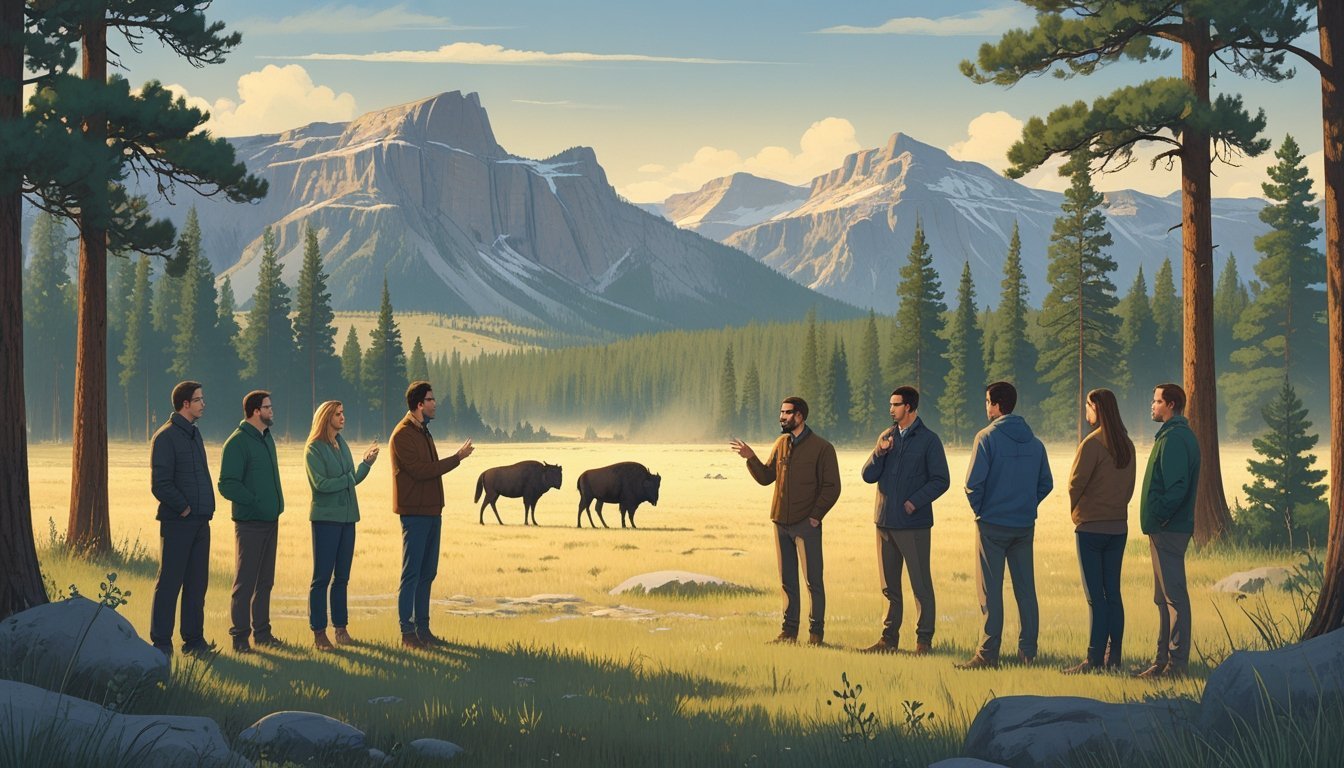
Public attitudes towards killing in Yellowstone are shaped by deep cultural roots, local history, and the ongoing presence of diverse interest groups. These values affect both policy decisions and day-to-day practices on ranches and in protected areas like the National Park.
Stakeholder Perspectives in Policy Formation
Different stakeholders, including ranchers, conservationists, visitors, and government authorities, play a role in shaping how Yellowstone approaches ethical dilemmas involving animal life and land management.
Ranchers often prioritize livestock safety and economic survival, sometimes supporting lethal control of predators or competing wildlife. Conservation groups frequently weigh ecological balance and species preservation, questioning the justification for animal killings unless necessary for ecosystem health.
Park officials must consider state and federal regulations, public safety, and tourism impacts. Their decision-making is informed by scientific data, but public opinion—shaped by media coverage and advocacy—often fuels policy debates.
Key stakeholder interests:
Ranchers: Livelihood protection
Conservationists: Ecological integrity
Officials: Legal compliance, safety
Public forums and policy meetings provide a space for these groups to express concerns, leading to negotiated outcomes that reflect a mix of ecological, economic, and ethical priorities.
The Role of Local and Indigenous Knowledge
Local communities and Native American tribes contribute practical knowledge and ethical traditions that influence wildlife management in and around Yellowstone.
Tribes such as the Crow and Shoshone hold traditional beliefs about coexistence with nature, often viewing animals as kin or spiritual beings. These perspectives encourage respect for life and suggest alternative approaches to conflict resolution, such as non-lethal deterrence.
Residents with generations-long ties to the land may possess insights about animal behavior, seasonal changes, and the impacts of park policies beyond official data. Their input can highlight unintended consequences, inform adaptive management, and ensure broader acceptance of difficult decisions like sanctioned animal kills.
Inclusion of Indigenous voices and local experience helps balance modern conservation science with cultural values rooted in place and history.
Long-Term Consequences and Lessons for Conservation
Management decisions in Yellowstone, especially regarding lethal control of wildlife, have far-reaching effects on animal populations, ecological balance, and future conservation strategies. These policies also reflect broader ethical debates about the value of individual animals versus populations.
Outcomes for Elk and Other Species
Elk populations in Yellowstone have been directly and indirectly affected by management practices such as culling and predator introduction. Culling has sometimes been used to control elk numbers when natural predation was low, aiming to prevent overgrazing and habitat degradation.
Introduction of wolves in the 1990s led to noticeable shifts in elk behavior, distribution, and population numbers. This change benefited certain plant species and smaller animals as grazing pressure decreased, and carcasses left by predators provided food for scavengers.
However, these interventions have sometimes caused controversy among stakeholders and local communities. Some argue that lethal management disrupts established animal societies, while others believe it restores a natural balance missing due to human activity.
Implications for the Future of Wildlife Management
Policies in Yellowstone provide a framework for addressing ethical issues in wildlife management elsewhere. Decision-makers must weigh immediate ecological needs against longer-term consequences for both populations and individual animals.
Ethical frameworks, such as considering the welfare of individual elk versus the health of the entire ecosystem, play a central role in shaping these choices. Disagreements can arise between those prioritizing species conservation and those emphasizing animal rights.
Wildlife management decisions often involve trade-offs:
Priority Possible Conflict Population health Individual animal welfare Ecosystem integrity Public values and stakeholder input
Future conservation strategies are likely to continue balancing these competing interests, shaped by science, ethics, and public perspectives.
