
Could the Yellowstone Ranch Be the Last American Dream? Exploring Its Cultural Legacy and Modern Relevance
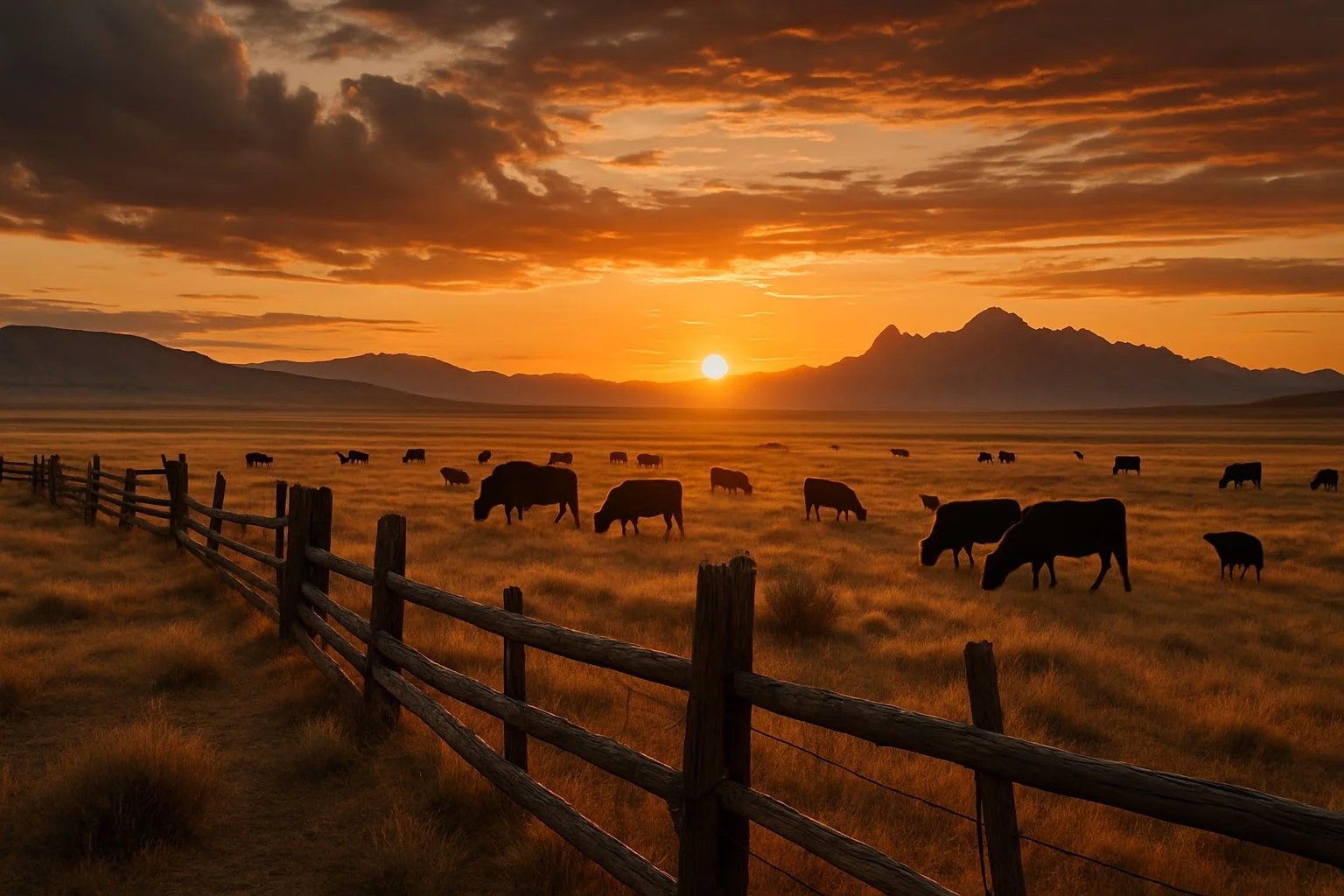
The sprawling Yellowstone Ranch stands as a rare symbol of heritage, endurance, and the fight to preserve a way of life amid modern challenges. Fans of the series have witnessed the Dutton family's relentless efforts to protect their land from developers, corporations, and shifting societal values. Yellowstone Ranch represents what might be the last vestige of the American dream: maintaining a legacy against overwhelming pressure to sell or surrender.
The intrigue of whether anyone can truly hold on to such a place resonates beyond the television screen. Decisions made by the Duttons reflect real-life conflicts many landowners face, making the fate of the ranch both timely and relevant. Readers are left to wonder if places like Yellowstone can survive in today’s world, or if they are destined to become memories, sold and repurposed by changing times.
The Foundations of the Yellowstone Ranch
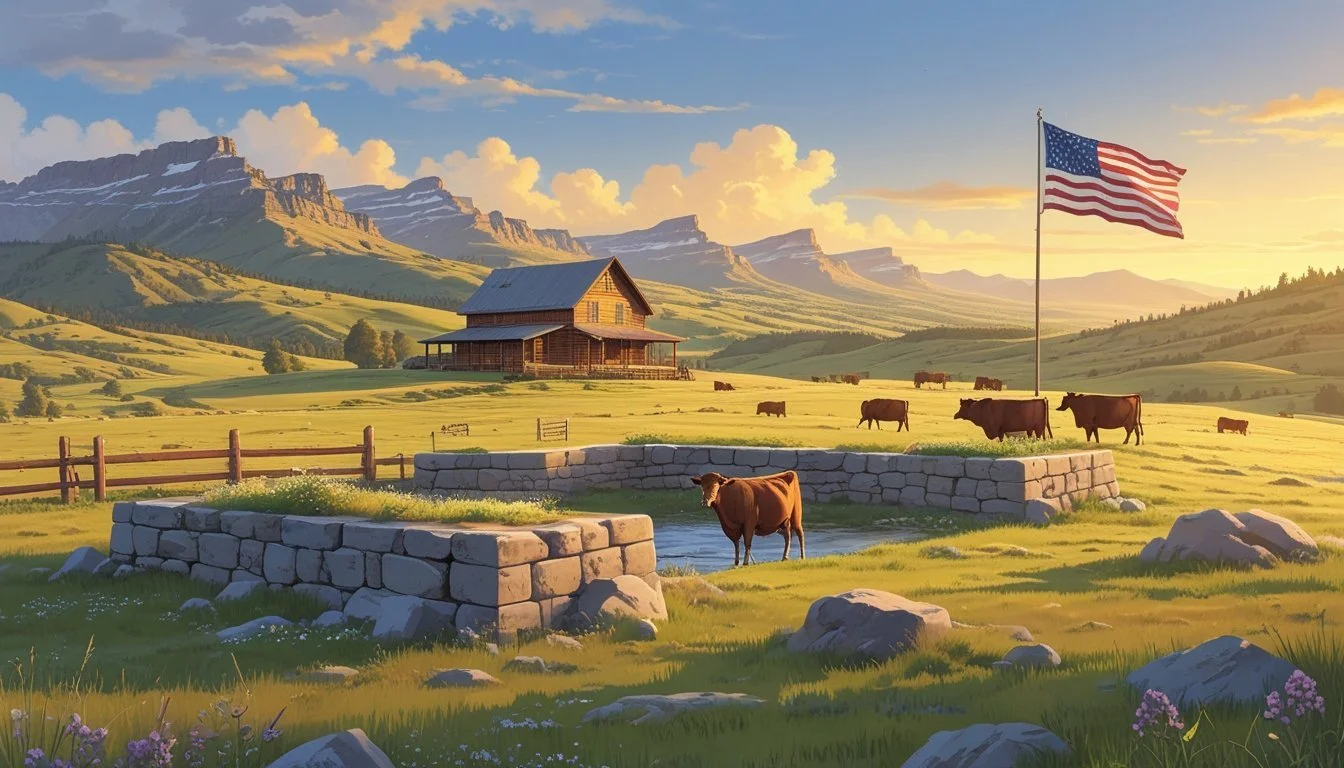
Yellowstone Ranch stands out due to its distinct history, vast Montana setting, and the pivotal role of the Dutton family. The land continues to shape economic, cultural, and personal identities for those connected to it.
Origins and History
The origins of Yellowstone Ranch are rooted in the early settlement period of Montana. First claimed by the Dutton family generations ago, the ranch’s backstory parallels the westward expansion of American settlers. The Duttons established their presence through hard labor and determination, transforming raw land into working pasture and homestead.
Historic land disputes and rugged terrain challenged early ranching operations. The family faced legal battles and conflicts with both neighboring landowners and indigenous tribes. Over time, the ranch survived multiple crises, from economic downturns to environmental threats.
Its storied past includes adapting to new laws, evolving agricultural practices, and competition from land developers. The ranch remains a symbol of perseverance in the region’s history.
Location and Landscape
Yellowstone Ranch is located in the Bitterroot Valley of Montana. This region is characterized by dramatic mountains, rolling fields, and sweeping river valleys. The landscape provides fertile grazing ground and supports large-scale cattle operations.
The proximity to Yellowstone National Park highlights the ranch’s unique location but also introduces regulatory and conservation challenges. Seasonal weather can be unpredictable, with harsh winters and brief growing seasons affecting ranching activities.
A map of the land typically includes winding creeks, open rangeland, and patches of dense forest. This combination of natural beauty and utility enhances the ranch’s reputation as a prime example of the American West.
The Dutton Family Legacy
The Dutton family has maintained stewardship over the ranch for several generations. Every member, from patriarch John Dutton to his children, is deeply involved in daily management and long-term planning. Their leadership style emphasizes practical knowledge, resourcefulness, and loyalty to their land.
Family succession is a central theme, as each generation faces the challenge of protecting the ranch from external threats. Developers, local government, and changing laws all put pressure on family unity and decision-making.
The Duttons are depicted as both traditional and adaptive, blending heritage with modern demands. Their commitment to conservation efforts, such as considering land trusts or easements, reflects a willingness to balance legacy with future sustainability.
Yellowstone Ranch and the American Dream
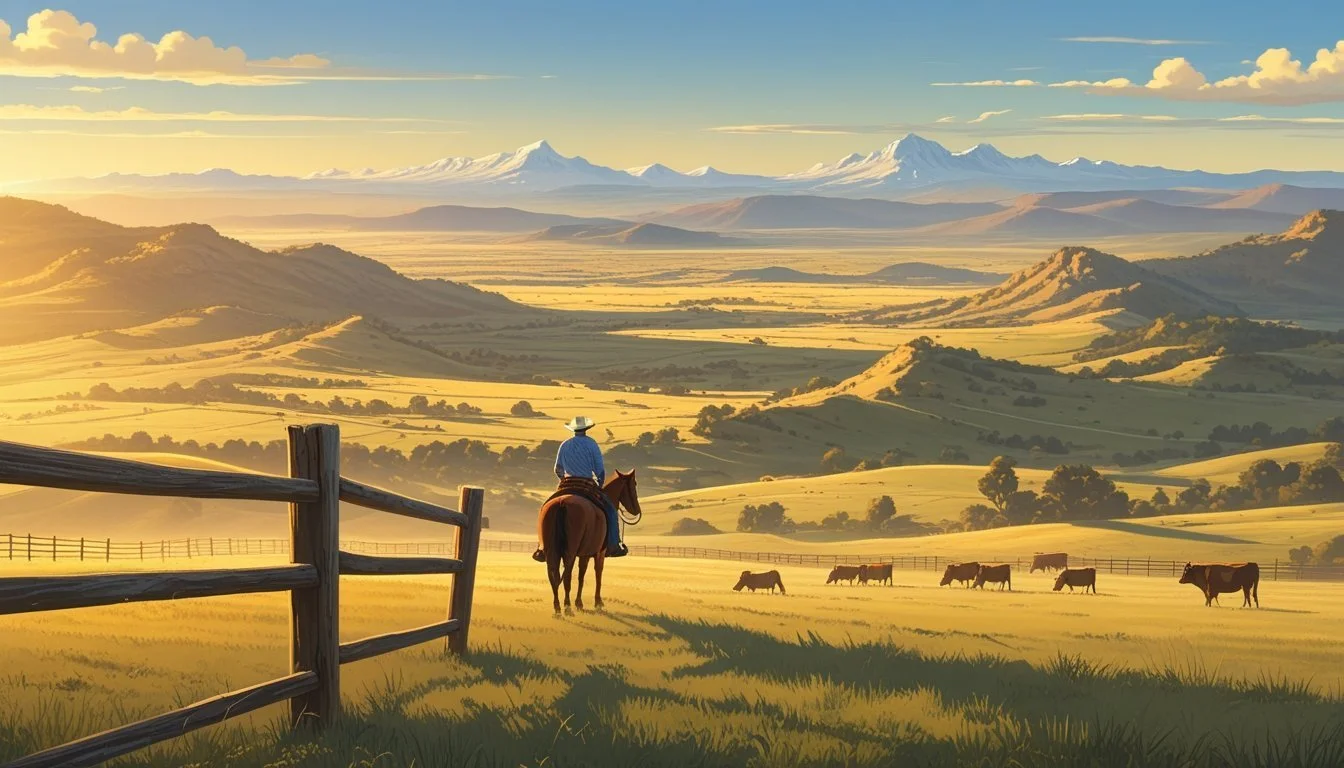
The Yellowstone Ranch embodies the enduring image of the American West, balancing deep-rooted tradition with growing pressures of the modern era. Through its portrayal, viewers see how values, challenges, and aspirations continue to define what many consider the American Dream.
Iconic Representation of the American West
Yellowstone Ranch serves as a powerful symbol of the American West and its historical significance. Spanning tens of thousands of acres in Montana, the ranch is depicted as both a home and a legacy, showcasing sweeping pastures, rugged cowboys, and daily cattle drives.
The show’s attention to ranch life draws on imagery often linked to the American Dream: hard work, family ownership, and independence. The Dutton family, at the center, is constantly working to uphold their claim against outside interests, echoing the age-old desire for land and legacy.
For many, the ranch’s resistance to urbanization and encroachment stands as a celebration of self-reliance and identity. These themes deeply resonate with rural Americans, making Yellowstone an emblem not just of the West but of broader national ideals.
Preservation of Tradition and Values
The Duttons’ unwavering commitment to ranching highlights the pursuit of the American Dream through continuity and perseverance. Ranch life is presented as a cycle of tradition—raising cattle, passing skills between generations, and defending land through thick and thin.
Values such as loyalty, respect for the land, and hard work are repeatedly emphasized. The cowboy way of life is integral, not simply as an aesthetic but as a moral code shaping everyday decisions on the ranch.
Family unity is also central. Conflicts over inheritance and responsibility illustrate how the ranch is more than property—it’s a symbol of belonging and purpose. These dynamics ground the notion that the American Dream is about more than material success; it’s tied to personal and familial integrity.
Modern Challenges to the Dream
Despite its romantic image, Yellowstone Ranch faces realities threatening its survival. The series explores tensions from land developers, auctions, and political interests seeking to divide or reclaim the property for profit.
Increased land values, changing cattle markets, and legal pressures constantly put the Duttons’ livelihood at risk. These issues mirror actual trends in American agriculture, where family-owned ranches struggle against economic and regulatory forces.
The presence of outside bidders at auctions and threats of modernization highlight the fragile nature of the dream. As traditional cattle ranching lifestyles fight for survival, Yellowstone depicts a dream that endures but must adapt—or risk fading away.
The Dutton Family: Stewards of Yellowstone
The Duttons’ stewardship shapes the destiny of Yellowstone Ranch, intertwining land, legacy, and family. Each family member takes on distinct responsibilities that influence both daily operations and the broader fate of their home.
John Dutton's Leadership
John Dutton is the patriarch and unwavering leader of the Yellowstone Ranch. His approach centers on protecting the land at any cost, drawing from his deep sense of heritage and duty. Under his leadership, the ranch is both home and legacy—one threatened by outside forces.
He navigates complex legal, political, and personal challenges. John’s methods are direct, often marked by tough decisions and an intense loyalty to his family and the ranch. His leadership style commands respect but also generates tension, especially as he resists change and fights to uphold traditional values.
John’s alliances and conflicts with local residents, tribal members, and developers drive much of the drama. He relies heavily on trusted allies like Rip Wheeler, whose loyalty is unwavering. John’s influence over each family member shapes not just the ranch’s future but the entire Dutton legacy.
Key Family Members and Their Roles
Beth Dutton, John’s daughter, serves as the ranch’s fiercest defender in the business and legal arenas. Her sharp intellect, aggressive negotiation tactics, and personal sacrifices make her indispensable. She manages corporate threats and handles high-stakes conflicts with a ruthless determination.
Kayce Dutton, John’s youngest son, balances his loyalty to the family with his relationship to Monica and the local Native American community. As a former Navy SEAL, he brings discipline and problem-solving skills but often struggles with the moral costs of ranch life.
Jamie Dutton, the adopted son, oversees the family’s legal affairs. His relationship with John is complicated by issues of trust and identity. Their conflict deepens following Jamie’s life-changing decisions, putting him at odds with Beth and other family members.
Rip Wheeler, the ranch foreman, is fiercely devoted to John and the Yellowstone. Rip’s presence as enforcer and protector makes him central to the ranch’s survival, both in daily operations and during crises.
Multigenerational Conflicts
Conflicts between generations in the Dutton family stem from clashing values, personal rivalries, and loyalty to the land. John’s steadfast hold on tradition often clashes with Beth’s ruthless pragmatism and Kayce’s desire for a different way of life.
Tensions spike over decisions involving succession, alliances, and the future of the ranch. Beth’s confrontations with Jamie escalate into open hostility, especially as secrets about parentage and power come to light. The rivalry is personal but carries vast implications for the family’s unity and the ranch itself.
Kayce faces his own challenges as he raises his son Tate with Monica, who represents a bridge between the Duttons and the Broken Rock Reservation. These conflicts highlight how the Duttons struggle not just with external threats, but with each other as they determine what stewardship means for future generations.
Major Themes and Plotlines in Yellowstone
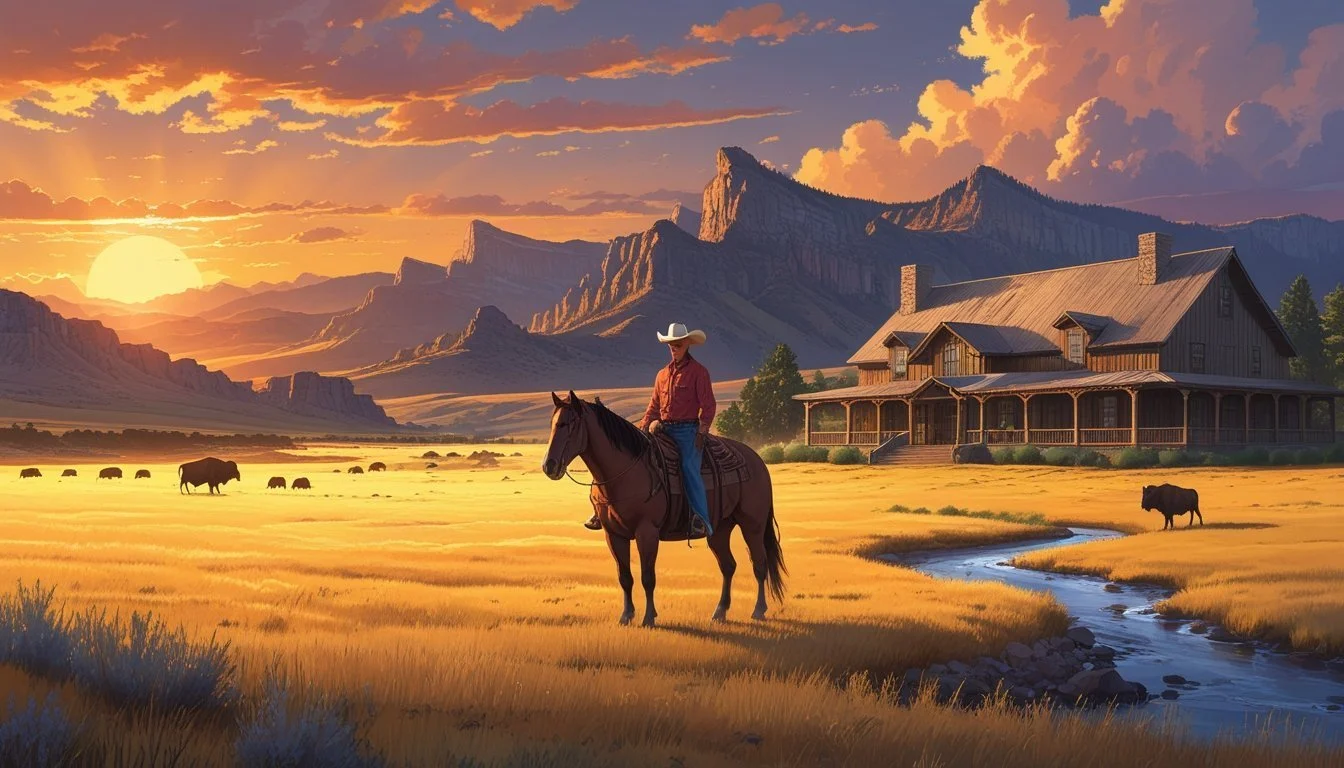
Yellowstone explores the nuanced challenges the Dutton family faces in protecting their cattle ranch, revealing themes rooted in family, land, and the reality of Western life. Its storytelling is driven by generational tension, dramatic confrontations, complex relationships, and the enduring traditions of cowboy culture.
Family Legacy and Loyalty
The Duttons’ legacy is central in Yellowstone. The family’s loyalty is repeatedly tested by internal conflict and outside threats throughout all five seasons. Patriarch John Dutton is determined to secure the future of Yellowstone Ranch for his children, while his children often clash over the best way to protect or control their inheritance.
Generational divides add tension, as Beth, Kayce, and Jamie each hold conflicting visions for the ranch's legacy. These clashes intensify in the season 5 and the series finale, when past betrayals resurface and loyalty becomes a matter of survival. Family members are forced to choose between loyalty to blood and personal ambition.
This ongoing struggle for legacy is one of the show's driving forces. The weight of keeping the ranch intact binds the Duttons together, even as it drives them apart.
Land Ownership and Power Struggles
Land is not just property in Yellowstone; it is power, identity, and history. The Dutton family’s determination to retain their cattle ranch sets off years of battles with land developers, the government, and the neighboring Native American reservation.
Across all seasons, the Duttons confront political and legal threats, including attempts to seize or buy their land. High-stakes confrontations—such as the casino ambush and the violent moves by powerful interests—highlight the dangers of holding valuable land in Montana. Rivalries shape the fates of not only the Duttons but also the broader community.
The series finale brings closure to several of these power struggles, but it leaves the larger question of land ownership in the American West unsettled.
Romance and Relationships
Relationships in Yellowstone are often intense and complicated, reflecting the high-pressure environment of ranch life. The romantic connection between Beth Dutton and Rip Wheeler stands out for its loyalty and raw emotion, weathering loss, violence, and betrayal.
Other relationships, such as Kayce and Monica's marriage, are tested by trauma, cultural differences, and the demands of the ranch. Jamie’s complicated ties with his biological and adoptive families add more emotional complexity. Interpersonal drama intensifies at moments of crisis, such as in the season finale, where personal stakes can affect the ranch’s fate.
Romance often collides with ambition, forcing characters to choose between love and duty. These choices add depth to the show’s drama and shape each character’s arc.
Cowboy Culture and Daily Life
Cowboy traditions and routines form the backbone of Yellowstone’s setting. Daily life on the ranch involves cattle drives, branding, and the demanding work required to maintain thousands of acres.
Cowboys—like Rip, Lloyd, and Walker—navigate strict codes of loyalty, skill, and survival. Tackling wild horses, handling unpredictable weather, and upholding unwritten ranch rules, they embody the rugged ethos of the American West. The bunkhouse scenes, with their camaraderie and conflict, provide insight into life at the bottom rung of the ranch's hierarchy.
Season 5 continues to showcase these traditions, grounding the show’s grand conflicts in the gritty realities of ranch work. This authentic portrayal of cowboy life shapes both the ranch’s survival and its unique identity.
Key Characters and Performances
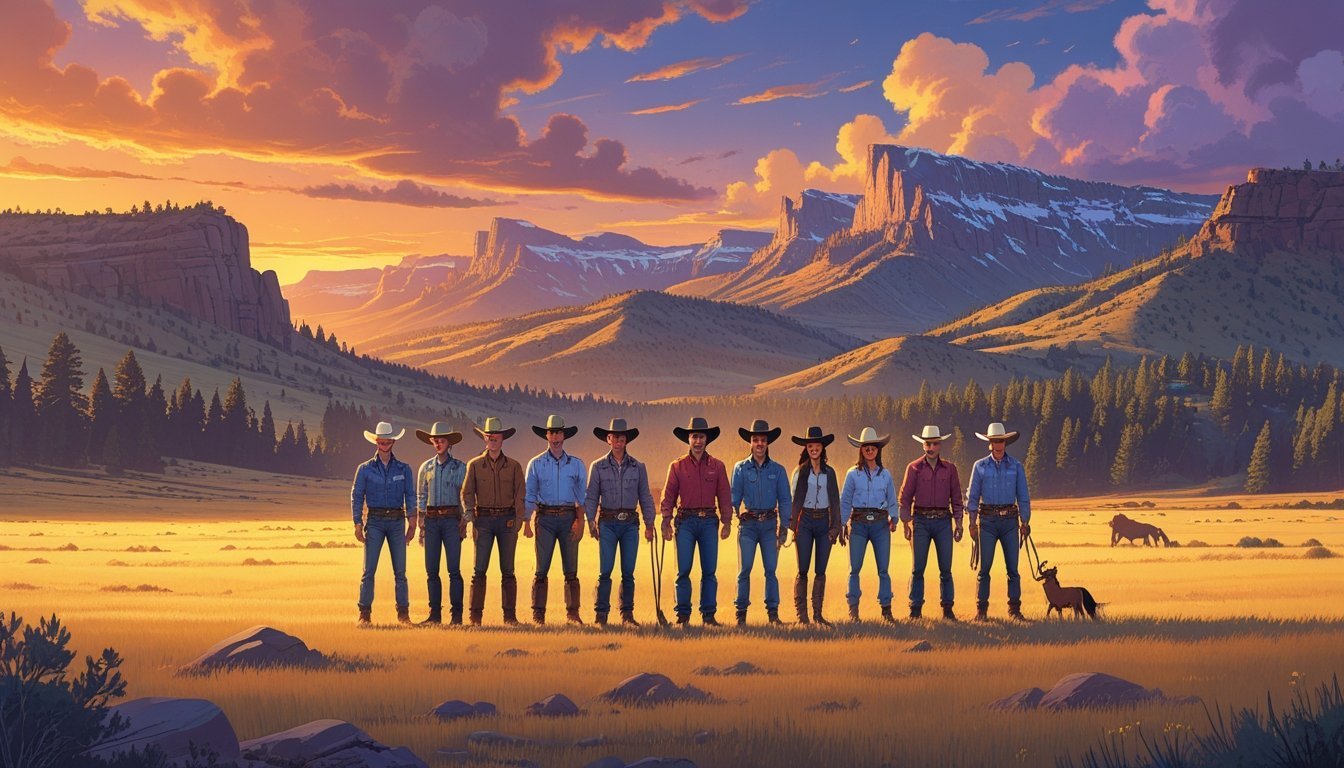
The Yellowstone saga is anchored by strong personalities whose choices define the fate of the ranch. Each performer brings a unique energy to their role, creating a complex landscape of alliances and rivalries.
The Duttons and Their Allies
Kevin Costner leads as John Dutton, a ranch patriarch fighting to preserve his land. His performance gives John a quiet intensity and weariness borne from decades of conflict. Luke Grimes plays Kayce Dutton, John's son and a former Navy SEAL, who is divided between ranch loyalty and his family's needs.
Kelly Reilly delivers a powerful performance as Beth Dutton, John's fiercely loyal daughter. Her portrayal of Beth's sharp intelligence and emotional vulnerability stands out in every season. Cole Hauser excels as Rip Wheeler, the dependable foreman and Beth’s companion, whose loyalty is absolute.
Among allies, Teeter and Lloyd add heart and grit. Jennifer Landon’s Teeter provides comic relief as well as raw honesty, while Forrie J. Smith’s Lloyd offers wisdom and a sense of tradition. Carter, the young ranch hand, represents a new generation learning about duty and survival. Travis, played by Taylor Sheridan, brings authentic cowboy culture to the screen.
Rivals and Antagonists
Yellowstone’s opposition comes from numerous fronts. Wes Bentley’s Jamie Dutton, John’s adopted son, is the most complex rival—torn between family loyalty and personal ambition. His shifting allegiances drive much of the internal drama.
Thomas Rainwater (Gil Birmingham) leads the Broken Rock Reservation and fights to reclaim ancestral land. Rainwater’s motivations are layered, making him both a principled adversary and a pragmatic negotiator.
Market Equities emerges as an external force with financial power, seeking to transform Montana’s landscape. The airport and related development projects, engineered by Market Equities, threaten the ranch’s legacy and increase tension among the characters. These antagonists force the Duttons into uneasy alliances and relentless defense of their home.
Notable Supporting Characters
Several supporting figures deepen the world of Yellowstone. Gator, the ranch’s cook, provides warmth and stability, often acting as an informal counselor to the Duttons and bunkhouse crew. His presence emphasizes the importance of community within the chaos.
The ranch’s bunkhouse is also home to memorable personalities, including Lloyd and Teeter, who both contribute significantly to the family atmosphere. Their stories highlight the bonds shared by those who work the land.
Other characters, like Carter, represent hope for the future, while recurring figures such as Travis bring authenticity through real-life corral scenes like strip poker, showcasing the rugged reality of ranch life. Each supporting role weaves together the complex social fabric that sustains—and threatens—the Yellowstone Ranch’s survival.
Cultural Impact and National Reception
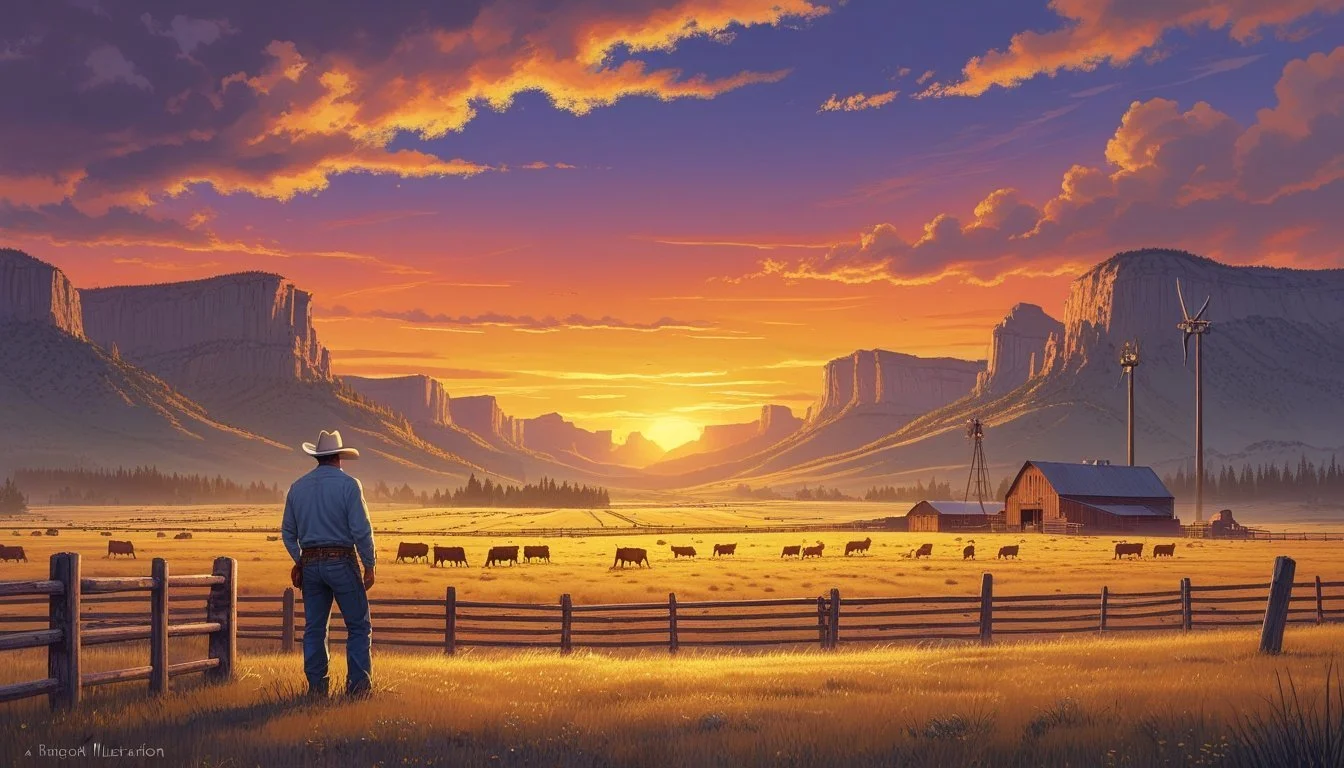
Yellowstone’s rise on the Paramount Network and Paramount+ has influenced the way audiences view Montana, the American West, and modern television drama. Its depiction of ranch life, generational conflict, and land disputes resonates across diverse regions, sparking trends and robust fan engagement.
Impact on Montana and the Western Genre
The show places Montana at the forefront, transforming the state’s image and boosting its visibility as a symbol of rugged aspiration.
Tourism in Montana has surged, with viewers wanting to experience the scenery and settings shown on screen. Real-world ranches and small towns have reported notable economic changes, while local debates over land use mirror issues dramatized by the Dutton family's conflict with Market Equities and developers.
Yellowstone has also revived the Western genre for a mainstream audience. Unlike traditional Westerns, the show blends modern issues—such as corporate land grabs and Native American sovereignty—into its storylines. This approach appeals to both new and long-time fans of the genre.
Paramount Network’s investment in spin-offs and related projects further solidifies this trend, expanding the influence of Western storytelling beyond Texas and Montana.
Fan Community and Trends
The Yellowstone fan community is active across social media platforms, organizing events, and driving merchandise sales tied to key characters and Dutton family lore.
Online forums and watch parties highlight the community aspect of following the series. Viewers have created guides to filming locations, and interest in western apparel, such as hats and boots, has notably increased.
Trends include fan theories around major plot twists and debate about cultural representations. The show's success on both the Paramount Network and Paramount+ has led to broader discussions about rural America, shifting the style and themes seen in other dramas.
This strong national reception has encouraged networks to reconsider how stories set outside urban centers can capture—and sustain—a wide audience.
Spin-Offs and Expanding the Yellowstone Universe
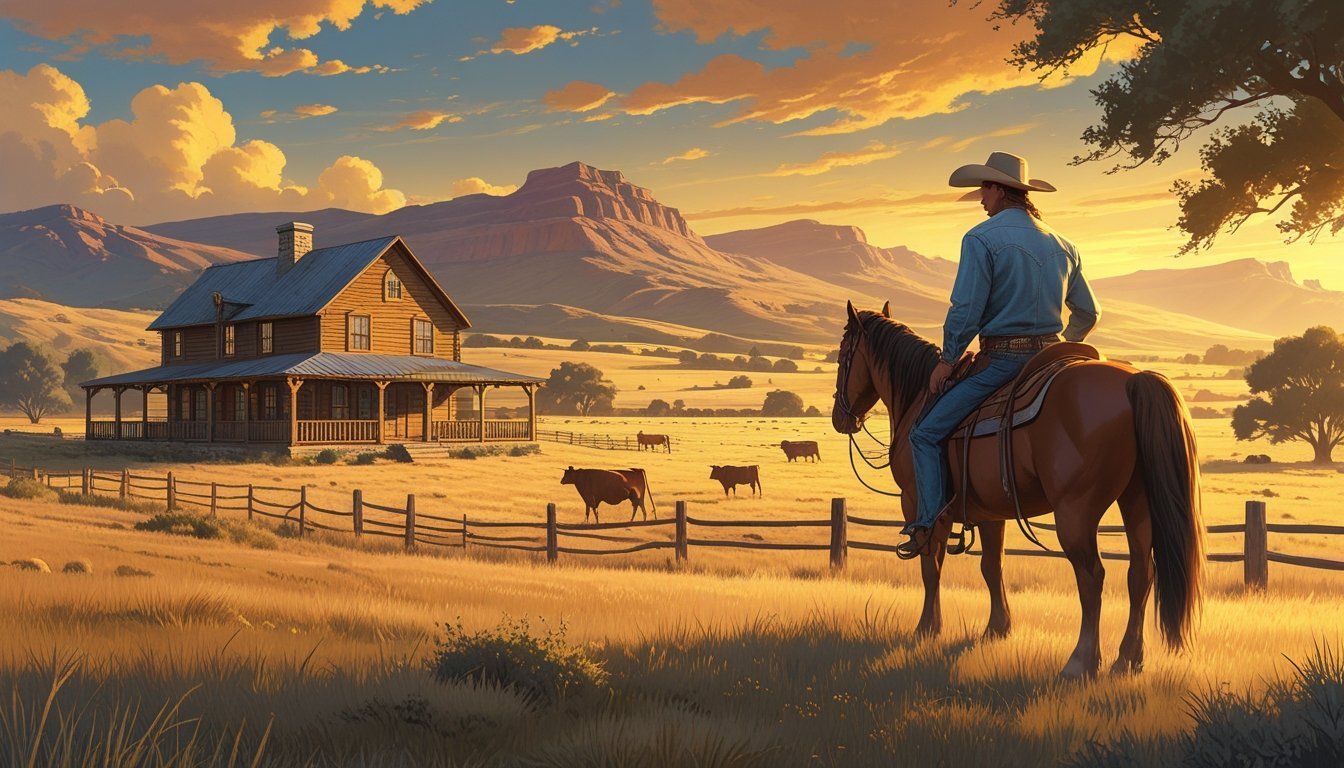
The Yellowstone franchise has grown far beyond its original series, drawing viewers into the Dutton family's past and shaping a broader narrative about their struggle, ambition, and survival. Each expansion builds on Taylor Sheridan’s vision, weaving together interconnected stories set across different periods.
1883: The Origins of the Duttons
1883 serves as the first prequel, tracing the origins of the Dutton family as they travel westward in search of a better future. Set against the rugged backdrop of the late nineteenth century, it follows James and Margaret Dutton as they lead their family from Texas to Montana.
The series focuses on the perilous frontier journey, capturing themes of hardship and resilience. Viewers see the family’s aspirations collide with harsh realities of disease, deprivation, and violence. The portrayal of daily life reveals the grim challenges faced by early settlers.
With Taylor Sheridan at the helm, 1883 utilizes strong casting and production values to deliver a grounded and visceral depiction of the American West. The show introduces foundational moments that define the Dutton legacy for generations to come.
1923: New Frontiers
1923 shifts the focus several decades forward. Starring Harrison Ford as Jacob Dutton and Helen Mirren as Cara Dutton, the series explores how the family endures the changing landscape of early twentieth-century America.
Set during Prohibition, the Great Depression, and the aftermath of World War I, the Duttons confront not only new external threats but also personal loss and family strife. The show highlights their responses to economic turmoil, environmental challenges, and evolving political pressures.
Attention to historical detail and character-driven storytelling are key features. The episode structure and performances offer insight into how the family adapts to a rapidly modernizing world, further cementing their claim to the Yellowstone ranch.
Other Prequels and Connected Stories
The Yellowstone universe now includes reports of additional prequels and spin-offs in development. Taylor Sheridan continues to expand the timeline and ensemble, sometimes focusing on side characters or different locations pivotal to the ranch’s legacy.
Notably, the 6666 ranch in Texas was introduced as part of the main series, with discussions about a dedicated spin-off. Jimmy’s character arc connects these storylines, hinting at new thematic territory. These stories deepen understanding of the American West and the larger cultural mythos the Duttons inhabit.
The interconnected nature of these projects, combined with Sheridan’s creative direction, ensures each entry adds complexity and context without diluting the core themes of land, power, and identity.
Behind the Scenes: Creation and Production
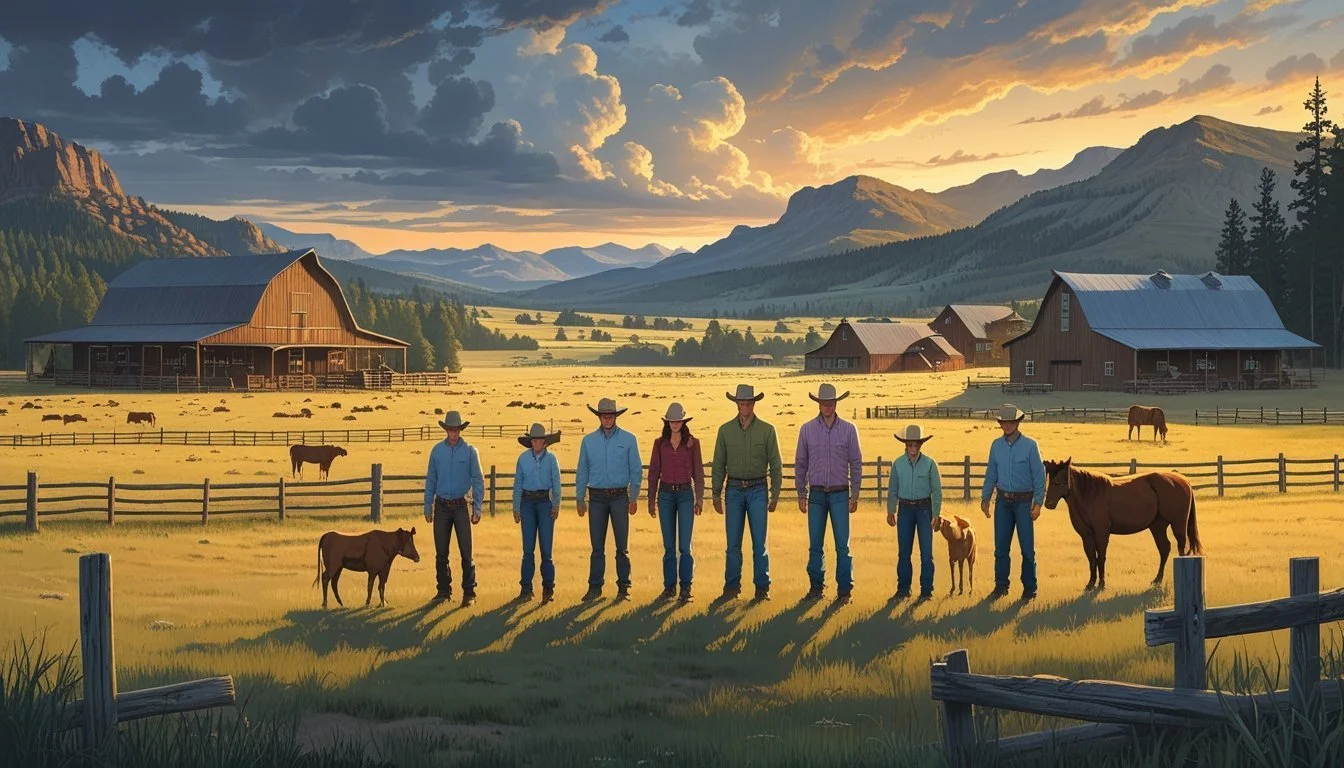
Building Yellowstone required a deliberate creative vision as well as the careful selection of authentic locations and cinematography techniques. Taylor Sheridan’s direction and the production team’s decisions grounded the series in the realities and beauty of the American West.
Taylor Sheridan's Vision
Taylor Sheridan, the creator of Yellowstone, wanted to present a modern Western that respected the truths of ranch life, generational conflict, and American land ownership. His previous experience writing films like Hell or High Water and Sicario informed his nuanced storytelling.
Sheridan insisted on realism in dialogue and character, with the Dutton family’s struggles reflecting actual issues faced by ranchers in Montana and Texas. He often cast real ranchers or cowboys for authenticity, and he is known for rejecting excessive Hollywood glamor in favor of practical details.
His approach extended to creative control. Sheridan directed multiple episodes himself and was closely involved with set design, ensuring each environment accurately portrayed ranch life. He emphasized the significance of landscape—believing Montana’s vistas should serve as more than scenic backdrops but as an essential part of the story.
Filming Locations and Techniques
Filming for Yellowstone primarily takes place at Chief Joseph Ranch in Darby, Montana. This real ranch provides the exterior and interior shots for the iconic Dutton family lodge, including its two-story great room and river-rock fireplace.
Since 2020, the production has been based in Montana, with new sound stages in Missoula used for expanded sets and weather-dependent shoots. Select scenes and flashbacks have also utilized locations in Texas to add regional realism and historic context.
Production employs a mix of practical effects and natural lighting. Cinematographers rely on sweeping aerial drone shots, wide-angle lenses, and minimal digital enhancement to capture the vastness of the land. Below is a quick breakdown:
Location Role in Filming Chief Joseph Ranch Main ranch, family lodge Missoula Stages Interior sets, controlled shots Texas Select outdoor scenes, history
Scenes frequently use local extras and livestock to maintain the show’s authentic atmosphere, with horses and cattle handled by professional wranglers. The attention to detail in both place and process sets Yellowstone apart visually and tonally from other TV dramas.
Yellowstone Ranch: The Future of the Last American Dream
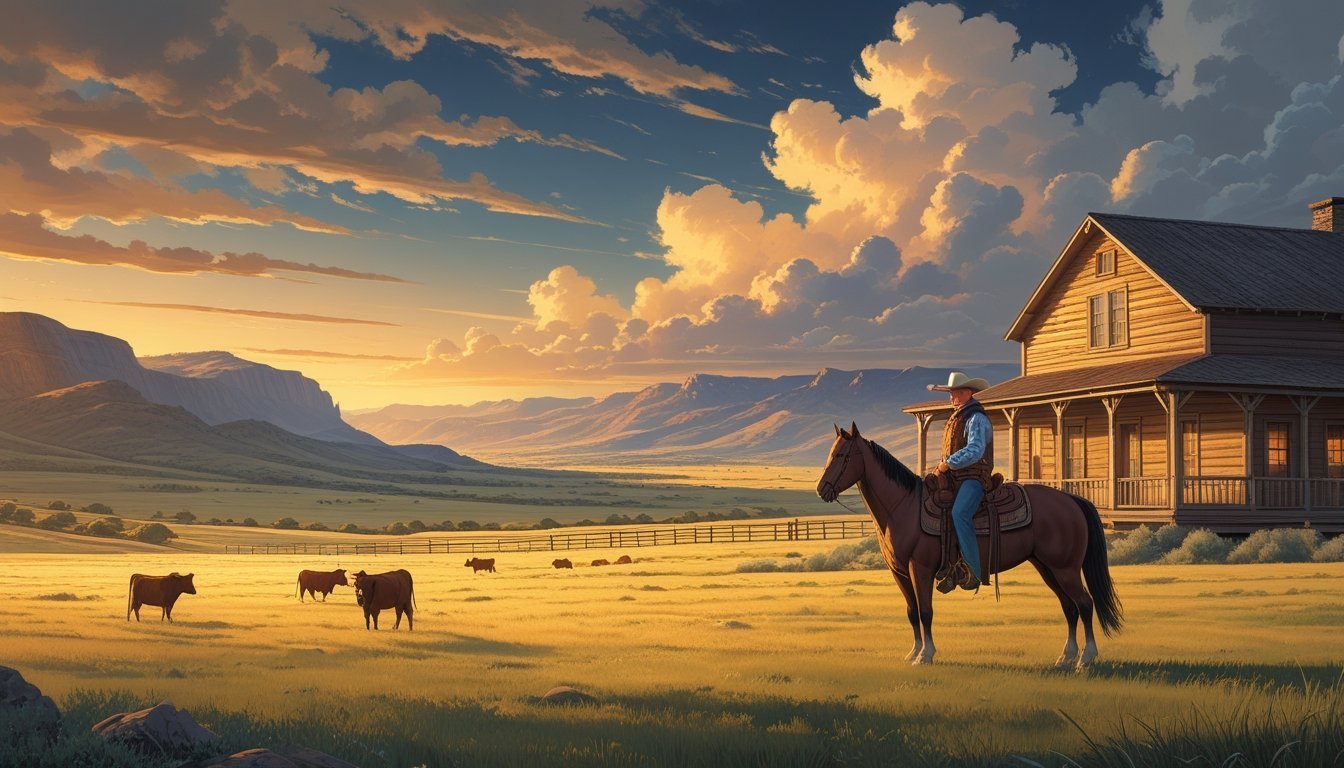
The Yellowstone Ranch stands at a crossroad where economic pressures and cultural changes test its survival. The way these tensions resolve may redefine what many consider the last vestige of the American Dream.
Threats and Opportunities
Market Equities poses a direct threat to the ranch, leveraging modern business tactics to edge out traditional landowners. Their aggressive development plans challenge the ranch's ability to remain profitable and independent. Tax loopholes once protected large properties like Yellowstone, but changing laws are reducing these benefits and increasing financial strain.
Family disputes, especially between Beth, Kayce, and Jamie Dutton, further complicate succession plans. The looming series finale hints at potential shifts in ranch ownership, possibly involving the transfer of land to Native Americans, as speculated in fan discussions. Opportunities remain in strategic partnerships and conservation easements, but these may force the Duttons to compromise on autonomy.
Implications for the American Identity
Yellowstone Ranch symbolizes the enduring struggle between progress and preservation in American culture. Its story highlights how economic realities and evolving social values test traditional models of land ownership. The ranch's fate reflects questions about who should control the land and for what purpose.
The presence of the ghost wolf folklore on the ranch ties modern dilemmas to deeper themes of legacy and stewardship. Its resolution—whether the ranch is kept, lost, or restored to Native tribes—will shape public views on the American Dream's future. The ranch's outcome will influence how Americans interpret the ideals of independence, generational duty, and cultural continuity.
