
How Yellowstone Turns Real Estate into War Strategy
Analyzing Strategic Land Use and Power Dynamics
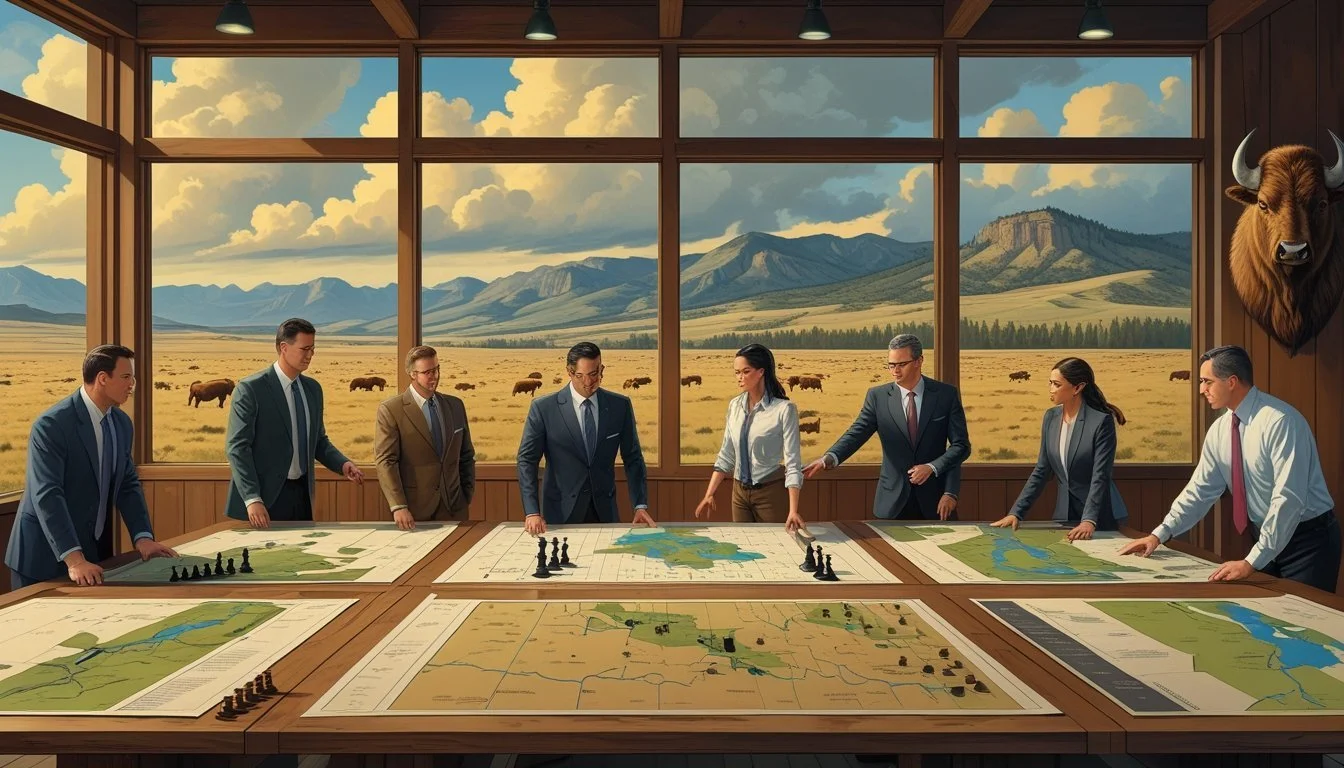
Yellowstone transforms the fight over real estate into a high-stakes war for power, control, and legacy that echoes real-life land battles in the American West. Through the struggles of the Dutton family, the show demonstrates how land is not just property—it’s a source of leverage, identity, and conflict. Each parcel becomes a strategic asset, with every deal, subdivision, and boundary fight serving as a calculated move on a larger chessboard.
The series pulls the audience in by showing how competing interests—developers, tribal nations, and political figures—turn property deals and land ownership into instruments of both attack and defense. Real estate is more than a backdrop; it is the catalyst that drives alliances, betrayal, and confrontation. For viewers, these stories are not only entertainment but also a window into the real and ongoing complexities of land use, profit, and preservation.
The Yellowstone Phenomenon: Real Estate and War Strategy

Yellowstone showcases how ownership and control of land shapes power dynamics in Montana. Real estate in the American West becomes not just an economic asset but a central force fueling conflict, legacy, and competition.
Yellowstone’s Impact on Montana Land
Land in Montana has become a battleground for competing interests, from ranching families to developers and conservationists. The depiction of Yellowstone highlights real estate as a primary source of struggle, where control equals influence.
Pricing and demand for land have soared, especially where ranches border Yellowstone National Park. Private ownership determines access to resources and sets the stage for both traditional disputes and modern legal battles.
Important changes include:
The rising influence of outside investors.
Legal conflicts over water, grazing, and mineral rights.
Tension between public land policy and private enterprise.
These pressures reshape local economies and intensify struggles over identity and survival in Montana.
The Dutton Family and Their Legacy
The Dutton family, led by John Dutton (portrayed by Kevin Costner), exemplifies the connection between land, heritage, and strategy. Control of their massive ranch is treated as essential to family and regional history, echoing broader themes in American history.
Their legacy is built on holding territory against shifting political, economic, and personal threats. Land ownership symbolizes both financial strength and cultural identity.
The Duttons use alliances, negotiation, and force to protect their holdings, reflecting a wider pattern in the American West where legacy ranches must constantly defend themselves from outside encroachment.
From Ranching to Modern Conflict
While ranching remains central, conflict now extends well beyond grazing and cattle. The series presents modern disputes over land use, zoning, and development as forms of warfare.
Legal battles with developers, government agencies, and tribal nations turn real estate transactions into tactical maneuvers. The struggle for land pushes characters to adopt strategies found in both boardrooms and courtrooms rather than on horseback.
This shift reveals how traditional ranching values collide with market forces and regulatory frameworks. The Yellowstone phenomenon shows how land, once the basis for rural livelihoods, now drives intense competition and strategic confrontation in every corner of Montana life.
Land Ownership and Power Dynamics
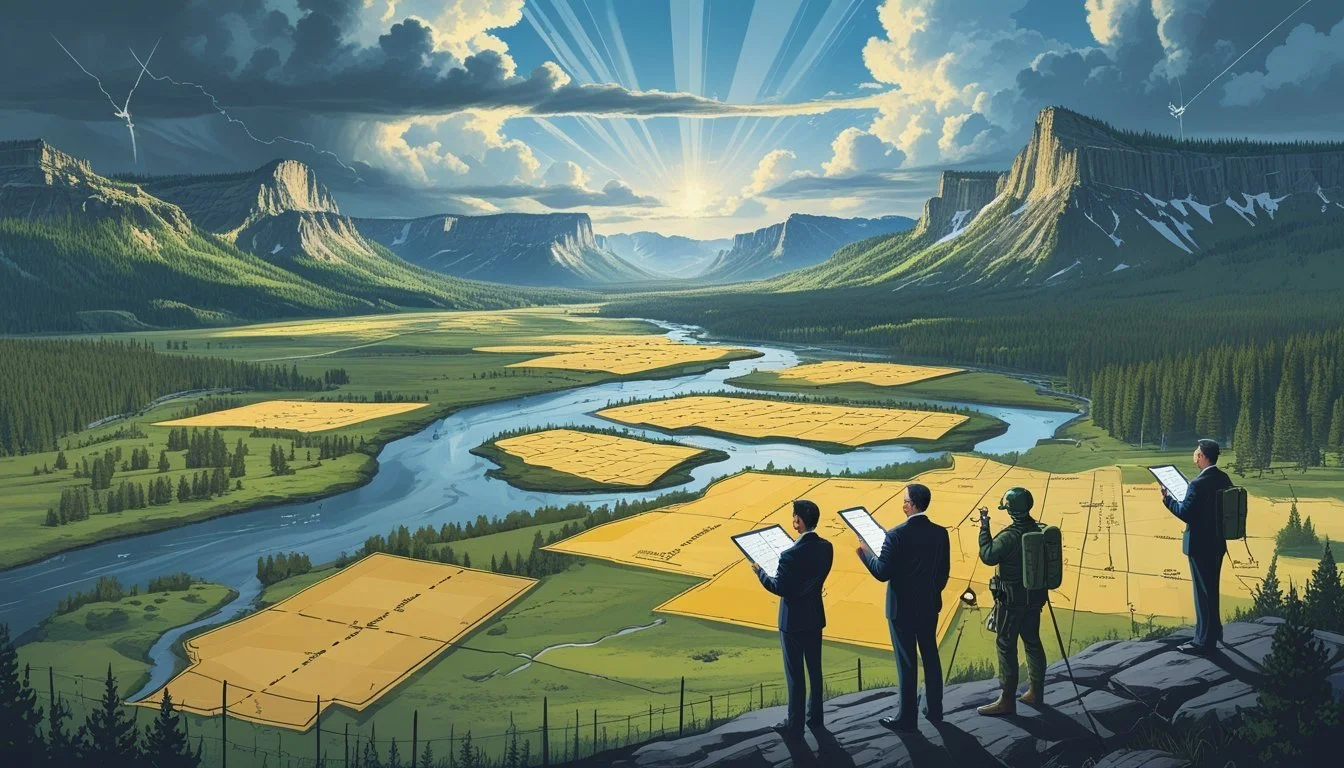
Land in Montana’s Paradise Valley is more than scenic real estate; it is a central factor in power struggles between families, developers, and outside investors. Complicated property boundaries, conflicting interests, and evolving land use regulations all shape the shifting influence over the valley’s future.
Paradise Valley’s Landscape
Paradise Valley’s physical geography—open plains, rolling hills, and rivers—creates natural boundaries that complicate land ownership. Ranches often span thousands of acres, their property lines shaped by generations of inheritance and acquisition.
The valley’s landscape is coveted for its unspoiled vistas and natural resources. This attracts buyers with the capital to purchase large tracts, driving land values up and putting pressure on traditional owners. Changes to land use directly affect wildlife habitat, water rights, and the broader ecosystem.
Tourism, recreation, and second-home development highlight the growing tension between preservation and profit. As urban residents relocate or invest in Paradise Valley, the clash between rural traditions and outside expectations sharpens.
Private Landowners Versus Developers
Private landowners, such as ranch families, often view their property as a legacy to be protected. They typically oppose efforts by land developers or outside investors to subdivide parcels or build large-scale housing developments.
Developers—corporate interests like Market Equities—see potential for lucrative projects such as resorts or luxury subdivisions. They work to acquire land from willing or pressured sellers, often using market demand to drive up prices.
This dynamic creates disputes over public access, land fragmentation, and changing community identities. Landowners face difficult choices between preserving family heritage and responding to substantial financial offers from developers.
Zoning and Land Use Regulation
Zoning laws and land use regulations play a critical role in shaping Paradise Valley’s growth. Local governments enforce zoning codes that limit subdivision sizes, building types, and property uses.
Conflict arises when development proposals challenge established regulations, prompting debates in county commissions and public hearings. Developers may lobby for rezoning to maximize property value, while residents push to preserve open land.
Complexities increase as outside investors test the flexibility of these rules. Regulatory decisions become battlegrounds where economic interests and rural values are weighed, influencing the future ownership and power structure in the region.
Ranchers, Developers, and Escalating Conflicts
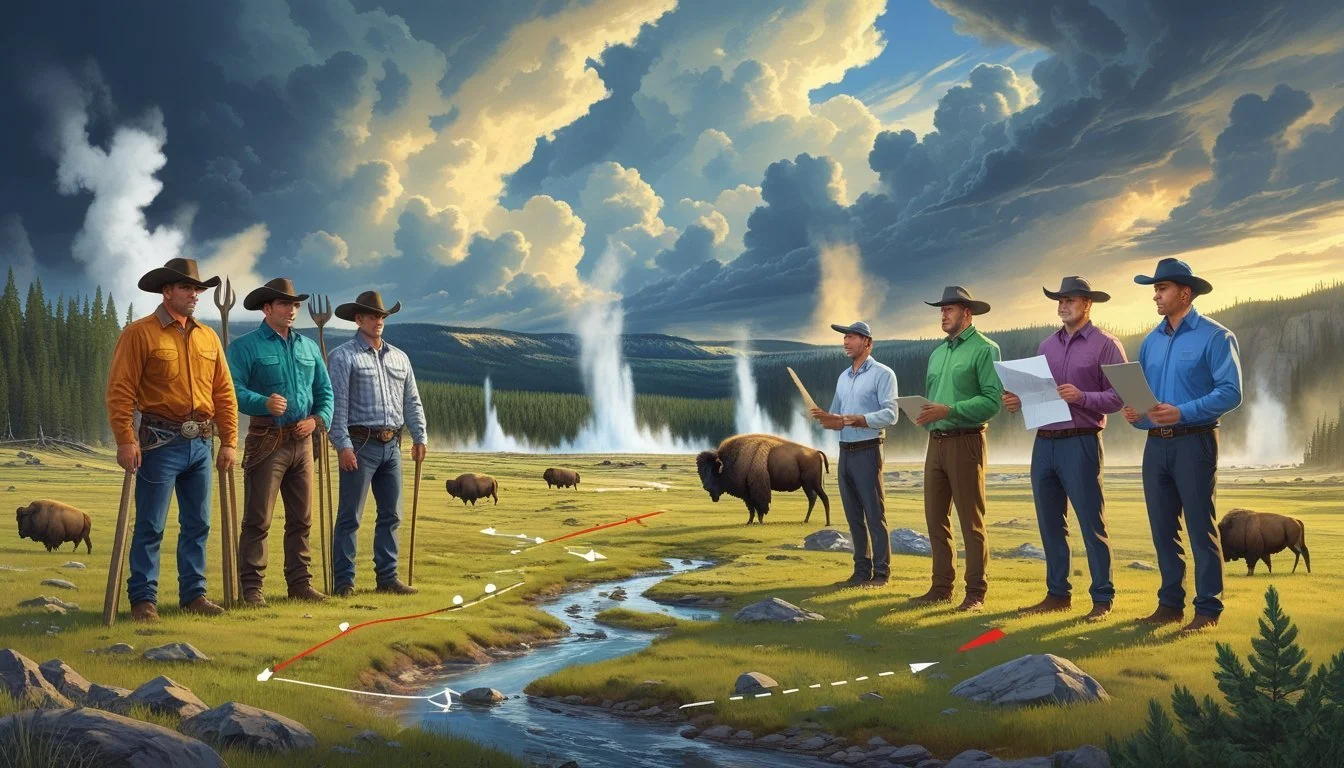
Clashes between ranchers and developers are driven by diverging interests and intensifying competition over valuable land. These disputes, often shaped by economic pressures and evolving regulations, have real and sometimes irreversible impacts on property rights and local communities.
Resource Management Challenges
Land management on the Yellowstone frontier often pits traditional ranching practices against aggressive development. Ranchers rely on consistent access to water, grazing land, and migration corridors for livestock and wildlife. Developers, represented by figures like Dan Jenkins, seek to convert these open spaces into profitable real estate ventures.
Wildlife conservation groups add complexity by demanding protected habitats. Conflicting priorities create tension. For example, nearby rivers may serve as both a water source for ranchers and a scenic asset for high-end developments or resorts.
Fire protection, weed management, and balancing resource extraction with conservation elevate operational costs. Disputes sometimes become public, especially when developers propose projects affecting shared or adjacent resources. Resource allocation—land, water, and access—remains a core friction point.
Legal Aspects and Property Rights
Property law in the Yellowstone region is complex, with private ranch holdings sometimes intersecting tribal lands, public parks, or county regulations. Ranchers often possess land through longstanding titles, while developers navigate zoning changes and land-use permits to acquire and repurpose acreage.
Conflicts can escalate to litigation if eminent domain or easement claims are at stake. Compensation is a major concern when property is taken or altered for development. Native American tribes, whose ancestral claims add another layer, may challenge private or state actions, prolonging disputes in court.
Disagreements over boundaries, water rights, and right-of-way frequently surface. Developers use legal strategies to push projects forward, sometimes leveraging economic incentives or political influence. Legal maneuvering is used as both shield and weapon in these modern land battles.
Land Values and Economic Pressures
Rising land values are a direct result of demand from wealthy developers and newcomers seeking luxury properties. As land prices increase, long-established ranchers face mounting property taxes and growing incentives to sell. This contributes to population shifts and changes in land use patterns.
Developers like Dan Jenkins can offer cash or compensation packages that are hard for individual families to refuse, especially during downturns in agricultural markets. Economic pressure forces some ranchers to compromise or sell, while others double down on defending their operations.
A comparison of economic pressures faced:
Group Main Pressure Typical Response Ranchers Rising costs, tax hikes Hold land, resist Developers Land scarcity, high entry Aggressively pursue
The tug-of-war over land, driven by profit motives and survival needs, fuels ongoing conflict across the Yellowstone region.
Conservation Versus Progress
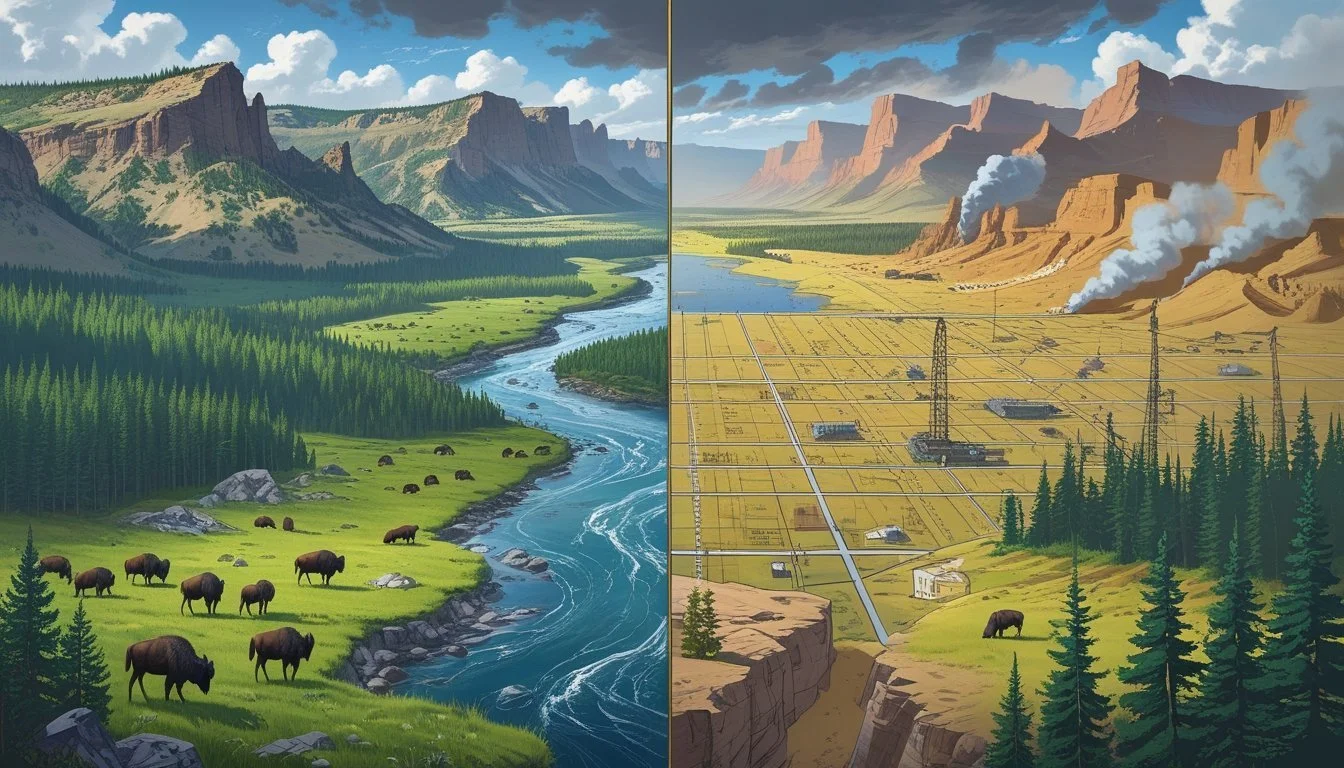
Land use in the Yellowstone region combines competing pressures: conservation seeks to protect natural resources, while development and economic growth drive new land uses. The tension between preserving ecosystems and accommodating growth shapes policies, community interests, and the value of real estate.
The Conservation Movement and Yellowstone
The conservation movement has deep roots in areas surrounding Yellowstone. Efforts began as a response to threats from mining, logging, and livestock grazing, and have steadily expanded through the work of conservation professionals and state agencies.
Advocates focus on protecting native species, waterways, and large tracts of undeveloped land. Such conservation often relies on science-based management and public input, with organizations promoting education and stewardship.
Key focus areas include:
Maintaining biodiversity
Safeguarding water resources
Promoting sustainable recreation
Conservation policies sometimes compete with local economic goals, generating ongoing debates over land rights and resource use.
Conservation Easements and Environmental Protection
Conservation easements have become a central tool for land preservation near Yellowstone. These legal agreements restrict certain types of development while allowing compatible uses like ranching or recreation.
Landowners who grant easements often receive financial incentives or tax breaks.
This approach helps keep landscapes intact and protects wildlife corridors without requiring full public ownership.
Common features of conservation easements:
Permanent or long-term land use restrictions
Flexibility tailored to each property
Ongoing monitoring and enforcement by non-profits or government agencies
Easements help balance environmental protection with private property interests, addressing progressive and traditional concerns.
Impact on Local Communities
Growth in the region, fueled in part by popular media and rising land values, can bring both prosperity and strain to local communities. Investment in real estate often boosts local economies but may also price out long-term residents or alter community character.
Changes experienced by communities:
Increased demand for infrastructure and services
Shift in employment from ranching to tourism or real estate
Need for expanded public education on land stewardship
Debates continue over zoning, development policies, and balancing economic benefits with the long-term sustainability of regional ecosystems. Communities frequently navigate these trade-offs as they adapt to shifting pressures and priorities.
Wildlife, Habitat, and Ecological Concerns
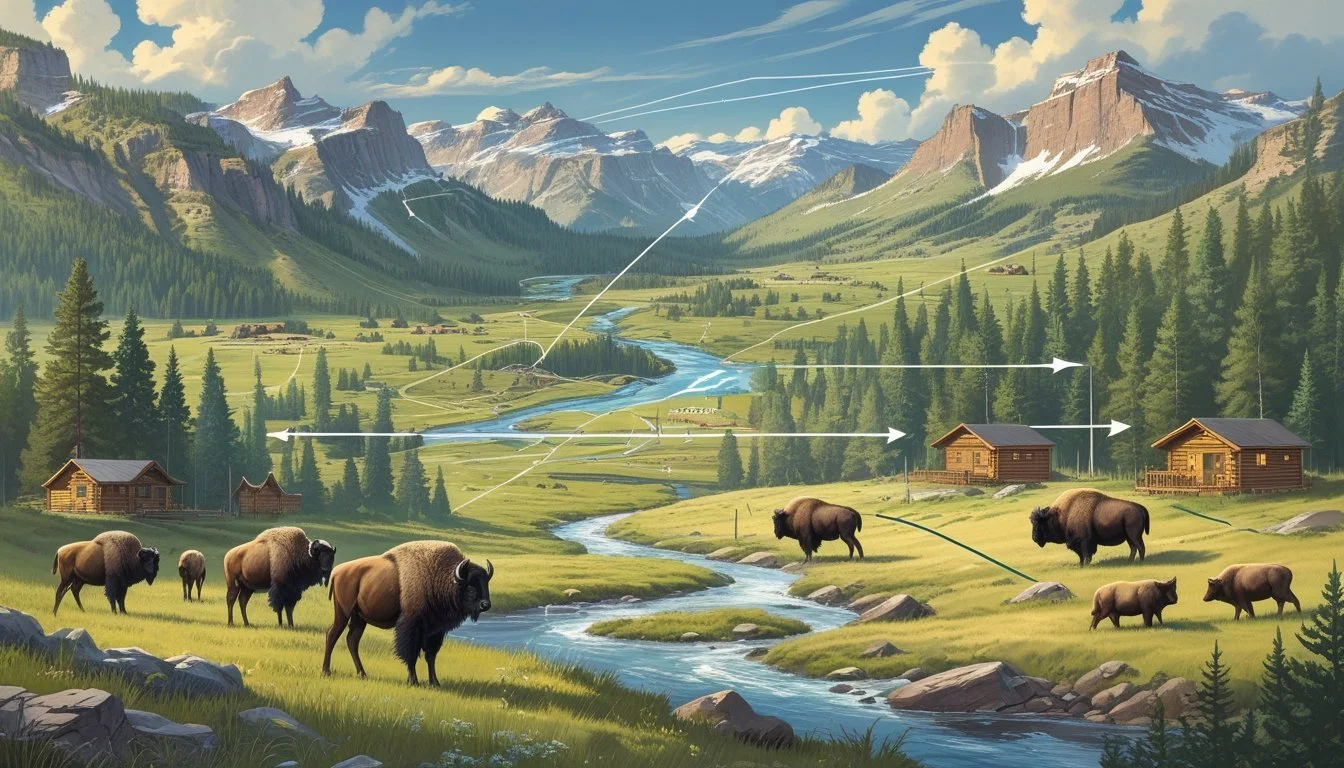
Development and land-use changes in the Greater Yellowstone Ecosystem are reshaping where and how wildlife survive. As ranches and undeveloped tracts convert to residential and commercial real estate, crucial habitats and the species depending on them face mounting pressures.
Habitat Fragmentation and Wildlife Displacement
Expansion of real estate into rural lands causes habitat fragmentation, isolating populations of species such as grizzly bears and wolves. These disruptions break wildlife corridors, making it difficult for animals to migrate, hunt, or access breeding grounds.
Key impacts of habitat fragmentation:
Impact Examples Loss of migration routes Elk and bison cut off from seasonal ranges Increased vehicle collisions Roads through habitat increase mortalities Human-wildlife conflict More encounters as wildlife seek resources Reduced genetic diversity Isolated populations risk inbreeding
Displaced wildlife often move into exurban settings, increasing the risk of conflict with people. Conversion of ranchlands into homes also permanently erases finite and irreplaceable habitat, further stressing native species.
Management of Ecosystems and Endangered Species
Management of the Greater Yellowstone Ecosystem relies on coordinated action between federal, state, and local agencies. The Endangered Species Act plays a key role, guiding efforts to protect species such as grizzly bears and wolves.
Park authorities use monitoring programs to track ecosystem changes, evaluating population health and habitat conditions. In response, they adjust strategies to address challenges like habitat loss and climate change.
Climate change introduces added complexity, altering migration patterns and shifting suitable habitats. Conservationists aim to maintain biological connections between Yellowstone and neighboring ecosystems, vital for long-term species survival. Without effective management, development pressures could undermine decades of conservation progress.
Cultural Divisions, Tradition, and Influence
Yellowstone reveals how competition for land drives deep rifts between traditional ranching families and outside interests. These tensions play out through family relationships, inherited power, and the fight to maintain influence in Montana.
Ranching Families and Generational Wealth
Ranching families like the Duttons depend on accumulated generational wealth to secure their position in the region. This wealth is rooted in large tracts of land, livestock herds, and longstanding connections within the community. The arrival of wealthy outsiders and investors increases property values, making it difficult for local families to hold onto their land.
Key Influences:
Land ownership equates to economic and social power
Heritage is seen as both a duty and a resource
Traditional practices clash with modernization
These pressures can force some families to sell their land, fragmenting generational assets. The fight to preserve ranching culture often means rejecting offers that would disrupt traditional ways of life.
Family Loyalty and Power Dynamics
The series consistently shows the Dutton family relying on strong internal loyalty to protect their land from outside threats. Decisions are rarely individual—every action reflects family interest first, often involving moral or legal gray areas to secure their legacy.
Family loyalty is both a shield and a weapon, especially in conflicts over influence and decision-making. Power dynamics are shaped by hierarchical roles, with the patriarch or matriarch guiding strategy. Internal disputes arise, but are always subordinate to the larger goal of family survival and dominance within Montana's changing landscape.
Factor Impact on Family Dynamics Loyalty Unites against rivals Influence Ensures strategic control Tradition Guides all decisions
Land Development: Past, Present, and Future
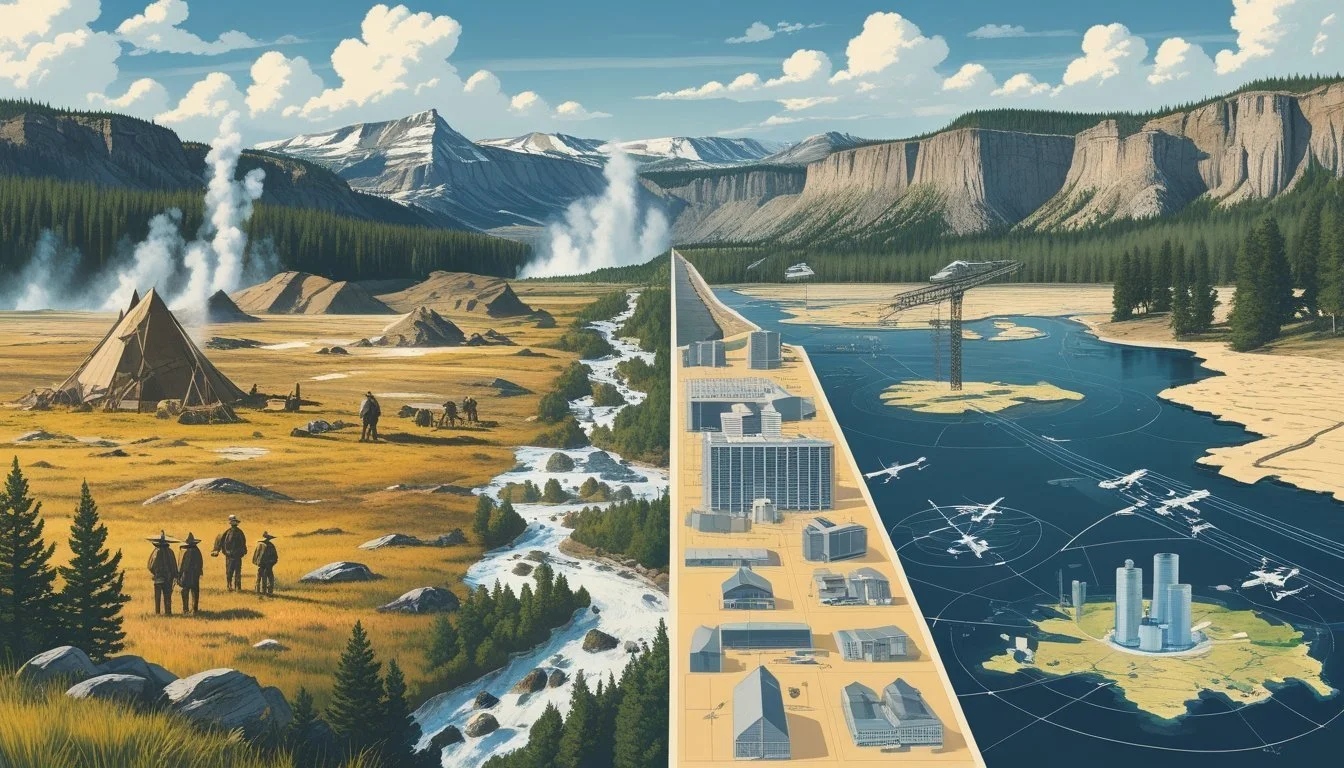
Land development in Montana has shifted from early expansion alongside the frontier to current market-driven pressures on property values. This evolution is visible in regions like Bozeman, where historical forces continue to shape decisions.
Historical Context and Westward Expansion
During the 19th century, westward expansion led settlers and ranchers to claim land across Montana and the wider American West. The Homestead Act of 1862 allowed families to acquire property by living on and improving it.
Conflict with Native American nations was common, as land was transferred through forced treaties or military action. Ranching and agriculture shaped the landscape, laying the groundwork for modern property boundaries and disputes.
Railways, including those near Bozeman, accelerated development by connecting markets and attracting new residents. Land speculation increased as towns grew, turning real estate into a commodity and source of local influence.
Urbanization and Changing Land Values
Today, Bozeman and surrounding areas experience rapid population growth, fueled partly by renewed interest in the West. Real estate prices have risen sharply, impacting long-term residents and newcomers.
Urbanization drives new construction and changes in land use. Agricultural land is often subdivided for homes or commercial ventures. This shift alters both property values and the region's economic base.
Tourism, driven by proximity to Yellowstone and scenic landscapes, further increases demand for land. Developers and conservationists compete over finite space, creating ongoing debate about the future of Montana's land development.
Real estate has thus become a strategic asset, with high-value parcels influencing local policy and economic opportunity.
Legal, Social, and Environmental Challenges
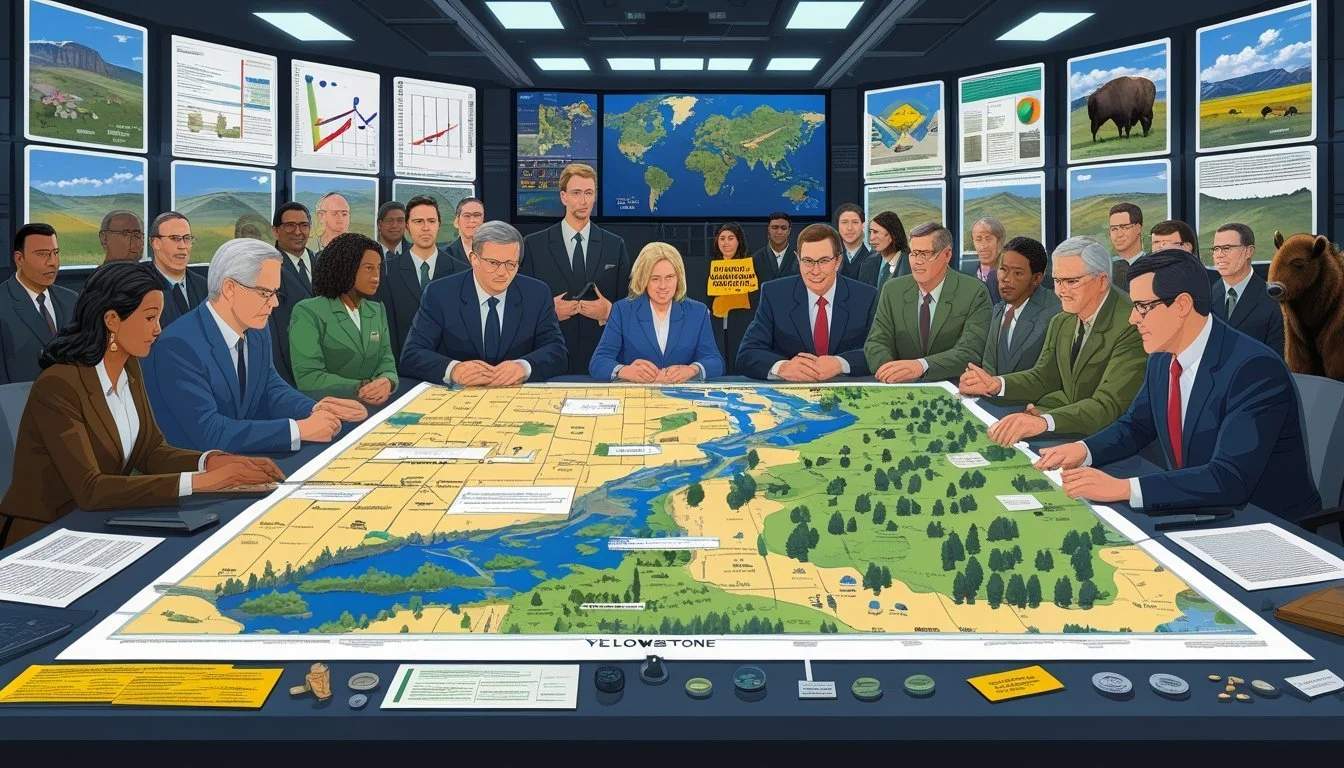
Conflicts in Yellowstone commonly arise over control of land, water, and resources, intersecting with legal frameworks, Indigenous rights, and local governance. Navigating these disputes requires an understanding of regional law, social dynamics, and environmental considerations.
Water Rights and Resource Disputes
Water allocation is a constant source of tension in the Yellowstone region. Agricultural lands, urban developments, and conservation projects all compete for limited water resources. The Dutton ranch often illustrates how water rights legislation can affect operational survival.
Montana’s legal doctrine of “prior appropriation” grants water use based on seniority, favoring those who historically accessed the resource. This leads to ongoing disputes when new landowners or developers attempt to acquire rights or change water use.
Enforcement involves state agencies and sometimes federal oversight, especially if endangered habitats or species are at risk. Water rights can be bought, sold, or leased, but each transaction faces scrutiny under environmental regulations and public interest requirements. These complexities drive many of the series’ negotiations and tactical moves.
Interactions With Native American Tribes
Land in and around Yellowstone frequently overlaps with territory historically and legally recognized as belonging to Native American tribes. Tribal governments assert treaty rights, fishing access, and land use claims, often triggering tension with private landowners and local authorities.
The show frequently depicts negotiations, legal actions, and cultural clashes rooted in unresolved historical grievances. Tribal sovereignty complicates real estate transfers and resource development. Jurisdiction over land and water rights may shift depending on treaties, federal trust obligations, or state compacts.
Tribal nations also play a central role in conservation decisions and wildlife management. For example, efforts to protect bison, elk, or sacred sites regularly involve collaboration or dispute between tribes, ranchers, and government agencies.
Livestock Management and Property Taxes
Ranching operations across the Yellowstone area must balance livestock health, grazing rights, and compliance with evolving property tax laws. Disputes emerge over fencing, disease control, and the movement of animals between public and private lands.
State and county assessors determine property values that directly affect large landholders’ tax burdens. High property taxes can force the sale or subdivision of historic ranches, making them vulnerable to real estate developers. This drives strategic choices about land use, conservation easements, and even sale of mineral or timber rights.
Livestock losses due to predators, including grizzly bears or wolves, are another legal challenge. Compensation programs and liability rules further complicate ranch management decisions, reflecting a broader tension between economic stability and environmental policy.
Yellowstone’s Broader Impact: Beyond the Ranch
Yellowstone’s cultural reach extends into economic, environmental, and educational spheres. Its influence is seen in tourism trends, media consumption, and public discussions about land use.
Tourism and Local Economies
The popularity of Taylor Sheridan’s Yellowstone has generated increased tourism in the American West, especially in Montana, Wyoming, and Idaho. Destinations linked to the show, like the real-life Yellowstone National Park and historic ranches, have experienced a rise in visitor numbers.
Local economies have benefited from this surge. Hotels, restaurants, and western apparel stores in these areas report more business, especially from fans seeking to experience locations depicted on screen. Ranch tours and themed excursions have become new attractions.
Key Impacts:
Boosted sales of local goods
Higher demand for lodging
Event-based tourism, with festivals and Yellowstone-inspired gatherings
This trend also brings challenges, such as managing larger crowds and addressing pressure on small communities.
Environmental Awareness and Media Influence
Yellowstone’s storytelling often brings issues of land conservation and environmental risk into the national conversation. The show depicts conflicts over water, wildlife, and ranching, reflecting real tensions in the region.
Media tie-ins, including podcasts and books, provide deeper insight into these environmental themes. Conservation efforts in Montana and neighboring states have gained attention as viewers become more curious about the region’s true ecological stakes.
Public education initiatives referencing the show encourage viewers to consider the balance between economic development and preservation. Discussions sparked by Yellowstone highlight the need for sustainable practices on both public lands and private ranches.
