
What Yellowstone Teaches About Inheritance and Identity
Family Legacy and Self-Discovery in the American West
Yellowstone reveals how inheritance is more than just passing down land or wealth—it is deeply tied to the struggles of establishing personal identity amidst family legacy. The Dutton family’s battle to maintain control of their ranch highlights how traditions and values shape each generation, sometimes serving as both a gift and a burden. Characters often find themselves caught between honoring their heritage and carving out their own sense of self.
Viewers see that legacy can define purpose, but it can also limit freedom and happiness. Questions of self-identity, belonging, and the weight of expectations run through every storyline, raising important ideas about what people truly inherit beyond material possessions. For many, Yellowstone exposes how inheritance comes with responsibilities that can challenge personal growth and redefine who someone becomes.
The Core Themes of Inheritance and Identity in Yellowstone
Yellowstone examines how inheritance and identity become foundations of both conflict and unity. The Dutton family’s struggles reveal the deep layers of legacy, property rights, and cultural history in the American West.
The Dutton Legacy and Family Dynamics
The Dutton family serves as the lens through which Yellowstone explores inheritance. John Dutton, the patriarch, dedicates his life to safeguarding the Yellowstone ranch from threats inside and outside the family. Succession becomes an ever-present concern, as John grapples with which heir truly embodies the grit and loyalty needed to carry the legacy forward.
Tensions between the Dutton children—Beth, Kayce, and Jamie—highlight how inheritance is more than just a transfer of assets. It involves questions of trust, loyalty, and fitness to preserve a multi-generational family estate. The show uses estate planning and family trust structures to illustrate real-world inheritance disputes, creating a dynamic view of how legacies are both built and threatened.
Key challenges:
Balancing personal ambition vs. family loyalty
Making decisions that impact future generations
Navigating the expectations of being an heir
The Importance of Land and Ownership
Land ownership stands at the center of the show’s conflicts and values. The Yellowstone ranch is not simply property—it is a symbol of the Dutton family’s legacy and identity. Control over this land is what binds the family, but it also attracts external pressures from developers, the government, and Native American tribes.
To the Duttons, land inheritance is about more than wealth. The preservation of property is tied to cultural and familial survival. Losing the ranch would mean erasing generations of sacrifice, tradition, and hard-won identity. Every plot twist in the series revolves around defending or acquiring land, making territorial preservation a core principle.
Land, inheritance, and power are tightly connected:
The ranch represents generational investment
Ownership battles define character motivations
Land acts as a physical and symbolic trust passed between heirs
Cultural Heritage and Identity
Yellowstone does not just focus on the Duttons; it also explores how cultural identity shapes views of inheritance. Native American communities on the show emphasize their spiritual and historical connection to the land, which predates the Duttons’ claims. This highlights the tension between Western concepts of private property and collective cultural heritage.
The series frequently touches on tradition and the transmission of cultural values. Both the Dutton family and the Native American characters treat inheritance as a responsibility to ancestors and future generations. Conflicts over land and legacy are shown not only as legal disputes but as struggles to preserve identity, memory, and meaning across time.
Themes include:
Preserving cultural memory through land and tradition
The clash between different systems of inheritance
How identity is shaped by both ancestry and environment
Inheritance Laws, Trusts, and Estate Planning in Yellowstone
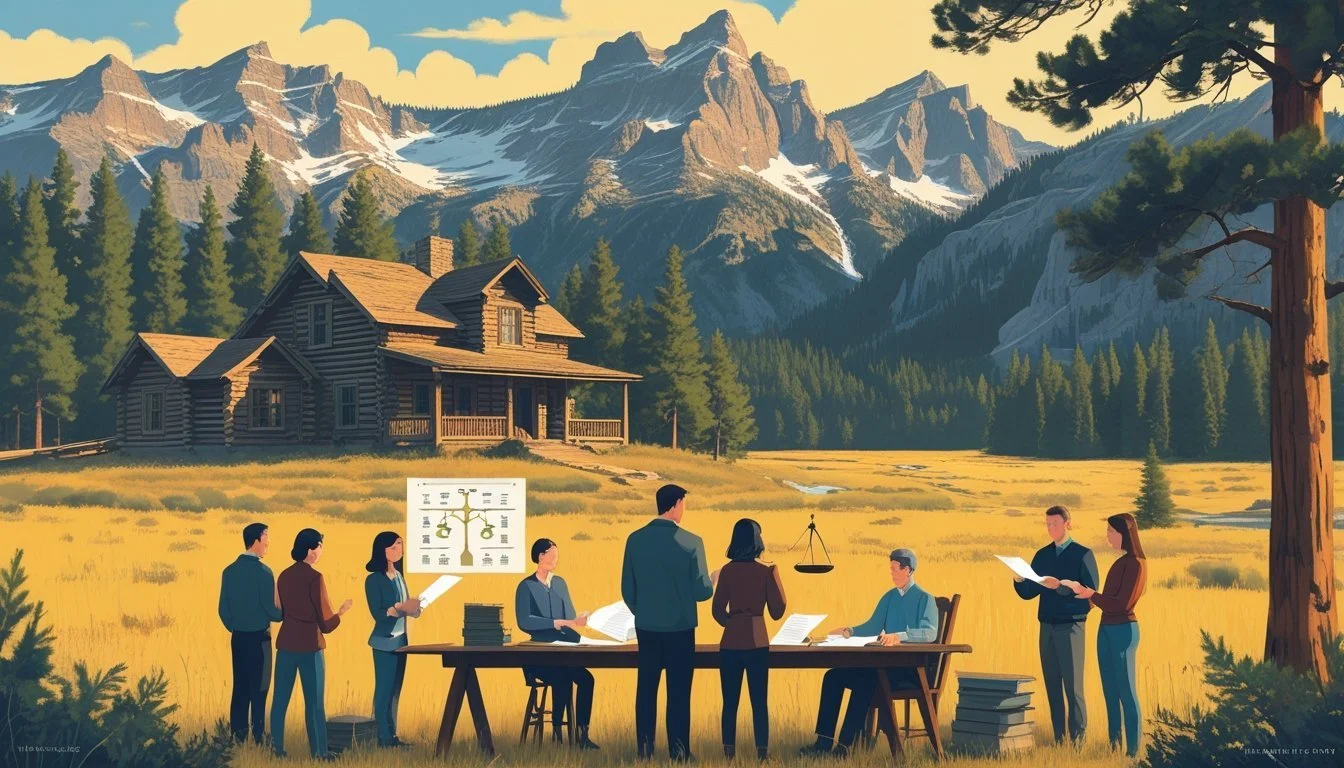
Inheritance disputes and asset transfers shape Yellowstone’s narrative, highlighting legal complexities behind ranch and family business succession. Estate planning, tax strategies, and beneficiary arrangements determine whether a legacy thrives or fragments.
Legal Considerations and Succession Planning
Yellowstone’s drama showcases the crucial need for formal succession planning, especially for large, illiquid assets like ranches. Inheritance laws govern how assets are distributed, but without a clear will or trust, state law may decide outcomes.
The show’s Dutton family illustrates challenges such as sibling rivalry, unclear roles, and lack of professional guidance. Many ranches use a family trust or irrevocable trust to dictate asset management and protect holdings from forced sales or outside claims.
Professional estate planning often recommends structures like family limited partnerships (FLPs) or LLCs. These entities help organize assets, separate ownership interests, and create clear pathways for leadership transitions.
Tax Implications and Financial Strategies
The transfer of a large family business or ranch triggers complex tax issues. Estate taxes and inheritance taxes—levied at federal and sometimes state levels—can threaten a property’s survival if heirs lack liquidity.
Failure to plan for these costs, as hinted at in Yellowstone, may require selling land just to pay taxes. Common financial strategies include using life insurance to cover estate tax liabilities or organizing fractional gifting within annual gift tax exemptions.
Estate tax exemptions set thresholds; assets above them may be taxed at significant rates. Utilizing trusts and LLCs can offer asset protection and reduce taxable value by shifting some ownership before death.
Consulting with tax professionals is vital. They help design a plan that leverages charitable deductions, optimal asset valuation, and gifting strategies to minimize the taxable estate.
Transferring Assets and Beneficiaries
Determining who inherits a ranch or business often goes beyond simply listing heirs. Yellowstone demonstrates the risks of unclear beneficiary designations and the disputes that ensue when succession is not documented.
Assets can transfer through wills, trusts, or direct beneficiary forms. For high-value properties like the Dutton ranch, using a family trust or irrevocable trust can help specify management roles and avoid probate.
Key factors include:
Naming successor trustees or managers
Clarifying asset distribution among active and non-active family members
Documenting transfer methods (gifting, sale, inheritance)
Using detailed estate planning ensures continuity and helps prevent unwanted asset division or forced liquidation driven by taxes or legal challenges.
Power, Loyalty, and Betrayal Within the Dutton Family
Throughout Yellowstone, the Dutton family is shaped by shifting power dynamics and divided loyalties. Conflicts, political ambitions, and moments of profound vulnerability create cycles of unity and fracture, impacting every generation.
Power Struggles and Political Maneuvering
Power inside the Dutton family is constantly contested. John Dutton (Kevin Costner) wields authority over the Yellowstone ranch, but his children—Beth, Kayce, and Jamie—often compete for recognition and influence.
Jamie Dutton's ambition drives much of the family's political maneuvering. He seeks validation and often pursues political office, even when his choices clash with John's vision. His actions, driven by a need for approval, create ongoing tension.
Beth Dutton uses her intelligence to fight threats against the family, operating in corporate and personal battles. Kayce, torn between duty to his family and moral principles, becomes a point of vulnerability. This triangle of ambition, loyalty, and confrontation highlights how each character’s pursuit of power can create new conflicts and opportunities.
Loyalty, Betrayal, and Vulnerability
Loyalty in the Dutton family is often both fierce and conditional. Rip Wheeler’s unwavering dedication to the ranch and to Beth demonstrates the depth of branded allegiance, both literal and symbolic. His sacrifice and reliability help solidify the family's defenses.
Betrayal comes from within as much as outside. Jamie’s struggle for acceptance leads him to decisions perceived as betrayals, intensifying the family’s internal fractures. These moments sometimes expose emotional vulnerability—especially among Beth, who holds old wounds against Jamie, and Kayce, whose loyalty is tested by conflicting pressures.
The Paramount Network series shows how loyalty can shift or break under strain. Vulnerabilities are exposed not just by outside threats but by personal ambitions and the quest for validation within the Dutton legacy.
Land, Conservation, and Indigenous Rights
Yellowstone National Park is shaped by ongoing questions about land ownership, stewardship, and the legacies of past decisions. Its story brings together government policies, Indigenous experiences, and modern conservation efforts.
Preserving Land and Conservation Easements
Yellowstone covers more than 2 million acres of protected wilderness. Since its establishment in 1872, the park has served as a model for public land conservation throughout the United States.
Land preservation has sometimes involved the use of conservation easements—a legal tool that restricts the use of private lands to safeguard natural and cultural resources. This approach enables landowners to maintain ownership while granting protections that prevent development or degradation.
Effective resource management is central to conservation efforts in the Yellowstone region. Collaborative programs between federal agencies and local partners work to balance habitat protection, wildlife corridors, and visitor impact. The park’s framework reflects broader trends in land rights and the evolving value placed on ecological preservation.
Key features of preservation policies:
Tool/Policy Purpose Conservation Easements Limit development, protect habitat Public Ownership Federal control for preservation Cooperative Programs Engage stakeholders in stewardship
Native American Tribes and Cultural Impact
For thousands of years, many Native American tribes—including the Shoshone, Bannock, Crow, and others—maintained deep spiritual and subsistence connections to the land that became Yellowstone National Park.
The treaties of Fort Laramie in 1851 and 1868 initially recognized tribal land rights, but the creation of Yellowstone by presidential grant in 1872 led to Indigenous displacement from these ancestral homelands. This marked a significant historical injustice, erasing enduring relationships with sacred places, hunting grounds, and seasonal routes.
While Native presence was diminished within the park, tribal nations such as those from the nearby Broken Rock Reservation continue to advocate for access, consultation, and recognition of traditional knowledge in park management. Modern resource planning increasingly includes input from Indigenous communities to address the legacy of exclusion and restore cultural ties. The park’s rivers, forests, and geothermal features remain central to Indigenous identities and histories.
Ranch Life, Harsh Realities, and Survival in Montana
Ranching in Montana as depicted in Yellowstone features a mix of physical hardship, tense land disputes, and constant threats to personal and economic survival. The day-to-day reality on large properties like the Dutton Ranch shows how legacy, reputation, and shifting land values collide in a changing West.
Economic Pressures and Changing Landscapes
Ranchers in Montana confront economic pressures from multiple fronts. Rising land values and outside real estate interests push traditional ranchers to the edge, threatening multi-generation holdings such as the Dutton Ranch. Many find themselves balancing heritage with the lure of financial stability.
Ownership comes with significant costs, including taxes, maintenance, and the need to modernize to compete. Persistent drought, tough winters, and predators like wolves affect herd numbers and threaten profits. The Duttons often face decisions that put survival ahead of comfort, forced to adapt or lose the land. A rancher’s wealth is rarely measured in cash alone; much is tied up in land and livestock, demanding both shrewd business sense and resilience.
Violence, Opportunity, and Reputation
Violence and competition for land are recurring realities in Montana ranch life. The Dutton Ranch, like others, must defend itself physically and legally against those who seek to seize opportunity, leverage reputation, or expand territory.
A military background, as shown in some of the Dutton family, brings advantages such as discipline and tactical skills when dealing with threats. Ranch reputation—built on both fear and respect—serves as a line of defense. Even alliances can turn, making trust and vigilance critical. For many, freedom depends not just on owning land but on surviving every challenge the territory delivers, from armed conflicts to shifting alliances in the region.
Key Characters and Their Roles in Inheritance and Identity
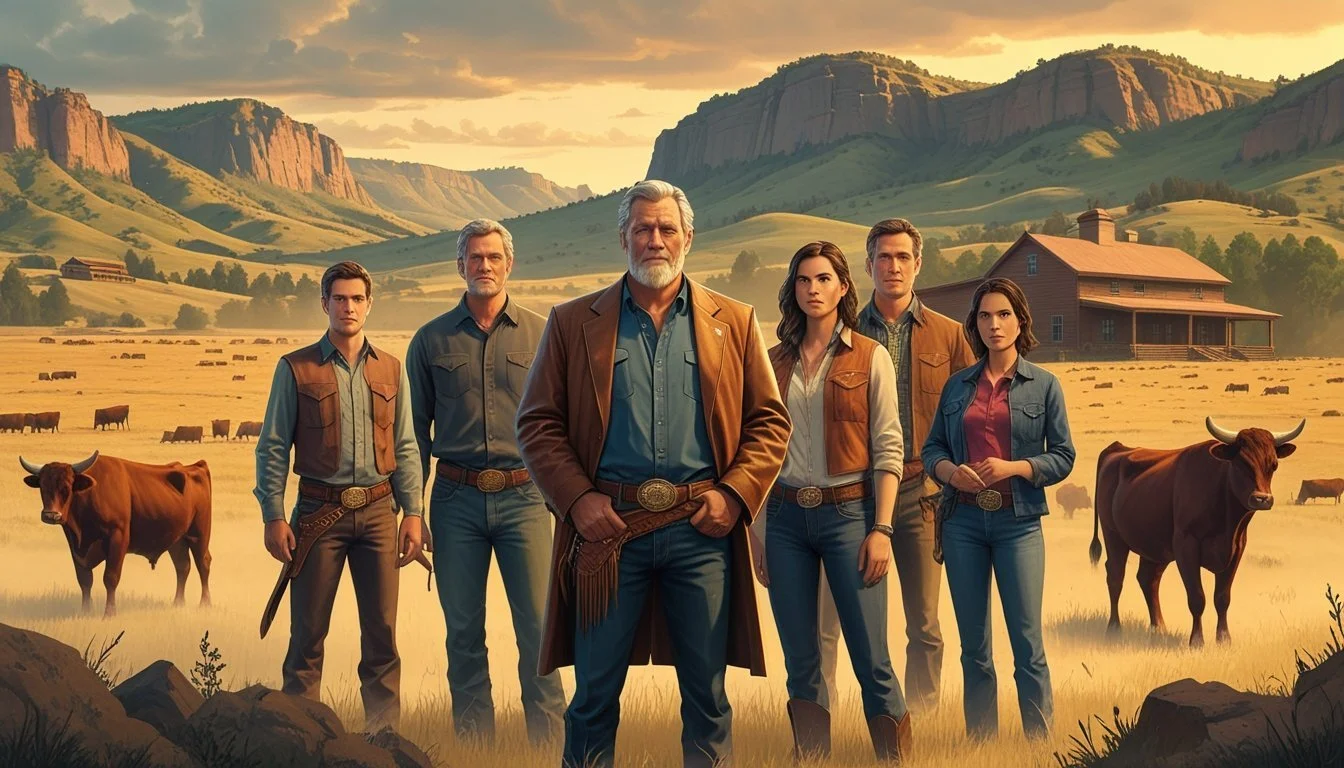
Inheritance and identity on Yellowstone revolve around personal choices, family bonds, and long-standing rivalries. The story examines loyalty, ambition, and the struggle for power through the actions and conflicts of its most prominent characters.
John Dutton and the Burden of Legacy
John Dutton, portrayed by Kevin Costner, is the central figure safeguarding the Yellowstone ranch. He fears the loss of his land and works tirelessly to uphold his family’s legacy. This burden shapes his decisions and relationships.
Inheritance for John is not just material—it is about instilling values and continuity. He often finds himself at odds with modern threats, legal challenges, and shifting alliances. John's actions signal the heavy personal cost of preservation and highlight succession issues.
His leadership style is demanding. He expects loyalty and sacrifice from his children, reflecting his deep commitment yet underlying conflict. Through John, the complexities of partnership, power, and legacy play out in every episode.
Beth Dutton, Kayce Dutton, and Jamie Dutton
Beth Dutton is fiercely protective of both her father and the family’s inheritance. Her approach combines emotional resilience and ruthless business tactics. Beth’s identity is tied to the land and her relationship with John, making her a pivotal force in partnership and succession matters.
Kayce Dutton, a former Navy SEAL, struggles with the weight of family expectations versus his own ideals. His journey explores the conflict between his inherited role on the ranch and his wish for personal authenticity. Kayce’s loyalty remains critical in the Dutton legacy.
Jamie Dutton, adopted by John, fights with accepting his place both within the family and against his biological roots. His struggle over identity and legitimacy as a beneficiary sets him apart. Jamie’s choices often create tension around partnership and succession in the Dutton dynasty.
Rip Wheeler, Thomas Rainwater, and Other Influential Figures
Rip Wheeler, John’s most trusted ally, exemplifies loyalty but lacks a formal claim to inheritance. His devotion to the family makes him a key partner in protecting the ranch, even as he operates outside formal succession structures. Rip’s identity is shaped by belonging rather than bloodlines.
Thomas Rainwater, as chairman of the Broken Rock Indian Reservation, seeks to reclaim the Yellowstone land for his people. He represents a competing vision of inheritance and legacy, challenging the Duttons’ claim with political acumen and moral conviction.
Other influential figures from business and politics threaten the Duttons’ control. These rivalries demonstrate how partnerships and contested beneficiaries complicate questions of ownership and identity across generations. Each character uplifts a different facet of what it means to inherit and belong.
Yellowstone as a Metaphor for American West Identity
Yellowstone stands out as a reflection of the enduring struggles and complex stories tied to the American West. Through its setting and characters, the show explores identity, cultural narratives, and the modernization of legacy in a rapidly changing region.
Cultural Identity and the Myth of the West
Yellowstone uses the Dutton Ranch as a symbol for generational legacy, power, and a contested sense of belonging. The series closely mirrors real-world disputes over land, echoing a tradition in American storytelling that ties land ownership to personal and national identity.
Key elements, such as vast Montana landscapes, horses, and traditional ranching, evoke classic Western imagery. However, Yellowstone reframes these icons within contemporary challenges, including legal battles and corporate threats. This juxtaposition highlights ongoing tensions about who owns the West and what it means to inherit not just property, but responsibility and history.
The show’s dialogue and conflicts often reflect broader debates about cultural identity in the region. Issues of ancestry, Indigenous rights, and family loyalty all surface, challenging romanticized views of Western life. This approach grounds Yellowstone in a specific historical reality, while also questioning the mythos that has defined the West for generations.
The Impact of Taylor Sheridan and Paramount Network
Taylor Sheridan, the showrunner and creator, brings a distinct voice to the portrayal of the American West. His experience writing neo-Western dramas ensures that Yellowstone stands apart from previous Westerns that relied on myth making rather than nuanced characterization.
Under Sheridan’s direction, the Paramount Network leveraged Yellowstone as a flagship drama, focusing on authenticity and the complexities of ranch life. The collaboration resulted in a realistic depiction that avoids sensationalism, opting instead for layered relationships and the depiction of hard choices shaped by the legacy of the land.
Sheridan’s deliberate pacing and attention to cultural details help audiences understand the stakes at play. The influence of the Paramount Network enabled wider exposure, contributing to ongoing public discussions about land, identity, and legacy in the American West. This partnership underscores the relevance of Yellowstone as both entertainment and cultural commentary.
