
What a Prequel Series Could Reveal About the First Duttons
Uncovering the Origins of Yellowstone’s Legendary Family
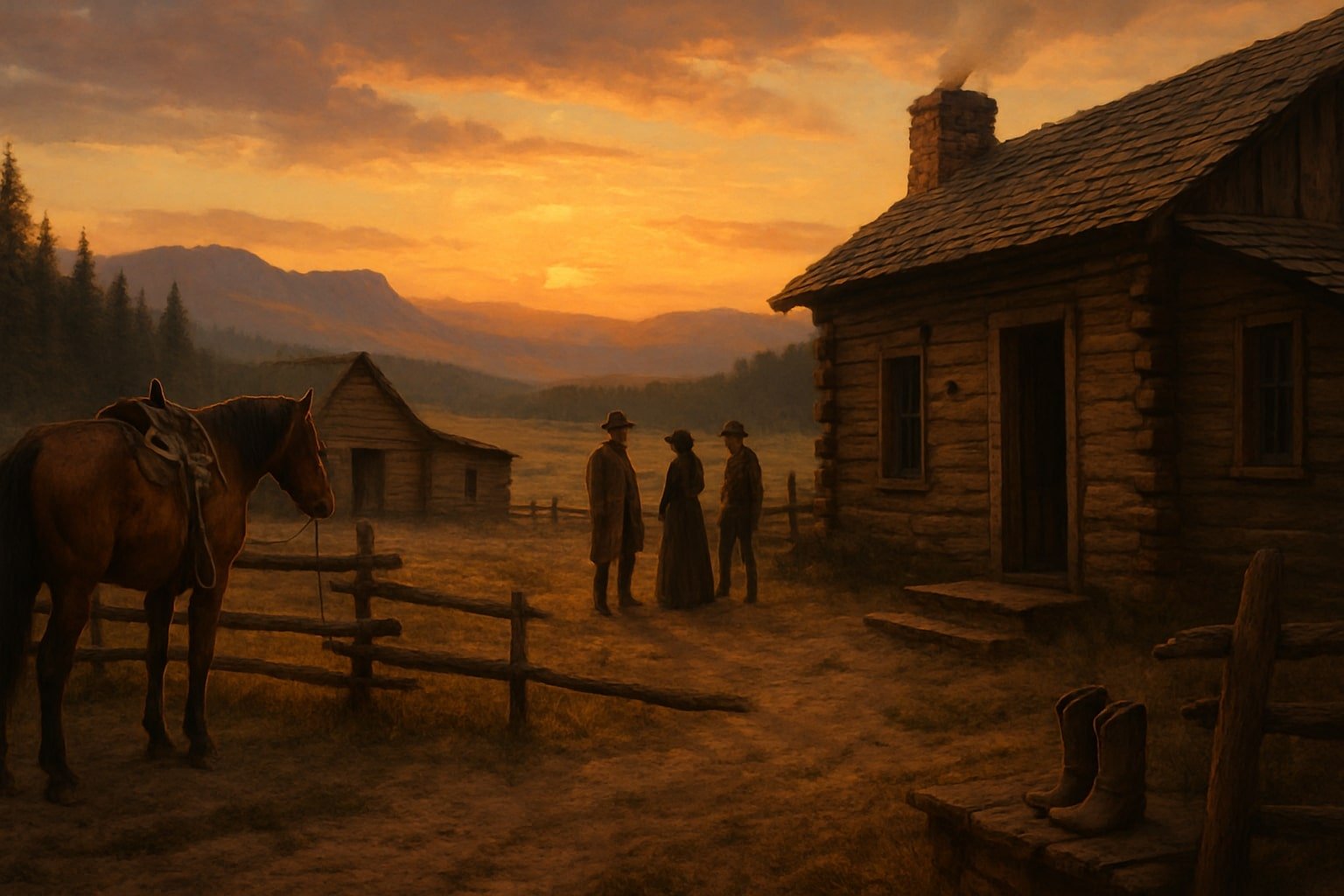
A prequel series focused on the first Duttons could uncover the untold hardships, motivations, and relationships that shaped the foundation of the Yellowstone legacy. Exploring these early years would provide valuable insight into how the Dutton family forged their identity and established themselves in Montana's challenging landscape. Viewers could see how the family's earliest choices and alliances influenced generations to come.
By diving into the origins of the Duttons, a prequel could reveal the roots of longstanding family traditions, land conflicts, and alliances with neighboring communities. Fans interested in the power dynamics and moral dilemmas that define Yellowstone would find new context for the behaviors and values carried by the modern Dutton family.
Exploring the Origins of the Dutton Family
The Dutton family's journey to Montana, their ancestry, and the impact of John Dutton I shaped their future as landowners. These elements provide important insights into how the family's identity was forged on the western frontier.
Early Years in Montana
When the Dutton family first arrived in Montana, they faced a harsh and unpredictable landscape. Their westward journey, depicted in 1883, was marked by significant hardship and persistence. The region was largely unsettled and demanded resilience from its new inhabitants.
Securing land was a top priority. The Duttons staked their claim during a period of rapid change, as more settlers arrived and competition for resources grew. Adapting to the environment was essential, with severe winters and the threat of conflict being constant challenges.
Key milestones included building their first homestead and forming relationships with neighboring ranchers. The early years laid the groundwork for a powerful legacy, setting traditions and values that would persist through later generations.
Ancestral Roots and Family Legacy
The Duttons' roots extend beyond Montana, tracing their origins back to earlier generations in the American South. These familial origins influenced the values, beliefs, and customs they brought with them. Hard work, self-reliance, and a focus on family unity became hallmarks of the Dutton legacy.
As the Duttons rose in prominence, each generation passed down stories, heirlooms, and responsibilities. The legacy included not only land, but also cultural knowledge and leadership in the community. The sense of duty to protect what ancestors had built was a central part of their identity.
This blend of lineage and tradition reinforced the Duttons' place in Montana society. Their ancestry remains a key part of their narrative, shaping the decisions made by every new generation.
John Dutton I and His Role
John Dutton I emerged as a pivotal figure in the Dutton family’s story. He guided their early efforts to settle and expand the ranch, providing stability during uncertain times. His leadership set standards that others would aspire to uphold.
Detailed accounts of John Dutton I’s actions show a commitment to both family and land. He negotiated with neighbors, defended the ranch from threats, and ensured the next generation was prepared to lead. His approach balanced firmness with compassion.
A central figure in the family’s foundation, John Dutton I’s choices continue to influence Dutton descendants. His legacy is seen in the stewardship of the land and the enduring prominence of the Dutton name in Montana.
The First Duttons: Central Characters and Storylines
The origin of the Dutton family is rooted in hardship, migration, and the quest to establish a legacy on the Western frontier. Key individuals shape the early direction and fate of the Yellowstone Dutton Ranch, with decisions that echo through generations.
James and Margaret Dutton
James Dutton, portrayed as the inaugural Dutton patriarch, led his family from Tennessee across the dangerous American West in the late 1800s. His leadership and resolve were central to the family's survival during the perilous journey depicted in the prequel "1883."
Margaret Dutton, James’s wife, balanced strength and compassion, supporting her family through loss, illness, and constant upheaval. She was not only a partner to James in daily survival but also instrumental in decision-making, helping guide the family in moments of crisis.
Together, James and Margaret exemplified resilience, forging a new beginning amid relentless adversity. Their choices directly influenced where and how the Dutton legacy was established.
Elsa Dutton’s Journey
Elsa Dutton, the eldest daughter of James and Margaret, served as a narrator and emotional center in "1883." Through her perspective, viewers witnessed both the dangers and the hope that followed families along the Oregon Trail. Elsa embraced adventure and hardship with curiosity and courage.
Her personal growth and tragic fate became defining moments for the Duttons. Elsa’s journey brought both heartbreak and a sense of purpose, as her story shaped the family's ultimate destination and decisions about their settlement.
Elsa's narrative illuminated the challenges faced by young women on the frontier and underscored the high stakes of survival and family loyalty in the West.
Establishing the Yellowstone Dutton Ranch
The foundation of the Yellowstone Dutton Ranch began with James Dutton's determination to find a safe and prosperous home for his family. After enduring loss and hardship, the Duttons chose to settle in Montana, a decision guided by both necessity and emotional significance.
Securing land involved negotiation, resourcefulness, and defending against threats. The ranch’s establishment marked the birth of an enduring family enterprise and began the story of the largest contiguous cattle ranch in the United States.
The choices made by James and Margaret, influenced by Elsa’s journey, set the course for generations of Duttons to come, positioning the ranch at the heart of their legacy.
Key Historical Events and Their Impact
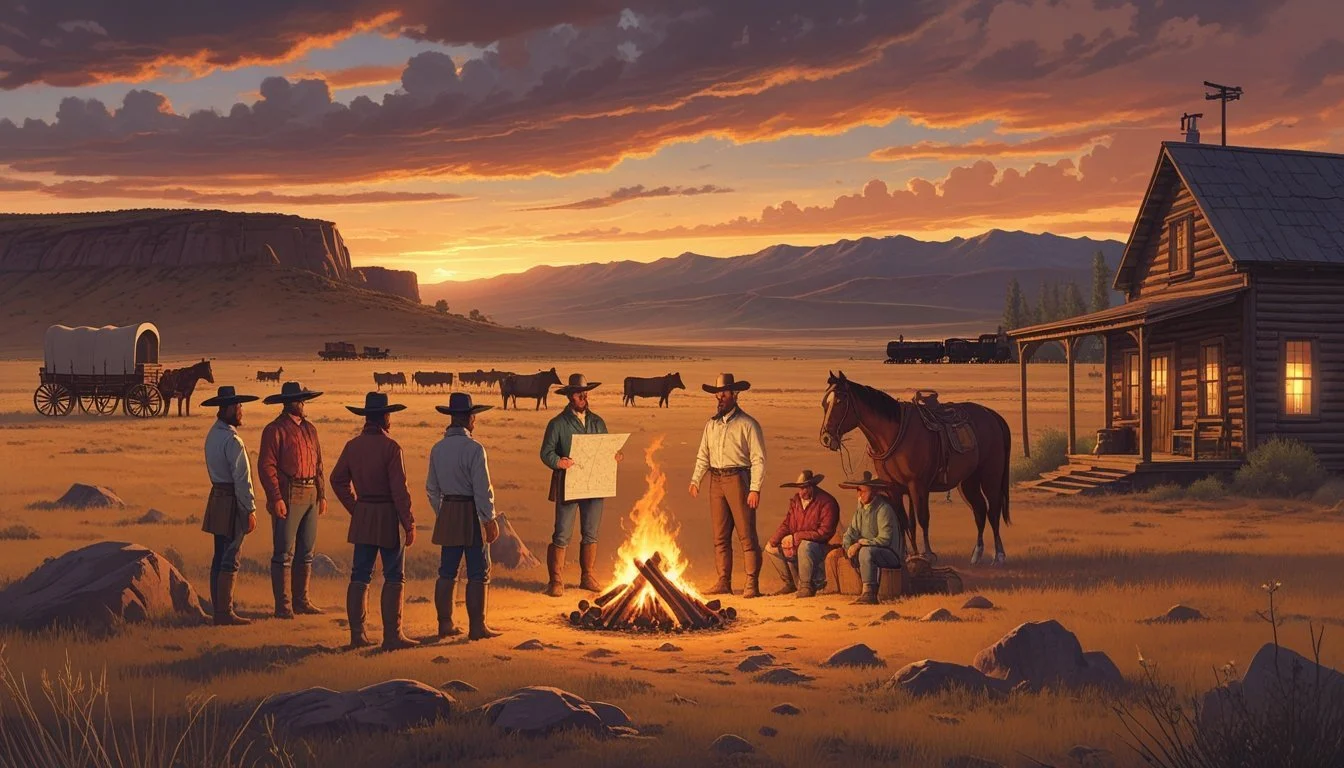
Major historical events such as the Civil War and westward settlement shaped the fate of many families who established roots in Montana. The Duttons’ early experiences were defined by national conflict and the challenges of life on the frontier.
The Civil War and Its Aftermath
The Civil War transformed American society and defined the lives of its survivors. For families like the Duttons, the war's outcome would have influenced their decisions, values, and opportunities. Soldiers returning home brought with them physical scars and personal loss, often seeking new beginnings far from former battlefields.
Many families migrated westward after the war, driven by the promise of land and stability. The Duttons may have been influenced by federal policies such as the Homestead Act, which offered land for settlement in frontier territories like Montana.
The lingering tensions from Reconstruction and the economic disruptions in the South compelled families to look elsewhere for prosperity. This migratory movement set the stage for the Duttons’ journey and eventual homesteading in Montana, where they could build a legacy away from war-torn lands.
Settling in the American West
Montana represented both opportunity and hardship for newcomers. The Duttons faced difficult terrain, unpredictable weather, and disputes over land with other settlers and Indigenous communities. Surviving and thriving required resilience, knowledge of the land, and strong family ties.
During this era, ranching and homesteading became means of survival and wealth. The Duttons' success depended on securing water rights, participating in local communities, and adapting to frontier justice. Montana's evolving legal environment shaped how land was owned and defended.
These early experiences set the foundation for the Dutton family's values. Their determination to protect their land, and their approach to conflict, likely stemmed from these formative challenges. The historical context of westward expansion made such stories not only possible but also common among Montana's earliest ranchers.
Relationships and Family Bonds
The early Duttons faced significant challenges that shaped their connections with each other. Interpersonal struggles and generational responsibilities often dictated their choices and defined their legacy.
Parent and Child Dynamics
The heart of the Dutton story lies in the complex roles of parents. Fathers and mothers were expected to be both protectors and providers, instilling values necessary for survival on the frontier. The transfer of land, tradition, and leadership happened not just through inheritance, but through shared hardships.
Fathers such as James Dutton set strict examples for their children, sometimes leading to friction. Children often resisted these pressures, wishing to pursue their own purposes. This tension became a driving force in shaping the family’s heritage and attitudes that would echo in descendants like John Dutton III and Tate.
Mothers played a subtle but pivotal role, shielding children from harsh realities while preparing them for future responsibilities. These early relationships set a foundation that influenced later Dutton generations, including figures like Monica and her efforts to guide Tate through both cultural and family challenges.
Siblings and Extended Family
Sibling relationships among the first Duttons were shaped by both affection and rivalry. Competing for approval or resources, brothers and sisters developed loyalties or resentments that influenced the course of the family’s empire.
Extended family members like cousins, aunts, and uncles often took on significant roles during crises. Joint responsibilities, such as defending land or managing family disputes, required cooperation beyond the nuclear household.
These alliances and tensions affected decisions about marriage, alliances with outsiders, and trust within the family. The evolving bonds among siblings and relatives created a multifaceted network of support—and at times, betrayal—that would ripple forward into the experiences of Tate, Monica, and their extended clan.
Challenges and Conflicts Faced by the First Duttons
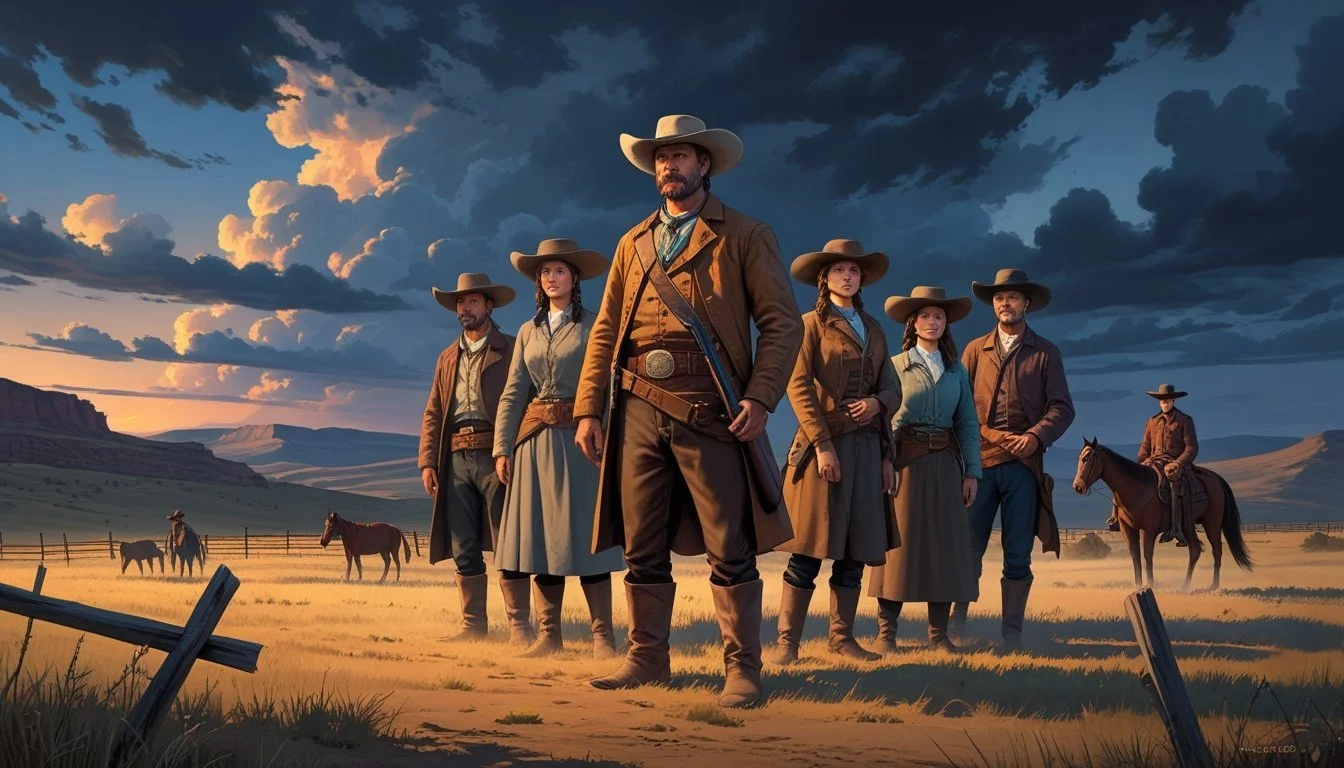
The first Duttons encountered a harsh environment that tested their survival and resourcefulness. Their journey to establish a cattle ranch in Montana brought about persistent obstacles, from the demands of livestock management to tensions with human adversaries.
Livestock and Cattle Ranching Struggles
Early cattle ranching in Montana exposed the Duttons to unpredictable weather and a lack of reliable infrastructure. Livestock had to be protected from harsh winters, disease, and attacks by wild animals. Finding sufficient grazing land was a continuous concern, especially during prolonged droughts that reduced available water sources and forage.
The Duttons faced challenges such as cattle rustling and the dangers of overgrazing. Managing herd health required quick adaptation, sometimes relying on makeshift treatments and constant vigilance. Calving seasons were periods of intense labor, risk, and loss, especially without modern equipment.
Supplies and veterinary care were often days away, forcing the family to develop self-reliance. The constant threat of financial loss loomed, as any dip in cattle prices or loss of livestock could jeopardize the entire operation. These difficulties demanded both innovation and resilience from every family member.
Encounters with Rivals and Adversaries
Conflicts with rivals, including other ranchers and land claimants, were a defining part of early Dutton history. Notable adversaries such as Banner Creighton represented challenges from competing interests vying for control of land, water, and resources. Disputes could quickly escalate, sometimes turning violent.
Territorial conflicts arose over boundaries, grazing rights, and water access. The Duttons faced sabotage, legal battles, and efforts to drive them off their land. Tensions with local communities and outside investors also contributed to a charged, often unstable atmosphere.
Some adversaries resorted to theft or destruction of property, pushing the Duttons to defend their livelihood. The family's ability to forge alliances—or hold the line against coordinated opposition—was central to maintaining control over the ranch and establishing a lasting presence in the region.
Emotional Themes and Cultural Influences
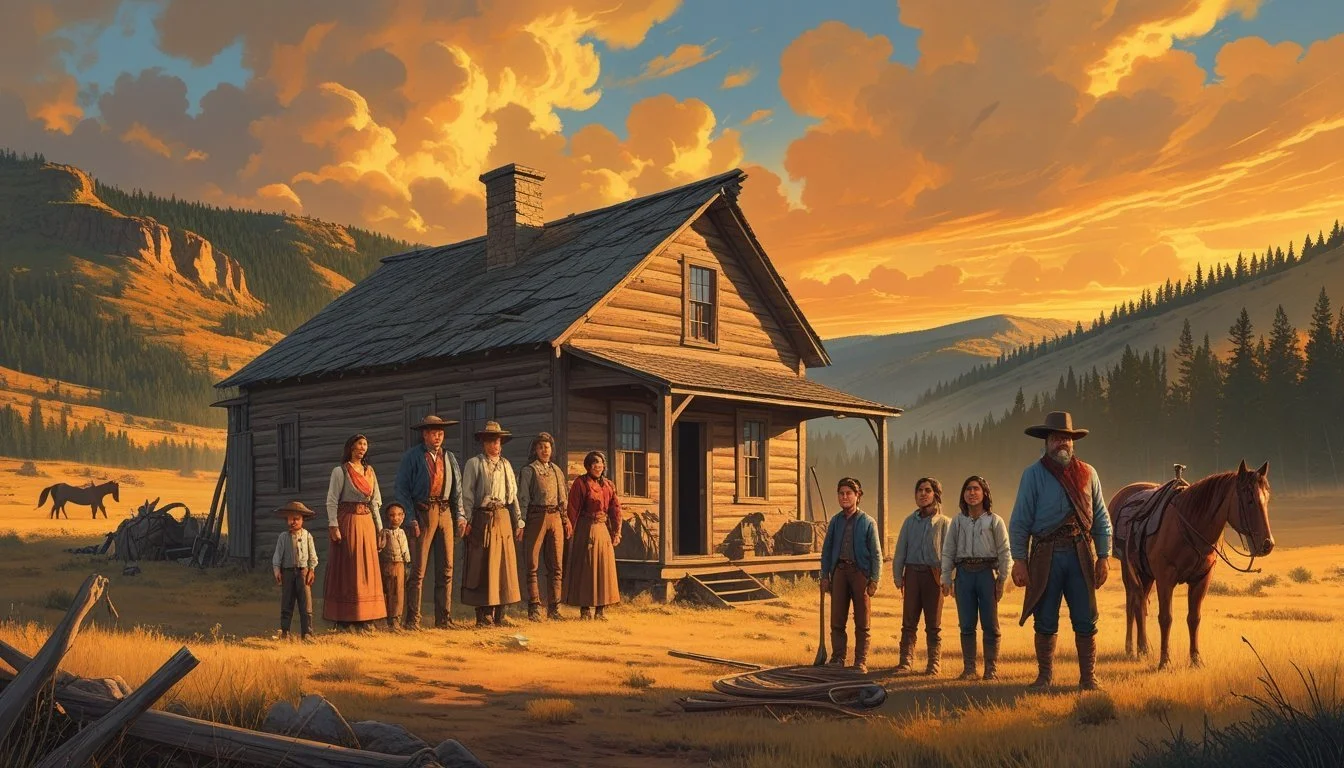
A prequel about the first Duttons offers the opportunity to examine how emotional struggles and diverse cultural interactions shaped the family's earliest days. Stories of loss and adaptation, along with the influence of Native American communities, would inform the motivations and values that define the Dutton legacy.
A Heartfelt Study of Grief
Early settlers like the Duttons faced frequent hardship and tragedy. Disease, separation, and frontier violence meant that grief was constant and deeply personal. Exploring how family members process loss and support one another adds realism and emotional weight to the story.
A prequel could depict the ways mourning traditions and resilience were forged in these harsh circumstances. The family’s approach to hardship—whether stoic or expressive—can reveal generational attitudes about strength and vulnerability. This focus gives viewers a clearer sense of how early emotional experiences shaped the actions of later Dutton descendants.
Impact of Native American Culture
Contact with Native American tribes was unavoidable for frontier families. In the Yellowstone universe, characters like Teonna illustrate the richness and challenges of Indigenous culture. A prequel can detail how alliances, rivalries, and shared survival skills influenced the Duttons’ worldview.
Key elements such as trade, language exchange, and spiritual differences could be shown with accuracy. The Duttons’ relationships with native communities might challenge or reinforce their own values about land, identity, and justice. Respectful depiction of these interactions underscores the complexity of the American West and adds depth to the Dutton story.
Connections to Other Yellowstone Series
The story of the first Duttons is closely woven with events and characters from other Yellowstone series. By understanding these ties, viewers can better grasp the Dutton legacy and the broader universe created over multiple generations.
How 1883, 1923, and 1944 Tie In
1883 was the first prequel to Yellowstone and depicts James and Margaret Dutton’s journey from Texas to Montana. Their migration set in motion the eventual rise of the Dutton family and the creation of the Yellowstone ranch.
1923 follows the next generation, focusing on Jacob and Cara Dutton as they navigate the early 20th century. This series connects the struggles of the past to newer family conflicts seen in Yellowstone season 5 and highlights the impact of historical events such as Prohibition and the Great Depression on the family’s fortunes.
Though details about 1944 are still limited, the project is expected to bridge the gap between 1923 and the stories unfolding in the main Yellowstone timeline. Fans anticipate it will cover the transformation of the ranch and hint at key events leading directly into the world introduced in Yellowstone season 2.
Interlinked Family Members and Story Arcs
Central figures across these series are linked by blood, ambition, and shared hardship. James and Margaret Dutton established the family legacy in 1883, while Jacob and Cara Dutton continued shaping it in 1923.
Some storylines and characters reappear or are referenced across different shows. For example, Elsa Dutton’s narration is used in both 1883 and 1923, threading together family themes and major events. Recurring surnames and locations emphasize how each generation’s choices affect those that follow.
A table below outlines notable connections:
Series Key Duttons Major Theme Connection to Yellowstone 1883 James, Margaret, Elsa Survival, Origins Founding of the ranch 1923 Jacob, Cara Legacy, Adaptation Economic and land issues 1944* Unknown (as of 2025) Transition, Post-war challenges Expected link to S2/S5 Exact details for 1944 remain unconfirmed, but it is expected to fill narrative gaps and deepen family ties established in previous series.
Key Figures Brought to Life
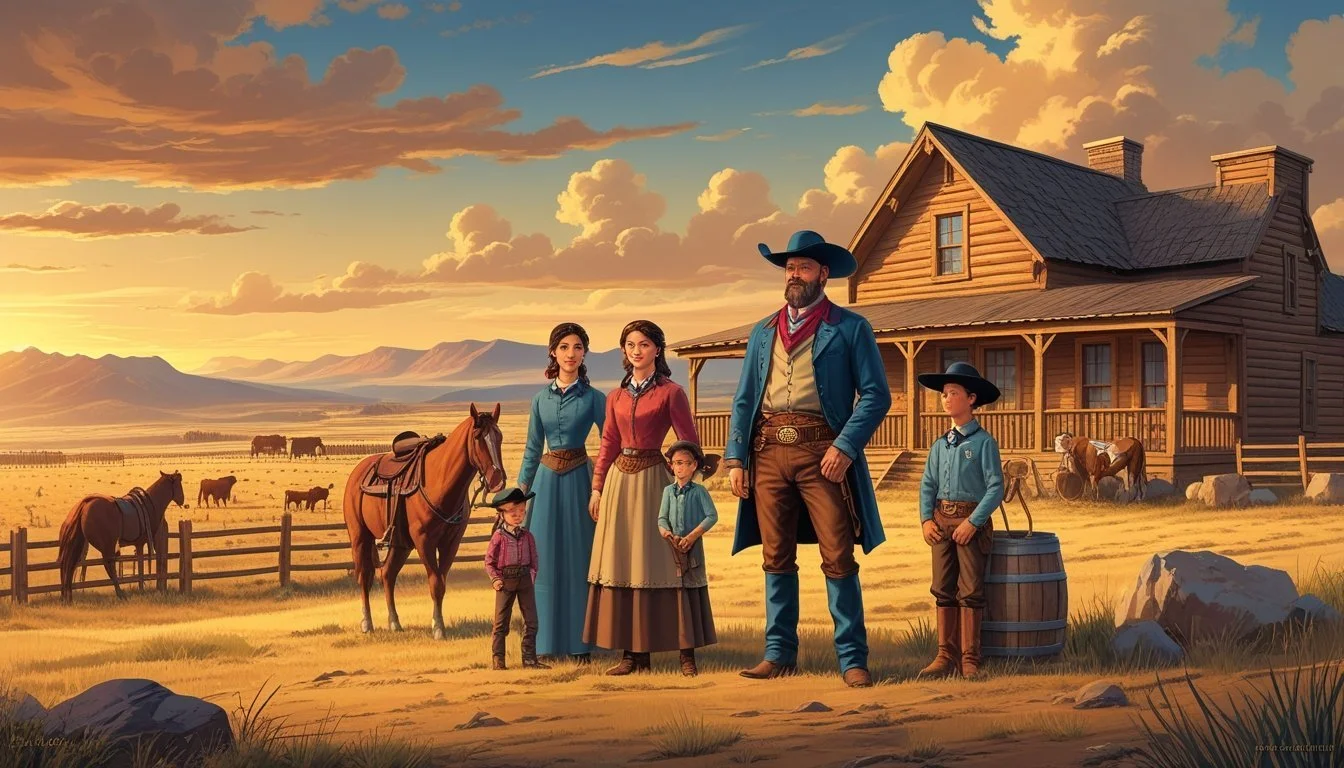
Portraying the first Duttons required a mix of acclaimed actors and carefully written roles. Strong performances and well-developed characters have become a hallmark of the Yellowstone franchise, making each generation stand out in the Dutton legacy.
Memorable Cast Performances
The Yellowstone prequel series have drawn talent from a diverse pool of accomplished actors. Tim McGraw and Faith Hill brought authenticity to James and Margaret Dutton in "1883," anchoring the story in honest, grounded portrayals. Their chemistry and emotional range made the early Dutton struggles relatable.
Harrison Ford and Helen Mirren joined the universe with "1923," adding depth to the family’s saga. Ford’s sturdy presence as Jacob Dutton and Mirren’s nuanced performance as Cara Dutton provided a compelling depiction of resilience and leadership through hardship.
Kevin Costner, acting as John Dutton in the original series, cemented the modern image of the Dutton patriarch. Kelly Reilly and Luke Grimes have continued this standard with strong, emotionally charged characters. Their performances are often praised for balancing toughness with vulnerability.
Iconic Characters Across Generations
Each era introduces Duttons with distinct personalities shaped by their times. In "1883," James and Margaret Dutton embody the pioneering spirit—ambitious, determined, and willing to risk everything. Their choices influence the fate of future generations and lay the groundwork for the family's Montana home.
"1923" expands the Dutton lineage through Jacob and Cara, whose decisions are colored by economic turmoil and family loyalty. Key supporting roles, like those played by Cole Hauser and Michelle Pfeiffer (should she join the cast), could highlight complex dynamics and add new layers to family relations.
Iconic figures such as John, Beth, and Kayce Dutton—played by Costner, Reilly, and Grimes—show the lasting impact of the family's history. Intergenerational tension and evolving values ensure each Dutton is memorable, even as new stories unfold. This approach invites viewers to trace the Dutton story from its origins to its present complexities.
Influence of Taylor Sheridan’s Storytelling
Taylor Sheridan’s influence on the Yellowstone franchise is defined by his consistent writing style and his careful world-building. His approach to character, history, and setting determines how each generation of Duttons is portrayed.
Writing Themes and Style
Sheridan’s writing style is direct, grounded, and often centers on morally complex characters. He uses sparse dialogue and visual storytelling to convey emotional weight and tension.
Themes commonly explored include:
Family loyalty
Survival against adversity
The cost of personal ambition
The impact of history on individual lives
His scripts resist melodrama, opting instead for realism and subtlety. The narrative pacing allows for moments of reflection and silence. This makes dramatic events feel earned and characters more believable.
Historical backdrops such as Western expansion, war, and economic hardship anchor the story to real events, while still prioritizing individual character arcs.
Expanding the Yellowstone Universe
Sheridan’s prequel series have added depth to the Dutton legacy. 1883 showed the family’s harsh journey to Montana, laying a foundation for their values and land struggles. 1923 continued this by highlighting subsequent generations facing new social and economic barriers.
Each prequel introduces:
New Dutton family members
Historical context relevant to the era
Challenges unique to the period
The creation of 1944 will further explore how world events, such as World War II, influenced the Duttons and their land. Sheridan’s commitment to continuity, high production quality, and rooted characterization ensures that the saga remains focused and connected across time periods.
Implications for the Dutton Ranch and Its Legacy
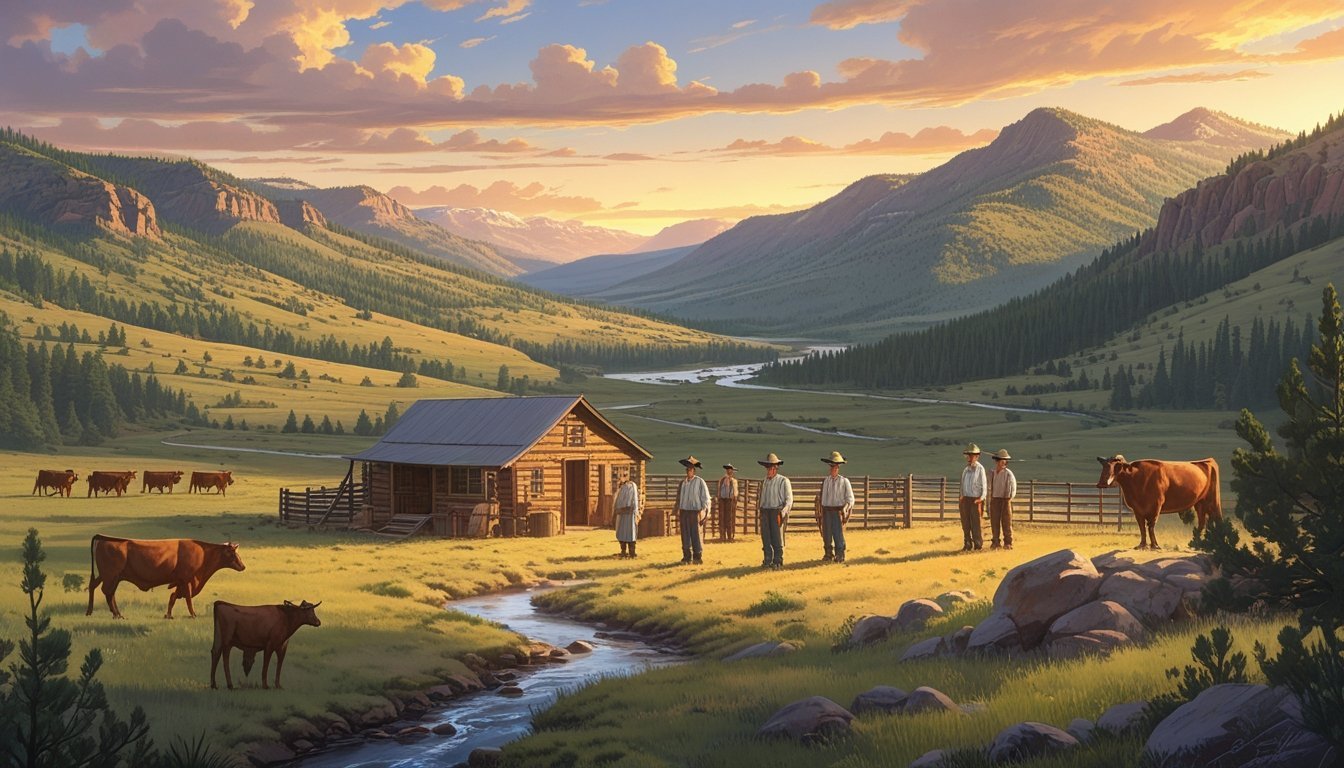
A prequel series has potential to clarify how the Yellowstone Dutton Ranch took shape and the values that guided its earliest generations. These origins affect the land's future, the family's beliefs, and the ongoing challenges they face.
Land Ownership and Preservation
The original Duttons’ acquisition of the land in Montana sets the stage for the sprawling Yellowstone Ranch seen in the main series. Their journey, chronicled in "1883," shows the difficult decisions and sacrifices required to secure the property. These moments established a tradition of stubborn land preservation and a fierce dedication to protecting every acre.
Key issues include the legality of the land claim, interactions with Native American tribes, and the environmental hardships of frontier Montana. The Duttons’ methods—sometimes ethical, sometimes controversial—shaped a deeply defensive philosophy regarding outsiders and threats from government or developers. Land, to the Duttons, is not just property, but the foundation of their identity.
The prequel could show early disputes, pacts, or betrayals that later drive the family's aggressive stance against modern encroachment. The roots of ranch policies, such as strict succession planning and zero-tolerance for external interference, likely begin here. Land ownership becomes not just about title deeds, but about survival and legacy under constant pressure.
Passing Down the Family Heritage
Family heritage is a critical element, tightly intertwined with the land itself. The original Duttons’ values, customs, and stories form a foundational myth that later generations rely upon for unity and purpose.
The transition from James and Margaret Dutton to their descendants would likely highlight the mechanisms for passing down ranch leadership, values, and responsibilities. These could include oral traditions, written wills, and specific rituals tied to family milestones or tragedies. A prequel might show the creation of rules for inheritance or instill the belief that the ranch is a burden as much as a blessing.
Difficulties—such as the loss of loved ones, as seen with Elsa in "1883"—would inform a stoic, sometimes hard-edged approach to family ties. Loyalty, sacrifice, and the expectation to put the ranch above all else become hallmarks of the Dutton legacy. This process cements the Yellowstone Dutton Ranch as a symbol of both family pride and perpetual struggle.
Potential Storylines and Unanswered Questions
A prequel series set during the unexplored years of the Dutton family could address lingering mysteries about the earliest family members and reveal how key relationships and rivalries shaped the Yellowstone ranch. Nuanced portrayals of personal sacrifice, changing alliances, and legacies could deepen the audience’s understanding of the Duttons’ long fight for survival.
Unknown Ancestors and New Faces
The prequel could introduce previously unnamed ancestors, shedding light on how the ranch passed through generations and revealing origins behind core family values. While Spencer Dutton and Alexandra Dutton’s fate was partly explored in "1923," little is known about their descendants or possible siblings who may have played crucial roles.
New characters could include distant relatives or ranch hands whose actions influenced the Dutton line. For instance, the aftermath of Jack Dutton and Elizabeth’s storyline—especially with Julia Schlaepfer’s portrayal of Elizabeth—leaves room for new faces tied to their potential offspring, or tragedies that forever altered the family’s trajectory.
Periods of war, shifting ranch ownership, and frontier life could bring in people outside the immediate Dutton family. These new figures might explain family legends or bridge gaps in the existing Dutton family tree, offering explanations for long-standing customs or disputes.
Future Generations and Evolving Conflicts
The mid-20th century presents opportunity to explore how future Duttons coped with the legacies and mistakes of their forebears. Questions remain about whether Spencer and Alexandra had children, which is debated among fans, and if Jack and Elizabeth’s marriage produced significant heirs.
Conflicts could evolve from land disputes fueled by wartime policies or economic change. These tensions could reflect larger themes like the encroachment of modern society or government intervention that threatened the ranch’s survival.
Lists of possible future plot points include:
Ownership battles spurred by outside interests or legal changes
Discovery of hidden scandals affecting inheritance
Clashes between Dutton descendants over their roles or visions for the land
Delving into these conflicts would clarify how family legends and traumas shaped the modern Duttons, revealing why certain decisions haunt the newer generations seen in the primary Yellowstone series.
Streaming, Networks, and Viewing Platforms

Streaming options for the Dutton family saga vary depending on the series. Licensing deals and network exclusives impact which platform viewers need for each chapter of the Yellowstone universe.
Where to Watch Yellowstone Prequels
Yellowstone prequel series have distinct streaming arrangements. The 1923 and 1883 prequels stream exclusively on Paramount+. Subscribers can access all episodes on demand, with new seasons debuting there first.
Yellowstone (the original series) is not available on Paramount+ but can be streamed on Peacock. This separation is due to existing licensing agreements with NBCUniversal. The Paramount Network broadcasts first-run episodes of Yellowstone on cable, but streaming rights for earlier seasons remain with Peacock.
For clarity, here’s a breakdown:
Series Streaming Platform(s) Cable Network Yellowstone Peacock Paramount Network 1883 Paramount+ N/A 1923 Paramount+ N/A
This structure means fans may need subscriptions to both Paramount+ and Peacock to follow the entire timeline.
Impact of Paramount+ and Peacock
Paramount+ has become the central hub for Yellowstone prequels, building its content strategy around exclusives like 1923 and 1883. New prequel entries are expected to debut solely on this service.
Peacock remains the only major streaming service with access to past seasons of the main Yellowstone series. This is a result of a long-term, pre-existing agreement, causing an unusual split across the streaming landscape.
The division between platforms sometimes confuses viewers. Those wishing to watch the prequels must enroll with Paramount+, while access to classic Yellowstone is locked behind Peacock. As more spinoffs and prequels emerge, Paramount+ is likely to keep new content in-house to strengthen its exclusive offerings.
