
Is Yellowstone Anti-Capitalist or Hyper-Capitalist? Analyzing the Show’s Economic Themes
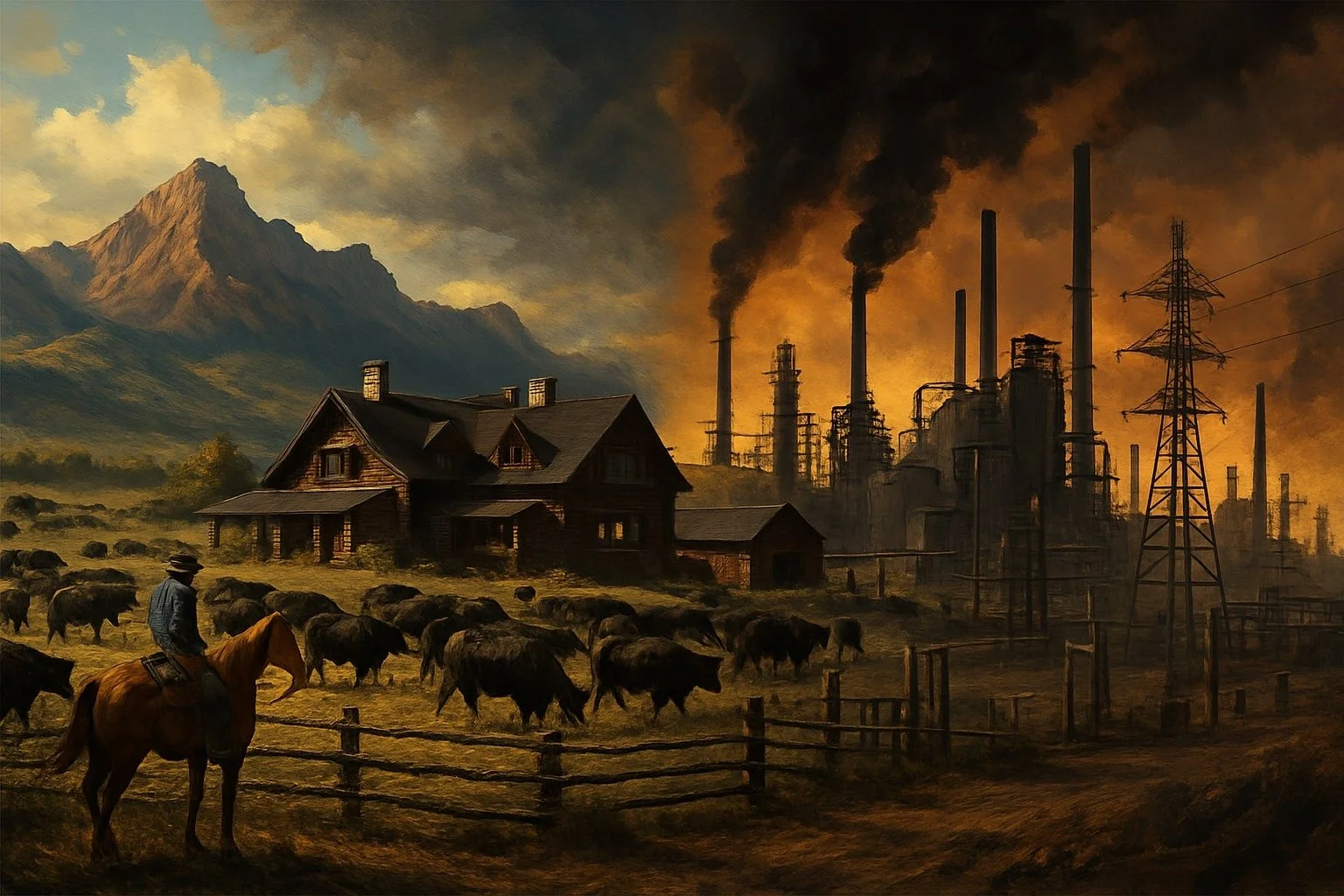
The television series "Yellowstone" has sparked debate about whether it celebrates the principles of capitalism or critiques them. Viewers see a harsh world where power, money, and land shape destinies, and the Dutton family's fight to keep their ranch raises questions about who really benefits in a capitalist society.
Yellowstone is both a critique and an embodiment of capitalism, showcasing its ruthless competition while highlighting the human costs and ethical dilemmas it creates. The show features characters who profit and lose in the struggle for control, reflecting both admiration for self-reliance and suspicion toward unchecked power.
This duality keeps audiences divided: some praise the show's portrayal of entrepreneurship and rugged individualism, while others point to its conscious exploration of exploitation and inequality. The tension between these interpretations gives "Yellowstone" its lasting relevance in contemporary culture.
Foundations of Capitalism and Anti-Capitalism in Yellowstone
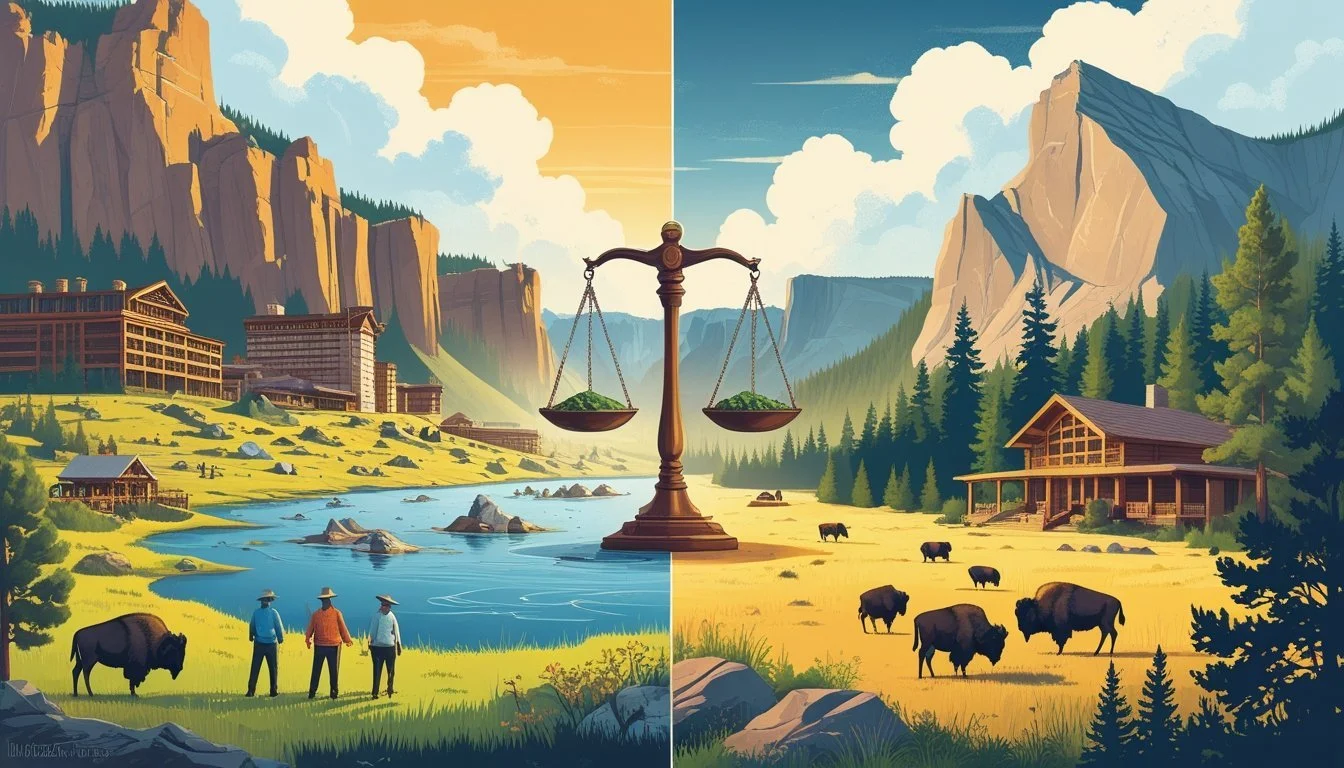
Yellowstone examines modern economic forces by placing rural livelihoods, land ownership, and resistance to outside interests at the center of its narrative. Characters confront the realities of capitalism, repeated cycles of inequality, and conflicting ideologies on economic power.
Defining Capitalism and Anti-Capitalism
Capitalism in Yellowstone is illustrated by the focus on private ownership, profit-driven motives, and the drive for expansion seen with both ranching empires and outside corporations. The Dutton family's ranch is operated as a business, relying on ownership of land and cattle for wealth and status.
The series contrasts this with anti-capitalist sentiments. Community members challenge the encroachment of developers and tourist industries, questioning the ethical and social impacts of profit-first expansion. Throughout, power struggles reveal stark inequality between landowners, local Native communities, and out-of-state corporations seeking to reshape the region.
List of central capitalist elements in Yellowstone:
Private land and asset ownership
Corporate involvement in land deals
Competition for profit and control
Theoretical Perspectives on Economic Systems
The show highlights elements of neoliberalism—deregulation, emphasis on free markets, and minimal government interference. Corporate actors and land developers often advocate for removing barriers to economic growth, aligning with neoliberal arguments.
Simultaneously, capitalist realism appears as many characters accept the market-driven status quo, despite expressing frustration with its outcomes. The narrative includes commentary on the limits of self-reliance, showing how even rugged individualists must navigate complex corporate and legal structures.
Conflicting worldviews about economic justice, tradition, and modernity drive key plotlines. Yellowstone presents economic systems not as abstract concepts but as lived experiences shaped by corporate interests, uneven resource distribution, and local resistance.
Narrative Analysis: Hyper-Capitalist or Anti-Capitalist?
Yellowstone consistently explores how power, money, and land ownership collide in rural America. Through its characters and storylines, the series scrutinizes the struggle between traditional values and aggressive economic forces.
Primary Story Arcs and Economic Motifs
The Dutton family's conflict centers on protecting ranch land amidst external threats from real estate developers, corporate entities, and the state. Their resistance highlights the tension between individual legacy and expanding corporate interests.
Economic inequality appears throughout, as workers, Indigenous people, and outsiders face the consequences of power imbalances. Characters from the working class are often shown struggling for stability and dignity. The show uses these situations to comment on exploitation and the harsh realities of rural labor.
Ranching is depicted as both a way of life and a business. The demands of capitalism push the Duttons into morally gray areas, including crime and underhanded deals. This exposes how economic pressures can erode traditional values and contribute to a sense of dystopia.
Depiction of Corporations and Power Structures
Corporations and large developers are frequent antagonists. These entities are portrayed as seeking profit at the expense of local communities and the environment. Their actions often embody corporate hegemony and systemic exploitation.
Powerful interests manipulate law enforcement and politics to secure their goals. This intertwining of economic and legal power demonstrates how systemic inequality persists. The Duttons themselves are not outside this system, sometimes leveraging their influence with equal ruthlessness.
Key themes include:
Land grabs motivated by profit
Legal maneuvering and political corruption
Displacement of the poor and working class
This ongoing struggle provides a nuanced critique of both hyper-capitalist excess and the pressures placed on those resisting it.
Character Representation and Economic Themes
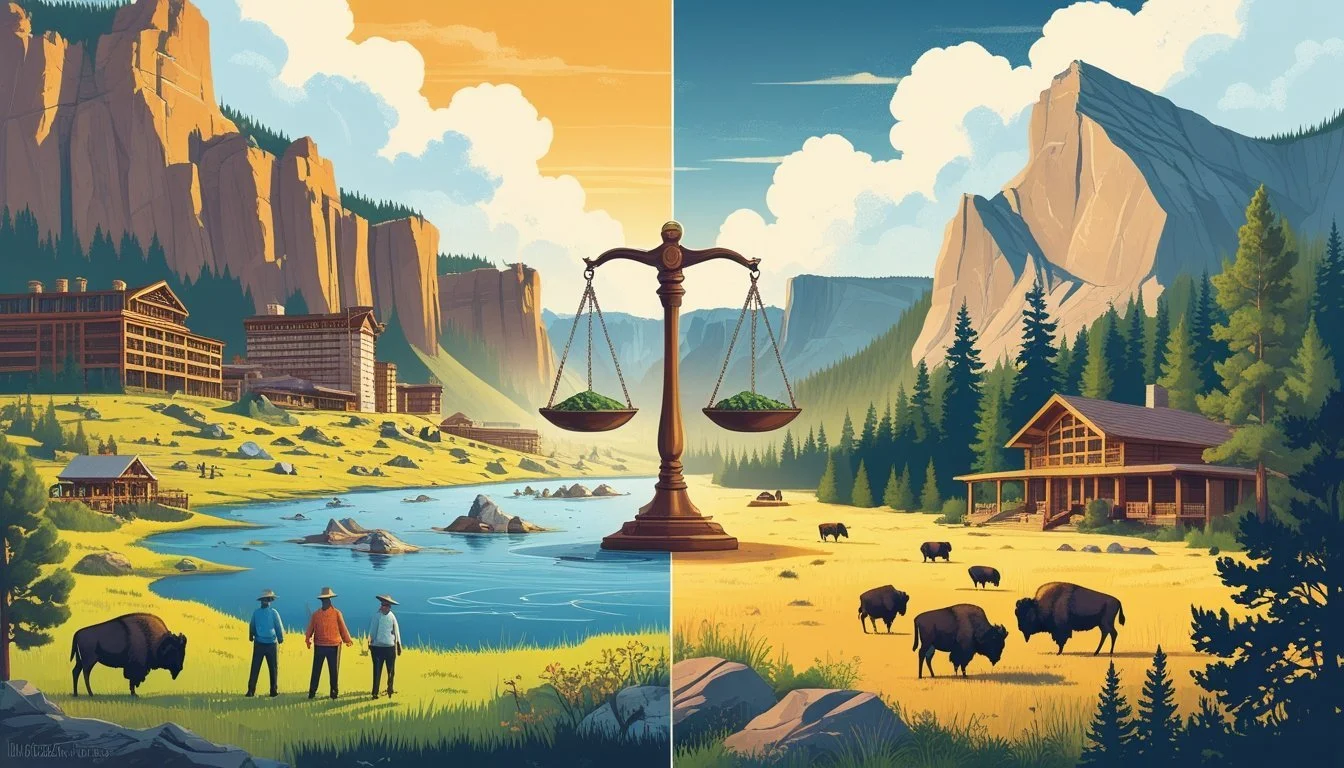
Yellowstone uses its characters to highlight how economic systems shape personal choices and social dynamics. These portrayals reveal how wealth, class, and the pursuit of power create both opportunities and conflicts across modern rural America.
Motivations and Consequences
Many characters in Yellowstone are motivated by a need to secure, preserve, or expand their economic base. The Duttons rely on traditional ranching as both a livelihood and a matter of family honor, showing ties between land, legacy, and income.
Land developers, corporate investors, and tourists introduce new capitalistic pressures that clash with existing ways of life. Characters on both sides take actions—sometimes ruthless—driven by fear of exploitation and loss.
The show highlights the consequences of these economic choices:
Local workers fear being priced out or losing jobs
Attempts at rebellion arise, especially among those resisting change
Those who exploit the system often benefit, deepening inequalities within the community
This constant push and pull makes economic survival a daily struggle with real, personal costs.
Conflicts of Class and Wealth
Yellowstone frames conflicts between the ultra-wealthy, like the Duttons, and both the working class and outside capitalists. The ranch itself becomes a symbol of power, drawing in corporate interests looking to profit and displacing established communities.
Class divisions are illustrated by contrasting lifestyles, ambitions, and vulnerabilities. Working-class characters such as ranch hands face risks of exploitation or unemployment as land use shifts from agriculture to tourism or luxury development.
Themes of inequality, social mobility, and resistance to change echo broader patterns seen in dystopias and real-world histories such as the Cold War, where fears of entrenched power and economic manipulation drive conflict. The show’s class-based struggles often prompt characters to either fight for survival or participate in perpetuating the same systems they oppose.
Comparative Analysis With Cyberpunk and Dystopian Works
Yellowstone and cyberpunk works approach the collision between power, technology, and society from sharply different directions. Each offers a distinct interpretation of how late-stage capitalism shapes both environment and character motivation.
Similarities to Cyberpunk Aesthetics
Both Yellowstone and core cyberpunk worlds such as Night City in Cyberpunk 2077 depict societies where powerful private actors dominate daily life. Yellowstone’s Dutton ranch exerts outsized control over Montana’s future, much like Militech or Arasaka corporations vastly influence outcomes in Cyberpunk 2077, Blade Runner, and William Gibson’s Neuromancer. In both settings, small groups make decisions that impact entire communities, portraying a world where personal agency shrinks under mounting corporate or familial interests.
Characters in both Yellowstone and cyberpunk literature, such as Johnny Silverhand or the protagonists of The Matrix, often face moral ambiguity and blurred lines between survival, resistance, and complicity. Technology plays a key role in cyberpunk, with cybernetic implants, cyberspace, and digital surveillance as central elements; while Yellowstone lacks high technology, it substitutes complex social and economic systems that control access to land and opportunity, echoing the suffocating institutional forces present in science fiction dystopias.
Contrasts With Night City and Neoliberal Futures
Yellowstone distinguishes itself by rooting conflict in land, tradition, and legacy rather than digital worlds or advanced technology. Unlike the neon-lit verticality of Night City, marked by ever-present advertisements and omnipresent surveillance, Yellowstone’s drama unfolds over sprawling ranches and contested borders. The threats in Yellowstone stem from real estate ventures, state encroachment, and generational inheritance rather than RPG mechanics, cyborg enhancements, or the existential crises of cyberspace.
Cyberpunk video games like Cyberpunk 2077 and films like Blade Runner often thrill in hypercapitalist spectacle, drawing attention to consumerism and the synthetic body through characters like Johnny Silverhand and factions such as the Voodoo Boys. Yellowstone remains grounded in tangible conflicts over water, cattle, and political power. While cyberpunk worlds explore possibilities in future science, Yellowstone exposes the consequences of capitalism deeply entwined with the American landscape and history, eschewing the genre's speculative technology for present-day systemic struggles.
Yellowstone's Cultural Commentary and Legacy
Yellowstone's continued popularity has cemented its place as both a cultural touchstone and a critical lens through which viewers examine current ideological and economic debates in America. The show uses its setting and characters to scrutinize capitalism, authority, and the persistent tension between tradition and progress.
Impact on Modern Perceptions of Capitalism
Yellowstone presents the Dutton family as stewards of vast land holdings, navigating threats from developers, corporations, and politicians. The narrative explores themes of ownership, power, and profit, often highlighting the relentless logic of capitalist expansion through conflicts over land grabs and resource control.
The series reflects capitalist realism by suggesting that private capital and corporate interests are nearly inescapable forces. Characters resist or manipulate these forces rather than imagining truly alternative systems. The story routinely illustrates the uneasy coexistence between big business and traditional ranching, sparking questions about whether Yellowstone is critiquing hyper-capitalism or reinforcing it.
Throughout the show, the presence of corporate hegemony is clear. Wealth and influence shape destinies, and attempts at rebellion are usually absorbed or outmaneuvered by those with more resources. This tension serves as a mirror for modern anxieties about unchecked capitalism's influence on everyday life.
Reflections on Society and the Future
Yellowstone uses its storylines to comment on shifting American identities and the social costs of economic power. The show's depiction of rural struggle, Indigenous issues, and family loyalty highlights the ways society grapples with change under capitalist pressures.
There is a persistent thread of dystopian futures in the portrayal of Montana: tenacious traditions erode, and powerful outsiders reshape landscapes for profit. By weaving together cultural commentary and dramatic storytelling, Yellowstone invites viewers to consider what is lost—and what remains—when economic logic prevails over communal bonds.
The series functions as both a reflection and critique, provoking conversation about capitalism’s role in shaping society’s direction. The outcome is a cultural legacy that continues to influence both televised storytelling and broader political discourse.
Conclusion
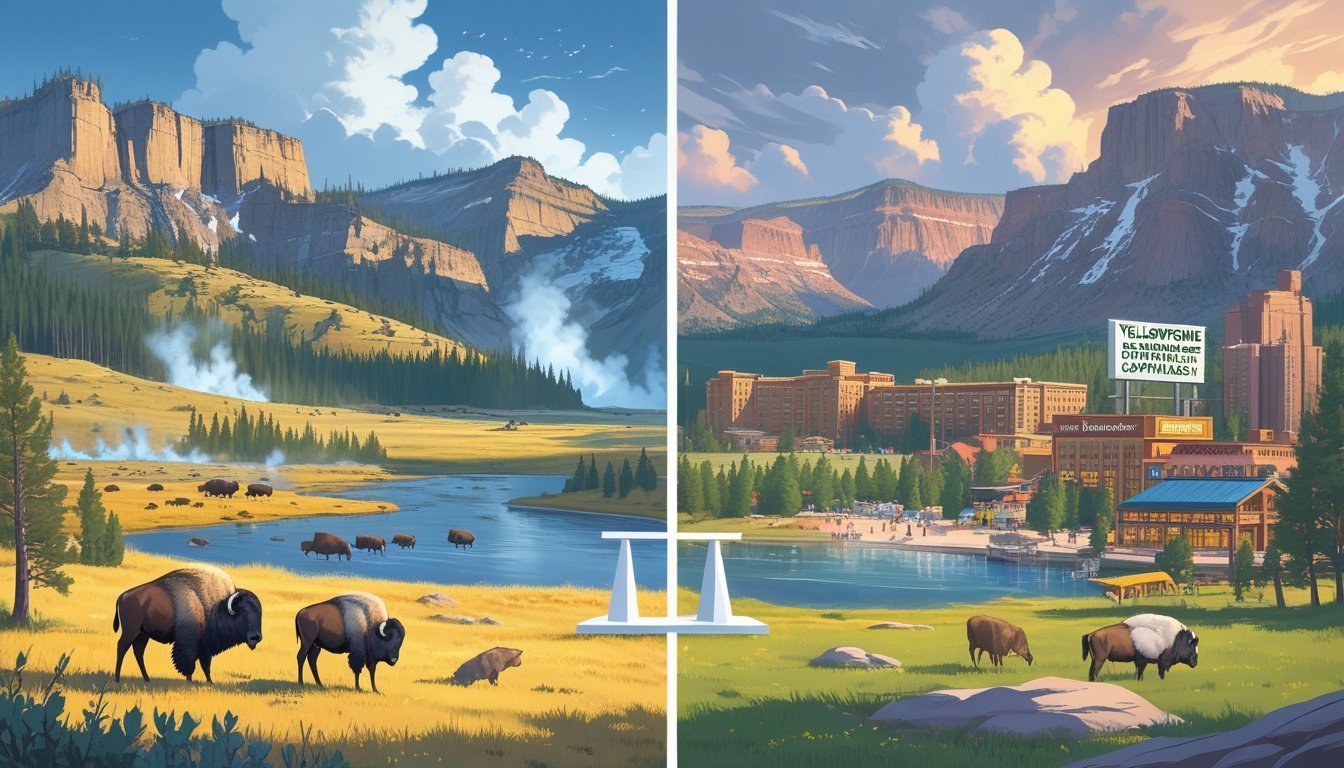
"Yellowstone" occupies a unique space, neither fully rejecting nor completely embracing capitalism. The Dutton family’s efforts to protect their ranch are rooted in economic realities, as ranching remains their livelihood.
Capitalist pressures are evident throughout the series. Real estate developers, investment groups, and tourism interests frequently threaten the stability of the Yellowstone Ranch.
At the same time, the show highlights tensions between traditional ways of life and modern economic forces. These conflicts shape many plotlines and place characters at the crossroads of heritage and profit.
Key economic themes illustrated in "Yellowstone":
Ranching as Business: The Duttons must treat their land as a commercial asset to survive.
Development vs. Preservation: Outside capitalists see the ranch as an opportunity for profit.
Tourism and Modernization: Changing rural economies influence characters’ choices and community dynamics.
"Yellowstone" does not present a simple answer to questions about capitalism. Its narrative instead reflects real-world complexities, showing how families and communities face ongoing economic challenges and shifting values.
