
Why Yellowstone Makes Politics Feel Like a Gunfight
Exploring Power Struggles and Rivalries
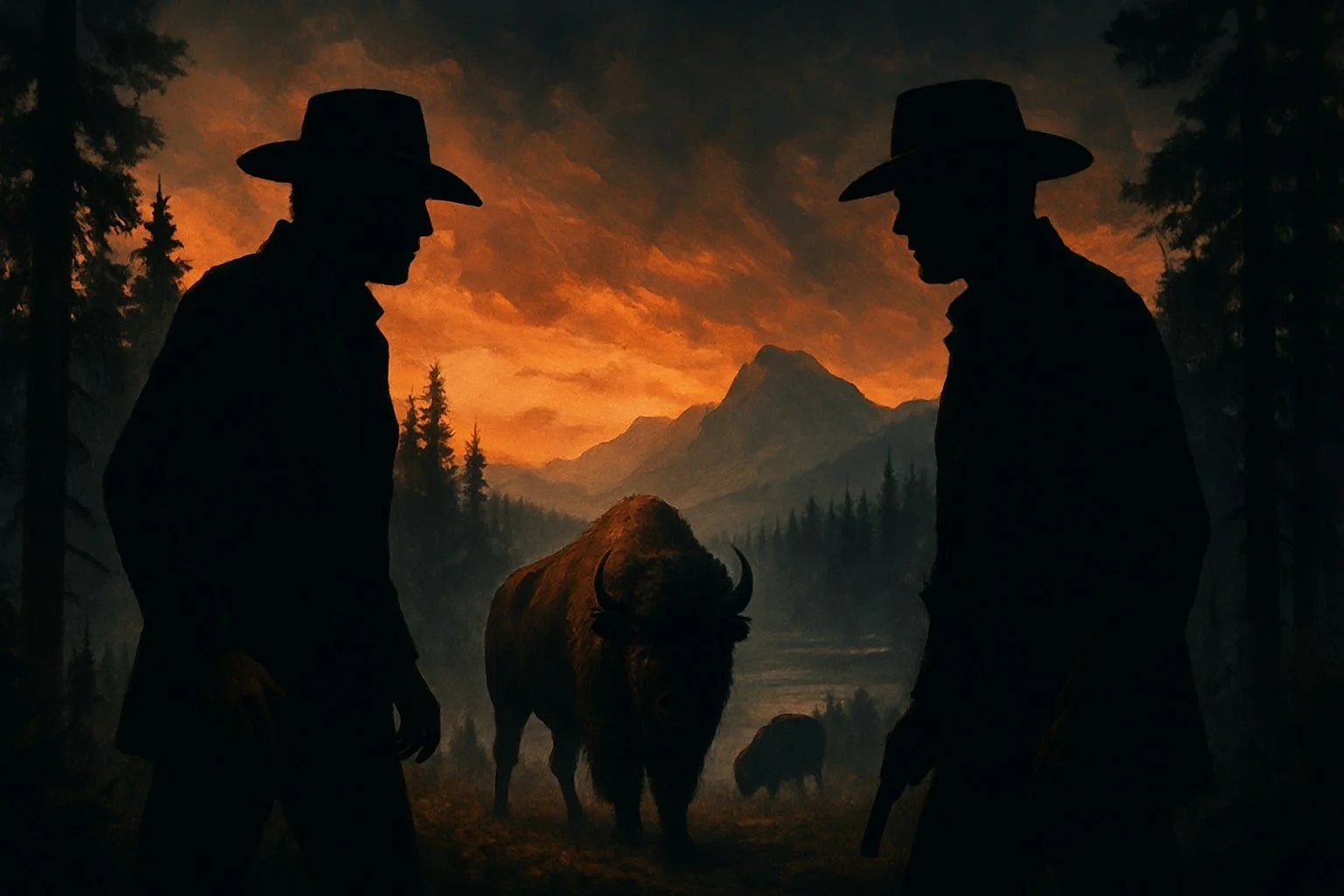
Yellowstone makes politics feel like a gunfight because it frames every conflict—whether over land, family, or ideology—as a high-stakes showdown where compromise rarely stands a chance. The show draws viewers into intense power struggles, echoing the fierce, often binary nature of modern political debates.
Through its characters and storylines, Yellowstone mirrors the zero-sum mentality common in contemporary politics, where every opposing force is treated as a potential threat. Layered with themes of loyalty, legacy, and survival, each episode captures the tension and urgency that makes political struggles so personal and relentless for many. This approach keeps the audience closely engaged, as they recognize echoes of real-world polarization in the show’s dramatic confrontations.
Yellowstone and the American Political Imagination
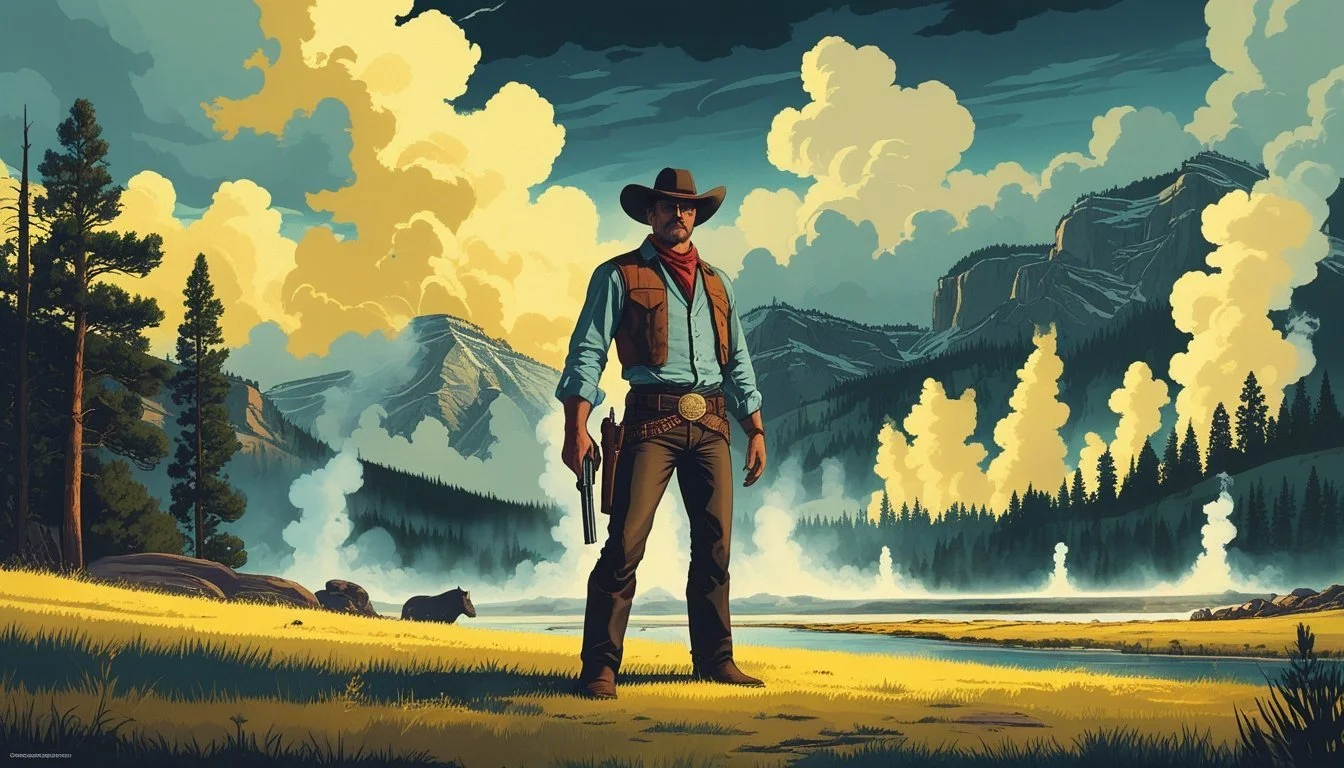
Yellowstone leverages the visual and narrative tropes of the Western genre to explore power, authority, and the contest for land. Its drama hinges on symbolic struggles that reflect deeper tensions in the American political landscape.
Cultural Resonance of Western Iconography
The show’s imagery—wide-open ranches, cowboy hats, and horseback riders—draws on iconic symbols of American frontier life. These visuals evoke a sense of rugged self-reliance and individualism rooted in Western mythology.
Characters such as John Dutton embody the archetypal figure of the stoic rancher defending his way of life. For many viewers, this nostalgic portrayal appeals to longstanding cultural values, particularly among rural audiences.
Yellowstone frames modern disputes through the lens of these familiar symbols, making abstract political ideas feel more immediate and tangible. The visualization of the Western landscape reinforces a mythic connection to territory and tradition.
Depiction of Authority and Power Dynamics
Authority in Yellowstone is portrayed through a blend of legal, familial, and violent means. The Dutton family’s control over their land is maintained as much by alliances and coercion as by official law.
Political power is depicted as personal and physical, rather than merely bureaucratic or institutional. Sheriff’s officers, developers, and tribal leaders negotiate through confrontation, leveraging both policy and muscle.
This portrayal simplifies complex power structures, suggesting that decisive action and force shape outcomes more than abstract rules. It mirrors the perception that contemporary politics involves high-stakes clashes and dramatic showdowns between competing interests.
Symbolism of the Frontier Mentality
The "frontier mentality" in Yellowstone represents an ongoing battle for survival and sovereignty. The narrative treats land not just as property but as identity—something to be fiercely protected against outsiders.
This mentality drives both the characters’ motivations and the show’s larger political themes. The struggle over boundaries, legitimacy, and resource control echoes real-world debates over ownership and belonging.
By dramatizing these disputes, Yellowstone reinvigorates a notion of politics as conflict—where winning or losing can feel like a matter of life and death. The show ties personal vendettas to collective anxieties about change and displacement.
How Conflict Frames Political Discourse
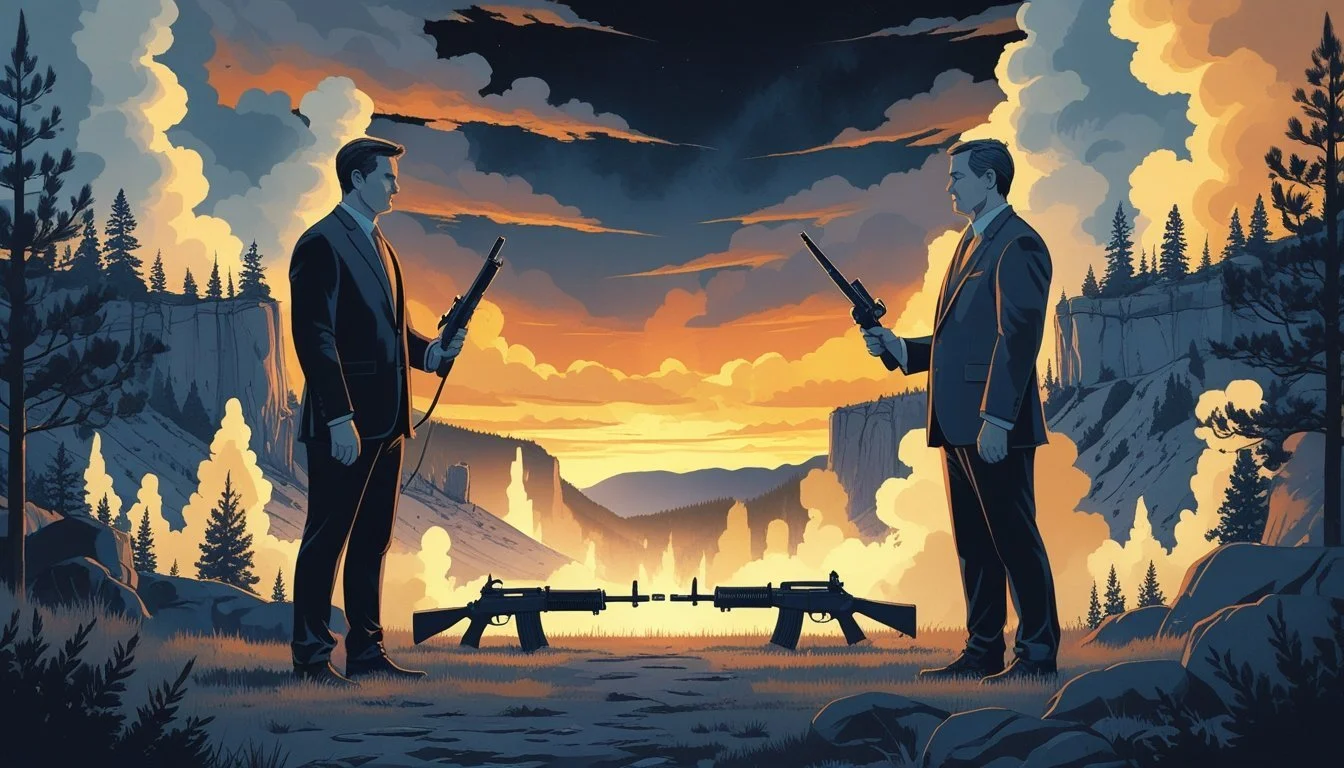
Conflict in “Yellowstone” is more than physical; it shapes how characters interact, make decisions, and communicate. The show’s approach mirrors real-world trends in politics, highlighting how adversarial mindsets influence conversation, exaggerate differences, and steer public perception.
The Showdown Narrative in Contemporary Politics
“Yellowstone” often depicts problems as direct, personal standoffs—echoing the traditional Western showdown. In contemporary politics, this narrative frames debates as battles to win or lose, where compromise appears weak.
Candidates and leaders routinely adopt combative rhetoric. Phrases like “fighting for you” or “defeating the opposition” are common in campaign speeches and legislative debates.
This showdown mentality pushes politicians and citizens alike to approach issues defensively, seeing each disagreement as a threat to survival rather than an opportunity for progress. The focus shifts from problem-solving to winning, narrowing space for collaboration.
Example:
Setting Type of Conflict Outcome Emphasized Yellowstone Ranch vs. State Winner takes all Politics Party vs. Party Zero-sum outcome
This dynamic reflects a broader societal trend: issues get framed as existential threats rather than complex challenges.
Polarization and Black-and-White Thinking
The adversarial perspective contributes to political polarization. When political issues are framed in stark, binary terms, nuance is lost and middle ground disappears.
Viewers of shows like “Yellowstone” recognize this pattern—characters are often portrayed as either fiercely loyal or bitterly opposed. Similarly, political debates paint opponents as obstacles rather than partners.
Consequences of polarizing rhetoric:
Reduced willingness to compromise
Simplification of policy issues
Increased distrust among groups
In this environment, people feel pressure to pick sides quickly. There’s little room for nuanced discussion.
Media Amplification of Adversarial Rhetoric
The media, both news and entertainment, plays a major role in amplifying conflict-oriented language. Coverage often focuses on dramatic clashes and bold confrontations, prioritizing spectacle over substance.
Cable news, social media, and talk radio highlight “clashes” or “battles” between politicians. Even when the topic is policy, the framing centers on who is gaining or losing ground.
This cycle feeds public expectations. People begin to anticipate and reward conflict-driven messaging, creating a feedback loop that intensifies adversarial discourse.
Key effects include:
Greater visibility for extreme voices
Declining trust in moderate perspectives
Escalation of angry or dramatic narratives
The end result is a public square where conflict dominates and solutions take a back seat.
Gunfight as a Metaphor for Partisan Rivalry
Political competition in Yellowstone often resembles a gunfight, where each side faces high stakes and is forced into confrontational, immediate choices. This approach exposes the deeper dynamics of zero-sum thinking, tactical escalation, and the tendency to view opponents in adversarial terms.
Zero-Sum Game Mentality
In Yellowstone, characters frequently believe that any loss by their side is a gain for the opposition. This zero-sum outlook frames politics as an environment where compromise feels like surrender.
Decision-making becomes more rigid, with little room for negotiation or shared benefit. Stakes are clear: if one side “wins,” the other must “lose.” This mindset drives much of the tension and pushes characters into bold, sometimes reckless actions.
Public discourse can mirror this pattern. Political issues are framed as battles that allow no middle ground. The storylines highlight how this mentality discourages collaboration and increases deadlock, leading to harsh outcomes for both sides.
Summary Table: Zero-Sum Influences in Yellowstone Politics
Aspect Effect Decision-making Less flexibility, risk of extreme measures Tactics Aggressive strategies, limited cooperation Outcomes Higher polarization, entrenched opposition
Escalation of Political Tactics
As in a gunfight, political actors on Yellowstone respond to threats by amplifying their own responses. Defensive maneuvers quickly become offensive strategies, ratcheting up the stakes with each confrontation.
Negotiations are often bypassed in favor of direct action. The show depicts a progression from political maneuvering to open conflict, showing how each response seeks to outmatch the last. What begins as a small challenge can spiral into large-scale battles with lasting consequences.
Such escalation is fueled by the belief that not acting forcefully risks loss of control or status. The pattern reflects real-world trends where political tactics become increasingly aggressive, making genuine dialogue harder over time.
Public Perceptions of Political Opponents
Viewers see how Yellowstone’s characters rapidly move from distrust to outright vilification of rivals. Adversaries are depicted less as people with differing viewpoints and more as existential threats.
This framing hardens divisions and justifies extreme measures. Political opponents become symbols of danger or corruption, rather than individuals with legitimate positions. Social and family ties are often torn apart as a result.
These dynamics mirror shifts in public opinion outside the show. Polls and studies, both fictional and real, suggest many people now see political opponents as morally suspect or dangerous, not merely different in ideology or policy preference. This change can lead to fractured communities and persistent hostility.
Yellowstone’s Impact on Pop Culture and Political Attitudes
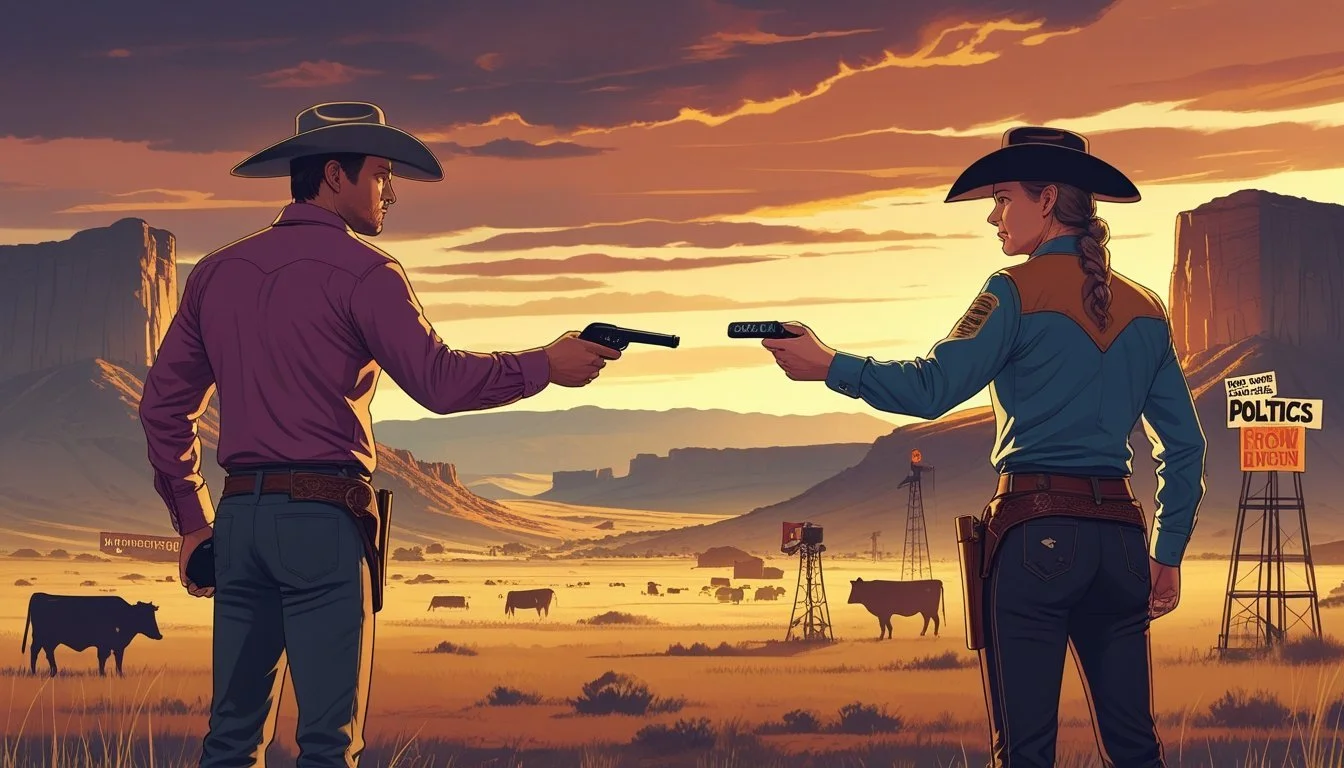
Yellowstone has become a fixture in American entertainment through its depiction of contentious land disputes, family loyalty, and rural tradition. Its themes and characters influence not only television but also shape how viewers interpret social and political debates in real life.
Influence on Social and Political Identity
The series presents the Dutton family’s struggle to protect their ranch as more than just a personal battle. It reflects on the tension between long-standing rural values and outside forces such as corporate interests, government regulation, and changing demographics.
Viewers often see their own concerns reflected in the show’s conflicts. Ranchers, Native American communities, environmental advocates, and business developers are all given a voice, though not always equally. This complexity encourages audiences to consider where they stand on issues like property rights and environmental policy.
Yellowstone’s storytelling style tends to avoid explicit political alignment. Instead, it invites viewers from various backgrounds to project their own attitudes onto the characters. This approach has led to the series being embraced by a diverse segment of the population, from conservative rural audiences to viewers drawn by its critique of unchecked economic expansion.
Shaping the National Conversation
The series has sparked public discussion on topics ranging from land use to cultural preservation. By dramatizing disputes between generational landowners, Indigenous groups, and powerful corporations, Yellowstone highlights real-life debates over sovereignty and sustainability.
Media coverage and online forums feature frequent debate about the show’s handling of Native American issues and gentrification. These discussions go beyond simple entertainment, prompting viewers to reconsider their assumptions about rural America and its challenges.
Yellowstone’s widespread appeal shows in how it reframes political issues as personal and immediate. Its narrative blurs the line between entertainment and social commentary, encouraging audiences to talk about topics that might otherwise remain background noise in national conversations. This effect is seen in both casual social media discourse and column inches in mainstream media.
Parallels Between Westerns and Modern Governance
"Yellowstone" frames politics through the lens of classic Westerns by highlighting ongoing battles over land, influence, and the fight to shape laws and lives. These stories echo real debates about justice and leadership in today’s political landscape.
Law, Order, and Personal Justice
In "Yellowstone," established authority is often challenged by those who believe in their own sense of right and wrong. Characters operate by a personal code, sometimes ignoring official rules in favor of delivering what they consider fair justice. This creates a dynamic where the law is not always clear-cut and powerful families use private enforcement to settle disputes.
Modern governance faces similar dilemmas. Local leaders and political actors may push the boundaries of legal frameworks when handling conflicts over property rights, development, or social justice. The same tension seen on the ranch—between government regulations and unofficial power—mirrors ongoing debates about how laws should be interpreted and enforced in American society.
Theme "Yellowstone" Example Real-World Analogue Private justice Ranchers enforcing rules Elected officials bending laws Contesting authority Battles with law enforcement Local vs. federal government
Leadership Styles Mirrored in Politics
The series portrays leaders who use a mix of charisma, force, negotiation, and manipulation. John Dutton, the family patriarch, protects his interests by forging alliances, making threats, and managing rivalries behind closed doors. His blend of traditional values and pragmatic decision-making sets the tone for how power is maintained on the ranch.
Similar traits are found in real-world politicians, who navigate shifting alliances and use a range of strategies to achieve goals. Whether appealing to tradition, using backroom deals, or projecting tough images to the public, these leadership styles are deeply rooted in both Western storytelling and contemporary governance. The interplay between public persona and private decisions is as relevant in politics as it is in the show's depiction of Montana’s power struggles.
Reactions and Critiques of Yellowstone’s Political Implications
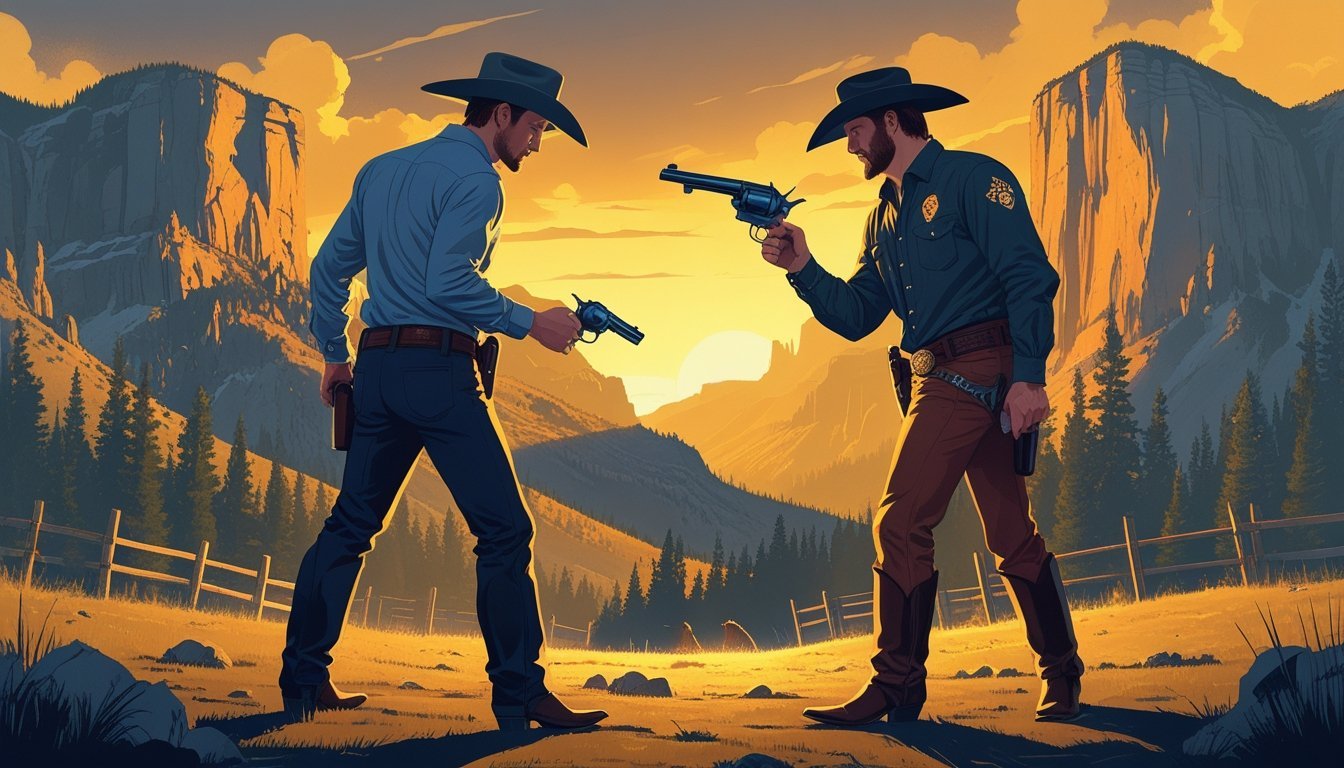
The political messaging in Yellowstone has drawn a range of reactions from critics, viewers, and even the show’s actors. Some interpret the series as leaning right due to its portrayal of a white male landowner fighting to protect family and property. Others highlight the characters' complex motivations and note moments that challenge traditional political labels.
Debate centers on whether Yellowstone pushes a conservative agenda or simply reflects the complexities of the American West. The show addresses issues like land rights, indigenous struggles, and development versus tradition, making its stance difficult to categorize as strictly right-wing or progressive.
Main Points of Critique
Polarized interpretations: Viewers' political leanings often shape their understanding of the show's themes.
Nuance and duality: While some see pro-conservative messaging, others perceive criticism of unchecked power and greed.
Cultural impact: The series is frequently mentioned in discussions about rural identity, cultural division, and modern-day America.
Actor Luke Grimes has commented on the tendency to ascribe political motives to the show, noting that many reactions overlook its nuanced approach. This diverse cast of characters and moral ambiguity invites both praise and critique from across the political spectrum.
Yellowstone has become a flashpoint in culture wars, inspiring both passionate fandom and pointed analysis. Its impact stretches beyond entertainment, provoking ongoing conversations about how media can mirror, reinforce, or question American political identities.
Conclusion
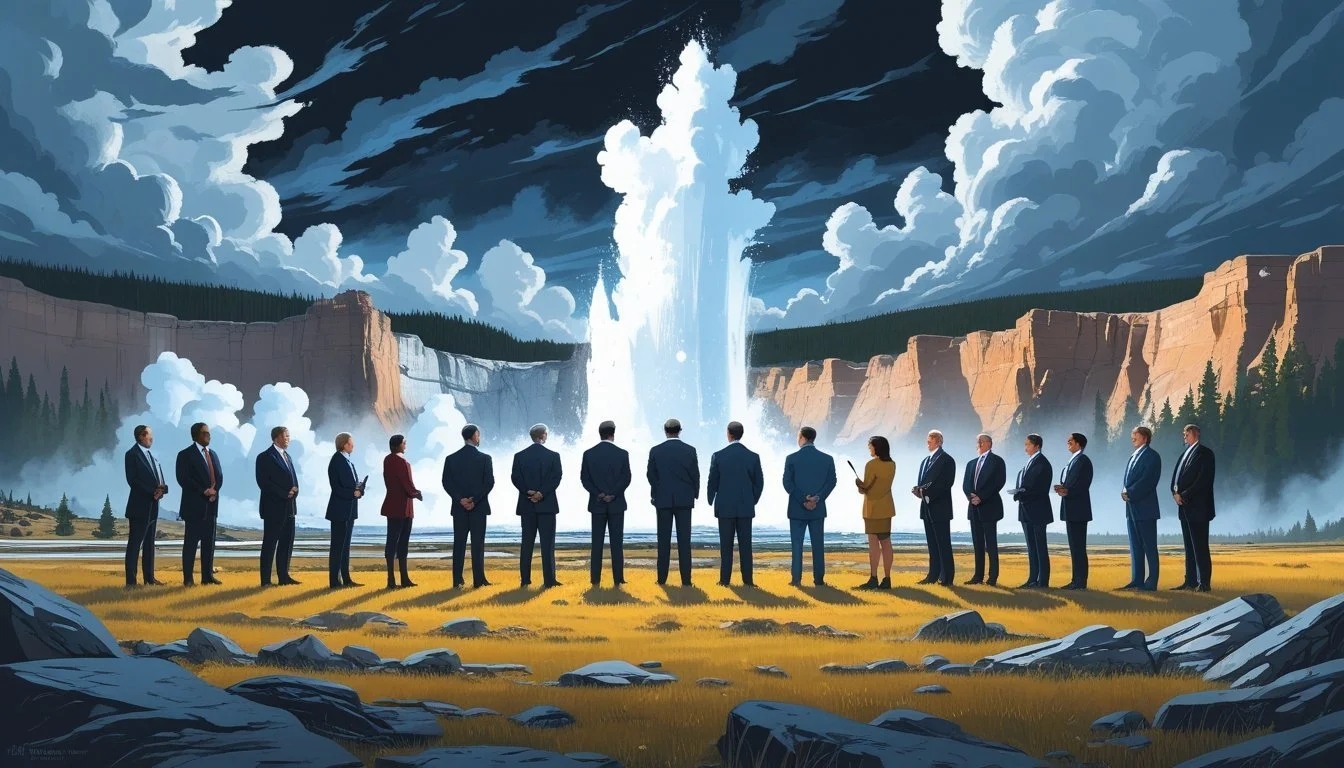
In Yellowstone, politics are woven into the fabric of every conflict. The ranch, the land, and the legacy each serve as battlegrounds where power struggles often feel direct and unyielding.
Conversations mirror shootouts, with characters weighing each word as if it could start a feud. The show’s focus on loyalty, tradition, and land rights makes complex political themes feel urgent and personal.
Viewers recognize echoes of real-world disputes but see them refracted through the rules of frontier life. The series balances apathy toward mainstream partisanship with an intense defense of personal interests.
Key themes include:
Theme How It Shows Up Land ownership Legal battles, violence Native relations Firm, ongoing tension Modernization Cultural pushback
By keeping the stakes close to home and the alliances tense, Yellowstone turns political disagreements into immediate survival questions. This approach invites viewers to engage with political issues in a way that feels both familiar and dramatically heightened.
The result is a landscape where politics are not just debated but confronted head-on, much like a classic showdown. This directness explains why every dispute feels urgent—as if the next move could change everything.
