
Can You Root for John Dutton Without Losing Your Soul? Examining Morality in Yellowstone

Supporting John Dutton on Yellowstone doesn't require losing your sense of right and wrong, but it does force viewers to question their own boundaries. The Dutton patriarch is a complicated character—powerful, ruthless, and fiercely loyal to his land and family. He often operates in legal and moral gray areas, making decisions that can be harsh or even brutal.
Viewers are drawn to him because he stands firmly for what he believes in, even when it comes at a high personal or ethical cost. At the same time, John Dutton’s choices can make it difficult to ignore the darker side of his leadership. This tension is what keeps the audience invested, wondering whether rooting for him makes them complicit or just human.
Understanding John Dutton's Character
John Dutton, portrayed by Kevin Costner, is the central figure in "Yellowstone." His actions and decisions are shaped by a complex blend of personal ethics, stubbornness, and a strong sense of duty to both land and family.
John Dutton’s Moral Compass
John Dutton’s moral code is not black and white. He operates by a rigid set of principles shaped by generational ranching and Montana’s harsh realities. His sense of right and wrong often clashes with the law or modern ethical standards, leading to decisions that can be both admirable and deeply questionable.
He is known for making ruthless choices to defend the Yellowstone ranch, sometimes justifying violence or betrayal if it means protecting his legacy. These actions show a man willing to place the ranch’s survival above nearly every other value—even when it means blurring the lines of morality.
This causes viewers to question whether his actions are noble acts of preservation or self-serving displays of power. The show repeatedly explores these dilemmas, forcing audiences to confront the cost of such unwavering commitment.
Family Loyalty and the Duttons
Loyalty to family is at the core of John Dutton’s identity. The Duttons operate more like a tightly knit alliance than a traditional family, bound by shared interests and threats rather than simple affection.
John’s relationship with his children—Beth, Kayce, and Jamie—is marked by loyalty that can be both fierce and demanding. He expects absolute commitment from them, but his love is often expressed through high expectations and tough lessons.
This family dynamic creates tension as each member tries to balance personal desires with the demands of the ranch and John’s authority. The family’s willingness to go to extreme lengths for each other is both a source of strength and conflict, making the Duttons’ loyalty central to the show’s ongoing drama.
Ethical Dilemmas at the Heart of Yellowstone
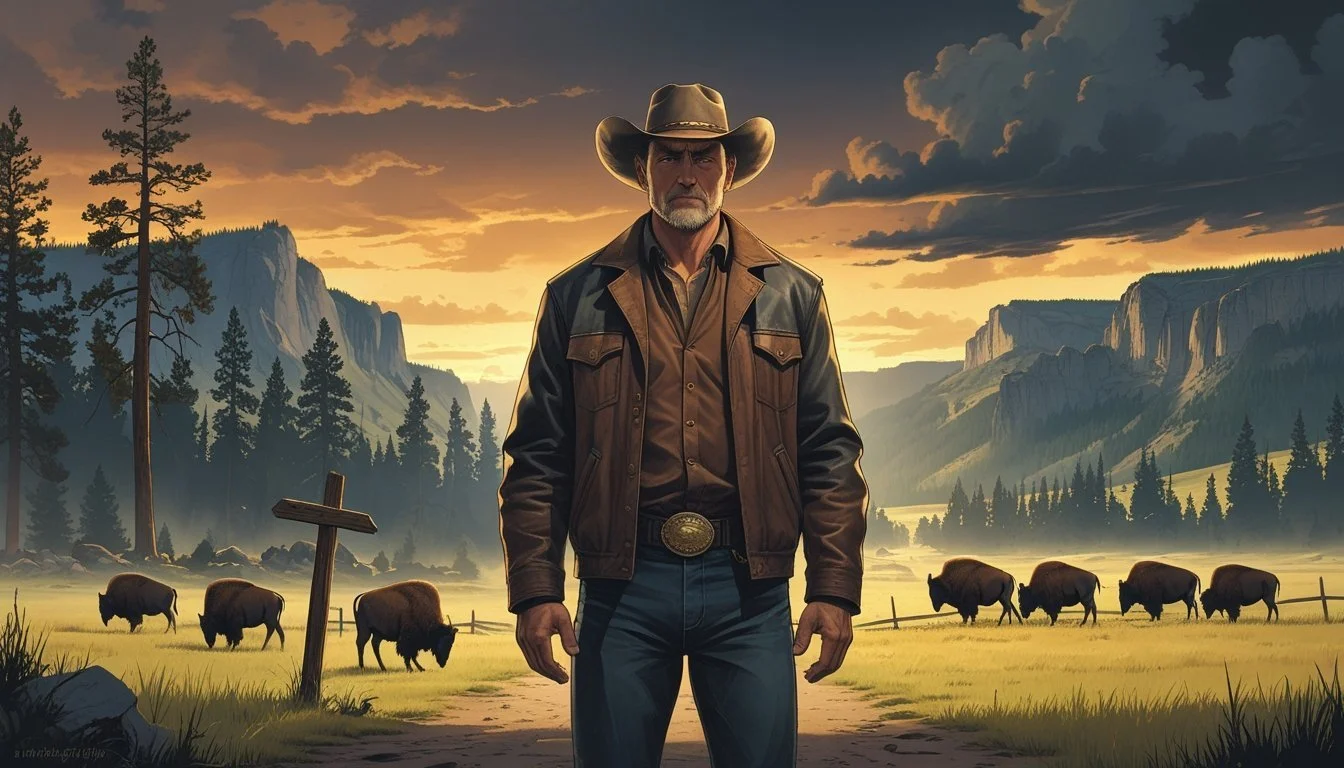
Yellowstone’s morality is defined by hard decisions, shifting loyalties, and the willingness to cross ethical lines for family and land. John Dutton’s actions illuminate how concepts like loyalty, honor, and legacy are constantly tested by violence, subterfuge, and personal sacrifice.
The Cost of Protecting the Ranch
John Dutton is confronted with constant threats to the ranch, from land developers, corporate interests, and neighboring tribes. To many viewers, his willingness to protect the ranch at any cost is both his strength and his greatest flaw.
He often employs extralegal tactics such as coercion, bribery, or direct violence. Characters close to John, like Rip and Beth, become complicit in morally gray decisions that suspend the conventional rule of law for the sake of family and territory.
The ranch becomes a battleground, where survival trumps principles. The line between protector and aggressor blurs, putting viewers in the position of questioning whether ethical boundaries can be maintained when the stakes are so high.
Action Consequence Outlaws rivals Undermines justice Demands loyalty Erodes personal autonomy Sacrifices outsiders Protects family legacy
Power Struggles and Succession
Leadership on Yellowstone is never stable. John Dutton faces pressure to pass on control, but each potential successor comes with risks and personal baggage.
Beth, Jamie, and Kayce each represent different visions for the future of the ranch. Their shifting alliances and frequent betrayals underscore the difficulty of balancing family ties with business interests. Succession decisions are rarely purely merit-based; loyalty, emotional manipulation, and secrets play a large role.
Beth’s ruthlessness, Jamie’s legal maneuvering, and Kayce’s reluctant participation all reflect the complex power dynamics of the Dutton dynasty. Every move is calculated, revealing how the hunger for power can drive ethical compromises and deepen internal conflict.
Land, Legacy, and Responsibility
At the story’s core lies the belief that Yellowstone is more than property—it is a legacy. John Dutton sees himself as a steward, bound by duty to ancestors and descendants alike.
This sense of responsibility can become destructive. Efforts to hold the land sometimes come at the expense of neighbors, local tribes, and personal relationships. The struggle for legacy can justify questionable tactics and foster isolation from the modern world.
Responsibility for the ranch differs for each character:
John views it as upholding tradition at any cost.
Beth treats it as a fortress against loss.
Kayce feels the burden as both a gift and a trap.
The audience must weigh whether the preservation of legacy warrants forsaking broader ethical principles.
Key Relationships That Shape John Dutton
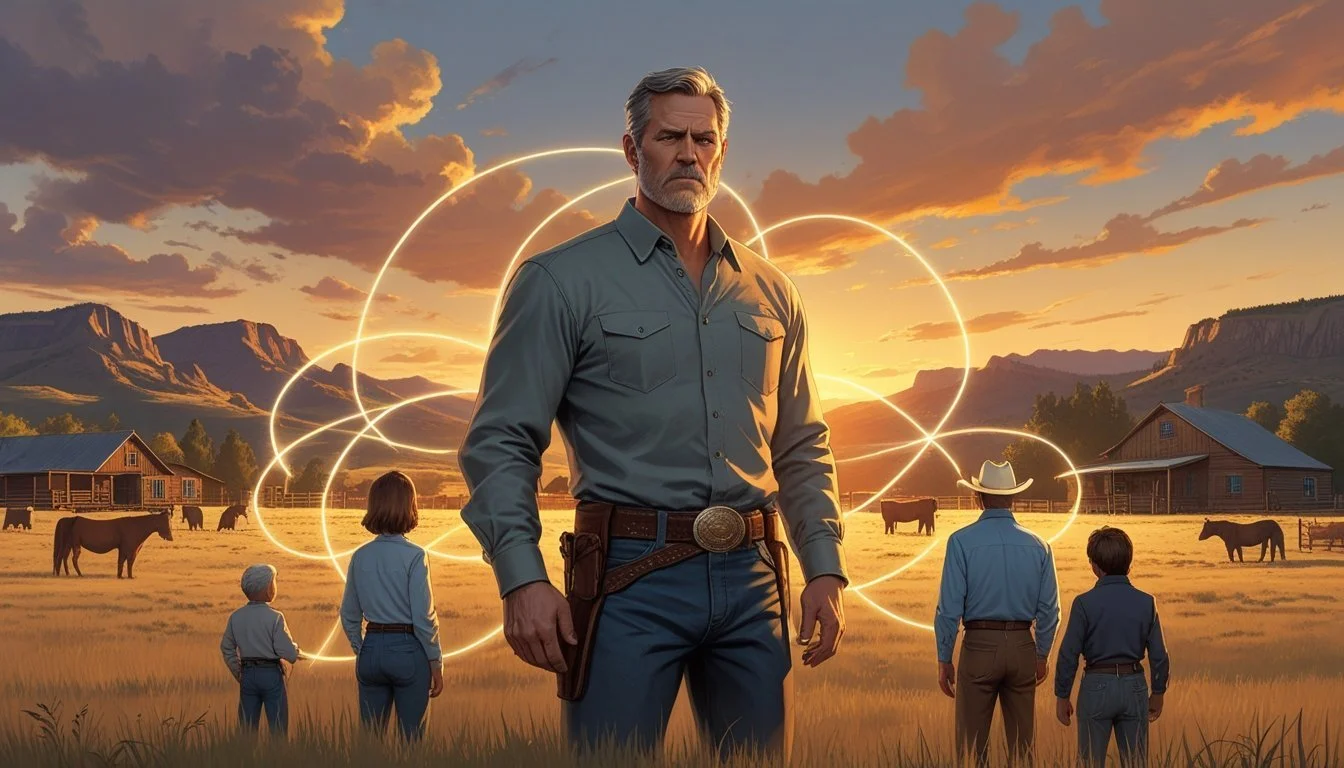
John Dutton’s character is continually shaped by the people closest to him on the Yellowstone Ranch and those who challenge or question his worldview. Each relationship reveals critical facets of his leadership, personal beliefs, and the moral compromises he makes.
Rip's Loyalty and Influence
Rip Wheeler is John Dutton’s most trusted enforcer and surrogate son. His unwavering loyalty is seen in his willingness to carry out any order, no matter how grim, to protect both John and the ranch. This fierce commitment offers John both a sense of security and a tool for enforcing his vision of justice.
Key moments include Rip’s readiness to handle threats with violence or cover up crimes to preserve the family’s power. Rip’s influence also contributes to the culture of secrecy and hardline loyalty that defines the ranch.
Rip and John’s dynamic underscores John’s dependence on loyalty over legality.
Their relationship shows how John’s authority is both stabilized and complicated by such deep allegiance.
Monica’s Moral Perspective
Monica Dutton, Kayce’s wife, continually challenges John’s ethical decisions. Coming from the Native American community, she offers a different view of the land and the family’s methods. Monica’s values highlight the consequences of the Dutton legacy on others, especially when ranch interests conflict with her own heritage.
She consistently urges Kayce—and, by extension, John—to consider more peaceful or just solutions.
Her disapproval of violence and manipulation exposes the moral costs of John’s leadership.
Through Monica, viewers see the impact of the ranch’s actions on actual people and cultures, pushing John to re-examine his convictions, even if only briefly.
Walker, Jimmy, and Outsiders’ Views
Walker and Jimmy represent the perspectives of outsiders who become insiders on the ranch. Walker’s background as a drifter and former convict gives him a critical eye; he openly questions the ranch’s traditions and refuses to participate in its darkest practices. This often puts him at odds with John and Rip.
Jimmy, on the other hand, comes seeking a fresh start and finds a sense of belonging, but at a significant personal cost.
Their experiences expose how John’s approach to leadership is received by those not born into the Dutton way.
Walker’s resistance and Jimmy’s compliance illustrate the pressures and expectations placed on anyone who gets close to John Dutton’s world.
Their reactions serve as a broader commentary on what it takes to survive under John’s rule and the ethical lines that are crossed.
John Dutton versus Antagonists and Allies
Conflict shapes the power dynamic surrounding John Dutton. The relationships he forges and the enemies he makes are driven by land, legacy, and ideology.
Rainwater’s Vision for the Land
Thomas Rainwater leads the Broken Rock Reservation and provides a sharp ideological contrast to John Dutton. Rainwater views the Yellowstone land as stolen property and works steadily to reclaim it for his people, aiming for restitution rather than destruction.
Unlike other rivals, Rainwater combines legal, economic, and political strategies to challenge the Duttons. He often collaborates with casino interests and state officials, building alliances while leveraging media attention. His methods contrast with Dutton’s mix of brute force and backdoor politics, presenting the reader with a nuanced antagonist motivated by historical injustice.
Rainwater’s objectives transcend personal gain. He represents a vision for the region’s future that prioritizes sovereignty and restitution. When Rainwater negotiates or clashes with Dutton, the outcomes echo themes of legacy and rightful ownership, giving viewers and readers a broader perspective on the battle for Yellowstone.
Business and Political Foes
The Dutton ranch is a target for various outside forces driven by profit and politics. Land developers, tourism moguls, and corporate investors aggressively pursue the property, seeing opportunity in the untouched landscape of Montana.
John Dutton’s most consistent opponents include businessmen like Dan Jenkins and Market Equities representatives, who employ lawsuits, lobbying, and public opinion campaigns to weaken his grip. Unlike Rainwater, their motives are predominantly financial, and their tactics range from underhanded legal challenges to public relations maneuvers.
John also faces political enemies at the state level. Lawmakers and even his own adopted son, Jamie, challenge his authority through new laws, investigations, and mounting scrutiny. The intricate web of business deals and political maneuvering reveals how Dutton’s reign is threatened just as much by boardrooms and closed-door meetings as by outright violence in the field.
The Consequences of Rooting for John Dutton
Rooting for John Dutton on “Yellowstone” invites viewers to grapple with the complexities of loyalty, morality, and self-reflection. His character prompts debates about justice, ethics, and the cost of power.
Gray Morality and Viewer Empathy
John Dutton’s choices often blur the line between right and wrong. He uses ruthless means to protect his family and land, involving actions like breaking the law, employing violence, and exploiting legal loopholes. These actions challenge viewers to consider if the ends truly justify the means.
Empathy toward Dutton can lead to internal conflict. Viewers may understand his motives—family loyalty, stewardship of land—but struggle with the harsh consequences of his decisions. Many find themselves troubled by siding with a character whose actions can harm innocents or perpetuate systemic issues.
The show’s storytelling encourages viewers to sympathize with Dutton, but also demands they confront the ethical ambiguities. This can result in viewers reassessing their own tolerance for gray morality when rooting for flawed protagonists.
Reflection on Personal Values
By rooting for John Dutton, viewers indirectly evaluate their own beliefs about justice and loyalty. The series presents his stewardship of the land as noble, yet his methods frequently contradict conventional morality. This forces viewers to test the boundaries of their personal values.
The character’s decisions create a framework for self-reflection, raising questions such as:
Is protecting legacy an acceptable reason for unethical behavior?
Where do viewers personally draw the line between loyalty and wrongdoing?
Through Dutton's actions, the show highlights how entertainment choices can influence, reveal, or challenge individual moral compasses. It encourages audiences to question not only what they support on-screen but also how those values echo in real life.
The Cultural Impact of Supporting John Dutton
John Dutton’s character has influenced how viewers think about loyalty, authority, and rural American identity. His presence in Yellowstone connects with both popular culture and specific debates around tradition and modern change.
Kevin Costner’s Influence on Perception
Kevin Costner’s portrayal shapes how John Dutton is understood by audiences. Costner uses a restrained demeanor, rooted in classic Western roles, to give the character a sense of authenticity and gravitas. This has made Dutton appear trustworthy and principled, even as he makes morally complex decisions.
Viewers often associate Costner’s established screen persona—strong, stoic, and protective—with Dutton’s leadership on the ranch. His acting style invites empathy for a man protecting his family legacy, drawing fans who admire his conviction.
The influence of Costner’s reputation outside of Yellowstone also impacts how fans interpret Dutton’s actions. As a result, audiences may be more willing to overlook certain ethical lapses, identifying with the familiar actor as much as the character. This intersection of performer and role blurs the line between admiration and critique.
Yellowstone’s Place in Modern Television
Yellowstone occupies a significant spot in today’s TV landscape through its focus on land, family legacy, and power. The series presents contemporary rural struggles, sparking conversations about preservation, development, and cultural conflict throughout the United States.
Its success has led to a surge of interest in Western-themed media and fashion. Fans emulate Dutton’s style—such as denim jackets and boots—reflecting how television can influence cultural trends beyond the screen.
Debates about the morality of characters like John Dutton have also fueled online reactions. Some viewers find him compelling for protecting tradition, while others criticize the ruthless ways he achieves his goals. This ongoing public discussion broadens the show’s cultural footprint by positioning it as a reference point in national conversations about values and identity.
