
How Yellowstone Handles Native Sovereignty Differently
A Comparative Perspective on National Park Policies
Yellowstone addresses Native sovereignty by recognizing the park as the shared homeland of multiple Tribal Nations, fostering tribal partnerships, and acknowledging Indigenous cultural and historical ties to the land. This approach is different from past federal policies, which often ignored or actively suppressed Native sovereignty in the region surrounding Yellowstone.
The National Park Service today works with Tribal Nations to honor their connections and address long-standing injustices related to land and resource access. Yellowstone's engagement ranges from collaborative agreements to including Indigenous voices in park management and interpretation. These steps attempt to address a complex legacy of forced removal and ongoing struggles for tribal sovereignty within America’s first national park.
By highlighting Native perspectives and striving for genuine consultation, Yellowstone offers an evolving example of how public lands can better respect Indigenous rights. This ongoing process sets Yellowstone apart in the larger conversation about land management and Native American sovereignty in the United States.
Historical Context of Native Sovereignty in Yellowstone
Throughout the creation of Yellowstone and the American West, Native communities faced repeated challenges to their land rights, tribal sovereignty, and autonomy. The history of this region is marked by displacement, broken treaties, and the effects of major federal policies.
History of Land Rights and Broken Treaties
Indigenous nations such as the Lakota, Crow, Shoshone, Bannock, and Arapaho inhabited the Yellowstone region long before its designation as a national park. Their relationship with the land was deeply rooted in spiritual, cultural, and economic practices.
The 1851 and 1868 Fort Laramie Treaties aimed to define tribal territories and protect Indigenous sovereignty. Many of these agreements were violated by the U.S. government, allowing white settlers, miners, and railroads to encroach on Native lands. These broken treaties set a precedent for continued loss of Native autonomy.
Across these decades, tribal sovereignty was regularly undermined, shifting the power dynamics away from the original inhabitants. The history of land dispossession influenced federal decisions, often justified by westward expansion and resource demands.
Impact of the Indian Removal Act and Dawes Act
The Indian Removal Act of 1830 initiated the forced relocation of countless Native people, including the infamous Trail of Tears, from ancestral homelands in the eastern United States. This policy set in motion a series of displacements that extended into the West.
Later, the Dawes Act of 1887 authorized the division of communal tribal lands into individual allotments. This act aimed to assimilate Native Americans by promoting private land ownership. The Dawes Act also facilitated the sale of “surplus” lands to non-Native settlers, further eroding tribal land holdings.
Both acts drastically reduced Native land bases and weakened traditional governance. The policies ensured federal objectives took precedence over Native sovereignty, leaving lasting effects still visible in communities surrounding Yellowstone.
Formation of Reservations and Western Expansion
As U.S. population surged westward, the federal government established a system of reservations to isolate and control Indigenous nations. Reservations were often located on marginal lands and fragmented traditional territories.
Within this framework, Native nations such as the Crow and Shoshone were confined to specific areas as their former homelands were absorbed by expanding settlements, railroads, or national parks. The creation of Yellowstone National Park in 1872 became an example of conservation and tourism interests taking priority over Indigenous land claims.
This era redefined Native life on the Plains and Rockies. Federal actions not only forced cultural and social changes, but also constrained the ability of tribes to exercise sovereignty over their ancestral territories.
Depiction of Tribal Sovereignty and Self-Governance
Yellowstone offers a focused examination of tribal sovereignty by highlighting the complex realities faced by Native communities. The depiction addresses a spectrum of issues from reservation governance to the preservation of Indigenous culture and identity.
Broken Rock Indian Reservation’s Unique Portrayal
The Broken Rock Indian Reservation is depicted as a sovereign entity, operating within its own legal framework and traditions. Tribal leaders, such as Chief Thomas Rainwater, assert the community’s right to protect ancestral lands and resources. Their authority is frequently shown in formal council meetings and direct negotiations with outside government agencies.
Yellowstone presents the reservation’s administration as active and involved in defending its interests. This includes pursuit of economic development, environmental stewardship, and participation in regional decision-making. Tribal elders and legal advisors are portrayed as guiding voices in matters that directly affect tribal members. The show avoids caricature, instead offering a view of the nuanced challenges and aspirations faced by Broken Rock.
Tribal Politics and Governance Structures
Tribal politics in the series reflect real-world complexities of Native governance and self-determination. Governance structures include an elected council and a chairperson, who manage everything from land use to social services. Internal debates highlight conflicting priorities among tribal members—some focus on sovereignty and tradition, while others emphasize economic growth.
Decision-making often involves balancing customary law with modern political strategy. The show illustrates disputes both within the tribe and in negotiations with state or federal entities. Advisors and elders play key roles, representing continuity and collective memory. These governance dynamics underscore the challenges native communities face in preserving autonomy while engaging with non-Native institutions.
Cultural Preservation and Revitalization
Cultural preservation and revitalization are central themes for the Broken Rock community. Storylines highlight the protection of sacred sites, promotion of Indigenous languages, and retention of traditional ceremonies. Efforts often respond to external pressures, such as land encroachment or political disputes with developers.
The importance of education and cultural transmission is emphasized in family and community settings. Tribal members are seen teaching youth ancestral practices and histories. Yellowstone integrates these themes by showing how cultural resilience supports community identity and self-governance, even as members confront contemporary challenges.
Yellowstone's Approach to Indigenous Representation
Yellowstone takes deliberate steps to include Native American storylines and characters, bringing nuance to the depiction of Indigenous identity and sovereignty. The show addresses both collaborative and problematic aspects in its approach to authenticity and cultural portrayal.
Representation of Native American Characters
The series features Native American characters such as Thomas Rainwater, leader of the fictional Broken Rock Indian Reservation. These characters are given complex roles with interests sometimes in direct conflict with white ranchers over land, sovereignty, and economic power.
Rather than relegating Indigenous characters to background roles, Yellowstone puts them in leadership positions. Tribal politics, sovereignty negotiations, and internal community dynamics are depicted, giving viewers exposure to realistic Native American challenges.
Native communities on screen are shown navigating contemporary issues such as casino economics, tribal governance, and fraught relationships with both state authorities and outsiders. These plotlines reflect some ongoing struggles faced by real-world Indigenous nations.
Casting Choices and Actor Authenticity
Yellowstone makes a visible effort to cast Native American actors in Indigenous roles. Gil Birmingham, who portrays Thomas Rainwater, is of Comanche descent. Casting choices for supporting and recurring reservation characters also include Indigenous actors from various tribes.
Accurate casting is significant for authenticity. The show’s producers have used Native American consultants and involved tribal members in both on-screen and advisory capacities.
This commitment improves the portrayal of Native and Indigenous characters. It also provides opportunities for Native American actors and crew, addressing long-standing gaps in media representation.
Portrayal of Authentic Cultural Identity
Efforts to portray cultural identity include using real Native languages, ceremonial scenes, and traditional customs. Some storylines highlight beliefs, spiritual practices, and community ceremonies, grounding plots in culturally significant settings.
Wardrobe, hairstyles, regalia, and set designs are shaped by input from Native consultants. This adds layers of authenticity and moves beyond generic or tokenistic depiction.
However, while Yellowstone aims for realism, some critics note that the show cannot fully capture the diversity and nuances of all Indigenous cultures. Its focus remains primarily on the fictional Broken Rock Reservation and certain Montana-based tribal issues.
Addressing Stereotypes and Harmful Tropes
Yellowstone attempts to counter stereotypes by showcasing Native American characters as leaders, strategists, and community advocates. Instead of relying on outdated tropes, these characters are given agency, ambition, and moral complexity.
The series also addresses real-world problems—such as land disputes, sovereignty, and broken treaties—drawing attention to the roots of contemporary Indigenous struggles. It avoids romanticized or purely tragic portrayals, opting to show a broader emotional range and motivations.
Some critiques remain, suggesting that more development could further counteract persistent stereotypes. The show’s efforts, however, mark a shift toward more balanced and respectful Indigenous representation compared to many mainstream productions.
Portrayal of Key Native Figures and Relationships
Yellowstone distinguishes itself by developing multi-dimensional Native characters whose actions reflect real-world issues of land sovereignty, cultural preservation, and identity. The cast includes prominent Native actors who bring depth and authenticity to complex relationships both within Indigenous communities and in interactions with non-Native characters.
Chief Thomas Rainwater and Tribal Leadership
Chief Thomas Rainwater, played by Gil Birmingham, leads the fictional Broken Rock Indian Reservation. As tribal chairman, Rainwater is depicted balancing modern demands with cultural responsibilities. He pursues legal and political strategies to reclaim ancestral lands, showcasing both the limitations and possibilities of tribal sovereignty.
Rainwater's interactions with both reservation residents and outside adversaries reveal the pressures faced by Native leaders. The character avoids stereotypes by navigating complex negotiations, emphasizing diplomacy and persistence. His leadership is grounded in consultation with tribal advisors, reflecting actual governance structures rather than one-dimensional authority.
The writers worked with tribal historians to shape Rainwater’s story arcs. Episodes illustrate his efforts to address issues like sovereignty, jurisdiction, and economic development, moving beyond simplistic depictions of power struggles.
Monica Dutton’s Role in Bridging Communities
Monica Dutton, portrayed by Kelsey Asbille, serves as a critical connector between the Dutton family and the Broken Rock community. As both a professor and a mother, Monica confronts issues like cultural identity, trauma, and systemic challenges impacting Native families.
Her character addresses the tensions between assimilation pressure and cultural retention. Monica advocates fiercely for her students and reservation youth, offering a perspective shaped by her lived experience on the reservation and within a white ranching family. Her storylines include navigating discrimination, healthcare barriers, and family obligations.
Monica’s role often involves difficult conversations and advocacy, reflecting the lived realities of Indigenous women in contemporary society. The series depicts her participation in traditional rituals and community events with attention to authenticity, consulting tribal advisors for accuracy.
Performance and Impact of Mo Brings Plenty
Mo Brings Plenty brings a quiet strength to his performance as Mo, Chief Rainwater’s trusted aide and security chief. As a Lakota actor and cultural consultant, Mo ensures respectful and nuanced on-screen representation of Native customs, language, and interpersonal dynamics.
Mo’s character is frequently seen safeguarding both the chief and the reservation’s interests. He exemplifies loyalty and wisdom, often serving as a steadying force amid tense negotiations or conflicts. The show relies on his knowledge of history and culture both in front of and behind the camera.
Mo Brings Plenty’s contributions extend to cast and crew education, helping to facilitate respectful portrayals of ceremonies and traditions. His presence underscores the importance of Indigenous leadership both within the story and during production.
Notable Cast Including Gil Birmingham and Kelsey Asbille
Yellowstone’s Native representation centers on actors including Gil Birmingham (Chief Rainwater), Kelsey Asbille (Monica Dutton), and Mo Brings Plenty, whose portrayals are grounded in personal and cultural authenticity. Birmingham’s performance communicates both authority and empathy, making Chief Rainwater one of the show’s most compelling figures.
Kelsey Asbille has received attention for her work as Monica, though her casting has also sparked conversations about Native representation in Hollywood. Mo Brings Plenty’s off-screen contributions as a consultant deepen the production’s credibility.
Though Lily Gladstone does not have a leading role in Yellowstone, her presence in Indigenous storytelling often sets a benchmark in the industry. The casting choices reflect Yellowstone’s ongoing effort to consult with Native actors and advisors, contributing to a multifaceted portrayal of Indigenous life.
Land Ownership, Disputes, and Resource Management
Yellowstone’s approach to land management is shaped by ongoing disputes over territory, economics, water rights, and interactions with conservation groups. Each factor contributes to the complex reality of Native sovereignty in and around the park.
Ongoing Land Disputes and Gentrification
Tribal nations associated with Yellowstone have a long history of land claims based on ancestral presence. The park's creation in 1872 resulted in the displacement of Native American communities, whose claims to land remain unresolved.
Significant disputes center on the legal status of ancestral territories, with claims supported by ethnohistoric evidence and oral history. Some tribes pursue federal recognition of their rights through negotiation or litigation.
Gentrification is a growing concern. Increased tourism and high property values create barriers for Native people seeking to maintain a presence near culturally significant sites. Local housing markets and private land acquisitions further complicate resettlement or land reclamation.
Key facts:
Over 27 tribes have documented ties to Yellowstone.
Court cases have addressed sovereignty and land ownership but typically favor federal interests.
Gentrification impacts access for Native residents and cultural practitioners.
Economic Development and Casino Profits
Native communities near Yellowstone seek economic development opportunities. However, large-scale casino development is uncommon around the park due to federal land policies and public opposition.
Instead, many tribes focus on tourism, cultural tours, and small enterprises. Craft markets, educational programs, and guided experience contribute to revenue without overtaking the landscape.
Table: Economic Activities by Tribes Near Yellowstone
Activity Description Example Tourism Services Guided tours, educational visits Crow Nation tours Cultural Products Arts, crafts, and jewelry sales Shoshone crafts Small Hospitality Lodges, cabins Tribal-owned cabins
Casino gaming generates major profits for some tribes nationally, but is not a primary source of income within the Yellowstone region due to strict landuse rules and preferences for low-impact development.
Water Rights and Environmental Stewardship
Water rights remain highly contested. Many Native nations depend on local waterways for sustenance, cultural practice, and economic activity.
Competing claims over water access involve federal, tribal, and private stakeholders. The necessity for irrigation, livestock, and tourism creates additional tension in periods of drought or ecological stress.
Tribal stewardship often prioritizes maintaining clean water and healthy ecosystems. Environmental programs led by tribes may focus on fish habitat restoration, streambank stabilization, and traditional water harvesting techniques.
Important aspects:
Tribes contribute traditional ecological knowledge to water management decisions.
Legal battles over water access can take decades to resolve.
Collaboration is occasionally achieved with agencies such as the National Park Service.
Interactions with Conservationists and Ecosystem Protection
Conservation initiatives in Yellowstone frequently intersect with Native rights and interests. While both sides may value ecosystem protection, priorities sometimes diverge.
Conservationists often focus on habitat preservation and biodiversity, while tribal groups may emphasize access to sacred sites and sustainable harvesting of natural resources. Not all conservation strategies align with traditional tribal land management practices.
Tribal input is increasingly included in park planning, such as consultation on bison management or fire regimes. Many tribes advocate for shared stewardship agreements that respect both conservation goals and tribal sovereignty.
Collaboration varies, but ongoing dialogue has improved mutual understanding of ecosystem protection and cultural needs.
Cultural Significance and Traditional Values in Yellowstone
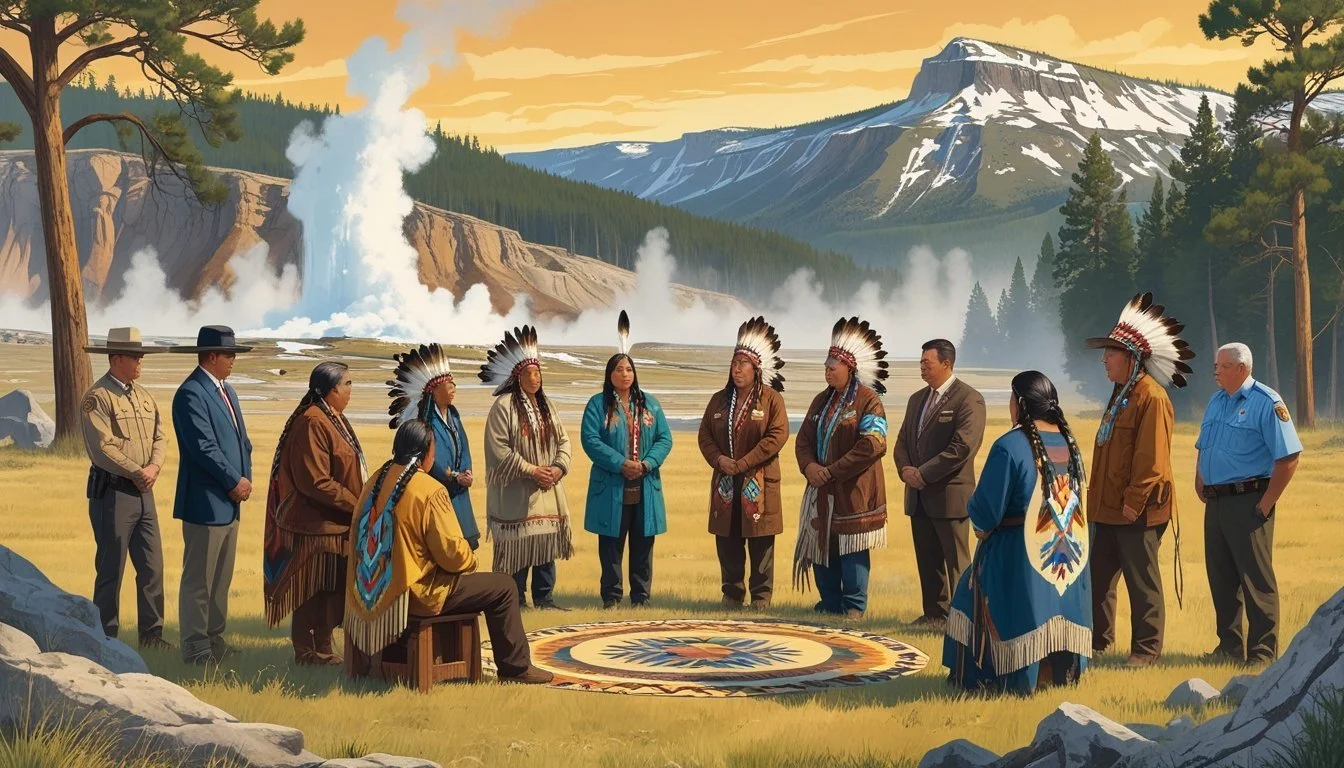
Yellowstone National Park is not only a place of natural beauty but also a landscape deeply intertwined with the history, values, and spiritual practices of many Tribal Nations. The park serves as a living connection between Indigenous peoples and their ancestral homelands.
Preservation of Cultural Heritage
Many Native American nations have longstanding ties to the Yellowstone region, viewing its lands and resources as essential elements of their cultural heritage. Their relationship with the park includes generations of stories, traditional ecological knowledge, and use of local resources for ceremony, subsistence, and art.
Efforts to preserve this heritage involve ongoing collaboration with park management. Tribes consult on projects affecting culturally significant sites, artifacts, and landscapes. Tribal input is vital in protecting sacred places and historical artifacts, ensuring these legacies are not lost or misrepresented.
Interpretive programs, educational signage, and involvement in archaeological work help bring greater visibility to Indigenous history in Yellowstone. Such programs are designed to accurately reflect the diversity of cultures connected to the park and to foster broader understanding.
Cultural Ceremonies and Spirituality
Yellowstone holds profound spiritual significance for many Native nations. Sites such as geysers, hot springs, and mountains are considered sacred and are often used in cultural ceremonies that continue to this day.
Access to sacred sites is a point of ongoing negotiation between Tribal members and park authorities. Permits and special arrangements are sometimes required to conduct ceremonies, balancing the need for environmental protection with cultural practice.
Ceremonial activities often focus on maintaining harmony with the land. These include offerings, prayers, and song cycles tied to the cycles of nature, reflecting traditional values rooted in respect for natural forces. Such practices are central to the ongoing assertion of cultural sovereignty.
Balancing Assimilation and Self-Determination
Historically, Indigenous peoples in the Yellowstone region faced policies of forced assimilation, which often restricted traditional practices and diminished sovereignty. Attempts to sever ties with ancestral lands and cultural expressions have led to lasting impacts.
Today, many Tribal Nations actively assert their right to self-determination by seeking stronger partnerships in Yellowstone management. They advocate for policy changes that recognize their authority over cultural practices, land access, and resource stewardship.
Ongoing dialogues address issues such as co-management, educational representation, and the return of cultural artifacts. These efforts support renewed cultural visibility and empower tribes to maintain autonomy while participating fully in the stewardship of the park.
Contemporary Challenges Facing Native American Communities
Indigenous peoples across the United States face a unique set of contemporary issues rooted in both historical injustices and ongoing social, political, and economic pressures. Persistent poverty, threats to identity, and disproportionate rates of violence remain critical concerns in many Native communities.
Poverty and Socioeconomic Issues
Poverty rates in many Native American communities are consistently among the highest in the country. Unemployment on reservations often surpasses national averages, with limited access to quality jobs driving cycles of economic hardship.
Infrastructure—including healthcare, education, and housing—can be underdeveloped, affecting overall quality of life. Youth on reservations face higher dropout rates and fewer higher education opportunities, further impacting long-term prospects.
Environmental challenges also play a role, such as water quality issues and land degradation impacting traditional livelihoods. Many tribal nations continue to advocate for better federal support and economic development initiatives to address systemic disparities.
Factor Challenge Example Employment High unemployment rates Education Limited post-secondary options Infrastructure Inadequate housing, health access Environment Water and land contamination
Addressing Violence Against Native Women
Native women experience significantly higher rates of violence than the national average, including domestic abuse, sexual assault, and missing persons cases. Jurisdictional gaps between tribal, state, and federal authorities often complicate or delay investigations, making prosecution difficult.
The issue of missing and murdered Indigenous women (MMIW) has gained greater national attention in recent years, with advocates pushing for legal reforms. Efforts like the reauthorization of the Violence Against Women Act (VAWA) have sought to restore some tribal authority over prosecution, but enforcement remains a challenge in many regions.
Community organizations, such as local advocacy centers, provide support services and raise awareness. Addressing these issues requires collaboration between tribal governments, law enforcement, and policymakers to create more effective and culturally informed responses.
Identity, Authenticity, and Reservation Life
Maintaining cultural identity and authenticity poses complex challenges, especially for younger generations balancing tradition and modern pressures. Boarding school legacies, forced assimilation policies, and urban migration disrupted many family and cultural ties, making cultural revitalization essential.
Reservation life varies widely but often includes close-knit social structures and strong community bonds. However, exposure to discrimination, stereotypes, and outside influence can present barriers to expressing or reclaiming Native identities.
Tribal communities have invested in language preservation, revitalization of cultural practices, and education programs that support both tradition and adaptation. These efforts reflect ongoing resilience as Native peoples assert their identity and autonomy amid a changing world.
Accuracy, Storytelling, and Creative Choices
"Yellowstone" balances dramatic fiction with cultural authenticity when portraying Native sovereignty. The show’s creative approach includes consultation with tribal advisors, deliberate storytelling methods, and nuanced character dynamics that intersect with the Dutton family’s central role.
Taylor Sheridan’s Approach to Native Storylines
Taylor Sheridan, the series creator, integrates Native American themes directly into the plot. He writes Native sovereignty and land rights as more than background issues, making them key points of tension within the narrative. For example, strained interactions between the Dutton family and the Broken Rock Reservation tackle disputes over land ownership and resource control.
Sheridan avoids one-dimensional portrayals by showing a variety of Native characters with different motives and perspectives. Characters like Thomas Rainwater serve as complex leaders, negotiating on behalf of their people while navigating real-world legal challenges. Sheridan’s storytelling highlights ongoing conflicts between Indigenous land interests and private property ownership, reflecting both contemporary and historical struggles.
Use of Tribal Advisors for Cultural Accuracy
To ensure representational accuracy, "Yellowstone" relies on tribal advisors who provide input on dialogue, rituals, and important moments involving Native communities. This collaboration can be seen in scenes depicting cultural ceremonies, where elements such as language, dress, and traditional practices reflect actual customs.
Table: Examples of Cultural Elements and Tribal Advisor Influence
Scene Type Tribal Advisor Role Cultural Element Ensured Ceremony depiction Reviewed script/direction Accurate rituals and attire Dialogue on sovereignty Consulted on language use Authentic expressions and terms Legal meetings Advised on proceedings Representation of tribal law
By working with Indigenous experts, the show increases its credibility and provides viewers with a more genuine understanding of Native traditions. Although creative liberties are sometimes taken, this attention to detail helps limit stereotypes and broad generalizations.
Influence of the Dutton Family Dynamics
The Dutton family, especially patriarch John Dutton, is positioned at the center of land disputes impacting the reservation. Their decisions, alliances, and conflicts drive much of the story’s negotiation over sovereignty and ownership. This nexus forces interactions that are often transactional, sometimes adversarial, and occasionally reflective of mutual respect.
The family’s influence is often portrayed as a double-edged sword. While protective of their ranch, the Duttons at times challenge the reservation’s claims in ways that echo real-world legal battles between private landholders and tribal governments. Dialogues between John Dutton and Thomas Rainwater highlight both legal maneuvering and differing worldviews.
This family-versus-reservation dynamic allows the show to explore sovereignty not just as a legal concept but as a lived experience shaped by personal, economic, and political stakes. By weaving these tensions into the Duttons’ storylines, "Yellowstone" presents Native sovereignty as an immediate and recurring part of its core drama.
Broader Impact of Yellowstone on Indigenous Awareness
Yellowstone’s approach to Native sovereignty has influenced how the public perceives Indigenous peoples and their histories. Its depiction of Indigenous issues reaches far beyond entertainment, prompting dialogue and affecting future storytelling.
Impact on Conversations About Native Sovereignty
Yellowstone has made Native sovereignty part of mainstream discussions, exposing viewers to the political and legal realities faced by tribes. By addressing topics like treaty rights, tribal governance, and land stewardship, the series expands public understanding of Indigenous autonomy.
This visibility encourages more nuanced debates about tribal authority over ancestral lands. It also spotlights the importance of respecting treaties and recognizing tribal laws within U.S. borders. As a result, policymakers, educators, and the general public are more likely to engage in conversations about contemporary tribal issues.
Direct references to tribal sovereignty in popular media highlight the ongoing significance of Native self-determination. This can contribute to broader calls for honoring tribal sovereignty across different regions of the country.
Raising Awareness of Historical Injustice
The history of Yellowstone is closely tied to the displacement of Indigenous peoples. The park’s creation in 1872, following the Fort Laramie treaties, resulted in forced removals and loss of access to traditional lands.
Media representations that acknowledge this history help correct common myths about the park’s past. When Yellowstone features themes of forced removal or acknowledges treaty violations, it prompts reflection about the legacy of colonization and its present-day effects.
Exposing audiences to these injustices fosters a better understanding of why land rights and tribal recognition remain vital. It also gives weight to Indigenous perspectives on conservation and park management, which are often overlooked.
Implications for Future Media Representation
The attention Yellowstone gives to Indigenous issues sets a precedent for other television shows and films. There is increasing demand for authentic representation, both in front of and behind the camera.
Future media projects are more likely to consult with tribal advisors, cast Indigenous actors, and include culturally accurate storylines. This helps prevent stereotypes and allows for more genuine portrayals of Indigenous communities.
Media coverage like this can drive industry standards toward greater respect for Native narratives and histories. It encourages inclusion of Indigenous voices in the development of scripts, production, and decision-making processes.
Native Tribes Associated with Yellowstone National Park
Yellowstone National Park’s lands hold enormous historical and cultural significance for many Native American tribes. The Shoshone, Crow, Blackfeet, and several others have deep-rooted connections to these landscapes and continue to contribute to its stewardship and interpretation.
Shoshone and Crow Heritage
The Shoshone and Crow tribes have maintained longstanding ties to the Yellowstone region. The Shoshone, often referred to as the "Sheepeaters" in historical records, inhabited the park’s mountainous areas and relied on resources such as bighorn sheep, roots, and berries.
The Crow traditionally occupied the park’s northern and eastern areas. Their cultural stories, traditional trails, and hunting grounds crisscrossed what is now Yellowstone National Park. Both tribes have passed down place-based knowledge and oral histories that inform current park interpretation and management.
Today, collaboration between the National Park Service and these tribes ensures their voices are included in stewardship decisions, including consultation on resource management and preservation of sacred sites.
Contributions of the Blackfeet and Other Tribes
The Blackfeet, along with over two dozen other federally recognized tribes, maintain historic connections to Yellowstone’s lands and resources. Their heritage includes trade, migration routes, and seasonal use of the area’s geothermal basins and river valleys.
A table of key tribes associated with Yellowstone:
Tribe Traditional Connection Blackfeet Trade, seasonal camps Nez Perce Migration, hunting Bannock Hunting, traditions Salish Trade, cultural exchange
Tribal consultation enhances management of culturally significant resources, ensuring recognition of sacred sites and respect for traditional ecological knowledge. Collaborative projects now include art initiatives, public education, and interpretation programs led by Native voices.
