
How Yellowstone Builds Tension with Stillness
Crafting Drama Through Silence and Space
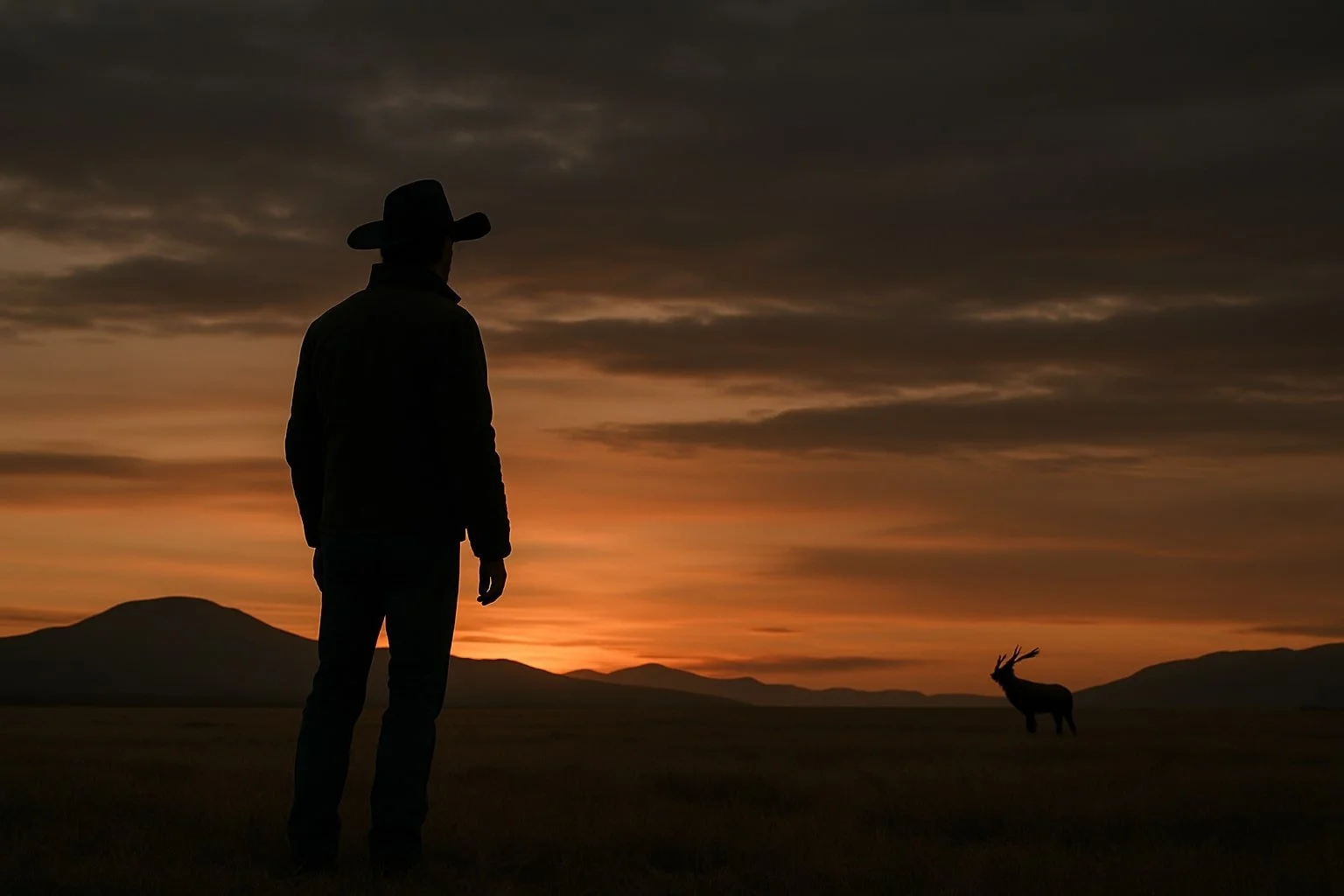
Yellowstone uses stillness not just as a pause, but as a powerful tool to build tension and deepen the impact of its drama. In a world of modern Westerns filled with action and chaos, the show stands out for letting silence and landscape draw the audience in, making each moment feel heavier and more suspenseful. Away from the noise of gunfire and heated arguments, quiet scenes give space for conflicts to simmer, characters to reveal more through a look than a line, and the weight of their choices to settle in.
Montana’s vast open spaces, captured beautifully throughout the series, become a stage where stillness itself feels charged with meaning. Viewers are given time to sit with uncertainty and anticipate what’s to come, which only makes the next move more gripping. This deliberate pacing makes small moments loom large in the minds of both the characters and the audience.
By blending the silence with the natural setting, Yellowstone builds anticipation and emotional tension that lingers beyond the screen. Stillness is never empty—it’s the calm before the inevitable storm.
The Power of Stillness in Yellowstone's Storytelling
Yellowstone uses stillness to cultivate dramatic tension, relying on silence and subtlety to give scenes room to breathe. Quiet moments unsettle the viewer, creating anticipation by making every gesture and silence count.
Defining Stillness in Visual Narratives
Stillness in Yellowstone is not simply the absence of action. In cinematic terms, it is purposeful restraint, where characters and settings pause, allowing for focus and reflection. Directors harness moments of quiet—such as lengthy shots of Yellowstone National Park’s sprawling landscapes or muted scenes in the Dutton ranch house—to center the viewer’s attention.
Instead of relying on dialogue or violence, these moments underscore emotional stakes. Stillness slows down the narrative tempo, encouraging concentration on unsaid tensions and background details. Viewers are invited to read between the lines and anticipate the next disruption, generating internal suspense.
Artistic Choices Shaping Atmosphere
Yellowstone’s use of wide shots and careful sound design creates a deliberate atmosphere. Lingering visuals of wind-ruffled grass, distant mountains, or empty corrals situate the viewer in the environment and foster a sense of quietude that feels charged rather than empty.
The filmmakers use these silent intervals to highlight the vastness and unpredictability of Yellowstone National Park. Silence often falls during pivotal conversations or after major conflicts, amplifying the emotional residue through carefully timed pauses and the muffled sounds of nature.
Key techniques include:
Extended takes with minimal camera movement
Prioritizing ambient sounds over musical score
Strategic pacing that allows the viewer’s attention to settle on understated gestures
These choices help set the tone and amplify underlying conflict with restraint.
Impact of Quiet Moments on Tension
Stillness in Yellowstone is used as a tool for building micro-tension. Even when characters are inactive, viewers sense unspoken conflict smoldering beneath the surface, whether in a single look or subtle body language. The absence of action becomes a canvas for internal struggles, emphasizing focus and anticipation.
Moments of silence often follow arguments, betrayals, or revelations. For example, a tense breakfast scene with barely any speech can heighten the sense of unease more than shouting ever could. The focus on small details—hands gripping coffee cups, a pause before a response—adds texture to the suspense.
By centering the narrative on these quiet, concentrated moments, Yellowstone leverages stillness to keep viewers invested and on edge, letting the threat of action speak louder than actual outbursts.
Showcasing Nature and Wilderness Through Silence
Stillness in Yellowstone reveals subtle details that might be overlooked amid noise. The absence of dialogue and music allows landscapes and animal behaviors to stand out, giving viewers space to notice how the environment shapes every experience in the park.
Capturing Pristine Landscapes
Quiet scenes make it possible to observe Yellowstone’s diverse terrain in detail. Snow drifting across valleys, geysers steaming in the cold, and rivers winding through forests come into focus. The camera’s patience helps highlight the changing colors and textures of each season, from winter’s pale palette to summer’s bold greens.
Waterfalls, such as the Lower Falls of the Yellowstone River, often become focal points when sound fades. The viewer can watch mist rising and trees swaying without distraction. Silence, when paired with wide shots, conveys the vast scale of prairies and the depth of canyons like the Grand Canyon of the Yellowstone.
Stillness also emphasizes the remoteness and purity of the wilderness. By not filling the silence, the show underscores how little human presence disrupts the park’s natural rhythms.
Highlighting Wildlife Behavior
Silent moments make animal behaviors more noticeable. Elk grazing, bison moving across open land, and osprey circling above the water can be studied without interruption. The lack of narration or music directs all attention to subtle sounds—wings flapping, grass rustling, or water rippling.
Observing wildlife without commentary creates intimacy. For example, a wolf pausing in a snowy clearing or an osprey diving for fish shows the animals’ natural patterns. This helps viewers appreciate adaptations and survival strategies in the wild.
By using silence, Yellowstone highlights the distinction between predation and peacefulness. When the usual background noise drops out, even small actions—like a fox’s quick movement or an elk’s alertness—gain tension and meaning.
Emphasizing the Vital Role of Environment
Stillness draws focus to how environment affects life in the park. The quiet lets viewers see how landscapes shape every action, from migration routes to hunting grounds. The interplay of forests, rivers, and open plains becomes clear when not overshadowed by dialogue.
Dramatic silences in areas like geyser basins or wind-blown highlands show how weather and terrain create opportunities and obstacles for wildlife. Extreme temperatures, droughts, and seasonal changes—often noted in National Park Service reports—can be felt rather than just explained.
Table: Key Environmental Elements Influenced by Stillness
Element Impact Uncovered in Silence Geysers Highlight geological rhythms Prairies Show space and vulnerability Waterfalls Emphasize power and isolation Forests Contrast shelter with openness
The lack of human noise lets the park’s dynamic systems emerge organically.
Experiencing Stillness in Canyons and Prairies
Silence intensifies the experience of Yellowstone’s canyons and prairies. When a camera lingers over the Grand Canyon of the Yellowstone, the daunting scale and layered rock formations become more vivid. Without music or narration, changes in light and shadow play across cliffs and walls.
Open prairies feel boundless in quiet moments. Bison herds move slowly, and birds like the osprey hunt or rest above the grass. Silence conveys a sense of vulnerability: every sound carries, and every movement appears significant.
The absence of artificial sound underlines the natural acoustics. Distant thunder, rivers far below the canyon rim, or an eagle’s cry can be picked out easily. This approach encourages viewers to imagine standing there themselves, surrounded by the authentic wilderness.
Dramatic Encounters and Human Presence
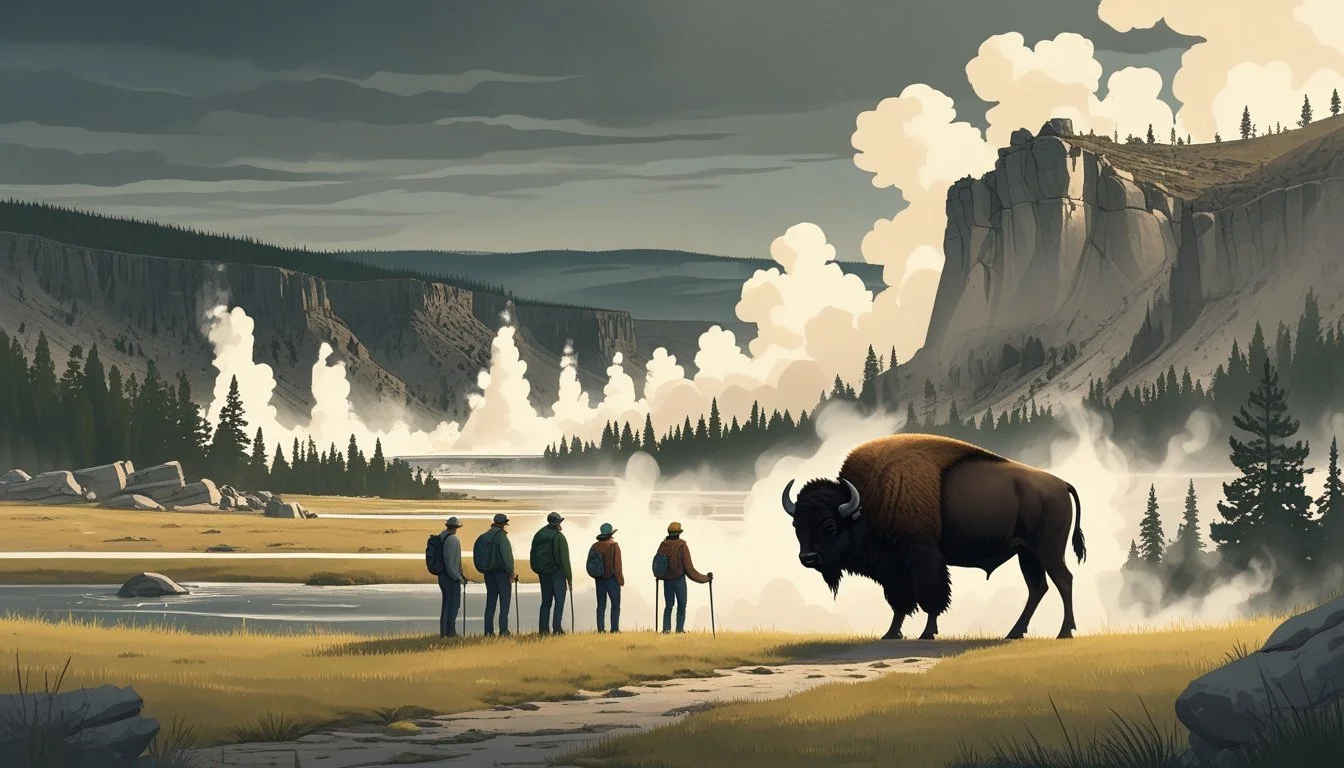
Stillness shapes the dynamic between people and nature in Yellowstone. The absence of noise heightens reactions, guides survival tactics, and creates profound personal reflection throughout a range of activities and situations.
Interpreting Silence During Wildlife Encounters
Silence is essential when facing grizzly bears, wolves, elk, or moose in Yellowstone. Rangers and visitors alike recognize that calm, quiet behavior reduces tension and minimizes provocation. Animals depend on subtle cues, so holding still and remaining quiet can defuse a potentially dangerous encounter and avoid startling wildlife.
Wildlife watchers use silence to observe animal behavior naturally, whether tracking a wolf pack or watching a herd of elk. Close proximity demands restraint—sudden noise may lead to a charge or flight. In tense moments, such as a bear feeding near a trail, the shared silence becomes a mutual negotiation of space.
Experienced guides often brief groups before hikes or kayaking expeditions, emphasizing the need for controlled stillness during chance wildlife encounters. Respect for silence reflects an understanding of the power balance between humans and wildlife in the park.
Quiet as a Survival Tool in Hunting and Fishing
Hunters pursuing elk, moose, or deer understand that silence is as crucial as camouflage. Moving quietly and blending with the environment allows them to approach animals without alerting them. Stillness enhances focus and helps pick up on small changes in the landscape that might signal nearby game.
Anglers fishing along Yellowstone’s rivers or lakes find that noise can easily disturb trout or spook other fish. Minimal movement on the riverbank is key. The subtle approach—in both wading and casting—is critical for success, especially in well-traveled spots where fish are wary.
Successful hunters and fishers frequently use periods of waiting. They may stand or sit motionless for long periods, using these moments not only to avoid detection but also to observe animal patterns, merging patience with purpose.
Moments of Solitude in Recreation
Hikers and kayakers often seek Yellowstone’s quieter spaces for recreation, where silence amplifies the natural setting. During a trek on a remote trail or a quiet paddle across a foggy lake, the lack of human noise allows for heightened sensory awareness. The soft calls of birds, the distant crack of a branch, or the splash of an otter become more noticeable.
In these still moments, visitors report a deeper sense of connection—with both the land and themselves. Solitude can be intentional: people frequently pause on high overlooks or beside rivers to reflect. For some, silence in recreation is a form of mindfulness, a way to shed distractions and simply exist alongside Yellowstone’s wildlife and vast landscapes.
Short, quiet breaks are common, whether during a strenuous climb or a scenic float. The interplay of stillness and presence underlies the lasting impact of these experiences on those who venture into the park.
Tension and Survival: Shelter, Food, and Water
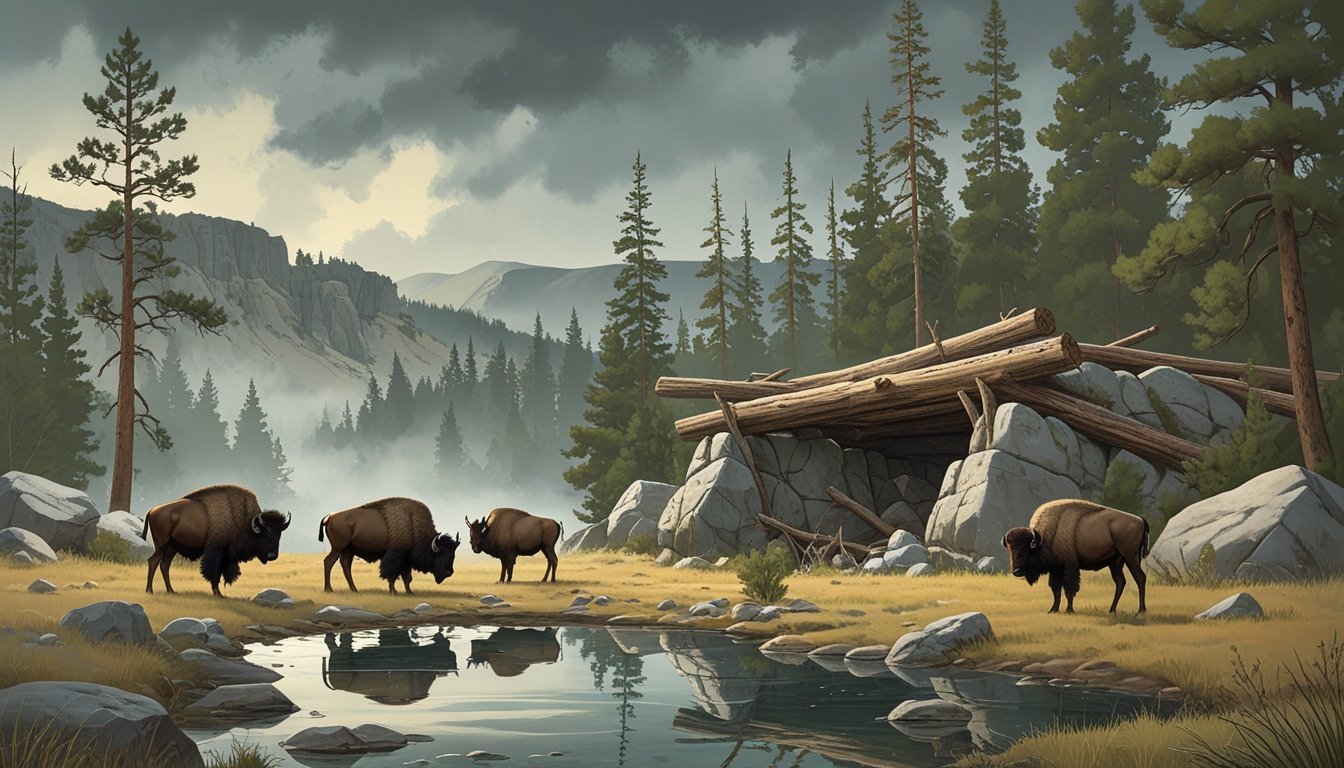
Survival in Yellowstone demands careful attention to basic needs under uncertain conditions. Shelter, food, and water all become sources of tension when the landscape’s silence reveals the precariousness of life.
The Emotional Weight of Shelter Building
Shelter is the foundation of safety during unpredictable weather in Yellowstone. Even on quiet days, storms and rapid temperature drops force visitors and residents alike to plan and build with urgency. The stillness often conceals approaching threats, such as sudden snow or wind.
Building or finding adequate shelter tests problem-solving and resilience. For wildlife, this tension is heightened in winter, when snow buries traditional dens or burrows. Human visitors find basic camping skills become critical as the environment changes quickly.
The emotional burden grows during extended stays or expeditions. Limited resources and the constant possibility of exposure make each decision about shelter a matter of consequence. Mental focus and readiness shift as Yellowstone’s silence amplifies these risks.
Food and Water: Sustenance in Stillness
Food sources in Yellowstone often grow scarce away from developed areas. Wildlife depend on seasonal changes—a fact that shapes daily routines for species like bison, elk, and bears. Shortages intensify competition, even when the landscape appears calm.
For humans, proper food storage against bears and other animals is essential. Selection of non-perishable items and familiarization with edible plants can make a key difference. Environmental stillness can obscure nearby dangers, such as a bear approaching a campsite in search of food.
Water is equally critical. Access to clean sources, including streams and lakes, becomes complicated by fluctuating flows and unpredictable weather. The Yellowstone cutthroat trout rely on these waters, but habitat pressures and human impact affect their numbers, which, in turn, influences the entire food web.
Human Vulnerability Within the Landscape
Yellowstone’s ecosystem compels a direct confrontation with vulnerability. Isolated settings mean that help—if needed—may be far away. Cold, hunger, and thirst become acute threats when basic resources are not immediately available.
The psychological impact of this vulnerability is magnified by the park’s stillness. The absence of noise and movement forces individuals to confront their own dependence on shelter, nourishment, and hydration. Every decision, from where to set camp to how much water to carry, is weighted with greater importance.
Checklists and proactive planning are essential tools. Many carry emergency shelters or filtration systems, but even with preparation, the landscape’s quiet can strain mental endurance. In Yellowstone, the quest for basic survival is as much about mindset as it is about physical resources.
Conservation, Public Lands, and Human Impact
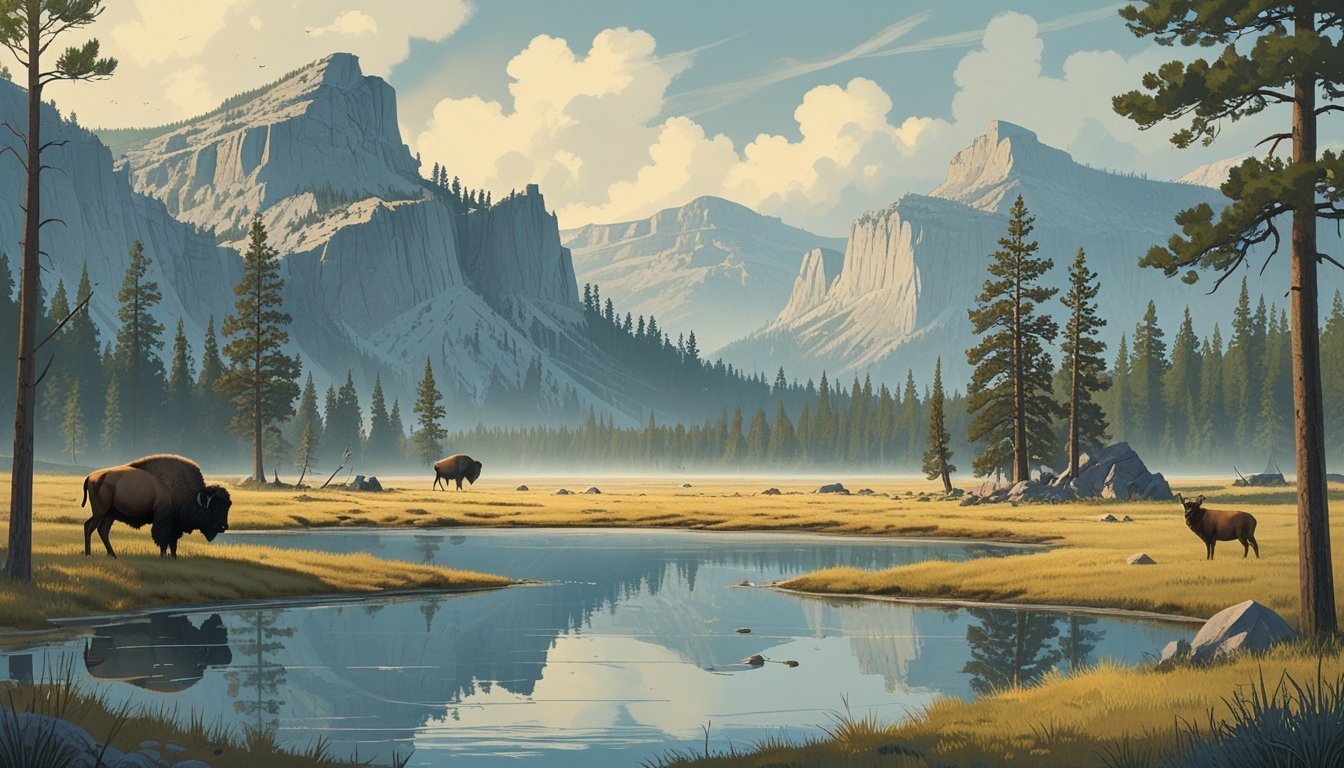
Yellowstone’s protected status does not shield it from all threats. Quiet landscapes mask complex tensions between conservation efforts, human activities, and the visible and invisible impacts of development.
Silent Struggles of Environmentalists
Environmentalists in Yellowstone confront challenges that are often hidden from daily view. The battle for conservation happens not only in public debates but also in less visible policy discussions.
They work with changing regulations and limited resources, seeking to influence decisions about land use and wildlife. Frequently, environmentalists use education, outreach, and participation in stakeholder meetings to advocate for science-based policies.
Often, their successes or setbacks are not immediately visible. The impact—positive or negative—of new development, grazing, or recreation takes time to reveal itself in the landscape. In some cases, years might pass before the consequences of a policy are fully understood.
Mining and Erosion: Consequences Revealed in Quiet
Mining and erosion are intertwined issues in the Yellowstone region, especially on lands adjacent to the park. While the noise of mining equipment is absent in the park itself, the effects do not respect boundaries.
Mining alters water flows, soil structure, and vegetation patterns. Erosion follows, especially when vegetation is removed or the land is disturbed. These processes are typically slow and silent, but over time, they reshape riverbanks, create sediment buildup, and threaten habitats.
Consequences can be tracked through ecological data:
Impact Observable Change Soil Erosion Silt in streams; bare ground Water Quality Pollutant increases Wildlife Habits Altered migration patterns
The quiet landscape conceals a gradual transformation, making it easy to overlook lasting damage.
Preserving Yellowstone's Legacy
Yellowstone’s legacy is defined by both what is visible—bison, geysers, pristine valleys—and what remains unseen, such as ongoing work by rangers and scientists. Preservation requires a multi-pronged approach that includes both robust legal protections and ongoing dialogue among stakeholders.
The public often plays a key role through comment periods and civic engagement. This input shapes land use guidelines, influences restoration projects, and can halt or reshape developments that pose risks.
Preservation is a continuous process. Laws, policies, and management practices adapt as new challenges and scientific findings emerge, ensuring that Yellowstone’s unique character endures for future generations.
The Role of Stillness in Emotional Resonance
Stillness in Yellowstone offers visitors more than quiet moments; it supports lasting psychological effects, encourages personal reflection, and provides a rare space for emotional growth. The park’s silent spaces transform travel into an intentional experience, shaping the way individuals understand both the land and themselves.
Cultivating Gratitude and Healing
In Yellowstone, calm landscapes and periods of silence allow visitors to focus on the details often missed in everyday life. Visitors notice patterns in the grass, animal movements, and distant calls—each detail fostering a sense of connection to the environment.
Moments of stillness invite self-reflection, which can prompt gratitude. Many travelers report feeling thankful simply for witnessing Yellowstone’s undisturbed spaces. Healing is a quietly growing benefit; stillness offers mental rest after overstimulation from daily life or busy travel schedules.
Park visitors often describe a reduction in stress when immersed in Yellowstone’s quiet areas. This relaxation can translate into emotional healing, providing a break from the urgency of modern tourism and helping people reconnect with themselves. The atmosphere creates conditions where both gratitude and healing emerge naturally.
Stillness as a Backdrop to Adventure
Yellowstone’s stillness is not just an absence of sound but a deliberate space where tension is heightened. For many, venturing into a silent valley or canyon increases anticipation. The lack of noise makes every movement and sound—from distant thunder to the snap of a branch—suddenly significant.
This quiet magnifies travel experiences, turning simple moments like waiting for wildlife into events charged with suspense. Tourism in Yellowstone relies on this balance between waiting and action; periods of stillness often precede dramatic animal sightings or natural phenomena.
The park’s reputation for adventure is closely tied to how stillness shapes those experiences. It’s not only about what’s happening but about what might happen next, making every quiet pause part of the thrill.
Cultural and Historical Contexts
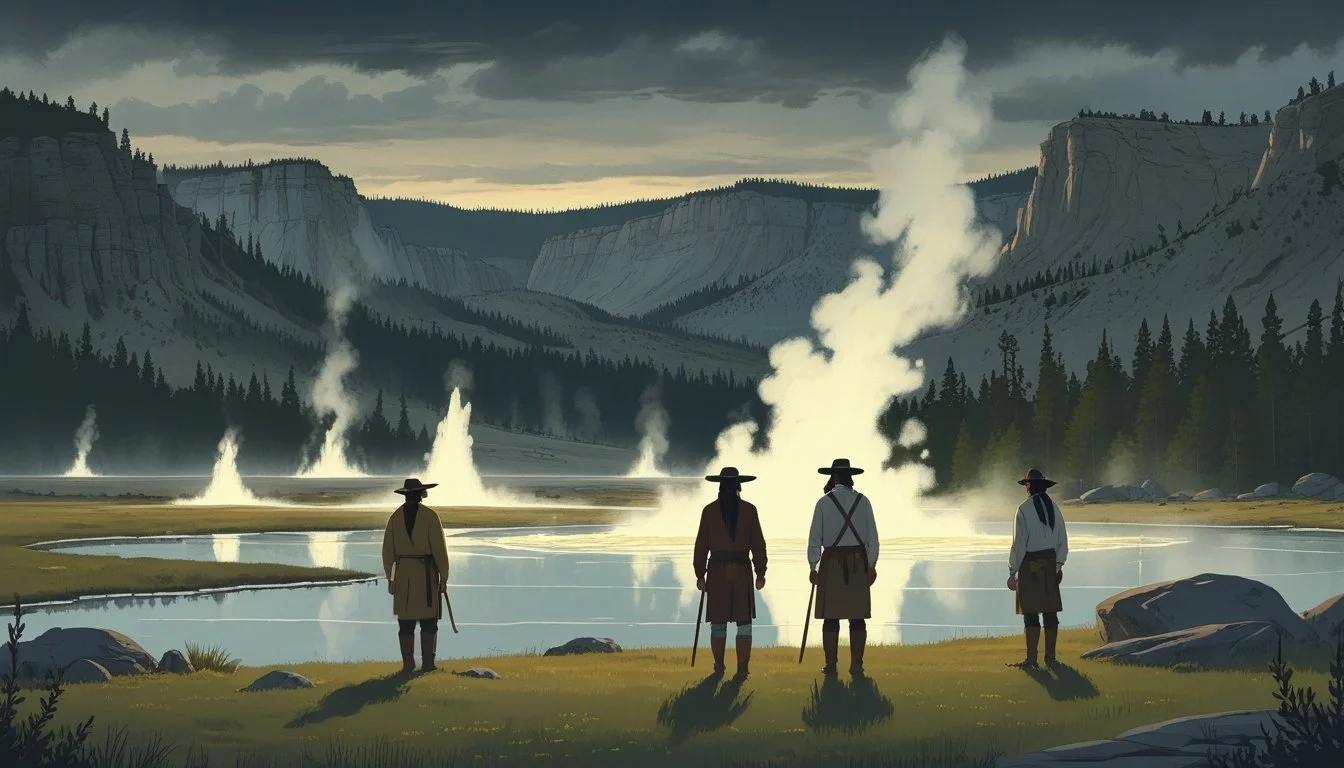
Yellowstone’s silent moments are intertwined with the deeper histories and traditions of those tied to the land. The actions and choices of its characters reflect both Indigenous cultural importance and seasonal customs unique to Wyoming.
Indigenous Perspectives on Silence and Land
For many Native American nations, including tribes long present in what is now Yellowstone, stillness is not emptiness but a sign of respect and attentiveness to the environment. Quiet moments echo spiritual relationships with the land, where silence is a space for observation and honor.
Indigenous practices in the region emphasize patience during hunting, tracking, and ritual. These activities often demand silence as a form of discipline and understanding. Listening—to wind, water, and animal movement—plays a larger role than speaking.
Stillness might also represent survival and resilience. Faced with displacement and cultural challenges, maintaining silence about sacred places or traditions was sometimes necessary in interactions with settlers or government officials. This context shapes how stillness carries meaning in the landscape and among Yellowstone’s characters.
The Influence of Hunting Season
The rhythms of hunting season in Wyoming bring a heightened awareness and intensity to the Yellowstone region. Stillness becomes an active strategy, with hunters waiting hours or days in constant alert. This quiet, enforced by necessity, extends to those living and working on ranches as they prepare for or respond to the changed patterns brought by hunters.
Hunting laws and traditions create specific periods where silence in the wild marks the difference between success and failure. Ranchers and landowners rely on quiet vigilance to protect livestock and manage property boundaries, especially when hunters cross into private land.
The tension between tradition and regulation is especially palpable. Hunting season is a time when culture, economics, and legality intersect, making every still moment a potential source of conflict—or reflection—in the Yellowstone landscape.
Symbolic Elements in Yellowstone's Ecosystem

Yellowstone's environment uses both subtle and striking natural symbols to communicate tension. Key features like geysers and birdlife shape the park’s atmosphere, reflecting cycles of calm and unrest.
Geysers and the Rhythm of Nature
Geysers, including Old Faithful, serve as powerful visual markers of the landscape’s unpredictability. Their periodic eruptions interrupt long stretches of quiet, creating an on-screen rhythm that mirrors moments of calm before disruptive events. The steadiness of the eruption schedule stands in contrast to the simmering conflicts within the series.
The silence before each burst becomes a visual metaphor for suppressed emotions and looming actions. When the geyser finally erupts, it acts as a release of built-up tension. This natural cycle parallels the show’s use of stillness and sudden violence.
Geysers also link the characters to the land, reminding viewers of forces beneath the surface that can erupt without warning. This symbolism helps maintain suspense even in slow-paced scenes.
Key facts about Yellowstone’s geysers:
Over 500 geysers are active in the park.
Eruption intervals can be predictable or erratic, adding to their symbolic weight.
Birds: Cormorants and Osprey in Tranquil Scenes
Birds such as cormorants and osprey often appear in moments of quiet, emphasizing the tranquility that often precedes story-changing events. Their movements—gliding above water or perching silently—highlight the park’s quiet beauty, setting a mood that contrasts with later tension.
Osprey, for example, are known for their patience, waiting motionless before striking. This behavior is echoed in scenes where characters plan or hesitate before taking action. The sight of a cormorant drying its wings on a still morning becomes a subtle cue that not everything beneath the surface is at rest.
Their presence also grounds the human drama in a larger natural context, connecting personal struggles to the ongoing cycles of the ecosystem. These moments of stillness with birds function as more than background—they help to build anticipation through contrast with the park’s potential for sudden change.
