
How Yellowstone Challenges the Myth of the Cowboy by Exposing Harsh Realities
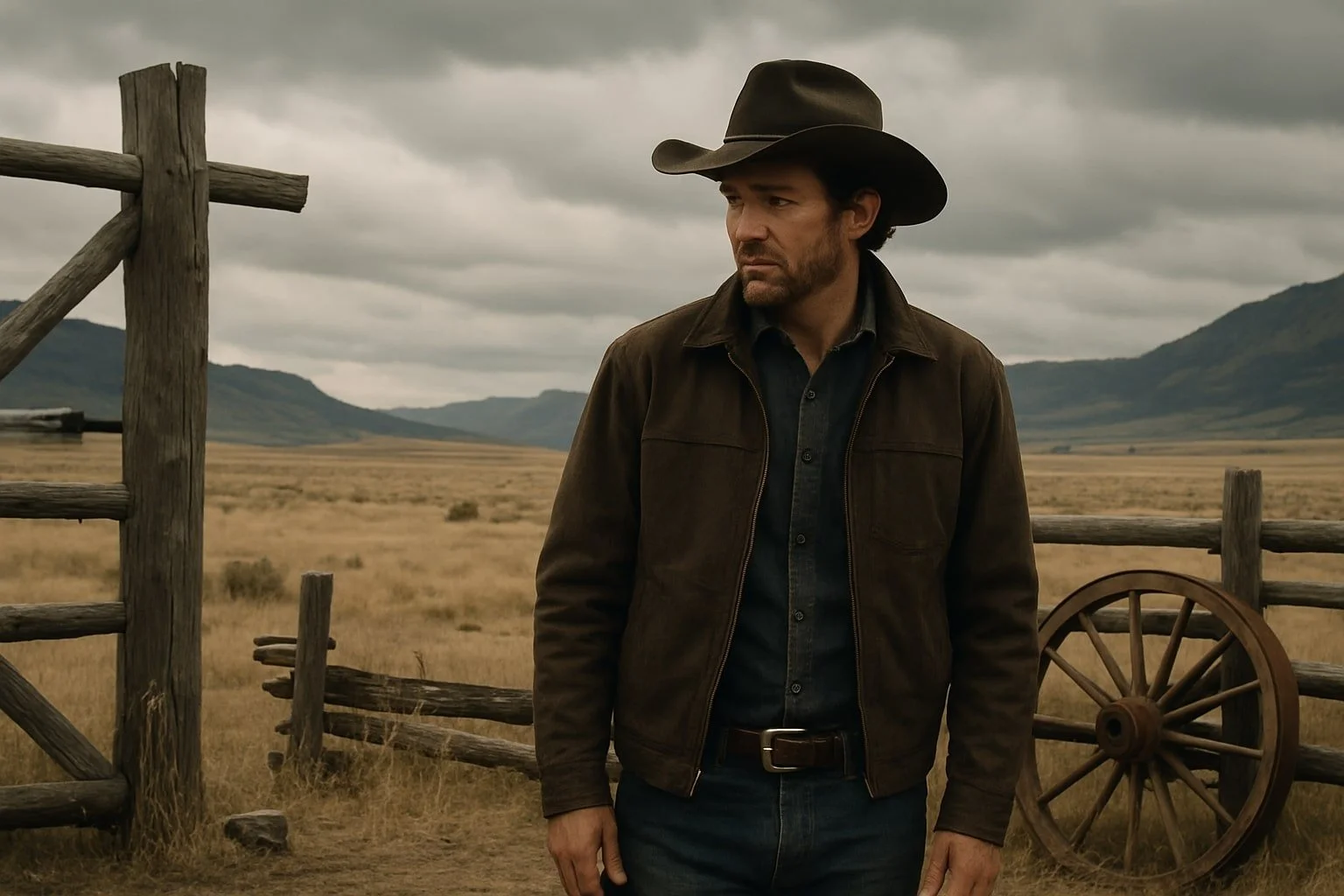
Yellowstone stands out in modern television by reframing the familiar myth of the cowboy, shifting focus from romanticized heroics to the complex realities faced by those living and working in the present-day American West. The series challenges traditional cowboy imagery by showing not only hard work and rugged independence but also entanglements with family, legality, and contemporary societal pressures.
Rather than simply celebrating the cowboy as a symbol of individualism and simplicity, Yellowstone explores how today’s ranchers navigate changing land values, evolving cultural values, and unresolved conflicts that echo through generations. The show’s characters embody elements of the classic myth while also exposing its limitations and contradictions.
This approach invites viewers to reconsider what being a “cowboy” truly means in an interconnected, modern era, making Yellowstone both a homage to and a critique of long-standing American legends.
The Myth of the Cowboy in American Culture
The cowboy stands as one of the most recognizable symbols in the United States, shaping ideas about masculinity, independence, and national character. This figure influences not just entertainment, but also discussions on what it means to be American and the values associated with the American dream.
Origin and Evolution of the Cowboy Image
The cowboy myth draws roots from the late 19th-century American West, at a time when cattle drives and open ranges dominated rural economics. Early cowboys were laborers, often from diverse backgrounds including Black, Hispanic, and Native American communities.
Despite their reality, dime novels and Wild West shows began romanticizing cowboys by the 1880s. These stories depicted cowboys as lone heroes and guardians of frontier justice. Over time, the popular imagination separated the cowboy image from historical truth, emphasizing self-reliance and stoicism over the collaborative, often grueling nature of ranch work.
As settlement patterns changed and the open range disappeared, the mythical cowboy endured. This figure became a national icon—representing both the country’s past and ideals for the future.
Rugged Individualism and the American Dream
The concept of rugged individualism anchors the cowboy myth in political and social thinking. Cowboys have been portrayed as self-made men, shaping their destinies with hard work and personal courage.
This narrative tied closely to the American dream, suggesting anyone—regardless of origin—could achieve success through grit and determination. The cowboy ethos has influenced public policy and attitudes on freedom, property rights, and self-defense.
In modern times, references to cowboy values appear in debates about government regulation and personal liberty. Politicians and commentators often invoke the image to argue for limited government and the importance of individual action.
Portrayal in Literature and Popular Media
Cowboys have occupied a central place in American literature since the late 1800s. Classic works by authors such as Owen Wister and Zane Grey helped cement the idea of the cowboy as an untamed, heroic figure.
In film and television, Westerns amplified these traits, crafting bigger-than-life characters with sharp distinctions between good and evil. The cowboy became an enduring folk hero, often depicted as a solitary figure confronting lawlessness or moral ambiguity.
Recent media, including shows like Yellowstone, complicate these portrayals by examining the darker aspects of cowboy culture—such as vigilante justice, violence, and exclusion of women from positions of power. This new lens pushes audiences to reconsider how the myth aligns—or conflicts—with historical reality.
Yellowstone National Park as the Setting
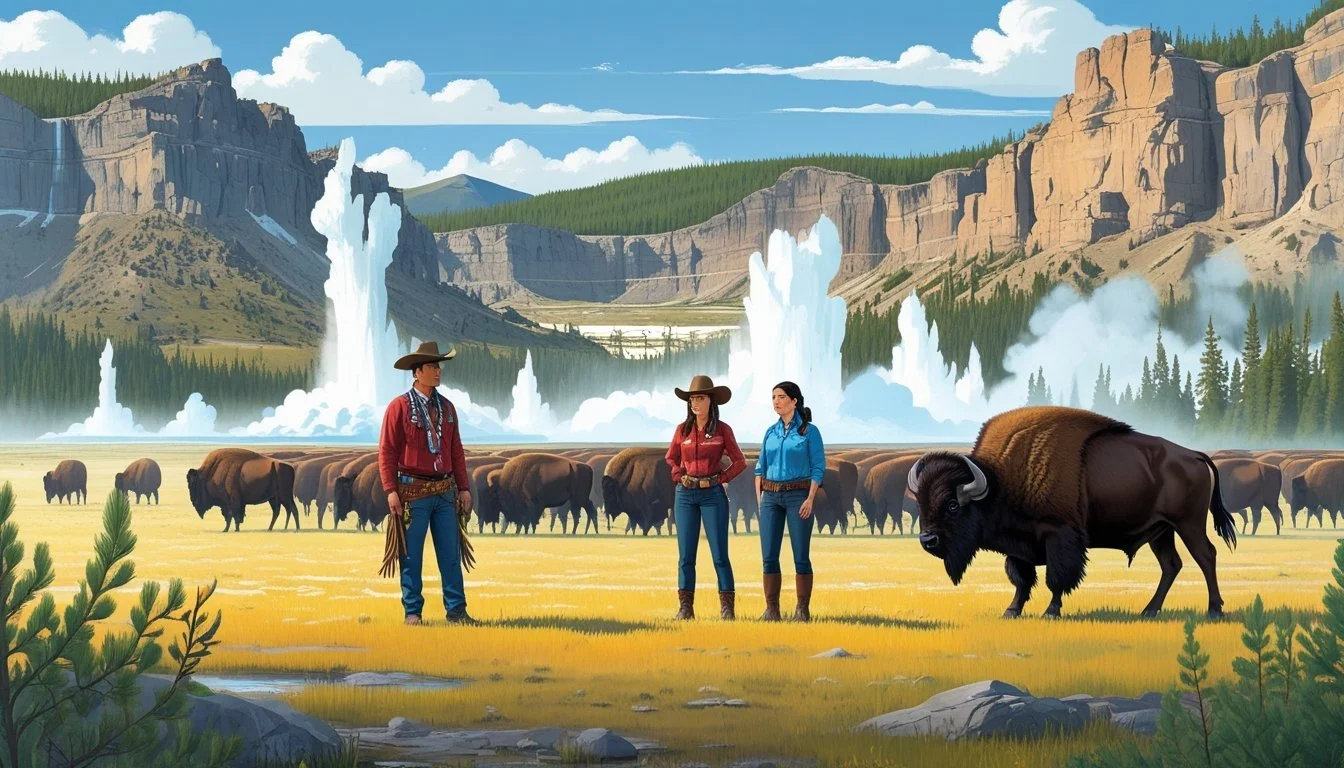
Yellowstone National Park stands as both a real landscape and a powerful symbol in the story of the American West. Its history spans the shift from a lawless frontier toward a protected space where conservation and recreation now shape daily life and values.
From Frontier to Protected Wilderness
Yellowstone’s establishment in 1872 marked it as the first national park in the world. Before this, the region was often characterized as a wild frontier, populated with trappers, homesteaders, and Indigenous peoples. The creation of the park signaled a major shift away from exploitation and unregulated settlement.
The U.S. government’s intervention brought new restrictions. Hunting, mining, and much private land use were halted in favor of preserving the ecosystem. This move represented a break from the resource-driven expansion that dominated earlier eras.
Today, park management highlights a focus on long-term ecological stability. Instead of frontiersmen carving out existence, modern visitors encounter rangers, scientists, and conservationists working to protect Yellowstone’s unique hydrothermal features and wildlife. This transformation has led to ongoing dialogue about land, culture, and stewardship.
Yellowstone’s Role in Shaping the American West
Yellowstone has influenced views on the American West by recasting its landscapes from sites of conquest to symbols of natural heritage. The park’s history challenges old cowboy myths of rugged individualism and open access to unlimited resources.
Key debates over bison management, wolf reintroduction, and land use demonstrate that Yellowstone remains contested ground. These issues reflect the park’s central role in shaping policies on wildlife conservation and public land protection.
The image of endless, untamed land once promoted by cowboy lore contrasts sharply with Yellowstone’s regulated wilderness. Laws and policies now dictate how people interact with the environment. This shift reveals a new vision of the West—one grounded in shared responsibility rather than unbridled freedom.
Tourism and the Modern Experience
Tourism is central to Yellowstone’s identity today. Each year, millions of visitors engage in hiking, camping, and wildlife watching, often seeking to experience a sanitized version of the old frontier.
Modern infrastructure, such as maintained trails, campgrounds, and interpretive centers, redefines the way people access the landscape. The park’s rules prioritize safety and conservation, making the experience fundamentally different from historic cowboy pursuits.
The steady rise in visitor numbers poses challenges for conservation. Yellowstone’s commitment to accessibility must be balanced with the need to protect sensitive habitats and species. These realities shape how Americans—and international tourists—understand both the legacy and the limits of the West.
Challenging the Cowboy Stereotype
Yellowstone moves past the iconic image of the lone, white cowboy and instead highlights the complexities and realities beneath these cultural myths. By doing so, it addresses both the contrast between legend and daily life and the overlooked role of race in American history.
Reality Versus Romanticism
Traditional Westerns often present the cowboy as a symbol of independence and rugged honor. Yellowstone complicates this vision by exposing the harsh economic and emotional realities behind ranch life. The Duttons and other characters must navigate land disputes, generational trauma, and personal sacrifices, which create a nuanced portrait of resilience.
The show contrasts cinematic heroism with moments of violence, vulnerability, and moral ambiguity. Characters display strength, but also tenderness and doubt, questioning the old ideals that define cowboy masculinity. Power struggles and shifting values challenge the glorified, individualist ethos central to classic Western storytelling.
Diversity and Race in the American West
Yellowstone acknowledges that the American cowboy tradition was never exclusively white. The narrative integrates Native American and other nonwhite perspectives, focusing on the history and land rights of the Broken Rock Reservation. This adds important context to the enduring myths around cowboys and the American West.
Depictions of Native American leaders, such as Thomas Rainwater, highlight longstanding cultural and political conflicts. The series also includes Latino workers who reflect the real diversity of labor in the West, pushing viewers to reconsider narratives that exclude people of color. Lists of ranch hands and neighbors in the story frequently include individuals from various backgrounds, showing a truer reflection of both past and present.
From Homesteaders to Conservationists
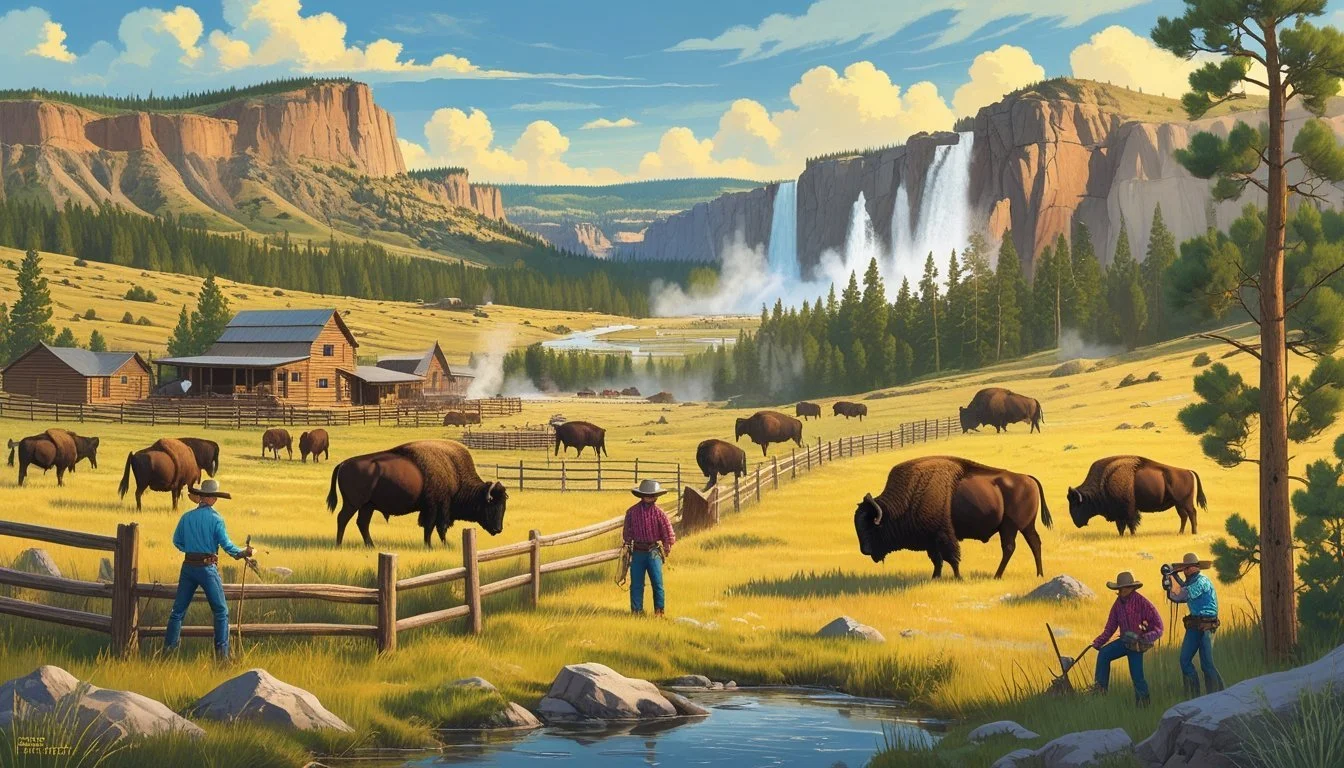
Yellowstone illustrates the evolving nature of American identities, as old values interact with new environmental and ethical challenges. The narrative links the mythic era of homesteading with current debates about land, justice, and stewardship.
Shifting Values and Frontier Justice
Yellowstone sets its story amid the tension between traditional frontier justice and contemporary legal codes. The ranch’s patriarch, John Dutton, frequently relies on his own interpretation of right and wrong, a hallmark of classic Western values.
He struggles to protect the ranch using both lawful and extralegal means. This creates ethical ambiguity, reflecting historical patterns where law was often distant, and communities relied on their own standards of justice.
The series contrasts these rugged self-reliant values with the pressures of development, modern legal systems, and outside influences. Viewers see clashes over property rights, environmental laws, and the question of who truly belongs on the land.
The result is a vivid exploration of changing values and the legacy of “frontier justice” embedded in American history.
Homesteading Legacies
Homesteaders once shaped the American West by claiming land, building isolated lives, and establishing family dynasties. Yellowstone’s Dutton family embodies this legacy, fiercely defending their vast Montana ranch as both inheritance and responsibility.
Generations of Duttons reflect a real historical trend: the passage of land and values through family lines. The show references the immense scale of some Western holdings—John Dutton’s ranch, for example, is said to be larger than Rhode Island.
This legacy is under constant threat from developers, government authorities, and shifting economic realities. Yellowstone questions whether traditional homesteading ideals—individual ownership, self-sufficiency, and permanence—can survive against modern pressures and rapid land-use changes.
Modern Conservation Ethic
Recent seasons of Yellowstone bring conservation to the forefront, highlighting the conflicts between economic development, environmental protection, and cultural traditions. The show examines how ranchers, developers, and activists contest the future of the land.
Yellowstone acknowledges that stewardship now requires reconciling ranching with ecological concerns. The series explores debates over water rights, wildlife management, and the encroachment of tourism and real estate.
A table shows the competing interests at play:
Group Main Concern Typical Approach Ranchers Land/family legacy Restrict development Developers Economic gain Build and subdivide Conservationists Environmental health Limit land use change
This focus on conservation links historical land use with modern values, emphasizing that preservation is now as central to Western identity as homesteading was a century ago.
Individualism, Adventure, and Opportunity Today
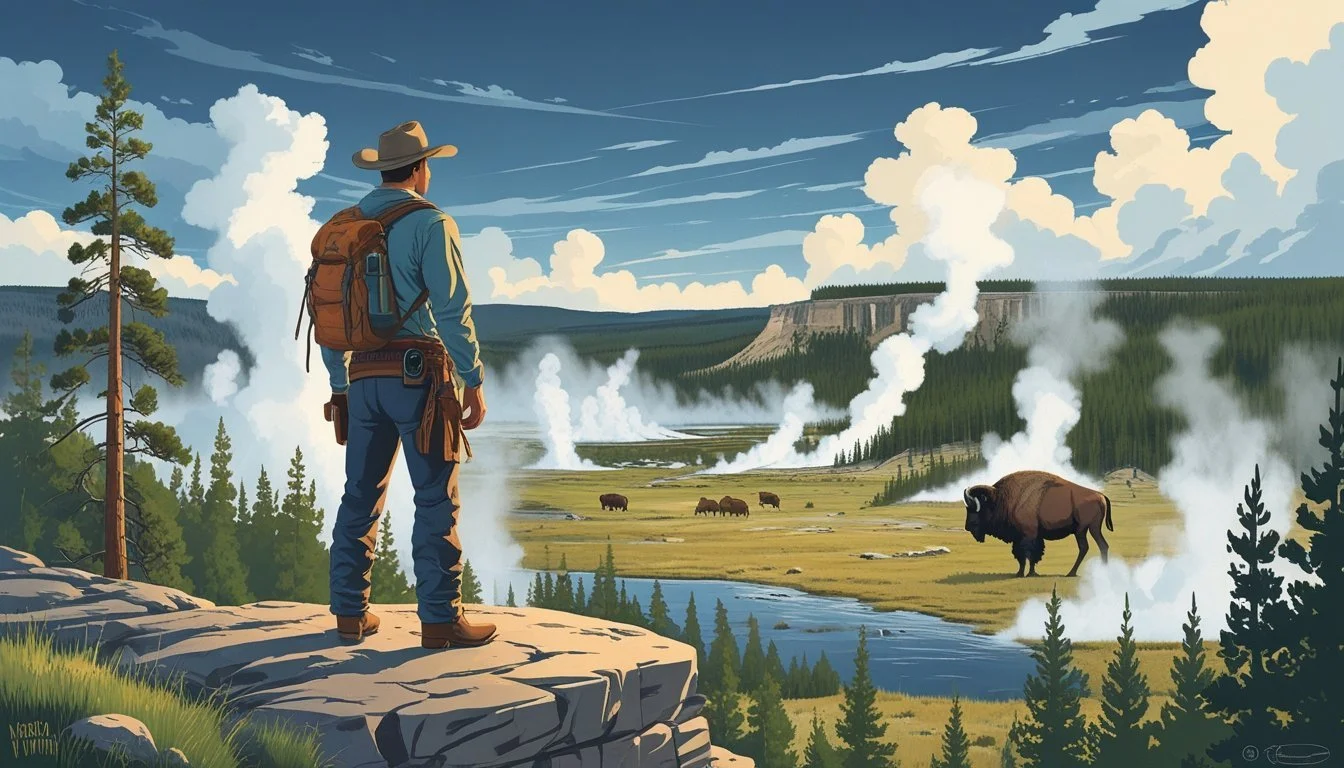
Yellowstone uses the modern West to examine how ideals of individualism and adventure translate into today’s interconnected world. The show explores how economic pressures, family obligations, and social change complicate the pursuit of freedom and opportunity.
The New Frontier of Adventure
Adventure in Yellowstone is no longer about untamed land. Instead, it’s found in navigating political conflicts, legal battles, and intergenerational strife. Characters like John and Beth Dutton face threats that require more negotiation than gunfights.
Modern adventure is shaped by risk management, not just physical bravery. The ranch’s survival depends on adapting to new realities, such as urban expansion, environmental policies, and rival developers.
The show uses this new landscape to question whether true individualism is possible. Every decision is interwoven with external forces—corporate interests, government regulations, and community ties. The pursuit of adventure means taking on these challenges while facing limits that the old West myth never imagined.
Commerce, Freedom, and the Yellowstone Economy
Commerce shapes the choices made on the Yellowstone ranch. Urbanization and market demands threaten traditional ways of life, forcing characters to balance economic survival with personal values.
Freedom is constantly tested against financial realities. Family members must decide whether to sell land, partner with rivals, or protect the ranch’s independence. These choices often pit opportunity against loyalty and survival.
A table illustrating key economic pressures in Yellowstone:
Economic Pressure Dilemma Land Development Sell for profit vs. maintain tradition Cattle Markets Modernize ranch or risk bankruptcy Political Deals Accept funding or guard autonomy
Yellowstone highlights that commerce and freedom exist in tension, shaping the meaning of opportunity and underscoring the complexities of modern individualism.
