
Is Yellowstone’s Bunkhouse Comedy or Catharsis?
Exploring Humor and Healing in the Hit Series

Yellowstone’s bunkhouse has become one of the Paramount Network TV show’s most distinctive settings, striking a careful balance between comic relief and genuine emotional release. The blend of humor and catharsis in these scenes is no accident, as the bunkhouse often serves both as a stage for the show’s sharpest laughs and as a space where raw conflicts and vulnerabilities surface. Some fans come for the colorful arguments, quick-witted banter, or even all-out brawls, but they stay for the camaraderie and deeper moments the characters share.
The bunkhouse helps Yellowstone stand out among other TV shows by using moments of levity to underscore the gravity of life on the Dutton ranch. Through heated arguments, pranks, and moments of solidarity, the series uses the cowboy crew to explore loyalty, pressure, and family bonds—making these scenes essential to the show’s emotional and narrative core.
Understanding Yellowstone’s Bunkhouse
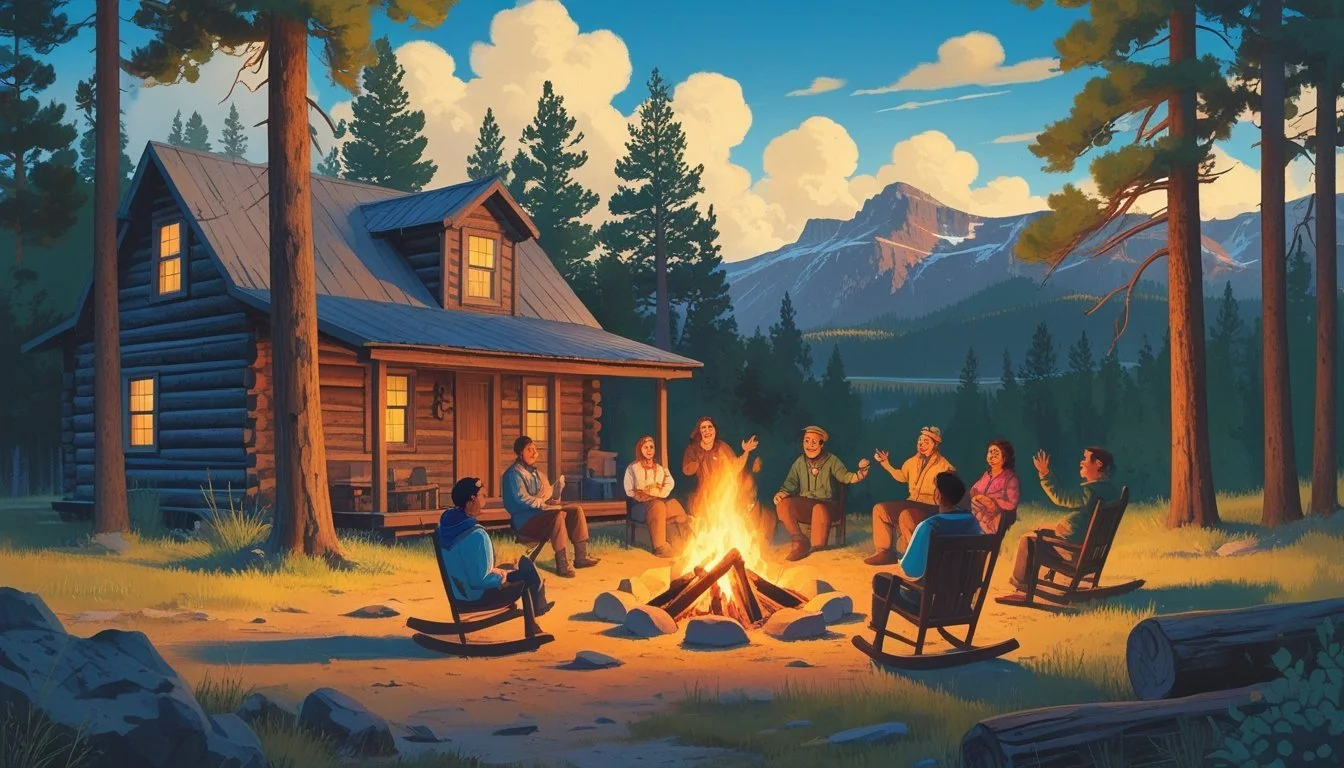
The Yellowstone Ranch bunkhouse is more than a backdrop; it’s where the daily rhythms, tensions, and humor of ranch life unfold. The bunkhouse reveals deep-rooted traditions, a cast of distinct personalities, and the social codes binding the ranch hands together.
Setting and Significance
The bunkhouse sits at the heart of the Dutton Ranch in Montana. It’s a practical, communal living space, housing the ranch hands who manage day-to-day operations. Life in the bunkhouse is rough, unfiltered, and deeply connected to the rhythms of ranching.
This space serves as a central hub where the characters relax after long days on the range. The bunkhouse functions as both home and workplace, blurring boundaries between personal downtime and professional duty. Its layout—a cluster of bunks, a shared kitchen, and common area—reflects the close quarters and constant company faced by real ranch workers.
In the series, the bunkhouse is also a stage for exploring key themes: loyalty, hierarchy, and survival. Through laughter, arguments, and shared moments, the setting exposes the realities of ranch life that extend far beyond physical labor.
Key Characters of the Bunkhouse
Several memorable characters define the culture within the Yellowstone bunkhouse. Rip Wheeler acts as a leader and enforcer, rarely far from the authority of John Dutton. Lloyd Pierce, played by Forrie J. Smith, brings wisdom and a weathered perspective as one of the oldest hands.
Other ranch hands like Jimmy Hurdstrom, Colby, Teeter, and Walker add unique voices and backgrounds, each contributing distinct strengths and flaws. This group reflects a cross-section of personalities found on many working ranches—some quiet and stoic, others outspoken and unpredictable.
Their interactions fuel much of the series’ comedy and drama. The tension between seasoned veterans and newer hands often drives storylines, highlighting generational differences and shifting loyalties within the close-knit environment.
Bunkhouse Culture and Dynamics
The culture in the Yellowstone bunkhouse blends camaraderie, rivalry, and tradition. Ranch hands share meals, jokes, and downtime, but disputes are equally common—sometimes boiling over into physical confrontations. The environment is blunt, with banter and insults representing both affection and tension.
Rules and customs govern bunkhouse life, both spoken and unspoken. Loyalty to the Dutton Ranch is paramount, with all hands expected to defend the ranch’s interests—sometimes at personal risk. The social order is reinforced daily through rituals, responsibilities, and even hazing of newcomers.
Entertainment is simple: card games, storytelling, and drinking beer in the evenings. These shared routines highlight the resilience and adaptability required for life at a real Montana ranch. The bunkhouse’s social microcosm lays bare the bonds and fault lines beneath the surface of the broader Yellowstone community.
Comedy Elements in the Bunkhouse
Humor in Yellowstone’s bunkhouse is both frequent and carefully woven into daily life. Comic moments help relieve tension, revealing personalities and the group dynamic among the ranch hands.
Recurring Humor and Comic Relief
Banter is a hallmark of the bunkhouse, with recurring jokes and verbal sparring among the ranch crew. Jefferson White’s Jimmy, for example, often finds himself the target of teasing from Forrie J. Smith’s Lloyd and Ryan. This consistent ribbing brings levity, showing how the cowboys build bonds through jokes and lighthearted insults.
The dialogue is often laced with subtle—and sometimes not-so-subtle—humor. Teeter, with her blunt lines, often surprises the men and delivers laughs with unpredictable timing. Even Rip occasionally joins in, though his humor is more understated and dry. These comic interactions create an ongoing rhythm of inside jokes and playful arguments.
Iconic Comedic Scenes
Several scenes stand out for their comedic impact. For instance, Jimmy’s awkward attempts to fit in during meals or games often end in embarrassment but draw genuine laughter from the group and viewers. The bunkhouse poker games, where Ryan and Colby trade one-liners, further highlight the effortless comedy in mundane routines.
A memorable example includes Beth infiltrating the bunkhouse, instantly disrupting the usual order with raw sarcasm and confident swagger. Her interactions, especially with Rip and the ranch hands, are sharp, brash, and frequently disarmingly funny.
Moments like Teeter’s quips—ranked by cast members as favorites—have also become signature comedic beats, often cited by fans as highlights of the bunkhouse experience. These scenes rely on character quirks and delivery rather than slapstick or exaggeration, grounding the humor in character and setting.
Catharsis and Emotional Depth
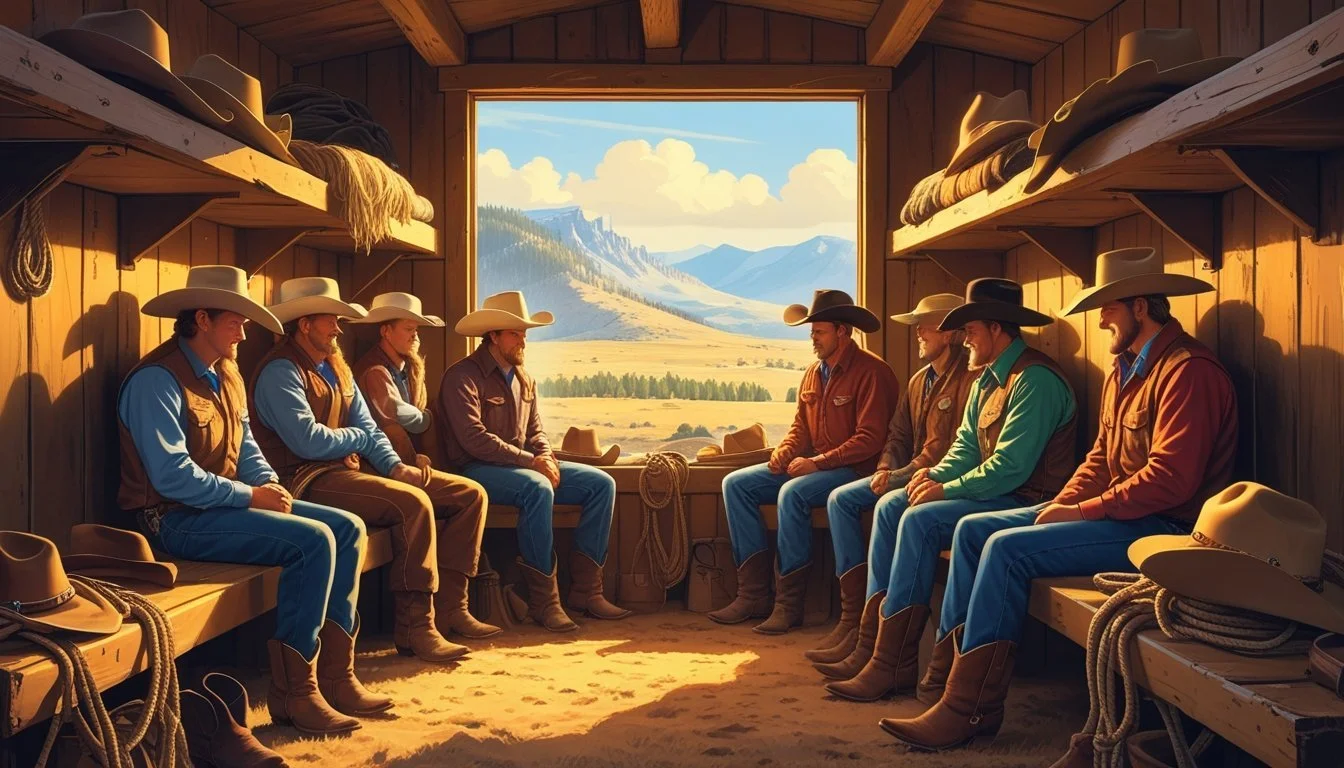
Yellowstone’s bunkhouse environment often becomes a stage for moments of deep emotional release. The show uses these shared living spaces to explore the personal journeys and conflicts of ranch hands who grapple with their past, choices, and the bonds they forge.
Personal Growth Among Ranch Hands
Life inside the Yellowstone bunkhouse is rarely static. Characters navigate hardship and trauma, seeking redemption after mistakes or troubled histories. For example, Jimmy’s journey from a reckless outcast to a respected cowboy highlights how the bunkhouse enables personal change through shared struggle.
Encounters with Native American characters, like recurring conflicts or friendships, push some ranch hands to confront old prejudices and rethink their assumptions. These scenes, rooted in dialogue and small moments, stimulate reflection and growth more than grand gestures.
Moments of vulnerability often surface at night, when the energy calms and honest conversations replace bravado. Whether sharing memories, fears, or regrets, the cowboys use humor and camaraderie to cope with pain. In these quiet exchanges, catharsis arrives in the form of understanding and acceptance.
Conflict and Reconciliation
Tensions in the bunkhouse often flare into arguments—sometimes over loyalty, land disputes, or personal betrayals. These conflicts aren’t always resolved quickly. Fights can turn former friends into temporary enemies, with broader echoes across the ranch and sometimes even affecting alliances with Native American neighbors.
Resolution is rarely clean or simple. Apologies and reconciliations typically emerge only after raw emotion is vented—sometimes through words, sometimes through fighting or silence. In the aftermath, the sense of belonging inside the bunkhouse is restored piece by piece.
These cycles of conflict, remorse, and acceptance continue until the series finale and after major plot twists. The bunkhouse’s ability to foster reconciliation, even after harsh fallout, is a crucial source of emotional release for characters and a foundation of the show’s ending dynamic.
Influence of Taylor Sheridan’s Vision
Taylor Sheridan’s guiding hand shapes Yellowstone’s blend of gritty realism, tension, and moments of levity. His approach directly impacts the tone in the bunkhouse scenes, drawing from his detailed character work and unique view of the modern West.
Writing and Storytelling Style
Sheridan established a writing style defined by sharp dialogue, grounded emotion, and layered narratives. He often injects humor that avoids slapstick, instead leaning on dry wit and cowboy banter to offset the series’ darker storylines. This is especially visible in the bunkhouse, where comic exchanges reveal the daily pressures faced by cowboys.
Character development is at the forefront, especially for members of the Dutton family as well as ranch hands. Sheridan uses group scenes to allow personalities and values to clash or harmonize, weaving comedy through real tension. The result is that laughter in Yellowstone rarely feels forced or out of place, but flows out of genuine character interactions and situations.
Through his scripts, Sheridan keeps the bunkhouse both a place of respite and a stage for conflict. He draws from personal experience and research, contributing to the authentic culture depicted in each exchange among the men and women who work the ranch.
Impact on Television Drama
Sheridan’s style has influenced contemporary television by prioritizing complex story arcs and morally ambiguous characters. Yellowstone’s combination of drama and humor—especially in the bunkhouse—demonstrates how tonal shifts can be used to add depth rather than undercut tension.
Unlike traditional Westerns, Sheridan’s work avoids clear-cut heroes and villains. He presents the Dutton family and their cowboys as multifaceted, letting humor arise from hardship and camaraderie. The bunkhouse scenes serve both as comic relief and as cathartic moments, grounding the broader narrative in the everyday challenges of ranch life.
By blending humor with serious stakes, Sheridan’s vision challenges the expectation that prestige drama must be relentlessly somber. This approach has inspired similar dynamics in other series, making Yellowstone’s bunkhouse a reference point for blending comedy and catharsis within high-stakes storytelling.
Character Dynamics in the Bunkhouse
Each character in Yellowstone’s bunkhouse brings a distinct personality and perspective, shaping the social landscape within. Power struggles, alliances, and conflicts are central, often highlighting the difference between seasoned cowboys and outsiders.
Lloyd’s Role and Relationships
Lloyd is one of the oldest and most experienced ranch hands in the bunkhouse. He acts as an unofficial mentor, offering advice to younger cowboys like Jimmy and providing stability when tensions rise. His expertise earns respect, but his willingness to mediate disputes puts him at the center of many conflicts.
Key traits:
Loyalty to Rip and John Dutton
Experience in ranch work
Peacemaker during arguments
Lloyd’s bond with Rip Wheeler is especially strong, marked by mutual trust and understanding. However, his relationships can be tested by jealousy or misunderstandings, as seen in disputes with Walker. Even so, Lloyd remains a grounding presence for the bunkhouse crew.
Jamie’s Interactions
Jamie Dutton is mostly an outsider to bunkhouse life, given his legal and political role on the ranch. He rarely participates in the casual camaraderie typical among the ranch hands. When he does interact with the bunkhouse, it often stems from family business or crises.
Jamie’s presence can create tension, as the cowboys view him with skepticism due to his privileged background and complicated relationship with the Dutton family. He struggles to earn their trust and blend in, contrasting sharply with long-standing members like Lloyd.
Challenges for Jamie:
Gaining acceptance from seasoned ranch hands
Navigating his dual identity as a Dutton and an outsider
Facing suspicion about his motives and loyalty
Jamie’s sporadic involvement emphasizes the cultural divide between the Duttons and the everyday cowboys. This gap affects both him and the group, contributing to the bunkhouse’s layered social dynamics.
Notable Episodes and Seasons

The Bunkhouse has been the backdrop for both sharp humor and emotional release on Yellowstone. Certain seasons and episodes stand out for how they balance high-stakes drama with comedic moments among the ranch hands.
Season 4 Highlights
Season 4 amplified the spotlight on the Bunkhouse crew, giving viewers more scenes centered around their daily lives and banter. The dynamic between characters such as Lloyd, Colby, and Walker takes a front seat, providing several memorable group interactions. Disputes erupt into physical altercations, most notably the tension between Lloyd and Walker, which escalates to a major fight.
Episodes often switch modes quickly—from comedic drinking games or pranks to moments of real distress, like when relationships inside the Bunkhouse fracture. This season also underscores themes of loyalty and forgiveness, as several plotlines revolve around past grievances among the staff. The writers use a blend of lighthearted dialogue and stark conflict to explore how the Bunkhouse operates as both a comedic retreat and an outlet for pent-up frustrations.
Key Moments in Season 5
Season 5 continues to draw humor from Bunkhouse antics but places greater focus on transition and change. The camaraderie among characters, particularly during downtime scenes, is punctuated by conversations that touch on doubt, ambition, and the growing challenges at the ranch. New personalities enter the Bunkhouse while established bonds are put to the test.
Highlights include heartfelt exchanges interspersed with classic pranks and roast sessions, often featuring Denim Richards, Ian Bohen, and Jefferson White. Episodes explore how personal growth affects group dynamics, showing the limits and depth of Bunkhouse loyalty. The blend of joking and serious dialogue reflects a maturing cast forced to confront evolving roles in the larger story of Yellowstone.
Yellowstone’s Place in Modern Television
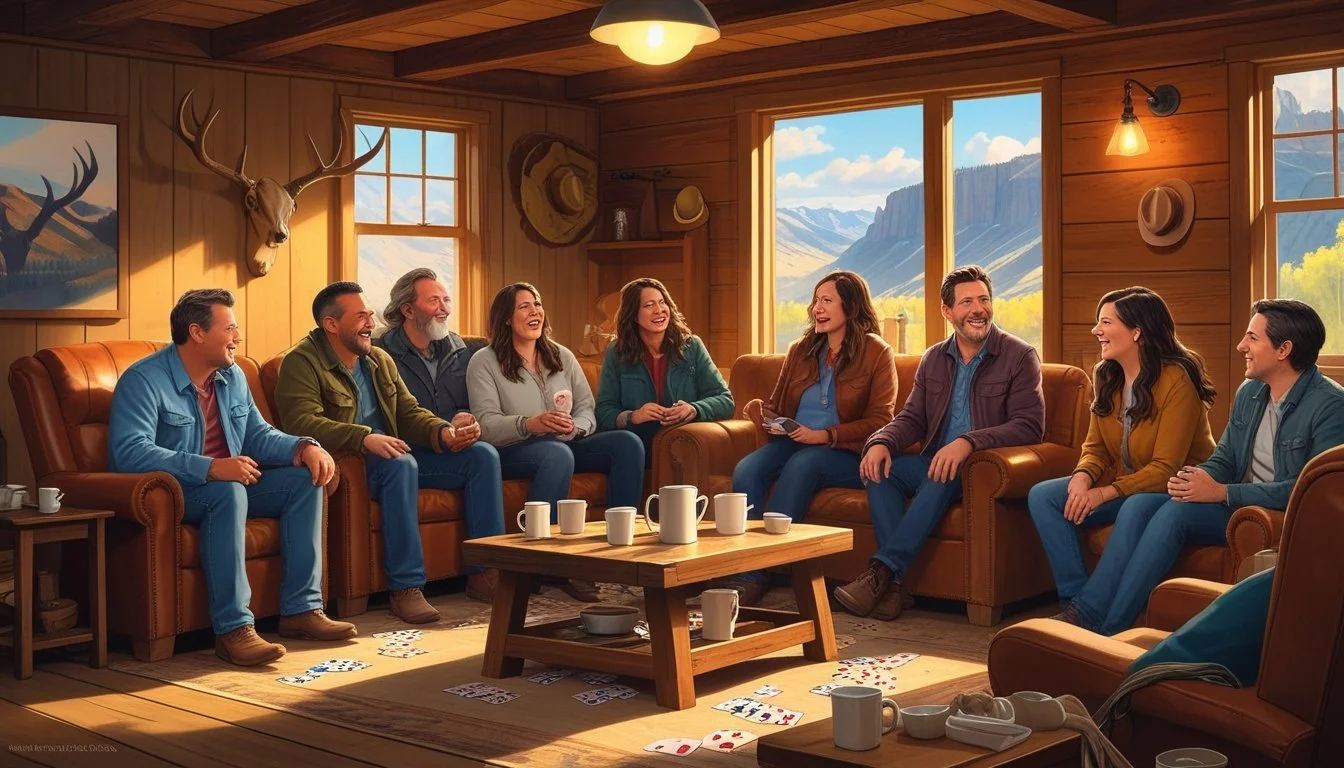
Yellowstone's impact on the television landscape is clear through its industry recognition and attention to visual authenticity. The show has received critical acknowledgement from major award bodies and has been commended for meticulous set and production design.
Emmy Nominations and Awards
Yellowstone has earned several Emmy nominations, demonstrating its influence among contemporary dramas. Among these, the show was notably recognized for Outstanding Production Design for a Narrative Contemporary Program (One Hour or More).
Industry recognition for production design underscores the series’ commitment to high standards. While Yellowstone has not won a Primetime Emmy, consistent nominations testify to its technical and artistic strengths. This puts the series alongside other prestige dramas in the current television era.
Recognition from Emmy voters spotlights the show's ability to blend authenticity in set creation with compelling storytelling. It also highlights its rise as a cultural phenomenon in modern American TV.
Outstanding Production Design
Production designer Cary White has played a pivotal role in creating Yellowstone’s immersive ranch environment. Alongside set decorator Carly Curry and art director Yvonne Boudreaux, White’s team delivers visuals that are both functional and evocative of the American West.
Key set pieces like the bunkhouse are designed for both realism and drama. Every detail—from decor to structure—supports character dynamics and narrative tone.
Real Locations
Authentic Montana landscapes
Handcrafted interiors
Historically inspired furnishings
This production approach ensures viewers are fully drawn into the world of Yellowstone, making its sets as memorable as its characters. Emma nominations in this field reflect the skill and coordination involved in bringing the ranch to life.
Spinoffs and Expanding the Universe
Yellowstone’s popularity has led to an expanding universe, introducing viewers to new eras and characters. The spinoffs 1883 and 6666 offer different narratives, each contributing unique perspectives to the broader Dutton saga.
1883: A Look Back
1883 serves as a prequel to Yellowstone, tracing the origin story of the Dutton family. Set in the aftermath of the Civil War, the show follows James and Margaret Dutton as they embark on a brutal journey west. Their migration, fraught with danger and loss, depicts the trials that shaped the family legacy.
The series dives deeply into themes of survival and determination, presenting an unfiltered view of frontier life. Intense hardships, historical realism, and a strong cast—led by Tim McGraw, Faith Hill, and Sam Elliott—distinguish 1883 from the main series.
1883 is especially notable for its grounded storytelling. It focuses on how trauma, risk, and hope interwove to establish the Yellowstone Ranch. The harsh conditions seen in 1883 contrast the modern challenges depicted in the flagship show.
6666: New Frontiers
6666 shifts the focus from Montana to Texas, exploring the famed Four Sixes Ranch. Announced as a spinoff in 2021, the series centers on the traditions and daily realities of ranching in a landscape with a distinct history. Jefferson White, who plays Jimmy Hurdstram, leads the cast, serving as a bridge between Yellowstone and this new narrative.
The 6666 ranch is legendary in real life, and the spinoff brings its storied legacy to the screen. Viewers can expect detailed portrayals of cattle work, horsemanship, and the ongoing evolution of ranch life. The storytelling blends modern and historical challenges unique to Texas.
Unlike other spinoffs, 6666 doesn’t revolve around the Duttons but expands the universe by exploring new faces and traditions. The show highlights the shared values of toughness and adaptation, both hallmarks of the Yellowstone franchise.
Conclusion
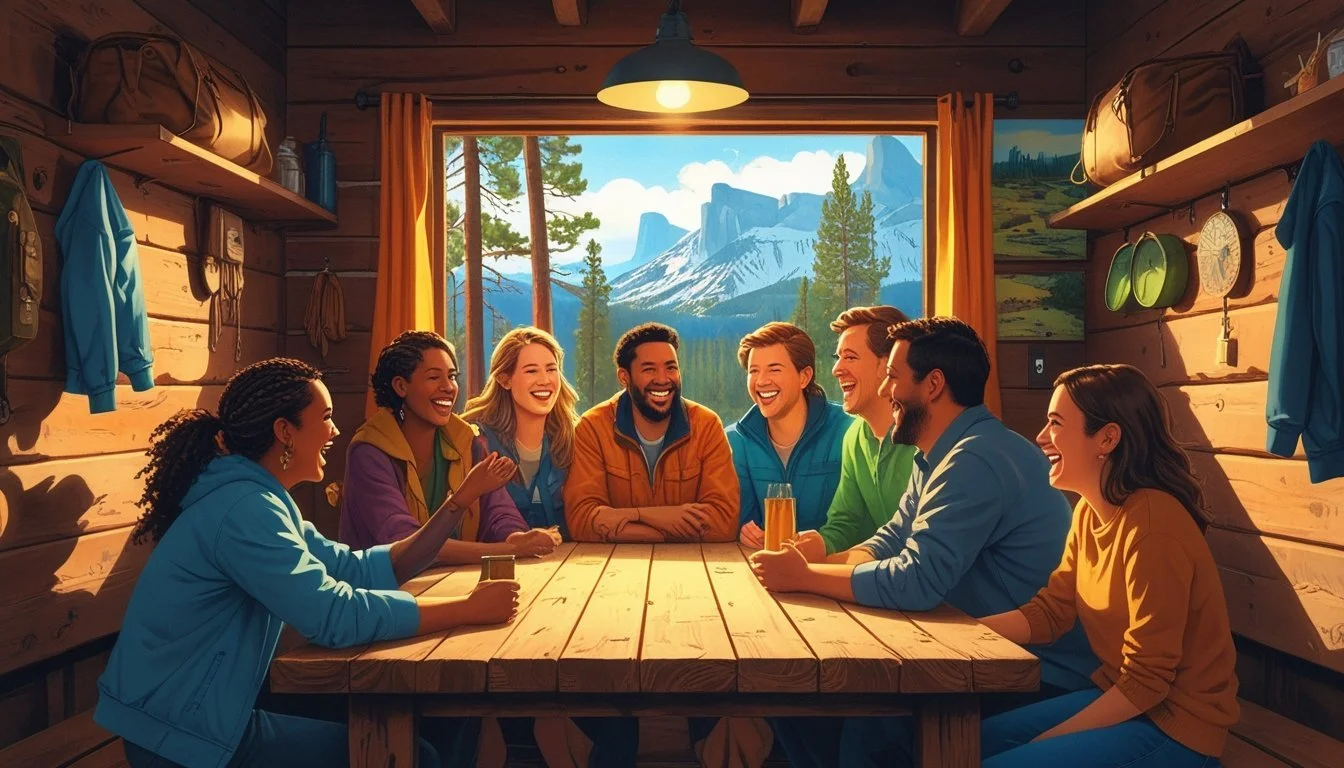
Yellowstone’s bunkhouse stands as more than just a gathering place for ranch hands. It functions as a unique corner of the series where comedic moments and genuine emotional expression intersect.
The camaraderie in the bunkhouse offers levity amid the main storyline’s frequent tension. Scenes here break up the more intense conflicts featuring John Dutton, providing necessary comic relief.
At the same time, conversations in the bunkhouse allow characters to reveal vulnerabilities. These moments bring catharsis, giving viewers a chance to see behind the cowboy bravado.
Key functions of the bunkhouse:
Element Purpose Comedy Lightens darker storylines Catharsis Reveals character depth Camaraderie Strengthens group dynamics Perspective shift Moves focus from John Dutton
Although Kevin Costner’s portrayal of John Dutton dominates the ranch’s big decisions, the bunkhouse scenes balance out the narrative. Their mix of humor and heart helps round out the world of Yellowstone without overshadowing its central themes.
Both comedy and catharsis in the bunkhouse ensure that audiences remain invested in not just the fate of the ranch, but also the everyday lives of those who keep it running.
