
The Best Friendship in Yellowstone Isn’t Who You Think
Uncovering the Series’ Most Surprising Bond
Yellowstone is known for its high-stakes drama, gripping conflicts, and unforgettable characters. Fans often talk about the tension between families, betrayals, and loyalties, but the show's most compelling friendship is easy to overlook. The strongest and most meaningful friendship in Yellowstone isn’t the one most fans expect—it’s the unlikely bond between Jimmy Hurdstrom and Lloyd Pierce.
While relationships like Rip and Kayce or Beth and John attract plenty of attention, the connection between Jimmy and Lloyd stands out for its quiet strength and mutual respect. Throughout the series, these two navigate loyalty, hardship, and personal growth, offering viewers a more subtle but deeply genuine depiction of friendship on television. This bond develops in the bunkhouse, away from the spotlight, revealing a side of Yellowstone that's honest and relatable.
Unpacking Yellowstone’s Central Friendships
Yellowstone portrays relationships that are defined not just by family ties, but by shared experiences and loyalty on the Dutton ranch. The friendships between ranch hands and members of the Dutton family often challenge viewers’ expectations of what true loyalty looks like.
The Bonds That Define the Ranch
Friendship on the Yellowstone Dutton Ranch is forged through hardship, long days, and mutual risk. Rip Wheeler and the bunkhouse crew show an unwavering commitment to each other, often trusting one another with their lives. These bonds go beyond casual camaraderie; they include real sacrifice.
Practical loyalty features in daily life. For example, Rip leads with quiet respect, earning trust rather than demanding it. The Dutton family relies on these non-family alliances, making friendships essential to ranch survival.
The bunkhouse isn’t just a workplace; it’s a support system. Members such as Lloyd, Jimmy, and Colby provide comfort during personal crises and stand as a united front in conflict. Small moments—shared meals, laughter, and the way they handle danger—reflect the weight these relationships carry.
Why Friendship Matters More Than Blood
Friendship on Yellowstone often takes precedence over familial loyalty, a recurring theme as relationships within the Dutton family are strained by power struggles and secrets. Rip’s unwavering support for John Dutton stands as a prime example: although not related by blood, Rip acts as both protector and confidant.
Blood ties alone do not guarantee support. The Dutton family itself deals with frequent betrayals and shifting alliances, making trust a rare commodity. In contrast, friendships built in the bunkhouse are based on reliability and proven actions rather than shared surnames.
This dynamic shapes the daily reality of life on the ranch. Decisions are driven by trust and earned respect, not obligation. In Yellowstone, the most dependable relationships are forged not through heritage, but through earned loyalty and shared survival.
The Unexpected Duo: Lloyd and Rip’s Enduring Loyalty
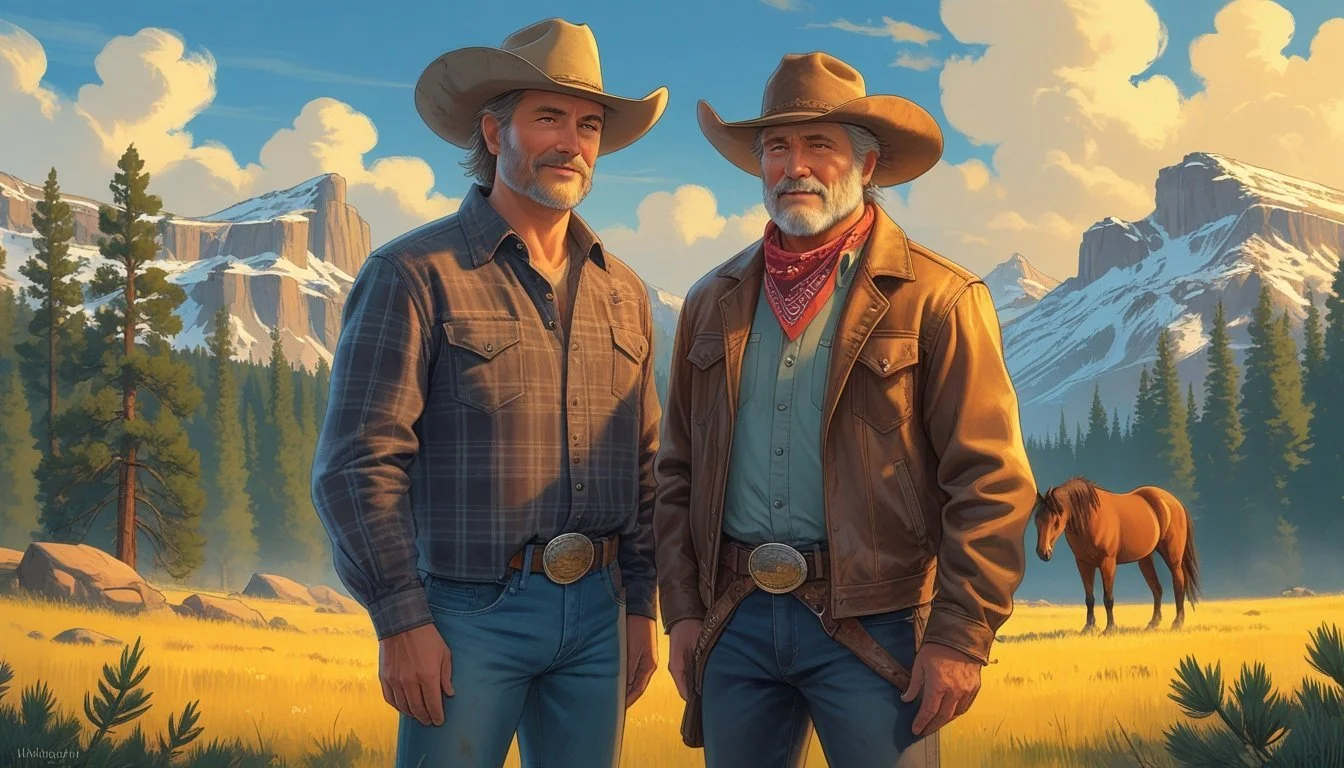
Lloyd and Rip stand out at the Yellowstone Ranch for their unlikely but unwavering friendship. Their shared experiences, tested loyalties, and deep respect form the backbone of the ranch’s daily life.
Lloyd and Rip: The Real Heart of the Ranch
At first glance, Rip Wheeler and Lloyd Pierce might not appear to be close allies. Rip, known for his fierce loyalty to John Dutton, arrived at Yellowstone as a teenager with a troubled past. Lloyd, the older cowboy, has decades of ranching wisdom and has seen more than most hands ever will.
Despite different beginnings, both men have earned John Dutton’s trust through their dedication and sheer resilience. This shared trust has positioned them as key figures in the ranch hierarchy, often working in sync through the toughest challenges.
A table showing their roles:
Name Role on Ranch Key Traits Rip Foreman Loyal, Stoic Lloyd Senior Ranch Hand Wise, Respected
Their partnership is seen daily in how they manage the bunkhouse, settle disputes among the hands, and navigate the often dangerous environment of rural Montana. They serve as anchors for the rest of the crew, embodying the values that keep the Yellowstone running.
Surviving Trials Together
Adversity has forged a steady bond between Lloyd and Rip. Both have faced violence, loss, and personal troubles that would have driven weaker men apart. Rip’s enforcement of the ranch’s strict code and Lloyd’s calm steadiness provide balance, even when their friendship has been tested.
A major source of tension came when Lloyd’s personal choices clashed with Rip’s responsibilities as foreman. Disputes in the bunkhouse sparked a violent confrontation, but both men ultimately placed loyalty to Yellowstone above personal grievances.
Through fights, reconciliations, and countless hours of work, Rip and Lloyd have proven their loyalty not just to John Dutton, but to each other. Their mutual respect and enduring connection remain a cornerstone of life on the ranch.
On-Screen Dynamics: Actor Chemistry and Character Depth
Actor interplay in Yellowstone goes beyond dramatic storylines. Some of the show’s strongest moments are rooted in believable friendships shaped by understated performances and thoughtful direction.
Cole Hauser and Forrie J. Smith’s Unique Rapport
Cole Hauser (Rip Wheeler) and Forrie J. Smith (Lloyd Pierce) display a grounded camaraderie that has become essential to the show’s ranch dynamic. Their scenes often hinge on unspoken trust, dry humor, and the kind of respect earned through shared hardship.
Hauser’s steady presence as Rip complements Smith’s portrayal of Lloyd’s wisdom and resilience. Their interactions rarely rely on grand gestures, instead favoring quiet loyalty and small acts of consideration. This subtle partnership underscores the familial bonds among the bunkhouse crew.
Hauser and Smith’s off-screen friendship is reflected in natural on-set chemistry, according to interviews and behind-the-scenes footage. Their approach highlights how understated performances contribute to authentic, memorable TV friendships.
How Taylor Sheridan Shapes Friendship Arcs
Taylor Sheridan, Yellowstone’s creator and lead writer, carefully constructs friendship arcs based on character histories. He avoids clichés by allowing alliances and rifts to develop slowly through dialogue and shared experiences.
Sheridan’s scripts often place characters like Rip and Lloyd in challenging moral situations that test their loyalties. This approach creates layers to their bond, revealing strengths and flaws without simple resolutions.
By taking time with these relationships, Sheridan ensures each friendship feels personalized to the characters involved. This emphasis gives supporting roles depth, strengthening the believability of interactions throughout the series.
Challenging Assumptions: Not Beth and Rip, Nor John and Rip
Many viewers naturally turn to the well-known partnerships in Yellowstone but overlook how deep true friendship can run outside these bonds. Examining romance and family connections among the Duttons highlights how close ties do not always guarantee the most genuine friendship.
Romance Versus True Friendship
Beth and Rip have a deep romance that stands out in Yellowstone. Their relationship is marked by passion, loyalty, and a history of shared pain. Yet, their bond, for all its depth, thrives on intimacy and exclusive trust but not the breadth of connection often seen in pure friendship.
Romantic relationships, like that of Beth and Rip, come with unique burdens of expectation and vulnerability. Their exchanges, though memorable and heartfelt, tend to revolve around protection, secrets, and mutual need rather than open companionship. Rip’s loyalty to Beth is fueled by their romantic commitment instead of the kind of lighthearted support or non-judgmental companionship that defines a close friendship.
Outside of their relationship, Beth and Rip are often isolated. They turn inward rather than outward, which limits the formation of wider, platonic friendships, even on the Yellowstone ranch.
Family Ties and Rivalries
The Dutton family is bound together by blood and necessity. John Dutton and Rip share a long-standing relationship built on respect, trust, and years of working together. Still, this relationship is often shaped by power dynamics and obligation within the ranch hierarchy.
Family connections can be complicated by rivalry and expectations. The Duttons frequently experience internal conflict, hidden agendas, and emotional distance. John’s treatment of Rip, both as a surrogate son and an enforcer, shows the complexity in their relationship. While there is loyalty, their interactions often contain elements of command and duty rather than unguarded connection.
Ties among the Duttons may keep them united but rarely allow for the vulnerability and honest exchange at the core of genuine, lasting friendship. These relationships offer support but are also shaped by the turf wars and responsibilities that define the Yellowstone legacy.
Other Notable Friendships Across Yellowstone
Friendship at the Dutton Ranch often emerges in unexpected ways. Some relationships are built on trust while others hinge on complex personal histories.
Teeter and Colby’s Dynamic
Teeter and Colby became close while working together in the bunkhouse. Teeter’s outspoken, quirky personality stands in sharp contrast to Colby’s more reserved, steady approach, but both share a deep loyalty to each other. Their friendship was tested during conflicts with outsiders, bringing their strengths to the forefront.
A particularly memorable moment was when they were targeted and attacked but managed to survive together. Fans often note how Teeter’s persistence played a role in breaking down Colby’s defenses, allowing a genuine friendship (and potential romance) to grow. Their interactions combine humor, trust, and mutual respect.
Key Elements of Their Dynamic:
Teeter’s bold, comedic influence helps Colby open up
Mutual defense and solidarity in high-pressure situations
Growth of trust through shared experiences
Their partnership reflects how camaraderie can develop quickly under challenging circumstances.
Jamie’s Struggles with Loyalty
Jamie Dutton’s relationships suffer from his conflicted loyalties. His desire for approval from John Dutton clashes with a yearning for independence and acceptance elsewhere. This tension affects his ability to form meaningful friendships within and outside the family.
Jamie’s missteps often isolate him from both the ranch hands and his own siblings. He finds brief allies, but suspicion and betrayal disrupt those connections. Beth Dutton’s intense distrust of Jamie, and Rip Wheeler’s protective stance within the bunkhouse, leave Jamie on the margins.
Notable Aspects of Jamie’s Situation:
Torn between family expectations and personal ambition
Faces frequent setbacks in building trust
Rarely receives open support from the bunkhouse crew
Jamie’s story highlights how loyalty—when divided—can undermine even the strongest intentions to belong.
The Role of Setting: Montana, Texas, and Western Bonds
Landscape shapes how people connect and interact, especially in settings rooted in tradition and identity. The contrasts and connections between Montana's rugged expanse and Texas's vivid Western culture create distinct dynamics for Yellowstone's friendships.
Montana’s Influence on Relationships
Montana's open rangeland, mountains, and isolation create an environment where individuals depend deeply on their community and chosen family. The state’s vastness means that relationships are forged through daily cooperation and relentless exposure to hardship.
In Yellowstone, the Dutton ranch becomes a hub for these bonds. Long rides, shared labor, and adversity tie coworkers and friends together in practical, sometimes unspoken ways.
Trust is not given lightly. The land’s demands reveal character, and friendships are often measured by actions rather than words. This environment fosters loyalty but also underlying tensions as personal goals can clash with obligations to land and legacy.
The mythos of the West is ever-present, but Yellowstone displays the nuances—how old rivalries persist, and modern pressures reshape what it means to be loyal or trustworthy in Montana.
Travis, Sadie, and the Texas Connection
The arrival of Travis brings a new dimension to Yellowstone's social fabric. Coming from Texas, Travis introduces a style marked by brisk humor, competitive spirit, and practical expertise—a contrast to Montana’s quieter stoicism.
Sadie, with her Texan background, further bridges two Western cultures. Her forthright approach and adaptability highlight both the similarities and differences between Texas and Montana values.
Tables like the one below illustrate contrasts:
Attribute Montana Texas Approach to work Stoic, endurance Bold, efficient Social bonds Deep, understated Outgoing, direct
Their friendship is less about shared origin and more about mutual respect. This connection challenges stereotypes and demonstrates that Western loyalty is less about geography and more about character and shared experience. The blend of Texas and Montana traditions helps redefine how loyalty and trust evolve within Yellowstone’s complex environment.
Evolution of Friendship in Season 5 and Beyond
Season 5 of Yellowstone highlighted dramatic shifts in loyalty and trust among the Duttons and their closest allies. Changing alliances, fractured bonds, and tense reconciliations played a central role in the story leading up to the series finale.
Season 5’s Most Surprising Moments
Season 5 delivered several unexpected developments in character relationships. The friendship between Rip Wheeler and Lloyd Pierce underwent major changes, with both men tested by new pressures on the ranch. For the first time, their dedication to each other and to John Dutton was openly questioned.
Beth Dutton’s dynamic with Monica Long-Dutton also evolved. Beth, usually guarded, found moments of empathy with Monica following shared family pain. This tentative understanding stood in contrast to previous seasons, where their interactions were marked mostly by tension.
Elsewhere, Jamie Dutton and Kayce Dutton’s relationship continued to veer between rivalry and reluctant teamwork. Their fragile cooperation was put to the test during ranch crises, as personal ambitions and family loyalty collided.
Looking Ahead to the Series Finale
As the series approached its conclusion with episode 14, "Life Is a Promise," shifting friendships significantly influenced each character’s path. The aftermath of John Dutton’s fate and the sale of the Yellowstone Dutton Ranch set new boundaries and responsibilities for every survivor.
Rip and Beth’s partnership grew stronger, becoming a stabilizing force within the fractured group. Meanwhile, Monica’s bond with Kayce faced new uncertainties in the wake of family and property losses.
Key alliances redefined what friendship meant at the ranch. Loss, betrayal, and forgiveness formed the foundation of new connections, shaping the prospects of all main characters as the show wrapped up.
Behind the Scenes: Influence of Real-Life Relationships
The success of Yellowstone is influenced not only by the story but also by the genuine personal connections among its cast. Off-camera dynamics have contributed to authentic performances and shaped the interactions seen on screen.
Kevin Costner’s Impact as John Dutton
Kevin Costner’s leadership has set the tone for the Yellowstone cast. Playing John Dutton, Costner brings decades of acting experience, guiding the ensemble with professionalism and consistency. Cast members often mention his steady presence during filming in rugged locations such as Aspen and Montana.
Costner’s real-life approach influences the show's work culture. His expectations for focus and integrity mirror John Dutton’s commitment to his family's legacy. This fosters a disciplined environment that actors like Kelly Reilly benefit from, helping them fully inhabit their roles without distraction.
His presence also creates a sense of unity among the crew. The respect he commands ensures that even with off-screen tensions or public feuds—like those with show creator Taylor Sheridan—the production maintains a collaborative spirit.
How the Cast’s Off-Screen Bonds Shine Through
Cast members have formed strong friendships that impact their performances. For example, the camaraderie between Jefferson White (Jimmy) and Forrie J. Smith (Lloyd) extends beyond the script, echoing their characters’ loyalty on the ranch.
Kelly Reilly, who plays Beth Dutton, has developed close working relationships with Cole Hauser (Rip Wheeler) and other key actors. These off-screen bonds allow for authentic chemistry in pivotal scenes, making the Dutton family dynamics more believable.
Personal connections among the cast lead to open communication during challenging shoots, especially in tough outdoor conditions. The support system they’ve built translates into nuanced and genuine moments, helping Yellowstone’s ensemble stand out in modern television dramas.
Pop Culture Impact and Broader Connections
Yellowstone’s reach extends well beyond scripted drama, shaping fashion, media, and the wider entertainment landscape. Its influence connects surprising figures and series, reflecting ongoing shifts in popular culture.
Horizon, Bella Hadid, and Cross-Series Influences
The visual and narrative style of Yellowstone paved the way for projects like Horizon, which carries forward the rugged authenticity and Western themes, appealing to viewers interested in American landscape and history. Directors and producers have adopted elements such as panoramic shots and character-driven stories, mirroring Yellowstone’s formula.
Fashion icons like Bella Hadid have incorporated Western-inspired elements into mainstream style. Forbes noted increased sales of cowboy boots and wide-brimmed hats after high-profile appearances. This Western look has expanded from the ranch to urban fashion scenes.
Cross-series references are appearing more often. TV recappers point to the overlap between Yellowstone and other dramas, such as Succession, in terms of family power struggles. This trend highlights how Yellowstone’s approach has resonated across different genres and demographics.
