
The Duttons Aren’t Cowboys—They’re Kings in Yellowstone
Power, Legacy, and the Modern West
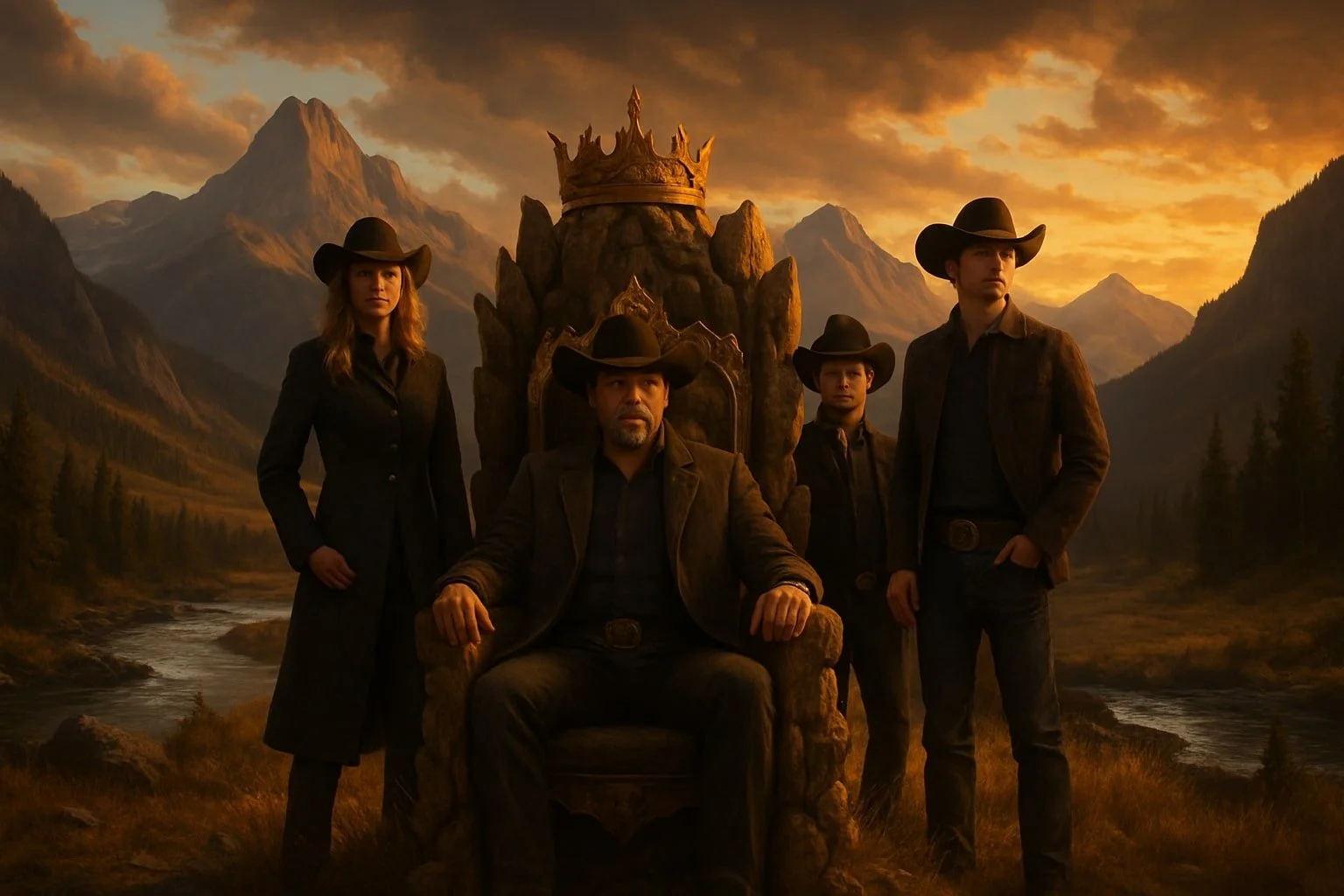
The Duttons aren’t simply cowboys—they command their land and legacy with the authority of kings in Yellowstone. While the series highlights ranching culture and daily cowboy work, the Dutton family’s actions, decisions, and impact reach far beyond the bunkhouse. Their choices shape not only their own fate but also the entire region surrounding their sprawling Montana ranch.
Much of the power wielded by the Duttons is rooted in control, legacy, and an unyielding defense of what they believe is theirs. Unlike typical cowboys, whose responsibilities are tied to cattle and the range, the Duttons are deeply involved in politics, business, and family strategy. The show uses traditional cowboy imagery, but at its core, Yellowstone is about authority, territory, and the cost of maintaining a dynasty.
These qualities set the Duttons apart from the ranch hands around them and place them in a complex role where morality is often ambiguous. Their story is less about cowboy grit and more about the burdens and privileges of ruling an empire.
Exploring the Dutton Family Legacy
The Duttons are more than ranch owners—they represent a unique legacy deeply tied to American history, land, and lasting power. Their story spans from early pioneers to modern landholders, shaped by generational struggles and societal change.
Origins of the Duttons
The Dutton family traces its beginnings to James Dutton, a Civil War veteran who moved his family west in the late 19th century. James’s journey was driven by the promise of land and the search for a new start amid the hardships of post-war America. He settled in Montana, founding what would become the Yellowstone Ranch.
Family members like Margaret Dutton supported James during these harsh early years, managing the practical and emotional demands of frontier life. Their resilience allowed the Duttons to withstand loss and adversity, solidifying their claim to the region. Evidence of these roots appears in series like "1883," which depicts their migration and the dangers they faced.
The foundation they built is not just about land ownership. It is also about establishing a presence in a lawless, often violent landscape, turning survival into legacy.
Understanding the Dutton Dynasty
By spanning several generations, the Dutton family evolved from homesteaders into powerful landholders. Each generation contributed to expanding not only their ranch’s borders but also their social and political influence.
Dutton Family Generations Table
Generation Key Figure Era Contribution 1st James Dutton 1880s Founded Yellowstone Ranch 2nd John Dutton Sr. Early 1900s Grew ranch operations 3rd Jack Dutton 1920s Maintained family legacy 4th John Dutton II 20th c. Managed succession planning 5th John Dutton III Modern Defended land against external threats
Their ownership style emphasizes stability, long-term planning, and fierce protection of their holdings. The Duttons act more like a dynasty than a conventional ranching family, with a clear hierarchy and succession plan. Their traditions, rituals, and authority set them apart as land “kings” rather than ordinary cowboys.
Contrasts with Traditional Cowboy Heritage
Unlike many ranchers, the Duttons are defined by their scale of influence and their approach to holding power. While the term “cowboy” often calls to mind independence, skilled horsemanship, and a life defined by hard work, the Duttons operate on a higher rung of the social and economic ladder.
Their focus is not just on working cattle but also on politics, business negotiations, and land preservation. They employ cowboys and ranch hands, but rarely do the Duttons themselves embody the typical cowboy lifestyle seen in popular media.
The Duttons’ primary concern is keeping their family’s land intact and maintaining their legacy across generations. This broader vision places them outside the realm of tradition-bound ranching families, marking them as powerful stewards of Montana’s land—protectors of their own dynasty rather than just working-class ranchers.
Power and Authority on Yellowstone Ranch
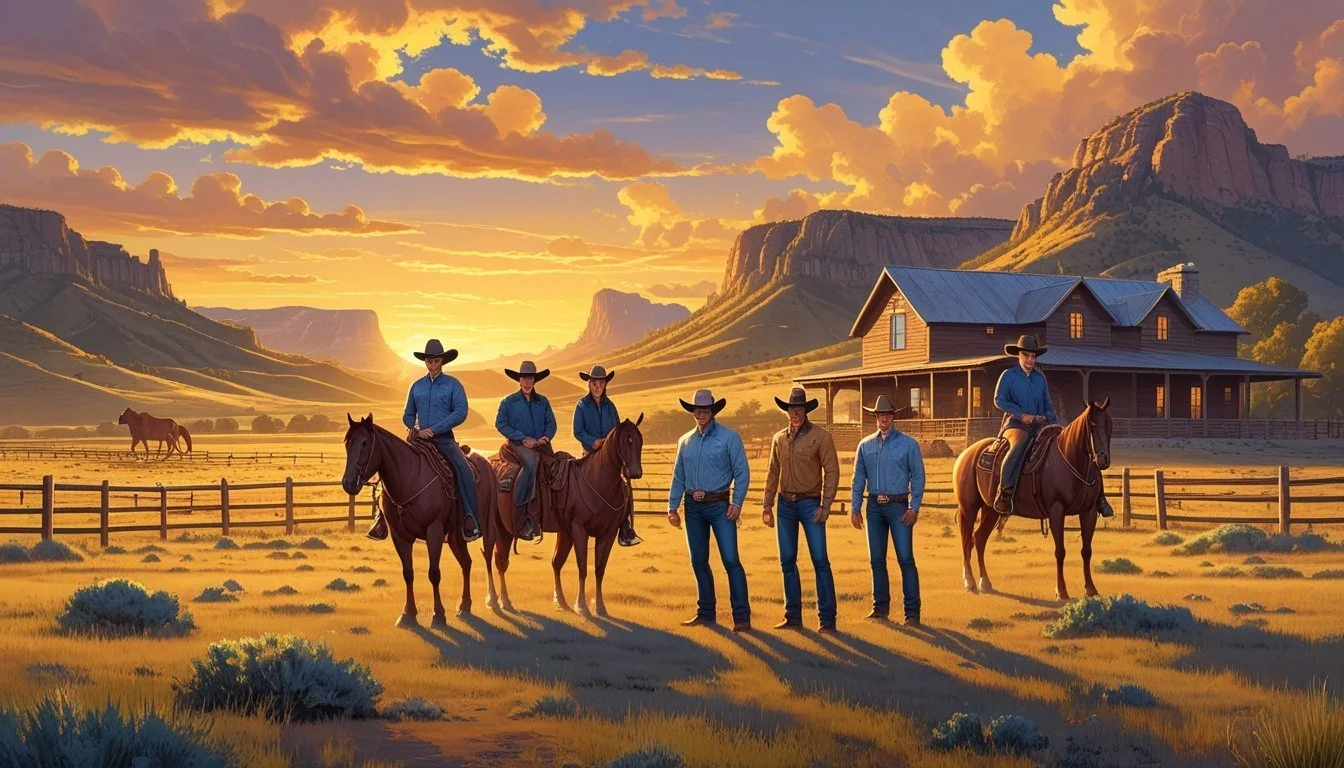
Power on the Yellowstone Dutton Ranch centers around strict control, decision-making, and generational legacy. Authority comes not only from official land ownership but also from the family’s ability to enforce their rules and protect their interests in a turbulent landscape.
John Dutton’s Command
John Dutton operates the ranch with a leadership style rooted in decisiveness and tradition. As patriarch, he makes critical choices without extensive consultation, setting the tone for everyone on and around the ranch. His control extends beyond the immediate family, impacting employees, allies, and rivals alike.
Daily operations and key disputes go through John, who uses both legal tools and personal relationships to maintain dominance. Loyalty is expected, and he leverages favors, history, and threats to secure it when needed. John’s continuous presence ensures he remains the final authority—his word is rarely second-guessed by those around him.
In difficult moments, John doesn’t hesitate to bypass official channels to get results. His willingness to negotiate, intimidate, or fight when the ranch is threatened draws a clear line between running a business and ruling a domain.
The Ranch as a Kingdom
Yellowstone Ranch serves as more than just property—it functions as a central seat of power much like a kingdom. Members of the Dutton family act as stewards of territory, enforcing boundaries, establishing rules, and defending against any external or internal threat.
This authority is reinforced by tradition, where responsibility to the land passes from generation to generation. The ranch’s history, dating back to the late 19th century, provides legitimacy and a sense of permanence to their claim.
Capital, labor, and political influence all funnel through the ranch, positioning it as a local power center. Outsiders, whether developers or politicians, find themselves negotiating not just with landowners but with a family operating as undisputed rulers of their domain.
Key Features of Their Authority:
Centralized decision-making
Strong expectations of loyalty
Use of personal and legal power
Multi-generational continuity
The Duttons’ Influence over Montana
The Dutton family’s reach extends far beyond simply owning land; they impact how power operates and how life is lived in their part of Montana. They shape laws, social dynamics, and even the day-to-day traditions that define rural Montana.
Political and Social Clout
The Duttons are depicted as power brokers who interact closely with Montana politicians, law enforcement, and business leaders. Their land ownership provides leverage that allows them to steer development decisions and tax policies that affect the entire region.
They often use alliances and, at times, intimidation to defend their interests. Key legal decisions, zoning issues, and even local elections are influenced by the Dutton name. Their presence often sways public debates around land development, environmental policy, and infrastructure.
The family’s social standing creates visible divides in the community. Those aligned with the Duttons benefit from their protection or resources, while rivals face exclusion from valuable economic and social opportunities. Their influence frequently extends to major events, law enforcement actions, and negotiations between local government and private investors.
Shaping Local Traditions
Through their long-standing presence, the Duttons reinforce certain traditions and customs in the region. From ranch management practices to annual gatherings and celebrations, the family upholds rituals that help define local culture.
Their brand of cattle ranching directly impacts employment and the economy, as many local workers depend on the ranch for seasonal work. They mentor or hire young locals, shaping who learns traditional skills and who gains status in the community.
Additionally, the Duttons influence local attitudes toward change. Their resistance to development keeps certain landscapes and ways of life preserved, but it can also stifle new traditions or progress that outsiders bring. Community gatherings, rodeos, and even disputes often center on the family’s involvement, demonstrating their ongoing influence in setting what becomes the norm.
Distinct Roles of Dutton Family Members
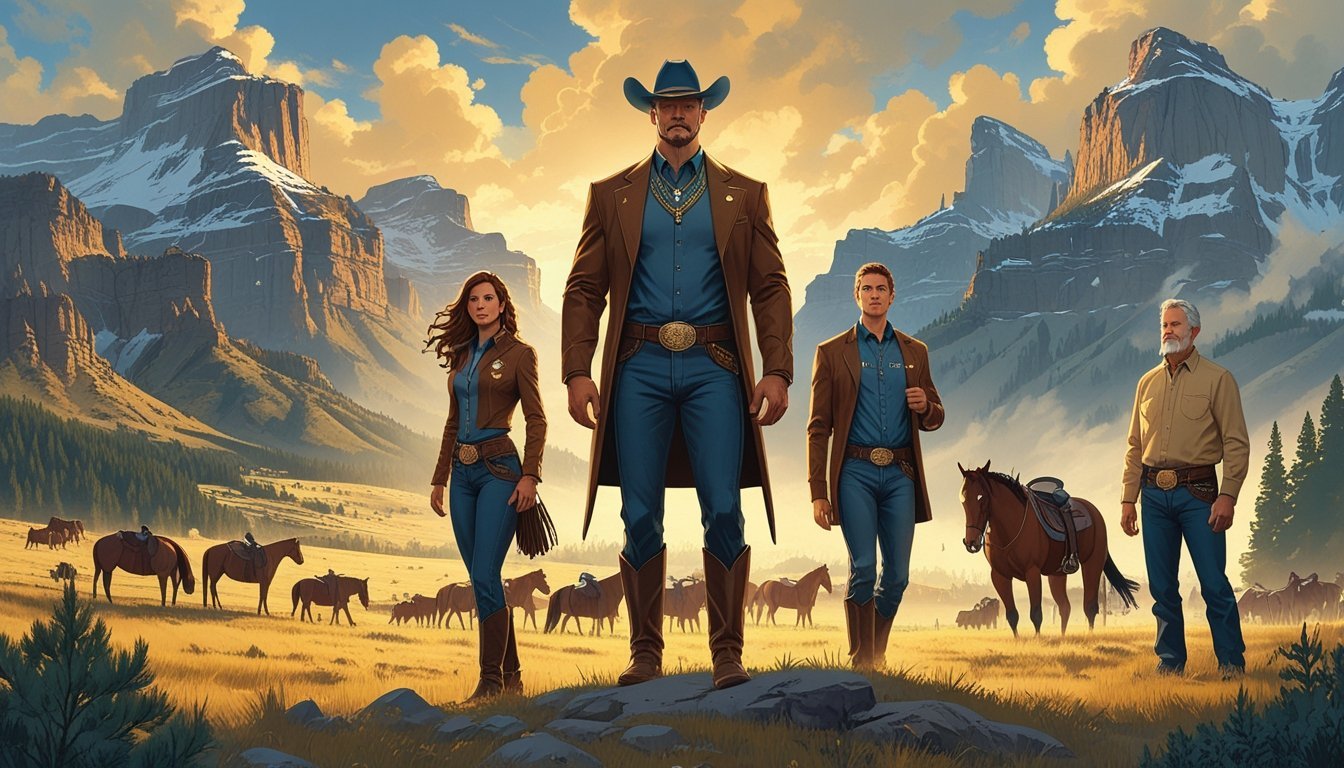
Each Dutton family member shapes the fate of the Yellowstone Ranch through deeply personal approaches. Power, loyalty, and strategy define how Beth, Kayce, and Jamie influence the legacy and business of the Duttons.
Beth Dutton’s Strategies
Beth Dutton operates as the family’s chief strategist, focusing on corporate and financial warfare. Fiercely loyal to her father, John Dutton, she leverages her expertise in banking and finance to secure the ranch’s survival against external threats. Her negotiation tactics are often ruthless, pressing adversaries with calculated precision.
She is known for taking direct action—launching legal offensives, orchestrating hostile takeovers, and using personal relationships to gather critical information. Beth also navigates personal trauma, which shapes her no-nonsense approach and willingness to confront threats head-on.
A mix of strong will, intelligence, and risk-taking makes her indispensable, especially when the family faces lawsuits and land developers. Beth’s strengths are her fearlessness and vision, allowing her to anticipate moves against the ranch and act before damage is done.
Kayce Dutton’s Journey
Kayce Dutton balances loyalty to his family with a desire for his own identity and independence. Initially resistant to ranch life, he is pulled back by family obligation and his sense of justice. His background as a former Navy SEAL influences his protective instincts and leadership style.
Kayce strives to achieve peace and stability for his wife Monica and their son, sometimes challenging the family’s brutal methods. He often becomes the link between the Duttons and local Native communities due to his marriage and respect for tribal values.
He handles many of the ranch’s physical and operational challenges, from managing livestock to confronting direct threats. Kayce’s approach favors action and integrity but is tempered by internal conflict over violence and morality.
Jamie Dutton’s Legal Maneuvers
Jamie Dutton’s value lies in his legal and political acumen. As an attorney, he manages the labyrinth of laws and regulations threatening the ranch’s status. He drafts contracts, negotiates with developers, and handles public relations to keep government scrutiny away from the Dutton property.
He often finds himself torn between his ambitions and family loyalty, leading to decisions that carry serious repercussions. Jamie is meticulous in his work, weighing risks and benefits before taking action, but his quest for approval complicates his choices.
Jamie's understanding of policy and law gives the Duttons an advantage in courtrooms and political arenas. Through legislative maneuvering and calculated alliances, Jamie becomes both a shield and a potential liability for the family.
Yellowstone Ranch Power Dynamics
Yellowstone’s portrayal of ranch life centers on both the physical command of expansive Montana land and the constant battle for influence against outside threats. The Dutton family shapes their environment through a mix of hands-on authority and strategic negotiation.
Control over the Land
The Dutton Ranch serves as the foundation of the family’s enduring power. John Dutton holds legal ownership of the largest contiguous ranch in Montana, a status that positions him as a key figure in the region.
Managing such a vast property requires constant oversight and hard decisions. The land is vigilantly protected through a combination of family loyalty, employment of ranch hands, and sometimes, covert actions against intruders.
A simplified view of their control structure can be outlined:
Role Responsibility John Dutton Strategic decisions, legal battles Beth Dutton Financial defense, negotiations Ranch Hands Physical upkeep, enforcement of rules
Ownership goes beyond paperwork. The family views the ranch as a living legacy, using their influence to push back against development pressures, government action, and changing local economies.
Interactions with Rivals
Conflicts with external rivals are a core driver of tension. The Duttons face challenges from developers, Native American tribes seeking to reclaim ancestral land, and politicians interested in economic growth at the ranch’s expense.
Each group uses its own strategies. Developers push legal options and offers, while tribal leaders cite historical injustice. The Duttons respond with political alliances, backdoor deals, and sometimes direct confrontation—a mixture that keeps the balance of power in flux.
These interactions are frequently marked by shifting alliances and mutual distrust. The Duttons must anticipate threats and adapt strategies to maintain their hold, often prioritizing the ranch’s future over personal relationships or ethical norms.
Symbolism of Kingship in Yellowstone
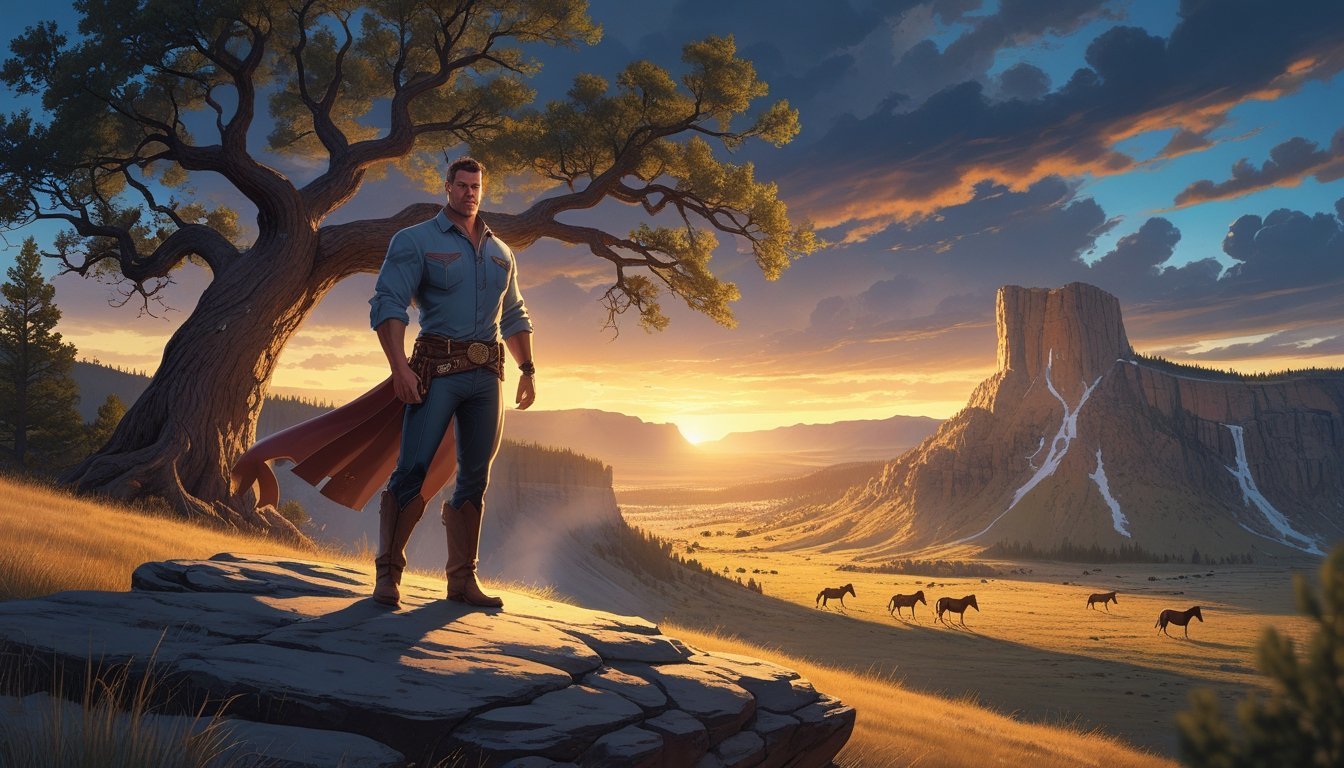
Yellowstone uses symbols and story choices that position the Duttons as rulers rather than traditional cowboys. Their world is defined by power, legacy, and the perpetual defense of their land and kin.
Visual and Narrative Motifs
The design of the Yellowstone Dutton Ranch evokes classic imagery of a kingdom. The ranch house is cast as a grand seat of power, often framed with sweeping shots that highlight its prominence in the landscape. Expansive views reinforce the sense of land ownership—an equivalent to a king’s domain.
Rituals, like branding ranch hands with the “Y,” act as visible marks of allegiance. This branding redefines employment as fealty, and the ranch itself serves as a modern castle—the Duttons' fortress. Clothing and the use of specific vehicles signify rank and hierarchy, mirroring how a monarchy visually distinguishes its court.
The show’s color palette and lighting frequently underscore this order. Dark interiors and sharp tableaus recall the aesthetic of royal dramas, subtly reinforcing the Duttons’ sovereign stature.
Significance of Leadership
The Duttons’ leadership hinges on command, loyalty, and legacy. John Dutton operates as a patriarchal figure, making unilateral decisions that affect not just his family, but an entire community—paralleling a king’s rule over subjects.
Loyalty is not just expected; it is exacted through ritual, punishment, and reward. Ranch hands are integrated into a hierarchy where their livelihood depends on adherence to Dutton authority. This positions the Duttons as political rulers, not just employers.
Inheritance and succession are central themes. Their battles with rivals, outside threats, and governmental forces echo the challenges of sovereign leadership. The emphasis on bloodlines and obligation situates the Dutton family as royalty whose power extends beyond the boundaries of their land.
Challenging Myths about Cowboys and Kings
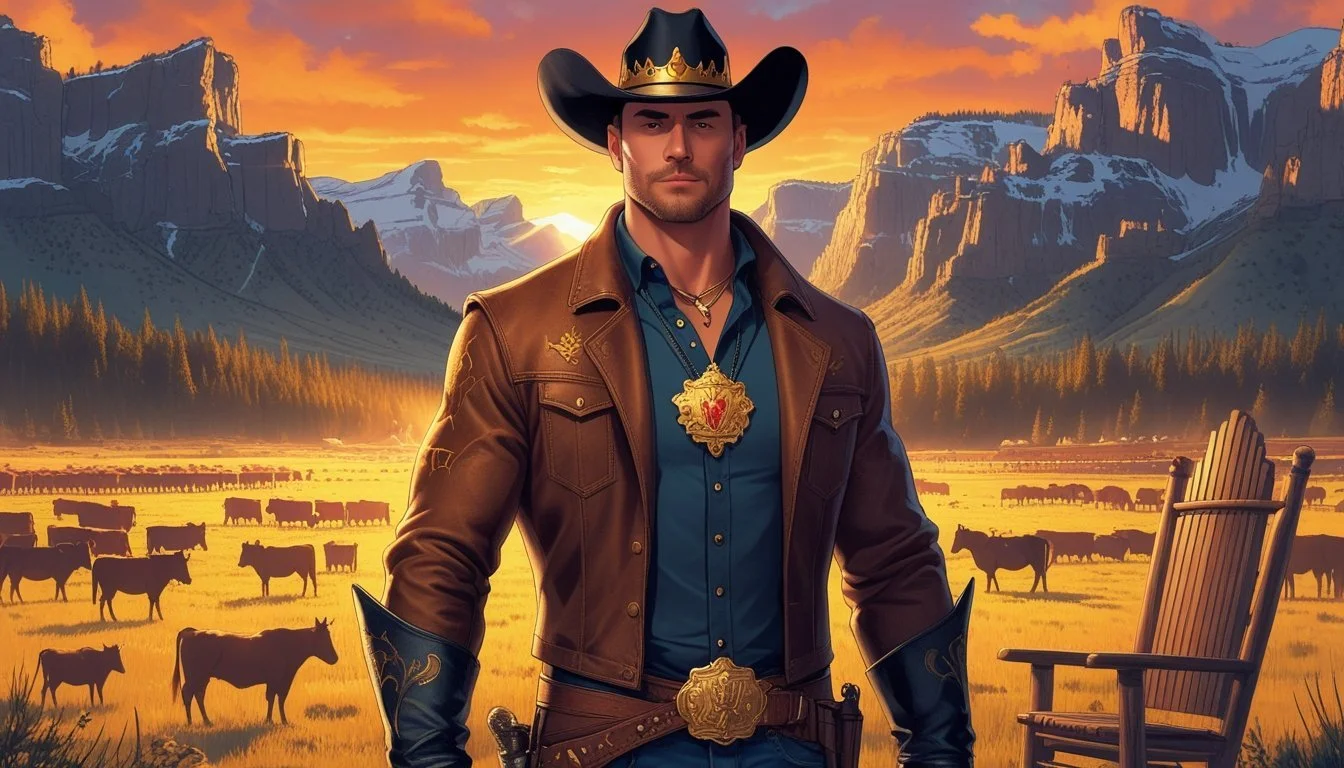
Yellowstone’s Dutton family blurs the lines between the mythic cowboy and the historical archetype of royalty. Their story replaces simple Western heroism with a focus on power, legacy, and control over land.
Reinterpreting Western Archetypes
The Duttons are often labeled as cowboys, but their daily lives and struggles do not reflect those of working ranch hands. Real cowboys spend most of their time handling cattle, fixing fences, and dealing with unpredictable weather, focusing on practical, hard tasks.
In contrast, the Duttons act more like landed aristocracy. Their concerns include land rights, family inheritance, business negotiations, and defending their territory from encroaching interests. The family’s decisions revolve around wealth and influence, not only around livestock.
Comparison Table: Cowboys vs. Duttons
Aspect Cowboys Duttons Daily Roles Ranch labor Business, legacy, strategy Power Base Personal skills Land ownership, political ties Major Concerns Survival, work Dynasty, territorial control
This redefinition alters the traditional image of the Western rancher into something closer to an American version of nobility.
Cultural Impact of the Duttons’ Portrayal
The show’s depiction of the Dutton family has shaped popular understanding of what ranch life and power dynamics in the modern West look like. Instead of highlighting the struggles of everyday workers, Yellowstone centers on the pressures and conflicts faced by those with inherited wealth and authority.
Montanans and actual ranchers have noted that, while some aspects of ranch life are present, the series exaggerates the scale of influence and the drama tied to landownership. The focus on succession battles, corruption, and violent conflict deviates from the ordinary routines and challenges faced by most people in rural communities.
This portrayal has influenced both cultural perceptions of the West and discussions about who truly holds power in such regions—a dynamic that is more complex and less romantic than usually presented.
Audience Perceptions and Series Impact
Yellowstone has become one of the most popular drama series in the United States, drawing millions each season. Its audience tends to be less diverse than other major shows, largely reflecting rural and older demographics. The series’ portrayal of land, power, and tradition appeals strongly to viewers who value heritage and stability.
Many viewers see the Dutton family as protectors of a way of life, defending their land against outside threats. Others interpret the Duttons' actions as ruthless power plays, suggesting the family operates more like royalty than ranchers. The show’s narrative blurs the line between heroism and domination.
Viewer Perspective Common Responses Traditionalist Admiration for legacy and tough choices Critical Concerns about ethics and violence Neutral/Analytical Fascination with character complexity
Yellowstone’s cultural impact extends beyond entertainment. The show has helped spotlight issues facing rural America and Indigenous communities, creating space for broader social discussions. Its popularity has also fueled spin-offs and inspired greater interest in modern Western storytelling.
Critics and audiences continue to debate the morality of the Duttons' actions. While some focus on the family’s struggle to survive, others highlight their questionable business tactics and treatment of rivals. These mixed perceptions keep the series a frequent topic in both media and social circles.
